Maine Smart Glasses Recording Laws: What You Need to Know
Maine is a one-party consent state. You can record audio of any conversation you participate in with smart glasses. Learn what the law allows and prohibits.
11 min read
906 articles · page 7 of 16
Maine is a one-party consent state. You can record audio of any conversation you participate in with smart glasses. Learn what the law allows and prohibits.
In Maine, video recording in public is legal, but adding audio triggers one-party consent. Learn the rules for public filming, private property, and consent.

Maine's one-party consent law lets employees record workplace conversations they join. Learn employee and employer recording rights, limits, and workplace policies.
Malaysia requires all-party consent for recording calls and private conversations under the Communications and Multimedia Act 1998 Section 234. Fines up to RM50,000.
Malta has no all-party consent law. See what S.L. 586.01, the Data Protection Act, and Criminal Code art. 208E actually require for recording in Malta.
Manitoba follows Canada's one-party consent rule under Criminal Code s. 184(2)(a). Learn how the Manitoba Privacy Act creates a civil tort for unlawful recording without proof of damage.
Maryland audio recording laws require all-party consent under Md. Code Cts. & Jud. Proc. ss 10-402. Learn the rules, penalties, and exceptions for recording in Maryland.
Maryland dashcam laws allow video recording while driving but restrict audio capture under ss 10-402. Learn windshield mounting rules, passenger consent, and evidence use.
Maryland landlord-tenant recording laws restrict cameras in rental properties. Landlords face felony charges for audio recording without consent and misdemeanors for hidden cameras.
Maryland allows silent video recording in public but requires all-party consent for audio. Learn public recording rights, the Graber case, and pending reform legislation.
Maryland law protects your right to record police in public. Learn about the Graber case, body camera rules under ss 10-402(c)(11), and how to record officers safely.
Maryland medical recording laws require all-party consent under ss 10-402 plus HIPAA compliance. Learn rules for recording doctor visits, telehealth, and medical facilities.
Maryland requires all-party consent to record phone calls under ss 10-402. Learn rules for personal calls, business calls, interstate calls, and VoIP recording.
Maryland is an all-party consent state. Recording without every participant's consent is a felony under Md. Cts. & Jud. Proc. § 10-402: up to 5 years, $10,000 fine.

Maryland school recording laws apply the all-party consent wiretapping statute on campus. Learn rules for students, teachers, security cameras, IEP meetings, and FERPA.
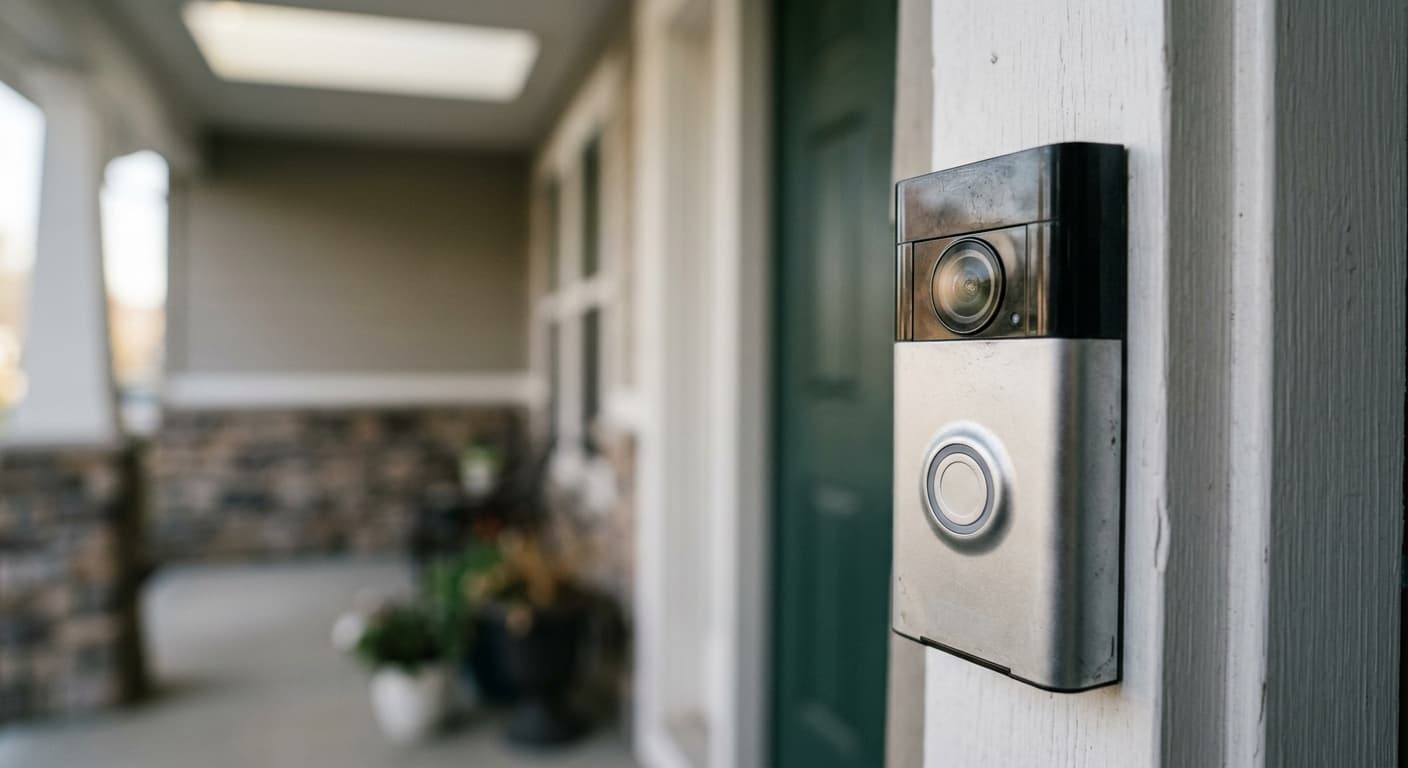
Maryland security camera laws allow silent video surveillance but restrict audio recording under ss 10-402. Learn rules for home cameras, Ring doorbells, and business systems.
Maryland requires all-party consent to record audio. Learn when smart glasses are legal in Maryland, the felony penalty under § 10-402, and voyeurism rules.
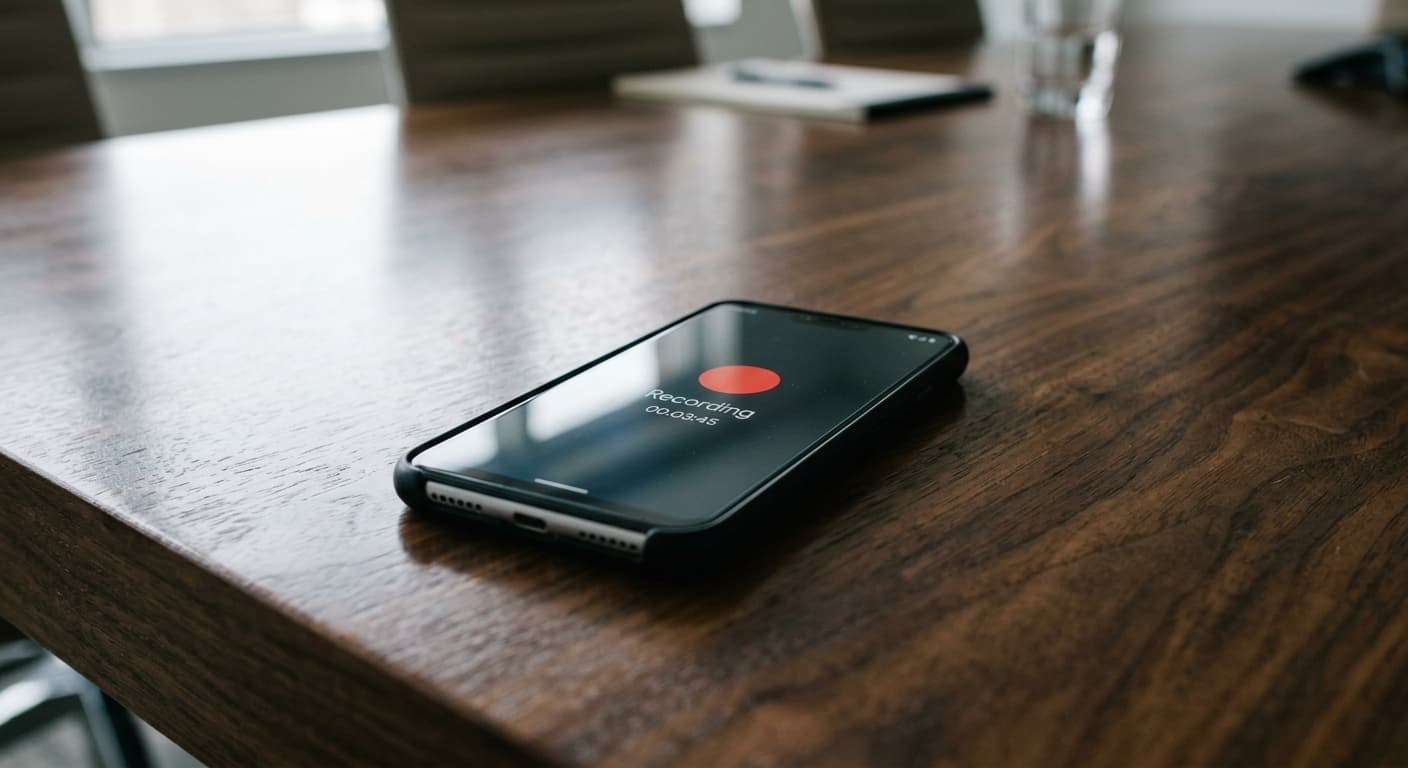
Maryland video recording laws allow silent video in public but require all-party consent when audio is captured. Learn surveillance rules, penalties, and exceptions.
Maryland voyeurism laws under Criminal Law ss 3-902 and ss 3-903 prohibit hidden cameras in private places. Learn penalties, revenge porn rules, and victim protections.
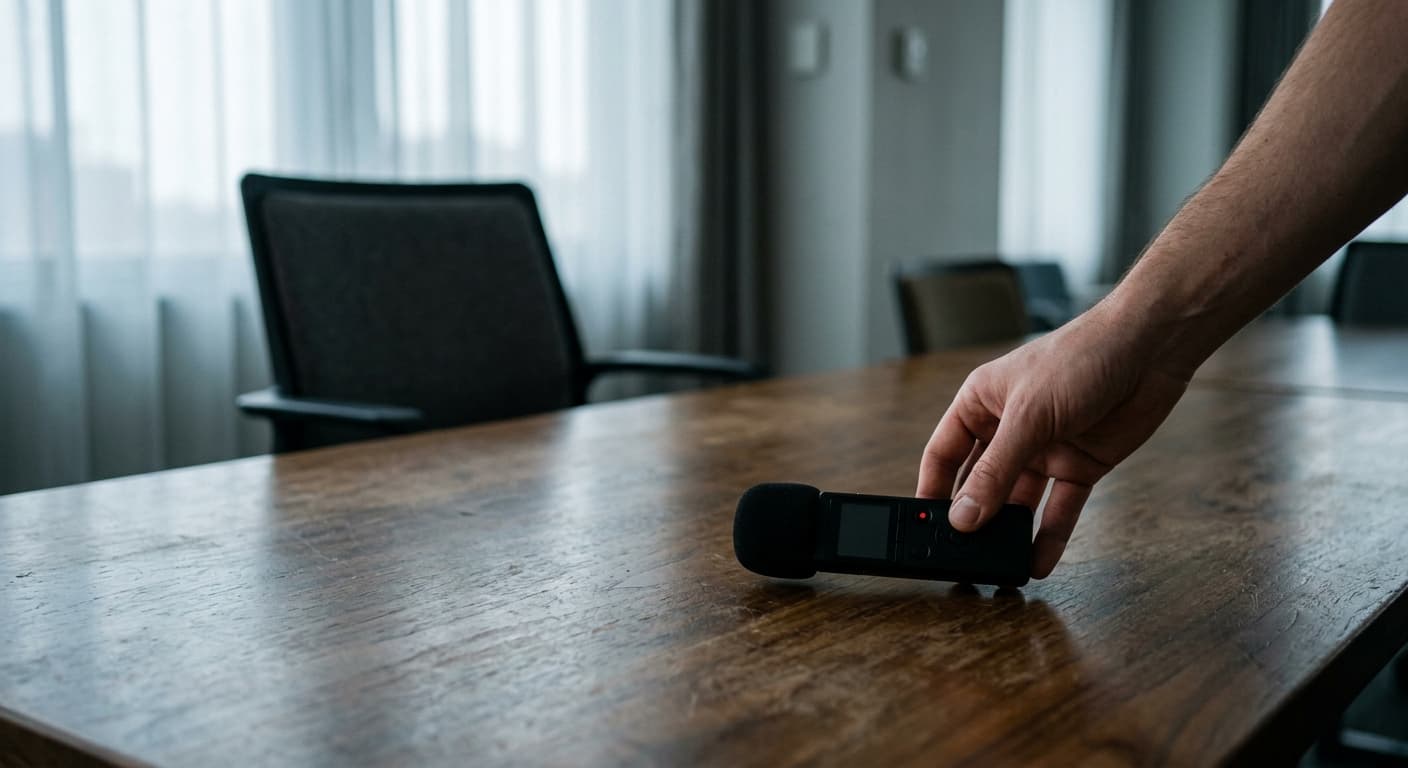
Maryland workplace recording laws prohibit secret audio recording at work under the all-party consent wiretapping statute. Learn employee rights, employer monitoring rules, and penalties.
Massachusetts audio recording laws explained. Secret recording of any conversation is a felony under MGL ch. 272 s.99 with up to 5 years prison, $10,000 fine.
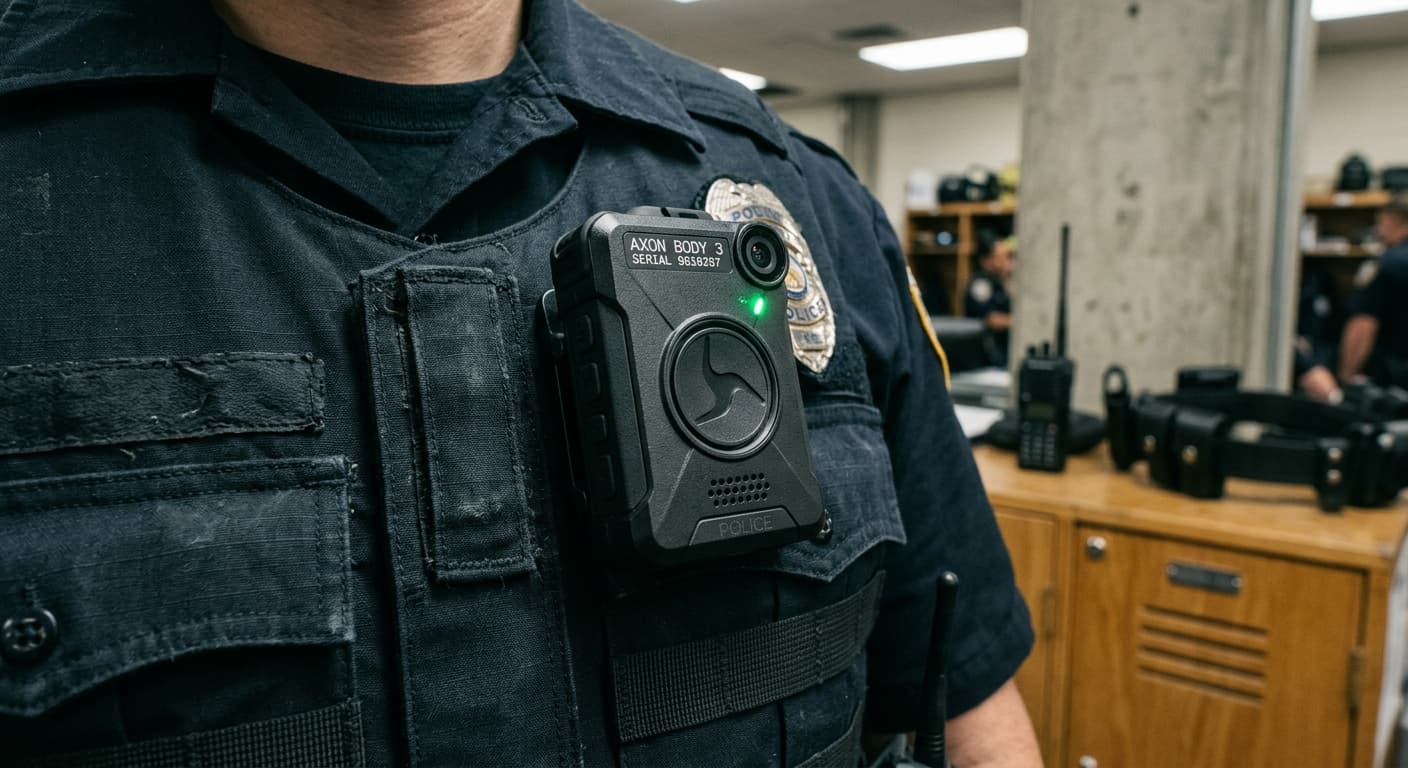
The Massachusetts SJC ruled June 2, 2026 that police body-camera footage from a sobriety checkpoint was not a secret recording under the state wiretap law.
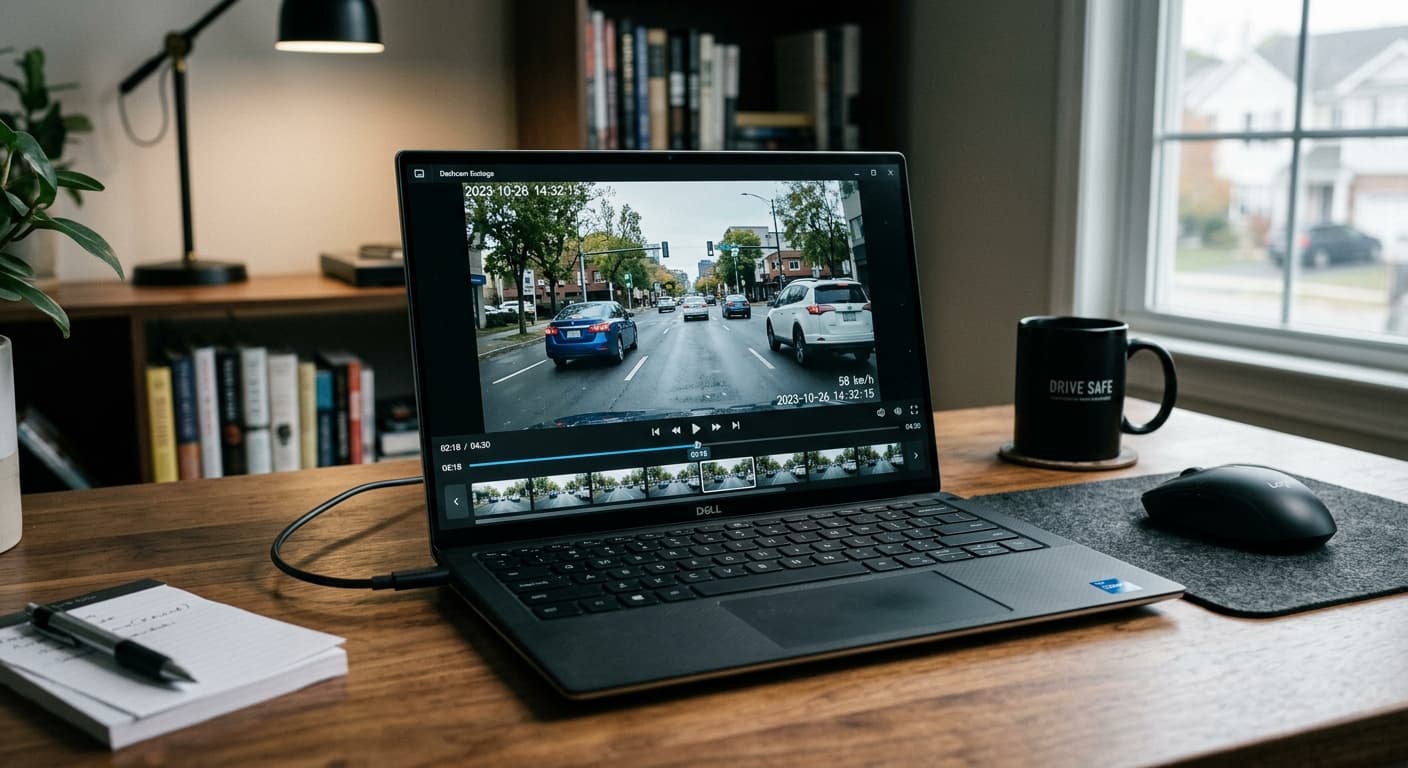
Massachusetts dashcam laws. Dashcams are legal but audio recording passengers without disclosure is a felony. Placement rules and evidence use explained.
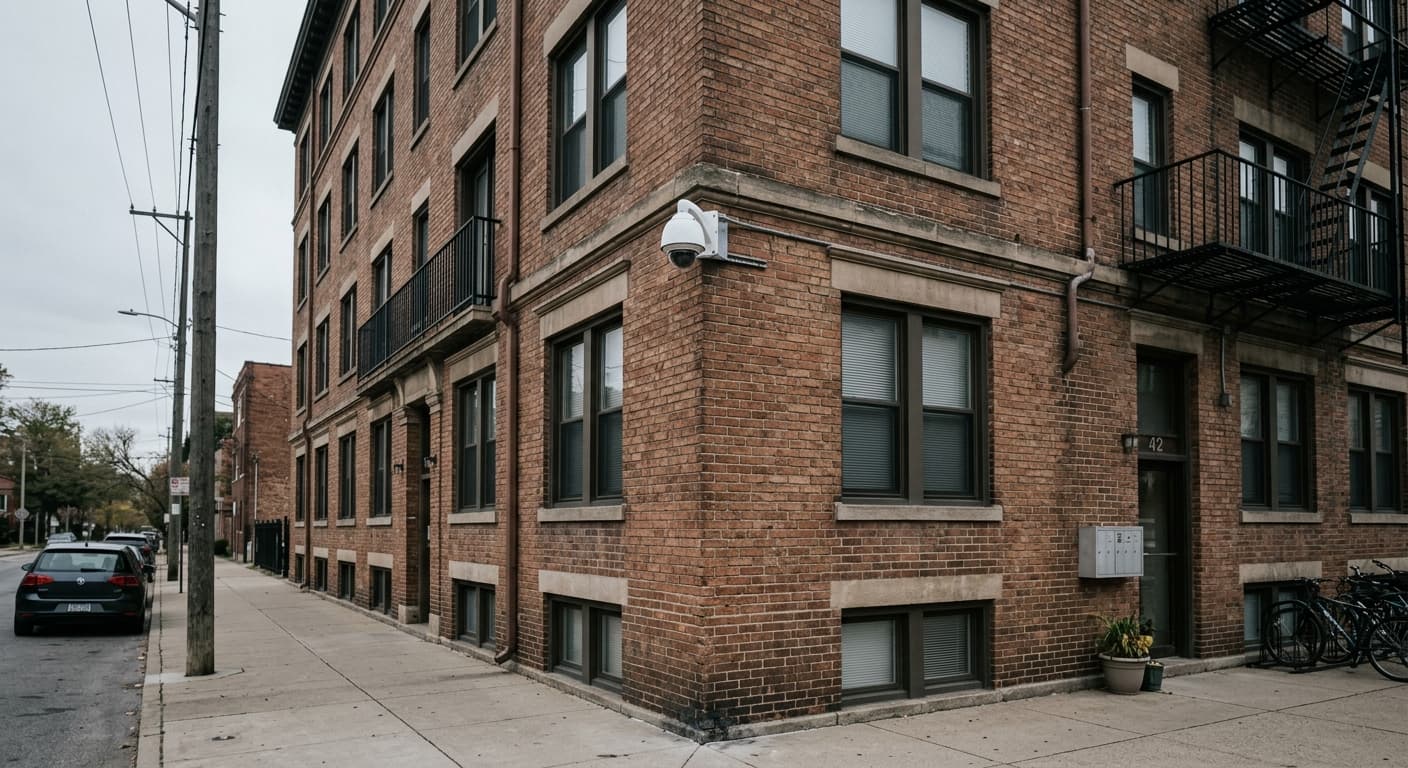
Massachusetts landlord-tenant recording laws. Secret recording between landlords and tenants is a felony. Security camera rules for rental properties explained.
Massachusetts public recording laws. Being in public does NOT allow secret audio recording. Silent video is legal but secret audio is a felony. Learn the rules.
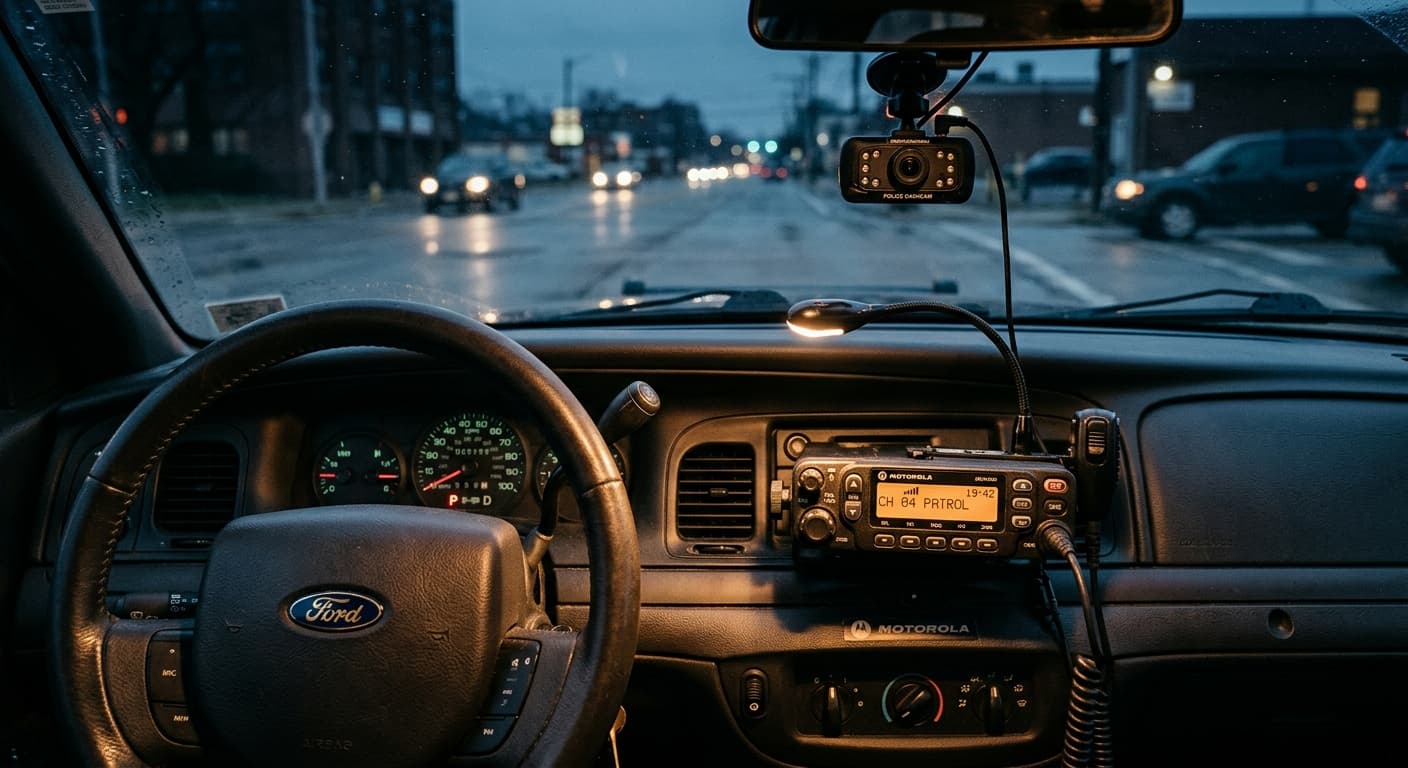
Massachusetts laws on recording police. Your First Amendment right to record officers in public is protected. Body camera rules, wiretap warrants explained.
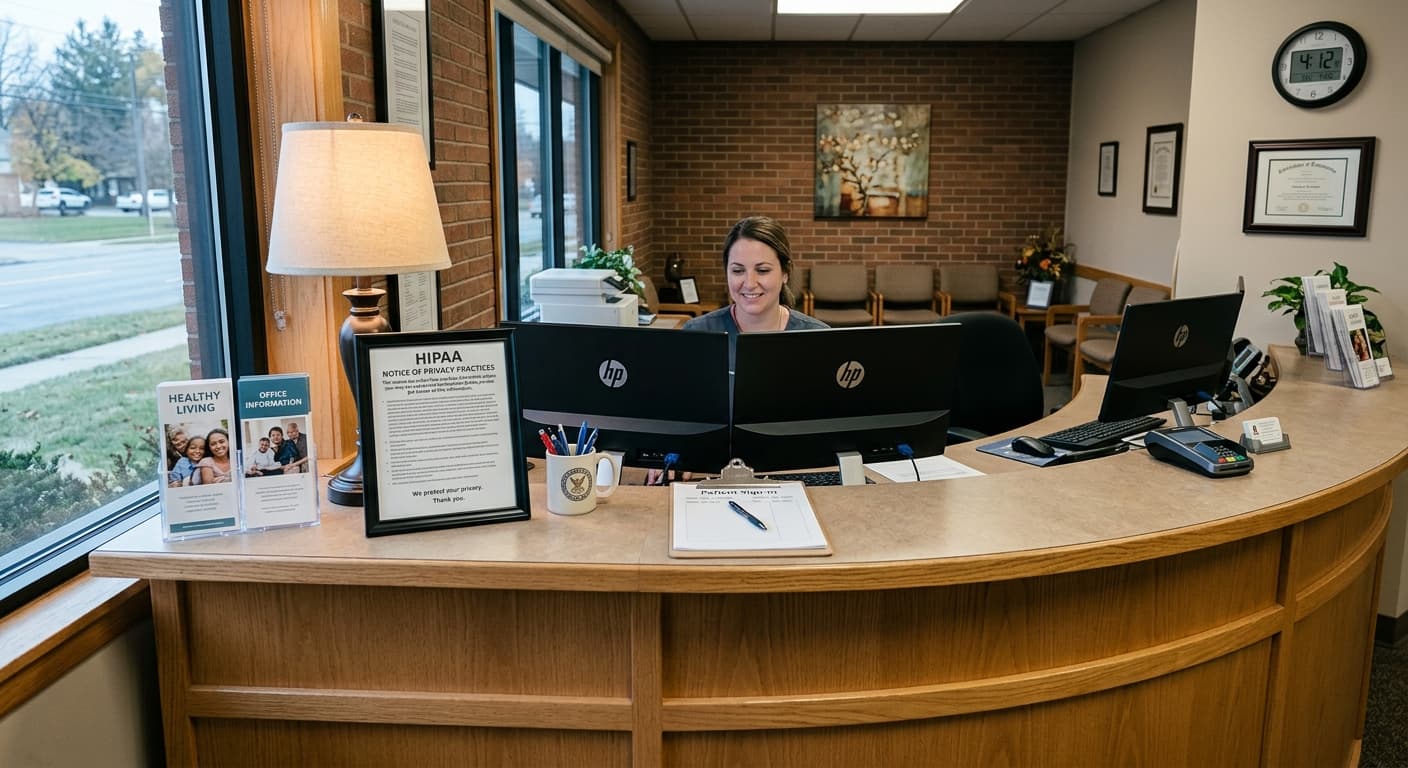
Massachusetts medical recording laws. Patients can record doctors with disclosure. Secret recording is a felony. HIPAA, telehealth, and provider rules explained.
Learn Massachusetts phone call recording laws under MGL ch. 272 s.99. All parties must know about recording. Secret recording is a felony with up to 5 years.
Massachusetts bans secret recording under ch. 272 Section 99. All parties must know recording is happening. Felony up to 5 years. Civil damages from $100/day.
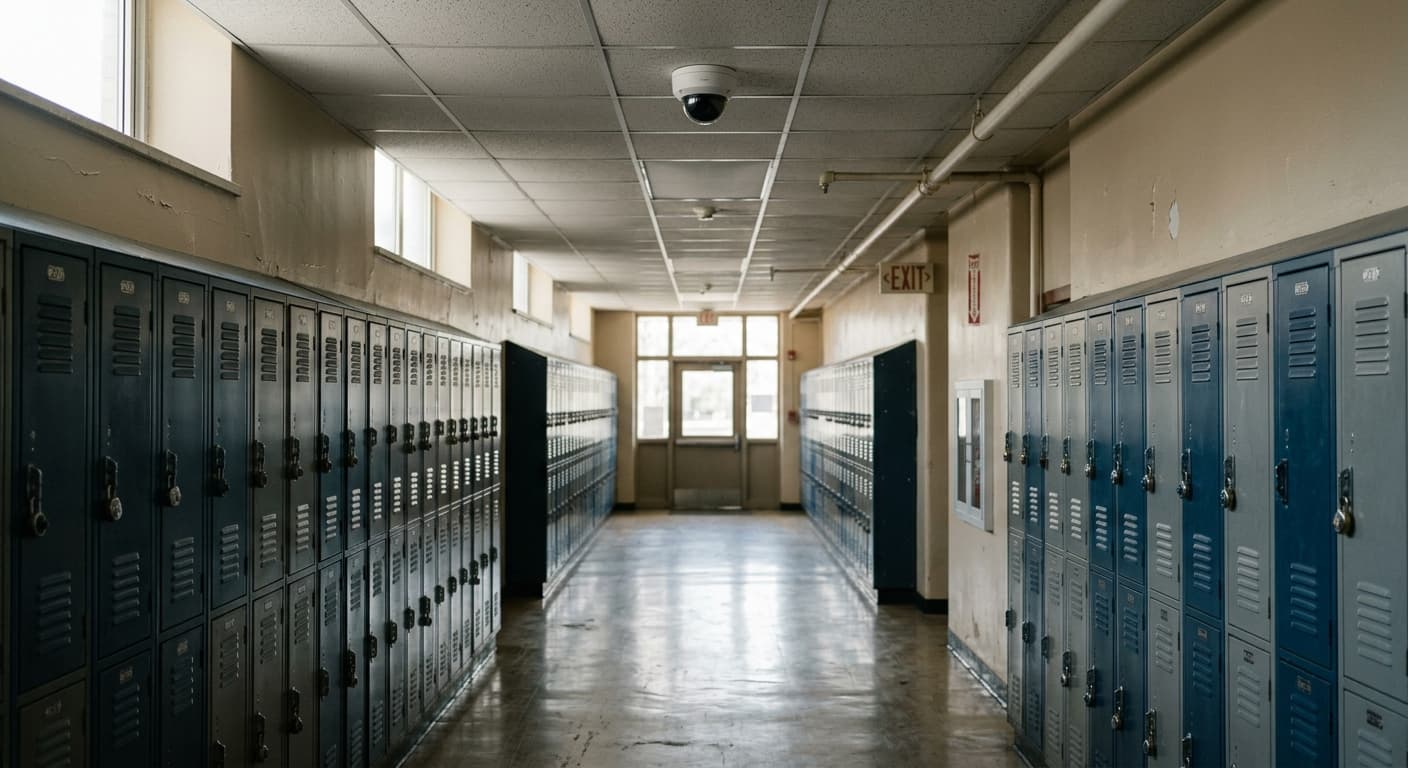
Massachusetts school recording laws. Secret recording at school is a felony. Rules for parents, students, IEP meetings, and school security cameras explained.
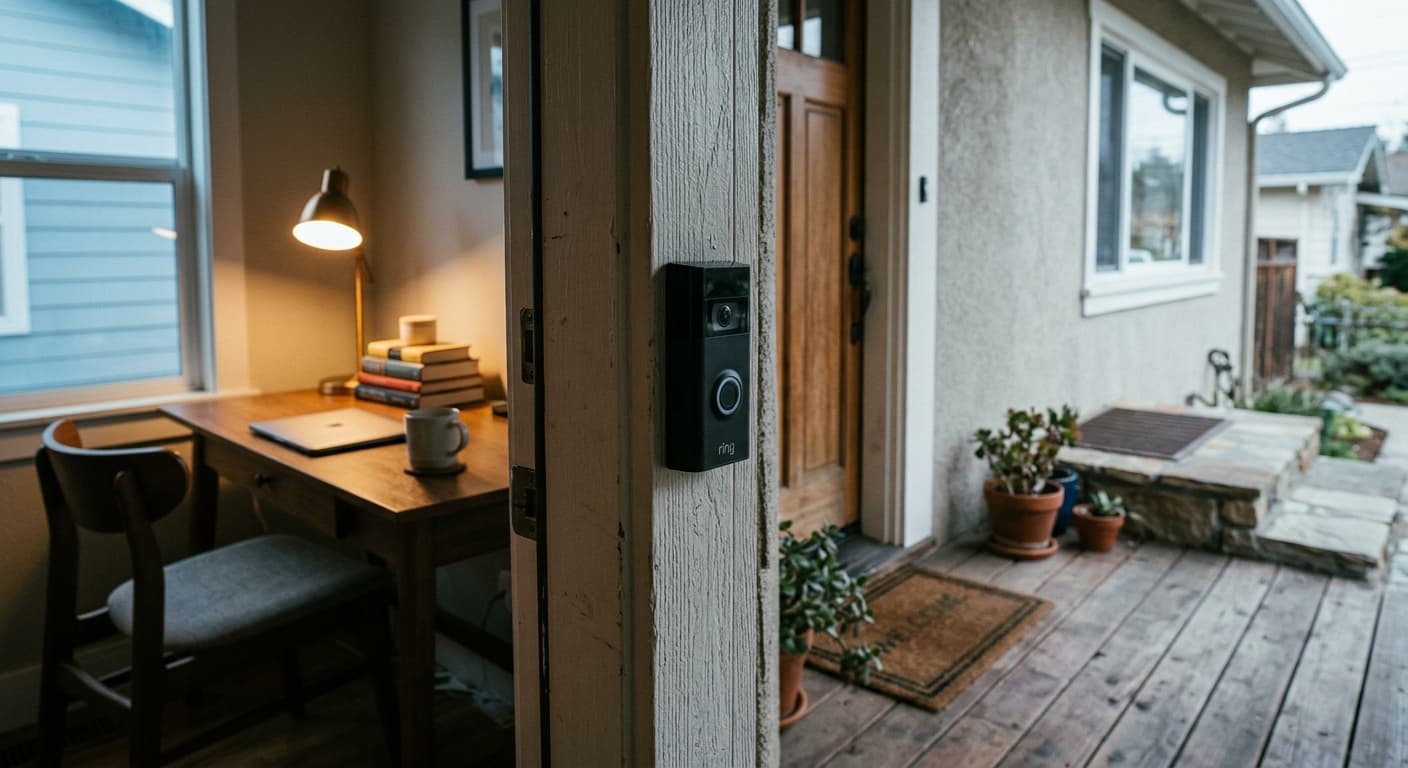
Massachusetts security camera laws. Silent cameras are generally legal but audio recording is a felony. Rules for homes, businesses, and rental properties.
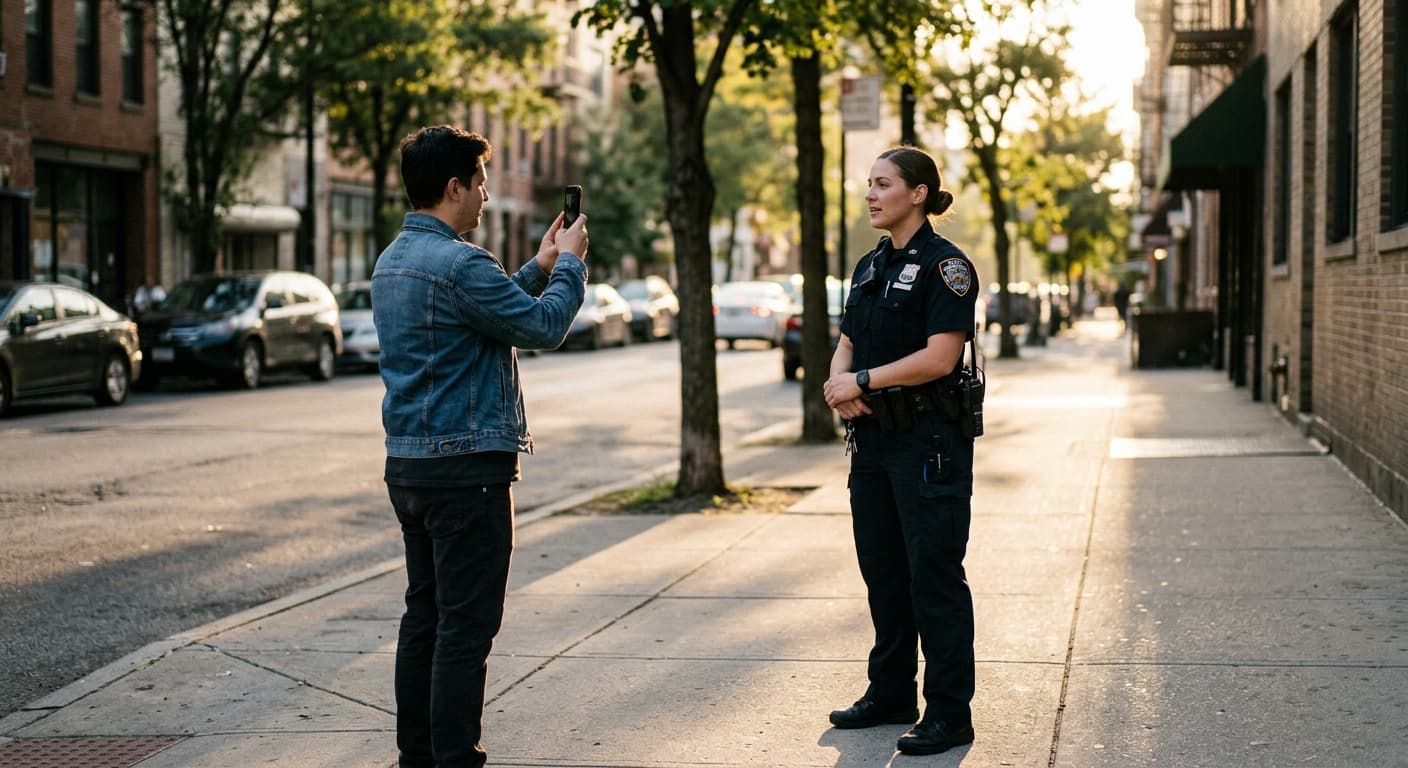
Massachusetts bans secret audio recording under ch. 272 § 99. Learn how the LED, Commonwealth v. Hyde, and the open-recording rule apply to smart glasses.
Massachusetts video recording laws explained. Silent video is generally legal, but video with secret audio is a felony. Voyeurism and revenge porn laws covered.
Massachusetts voyeurism and hidden camera laws. Upskirting, hidden cameras, and revenge porn penalties explained. Up to 5 years prison per offense.
Massachusetts workplace recording laws. Secret recording at work is a felony under MGL ch. 272 s.99. Rules for employees, employers, and monitoring explained.
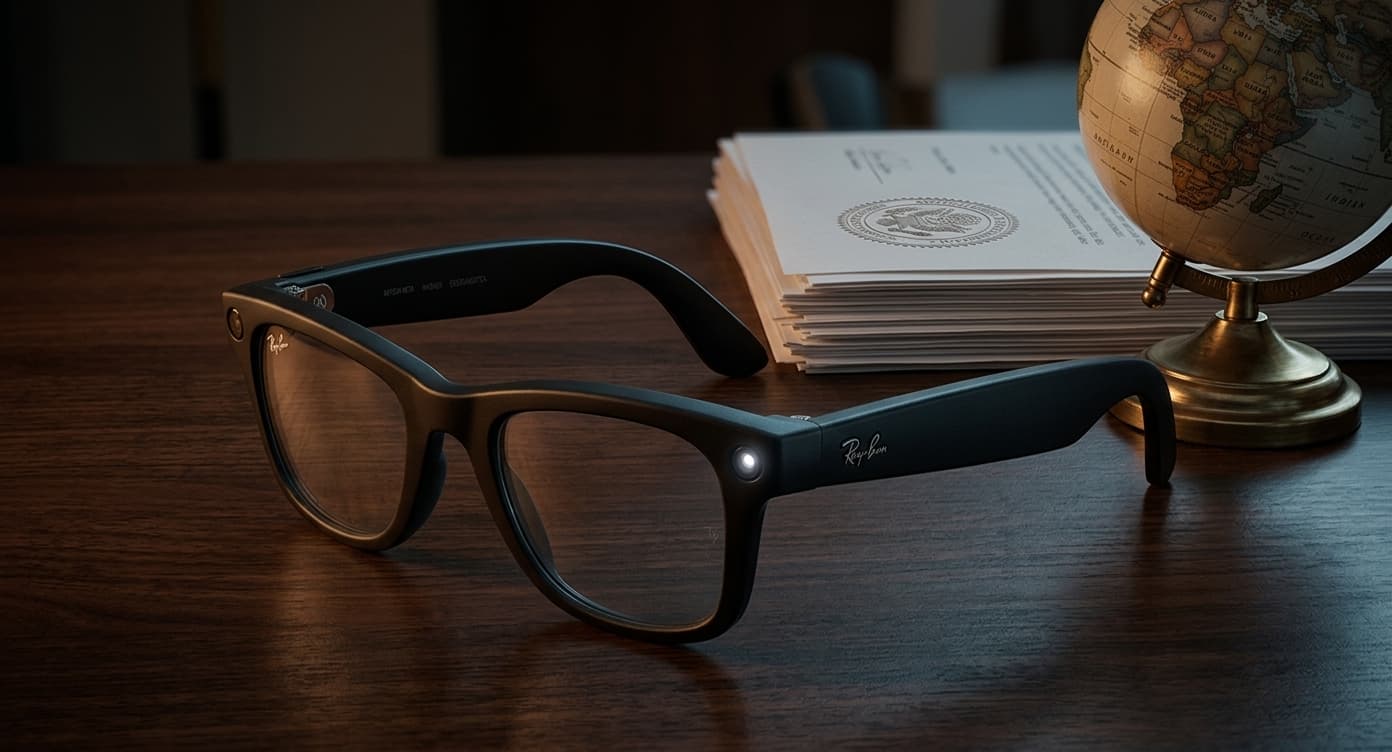
Class action alleges Meta shipped intimate Ray-Ban smart glasses footage to Kenya contractors for AI training. What federal and state recording laws say about it.
Mexico follows one-party consent for recording: participants may record their own calls and conversations. Third-party interception requires a federal judicial order. Penalties reach 12 years in prison.
Michigan audio recording laws allow participants to record their own conversations under the Sullivan v. Gray exception. Learn the rules under MCL 750.539c, penalties, and key court cases.
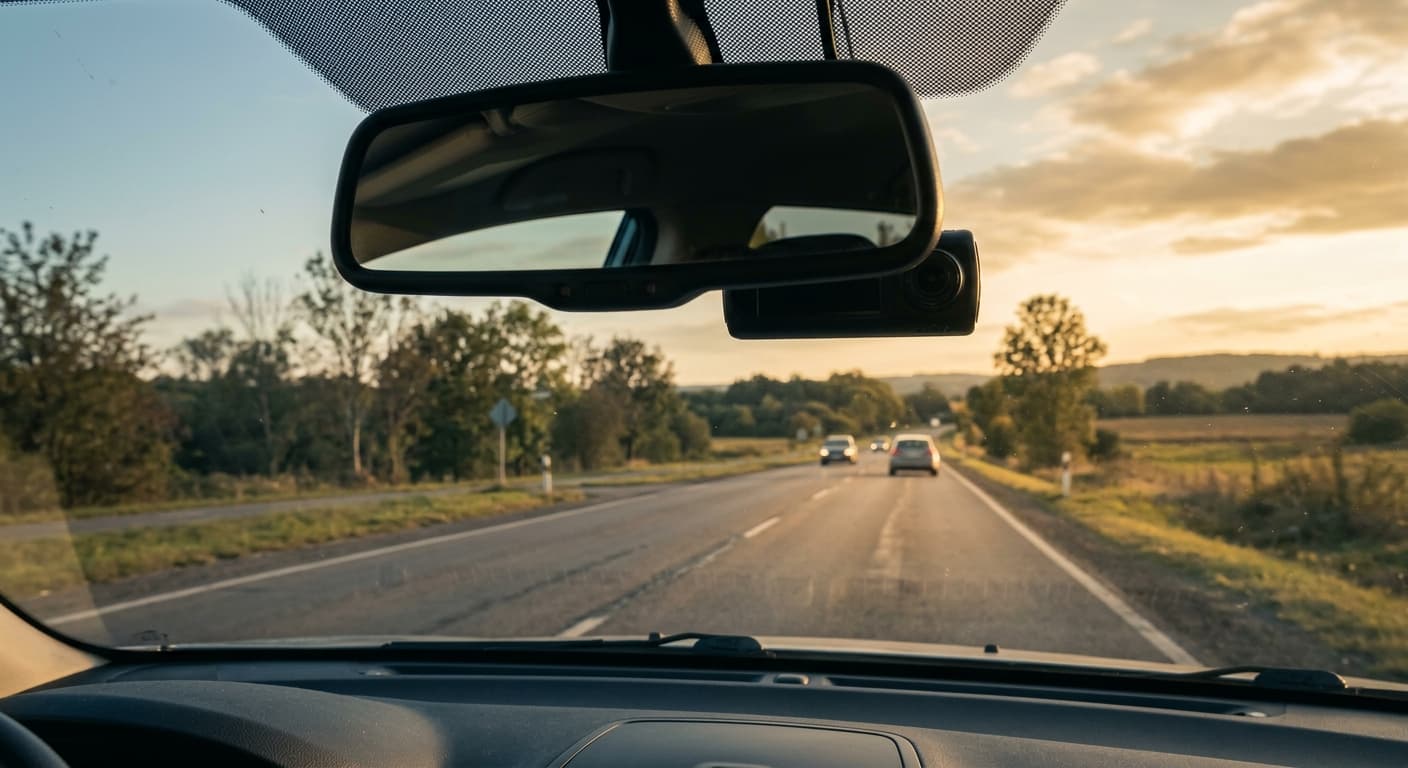
Michigan dashcam laws allow dashboard cameras with windshield placement restrictions under MCL 257.709. Learn mounting rules, audio recording limits, and how to use dashcam footage as evidence.
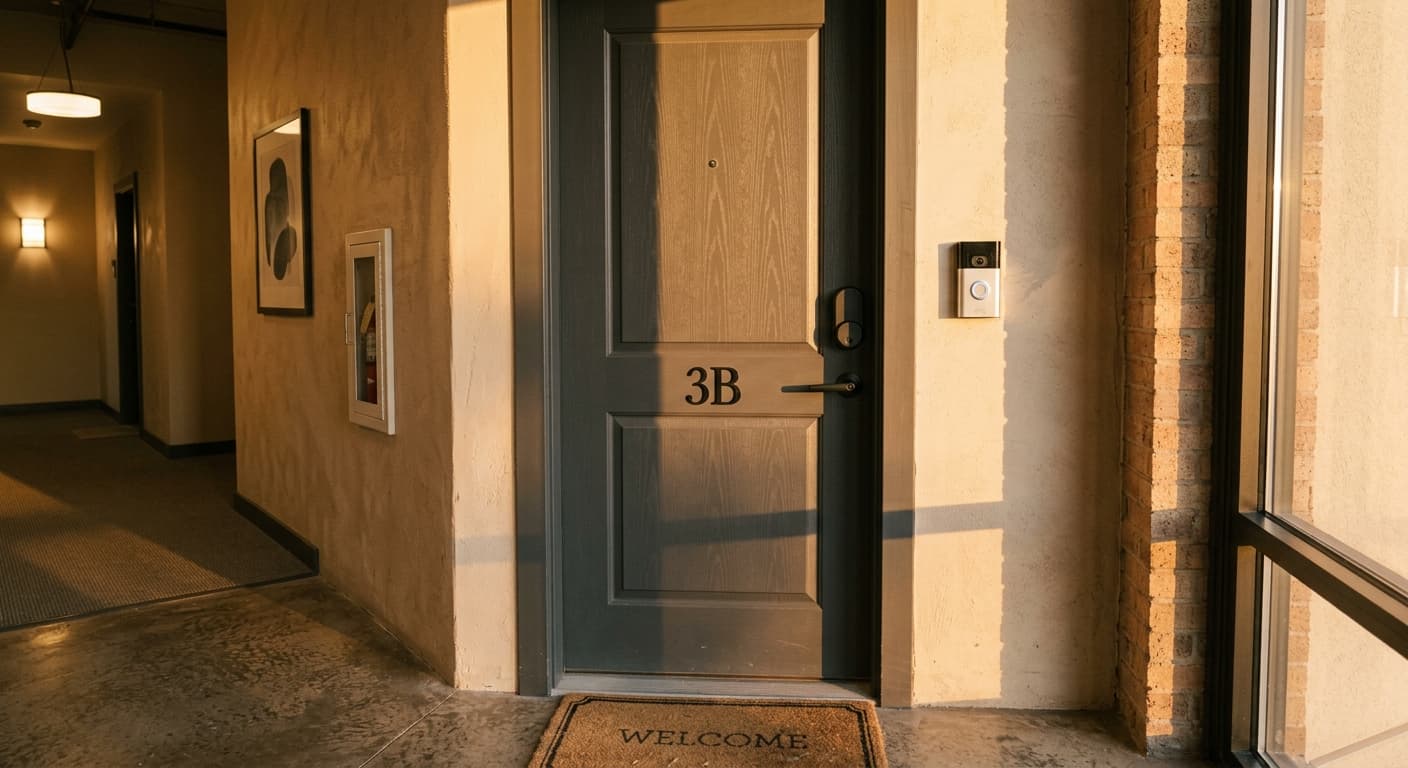
Michigan landlord-tenant recording laws prohibit cameras inside rental units without tenant consent. Learn rules for common area surveillance, audio recording, and tenant privacy protections.
Recording in public is legal in Michigan and protected by the First Amendment. Learn the rules for public photography, audio recording, government meetings, and private property boundaries.
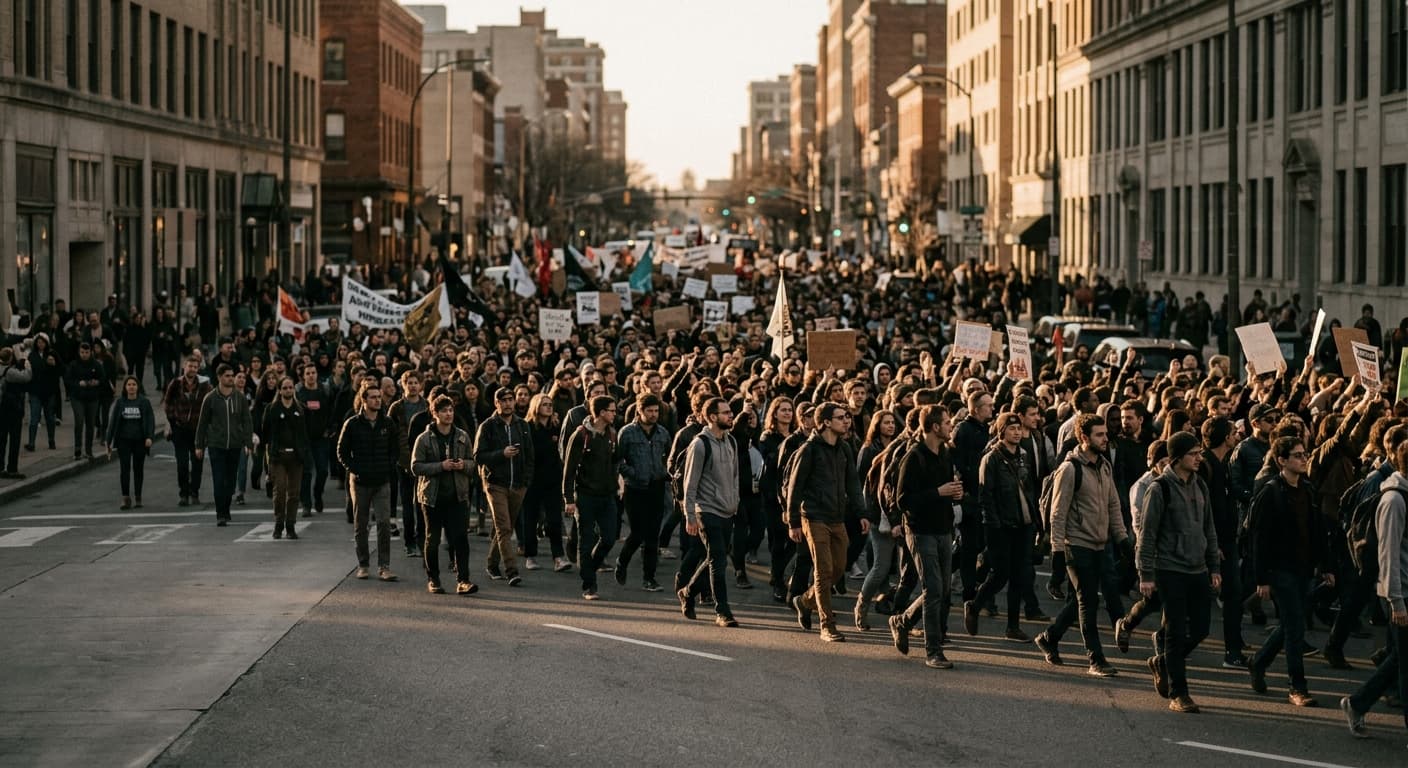
You have the right to record police officers in Michigan. Learn First Amendment protections, the participant exception, device seizure rules, and what happens if police tell you to stop.
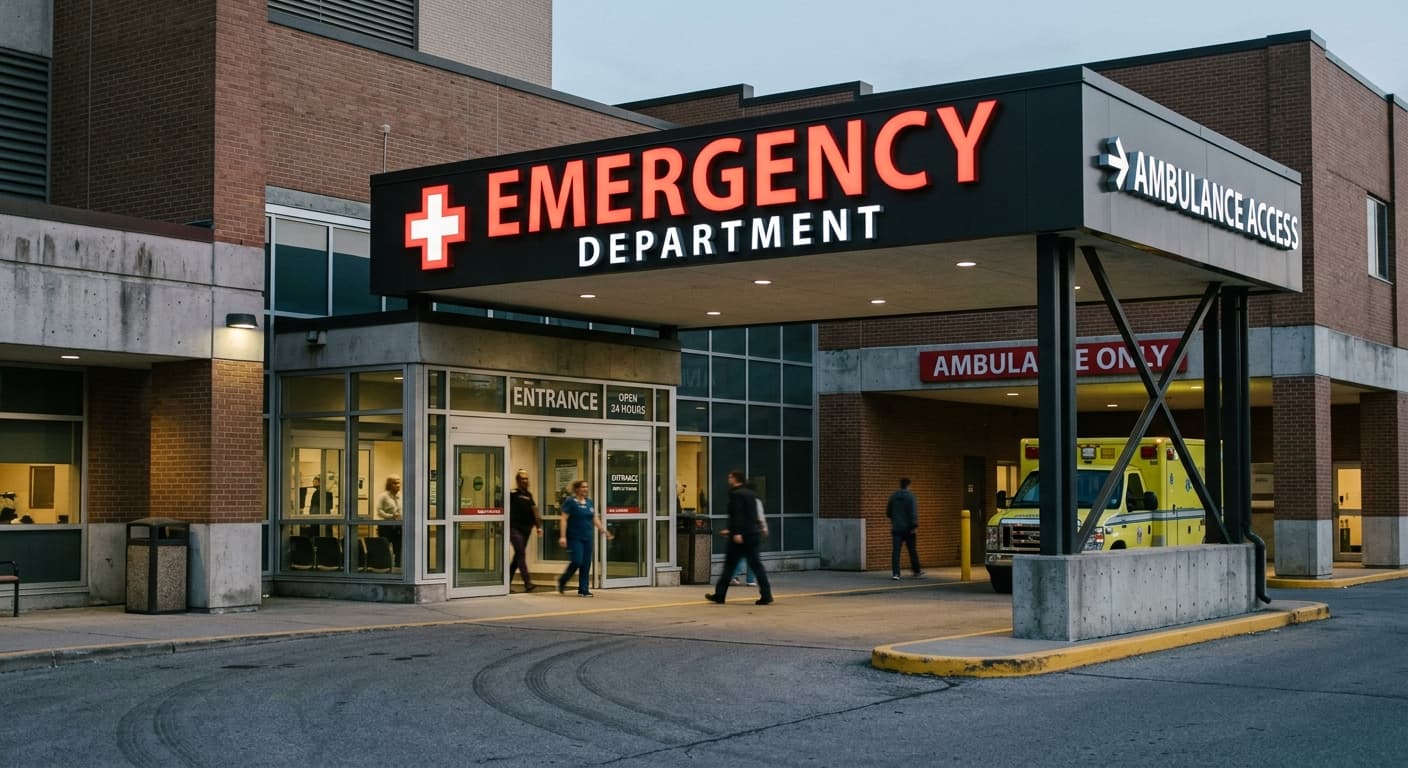
Michigan medical recording laws allow patients to record their own doctor visits under the participant exception. Learn HIPAA rules, provider restrictions, telehealth recording, and patient privacy rights.
Michigan phone call recording laws allow participants to record their own calls under the Sullivan v. Gray exception. Learn rules for cell phones, landlines, VoIP, interstate calls, and business recording.
Michigan's eavesdropping law (MCL 750.539c) is written as all-party consent, but courts recognize a participant exception since Sullivan v. Gray (1982). Learn the rules, penalties, and civil remedies.
Michigan school recording laws involve FERPA, eavesdropping statutes, and school policies. Learn when students can record in class, parent rights, and teacher protections.
Michigan security camera laws allow homeowners and businesses to install cameras with restrictions. Learn the rules under MCL 750.539d, audio recording limits, and neighbor privacy protections.
Michigan eavesdropping law is all-party consent, but participants may record under Sullivan v. Gray. Know what smart glasses can legally capture in Michigan.
Michigan video recording laws under MCL 750.539d prohibit hidden cameras in private places. Learn when video recording is legal, consent rules, and penalties.
Michigan voyeurism law MCL 750.539j makes it a felony to surveil, photograph, or record someone in a state of undress. Learn penalties, sex offender registration, and civil remedies.
Michigan workplace recording laws allow employees to record their own conversations under the Sullivan v. Gray participant exception. Learn employer surveillance rules and employee protections.
Minnesota audio recording laws allow one-party consent under Minn. Stat. 626A.02. Learn the rules for recording calls, conversations, and the penalties.
Minnesota dashcam laws allow dashboard cameras in vehicles. Learn mounting rules, audio recording consent, and how dashcam footage is used as evidence.
Minnesota landlord-tenant recording laws cover security cameras, tenant privacy, and recording conversations. Learn your rights under state law.
Minnesota allows recording in public spaces under the First Amendment. Learn about public filming rights, privacy limits, and when consent is needed.
Minnesota law protects your right to record police in public. Learn about body camera requirements, data practices rules, and your First Amendment rights.
Minnesota medical recording laws allow patients to record their own appointments. Learn about HIPAA, provider policies, and telehealth recording rules.
Minnesota phone call recording laws follow one-party consent under Minn. Stat. 626A.02. Learn rules for cell, landline, VoIP, and interstate calls.
Minnesota is a one-party consent state under Minn. Stat. § 626A.02. Learn the consent rule, felony penalties, civil damages, and hidden-camera law.