Massachusetts Court Upholds Police Bodycam Under the Wiretap Law (2026)
Independently fact-checked against primary sources (last audited June 4, 2026). · 2 primary sources cited on this page. How we verify our legal content
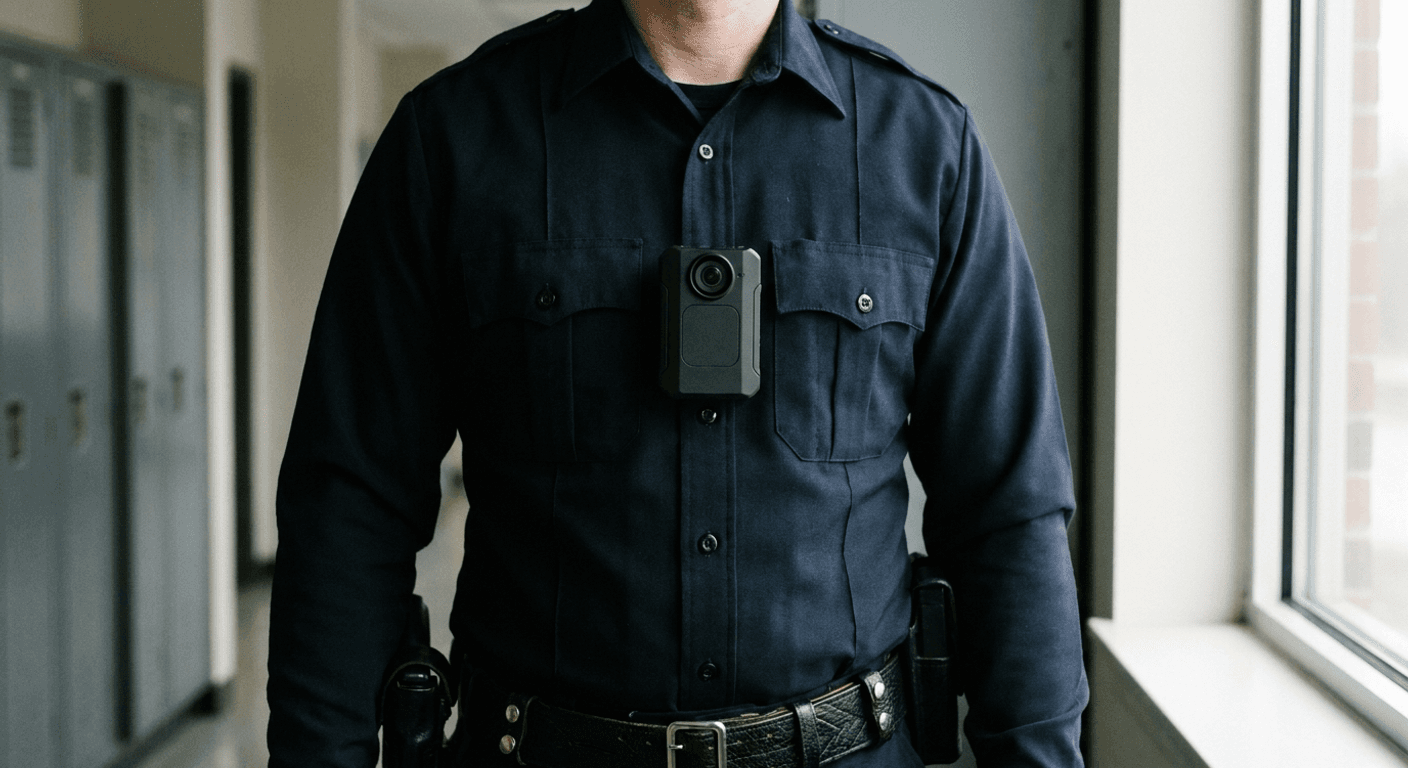
On June 2, 2026, the Massachusetts Supreme Judicial Court ruled that body-worn camera footage from a State Police sobriety checkpoint did not violate the state wiretap statute, because warning signs and visible cameras meant the recording was not secret under G.L. c. 272, section 99.
Information last verified on June 4, 2026. This is a developing story; we update it as the record changes.
Jurisdiction scope: This article addresses Massachusetts law under the state wiretap statute, G.L. c. 272, section 99, as interpreted in Commonwealth v. Grimaldi. It does not state the recording law of other states. For the broader framework, see Massachusetts recording laws.
What Happened
In March 2024, Massachusetts State Police ran an OUI sobriety checkpoint on Page Boulevard in Springfield. According to the court record, the defendant pulled in driving a black pickup truck, and troopers reported an odor of alcohol and slurred speech. Troopers Sean Clark and Sarah Cantwell, both wearing body-worn cameras, administered field sobriety tests, and the cameras captured the encounter. The defendant was charged with operating under the influence.
The trial judge allowed a motion to suppress the body-camera footage, ruling that it was a secret recording that violated the Massachusetts wiretap statute, G.L. c. 272, section 99, and faulting the troopers for not following State Police body-camera policy. The Commonwealth appealed, and the Supreme Judicial Court reversed.
The court framed the question as whether the troopers willfully intercepted an oral communication. It concluded they did not. As the court put it, the troopers did not commit a willful interception under the wiretap statute, so the order suppressing the footage could not stand. The reversal returns the case to the trial court with the footage available as evidence.
"Willfulness requires not merely an intent to record, but rather an intent to secretly record, i.e., an intent to record someone without their knowledge." Commonwealth v. Grimaldi, SJC-13842 (Mass. June 2, 2026)
What the Law Actually Says
Massachusetts is often described as a strict two-party, or all-party, consent state, and for good reason. The wiretap statute, G.L. c. 272, section 99, makes it a crime to intercept an oral or wire communication without authorization. What is easy to miss is the statutory hinge: the law prohibits secret interception. The forbidden act is recording secretly, and the criminal and suppression consequences attach only to a willful secret interception.
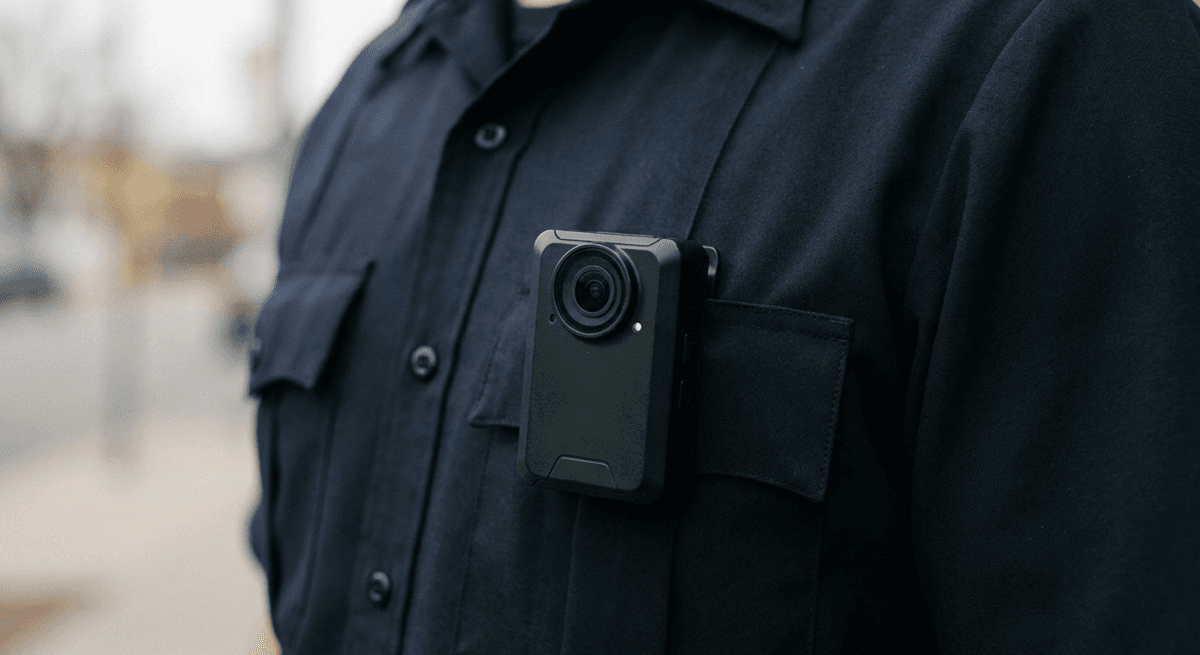
That secrecy requirement is the through-line of Massachusetts wiretap cases. The same statute is why the SJC held, in Commonwealth v. Hyde, that a driver who hid a recorder and taped officers during a traffic stop without telling them violated the law. It is also why open, visible recording of police in public has not been treated as a crime under section 99. Grimaldi applies that settled principle to police body cameras: the troopers' cameras were visible, and a large reflective sign at the checkpoint told drivers they were being audio and video recorded, so there was no secrecy and no willful interception.
The court also addressed the trial judge's reliance on the troopers' compliance with internal body-camera policy. Because the reversal rested on the wiretap statute's willfulness requirement, the absence of a secret interception, the asserted policy shortcomings did not supply a basis to suppress the footage under section 99. For how these rules play out across scenarios, see Massachusetts laws on recording police and Massachusetts laws on recording in public.
Analysis: Why This Matters
The following is analysis from the Recording Law Editorial Team.
Grimaldi is a reminder that the word doing the work in Massachusetts is secret, not consent. Many readers believe an all-party state forbids any recording without everyone agreeing. Section 99 is narrower than that popular shorthand. It targets surreptitious interception, and notice defeats surreptition. A posted sign and a camera worn in plain view are, in the court's analysis, the opposite of secrecy.
That framing cuts in more than one direction. For police, it confirms that body cameras used openly, with notice, sit outside the statute's willful-interception prohibition. For everyone else, the same logic that protects an openly worn police camera also informs how ordinary people may record, because the statute applies to private citizens too. We are not predicting how any future dispute will be resolved, and the decision interprets a specific statute on a specific record. What the ruling clarifies is the legal test: in Massachusetts, the question is usually whether the recording was secret, and notice is what moves a recording from secret to open.
How This Affects You
If you are in Massachusetts, the practical lesson is about notice. Courts applying section 99 generally focus on whether a recording was made secretly. Devices that record openly, a doorbell camera in plain view with posted notice, a phone held up in the open, a body camera with a visible indicator, are treated differently from a hidden recorder. This is general information about how the statute has been read, not advice about your situation.
It also matters for home and neighbor recording. A doorbell camera that captures audio raises section 99 questions, and the secrecy analysis is part of why visible cameras and notice signs are commonly recommended. None of this is a guarantee about any particular recording. Massachusetts law is strict, the facts always matter, and you should consult a lawyer licensed in Massachusetts about a specific recording.
This is general legal information, not legal advice. It covers Massachusetts law under G.L. c. 272, section 99, as interpreted in Commonwealth v. Grimaldi, verified on June 4, 2026. Laws change and this story is developing; consult a lawyer licensed in your jurisdiction about your specific situation.
Related articles
- Massachusetts recording laws: secret recording rules
- Massachusetts laws on recording police
- Massachusetts laws on recording in public
- Two-party consent states: complete 2026 list
Last updated: 2026-06-04. This is a developing story; details verified as of June 4, 2026.
Frequently Asked Questions
What did the Massachusetts SJC decide in Commonwealth v. Grimaldi?
On June 2, 2026, the court reversed an order suppressing police body-camera footage from a sobriety checkpoint, holding the troopers did not commit a willful interception under the wiretap statute because the recording was not secret.
Is Massachusetts a two-party consent state for recording?
Massachusetts is commonly described as an all-party consent state, but the wiretap statute, G.L. c. 272, section 99, specifically prohibits secret interception of communications, so the secrecy of the recording is central to the analysis.
Why did the recording not violate the wiretap law?
The court found the troopers gave notice. A large reflective roadside sign warned of audio and video recording and the body cameras were visible, so the recording was not secret and there was no willful interception under section 99.
Does Grimaldi mean police can record anyone?
No. The ruling addresses the wiretap statute's willfulness and secrecy elements on the facts of this case. It holds that an openly conducted, signposted recording at a checkpoint was not a secret interception; it does not grant blanket recording authority.
Does this affect doorbell or home cameras in Massachusetts?
The decision is about police body cameras, but the same secrecy analysis under section 99 is why visible cameras and posted notice matter for home and doorbell recording that captures audio. It is general information, not advice about a specific setup.
Is the Grimaldi decision final?
The SJC reversed the suppression order and the case returns to the trial court for further proceedings. The legal holding interprets the wiretap statute as of June 2, 2026; this remains a developing matter.
Updates
Independently fact-checked against the cited primary sources
Sources and References
- Commonwealth v. Grimaldi, SJC-13842 (Mass. decided June 2, 2026), Supreme Judicial Court slip opinion, via Massachusetts Court System New Opinions(mass.gov).gov
- Massachusetts Supreme Judicial Court slip opinions (Social Law Library), official publisher of SJC slip opinions including Grimaldi(socialaw.com)
- Massachusetts Wiretap Statute, G.L. c. 272, section 99 (interception of wire and oral communications)(malegislature.gov).gov
- Police1, Massachusetts State Police win appeal after court reverses suppression of bodycam footage (June 2026), corroborating coverage(police1.com)