
Missouri
Missouri Audio Recording Laws: One-Party Consent Rules and Penalties
Independently fact-checked against primary sources (last audited August 15, 2026). · Reviewed by the RecordingLaw editorial team. · Law checked current as of August 15, 2026. · 8 primary sources cited on this page. How we verify our legal content
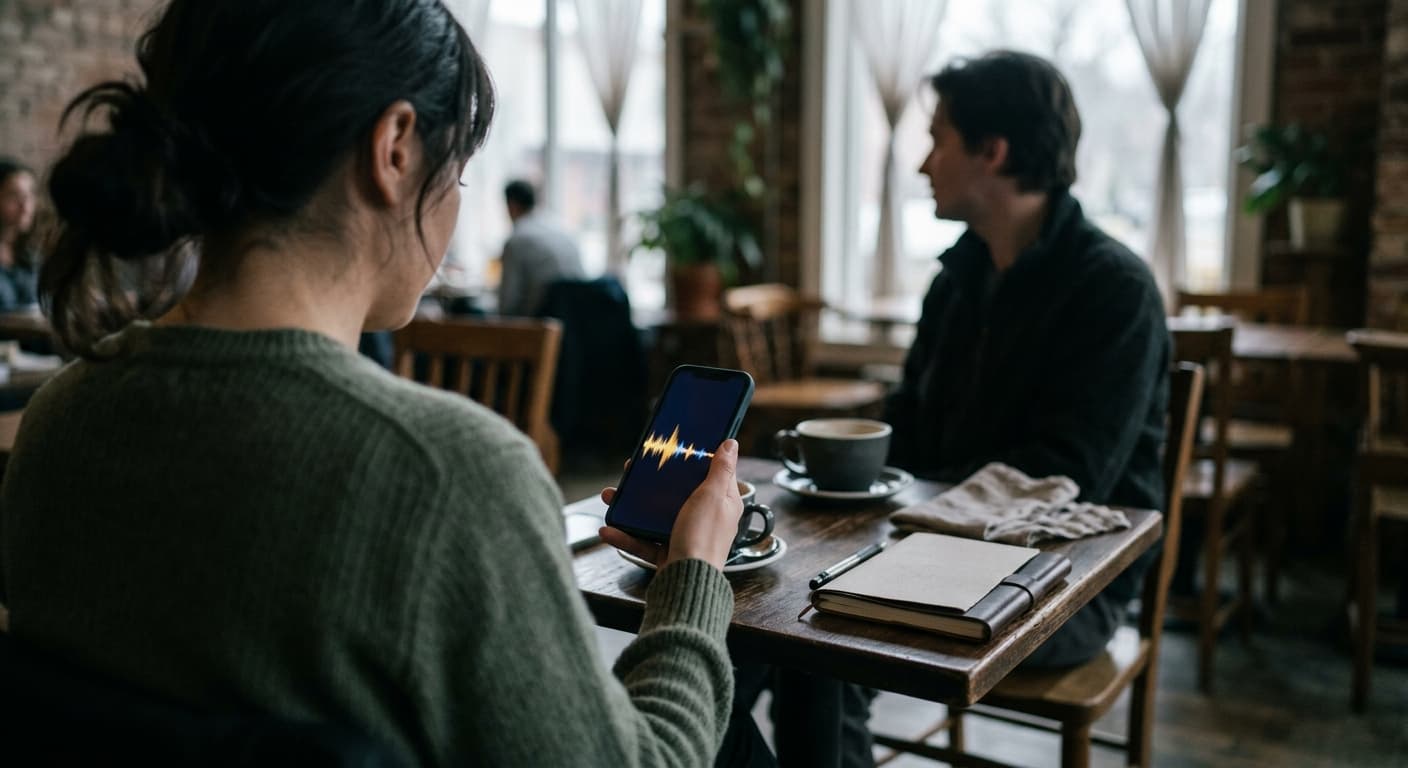
Missouri is a one-party consent state under Mo. Rev. Stat. 542.402, meaning you may record any conversation you personally take part in without notifying the other parties. That permission does not apply if the recording is made for a criminal or tortious purpose such as blackmail or harassment.
Missouri allows individuals to record conversations they participate in without getting permission from other parties. This one-party consent framework is established by Mo. Rev. Stat. Section 542.402, which governs the interception of wire and oral communications throughout the state. Whether you want to record a phone call, an in-person meeting, or a video conference, Missouri law permits it as long as you are a party to the communication and you have no criminal or tortious purpose.
This guide covers every aspect of Missouri audio recording law, including what the statutes say, how courts have interpreted them, what penalties apply for violations, and how these rules interact with federal wiretapping law.
Missouri One-Party Consent Law Explained
The Core Statute: Mo. Rev. Stat. Section 542.402
Missouri's wiretapping statute makes it a crime to intercept wire or oral communications without authorization. However, the statute includes a clear exception: a person who is a party to the communication, or who has received prior consent from one of the parties, may record the conversation. The critical condition is that the recording must not be made for the purpose of committing any criminal or tortious act.
The full text of the relevant exception states that the prohibition on interception does not apply to "a person not acting under color of law" who "intercepts a wire communication where such person is a party to the communication or where one of the parties to the communication has given prior consent to such interception."
This means you have two legal paths to record:
- You are a participant in the conversation and record it yourself
- One party to the conversation has given you permission to record, even if other parties do not know
Key Definitions Under Missouri Law
Mo. Rev. Stat. Section 542.400 defines the terms used throughout Chapter 542:
- Wire communication covers any communication made through wire, cable, or similar connection, including telephone calls transmitted over traditional phone lines and VoIP services
- Oral communication means any spoken words uttered by a person who has a reasonable expectation that the conversation is not being intercepted
- Intercept means the aural acquisition of the contents of any wire or oral communication through the use of any electronic, mechanical, or other device
- Electronic, mechanical, or other device includes any equipment capable of intercepting wire or oral communications, but excludes hearing aids and telephone equipment used in the ordinary course of business
The distinction between wire and oral communications matters because it affects the scope of legal protection. A phone call transmitted over wires qualifies as a wire communication, while a face-to-face conversation in a private office qualifies as an oral communication.
The Criminal or Tortious Purpose Limitation
Missouri's one-party consent exception is not unlimited. The statute explicitly requires that the recording must not be made for the purpose of committing any criminal or tortious act. This limitation prevents people from using the one-party consent rule as a tool for:
- Blackmail or extortion by recording someone to coerce them
- Stalking or harassment by using recordings to intimidate
- Defamation by recording with the intent to misrepresent what was said
- Facilitating any crime by using recordings to plan or carry out illegal activity
- Invasion of privacy by recording for purposes that constitute a civil tort
If a court finds that your recording was made with criminal or tortious intent, the one-party consent exception fails. You would face the same penalties as someone who recorded without any consent at all.
Types of Audio Recording Covered by Missouri Law

In-Person Conversations
You can record any in-person conversation you participate in under Missouri's one-party consent rule. This includes conversations in:
- Your home or someone else's home (while you are present and participating)
- Offices and conference rooms
- Restaurants, coffee shops, and other public venues
- Vehicles
- Outdoor public spaces
The key factor is whether the speaker has a reasonable expectation of privacy. In a quiet, closed office, the expectation of privacy is high. In a busy public space, that expectation drops significantly. However, because Missouri is a one-party consent state, this distinction primarily affects third-party recording. If you are part of the conversation, you can record it regardless of the setting.
Doctrinal note on in-person private conversations: There is a textual ambiguity in Missouri's wiretap statute. Section 542.402.2(3)'s participant exception is worded to cover "wire communication," while the criminal prohibition in section 542.402.1(2) reaches device-based interception of "oral communication" only "when such device transmits communications by radio or interferes with the transmission of such communication," a narrower, device-behavior condition. Section 542.400(8) separately defines "oral communication" (in-person speech) to include a reasonable-expectation-of-privacy gate. Some legal commentators, including the Reporters Committee for Freedom of the Press, argue that the wire-communication exception's wording extends one-party consent to in-person oral communications; others note that an ordinary, non-transmitting recorder may fall outside subsection 1(2) altogether. Missouri courts have not definitively resolved either question. Conservative practice is to obtain all-party consent before recording a private in-person conversation where the other participants have a reasonable expectation of privacy.
Telephone Calls
Missouri law treats phone calls as wire communications protected under Chapter 542. You can record any telephone call you are a party to, including:
- Landline-to-landline calls
- Cell phone calls
- Calls between landlines and cell phones
- VoIP calls through services like Zoom, Microsoft Teams, Google Meet, or Skype
The statute does not distinguish between personal and business calls. If you are a participant, you can record.
Digital and VoIP Communications
Modern communication platforms fall under Missouri's wire communication protections. Video conferencing tools with audio components, voice messages, and internet-based calling services are all covered by the one-party consent rule. You can record a Zoom meeting, a Teams call, or a Discord voice chat as long as you are participating in the conversation.
Note that many of these platforms have their own terms of service that may address recording. Zoom, for example, has a built-in recording feature that notifies all participants by default. Using a third-party recording tool to bypass those notifications is legal under Missouri law (because you are a party), but it may violate the platform's terms of service.
Voicemail and Recorded Messages
Leaving a voicemail or a recorded message is generally considered a communication where the sender knows the message will be captured. The recipient does not need separate consent to save, replay, or share the voicemail. Missouri's wiretapping statute focuses on the interception of live communications, not the storage of messages that were recorded with the sender's knowledge.
Criminal Penalties for Illegal Audio Recording
Class E Felony Classification
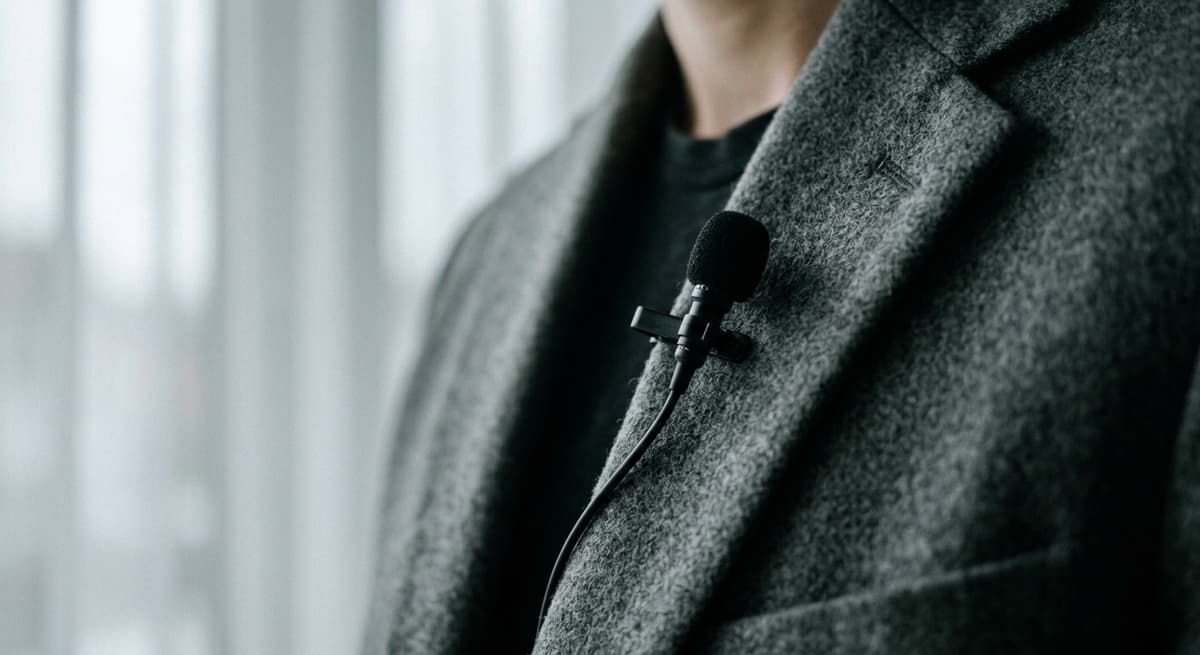
Illegal wiretapping in Missouri is classified as a Class E felony under Mo. Rev. Stat. Section 542.402. This classification took effect on January 1, 2017, when Missouri reclassified the offense as part of a broader criminal code reform. Before that date, the offense was classified as a Class D felony.
Under Mo. Rev. Stat. Section 558.011, a Class E felony carries:
| Penalty | Amount |
|---|---|
| Maximum imprisonment | Up to 4 years |
| Maximum fine | Up to $10,000 (Mo. Rev. Stat. Section 558.002) |
If the offender gained money or property through the illegal recording, the court can impose a fine of up to double the amount of the gain, even if that exceeds the standard $10,000 cap.
What Conduct Is Criminal?
Three types of conduct trigger criminal liability under Section 542.402:
- Intercepting wire or oral communications without authorization
- Disclosing the contents of communications you know were illegally intercepted
- Using the contents of communications you know were illegally intercepted
This means that even if you did not personally make the illegal recording, you can face felony charges for sharing or using a recording you know was obtained illegally.
Law Enforcement Exceptions
Missouri law provides specific exceptions for law enforcement under Mo. Rev. Stat. Section 542.408. Officers can obtain court orders to intercept communications when investigating certain crimes. These court-authorized wiretaps must meet strict legal requirements, including probable cause and judicial oversight.
Civil Liability for Illegal Recording
Mo. Rev. Stat. Section 542.418: Private Right of Action
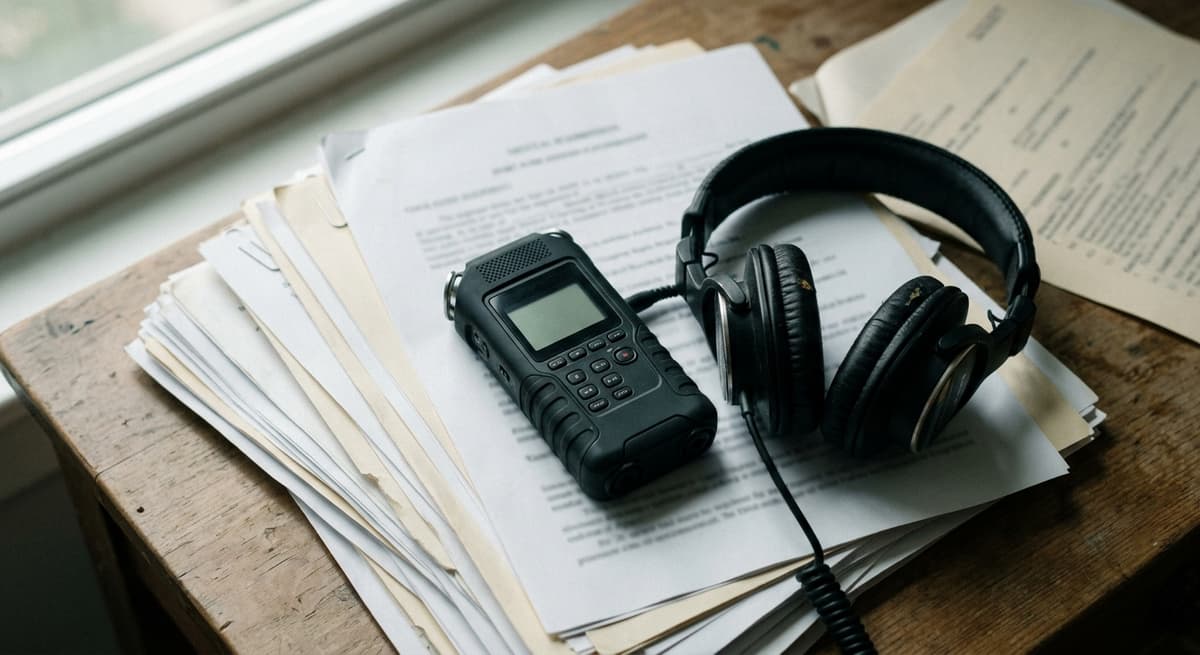
Mo. Rev. Stat. Section 542.418 gives victims of illegal wiretapping the right to file civil lawsuits. The statute provides for significant damages:
| Damage Type | Amount |
|---|---|
| Liquidated damages | $100 per day for each day of violation |
| Minimum damages | $10,000 (whichever is greater) |
| Punitive damages | Available for willful or intentional violations |
| Attorney fees | Recoverable by the prevailing plaintiff |
| Litigation costs | Recoverable by the prevailing plaintiff |
The $10,000 minimum applies regardless of actual harm. A victim does not need to prove financial loss to recover this amount. If the actual damages or the per-day calculation exceeds $10,000, the victim receives the higher amount.
Who Can Sue?
Any person whose wire or oral communication was intercepted, disclosed, or used in violation of Sections 542.400 through 542.422 can bring a civil action. The lawsuit can target:
- The person who made the illegal recording
- Anyone who disclosed the illegally recorded contents
- Anyone who used the illegally recorded contents
Statute of Limitations
Civil claims under the Missouri wiretapping statute must be filed within the applicable statute of limitations. Missouri's general statute of limitations for statutory claims is five years under Mo. Rev. Stat. Section 516.120.
Federal Law and Missouri Audio Recording
18 U.S.C. Section 2511: The Federal Wiretap Act
Federal wiretap law under 18 U.S.C. Section 2511 follows a one-party consent model, matching Missouri's approach. Under federal law, a person who is a party to a conversation can record it without notifying the other participants. The federal statute also allows recording when one party has given prior consent.
Because both Missouri and federal law follow one-party consent, recording your own conversations is legal under both frameworks. There is no conflict between state and federal law in this area.
Interstate Calls: Which Law Applies?
When you call someone in another state, the recording laws of both states may apply. If you are in Missouri calling someone in a two-party consent state like Illinois, California, or Florida, the stricter law typically governs. This means you may need all-party consent even though Missouri only requires one-party consent.
States bordering Missouri with stricter recording laws include:
- Illinois requires all-party consent for recording private conversations
- Iowa, Kansas, Nebraska, Arkansas, Oklahoma, Kentucky, and Tennessee all follow one-party consent, matching Missouri
If you regularly record calls with people in two-party consent states, the safest practice is to inform all parties and obtain consent before recording.
Recording in Specific Situations
Recording at Work
Missouri's one-party consent rule applies in the workplace. You can record conversations with your employer, coworkers, HR representatives, or clients as long as you are participating in the conversation. Common reasons employees record at work include:
- Documenting workplace harassment or discrimination
- Preserving verbal agreements about job duties, pay, or benefits
- Recording performance reviews or disciplinary meetings
- Gathering evidence for employment disputes
Your employer may have internal policies that prohibit recording. Violating a company recording policy can result in disciplinary action or termination, even though the recording itself is legal under state law. The National Labor Relations Act may protect employees who record as part of concerted activity, such as documenting unsafe working conditions.
Recording Your Landlord
You can record conversations with your landlord if you are a participant. Tenants often record to document:
- Verbal promises about repairs or maintenance timelines
- Disputes about lease terms or security deposits
- Evidence of harassment or illegal entry
- Conversations relevant to housing code violations
Recording Medical Appointments
Patients can record their own medical appointments under Missouri's one-party consent law. HIPAA does not prohibit patients from recording their own doctor visits. Recording medical appointments can help you:
- Remember complex diagnoses, treatment plans, or medication instructions
- Share information accurately with family members or other healthcare providers
- Document informed consent discussions before procedures
Some medical offices have policies against patient recording. While these policies cannot override state law, violating them could affect your relationship with the provider.
Recording in Family Disputes
Missouri's wiretapping statute specifically addresses spousal recording. The definition of "intercept" in Mo. Rev. Stat. Section 542.400 includes interception by one spouse of another spouse. This means recording your spouse's phone calls with third parties, when you are not a party to the call, is illegal under Missouri law.
You can, however, record conversations between you and your spouse. This is common in divorce, custody, and protective order cases.
Admissibility of Audio Recordings in Missouri Courts
General Admissibility Rules
Legally obtained audio recordings are generally admissible as evidence in Missouri courts. The party offering the recording must establish:
- Authentication: Proof that the recording is genuine, unaltered, and accurately represents the conversation
- Relevance: The recording relates to a fact that matters in the case
- Foundation: Testimony about how, when, and where the recording was made
Illegally Obtained Recordings
Under Mo. Rev. Stat. Section 542.418, the contents of illegally intercepted communications are inadmissible in any civil or administrative proceeding, except in a civil action brought under that same section. In criminal cases, the exclusionary rule typically bars illegally obtained evidence.
Family Court Proceedings
Missouri family courts regularly consider audio recordings as evidence in divorce, custody, and protective order cases. Judges evaluate recordings under the same authentication and relevance standards that apply in other proceedings. Legally recorded conversations documenting threats, verbal abuse, custody agreement violations, or financial misconduct can be powerful evidence.
Best Practices for Legal Audio Recording in Missouri
Before You Record
- Confirm you are a party to the conversation or have consent from at least one party
- Verify your purpose is not criminal or tortious
- Check whether the other party is in a two-party consent state (for phone calls)
- Review any applicable workplace, medical, or organizational policies
During the Recording
- Use a reliable recording device or application
- Do not manipulate or edit the recording in ways that change its meaning
- Record the entire conversation, not selective portions
- Note the date, time, location, and participants for authentication purposes
After the Recording
- Store the recording securely to prevent unauthorized access
- Do not share the recording with people who have no legitimate need for it
- If you plan to use the recording as evidence, preserve the original file without editing
- Consult an attorney before using recordings in legal proceedings
Good Faith Defense
Missouri law provides a defense for individuals who relied in good faith on a court order or on the provisions of Mo. Rev. Stat. Section 542.408. The defense itself is created by Mo. Rev. Stat. Section 542.418(3), which states that good faith reliance on a court order or on section 542.408 constitutes a prima facie defense to both criminal prosecution and civil lawsuits. This defense protects law enforcement officers and others who act under judicial authorization.
Explore More Missouri Recording Laws
Audio Recording | Video Recording | Voyeurism Laws | Workplace Recording | Recording Police | Phone Call Recording | Security Cameras | Recording in Public | Landlord-Tenant Recording | Dashcam Laws | School Recording | Medical Recording
Back to Missouri Recording Laws
More Missouri Recording Topics
More Missouri Laws
Frequently Asked Questions
Can I record a conversation without the other person knowing in Missouri?
Yes. Missouri is a one-party consent state under Mo. Rev. Stat. Section 542.402. You can record any conversation you participate in without telling the other parties. The only requirement is that your purpose must not be criminal or tortious.
Is it legal to record a phone call in Missouri?
Yes. You can record any phone call you are a party to under Missouri law. This includes landline calls, cell phone calls, and VoIP calls. You do not need to notify the other person on the call.
What are the penalties for illegal audio recording in Missouri?
Illegal wiretapping is a Class E felony under Mo. Rev. Stat. Section 542.402, punishable by up to 4 years in prison and a fine of up to $10,000. Victims can also file a civil lawsuit for minimum damages of $10,000 plus punitive damages and attorney fees.
Can I record a conversation between two other people in Missouri?
Not without consent from at least one of them. Missouri requires that either you are a party to the conversation or that one party has given you prior consent. Recording a conversation you are not part of and have no consent for is a Class E felony.
Does Missouri law apply if I call someone in a two-party consent state?
When you call someone in a two-party consent state like Illinois or California, the stricter law typically applies. You should obtain consent from all parties before recording interstate calls to two-party consent states, even though Missouri only requires one-party consent.
Updates
Corrected two mis-cited statute subsections in the in-person-conversation legal analysis (the participant consent exception is 542.402.2(3), not 2(1)), added the actual radio-transmission qualifier from 542.402.1(2), and pinpointed the good-faith defense to its actual source, 542.418(3).
Independently fact-checked against the cited primary sources; governing law re-checked for recent changes
Governing law re-checked for recent changes
Reviewed and approved by an editor
The Law Behind This Article
This article rests on the statutory provisions below, held in our own legal record and retrieved from the official source. Tap a section to read the operative text.
Revised Statutes of Missouri, Title XXXVII (CRIMINAL PROCEDURE), Chapter 542
§ 542.402Penalty for illegal wiretapping, permitted activities.In forcecited in 17 of our articles
1. Except as otherwise specifically provided in sections 542.400 to 542.422, a person is guilty of a class E felony and upon conviction shall be punished as provided by law, if such person: (1) Knowingly intercepts, endeavors to intercept, or procures any other person to intercept or endeavor to intercept, any wire communication; (2) Knowingly uses, endeavors to use, or procures any other person to use or endeavor to use any electronic, mechanical, or other device to intercept any oral communication when such device transmits communications by radio or interferes with the transmission of such communication; provided, however, that nothing in sections 542.400 to 542.422 shall be construed to prohibit the use by law enforcement officers of body microphones and transmitters in undercover investigations for the acquisition of evidence and the protection of law enforcement officers and others working under their direction in such investigations; (3) Knowingly discloses, or endeavors to disclose, to any other person the contents of any wire communication, when he knows or has reason to know that the information was obtained through the interception of a wire communication in…
Official text (excerpt) · last checked 2026-08-31 · Read the full text in our law library · Verify at revisor.mo.gov
Cited in 6 court opinions in our collectionLatest citing opinion in our collection: 2026
In the courts (editorial summary, independently checked):Federal courts in Missouri have applied section 542.402 to covert audio recording. Fotoohighiam v. The City of Columbia Missouri (2025) let a wiretap count over recorded attorney-client jail calls proceed, with no prior consent shown, and Ward (2026) found a claim over a secretly recorded workplace conversation would not be futile.
Opinions citing this section in our collection:
- Bartnicki v. Vopper (Supreme Court of the United States 2001, 532 U.S. 514)“…nn. § 750 .539e (West 1991); Minn. Stat. § 626A.02 (2000); Mo. Rev. Stat. § 542.402 (2000); Neb. Rev. Stat. § 86-702 (19…”
- Boehner, John A. v. McDermott, James A. (Court of Appeals for the D.C. Circuit 1999, 191 F.3d 463)“…p. 1995); Minn.Stat. Ann. §§ 626A.02, 626A.13 (West 1998); Mo. Rev. Stat. §§ 542.402 , 542.418 (1996); Mont.Code Ann. § 45-8…”
- John Doe v. SSM Health Care Corporation (Court of Appeals for the Eighth Circuit 2025, 126 F.4th 1329)✓Patients alleged a hospital's patient portal secretly sent health data to Facebook, pleading a Missouri wiretap claim under 542.402; the Eighth Circuit addressed only removal, held the wiretap count did not change that analysis, and affirmed remand without reaching its merits.
Identified automatically from the court opinions citing this section — not a ranking of which case controls.
Also relied on in: Missouri Recording Laws (2026): One-Party Consent Rules, Missouri Landlord-Tenant Recording Laws: Surveillance, Privacy, and Consent, Missouri Phone Call Recording Laws: Consent Rules for Landline, Cell, and VoIP
§ 542.400Definitions.In forcecited in 6 of our articles
As used in sections 542.400 to 542.422, the following words and phrases mean: (1) "Aggrieved person", a person who was a party to any intercepted wire communication or a person against whom the interception was directed; (2) "Communication common carrier", an individual or corporation undertaking to transport messages for compensation; (3) "Contents", when used with respect to any wire communication, includes any information concerning the identity of the parties, the substance, purport, or meaning of that communication; (4) "Court of competent jurisdiction", any circuit court having general criminal jurisdiction within the territorial jurisdiction where the communication is to be intercepted including any circuit judge specially assigned by the supreme court of Missouri pursuant to section 542.404; (5) "Electronic, mechanical, or other device", any device or apparatus which can be used to intercept a wire communication other than: (a) Any telephone or telegraph instrument, equipment or facility, or any component thereof, owned by the user or furnished to the subscriber or user by a communications common carrier in the ordinary course of its business and being used by…
Official text (excerpt) · last checked 2026-07-31 · Read the full text in our law library · Verify at revisor.mo.gov
Cited in 5 court opinions in our collectionLatest citing opinion in our collection: 2026
Opinions citing this section in our collection:
- Phillips v. American Motorist Insurance Co. (Missouri Court of Appeals 1999, 996 S.W.2d 584)“…Senate Bill 693 which became effective on January 1, 1995. § 542.400, RSMo Supp.1995. The Wiretap Act is found in…”
- Lou Angel John Dilliner Scott Malone v. Thomas L. Williams Sylvia A. Byrnes-Ales Donna Humphrey the City of Webb City, a Municipal Corporation (Court of Appeals for the Eighth Circuit 1993, 12 F.3d 786)“…988 & Supp. IV1992), and Missouri wiretap law, Mo.Rev.Stat. §§ 542.400-.424 (Supp. 1992). We affirm. An…”
- Ward (District Court, W.D. Missouri 2026)“…p statute. Mo. Rev. Stat. § 542.400 et seq. are the Missouri wiretap statut…”
Identified automatically from the court opinions citing this section — not a ranking of which case controls.
Also relied on in: Missouri AI Meeting Recording Laws (2026), Missouri Surveillance Camera Laws (2026 Guide), Missouri Ring Doorbell Laws: What You Need to Know in 2026
§ 542.408Application, contents — ex parte order issued, when, contents, extensions granted, when — reports, court may require, when — pen registers, who may request — communication, common carriers may provide aid, immunity from suit, compensation.In force
1. Each application for an order authorizing or approving the interception of a wire communication shall be made in writing and shall be submitted to the attorney general for his review and approval. If the attorney general approves the application, he shall join such application, which shall be submitted upon oath or affirmation to a court of competent jurisdiction and shall state the applicant's authority to make such application. Each application shall include the following information: (1) The identity of the prosecuting attorney making the application together with the identities of the law enforcement agency or agencies that are to conduct the interception; (2) A full and complete statement of the facts and circumstances relied upon by the applicant to justify his belief that an order should be issued, including: (a) Details as to the particular offense that has been, is being, or is about to be committed; (b) A particular description of the nature and location of the facilities from which or the place where the communication is to be intercepted; (c) A particular description of the type of communications sought to be intercepted; and (d) The identity of the…
Official text (excerpt) · last checked 2026-07-31 · Read the full text in our law library · Verify at revisor.mo.gov
§ 542.418Use of contents of wiretap in civil action, limitations on — illegal wiretap, cause of action, damages, attorney fees and costs — good faith reliance on court order a prima facie defense.In forcecited in 12 of our articles
1. The contents of any wire communication or evidence derived therefrom shall not be received in evidence or otherwise disclosed in any civil or administrative proceeding, except in civil actions brought pursuant to this section. 2. Any person whose wire communication is intercepted, disclosed, or used in violation of sections 542.400 to 542.422 shall: (1) Have a civil cause of action against any person who intercepts, discloses, or uses, or procures any other person to intercept, disclose, or use such communications; and (2) Be entitled to recover from any such person: (a) Actual damages, but not less than liquidated damages computed at the rate of one hundred dollars a day for each day of violation or ten thousand dollars whichever is greater; (b) Punitive damages on a showing of a willful or intentional violation of sections 542.400 to 542.422; and (c) A reasonable attorney's fee and other litigation costs reasonably incurred. 3. A good faith reliance on a court order or on the provisions of section 542.408 shall constitute a prima facie defense to any civil or criminal action brought under sections 542.400 to 542.422.
Official text (excerpt) · last checked 2026-07-31 · Read the full text in our law library · Verify at revisor.mo.gov
Cited in 3 court opinions in our collectionLatest citing opinion in our collection: 2026
Opinions citing this section in our collection:
- Phillips v. American Motorist Insurance Co. (Missouri Court of Appeals 1999, 996 S.W.2d 584)“…int on appeal is that the trial court erred in holding that § 542.418, RSMo 1994, 1 of the Missouri Wi…”
- Ward (District Court, W.D. Missouri 2026)“…e Mo. Rev. Stat. § 542.402 is stated as a criminal statute, Mo. Rev. Stat. § 542.418 creates a private right of action in a…”
- Fotoohighiam v. The City of Columbia Missouri (District Court, W.D. Missouri 2025)“…red. Mo. Rev. Stat. § 542.418.2. However, it is not unlawful under th…”
Identified automatically from the court opinions citing this section — not a ranking of which case controls.
Also relied on in: Missouri Smart Glasses Recording Laws
Revised Statutes of Missouri, Title XXXV (CIVIL PROCEDURE AND LIMITATIONS), Chapter 516
§ 516.120What actions within five years.In forcecited in 8 of our articles
Within five years: (1) All actions upon contracts, obligations or liabilities, express or implied, except those mentioned in section 516.110, and except upon judgments or decrees of a court of record, and except where a different time is herein limited; (2) An action upon a liability created by a statute other than a penalty or forfeiture; (3) An action for trespass on real estate; (4) An action for taking, detaining or injuring any goods or chattels, including actions for the recovery of specific personal property, or for any other injury to the person or rights of another, not arising on contract and not herein otherwise enumerated; (5) An action for relief on the ground of fraud, the cause of action in such case to be deemed not to have accrued until the discovery by the aggrieved party, at any time within ten years, of the facts constituting the fraud.
Official text (excerpt) · last checked 2026-09-08 · Read the full text in our law library · Verify at revisor.mo.gov
Cited in 500 court opinions in our collectionLatest citing opinion in our collection: 2026
Opinions citing this section in our collection:
- Davis v. Laclede Gas Co. (Supreme Court of Missouri 1980, 603 S.W.2d 554)“…Count II are barred by the five-year statute of limitation. § 516.120, RSMo 1969. An appeal was taken to the East…”
- H.R.B. v. J.L.G. (Missouri Court of Appeals 1995, 913 S.W.2d 92)“…iff attempts to avoid the five year statute of limitations [RSMo § 516.120(4)] 2 by arguing that his psychologica…”
- Martin v. Crowley, Wade & Milstead, Inc. (Supreme Court of Missouri 1985, 702 S.W.2d 57)“…ed that an action such as the subject case is controlled by § 516.120, RSMo. 1978 which imposes a five year limit o…”
Identified automatically from the court opinions citing this section — not a ranking of which case controls.
Also relied on in: Missouri Dog Bite Laws: Liability and Victim Rights, Missouri Car Accident Laws: Fault, Insurance, and Your Claim, Motorcycle Accident Laws in Missouri (2026): Helmets
Revised Statutes of Missouri, Title XXXVIII (CRIMES AND PUNISHMENT; PEACE OFFICERS AND PUBLIC DEFENDERS), Chapter 558
§ 558.002Fines for felonies.In forcecited in 6 of our articles
1. Except as otherwise provided for an offense outside this code, a person who has been convicted of an offense may be sentenced to pay a fine which does not exceed: (1) For a class C, D, or E felony, ten thousand dollars; (2) For a class A misdemeanor, two thousand dollars; (3) For a class B misdemeanor, one thousand dollars; (4) For a class C misdemeanor, seven hundred fifty dollars; (5) For a class D misdemeanor, five hundred dollars; (6) For an infraction, four hundred dollars; or (7) If the person has gained money or property through the commission of the offense, to pay an amount, fixed by the court, not exceeding double the amount of the person's gain from the commission of the offense.
Official text (excerpt) · last checked 2026-07-31 · Read the full text in our law library · Verify at revisor.mo.gov
Cited in 5 court opinions in our collectionLatest citing opinion in our collection: 2024
Opinions citing this section in our collection:
- STATE OF MISSOURI v. WARREN DALE BRANNING, Defendant-Respondent (Missouri Court of Appeals 2024)“…unishable upon conviction under Sections 558.011 and 558.002, RSMo, in that on or about August 18, 2021, i…”
- State of Missouri v. Ashley Colville (Supreme Court of Missouri 2024)“…punishable upon conviction under Sections 558.011 and 558.002, RSMo, in that on or about September 2…”
- State of Missouri v. Andrew P. Minnick (Missouri Court of Appeals 2023)“…viction under Sections 562.012, 566.100, 558.011, and 558.002, RSMo, in that on or about October 18,…”
Identified automatically from the court opinions citing this section — not a ranking of which case controls.
Also relied on in: Missouri GPS Tracking Laws: Is It Legal to Put a Tracker on a Car? (2026)
§ 558.011Sentence of imprisonment, terms — conditional release.In forcecited in 11 of our articles
1. The authorized terms of imprisonment, including both prison and conditional release terms, are: (1) For a class A felony, a term of years not less than ten years and not to exceed thirty years, or life imprisonment; (2) For a class B felony, a term of years not less than five years and not to exceed fifteen years; (3) For a class C felony, a term of years not less than three years and not to exceed ten years; (4) For a class D felony, a term of years not to exceed seven years; (5) For a class E felony, a term of years not to exceed four years; (6) For a class A misdemeanor, a term not to exceed one year; (7) For a class B misdemeanor, a term not to exceed six months; (8) For a class C misdemeanor, a term not to exceed fifteen days.
Official text (excerpt) · last checked 2026-07-31 · Read the full text in our law library · Verify at revisor.mo.gov
Cited in 128 court opinions in our collectionLatest citing opinion in our collection: 2025
Opinions citing this section in our collection:
- Rentschler v. Nixon (Supreme Court of Missouri 2010, 311 S.W.3d 783)“…When all were sentenced, the conditional release statute, section 558.011, RSMo 1978, was silent regarding whether viol…”
- Hall v. Missouri Bd. of Probation and Parole (Missouri Court of Appeals 1999, 10 S.W.3d 540)“…court erroneously declared and applied the law by applying § 558.011, RSMo 1994, as opposed to the 1986 version, t…”
- State v. Quisenberry (Supreme Court of Missouri 1982, 639 S.W.2d 579)“…If not, court imposition of a longer sentence is error. Section 558.011, RSMo Cum.Supp.1981, provides in pertinent pa…”
Identified automatically from the court opinions citing this section — not a ranking of which case controls.
Also relied on in: Missouri DWI Laws: Penalties, BAC Limit & License (2026), Missouri Sexting Laws: Legal Consequences and Penalties
United States Code Title 18
§ 2511Interception and disclosure of wire, oral, or electronic communications prohibitedIn forcecited in 422 of our articles
Except as otherwise specifically provided in this chapter any person who— intentionally intercepts, endeavors to intercept, or procures any other person to intercept or endeavor to intercept, any wire, oral, or electronic communication; intentionally uses, endeavors to use, or procures any other person to use or endeavor to use any electronic, mechanical, or other device to intercept any oral communication when— such device is affixed to, or otherwise transmits a signal through, a wire, cable, or other like connection used in wire communication; or such device transmits communications by radio, or interferes with the transmission of such communication; or such person knows, or has reason to know, that such device or any component thereof has been sent through the mail or transported in interstate or foreign commerce; or such use or endeavor to use (A) takes place on the premises of any business or other commercial establishment the operations of which affect interstate or foreign commerce; or (B) obtains or is for the purpose of obtaining information relating to the operations of any business or other commercial establishment the operations of which affect interstate or foreign…
Official text (excerpt) · last checked 2026-09-17 · Read the full text in our law library · Verify at uscode.house.gov
Cited in 2,045 court opinions in our collectionLatest citing opinion in our collection: 2026
In the courts (editorial summary, independently checked):Griggs-Ryan v. Smith (1990) applied the Section 2511(2)(d) prior-consent exception, treating a tenant repeatedly told that all incoming calls were taped as having impliedly consented. United States v. United States District Court (1972) read the then-current Section 2511(3) as conferring no presidential surveillance power.
Opinions citing this section in our collection:
- Mitchell v. Forsyth (Supreme Court of the United States 1985, 472 U.S. 511)✓The Attorney General authorized a warrantless 1970 national security wiretap that caught the plaintiff's calls; the Court held the since-repealed Section 2511(3) disclaimer left the tap lawful under Title III, and that Mitchell had qualified immunity.
- United States v. United States District Court for the Eastern District of Michigan (Supreme Court of the United States 1972, 407 U.S. 297)✓The Attorney General approved warrantless wiretaps on members of a domestic group accused of bombing a CIA office; the Court read Section 2511(3) as a congressional disclaimer conferring no surveillance power, then held the Fourth Amendment required prior judicial approval.
- Forsyth v. Barr (Court of Appeals for the Fifth Circuit 1994, 19 F.3d 1527)✓Dallas police used, in an internal affairs probe of an officer, calls private parties allegedly intercepted illegally; assuming that was unlawful, the Fifth Circuit held Section 2517(1) and (2) allowed the disclosure and use, defeating the Section 2511(1)(c) and (d) claims.
Identified automatically from the court opinions citing this section — not a ranking of which case controls.
Also relied on in: Connecticut Recording Laws (2026): Hybrid Consent Rules Explained, Oregon Recording Laws (2026): Hybrid One-Party and All-Party Rules, US Recording Laws by State (2026): All 50 States Explained
Search our full record of US law — 2.1 million sections, every state + federal →
Sources and References
- Mo. Rev. Stat. Section 542.402 - Penalty for Illegal Wiretapping(revisor.mo.gov).gov
- Mo. Rev. Stat. Section 542.400 - Definitions(revisor.mo.gov).gov
- Mo. Rev. Stat. Section 542.418 - Civil Remedies(revisor.mo.gov).gov
- Mo. Rev. Stat. Section 542.408 - Law Enforcement Authorization(revisor.mo.gov).gov
- Mo. Rev. Stat. Section 558.011 - Imprisonment Terms(revisor.mo.gov).gov
- Mo. Rev. Stat. Section 558.002 - Fines for Felonies(revisor.mo.gov).gov
- Mo. Rev. Stat. Section 516.120 - Statute of Limitations(revisor.mo.gov).gov
- 18 U.S.C. Section 2511 - Federal Wiretap Act(law.cornell.edu)
- National Labor Relations Act(nlrb.gov).gov