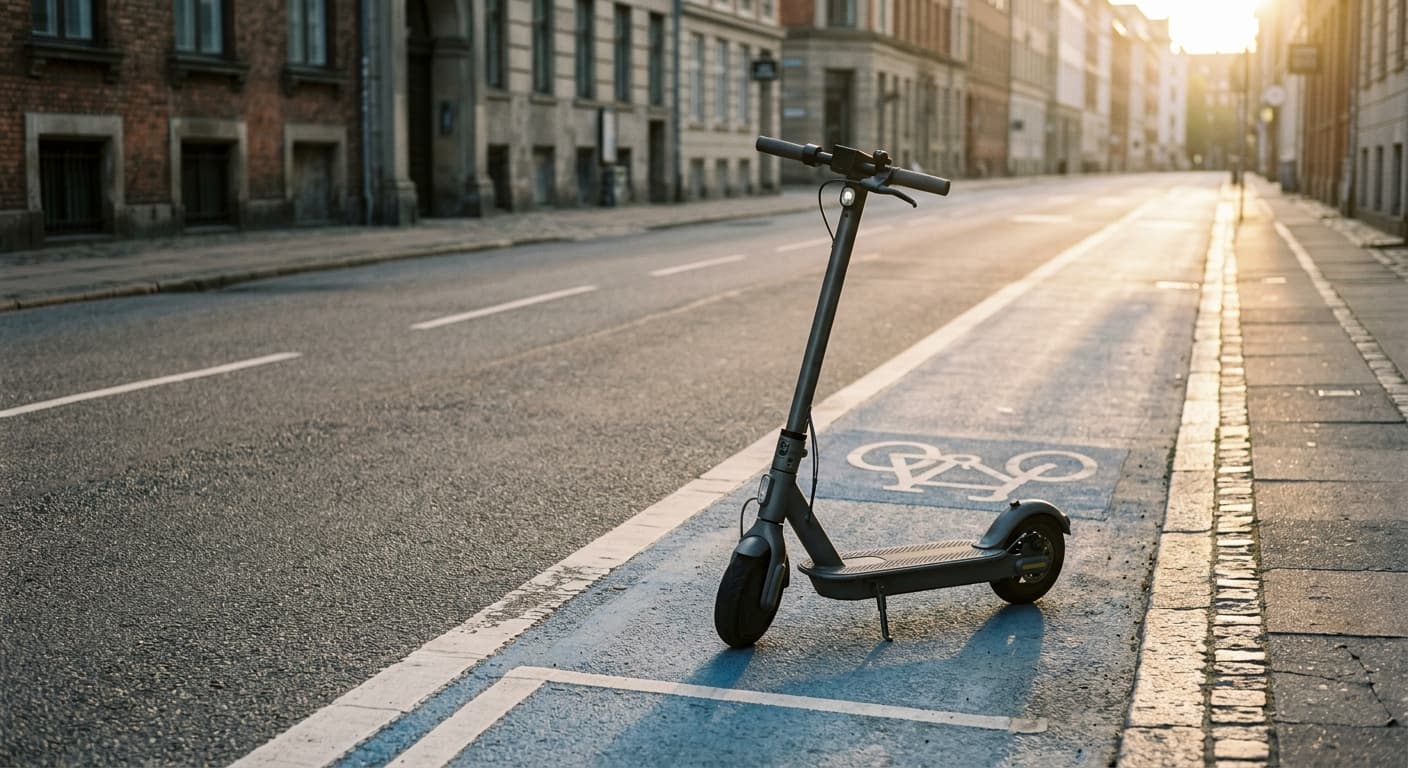
Montenegro E-Scooter Laws: A Rule Still Taking Shape (2026)
Montenegro's e-scooter rule is still taking shape. Reporting cites a 16-plus age minimum and a 25 km/h cap, but this article could not confirm it is yet in force.
5 min read
205 articles · page 3 of 4
Montenegro's e-scooter rule is still taking shape. Reporting cites a 16-plus age minimum and a 25 km/h cap, but this article could not confirm it is yet in force.
Morocco has no e-scooter law in force. A decree adopted 9 July 2026 would add a helmet mandate and 25 km/h cap, but it awaits Bulletin Officiel publication.
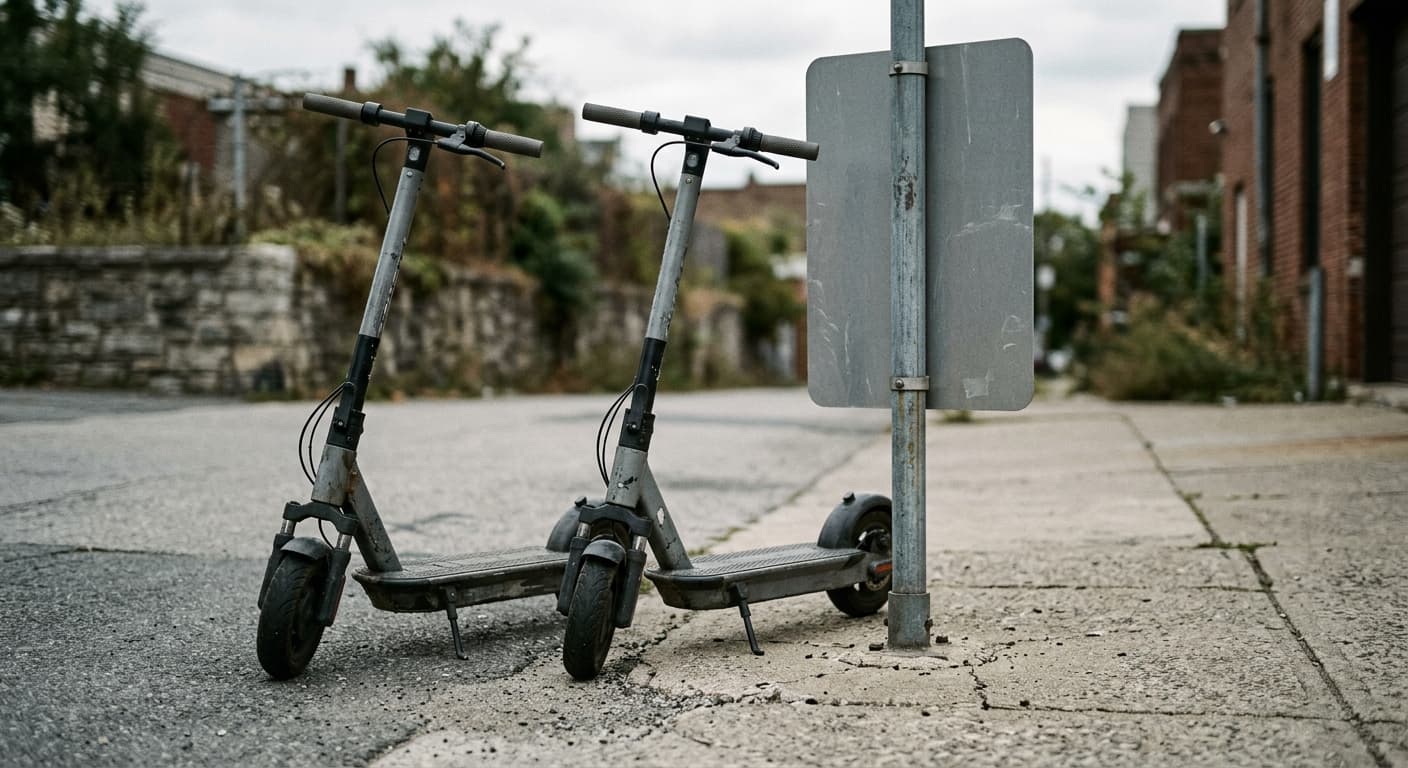
Mozambique's road code never names e-scooters, but its ciclomotor category, capped at 4kW for an electric vehicle, most plausibly pulls a fast one into registration duties.
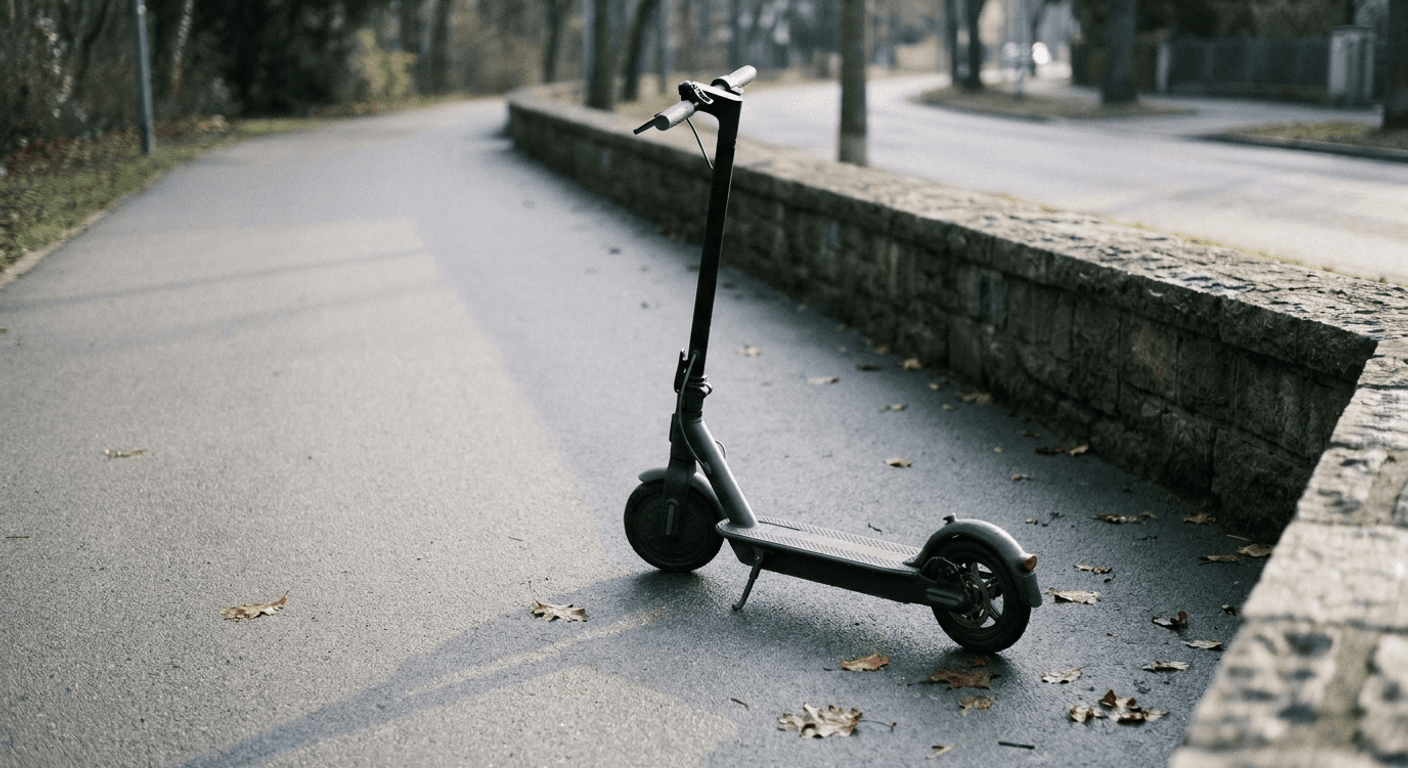
Myanmar's national vehicle law treats e-scooters like motorcycles, requiring registration, a licence, and a helmet, while several Yangon townships separately ban them.
Namibia's Road Traffic and Transport Act likely treats an e-scooter as a motor vehicle, but its text sets out no helmet requirement or minimum age for one.

Nebraska has no statute written for stand-up electric kick scooters. Reading the state's own definitions together points toward motorcycle-class treatment, though that reading is unconfirmed.
Nepal has no dedicated e-scooter category, so riders must register and license one as an ordinary motor vehicle, with fines of NPR 1,000 to 5,000 for skipping registration.
Nevada e-scooter law explained: the state's unusual sidewalk-riding default, 15 mph speed cap, no statewide age or helmet rule, and Clark County's local rules.
New Caledonia runs its own road code, separate from mainland France's e-scooter rules, and its moped definition requires scooter registration and a licence from age 14.
New Hampshire has no statutory category for stand-up e-scooters. RSA 259 and 265:144-a leave a gap that may default scooters to motor-driven-cycle treatment, an unsettled legal question.
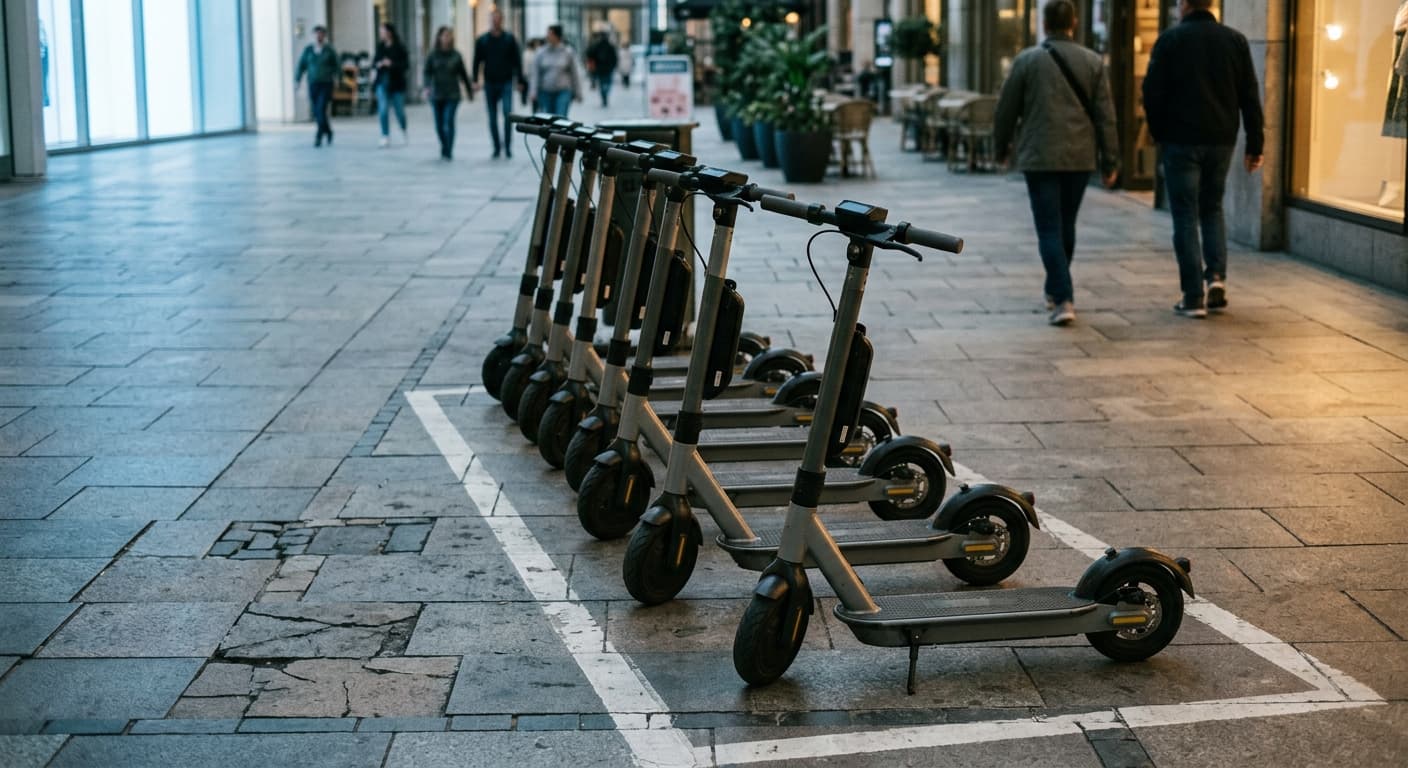
New Jersey e-scooter laws under N.J.S.A. 39:4-14.16: a sub-19-mph, 750-watt device rule, no minimum age or license, sidewalk parking only, not riding, and a helmet rule under 17.
New Mexico has no statewide e-scooter statute. A 2019 bill died in committee. See what actually applies: helmet, sidewalk, age, and Albuquerque rules.

New York e-scooter laws under Vehicle and Traffic Law Article 34-D: the 100 lb, 20 mph device definition, a minimum age of 16, and a helmet rule that applies only to riders 16 and 17.
Nicaragua's traffic law never names scooters or patinetas. Its propulsion-neutral vehicle definition sweeps a motorized scooter into the same category as a car.
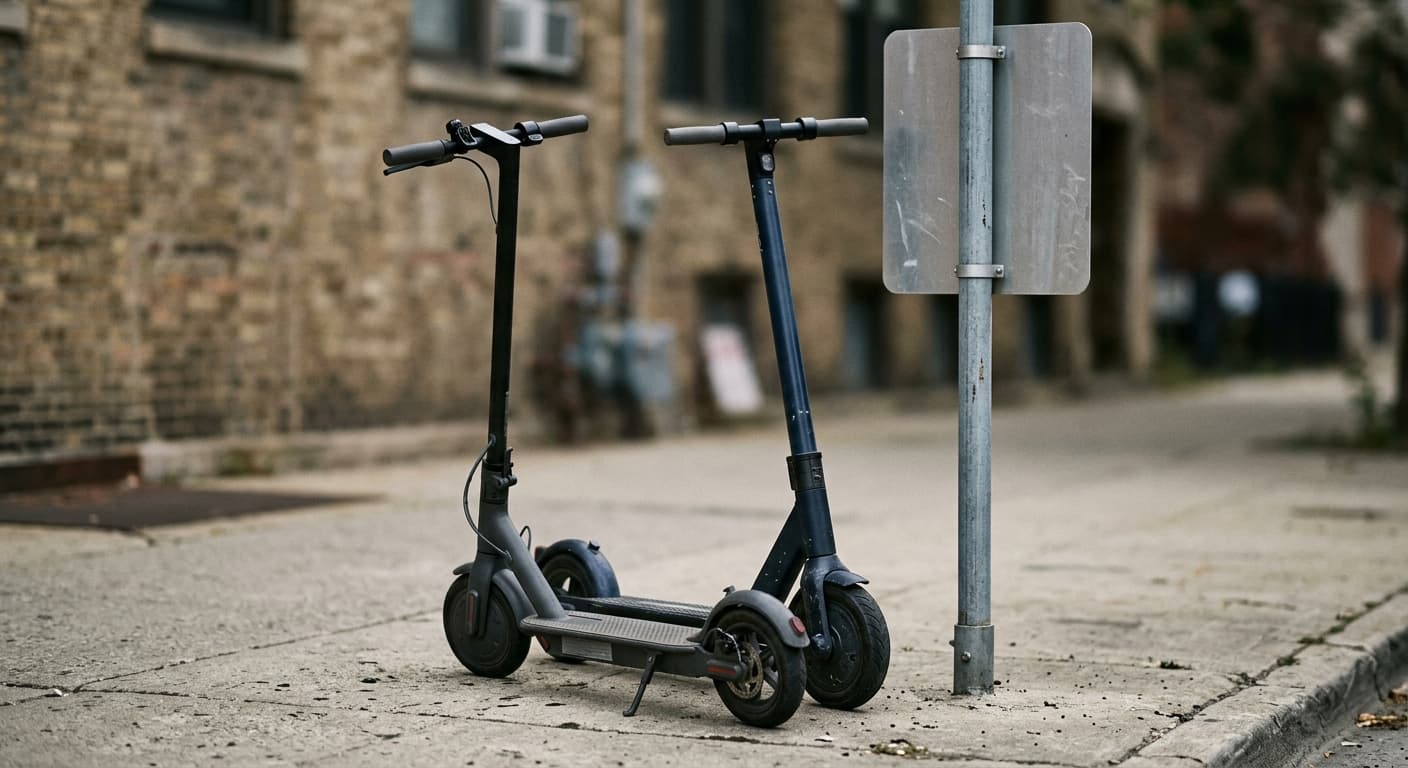
Nigeria's Lagos State Road Traffic Law 2012 has zero e-scooter mentions. The okada and keke road bans do not extend to e-scooters. Here is what that gap means.
North Carolina has no statewide statute for standup e-scooters, and two commonly cited enabling laws are actually unrelated bills. Charlotte's ordinance caps shared scooters at 15 mph.
North Dakota folds e-scooters into its "motorized bicycle" category, unusually treated as a motor vehicle for registration. Sidewalks are banned statewide.
North Macedonia raised its e-scooter minimum age from 14 to 18 on 14 July 2026, lowered the bike-lane cap to 20 km/h, and made helmets mandatory for all riders.
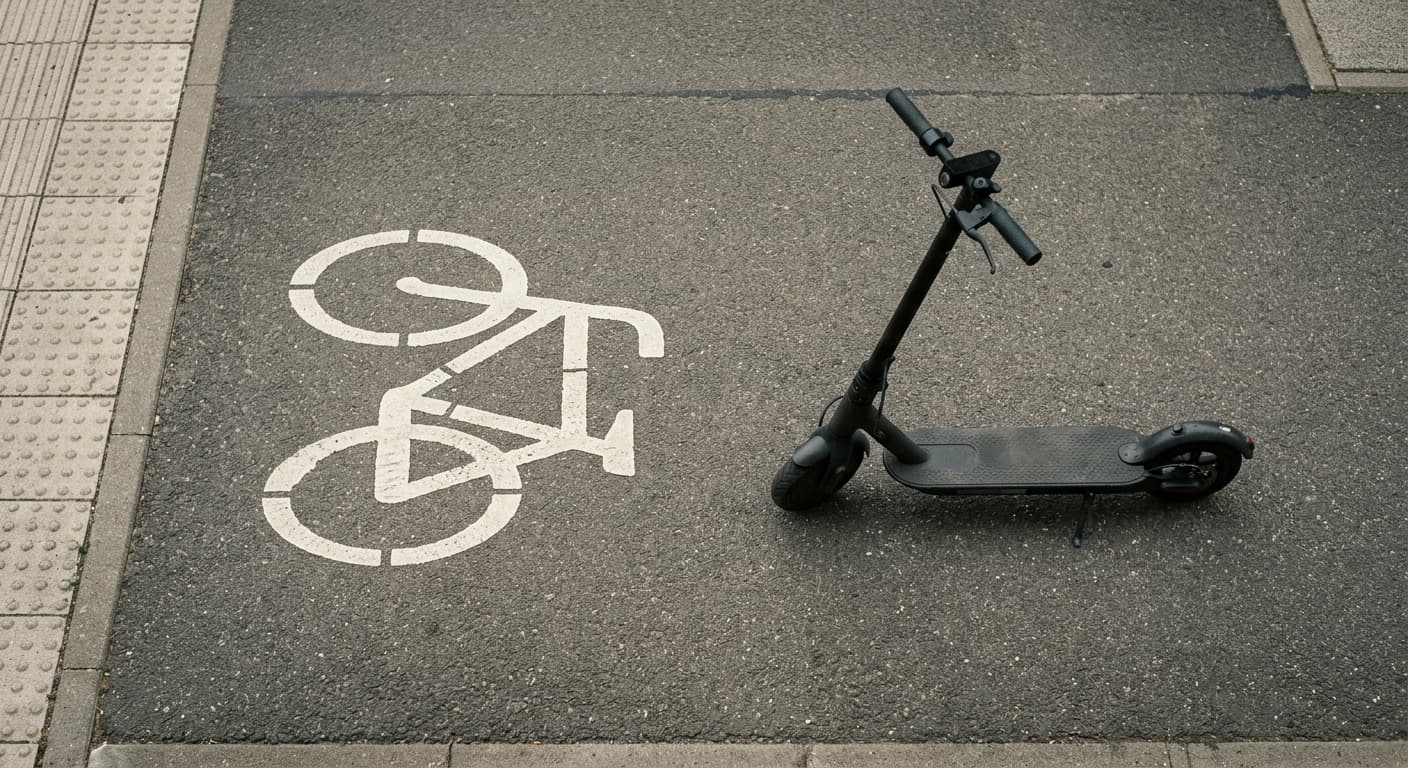
Norway enforces a strict 0.2 promille alcohol limit on e-scooter riders, the same severity as drunk driving in a car, plus a minimum age of 12 and a helmet rule under 15.
Ohio caps e-scooters, legally 'low-speed micromobility devices,' at 20 mph under ORC 4511.514. Riders must be at least 16 to rent one, and there is no statewide helmet requirement.
Oklahoma sets a statewide minimum age of 14 for e-scooters and caps road speed at 25 mph, even though devices can be built to 35 mph. There is no statewide helmet, license, or insurance rule.
Oman's written Traffic Law bars motorcycles, including e-scooters, from pavements, but Royal Oman Police's own public statements say the opposite, and nothing reconciles the two.
Oregon e-scooter law explained: the state's unusual all-ages helmet requirement, 16-and-up age floor, 15 mph speed cap, and Portland's local rules.
Pakistan's 1965 Motor Vehicles Ordinance has no e-scooter exemption, so a scooter defaults to motor cycle rules requiring registration, an 18-year-old rider, and a helmet.

Palestinian Authority traffic law never names e-scooters, but its broad motor vehicle definition sweeps them in, and the law applies only in Areas A and B.
Panama regulates e-scooters as personal mobility vehicles under Decreto 206, with a mandatory helmet confirmed by the transit authority and a reported 30 km/h limit.
Papua New Guinea's Road Traffic Act excludes only a disability-specific mobility device capped at 1,500 watts, so a general e-scooter falls under its motor vehicle rules.
Paraguay's current traffic fines schedule lists bicycles, mopeds and motorcycles but no e-scooters at all, and a 2025 bill exists precisely to fill that gap.
Pennsylvania has no standalone e-scooter statute. Title 75 folds a stand-up e-scooter into the motorcycle-class 'motor-driven cycle' category, making it not legal on public streets, per PennDOT.
Peru defines e-scooters as VMPs exempt from plate, license, and SOAT under a national decree. See the 25 km/h cap, sidewalk ban, and Lima's own fine schedule.
Are e-scooters legal in the Philippines? LTO's kick-scooter category, the disputed 2024 registration order, and Metro Manila's 19-road MMDA ban explained.
Poland has regulated e-scooters since May 2021, requiring a bicycle card or licence for riders 10 to 18, allowing sidewalk use only as a last resort, and requiring no helmet.
Portugal treats e-scooters capped at 0.25kW and 25 km/h as legal bicycle equivalents with no age or helmet rule, though exceeding those limits draws a fine and on-the-spot seizure.
Puerto Rico's traffic law names patineta motorizada directly and bars it from public roads. Rental scooters still operate in San Juan despite the ban.
Qatar has no standalone e-scooter statute, but its Ministry of Interior treats scooters as bicycle-equivalent, requiring helmets and riding in designated areas, not vehicle lanes.
The Republic of the Congo has no confirmed national road traffic code, so a shared CEMAC regional code applies, placing e-scooters in the same category as a car.
Rhode Island has no statutory category for a stand-up e-scooter. Its bicycle and motor scooter definitions don't fit one, though a general helmet rule covers riders 15 and under.
Romania sets a minimum e-scooter riding age of 14, caps devices at 25 km/h, and bans sidewalk riding except where a marked bike path runs along it, under OUG 195/2002.
Russia's traffic code has capped e-scooters at 25 km/h with a minimum age of 14 for sidewalk and pedestrian-zone use since March 2023, alongside growing local restrictions.
Rwanda replaced its road traffic law in March 2026 with a definition broad enough to cover e-scooters, but its vehicle-class and helmet rules are not yet published.
Saudi Arabia's SASO standard caps e-scooters at 25 km/h and bans use outside designated tracks. Rider rules and rental access vary city by city.
Senegal has no e-scooter statute, but Décret n° 2004-13's motor-vehicle definition sweeps a scooter in anyway, with a driving-permit rule that has no low-power exemption.
Serbia has regulated e-scooters since September 2023, capping speed at 25 km/h and requiring a registration sticker and helmet, though only 13,520 stickers exist.
Sierra Leone's Road Traffic Act has no lower moped tier, so an e-scooter falls under the same registration, licence, and helmet rules as a full motorcycle.
Slovakia currently requires e-scooter riders on public roads to be over 15, with no helmet mandate, ahead of a stricter small electric vehicle regime starting 1 September 2026.
Slovenia raised its e-scooter minimum age from 12 to 15 in February 2026, alongside a 25 km/h cap and fines up to 250 euros for exceeding pedestrian pace on shared paths.
Solomon Islands' Traffic Act defines a motor vehicle broadly enough to sweep in e-scooters, since only overhead-cable-powered vehicles like trams are excluded.
South Carolina's EPAMD statute requires self-balancing devices, so a standard kick e-scooter is not covered by state law. Riding an EPAMD on a freeway is a misdemeanor punishable by fine or jail.
South Dakota exempts small motorized foot scooters (15 mph, 12-inch wheels) from motorcycle law entirely. Larger, faster devices are regulated differently.
South Korea has required at least a moped-class licence to ride a personal mobility device since May 2021, along with a mandatory helmet backed by a 20,000 won fine.
The only traceable South Sudan traffic law is a 2003 pre-independence statute of unconfirmed current status. Under its terms, an e-scooter counts as a motor vehicle.
Sri Lanka's Motor Traffic Act defines motor vehicles broadly enough to include e-scooters with no power floor, requiring full registration, a driving licence, and insurance.
Sudan's 2010 traffic law defines motor vehicle broadly enough to catch e-scooters, requiring registration, but the civil war since 2023 leaves enforcement unclear.
Suriname passed a law bringing electric vehicles under its Rijwet 1971 traffic act in May 2026, but it does not take effect until 1 January 2027.
Sweden treats an e-scooter as a bicycle only below 20 km/h and 250 watts; exceed either limit and it legally becomes an unregistered moped barred from public roads and paths.
Syria's 2004 traffic law defines motor vehicle broadly enough to cover e-scooters, but the post-Assad transition leaves whether it still applies unresolved.
Taiwan has required e-scooters to be registered, plated, and helmeted since a grace period ended in November 2024, with a minimum riding age of 14 for its micro electric class.
Tajikistan has no national e-scooter law, but its capital Dushanbe banned e-scooters outright until 2030, and registration applies above 40 km/h or 50cc.
Tanzania's Road Traffic Act has no e-scooter category, so broad vehicle definitions place e-scooters under the same registration and licensing rules as a motorcycle.
Tennessee's electric foot scooter law caps device eligibility at 20 mph, but the actual operating speed limit is 15 mph under T.C.A. 55-8-306. Full rules here.