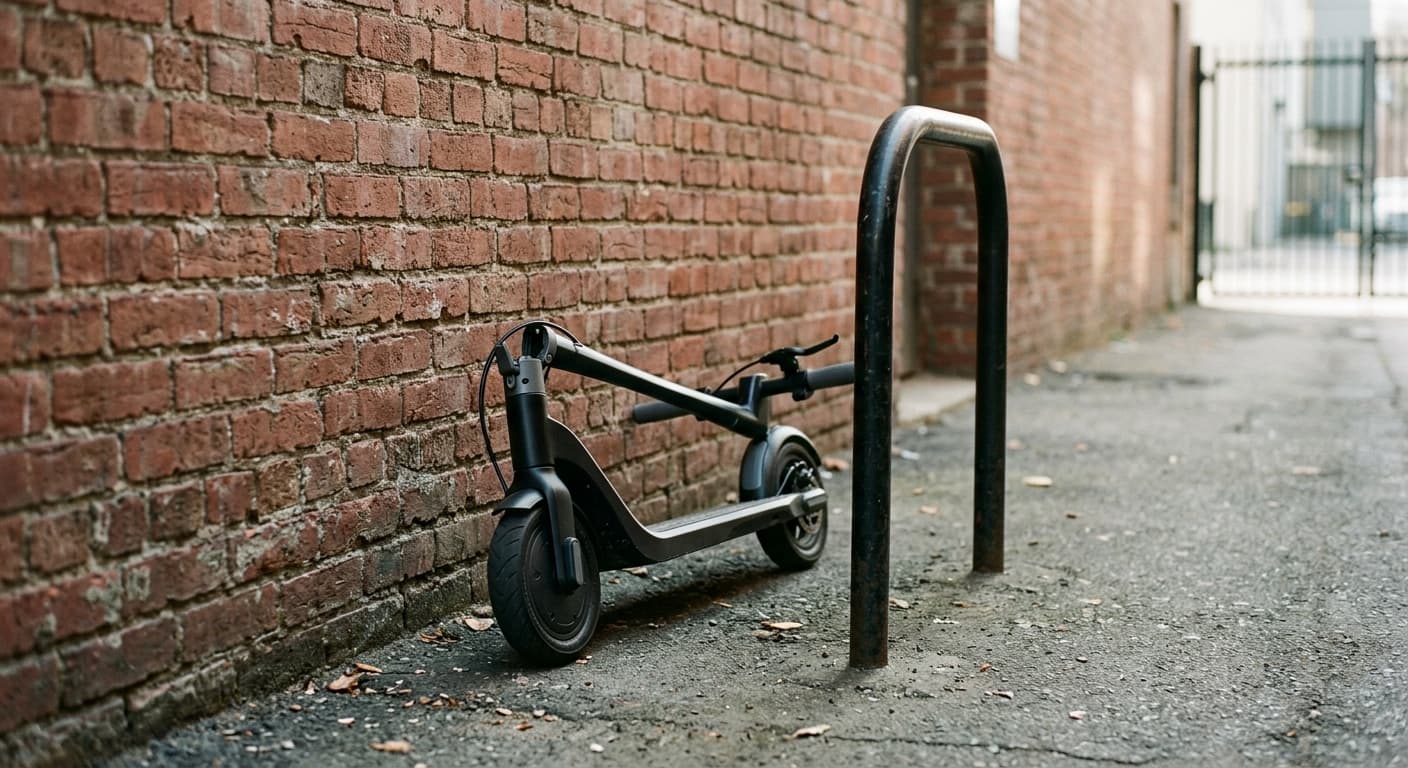
Texas E-Scooter Laws: Sidewalk, Helmet & Age Rules (2026)
Texas has no statewide age, helmet, license, or insurance rule for e-scooters. Transportation Code Subchapter E allows riding on sidewalks and streets posted 35 mph or under.
6 min read
205 articles · page 4 of 4
Texas has no statewide age, helmet, license, or insurance rule for e-scooters. Transportation Code Subchapter E allows riding on sidewalks and streets posted 35 mph or under.
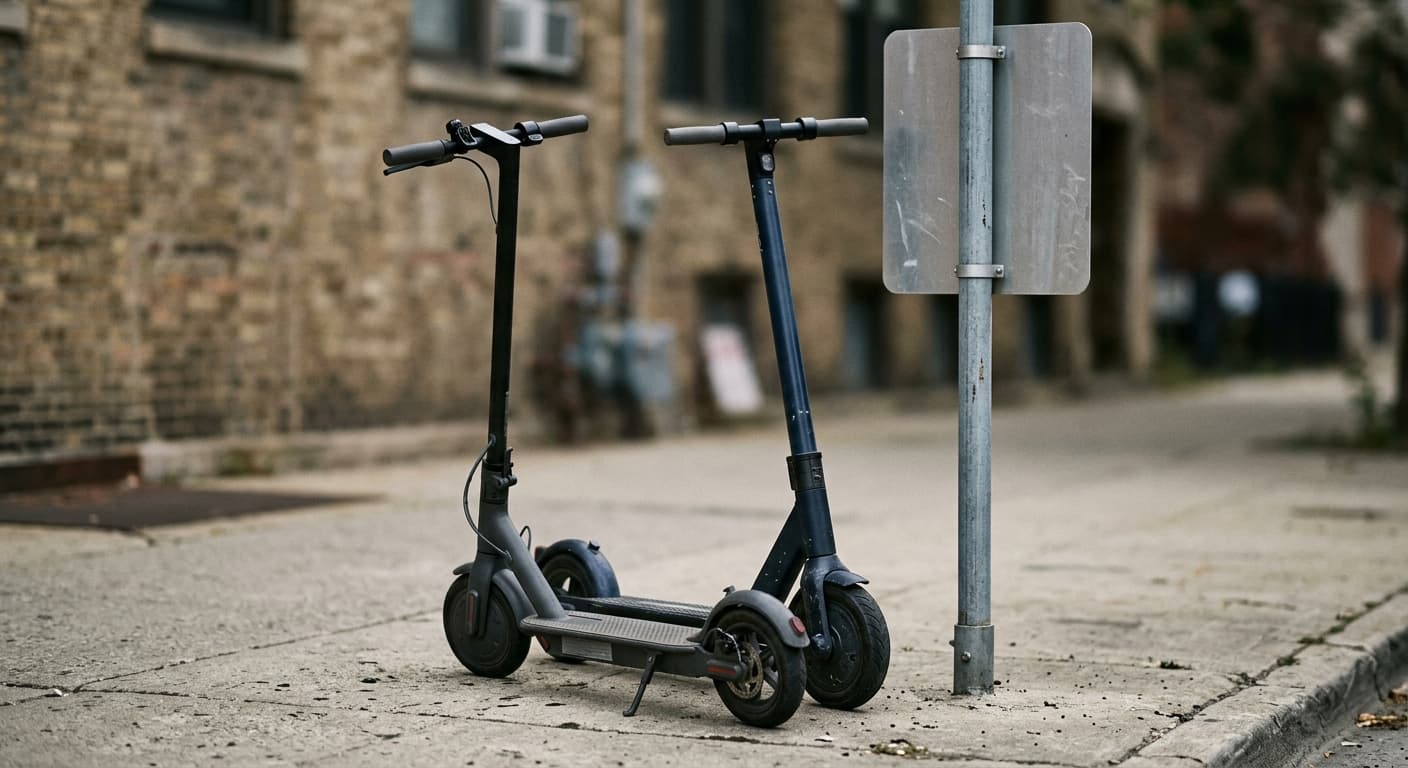
Thailand has no vehicle category that a throttle-based e-scooter can register under, making public road riding an offense even though rentals remain widely tolerated.
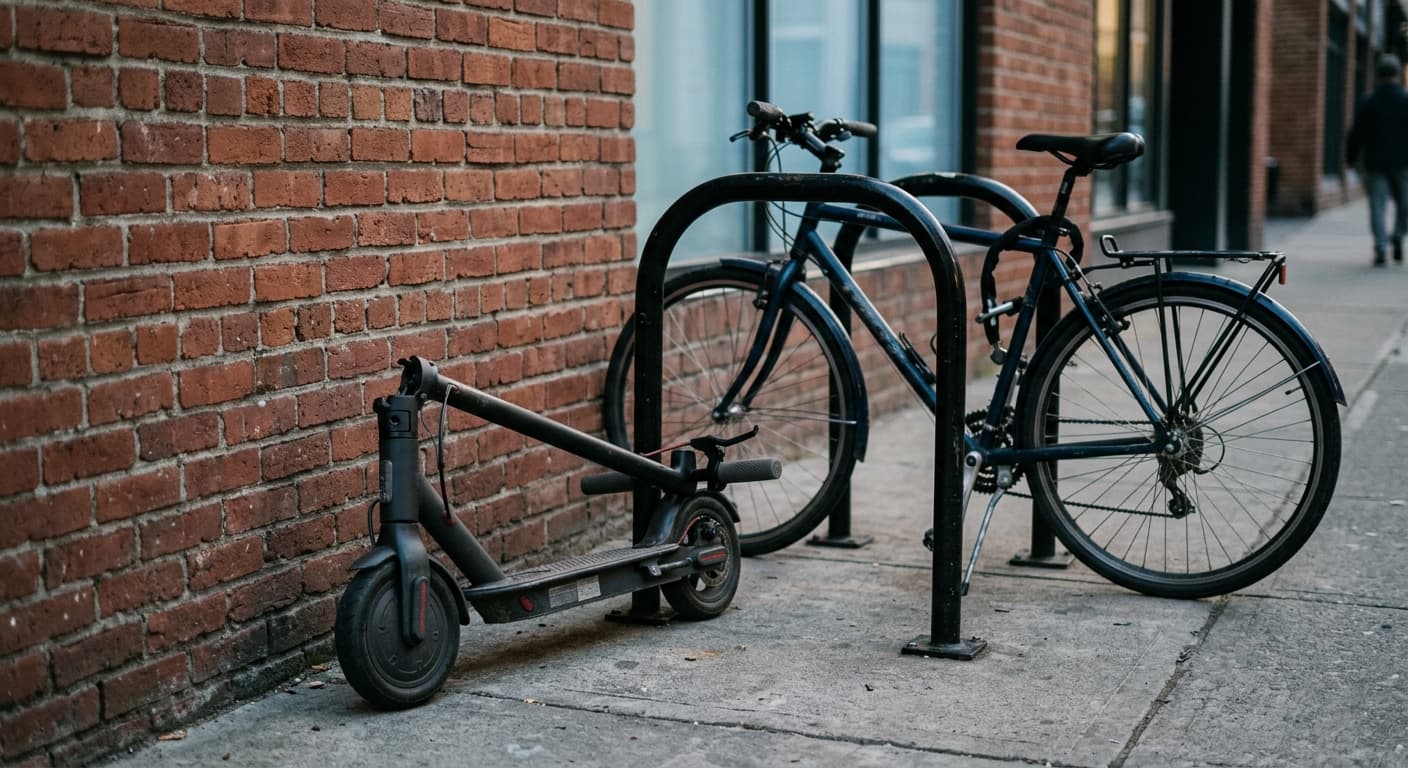
Timor-Leste exempts manual, non-powered scooters as pedestrian equivalent, but a powered scooter most likely falls under its moped category, needing a permit from age 16.
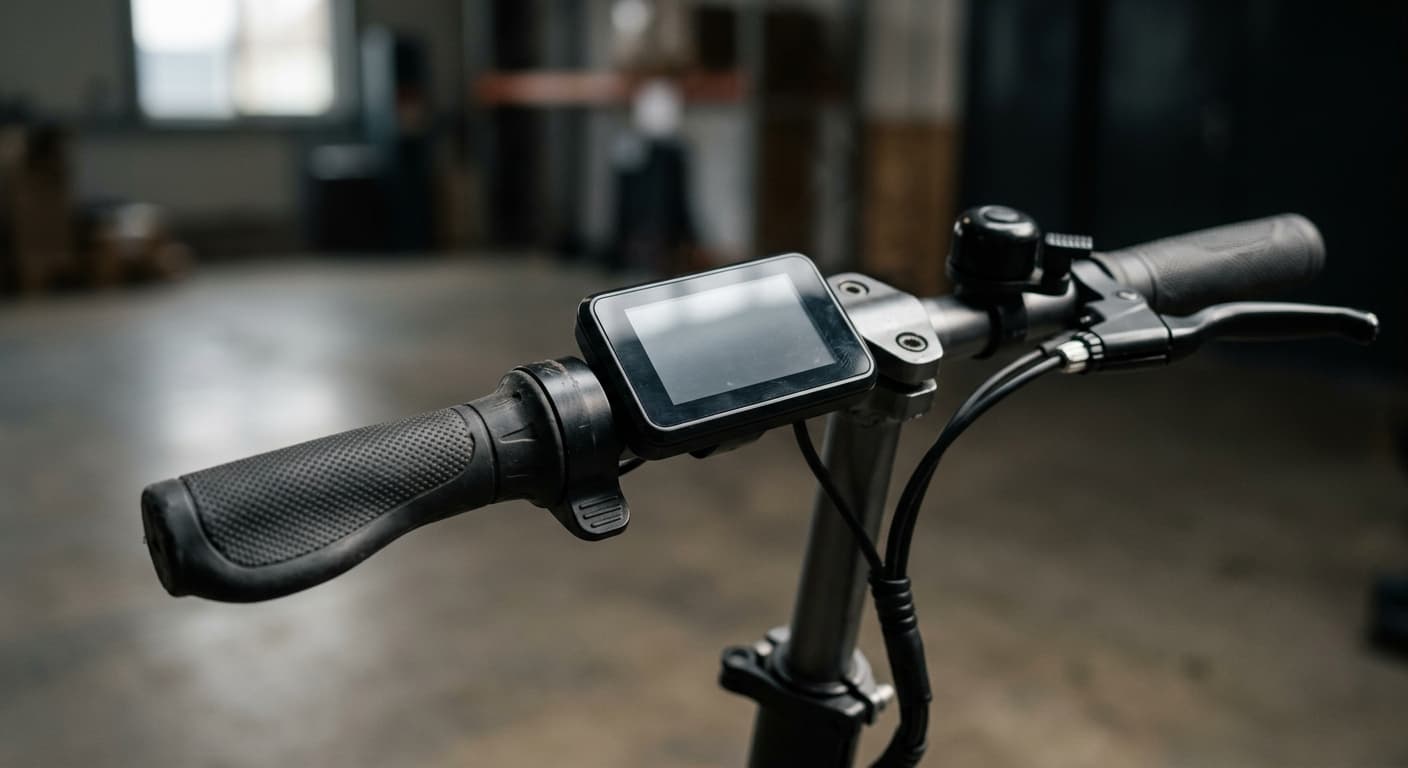
Togo defines every powered two-wheeler tier by combustion engine size, so an e-scooter falls to general motor vehicle rules, though its two-wheeler helmet mandate still applies.
Chapter 48:50 folds e-scooters into 'motor vehicle' through wording that also names trolley vehicles and excludes rail vehicles, with two amendments unchecked.
Tunisia has no dedicated e-scooter law and, per local reporting, no financial penalty framework at all for riders, leaving even informal safety norms unenforceable.
Turkey caps e-scooters at 25 km/h and bars operators from renting to riders under 15, but its regulation sets no statutory helmet mandate despite common assumptions otherwise.
The UAE has no single federal e-scooter law: Dubai runs a permit-zone system, Abu Dhabi and Sharjah restrict riding to designated tracks, and Ajman bans street riding outright.

Uganda's Traffic and Road Safety Act has no e-scooter category, but its broad vehicle definitions technically sweep scooters into the same rules that apply to motorcycles.
Ukraine's Rules of the Road have no dedicated e-scooter category, folding devices into the existing moped definition instead, which caps electric motors at 4kW.
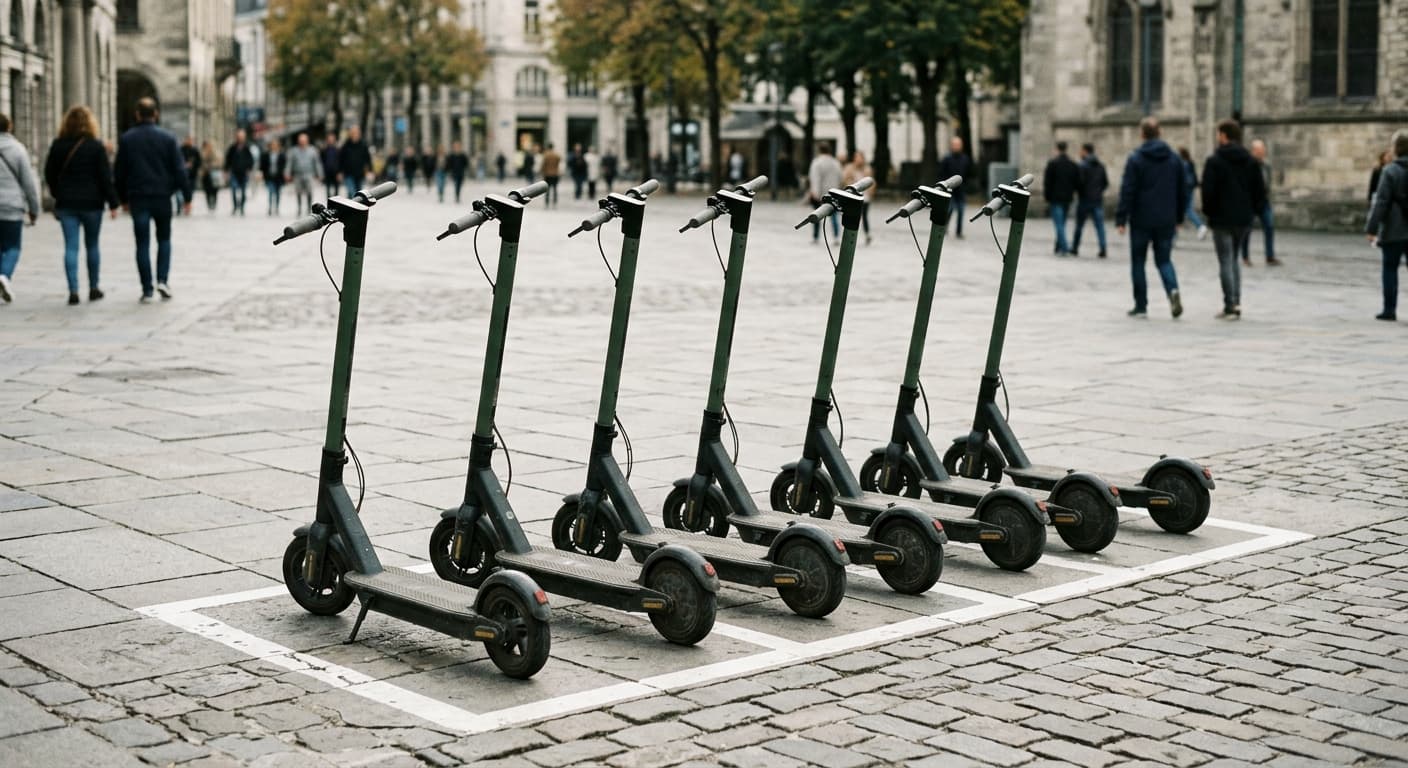
Uruguay coordinates e-scooter rules through a 2020 circular each department adopts, setting a 25 km/h cap and age 16 minimum, though Montevideo admits near-zero enforcement.
Utah currently bars only riders under 8. An already-enacted 8/16 tiered age law and freeway ban take effect May 5, 2027. See current vs future rules.
Uzbekistan's 2024 Cabinet resolution caps e-scooters at 10 km/h on sidewalks and 20 km/h on the road, requires no driver's licence, and bans riders under 14.
Vanuatu names electrical power directly in its motor vehicle definition, meaning an e-scooter triggers registration, a driving licence, and compulsory insurance.
Venezuela has no dedicated e-scooter law. Its 1998 regulation classifies any motor-equipped scooter as a motorcycle, requiring registration, plates, and insurance.
Vermont regulates 'self-balancing' EPAMDs under 23 V.S.A. section 1141a and treats riders as pedestrians. A standard stand-up e-scooter may not fit that definition at all.
Vietnam's 2025 traffic law licenses electric mopeds but does not recognize stand-up e-scooters as vehicles at all. See the rules, fines, and the drafting gap.
Virginia e-scooter laws under Code section 46.2-100 and Article 12: the 100 lb, 20 mph device definition, a 14-year age minimum, and no statewide helmet mandate for any rider.
Washington e-scooter law explained: what RCW 46.61.710 actually requires, the refuted 16-and-up age claim, sidewalk rules, and Seattle's local requirements.
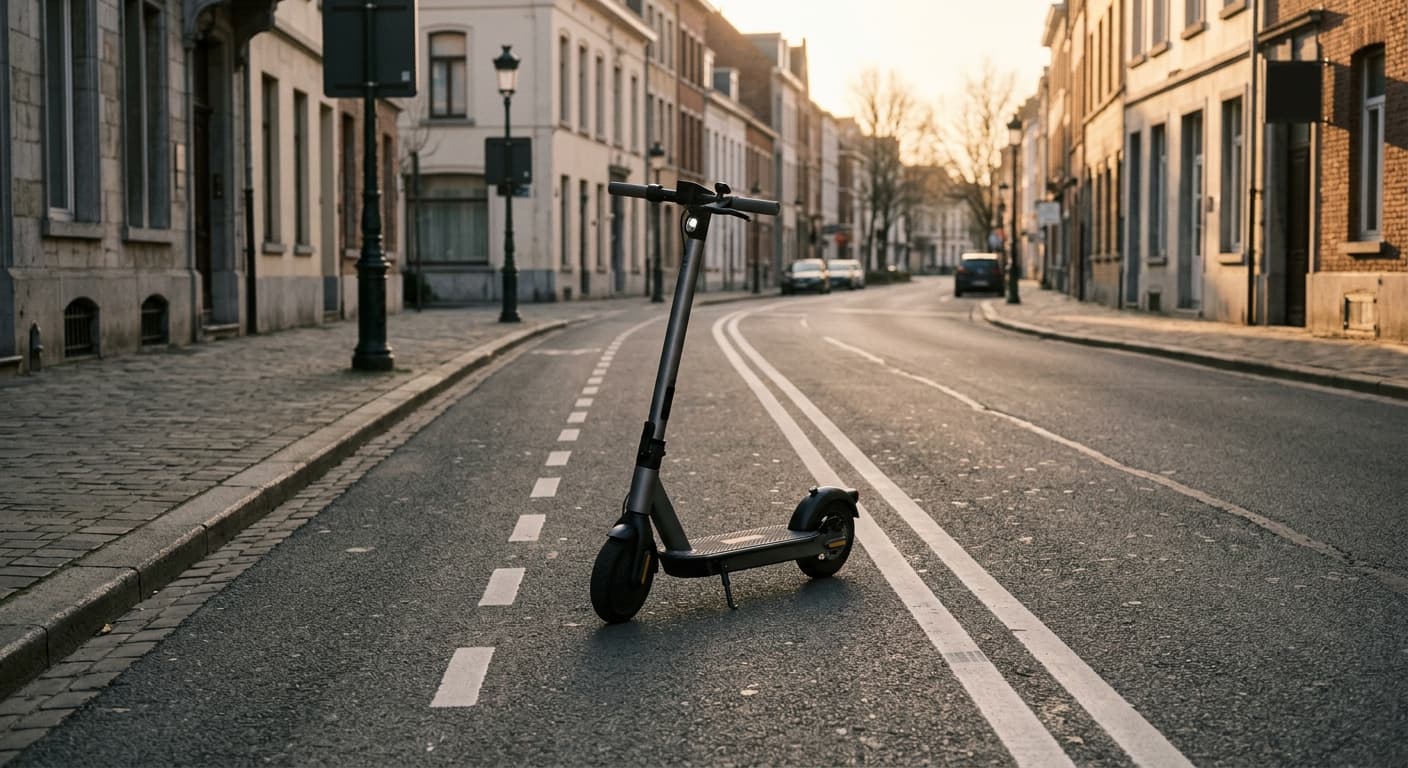
West Virginia has no e-scooter statute, confirmed by a zero-result search of the state code. Charleston has adopted its own local Motorized Scooter ordinance to fill the gap.
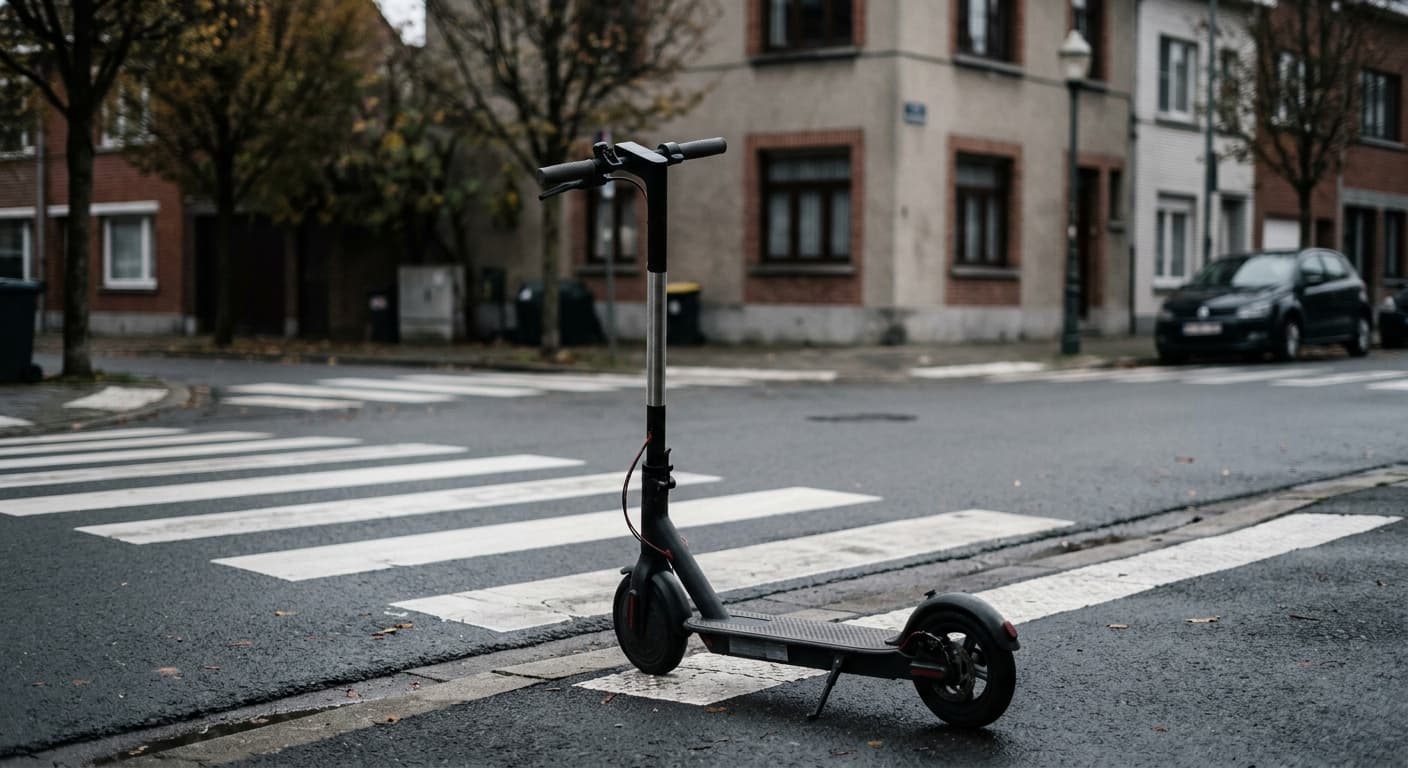
No e-scooter law applies in Western Sahara. The Moroccan-administered majority follows Morocco's own regulatory gap, and the rest has no documented traffic law.
Wisconsin defines electric scooters under Wis. Stat. 340.01(15ps) and allows sidewalk riding by default, unusual among states. No statewide age or helmet law was found.
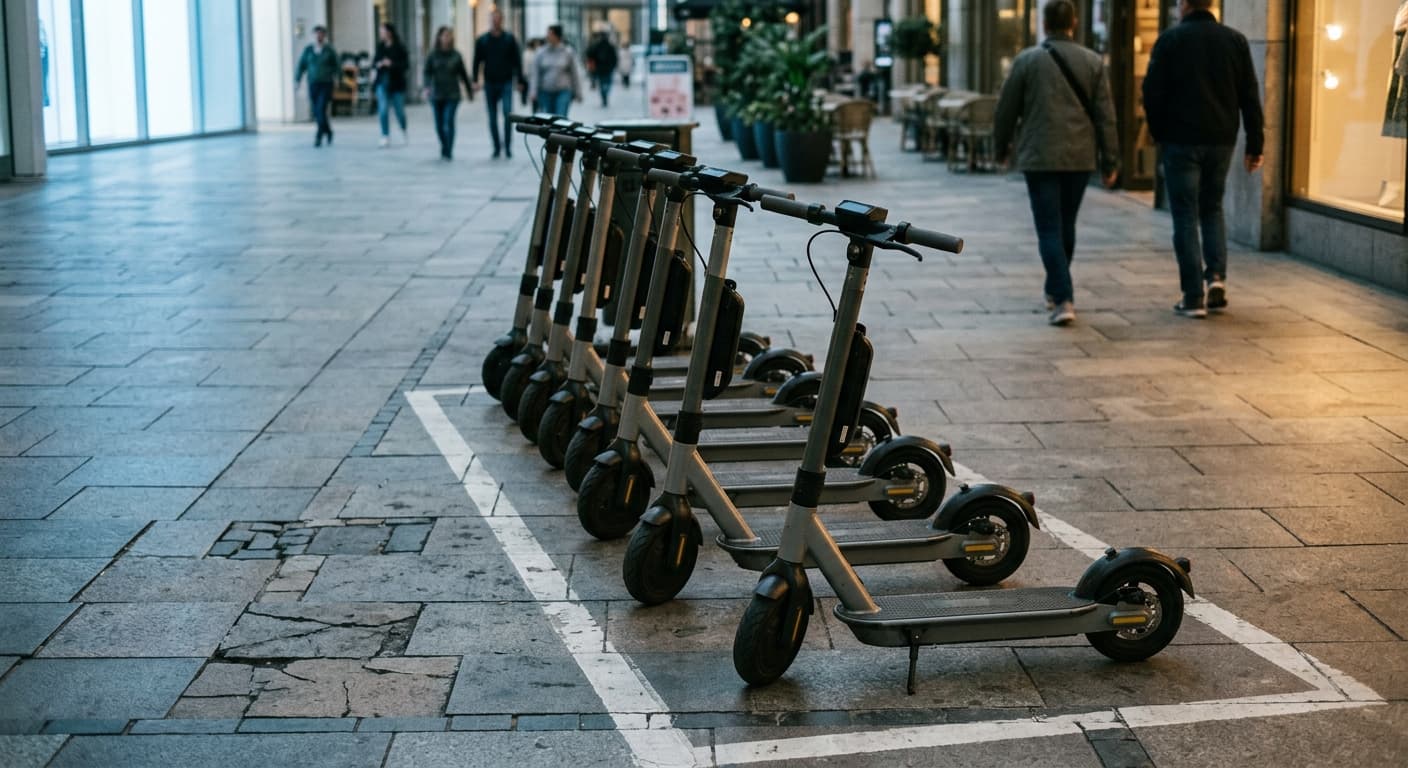
Wyoming has no e-scooter statute; e-scooters fall under the "motorized skateboard" catch-all. Sidewalks are banned statewide and DUI law likely applies.
Zambia's 2022 amendment added a standalone statutory definition of scooter, though it reads more like a step-through moped than a stand-up kick-scooter.
Zimbabwe's 1970s vehicle law defines "motor vehicle" broadly enough to include e-scooters, and police are already impounding a closely related device.