North Carolina Windshield Mounting Laws (2026 Guide)
North Carolina windshield mounting laws: restrictions, penalties, and exemptions. Complete guide.
9 min read
172 articles · page 3 of 3
North Carolina windshield mounting laws: restrictions, penalties, and exemptions. Complete guide.
Understand North Dakota's hit and run laws: legal obligations after an accident, penalties for leaving the scene, and steps to protect your rights.
North Dakota windshield mounting laws: restrictions, penalties, and exemptions. Complete guide.

NYC's red-light, school-zone speed, and work-zone camera programs explained: fine caps, statutory repeal dates, the 37-day rental-car window, and defenses.
Learn Ohio dashcam laws including mounting rules under ORC 4513.24, audio recording consent requirements, and how dashcam footage is used as evidence in court.
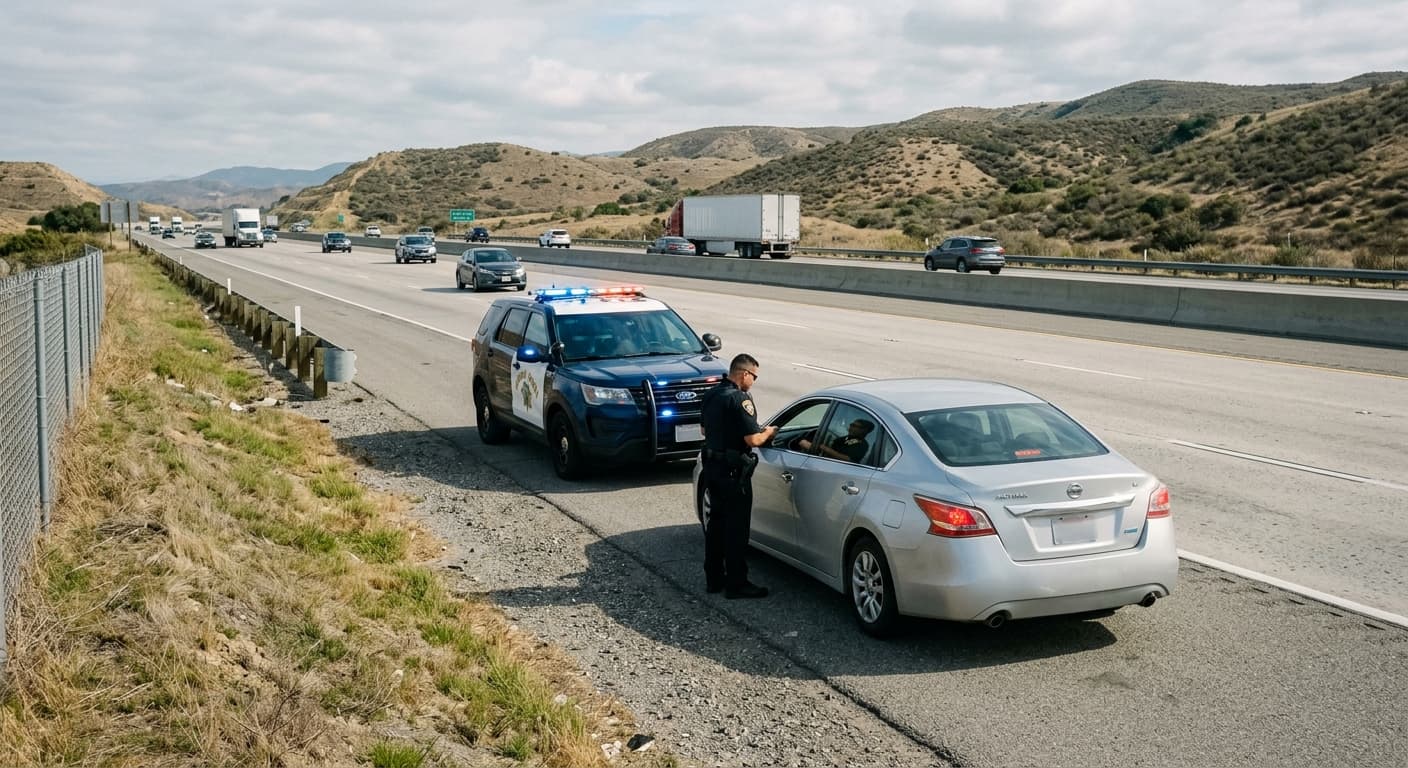
Ohio Gov. Mike DeWine signed HB 492 on July 7, 2026, requiring drivers and passengers to give their name, address, and date of birth at traffic stops. Effective October 5, 2026.
Understand Ohio's hit and run laws: legal obligations after an accident, penalties for leaving the scene, and steps to protect your rights.

Ohio's photo-enforcement statute still requires an officer present, but a 2017 court ruling struck that rule for cities. Here's what actually governs.
Oklahoma dashcam laws allow dashboard cameras with no specific restrictions. Learn mounting rules, audio recording consent, and using dashcam footage as evidence.

Learn about Oklahoma hit and run penalties under 47 O.S. 10-102, including felony charges for injury or death, misdemeanor property damage penalties, and your duties at the accident scene.
Open container laws by state: who's covered, passenger rules, exemptions, penalties, and the 12 states FHWA flags as non-conforming for FY2026. Full 51-row table.

Understand Oregon hit and run laws: legal obligations after an accident, penalties for leaving the scene, and steps to protect your rights.

Oregon photo red light and speed camera tickets are real driver-liability violations, not civil fines. How ORS 810.436-.444 work and what a conviction costs.

Learn about Pennsylvania hit and run penalties under 75 Pa.C.S. 3742 and 3743, including felony charges for injury or death, mandatory minimum sentences, and your duties at the scene.
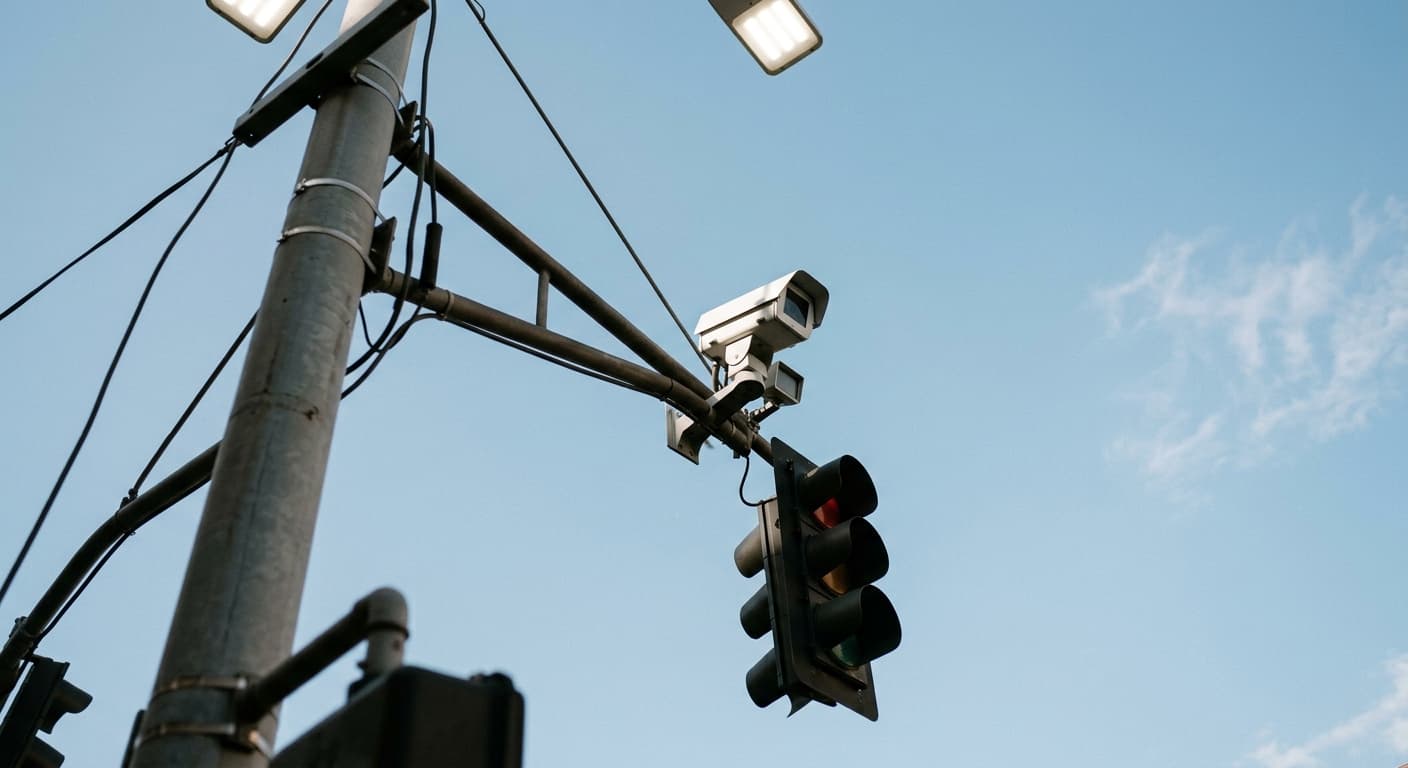
Pennsylvania runs five camera-enforcement programs under Title 75. All are civil, no-points penalties, but Philadelphia's red light cameras expire July 2027.
Understand Rhode Island's hit and run laws: legal obligations after an accident, penalties for leaving the scene, and steps to protect your rights.
Rhode Island authorizes red light and school-zone speed cameras statewide. Neither expires in 2027, only a small pilot add-on does. Here's how the law works.

Depending on the circumstances involved, road rage may constitute a felony or misdemeanor under state and federal road rage/aggressive driving laws.
Dashcams are legal in South Carolina. Learn the mounting rules, the one-party consent law for in-vehicle audio, and how dashcam footage can be used as evidence.
Learn South Carolina hit and run laws, penalties from misdemeanor to 25-year felony, driver duties, insurance claims, and how to protect your rights.
South Carolina bars red light and speed cameras by requiring in-person ticket issuance and barring citations based on photo evidence. Here's what's still legal.
Learn South Dakota dashcam laws. Dashcams are legal with proper mounting. Audio recording rules, evidence use, and commercial fleet dashcam regulations explained.

Learn South Dakota hit and run laws, penalties for leaving the scene, driver duties after an accident, insurance rules, and what to do as a victim under SDCL 32-34.

South Dakota bans city contracts with red light camera vendors and blocks the state from sharing data to help other states collect camera fines. The actual law.
Learn Tennessee dashcam laws including mounting rules, audio recording consent, insurance implications, and using dashcam footage as evidence in court.

Learn Tennessee hit and run laws, penalties for leaving the scene, driver duties under TCA 55-10-101 through 55-10-104, and how to protect your legal rights.

Tennessee allows local traffic cameras under TCA 55-8-198, but caps fines at $50, bans right-turn-on-red citations, and keeps tickets off your record.
Learn about Texas hit and run laws, penalties for leaving the scene of an accident, driver duties under Transportation Code 550, and how to protect your rights.
Texas banned speed cameras in 2007 and red light cameras in 2019, but one grandfathered city, Leon Valley, is still ticketing under its old contract.
See which states authorize, limit, ban, or have no law on red light and speed camera tickets, plus which ones can actually put points on your license.
Learn Utah dashcam laws. Dashcams are legal with proper mounting. Audio rules, evidence use, commercial fleet regulations, and windshield obstruction law explained.
Learn Utah hit and run laws under Code §§ 41-6a-401 to 41-6a-403, including penalties from misdemeanor fines to a third-degree felony with 5 years in prison.
Utah authorizes speed photo radar only, with an officer required on site, yet the ticket carries no points or insurance impact. Here's the actual law.
Learn Vermont dashcam laws. Dashcams are legal with proper mounting. Audio rules, evidence use, and commercial fleet regulations explained.
Learn Vermont hit and run laws under 23 V.S.A. Section 1128, including penalties for leaving the scene, reporting requirements, and insurance options.
Vermont's work-zone camera pilot is law but has never issued a ticket, and it's set to flip into a full camera ban on July 1, 2027. Here's the timeline.

Virginia's SB 336 lets police add speed cameras at high-risk intersections starting July 1, 2024. Tickets require 10 mph over the limit, capped at a $100 penalty.
Learn Virginia hit and run laws, penalties, and driver duties. Class 5 felony for injury or death cases. Statute of limitations, insurance claims, and more.
Virginia camera tickets are usually no-points civil penalties, but an officer-issued exception under the same law can put a real conviction on your record.

Virginia's Intelligent Speed Assistance Program took effect July 1, 2026 under HB 2096, letting courts order GPS speed limiters for convicted reckless drivers.
Learn Washington hit and run laws under RCW 46.52.020: penalties from misdemeanor to Class B felony, driver duties, reporting rules, and victim insurance options.
Any Washington city or county can authorize traffic cameras by ordinance. Tickets are civil, not on your record, but unpaid ones can block registration renewal.

Washington's work-zone speed cameras began issuing fines July 1, 2026 under RCW 46.63.200: $125 for a first infraction and $248 after. Here is how it works.
Learn West Virginia dashcam laws including legality, mounting rules, audio recording consent, using footage as evidence, and police interaction guidelines.
Understand West Virginia's hit and run laws: legal obligations after an accident, penalties for leaving the scene, and steps to protect your rights.
West Virginia bans traffic camera enforcement outright, and a 2026 attempt to add work-zone cameras had that language stripped before it passed.

DUI cases often take months longer than expected. Learn the real reasons, lab backlogs, court dockets, pretrial motions, and what can actually speed a case up.
Windshield mounting laws by state: what you can mount on your windshield, GPS and phone rules, dashcam placement, and penalties for all 50 states.
Dashcams are legal in Wisconsin. Learn the windshield mounting rules, the one-party consent law for in-car audio, and how dashcam footage works as evidence.
Wisconsin bans photo radar speed cameras by statute, and red light cameras have no enabling law either. Here's what that means for drivers.
Learn Wyoming dashcam laws including legality, mounting rules, audio recording consent, using footage as evidence, wildlife collision documentation, and police guidelines.
Wyoming hit and run laws under Wyo. Stat. 31-5-1101 to 31-5-1104: penalties run from a property-damage misdemeanor to 1 year in jail for injury or death.