Connecticut Security Camera Laws: Home, Business, and Workplace Rules (2026)
Learn Connecticut security camera laws for homes, businesses, and workplaces including CGS 31-48d notice rules, audio restrictions, and placement guidelines.
10 min read
906 articles · page 3 of 16
Learn Connecticut security camera laws for homes, businesses, and workplaces including CGS 31-48d notice rules, audio restrictions, and placement guidelines.
Smart glasses are legal in Connecticut, but audio rules split: participant consent for in-person; all-party consent for phone calls under § 52-570d.
Learn Connecticut video recording laws, including when video surveillance is legal, audio capture rules, voyeurism penalties, and workplace video monitoring.
Learn Connecticut voyeurism laws under CGS 53a-189a, hidden camera penalties, image distribution crimes, sex offender registration, and victim protections.
Learn Connecticut workplace recording laws including CGS 31-48d employer monitoring notice, employee recording rights, and penalties up to $3,000 per violation.
Costa Rica is a one-party consent country. A participant may record any conversation without notice. Penalties for third-party interception reach 3 to 6 years under the amended Código Penal. Learn what changed in 2024-2026.

Cote d'Ivoire requires all-party consent to record private words under Penal Code art. 450-1. Scope, penalties, and the consent-presumption rule explained.

Making a private recording in the UK is usually lawful, but using a covert recording as evidence is at the court's discretion in family and civil cases.

Croatia requires all-party consent under Criminal Code Art. 143. Violations carry up to 5 years prison; AZOP imposed EUR 4.5M GDPR fine in 2025. Know the rules.
Cyprus requires all-party consent to record private conversations under Law 92(I)/1996 and Criminal Code Cap. 154 s. 138. Penalties, GDPR rules, police recording, deepfakes, and TRNC explained.

Czech Republic is one-party consent under Civil Code § 88. Learn criminal penalties, GDPR obligations, the new § 191a deepfake law (Jan 2026), and workplace rules.
Washington, D.C. is a one-party consent jurisdiction. Learn when you can legally record audio and video with smart glasses under D.C. Code § 23-542 and § 22-3531.

It is not illegal to use dashcams in the US and Canada. State and provincial laws determine where you can mount one and who may use the footage.
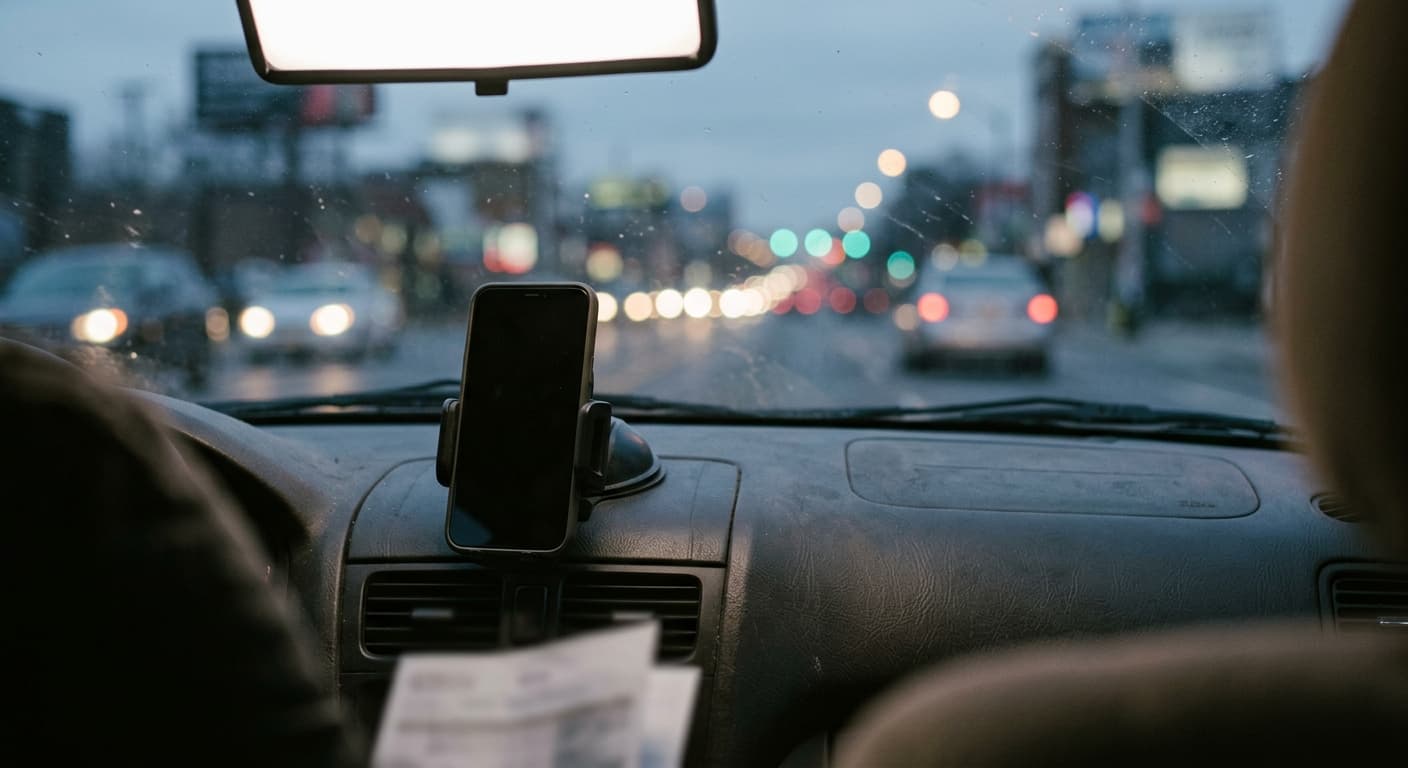
DC dashcam laws allow video and audio recording under one-party consent (D.C. Code 23-542). Learn windshield rules, evidence use, and privacy limits in the District.
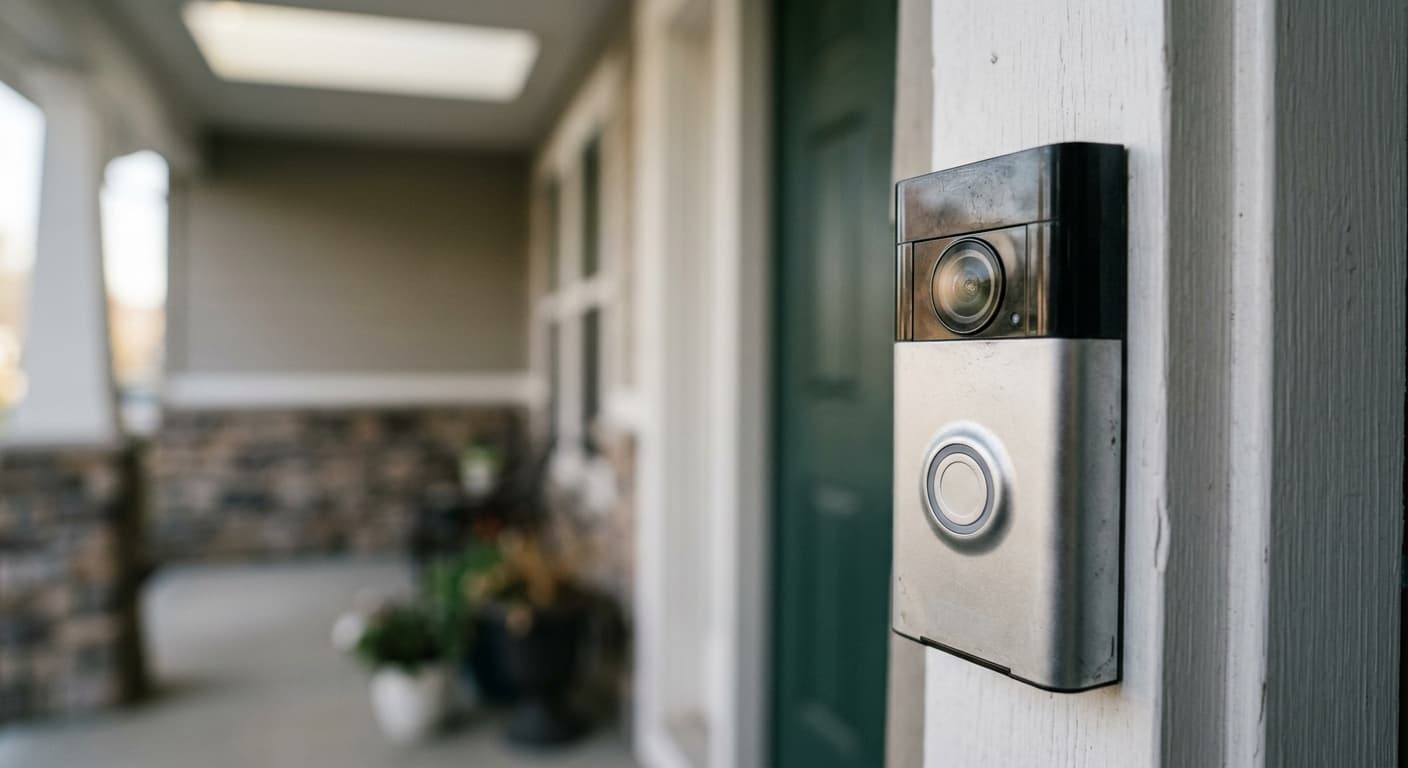
DC landlord-tenant recording laws follow one-party consent under D.C. Code 23-542. Learn security camera rules, tenant privacy rights, and recording during disputes.

DC medical recording laws allow patients to record doctor visits under one-party consent (D.C. Code 23-542). Learn HIPAA rules, telehealth recording, and provider obligations.

DC school recording laws follow one-party consent under D.C. Code 23-542. Learn FERPA protections, classroom recording rules, IEP rights, and student privacy in District schools.
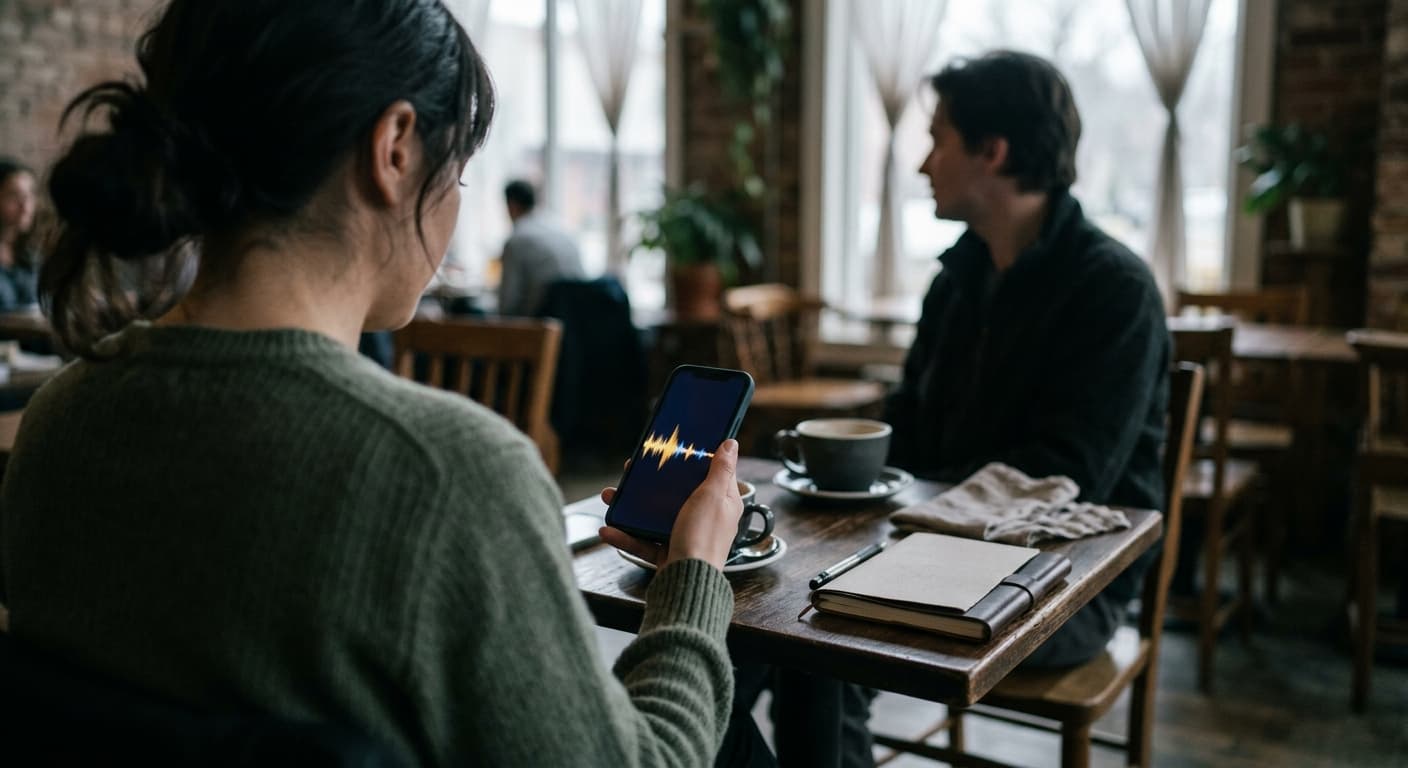
Delaware audio recording laws require all-party consent under 11 Del. C. 1335. Learn the rules, penalties, exceptions, and how the conflict with the wiretapping statute affects you.
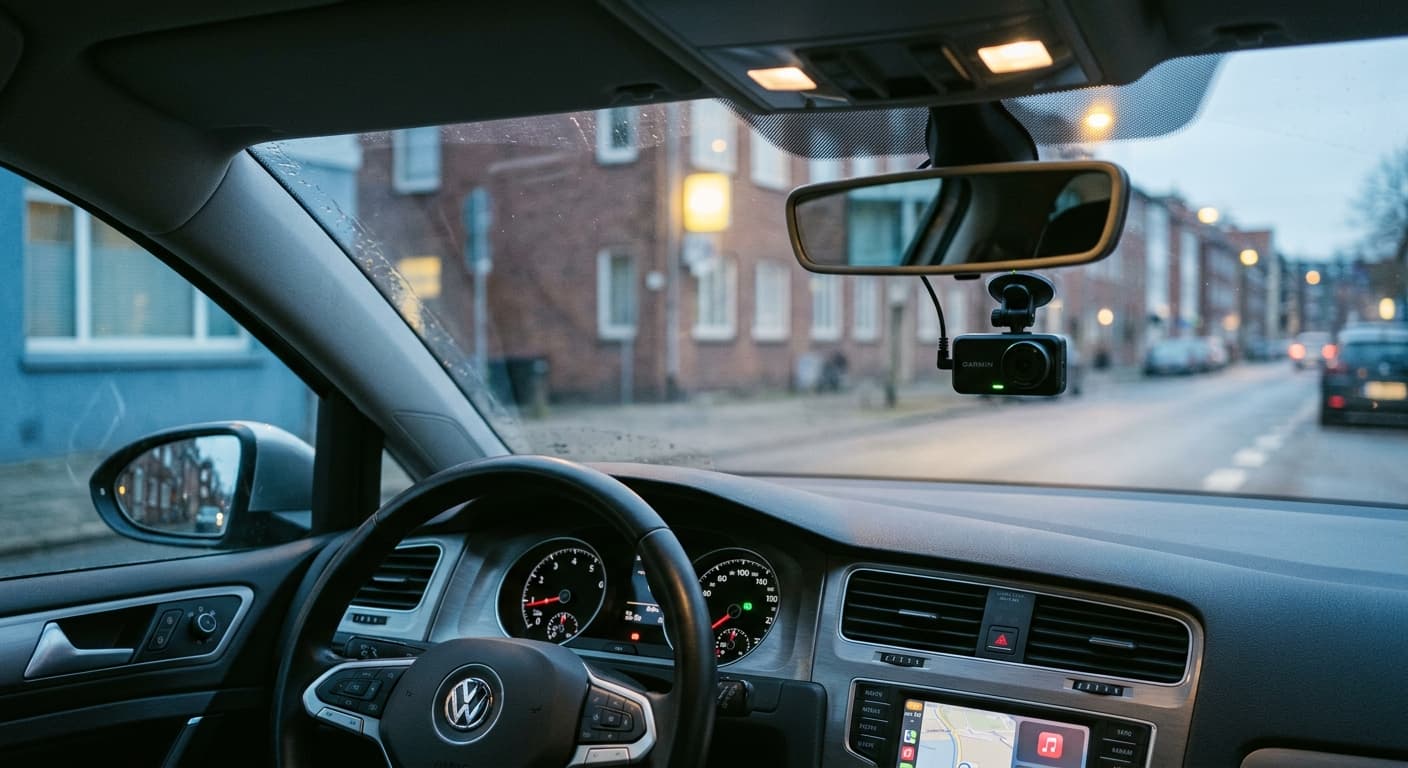
Delaware dashcam laws allow video recording while driving but audio requires all-party consent under 11 Del. C. 1335. Learn windshield rules, privacy limits, and penalties.

Delaware landlord-tenant recording laws protect tenant privacy inside rental units while allowing common area surveillance. Learn the rules for cameras, audio, and disputes.
Delaware law generally permits recording in public spaces where there is no expectation of privacy. Learn the rules for streets, government buildings, protests, and more.
Delaware law protects your right to record police officers in public under the First Amendment. Learn about body camera requirements, FOIA access, and your legal protections.
Delaware medical recording laws require all-party consent for audio under 11 Del. C. 1335. Learn patient rights, HIPAA rules, telehealth recording, and provider obligations.
Delaware phone call recording laws require all-party consent due to conflicting statutes. Learn the rules for personal calls, business calls, and interstate recordings.
Delaware has two conflicting recording laws: § 2402 allows one-party consent while § 1335 requires all-party consent. Learn the penalties, civil remedies, and safe-harbor rule.
Delaware school recording laws require all-party consent for audio under 11 Del. C. 1335. Learn FERPA protections, classroom recording rules, and student privacy rights.

Delaware security camera laws allow video surveillance in public areas but restrict cameras in private spaces. Learn the rules for homes, businesses, HOAs, and audio recording.

Delaware is effectively all-party consent for audio: § 1335(a)(4) overrides the wiretap one-party exception. Smart glasses rules, penalties, and voyeurism law.
Delaware video recording laws cover surveillance, hidden cameras, and consent requirements. Learn when video recording is legal and the penalties for violations.
Delaware voyeurism laws criminalize hidden cameras and secret recording in private spaces. Learn the felony penalties, victim rights, and how 11 Del. C. 1335 applies.
Delaware workplace recording laws require all-party consent plus employer notice under Title 19 Section 705. Learn the rules for employees and employers.
Denmark is a one-party consent country under Straffeloven § 263. Learn the rules for phone calls, workplaces, GDPR, police recording, and Denmark's landmark pending deepfake copyright bill (expected July 2026).
Learn D.C. audio recording laws under D.C. Code 23-542. One-party consent rules, penalties up to 5 years and $12,500, and what you need to know before recording.
D.C. public recording laws protect your right to film on streets, the National Mall, and at protests. Learn First Amendment rights, permit rules, and drone restrictions.
Learn your right to record police in D.C. First Amendment protections, MPD body camera rules, federal building limits, and what to do if officers tell you to stop.

D.C. phone call recording laws follow one-party consent under D.C. Code 23-542. Learn rules for interstate calls to Maryland, business recording, and penalties.
D.C. is a one-party consent jurisdiction under D.C. Code section 23-542(b)(3). Illegal recording is a felony: up to 5 years, $12,500 fine. Civil remedy includes punitives and attorney fees.
D.C. security camera laws for homes, businesses, and public spaces. Learn about the Private Security Camera Rebate Program, audio capture rules, and placement limits.
Understand D.C. video recording laws covering public filming, private property, surveillance cameras, and voyeurism penalties under D.C. Code 22-3531.
D.C. voyeurism laws under D.C. Code 22-3531 make hidden cameras in private spaces a misdemeanor. Learn penalties, defenses, and nonconsensual pornography rules.
D.C. workplace recording laws allow employees to record conversations they participate in. Learn employer camera rules, NLRA protections, and legal limits.
Ecuador follows one-party consent under COIP Art. 178. Covers penalties, NCII, workplace rules, the 2025 Intelligence Law, and the LOPDP data protection authority.
Egypt requires all-party consent to record calls or conversations. Penal Code Art. 309(bis), PDPL 2025 rules, CPC reforms effective October 2026, and journalism restrictions.
How employers can create lawful wearable recording device policies. NLRB compliance, BIPA, ADA accommodations, state monitoring laws, and policy templates for smart glasses and AI recorders.
Estonia uses a de facto one-party consent framework under the Penal Code. Participant recording is permitted, but GDPR requires a lawful basis. Penalties up to EUR 20M for violations.
Ethiopia has no statute on recording your own conversation. See what the Constitution, Criminal Code art. 606, and the Computer Crime Proclamation actually say.
No single EU recording law exists. Each member state sets its own criminal consent rules. GDPR, the EU AI Act, and Directive 2024/1385 apply on top. Full country table, police-recording rights, deepfake obligations, and links to all 25 EU country spokes.

A federal judge denied Index Exchange's motion to dismiss a Federal Wiretap Act claim, holding one-party consent may not shield website tracking that allegedly sent data to Temu.
Federal recording law has three layers: the Wiretap Act, the Stored Communications Act, and stricter state laws like CIPA. See how the three fit together.
The federal Wiretap Act (18 U.S.C. § 2511) sets a one-party consent baseline for US recording. Learn ECPA's structure, penalties, and how state laws override.
Filming police and photography in public is legal in the UK. What College of Policing guidance, obstruction, and terrorism stop powers actually allow.
Finland is a one-party consent country under Criminal Code Ch. 24. Learn Finnish recording rules, GDPR obligations, NCII law, AI Act deepfake rules, and criminal penalties.
Florida audio recording laws require all-party consent under F.S. 934.03. Learn the rules, criminal penalties, civil liability, and exceptions for recording conversations.
Florida dashcam laws allow dashboard cameras but restrict audio recording and windshield placement. Learn the rules under F.S. 934.03 and F.S. 316.2004.
Florida landlord-tenant recording laws restrict cameras inside rental units and require all-party consent for audio. Learn the rules for landlords and tenants.
Florida public recording laws allow video and photography in public spaces but require all-party consent for audio of private conversations. Learn the Sunshine Law rules.
Florida law protects your right to record police in public, but the 2025 Halo Law (F.S. 843.31) creates a 25-foot buffer zone. Learn the rules and penalties.
Florida medical recording laws require all-party consent for recording doctor visits under F.S. 934.03. Learn how HIPAA, state privacy laws, and consent rules interact.
Florida phone call recording laws require all-party consent under F.S. 934.03. Learn the rules for recording calls, business call recording, and interstate calls.
Florida requires all-party consent to record conversations under Fla. Stat. § 934.03. Violations are a third-degree felony. Learn the rules, penalties, and exceptions.