Recording Laws
904 articles · page 2 of 16
A
Australia Recording Laws: State-by-State Rules and Penalties (2026)
Australia has no single recording law. The federal TIA Act governs phone interception nationwide, while eight states and territories split into three different groups on whether a participant can record their own conversation. Full comparison, penalties, and the 2025 privacy tort.
Austria Recording Laws: One-Party Consent, Disclosure Rules, and Penalties (2026)
Austria is one-party consent to RECORD under StGB Section 120(1), but disclosing a recording needs the speaker's consent under 120(2), and civil law can still reach a participant's secret recording. Updated July 2026.
B
Bahrain Recording Laws: All-Party Consent Rules and Penalties (2026)
Bahrain requires all-party consent for recording under Cybercrime Law 60/2014 and the Penal Code. Learn penalties up to BHD 100,000, PDPL rules, and compliance steps.
Bangladesh Recording Laws: Consent Rules and Penalties (2026)
No Bangladeshi statute requires all-party consent when you record your own conversation. Eavesdropping, data protection and publication rules under the 2026 Acts explained.
Belgium Recording Laws: One-Party Consent, Art. 314bis, and GDPR (2026)
Belgium is a one-party consent country under Art. 314bis Code pénal. Participant recording is lawful; non-participant recording carries up to 1 year prison. GDPR, voyeurism, and new Criminal Code (Sept 2026) explained.
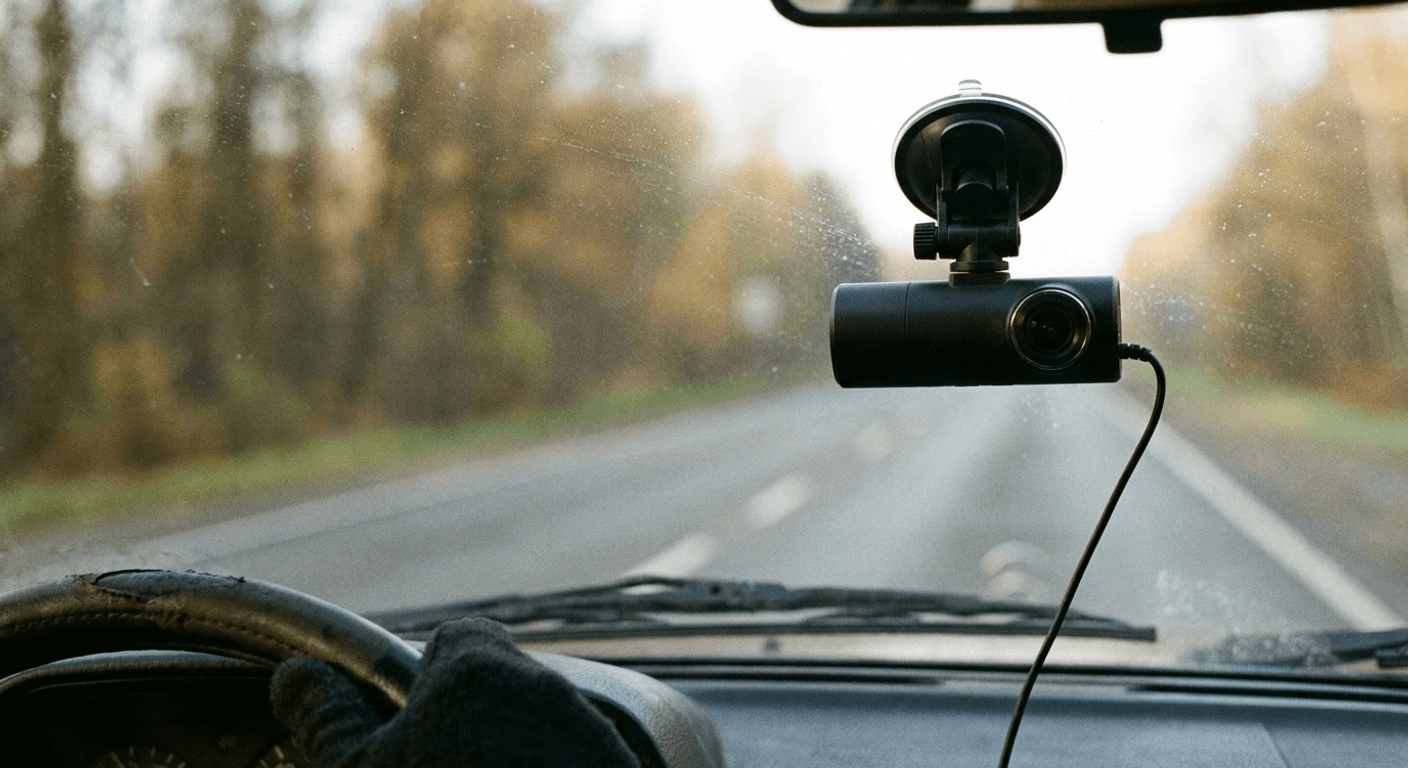
Belt Parkway Dashcam Catches Insurance Fraud Scheme: What You Need to Know
Dashcam video exposes a staged insurance fraud scheme on the Belt Parkway in Queens. Learn about the arrests, New York insurance fraud laws, and dashcam recording rights.

Botswana Recording Laws: Privacy Rules and Penalties (2026)
Botswana has no dedicated recording-consent law. See how the Cybercrime Act, Data Protection Act 2024, and one 2019 court ruling apply instead.
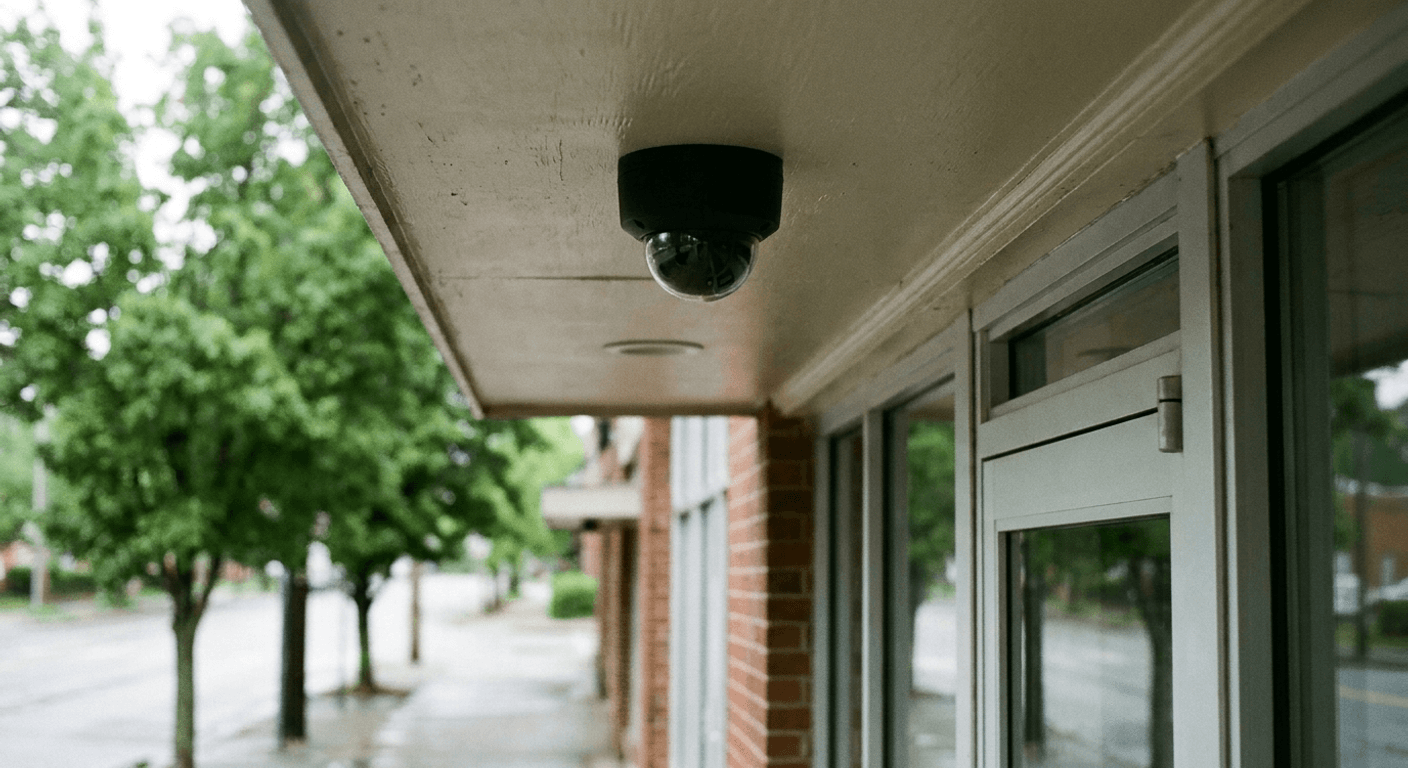
Boulder Sued Over Flock License-Plate Camera Surveillance (2026)
Two Boulder residents sued the city in May 2026, alleging its 31 Flock license-plate cameras track drivers without a warrant under the Colorado Constitution.

Brazil Recording Laws: One-Party Consent, STF Precedents, and Penalties (2026)
Brazil is a one-party consent country. Any conversation participant may record without notice under STF RE 583937, Art. 10-A Lei 9.296/1996. Criminal penalties, LGPD, NCII, deepfake, and US cross-border rules covered.
British Columbia Recording Laws: One-Party Consent & Privacy Act
BC follows Canada's one-party consent rule under Criminal Code s. 184(2)(a). Learn what you can record, the BC Privacy Act statutory tort, PIPA, and penalties.

Bulgaria Recording Laws: Consent Rules and Penalties (2026)
Bulgaria's Constitution requires all parties know about a recording. GDPR and Criminal Code (Art. 171 interception, 171a, 339a) add other penalties. Full 2026 guide.
C
California Audio Recording Laws: Two-Party Consent Rules and Penalties (2026)
California audio recording laws require all-party consent under Penal Code 632. Learn the rules, penalties, exceptions, and how they apply to phone calls and in-person conversations.
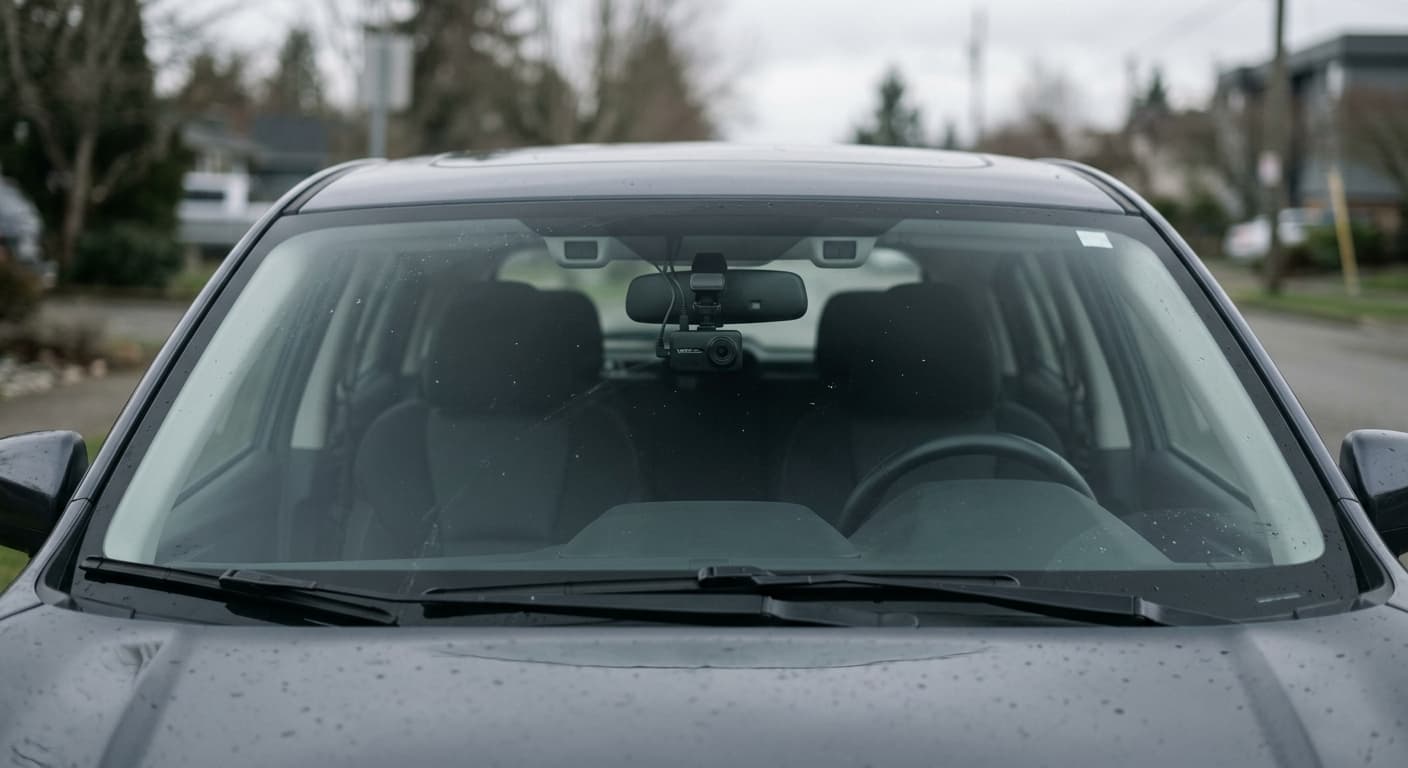
California Dashcam Laws: Mounting Rules, Audio Recording, and Evidence (2026)
California dashcam laws explained: CVC 26708 windshield mounting rules, Penal Code 632 audio consent requirements, Uber/Lyft rules, fleet dashcams, and using footage as evidence.
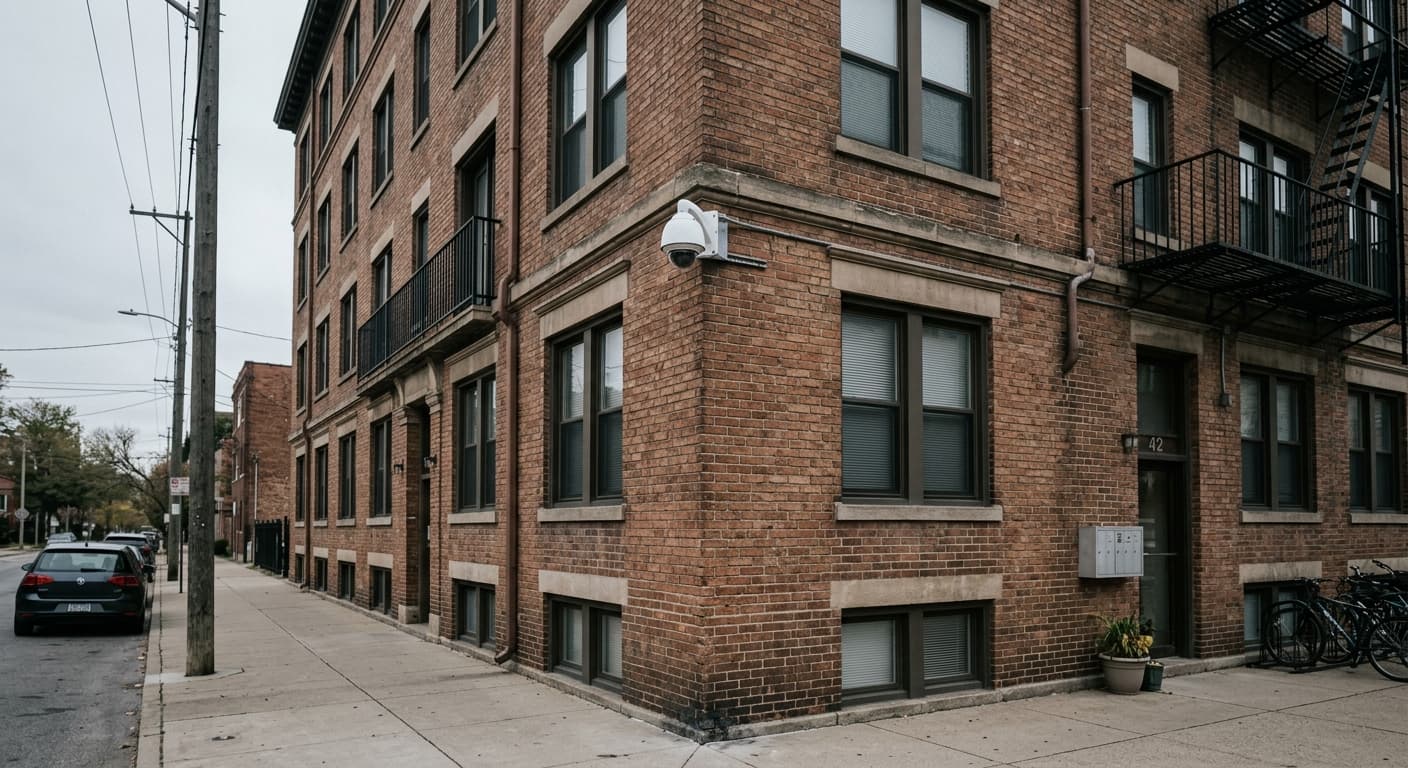
California Landlord-Tenant Recording and Surveillance Laws (2026)
California landlord-tenant recording and surveillance laws explained. Learn rules for cameras in apartments, audio recording under PC 632, tenant rights, and penalties.
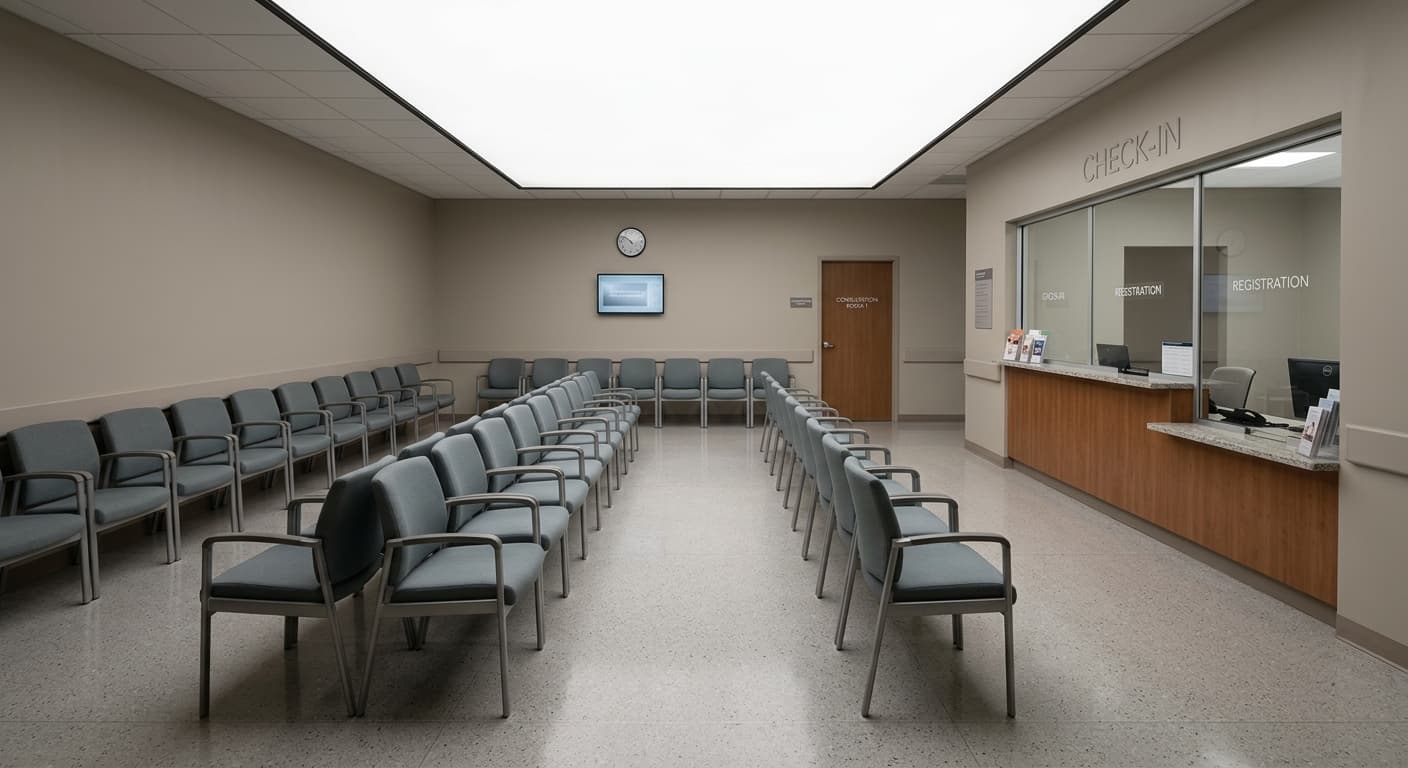
California Laws on Recording Doctors and Medical Appointments (2026)
Learn California laws on recording doctor visits, medical appointments, and telehealth sessions. Covers PC 632, HIPAA, CMIA, consent rules, and penalties.

California Laws on Recording in Public: What Is Legal (2026)
Learn California public recording laws, including your First Amendment right to film, what counts as public vs. private, anti-SLAPP protections, and drone rules.
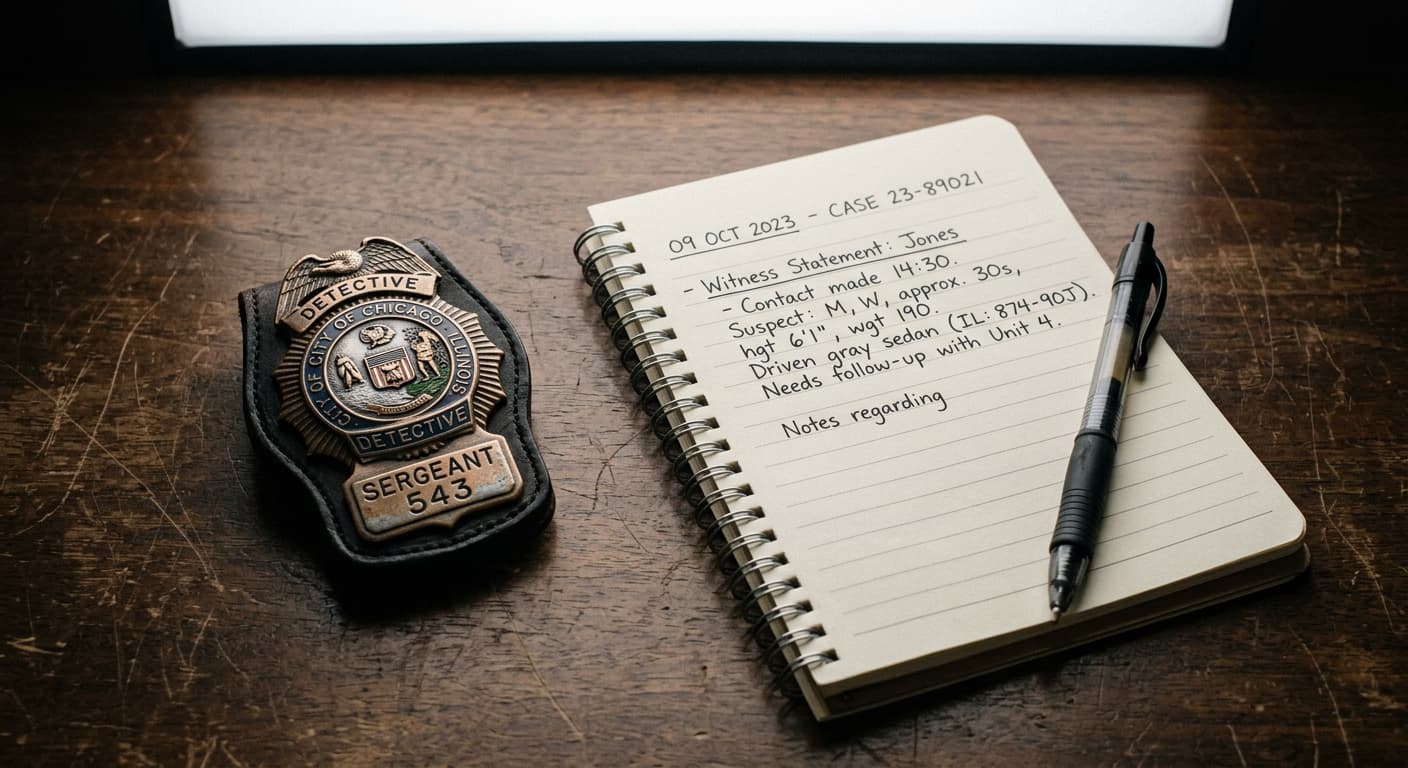
California Laws on Recording Police: Your Rights and Limits (2026)
Learn your right to record police in California under the First Amendment and PC 148(g). Covers interference rules, phone seizure protections, body camera laws, and what to do during traffic stops.
California Penal Code § 632 Explained: Recording Consent
Plain-English guide to California Penal Code section 632, the all-party consent recording law: what counts as confidential, penalties, and lawsuits.
California Phone Call Recording Laws: Consent Rules for Cell and Landline (2026)
California phone call recording laws require all-party consent under PC 632 and PC 632.7. Covers cell phones, landlines, VoIP, business calls, interstate rules, and penalties.
California Recording Laws (2026): All-Party Consent Rules
California requires all-party consent to record private conversations under Penal Code § 632. Penalties reach $2,500 criminal fine and $5,000 civil damages per violation.

California SB 1130 Smart Glasses Bill Vetoed by the Governor
SB 1130 would ban secretly recording people in California businesses with smart glasses. It was presented to Governor Newsom on September 9, 2026 and is not yet law.

California School Recording Laws: Students, Teachers, and Campus Rules (2026)
California bans recording in classrooms under Education Code 51512 unless the teacher and principal consent. Learn rules for IEPs and universities.
California Security Camera and Surveillance Laws: Rules for Home and Business (2026)
California security camera laws for homes, businesses, and apartments. Learn placement rules, audio restrictions under PC 632, neighbor disputes, and CCPA rights.

California Smart Glasses Recording Laws (2026)
California smart glasses laws explained: all-party consent under PC 632, video vs. audio rules, voyeurism under PC 647(j), penalties, and the vetoed SB 1130.
California Vetoes SB 1130: No Smart Glasses Recording Law
Governor Newsom vetoed SB 1130 on September 30, 2026. California still has no wearable-camera statute; Penal Code 632 and 647(j) continue to govern recording.
California Video Recording Laws: Filming, Surveillance, and Consent (2026)
Learn California video recording laws for 2026, including filming consent rules, security camera regulations, workplace surveillance, and penalties under Penal Code 647(j).

California Voyeurism and Hidden Camera Laws: Penalties and Protections (2026)
California Penal Code 647(j) makes voyeurism and hidden cameras illegal. Learn about peeping tom laws, upskirting penalties, revenge porn rules, and your legal rights.
California Workplace Recording Laws: Employee Rights and Employer Rules (2026)
Learn California workplace recording laws under Penal Code 632, employee rights to record harassment, employer surveillance rules, and AI tool risks.
Cameroon Recording Laws: All-Party Consent Rules and Penalties (2026)
Cameroon is all-party consent. Law 2010/012 Art. 74 criminalizes recording without consent (1-2 yrs, XAF 1-5M). Section 65 covers interception (5-10 yrs). PDPL 2024 adds 10-yr prison risk. Compliance deadline: June 23, 2026.
Can an Employer Record Conversations Without Consent? (2026)
Federal ECPA lets employers monitor business calls for a business purpose. But 13 all-party consent states and CT, DE and NY notice laws limit what is allowed.
Can I Record My Boss Harassing Me? State-by-State Legal Guide (2026)
Can you legally record your boss harassing you at work? State-by-state guide to recording workplace harassment. One-party vs two-party consent, evidence admissibility, and your legal rights.
Can I Sue Someone for Recording Me on Private or Public Property?
You can usually sue over a recording made where you had a reasonable expectation of privacy; in public, other claims may still apply. See the privacy torts and damages.
Can You Record ICE Agents? Know Your Rights by State (2026)
Can you record ICE agents? Learn your First Amendment rights, state-by-state recording laws, and practical safety tips for filming immigration officers in 2026.
Canada Recording Laws: One-Party Consent Rules and Penalties (2026)
Canada is a one-party consent country under Criminal Code s.184(2)(a). Learn the rules for phone calls, police recording, PIPEDA, deepfakes, and cross-border calls.
Chile Recording Laws: One-Party Consent, Penalties & 2026 Updates
Chile uses one-party consent by Supreme Court rule. Art. 161-A targets third-party intruders, not participants. Penalties up to 5 years. Ley 21.719 effective Dec 2026.
China Recording Laws: Privacy Rules and Penalties (2026)
China has no blanket consent rule for recordings. Learn how PIPL, the Civil Code, and criminal law govern audio recording, wiretapping, and privacy in China.
CIPA: California Invasion of Privacy Act Explained
CIPA (Cal. Penal Code 630 et seq.) requires all-party consent to record confidential talks and cell phone calls. See penalties, SB 690, and the Otter.ai case.
Colombia Recording Laws: All-Party Consent, Penalties & 2025 Updates
Colombia requires all-party consent to record private communications. Learn penalties under Código Penal Arts. 192-197, the victim exception, police recording rights, Ley 2197/2022 NCII rules, and Ley 2502/2025 AI deepfake law.
Colorado Audio Recording Laws: One-Party Consent Rules and Penalties
Colorado audio recording laws allow one-party consent under C.R.S. 18-9-303. Learn wiretapping penalties, eavesdropping rules, and legal recording methods.
Colorado Dashcam Laws: Legality, Mounting Rules, and Evidence Use
Colorado dashcam laws permit dashboard cameras with no restrictions on use. Learn mounting rules, audio recording considerations, and how dashcam footage works as evidence.
Colorado Landlord-Tenant Recording Laws: Cameras, Privacy, and Rights
Colorado landlord-tenant recording laws cover security cameras, audio recording, and privacy rights. Learn what landlords and tenants can legally record.
Colorado Laws on Recording in Public: Rights, Limits, and Exceptions
Colorado public recording laws allow filming and audio recording in public spaces. Learn your rights, limitations, and rules for recording government meetings.
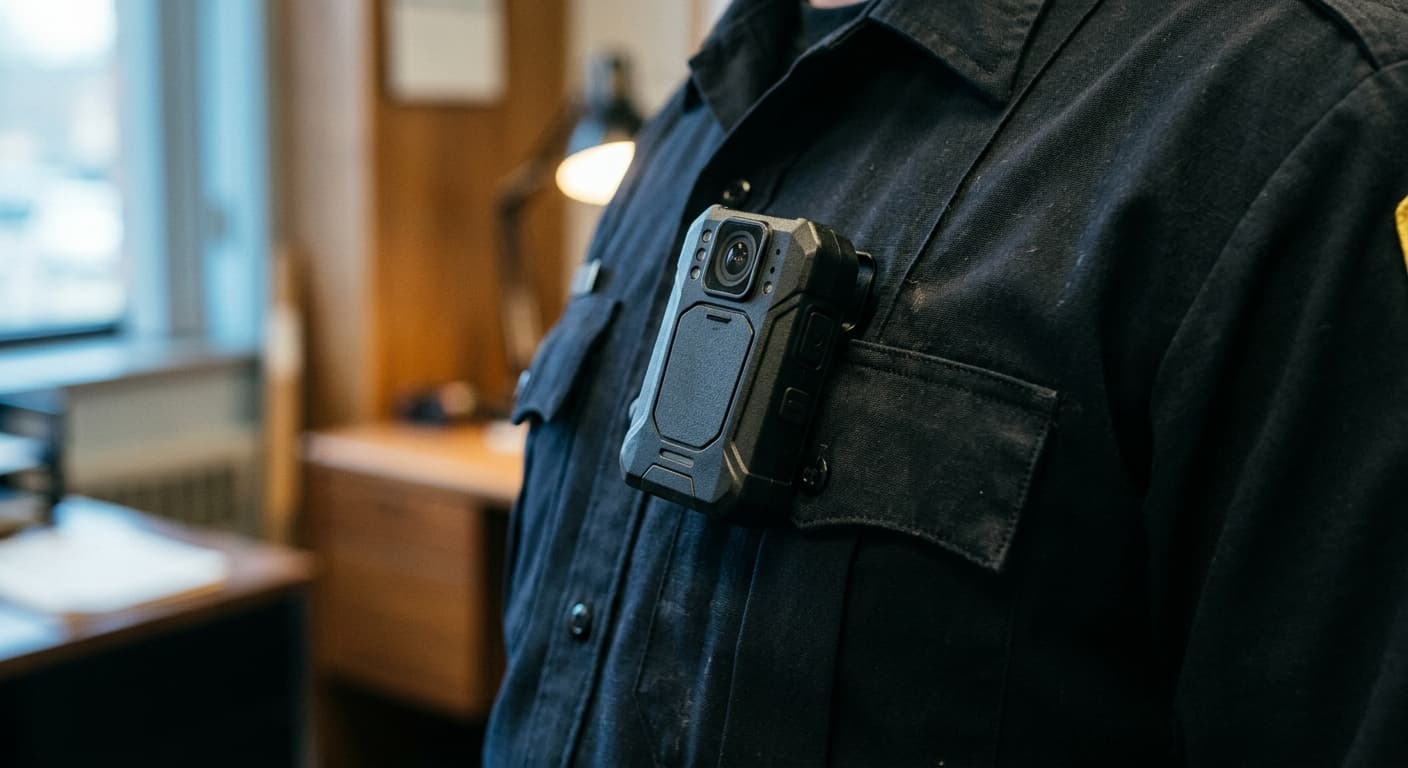
Colorado Laws on Recording Police: Rights, Protections, and Body Cameras
Colorado law protects your right to record police under C.R.S. 16-3-311. Learn your recording rights, officer body cameras, and remedies if police interfere.
Colorado Medical Recording Laws: Patient Rights, HIPAA, and Provider Rules
Colorado medical recording laws allow patients to record appointments under one-party consent. Learn HIPAA considerations, provider rights, and hospital policies.

Colorado Phone Call Recording Laws: One-Party Consent and Interstate Rules
Colorado phone call recording laws permit one-party consent under C.R.S. 18-9-303. Learn interstate call rules, business recording, and VoIP compliance.
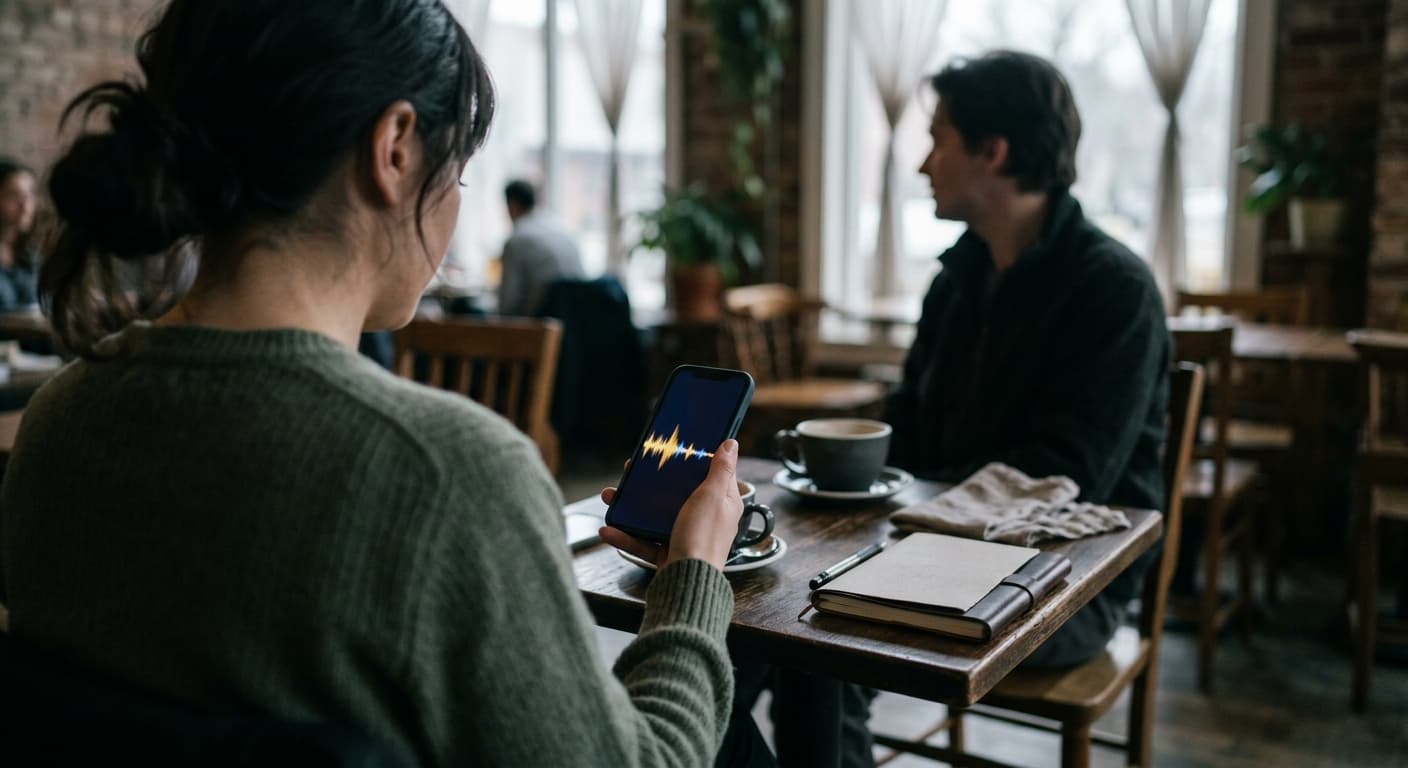
Colorado Recording Laws (2026): One-Party Consent Rules
Colorado is a one-party consent state under C.R.S. 18-9-303 and 18-9-304. Learn the penalties, police-recording rights, and hidden-camera rules.
Colorado School Recording Laws: Classrooms, IEP Meetings, and Surveillance
Colorado school recording laws cover classrooms, IEP meetings, and campus surveillance. Learn parent, student, and teacher recording rights under state and federal law.
Colorado Security Camera Laws: Residential, Commercial, and Privacy Rules
Colorado security camera laws cover residential and commercial surveillance, audio recording rules, and HB 24-1130 biometric consent. Learn placement and privacy rules.
Colorado Smart Glasses Recording Laws 2026
Colorado is a one-party consent state. Smart glasses audio recording is lawful for conversation participants under C.R.S. 18-9-303 and 18-9-304. Know the voyeurism limits.
Colorado Video Recording Laws: What Is Legal and What Is Not
Colorado video recording laws cover public filming, private property rules, and HB 24-1130 biometric consent. Learn what is legal and the penalties for violations.
Colorado Voyeurism and Hidden Camera Laws: Offenses, Penalties, and Protections
Colorado voyeurism laws under C.R.S. 18-7-801 and C.R.S. 18-3-405.6 prohibit hidden cameras and invasive recording. Learn offenses, penalties, and victim protections.
Colorado Workplace Recording Laws: Employee and Employer Rights
Colorado workplace recording laws allow employees to record under one-party consent. Learn employer surveillance rules, HB 24-1130 biometric consent, and NLRA protections.
Connecticut Audio Recording Laws: Mixed Consent Rules and Penalties (2026)
Learn Connecticut audio recording laws, including one-party consent for in-person talks and all-party consent for phone calls under CGS 53a-187 and 52-570d.

Connecticut Dashcam Laws: Mounting Rules, Audio Recording, and Evidence (2026)
Learn Connecticut dashcam laws including windshield mounting rules, audio recording consent requirements, using dashcam footage as evidence, and GPS tracking.
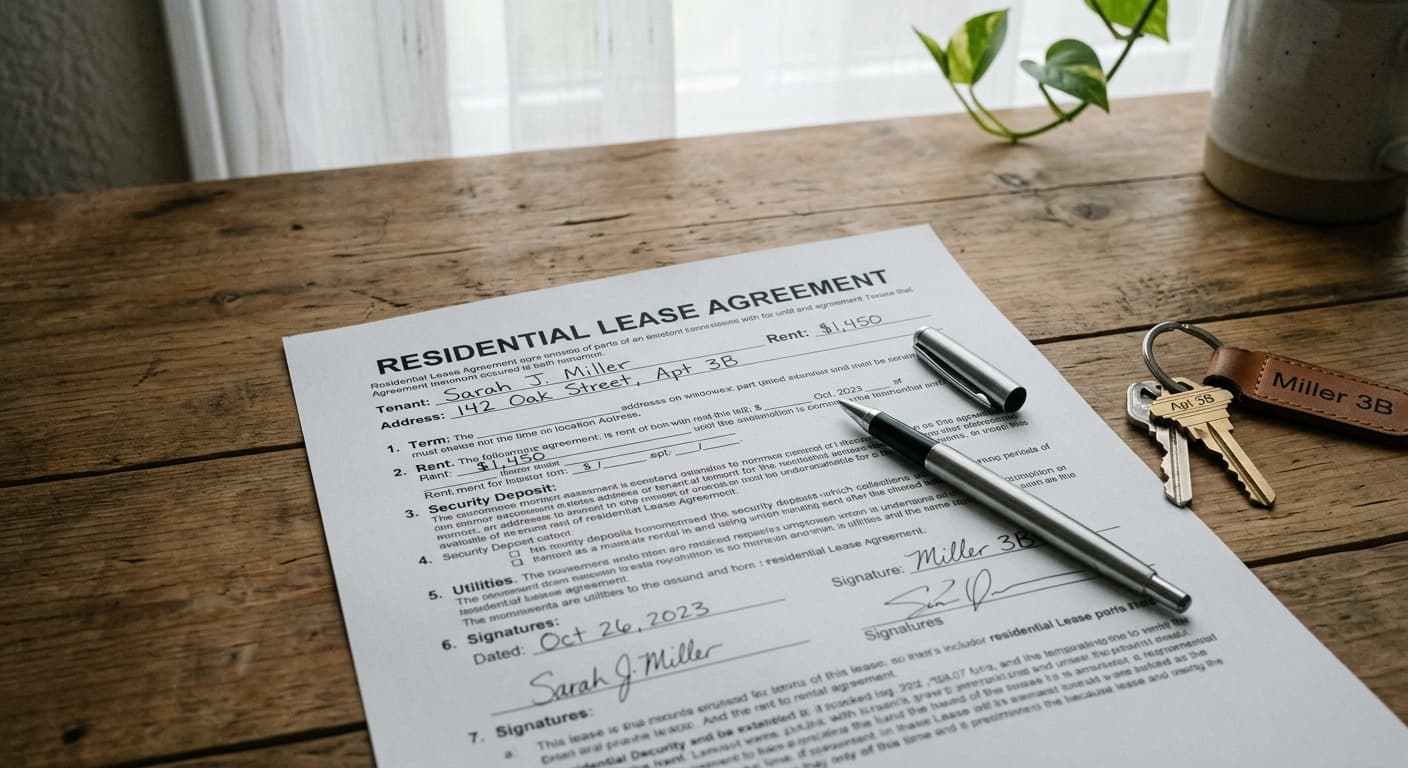
Connecticut Landlord-Tenant Recording and Surveillance Laws (2026)
Learn Connecticut landlord-tenant recording laws, including tenant recording rights, landlord surveillance limits, hidden camera prohibitions, and privacy rules.
Connecticut Laws on Recording in Public: What Is Legal (2026)
Learn Connecticut public recording laws, including your right to record in public spaces, First Amendment protections, FOIA meeting rules, and privacy limits.
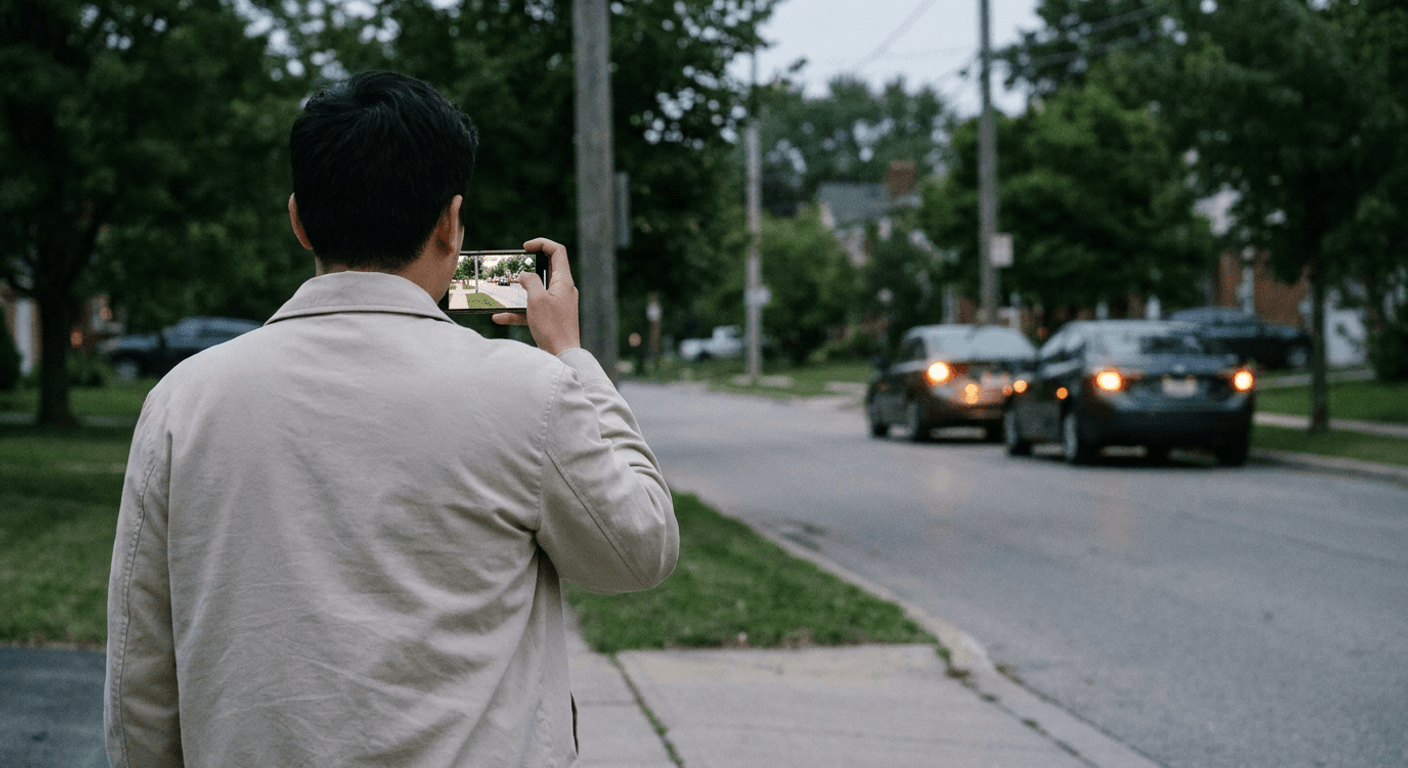
Connecticut Laws on Recording Police: Your Rights and Limits (2026)
Learn your rights to record police in Connecticut, including First Amendment protections, one-party consent rules, body camera policies, and what officers can do.

Connecticut Medical Recording Laws: Patients, Doctors, and HIPAA Rules (2026)
Learn Connecticut medical recording laws including patient recording rights, doctor consent rules, HIPAA privacy, telehealth recording, and hospital surveillance.
Connecticut Phone Call Recording Laws: All-Party Consent Rules and Penalties (2026)
Learn Connecticut phone call recording laws requiring all-party consent under CGS 52-570d, including penalties, business compliance, and interstate rules.
Connecticut Recording Laws (2026): All-Party Consent for Phone Calls
Connecticut recording law: one-party consent in person under the criminal eavesdropping statute (C.G.S. 53a-189); all-party consent for phone calls under 52-570d.