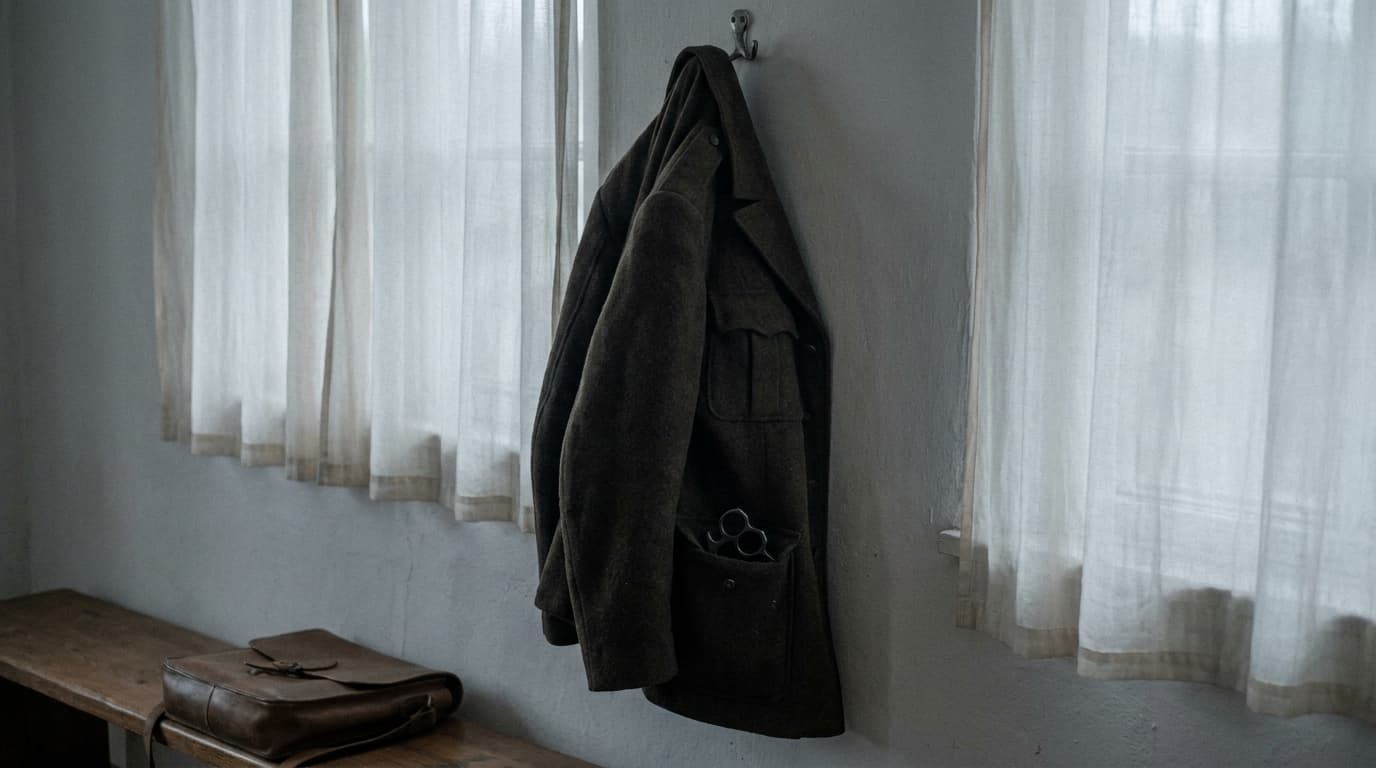
Are Brass Knuckles Legal in Alabama? (2026 Law)
Ala. Code § 13A-11-53 makes carrying brass knuckles concealed an offense with a $50 to $500 fine and up to six months in jail. See school and jail rules.
11 min read
51 articles
Ala. Code § 13A-11-53 makes carrying brass knuckles concealed an offense with a $50 to $500 fine and up to six months in jail. See school and jail rules.
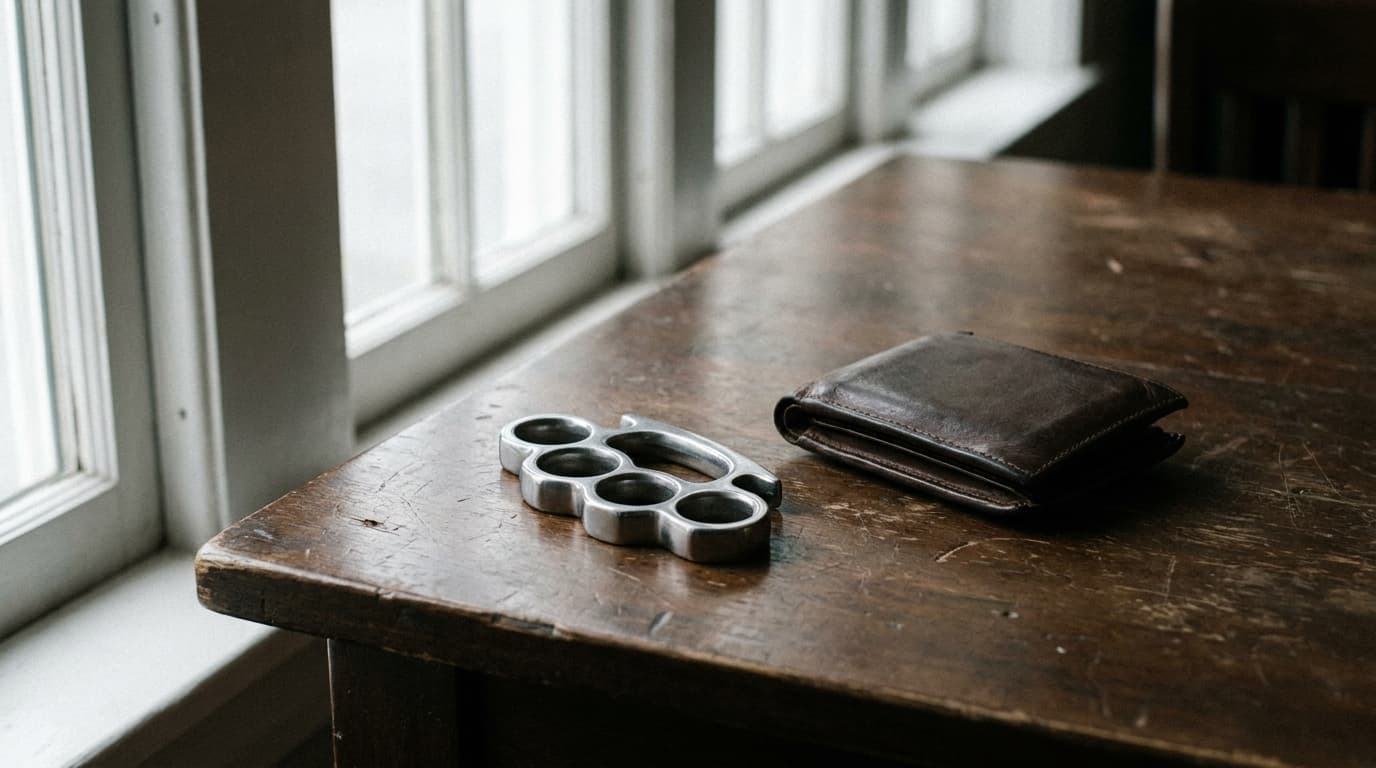
No. Alaska law, AS 11.61.210(a)(4), bans making, possessing, transporting, selling or transferring metal knuckles. It is a class A misdemeanor.
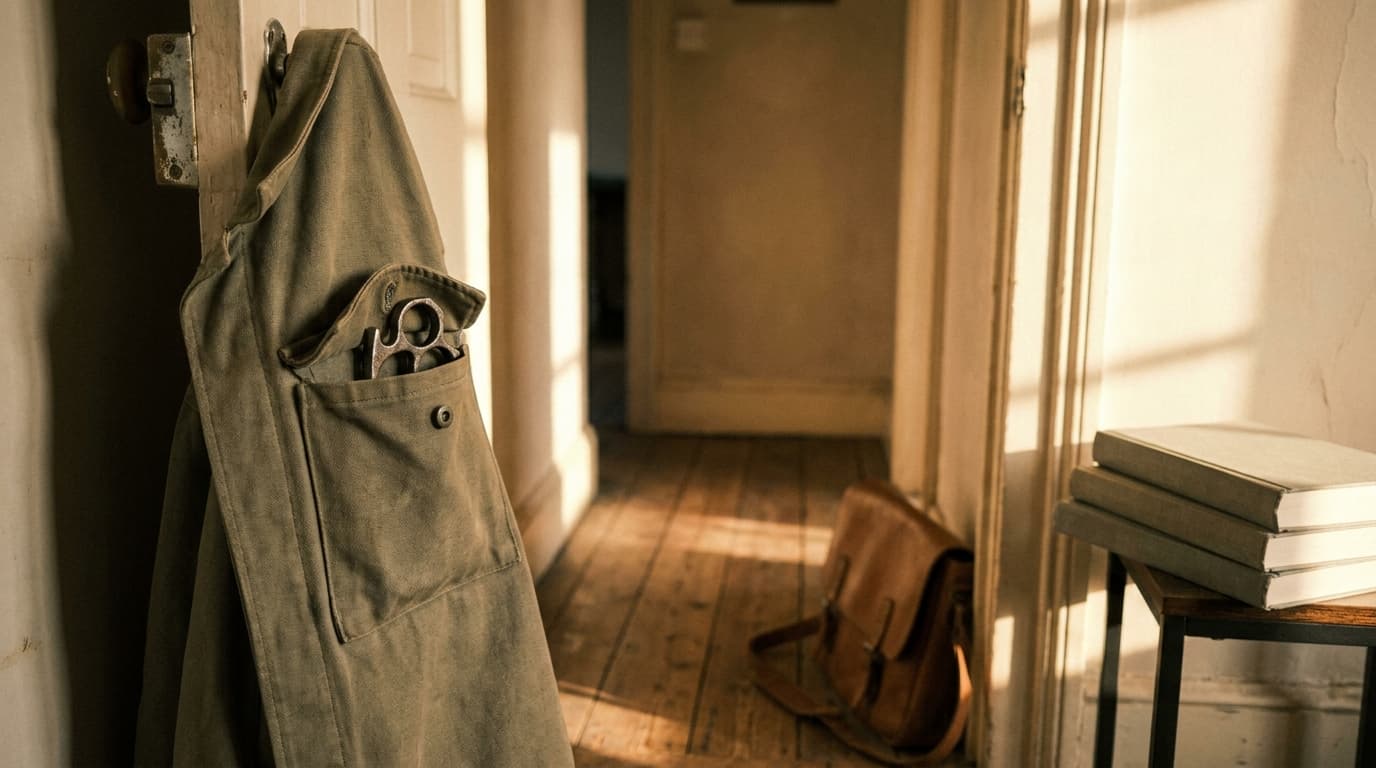
Arizona's weapons statutes (A.R.S. 13-3101, 13-3102) never name brass knuckles. Under-21 concealed carry and school rules apply only if they are a deadly weapon.
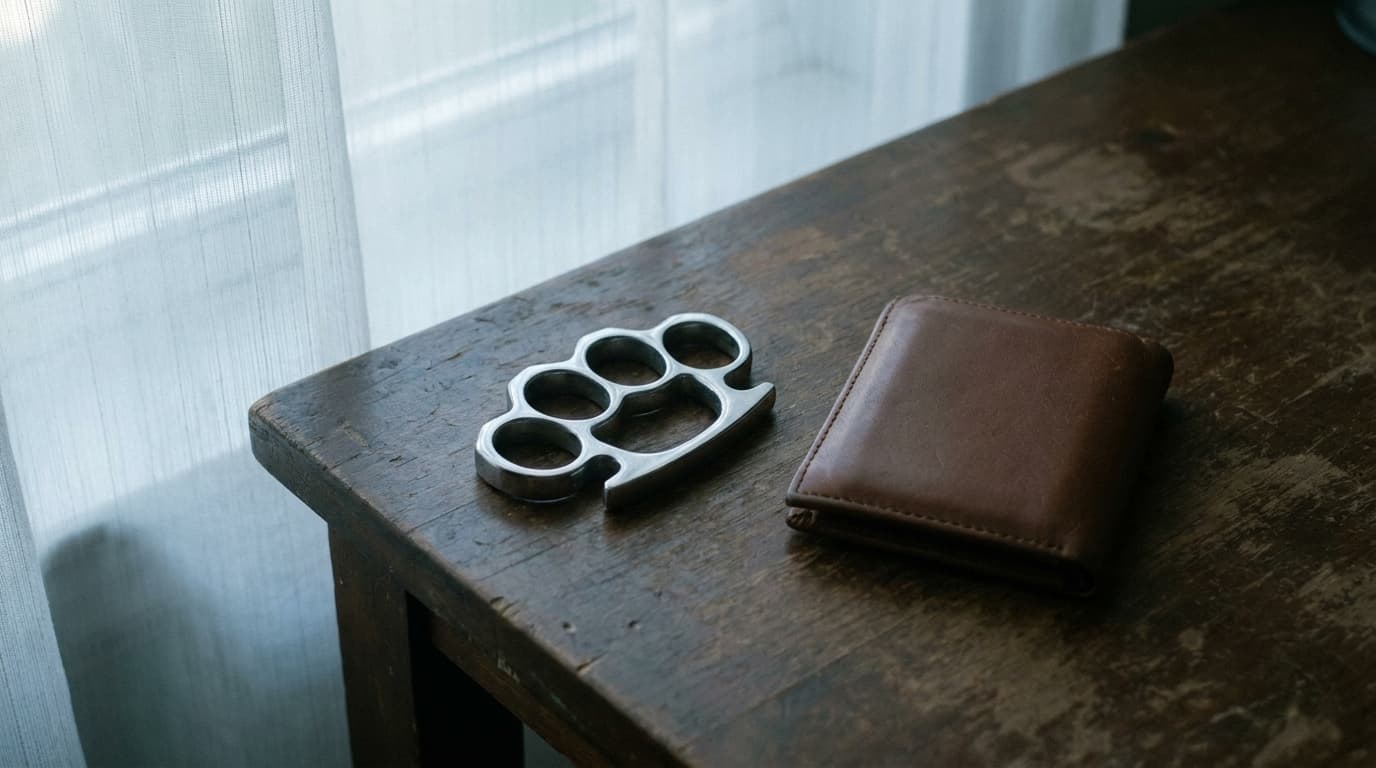
Arkansas Code § 5-73-104 bans knowingly possessing, making or selling metal knuckles. Possession is a Class A misdemeanor; dealing is a Class D felony.
California bans metal knuckles: making, selling, giving or possessing them is a crime under Penal Code 21810. See penalties, exemptions and plastic knuckles.
Colorado bans metallic knuckles outright: knowing possession is a class 1 misdemeanor under C.R.S. 18-12-102, even at home or in a car. See penalties and defenses.
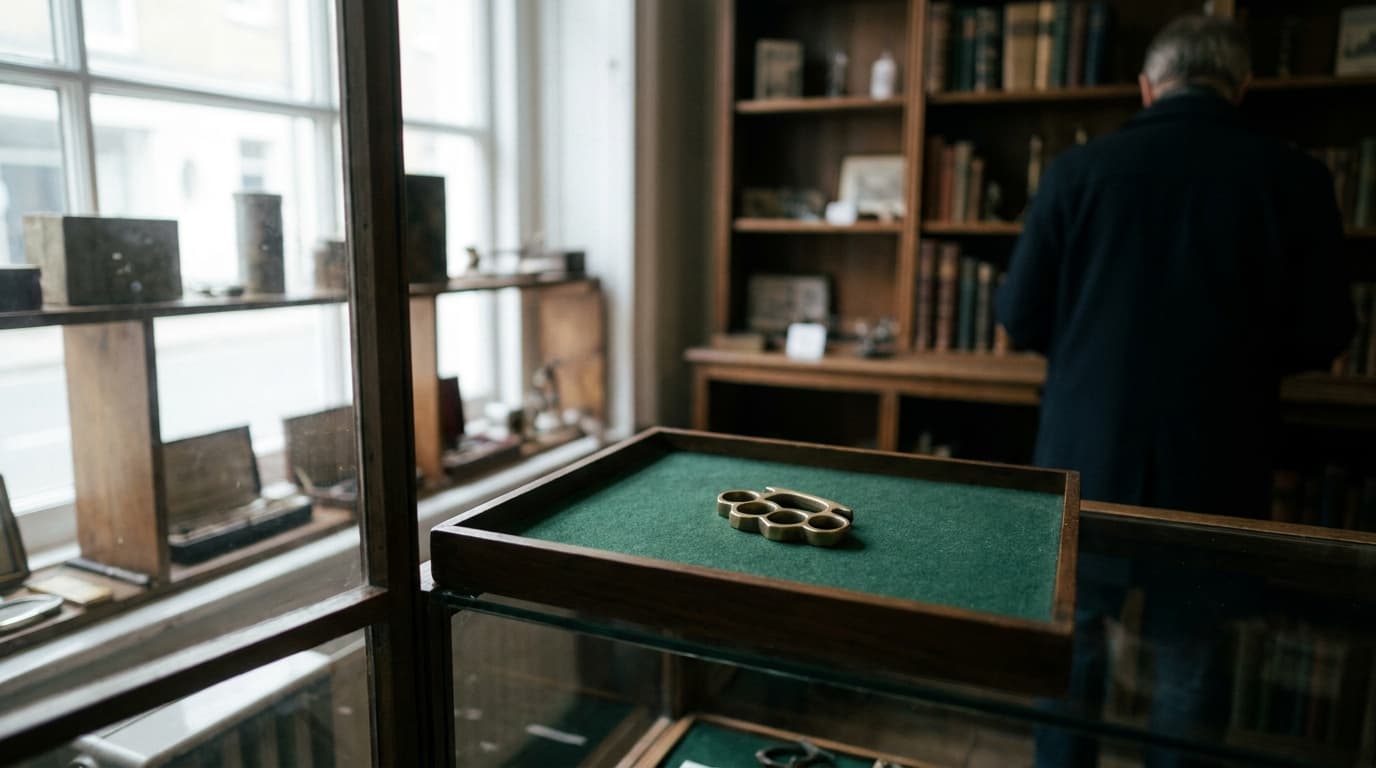
Carrying brass knuckles in Connecticut is a class E felony under 53-206, and having them in a car is a class D felony under 29-38. See penalties and exceptions.
Delaware does not ban owning metal knuckles, but carrying them concealed without a license is a class G felony under 11 Del. C. 1442. Knuckle knives are banned.
Florida makes selling brass knuckles a misdemeanor and treats them as a concealed weapon. See the home, car, school and license rules and penalties.
Georgia's carry laws do not reach brass knuckles, but school safety zone possession is a crime (a felony of 2 to 10 years for some), as is selling them to minors.
Carrying metal knuckles concealed in Hawaii is a misdemeanor under HRS 134-51. Having them during another crime is a class C felony, up to five years.
Idaho's weapons chapter does not name brass knuckles. They are regulated mainly as a deadly weapon under Idaho Code 18-3302, with tighter school rules.
Illinois bans buying, selling, owning and carrying brass knuckles, including plastic ones. See the misdemeanor and felony penalties and the exemptions.
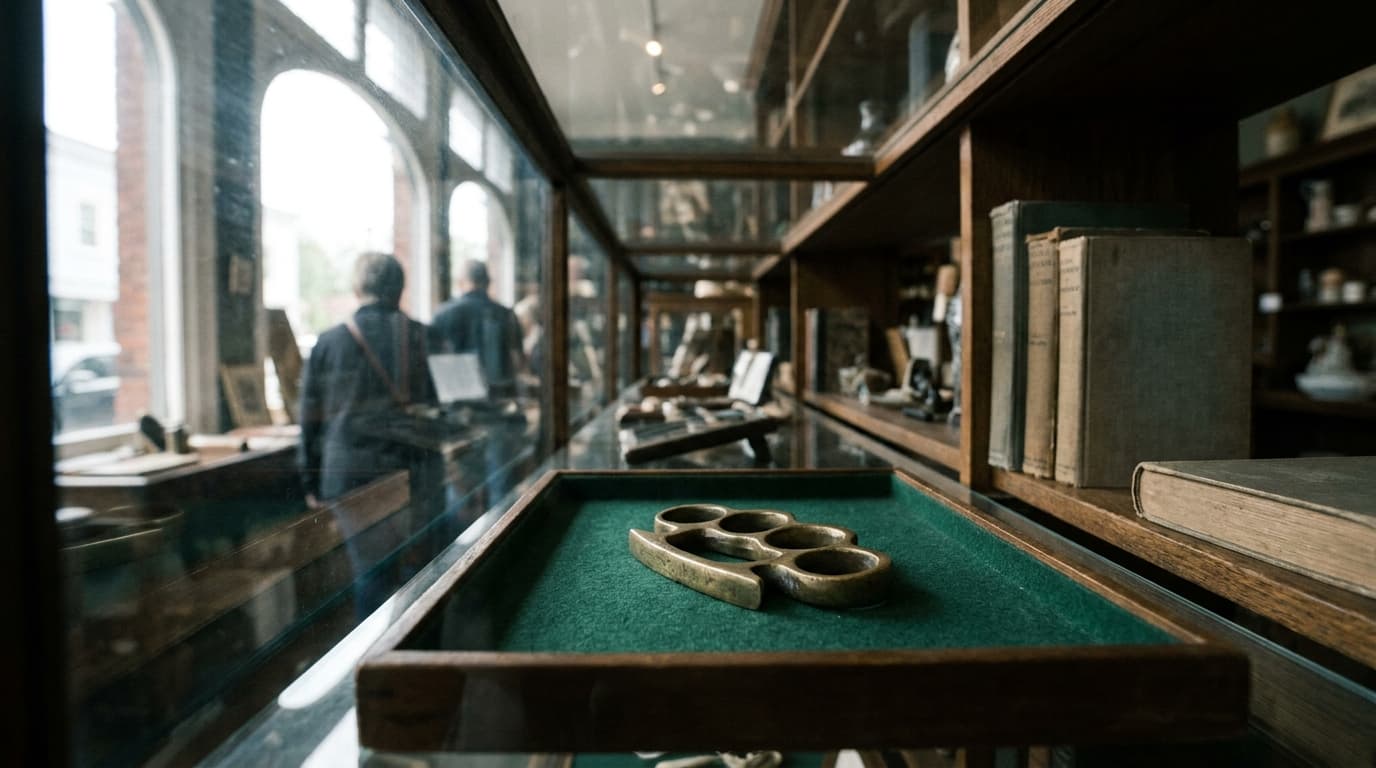
No Indiana statute names brass knuckles. They can count as a deadly weapon, which is a felony to bring onto a commercial plane or into a jail or prison.
Iowa's code never names brass knuckles, but the Iowa Supreme Court held they are designed to injure. Carry, intoxication, school and jail rules explained.
Kansas bans buying, selling, owning and carrying metal knuckles, each a class A misdemeanor (up to 1 year, $2,500). Felons face a felony charge.
Kentucky lists metal and plastic knuckles as deadly weapons (KRS 500.080). Concealed carry can be a Class A misdemeanor or Class D felony; schools, a Class D felony.
Louisiana's R.S. 14:95 does not name brass knuckles but can reach them as a concealed dangerous weapon, with separate school, jail and courthouse rules.
Maine law names knuckles in 25 M.R.S. 2001-A, which bars threatening display and concealed carry as a Class D crime. Owning them is not banned by that section.
Maryland Crim. Law § 4-101 lists metal knuckles as a weapon and bars concealed carry of dangerous weapons: a misdemeanor with up to 3 years, a $1,000 fine, or both.
Carrying metal or plastic knuckles in Massachusetts brings up to 5 years in state prison under G.L. c. 269, § 10(b), more for repeat offenses.
Michigan makes it a felony to make, sell, offer for sale or possess metallic knuckles under MCL 750.224: up to 5 years in prison, a $2,500 fine, or both.
Minn. Stat. 609.66 bans metal knuckles: a misdemeanor (90 days, $1,000) or, in school, park or public housing zones, a gross misdemeanor (364 days, $3,000).
Mississippi Code § 97-37-1 bans carrying metallic knuckles concealed, with a $100 to $500 fine, up to six months in jail, or both. See school and felon rules.
Missouri bans possessing, making, transporting, repairing or selling knuckles, plastic sets included: a class A misdemeanor, up to 1 year in jail and a $2,000 fine.
Montana's concealed-weapon law covers firearms only. Brass knuckles are banned in school buildings (MCA 45-8-361) and for prisoners (45-8-318).
No Nebraska statute bans adult ownership of brass knuckles. Under 28-1202, people under 21 and prohibited persons may not carry them concealed.
No. NRS 202.350 bans making, selling or possessing metal knuckles in Nevada. A first offense is a gross misdemeanor, and a later offense is a category D felony.
New Hampshire RSA 159:16 makes it a misdemeanor to carry metallic knuckles on the person or sell them. Felons who possess them commit a class B felony.
New Mexico lists brass knuckles as a deadly weapon. Concealed carry is a petty misdemeanor, and carrying them on school premises is a fourth degree felony.
New York bans metal or plastic knuckles: a class A misdemeanor (max 364 days, $1,000 fine), or a class D felony (max 7 years) after a prior criminal conviction.
North Carolina bars carrying brass knuckles concealed off your own premises (Class 2 misdemeanor) and on school property or selling them to minors (Class 1).
North Dakota lists metal knuckles as a dangerous weapon. Adults may own them, but concealed carry needs a license and schools, churches and bars are restricted.
Ohio has no brass knuckles ban, but if they are a deadly weapon, carrying them concealed is a first-degree misdemeanor and schools and courthouses are felonies.
Carrying metal knuckles, open or concealed, is a misdemeanor under 21 O.S. 1272. Having them during a felony is a separate felony: 2 to 10 years, 10 to 30 on repeat.
Carrying metal knuckles concealed in Oregon is a Class B misdemeanor (ORS 166.240). Felons face a Class A misdemeanor; inmate possession is a 20-year felony.
Pennsylvania bans making, selling or possessing metal knuckles under 18 Pa.C.S. 908, a first-degree misdemeanor: up to 5 years in prison and a fine of up to $10,000.
Rhode Island bans carrying or possessing metal knuckles under 11-47-42, with up to 1 year and a $1,000 fine. Collectors have a narrow possession exemption.
South Carolina has no general ban on owning or carrying brass knuckles, but they are a felony on K-12 school property, in prisons and in armed robbery.
South Dakota law never names brass knuckles and has no ban on adults owning them, but as a dangerous weapon they are barred at schools, courthouses and jails.
Tennessee bans knuckles: possession or sale is a Class A misdemeanor (up to 11 months 29 days, $2,500 fine) and can be a Class E felony at schools or courthouses.
Texas removed knuckles from its prohibited-weapons list in 2019 (HB 446). Club rules for schools, bars and other places, and for sales to minors, still apply.
Utah's weapons code does not name brass knuckles. Rules for minors, restricted persons, schools and crimes apply if they are a dangerous weapon.
Vermont punishes using brass knuckles or possessing them with intent to use them (13 V.S.A. 4001) and making or selling them (13 V.S.A. 4002).
No Virginia law bans owning metal knucks, but carrying them hidden is a Class 1 misdemeanor (felony on repeat) and selling or giving them is a Class 4 misdemeanor.
D.C. bans possessing knuckles of metal, wood or plastic under D.C. Code 22-4514. A first offense carries up to 1 year; carrying them in public, up to 5 years.
Washington bans making, selling or possessing metal knuckles under RCW 9.41.250, a gross misdemeanor with up to 364 days in jail, a fine of up to $5,000, or both.
West Virginia treats brass knuckles as a deadly weapon adults 18+ may carry without a license, but they are banned for minors, at schools and in courts.
Wisconsin adults may own brass knuckles, but carrying them concealed can be a Class A misdemeanor, a carry license does not cover them, and minors are barred.
Wyoming law never names brass knuckles. They count as a deadly weapon only by how they are used or intended to be used, which can trigger concealed-carry rules.
Are brass knuckles legal? Compare all 50 state laws on owning, carrying and selling brass knuckles, plus federal rules for planes, federal buildings and parks.