
Online Defamation in Canada: Hyperlinks, Platforms and Criminal Libel
Crookes v. Newton on hyperlinks, why Canada has no section 230 platform immunity, Criminal Code ss.298-301 defamatory libel, and Ontario's unsettled online notice rule.
9 min read
448 articles · page 5 of 8
Crookes v. Newton on hyperlinks, why Canada has no section 230 platform immunity, Criminal Code ss.298-301 defamatory libel, and Ontario's unsettled online notice rule.

What SABS benefits are mandatory versus optional in Ontario after the July 1, 2026 reform, notice deadlines, Minor Injury Guideline caps, and how to dispute a denial at the LAT.
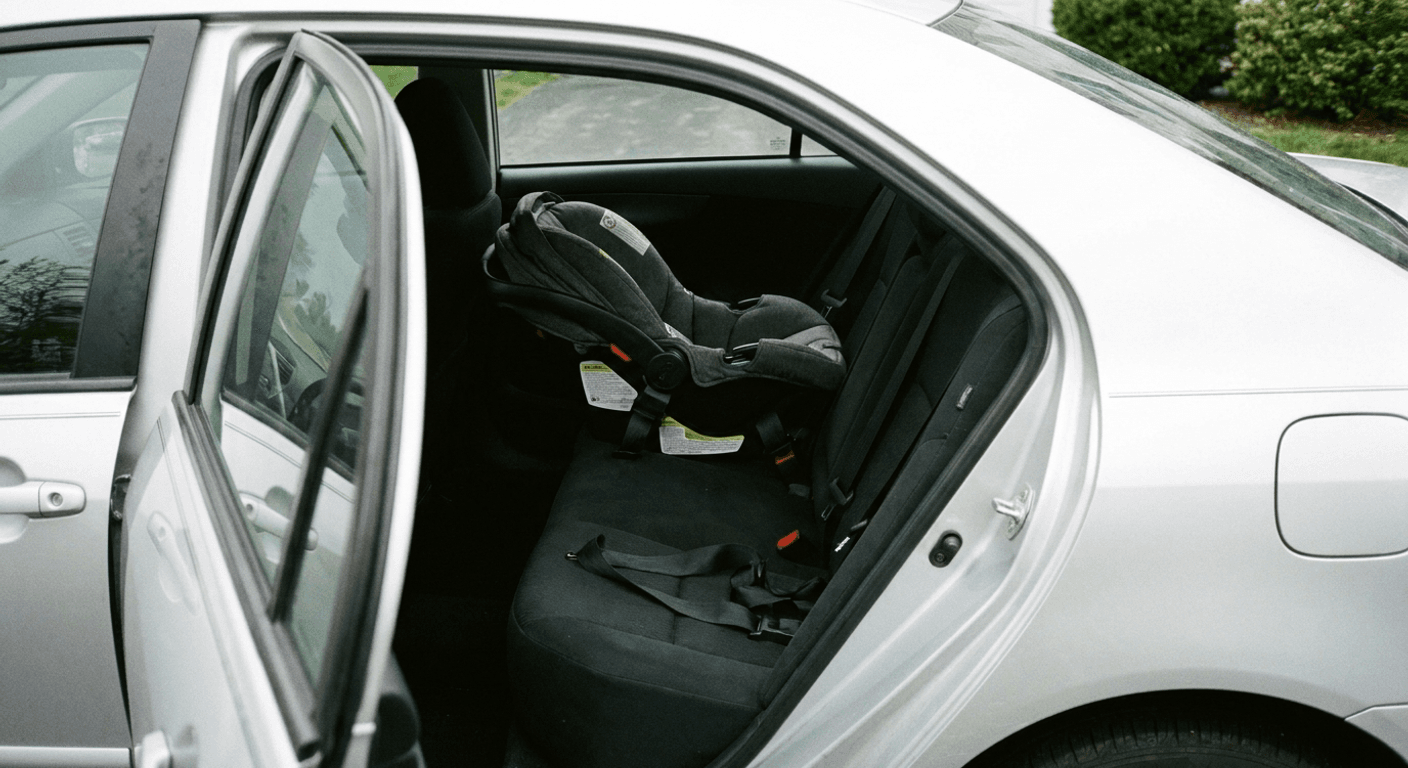
Ontario's HTA section 106 and Regulation 613 car seat law: exact 9 kg, 18 kg and 36 kg/145 cm/age 8 thresholds, the $200 set fine and 2 demerit points, and the taxi and rideshare exemption.

How Ontario child support is calculated: federal table amounts, section 7 add-ons, the 40% shared-parenting rule, FRO enforcement, and adult-child support.
How Ontario's status certificate works under s 76 of the Condominium Act: the 10-day rule, the $100 fee cap, what it discloses, and red flags to watch for.

Ontario's Reg. 74 sets exact rules for debt collectors: 6-day notice, calling hours, cease-contact routes, penalties, and licensing under the CDSSA.
Ontario demerit points explained: warning letters, the 15-point and 9-point suspension thresholds, an offence-by-offence chart, and how long points last.
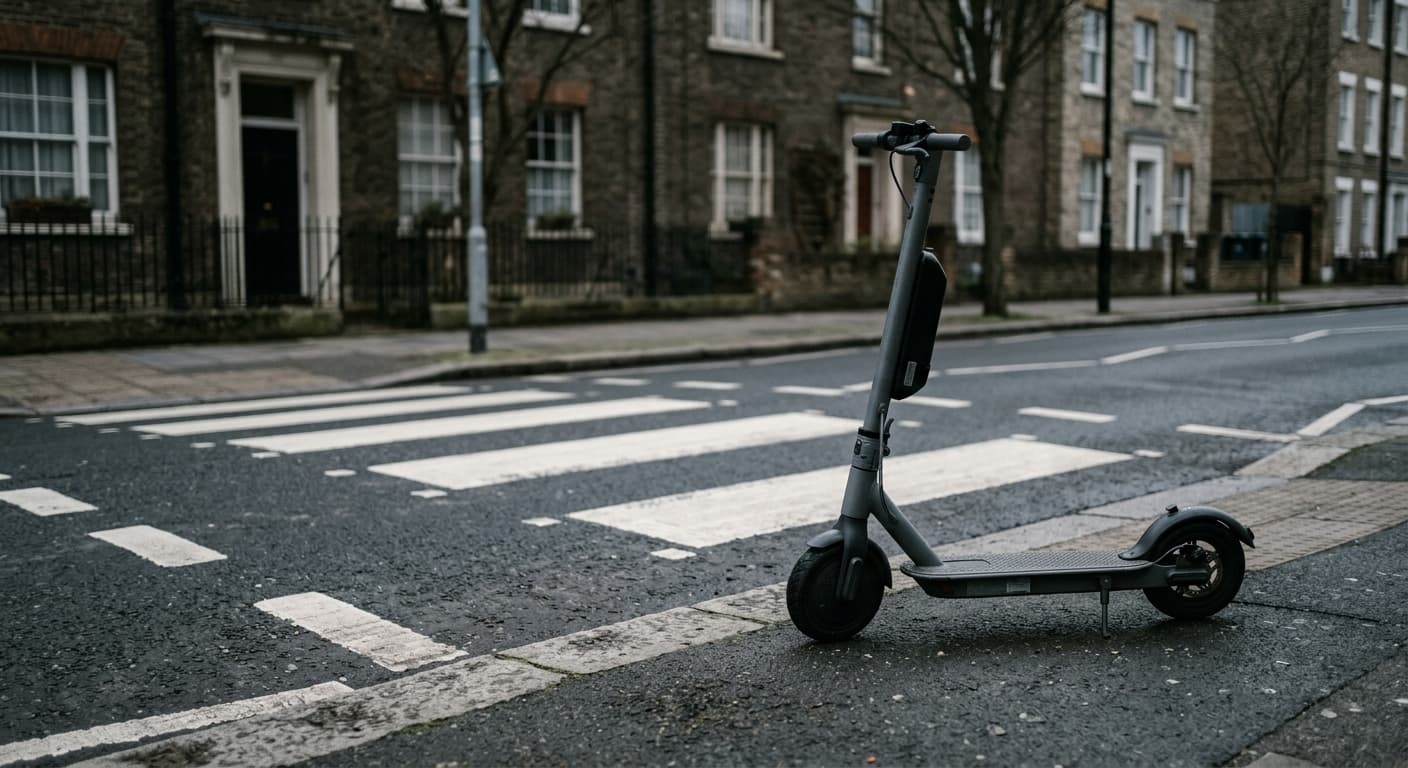
Ontario's e-scooter pilot expires 2029. See which cities allow riding, why Toronto bans it, plus helmet, insurance, and penalty rules.

Ontario hit and run: Criminal Code s. 320.16 penalties (up to life), HTA $5,000 reporting threshold, 3 demerit points, and MVACF victim compensation explained.

Ontario's minimum wage explained: the current $17.60 rate, the confirmed October 2026 increase to $17.95, student and homeworker rates, gig worker pay, and how to file a wage claim.

Ontario's PRCRA Schedule is an exhaustive disclosure whitelist, with a strict VSC-only non-conviction test, a 30-day reconsideration right, and two-stage written consent.

Ontario's Estate Administration Tax: $0 on the first $50,000, then $15 per $1,000 above it. Worked examples, the Small Estate Certificate, and filing deadlines.

Ontario follows Canada's one-party consent rule: you can legally record any conversation you are part of. Learn the Criminal Code rules, Jones v. Tsige civil tort, PIPEDA, voyeurism limits, and workplace recording risks.
Ontario has no emergency protection order law. Restraining orders come from FLA s.46 (spouses and partners) or CLRA s.35 (anyone), are free to file, and breach is a criminal offence.

Ontario's Occupiers' Liability Act requires reasonable care for all visitors. Snow or ice falls need 60-day written notice; sidewalk falls need 10-day notice.

How Ontario's Small Claims Court works: the $50,000 limit since October 2025, filing fees and forms, serving a defendant, and collecting a judgment.
Ontario speeding fines by km/h over the limit, demerit points, total payable with surcharge, why photo radar is repealed, and how red light cameras still work.

Ontario's 9 statutory holidays under the ESA, which days are not included, the public holiday pay formula, the Last and First Rule, premium pay, and the retail refusal right.
Ontario stunt driving speed thresholds, roadside suspension and impound rules, and on-conviction penalties under HTA s 172 and O Reg 455/07, explained.
A plain-language guide to tenant rights in Ontario: the 2026 rent increase guideline, deposits, landlord entry, eviction notices, and the LTB.

How to get an Ontario death, birth, or marriage certificate: ServiceOntario fees, who can apply under the Vital Statistics Act, and Archives of Ontario genealogy access.

Canada's privacy commissioner revised its customer call recording guidance on October 8, 2026, treating voiceprints as sensitive biometric information.

Overtime rules vary by province in Canada. See the overtime threshold and rate for Ontario, Alberta, BC, Quebec, and every other province and territory.
How to get a Possession and Acquisition Licence in Canada: eligibility, the CFSC course, the 28 day wait, fees, renewal, and who gets screened out.
Maternity, paternity, and parental leave under Quebec's LNT: lengths, notice, reinstatement rights, and how this job-protected leave differs from RQAP benefits.
Canada's Divorce Act replaced custody and access with parenting time and decision-making responsibility in 2021. What the terms mean, and the relocation rules.
A peace bond under Criminal Code s 810 is not a conviction. See how it works, what conditions a judge can order, and how it differs from a restraining order.

Prince Edward Island follows Canada's federal one-party consent rule under Criminal Code s. 184. Learn what you can legally record, PEI's limited civil privacy layer, and PIPEDA rules.

PHIPA explained: who Ontario's health privacy law covers, the circle of care and lockbox, your 30-day access and correction rights, breach duties, and penalties quadrupled in 2020.
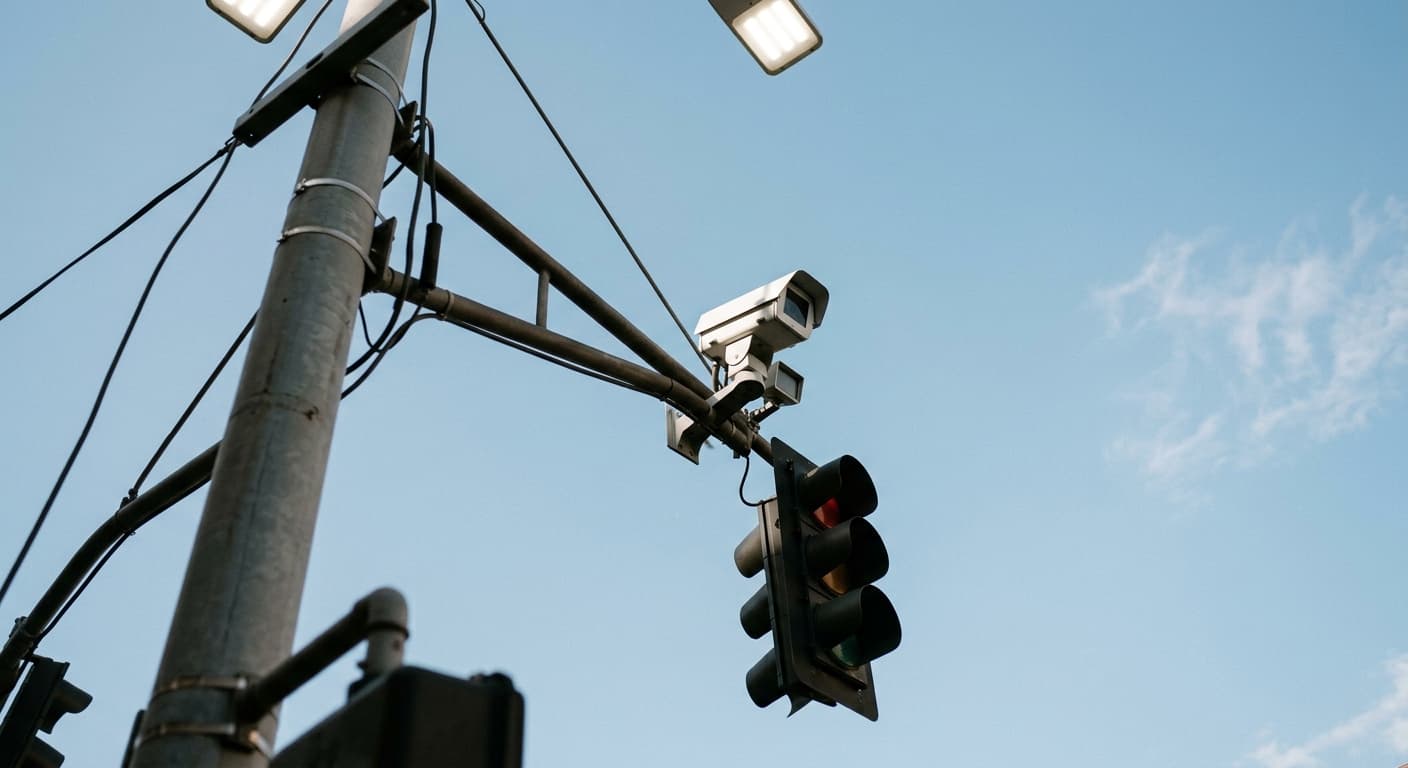
Which provinces run photo radar and red light cameras, which only authorized them, owner liability rules and their exceptions, demerit points, and 2024 to 2026 changes.

PIPEDA is Canada's federal private-sector privacy law: who it covers, the 10 principles, breach reporting, OPC enforcement, and why Bill C-27 never replaced it.

How power of attorney works in Alberta: the enduring power of attorney for property, the personal directive for health and personal decisions, witnessing rules, and when they end.

How power of attorney works in British Columbia: the enduring power of attorney (EPOA) for property, representation agreements for personal and health care, witnessing rules, and when they end.
How power of attorney works across Canada: continuing/enduring vs personal-care POAs, who can act, when it takes effect, revocation, and Quebec's mandat de protection.

How Manitoba's enduring power of attorney and health care directive work: a closed professional-witness list for the POA, optional filing with the Public Guardian and Trustee, and how they end.

How power of attorney works in New Brunswick under the Enduring Powers of Attorney Act: lawyer-only execution for property, witnessing rules, health care directives, and revocation.

How power of attorney works in Newfoundland and Labrador: the Enduring Power of Attorney for property, the Advance Health Care Directive for medical decisions, witnessing rules, and revocation.

How power of attorney works in Nova Scotia after the 2022 reform: the enduring Powers of Attorney Act, the separate Personal Directives Act, witnessing rules, and where free help is available.

How power of attorney works in Ontario: the Continuing Power of Attorney for Property, the Power of Attorney for Personal Care, witnessing rules, the free OPGT kit, and reporting abuse.

How power of attorney and personal directives work in Prince Edward Island under the new Powers of Attorney and Personal Directives Act, plus the separate health care directive law.

Quebec does not use a power of attorney for incapacity. Learn how the mandat de protection works, its execution rules, and the homologation process that activates it.
How Saskatchewan's enduring power of attorney and health care directive work: dual-track witnessing with certificates, who is barred from acting as attorney, gifts, fees, and revocation.
How power of attorney works in Yukon, the Northwest Territories, and Nunavut: financial instruments, health and personal directives, and the health-law gap in Nunavut.
Canada has two mortgage default processes, not one. See which provinces use power of sale, which use judicial foreclosure, and who can owe a deficiency.
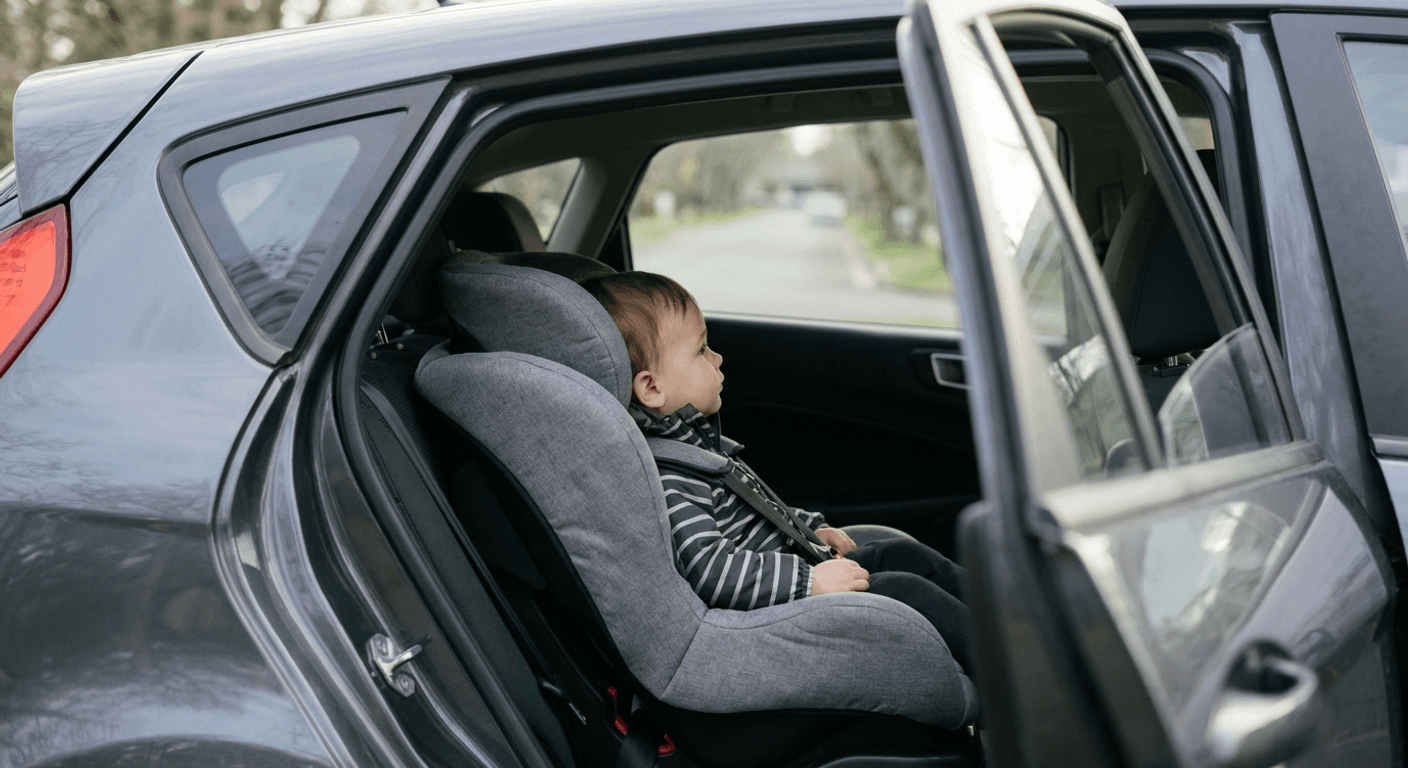
Prince Edward Island's car seat and booster rules, the true 9-year-old-or-less age cutoff, the manufacturer-set booster weight exit, and why the fine is unverified.

How child support is calculated in Prince Edward Island: federal tables, section 7 add-ons, shared parenting, the MEP, and the Child Support Services Office recalculation programme.
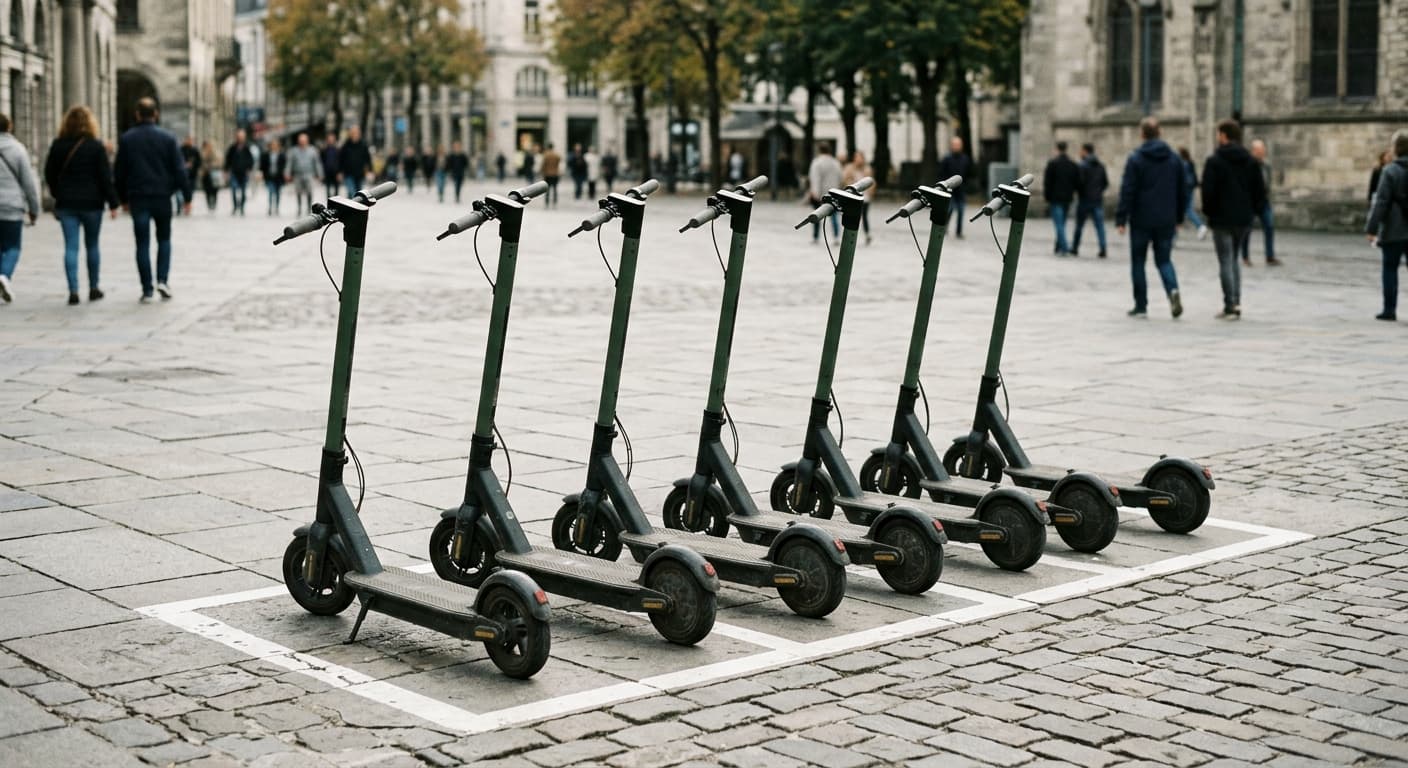
PEI's Electric Kick-Scooters Regulations: minimum age 16, mandatory helmets, an explicit sidewalk ban, fines from $200 to $2,000, and what enforcement data actually shows.
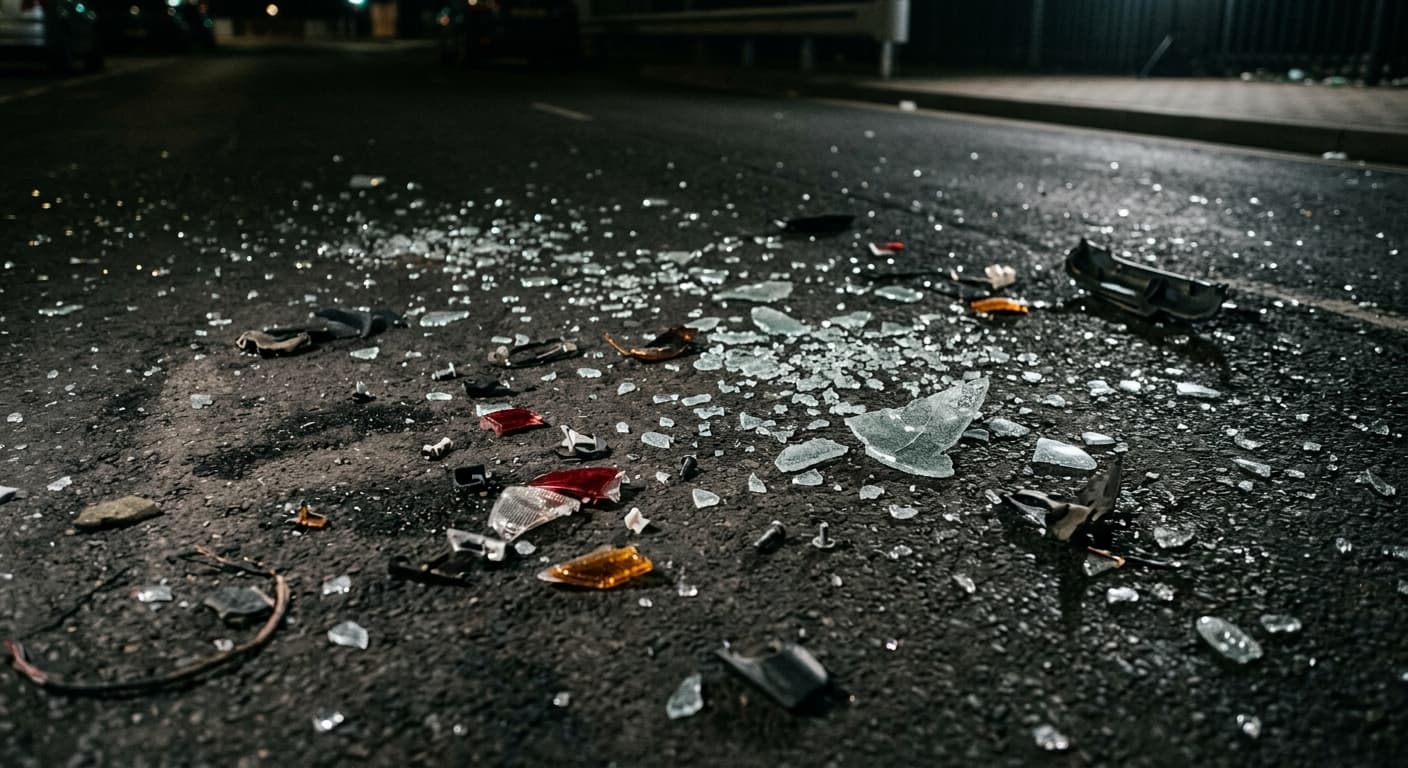
PEI hit and run: s. 320.16 penalties up to life, $2,000 HTA reporting threshold, $500-$2,000 provincial fines, Facility Association victim coverage explained.

PEI's Occupiers' Liability Act requires reasonable care for all visitors. No 60-day snow notice rule. Trespassers receive reduced protection. Two-year limitation period applies.

How to order PEI birth, death, and marriage certificates: fees ($25-$50), who can apply, confirmed processing times, and genealogy access rules.

What probate means in Canada, when an estate needs it, how long it takes, and how fees compare by province, from Ontario's EAT to Quebec's notarial exception.
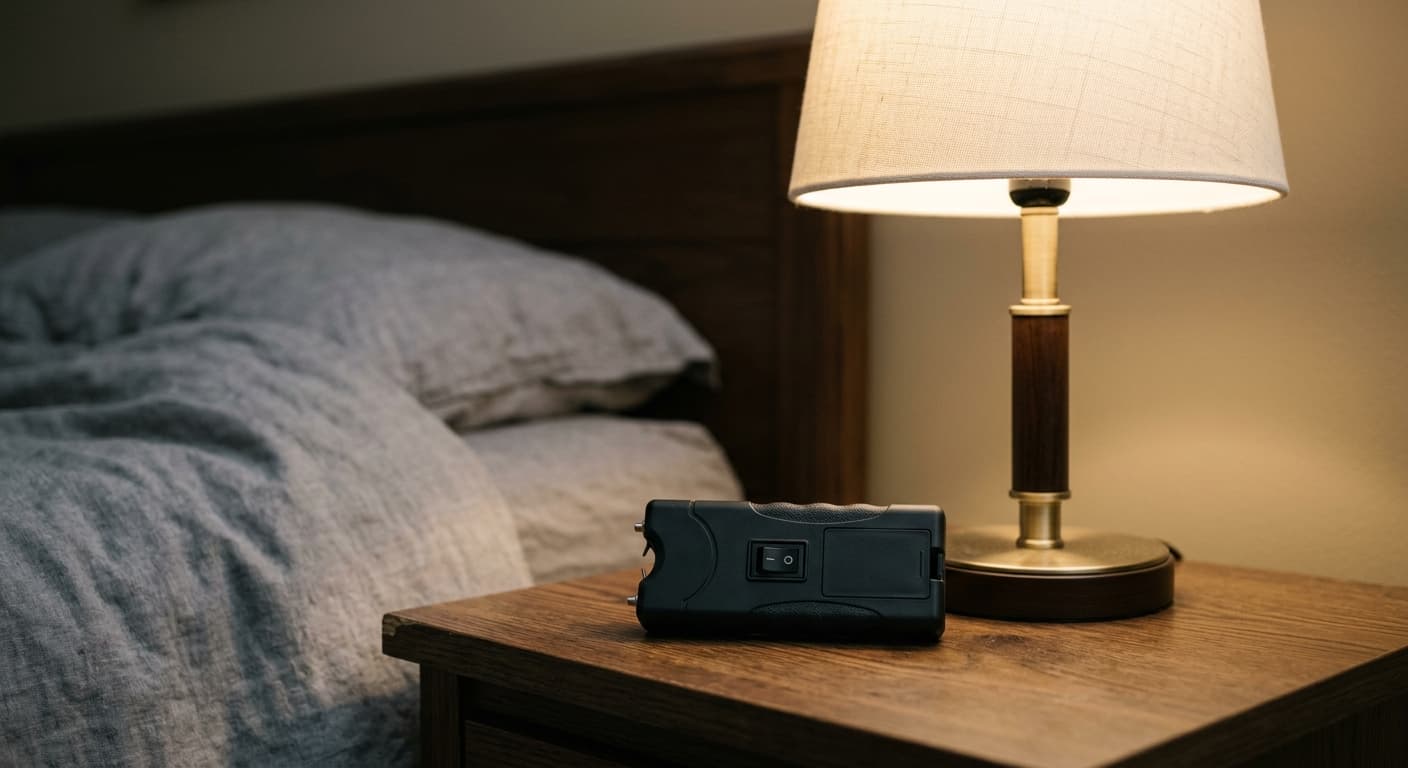
What Canada's Criminal Code and SOR/98-462 prohibit: brass knuckles, stun guns, spring batons, nunchaku, short crossbows and replica airsoft guns.
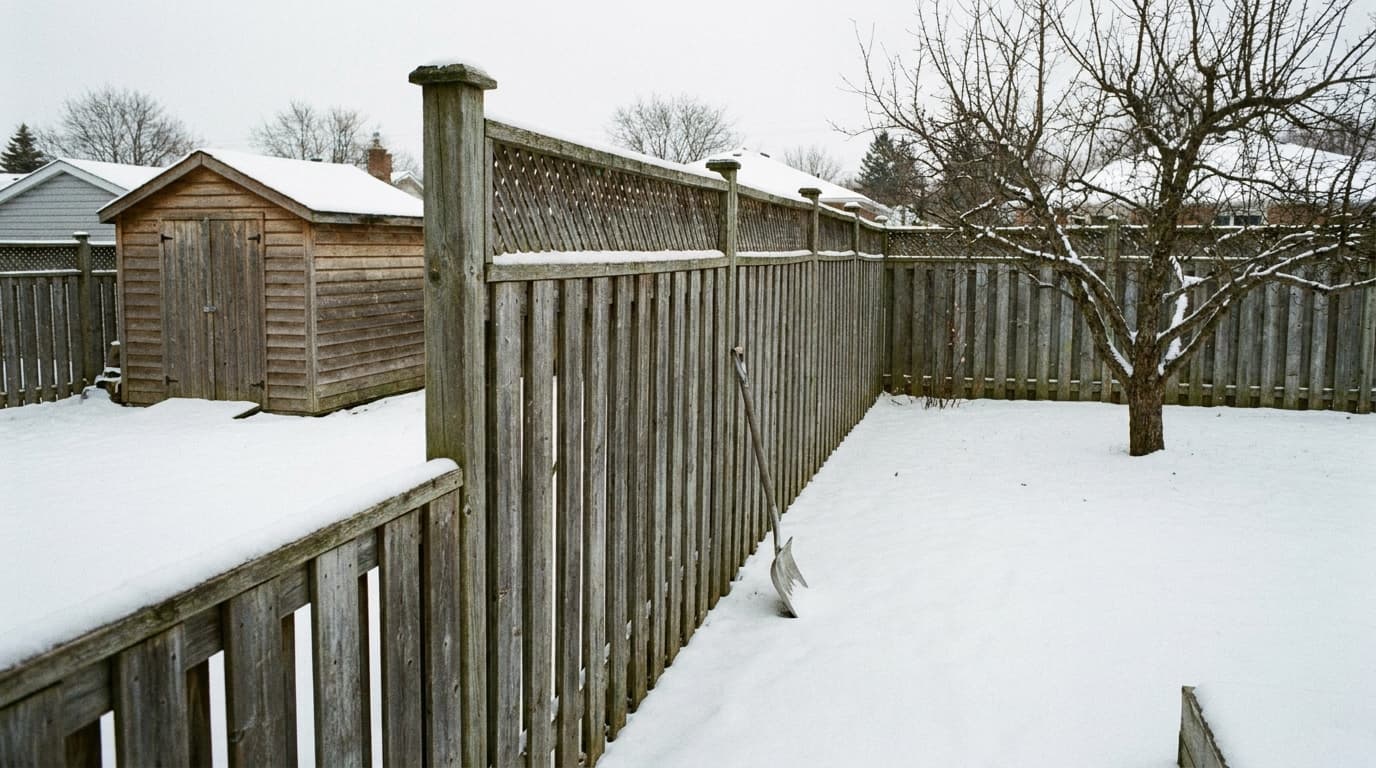
How Canadian property boundaries are actually set by survey, Ontario's Line Fences Act, boundary trees, fence cost-sharing, and what to do about encroachment.

The legal definition of psychological harassment in Quebec, the employer's mandatory prevention policy, the 2-year complaint deadline, and the remedies the CNESST/TAT process can order.
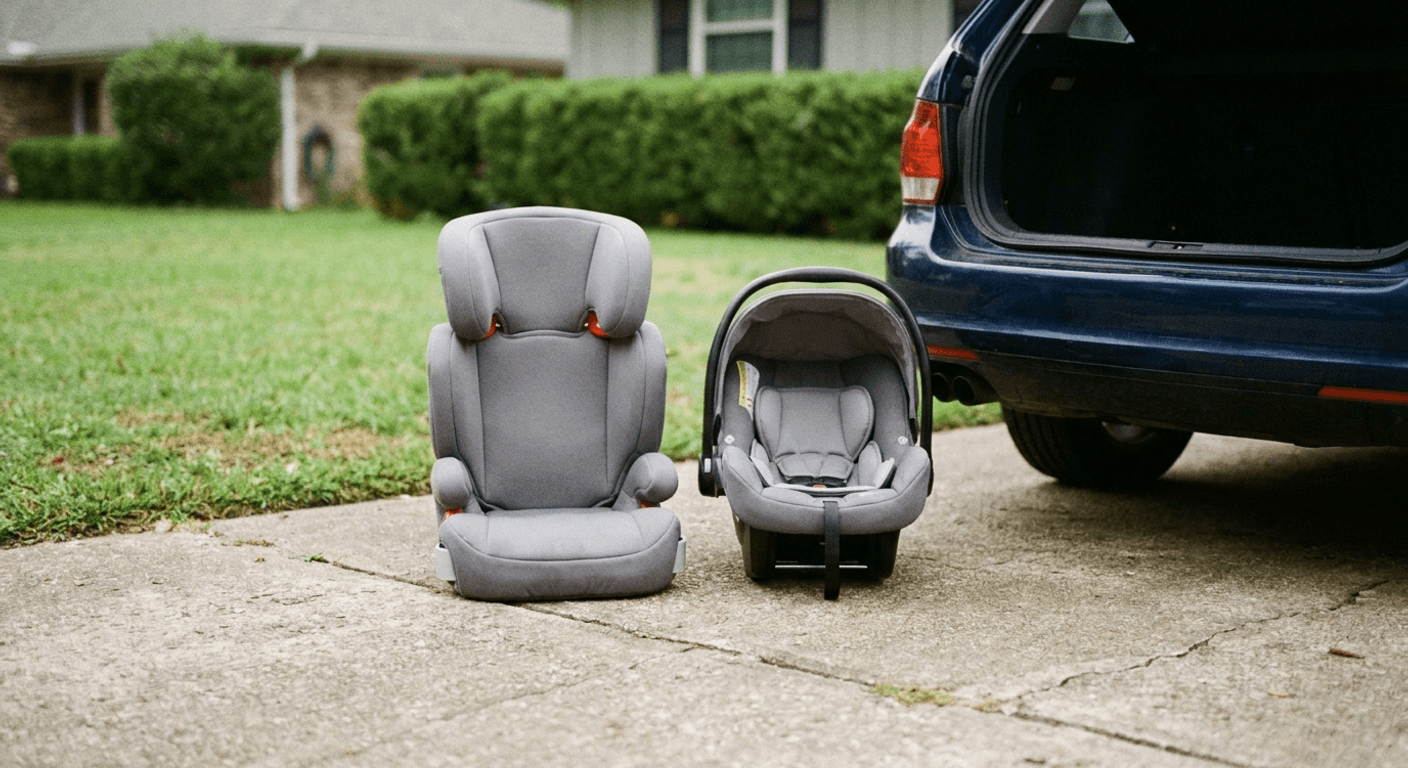
Quebec requires a child restraint or booster until 145 cm or age 9 under CSR article 397. What the law sets, what SAAQ recommends, and what could not be verified on penalties.

Quebec uses its own child support model, not the federal tables. Learn how both parents' incomes, disposable income, and custody time determine amounts, plus Revenu Québec enforcement.

Quebec's legal warranty, anti-lemon rules, and vice cache protections for vehicle defects, plus why Quebec drivers rarely need CAMVAP.

Quebec court records: the free courthouse plumitif, $3.85/$0.60 per-page copies (SJ-1079, current Jan 2026), the paid SOQUIJ Portail, and the free citoyens.soquij.qc.ca decision search.
How Quebec's SAAQ demerit-point system works: thresholds by age and licence class, speeding penalties, grand excès de vitesse rules, and licence revocation.
Quebec's e-scooter pilot was extended to July 2028 just weeks before it would have expired. Age, helmet, no-fault insurance gap and enforcement, explained.