
Quebec Estate Settlement: How a Succession Is Settled
How a Quebec succession is settled: the liquidateur's role, notarial wills that skip probate, the RDPRM, tax clearance certificates, and family patrimony rules.
7 min read
448 articles · page 6 of 8
How a Quebec succession is settled: the liquidateur's role, notarial wills that skip probate, the RDPRM, tax clearance certificates, and family patrimony rules.
Quebec hit-and-run laws: Criminal Code s. 320.16 penalties, Highway Safety Code duties, and SAAQ's no-fault bodily injury cover for victims of fleeing drivers.

Quebec's Law 25 phased in from 2022 to 2024 and is now the strictest private-sector privacy law in Canada. See the three-phase rollout, penalties, and enforcement.

Quebec's minimum wage is $16.60 an hour since May 1, 2026, with a separate $13.30 tipped-worker rate. Effective dates, exemptions, and how to file a CNESST complaint.

Quebec uses Canada's one-party consent rule. The Civil Code (arts. 35-41), Quebec Charter s. 5, and Law 25 add the broadest civil privacy layer in Canada.

Quebec slip and fall law uses the Civil Code, not an Occupiers' Liability Act. Learn article 1457 fault rules, the 3-year prescriptive period, and the Dorval SCC ruling on municipal notice.

How Quebec's Small Claims Division works: the $15,000 limit, why lawyers can't appear at the hearing, the mise en demeure, fees, and the 3-year deadline.

How Quebec's Directeur de l'état civil issues birth, death, and marriage records: certificat vs copie d'acte vs attestation fees, DEClic! ordering, and BAnQ genealogy access.

How Canadian courts calculate reasonable notice using the Bardal factors, why employment standards minimums are only a floor, and what can raise or lower it.

How fast an employer must issue a Record of Employment in Canada, the paper versus electronic deadline split, what counts as an interruption of earnings, and what the codes mean.

A Canadian record suspension now costs $50, cut from $657.77 in 2022. Learn eligibility waits, what it does and doesn't erase, and why US entry can still be refused.

Canada is a one-party consent country: if you are a party to a phone call, you can record it without telling the other person. Criminal Code s 184 explained.
Recording a work meeting you're part of is legal under Canada's one-party consent rule, but it can still cost you your job. Here is the two-track answer.
How renoviction rules work in Ontario and BC: notice periods, right of first refusal, compensation, and penalties when a landlord acts in bad faith.
2026 rent increase caps by Canadian province and territory: Ontario 2.1%, BC 2.3%, Manitoba 1.8%, Nova Scotia 5%, verified against official government sources.
How Canadian tenancy law makes landlords keep a rental fit to live in, how to document a repair request, and what to do if your landlord will not fix it.

Newfoundland and Labrador's Family Violence Protection Act creates a single emergency protection order, capped at 90 days and explicitly non-renewable. How it works and where to get help.
PEI's Victims of Family Violence Act creates an emergency protection order (90-day cap, free to apply) and a longer victim assistance order with no fixed limit. How each works.

Yukon, NWT, and Nunavut each run their own family violence law with different order types, timelines, and penalties. NWT was overhauled for July 2026; Nunavut's consolidation dates to 2013.

Canada has no single restraining order law. See the 13-jurisdiction ladder of provincial, territorial, and federal tools, from emergency orders to peace bonds. If you're in danger, call 911.
Manitoba's Domestic Violence and Stalking Act creates two orders: a free, same-day protection order from a Judicial Justice of the Peace, and a broader prevention order from King's Bench.

New Brunswick's emergency intervention order under the Intimate Partner Violence Intervention Act is granted by an adjudicator within 24 hours and can last up to 180 days.

Nova Scotia's only civil family-violence order is the emergency protection order under the Domestic Violence Intervention Act, now valid for up to one year after a 2026 change from 30 days.
Quebec's civil protection order (CCP arts. 515.1 to 515.4) took effect June 4, 2025, not December 2024. Up to 5 years, a 10 day ex parte route, and breach handled as a criminal matter.

Saskatchewan has no single 'restraining order.' The Victims of Interpersonal Violence Act creates an emergency intervention order (justice of the peace) and a victim's assistance order (King's Bench).

Canadian courts can order retroactive child support. Learn the D.B.S. v. S.R.G. four-factor test, the three-year rule, and Michel v. Graydon.
How a right of first refusal works in Canada, how it differs from an option to purchase and a right of first offer, and how to register it on title.

RQAP eligibility, choosing between the basic and special plans, benefit weeks and percentages, the 2026 maximum insurable earnings, and how to apply.
How Québec's no-fault SAAQ scheme pays accident indemnities, why bodily-injury lawsuits are barred, and the deadlines to claim, request review, and appeal.

Saskatchewan's Traffic Safety Act s.248(4) booster and child restraint thresholds, the $175 fine and 3 demerit points, the taxi liability shift, and SGI's dated monthly enforcement figures.

Saskatchewan child support follows the Federal Child Support Guidelines. Learn how table amounts are set, what special expenses are covered, and how the MEO enforces orders.
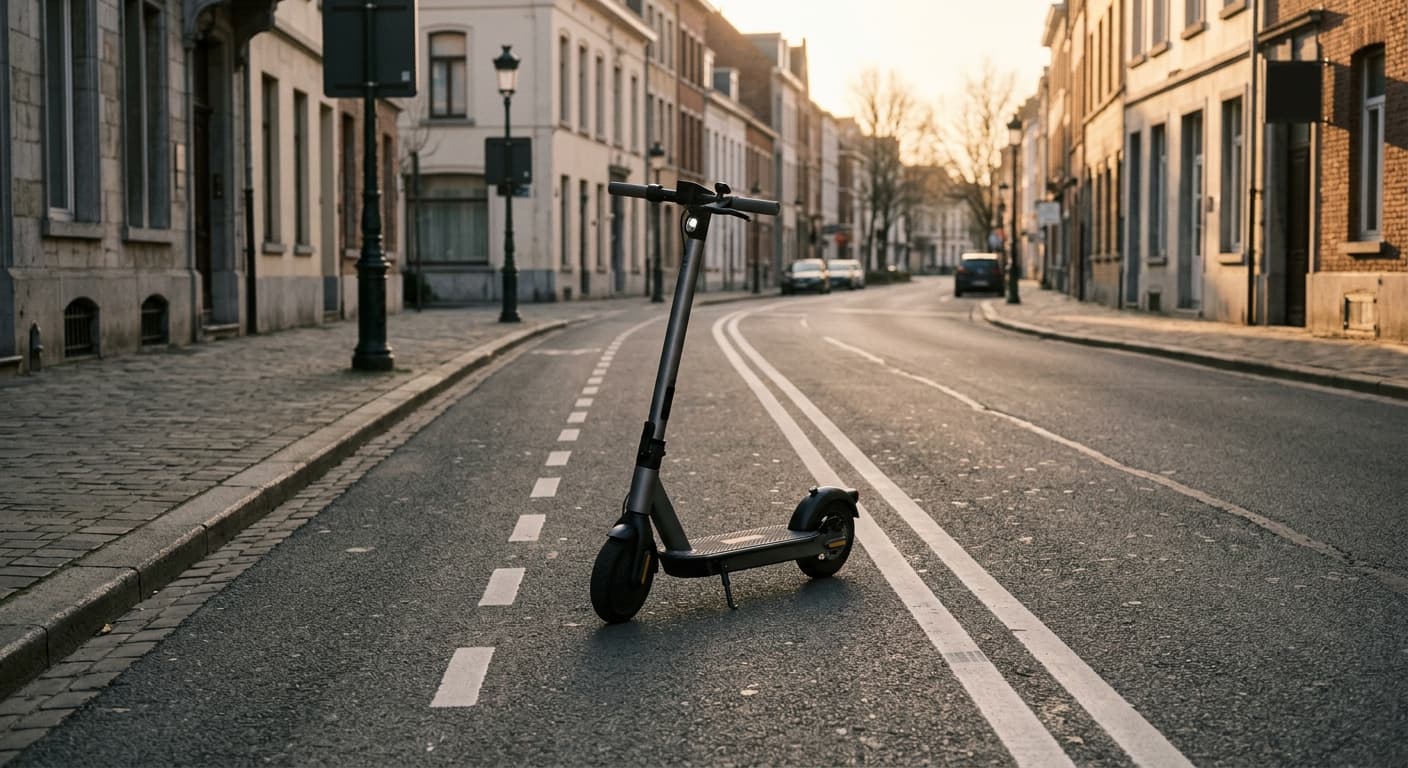
Saskatchewan's e-scooter regulation only takes effect where a municipality passes its own bylaw. See the provincial rules, Saskatoon and Regina's local rules, penalties, and insurance exposure.
Saskatchewan hit-and-run laws: Criminal Code s. 320.16 penalties, Traffic Safety Act duties, and how to file an SGI unidentified-driver claim.

Saskatchewan probate fees explained: $7 per $1,000 of estate value plus a $200 court filing fee, with worked examples and the formula.
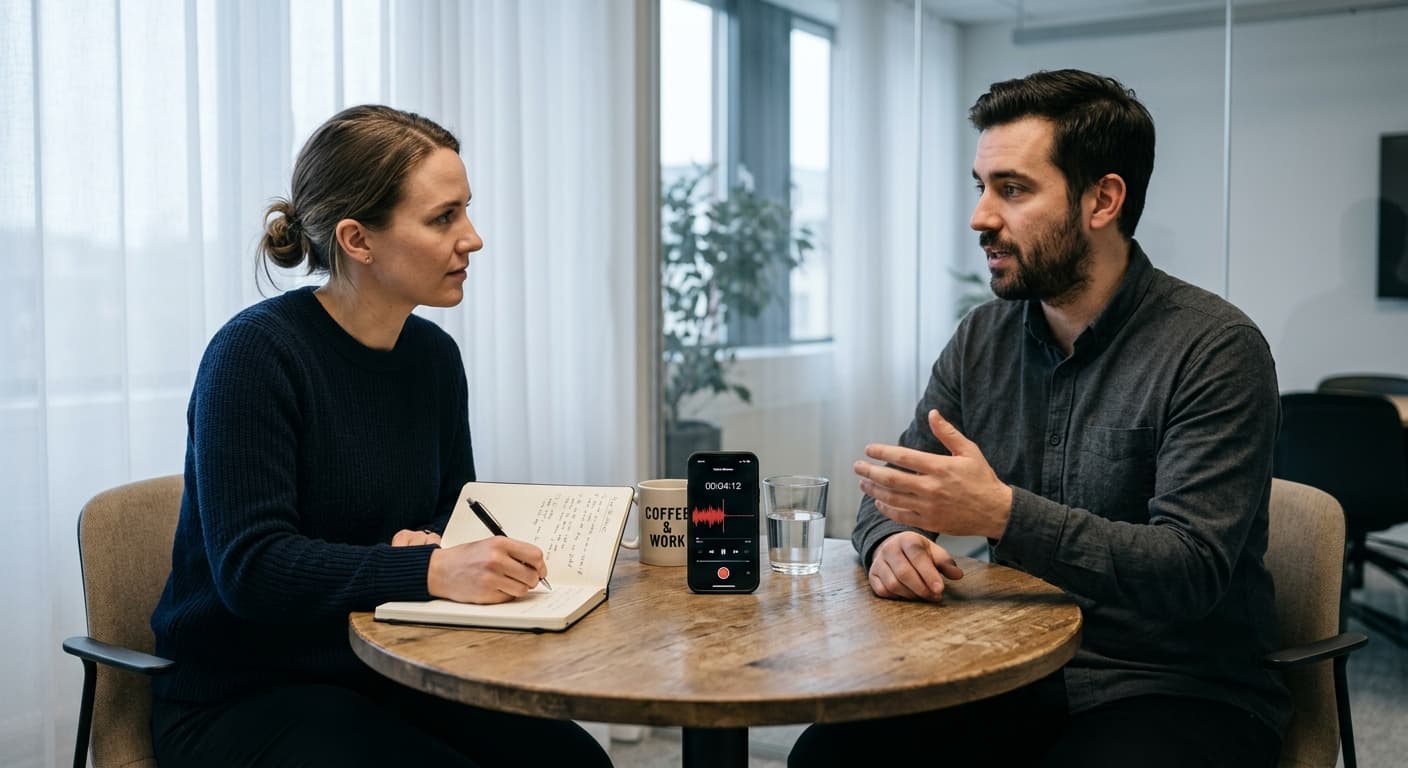
Saskatchewan follows Canada's one-party consent rule under Criminal Code s. 184(2)(a). Learn what you can record, how the Saskatchewan Privacy Act creates civil liability, and when PIPEDA applies.

Saskatchewan's No Fault vs. Tort coverage election, current 2026 SGI benefit figures, the Tort $5,000 deductible, and disputing a claim at the AIAC.

Saskatchewan has no Occupiers' Liability Act. Learn how the common-law invitee, licensee, and trespasser categories determine your rights, plus the 2-year limitation period.

Saskatchewan's Defamation Act, SS 2026, c 15 took effect 1 October 2026, repealing the Libel and Slander Act. What the statute says, section by section.
How section 7 of Canada's Federal Child Support Guidelines splits special and extraordinary costs like child care, health expenses, and activities.
What section 8 of the Charter protects, when police can search without a warrant, phone searches after arrest, texts on someone else's phone, and vehicle stops.
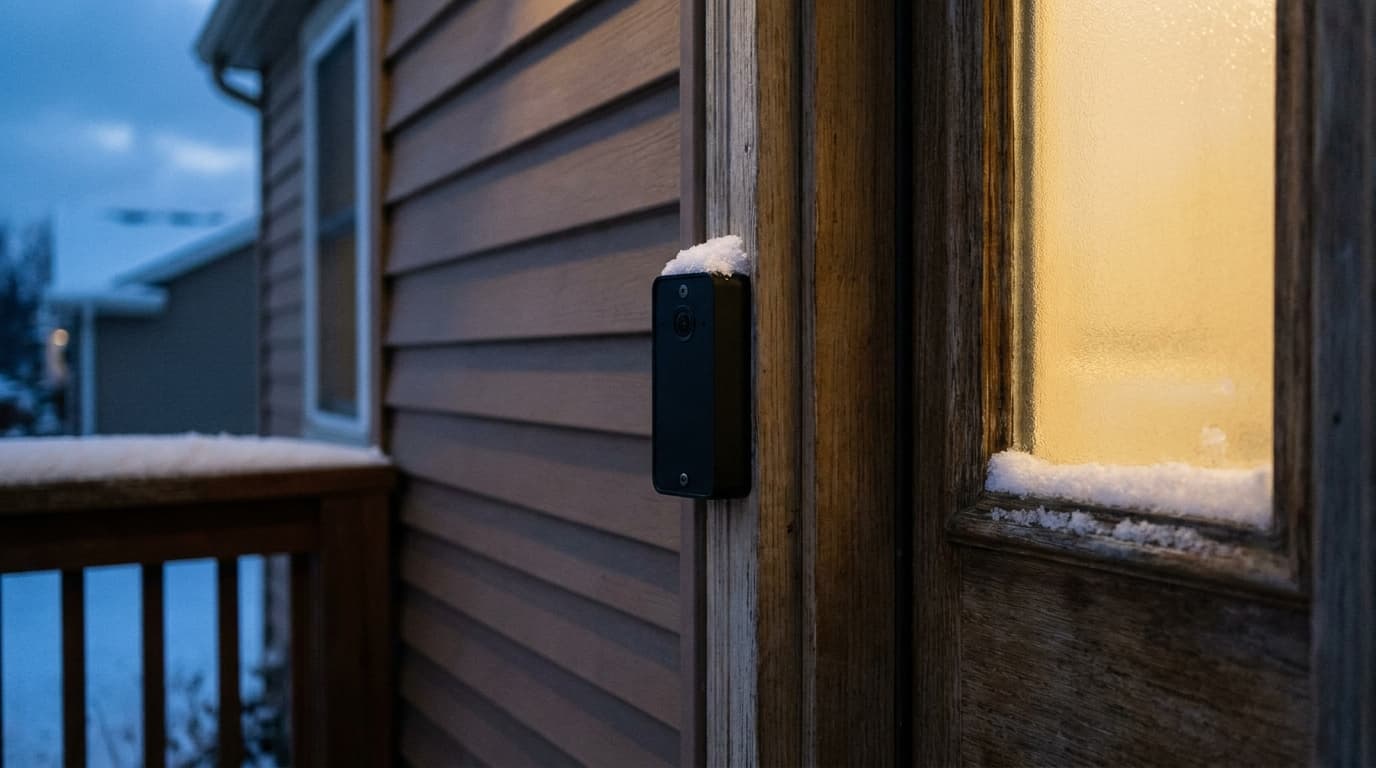
Home security cameras and video doorbells are legal across Canada. Learn when audio recording triggers the Criminal Code and the privacy rules that apply.
How much can a landlord charge for a security deposit in Canada? Compare provincial rules on deposit limits, interest, and getting your money back.
Canada has no stand your ground or castle doctrine. Self-defence turns on Criminal Code s 34, defence of property on s 35. Here is the current test.

How separation agreements work across Canada: formal requirements, financial disclosure, independent legal advice, and when a court can set one aside.
How to serve a small claims defendant properly, then collect if you win: garnishment, seizure and sale, land liens, and examination hearings across Canada.
Alberta has no separate severance pay law. See the Employment Standards Code termination notice schedule, exceptions, layoffs, and common-law reasonable notice.
Ontario law requires ESA termination pay and separate severance pay, up to 34 weeks combined. See the notice table, severance formula, and common law notice.
Quebec has no separate severance pay. See the CNESST notice schedule under the ARLS, the section 124 reinstatement recourse, and Civil Code reasonable notice.
Is severance pay mandatory in Canada? See how Ontario's ESA severance and federal Canada Labour Code rules differ from termination pay and common law notice.
How the 40% shared custody rule under section 9 of Canada's Federal Child Support Guidelines works, and why courts reject an automatic set-off between parents.

Sick leave in Canada varies by province. See Ontario's unpaid ESA days and sick-note ban, BC and Quebec's paid days, federal medical leave, and EI sickness benefits.
BC splits small claims by amount: the Civil Resolution Tribunal handles claims up to $5,000 online, while Provincial Court hears $5,001 to $35,000 claims.
How to sue in small claims court in Canada. Compare the money limits by province, from $15,000 in Quebec to $100,000 in Alberta, plus how to file and collect.
How spousal support works in Canada: entitlement under the Divorce Act, the SSAG formulas for amount and duration, tax rules, and how to estimate a range.
Squatters rights in Canada usually means adverse possession, abolished in most provinces under land titles systems. See what survives, province by province.

Newfoundland and Labrador cut its Crown-land qualifying period from 20 years to 10 in December 2024 and started a 5-year filing deadline that is already running.
Ontario's Land Titles conversion freezes new adverse possession claims, but a claim that had already matured can still be perfected under LTA s.36, and Crown land has been fully barred since 2021.
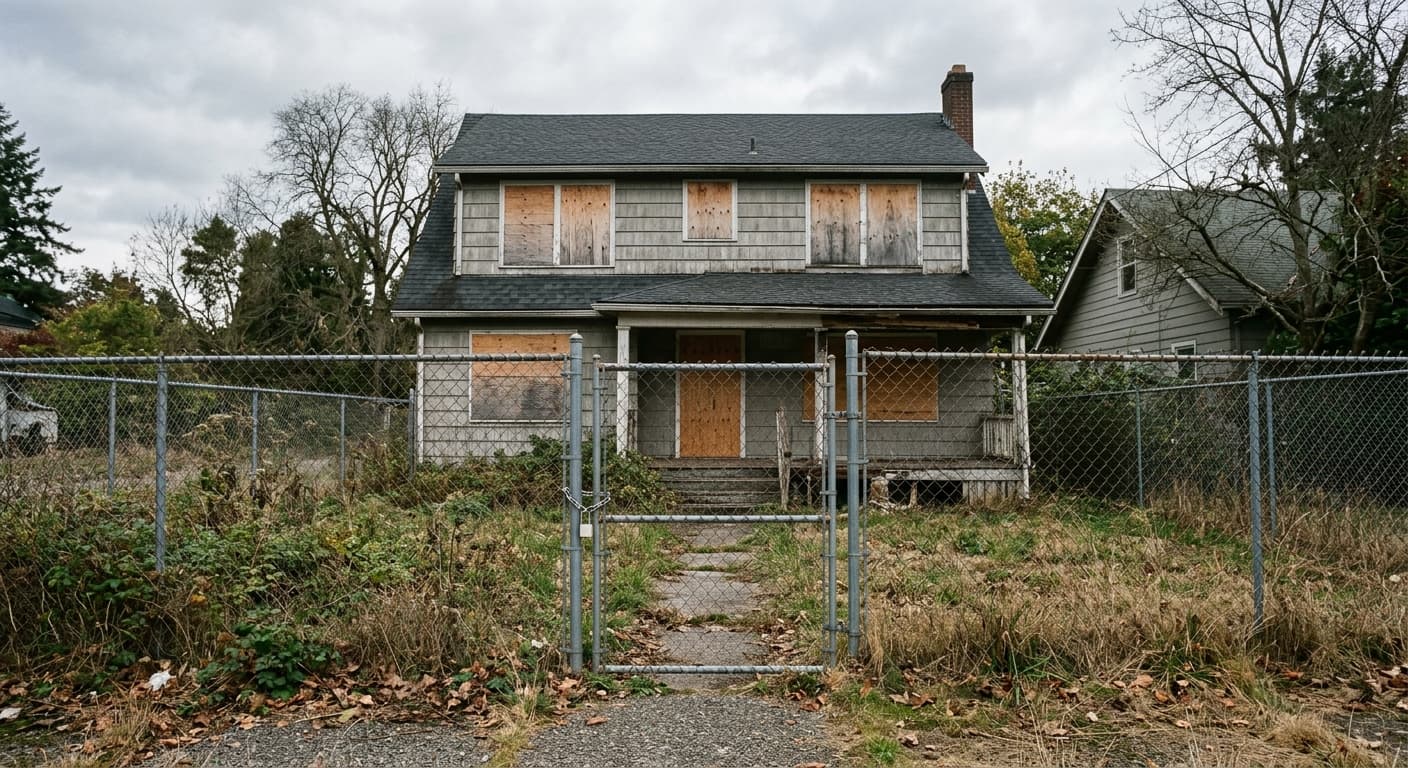
PEI bars a landowner from suing to recover land after 20 years of possession, with no registration cutoff like NS or NB, but whether that period applies to Crown land is unresolved.
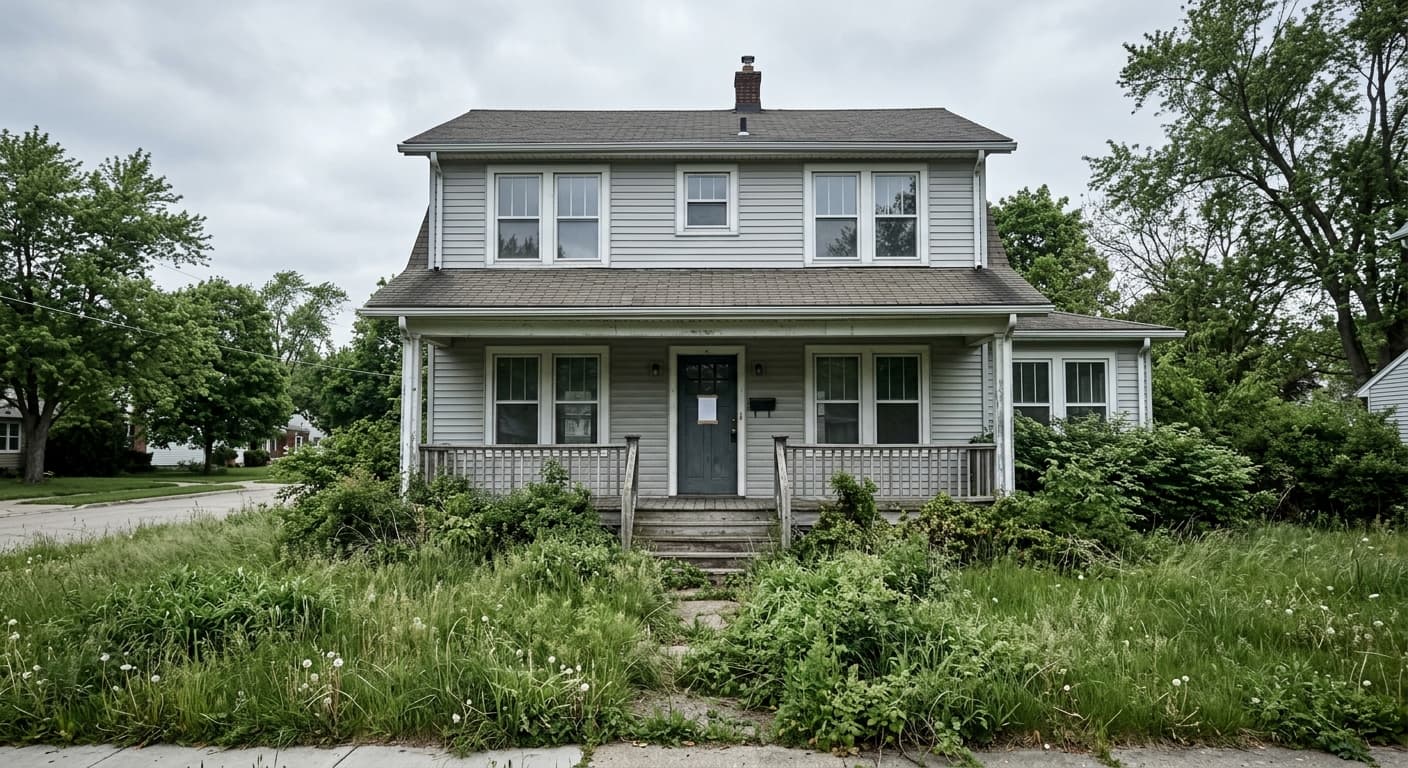
Yukon abolished adverse possession by statute, the NWT blocks it through land-titles indefeasibility, and Nunavut has not yet taken over its Crown land from the federal government.
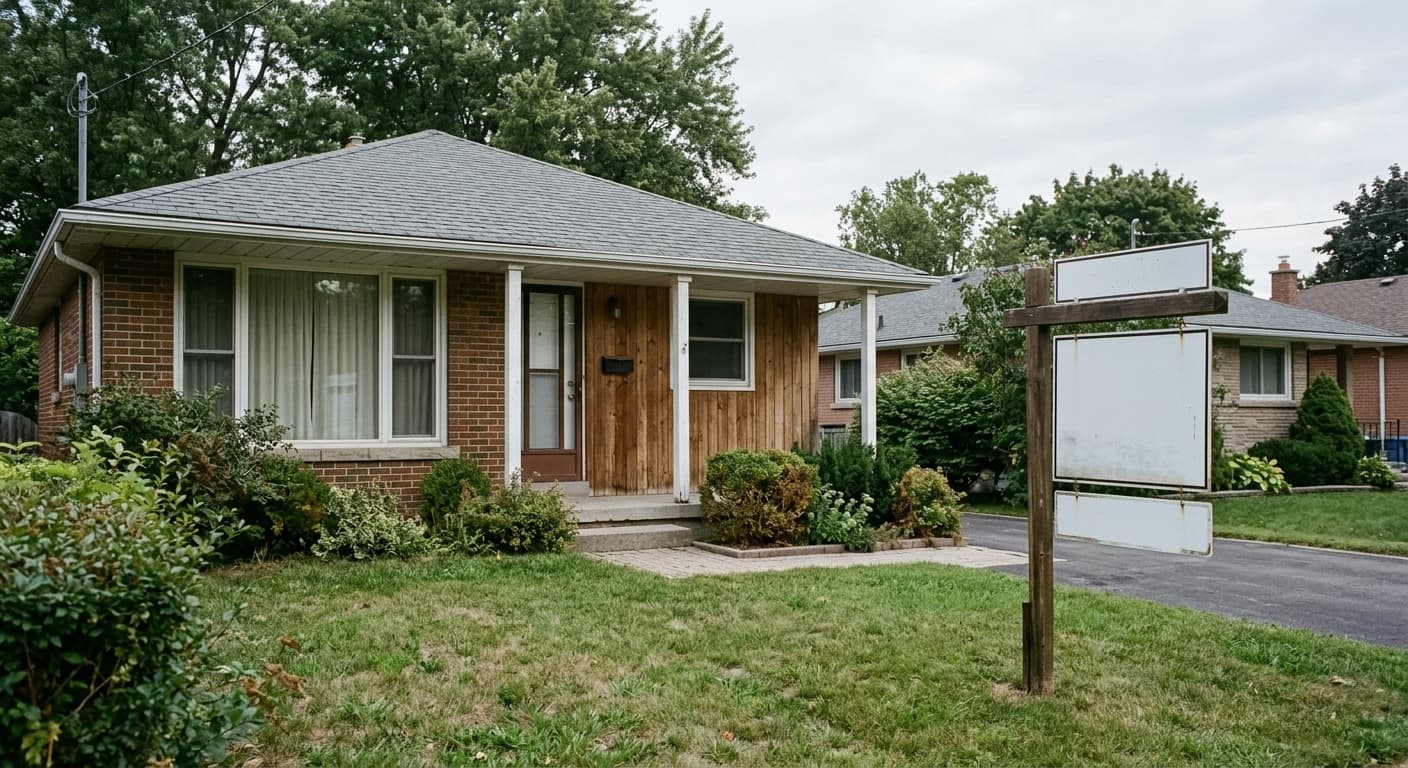
Alberta was the last Torrens province with a live 10-year adverse possession route, until the Property Rights Statutes Amendment Act, 2022 abolished it effective December 15, 2022.