
Virginia
Leyes sobre Mordeduras de Perro en Virginia: Responsabilidad y Derechos de las Víctimas
Verificado de forma independiente contra fuentes primarias (última auditoría: 23 de agosto de 2026). · Revisado por el equipo editorial de RecordingLaw. · Ley verificada como vigente al 23 de agosto de 2026. · 6 fuentes primarias citadas en esta página. Cómo verificamos nuestro contenido legal
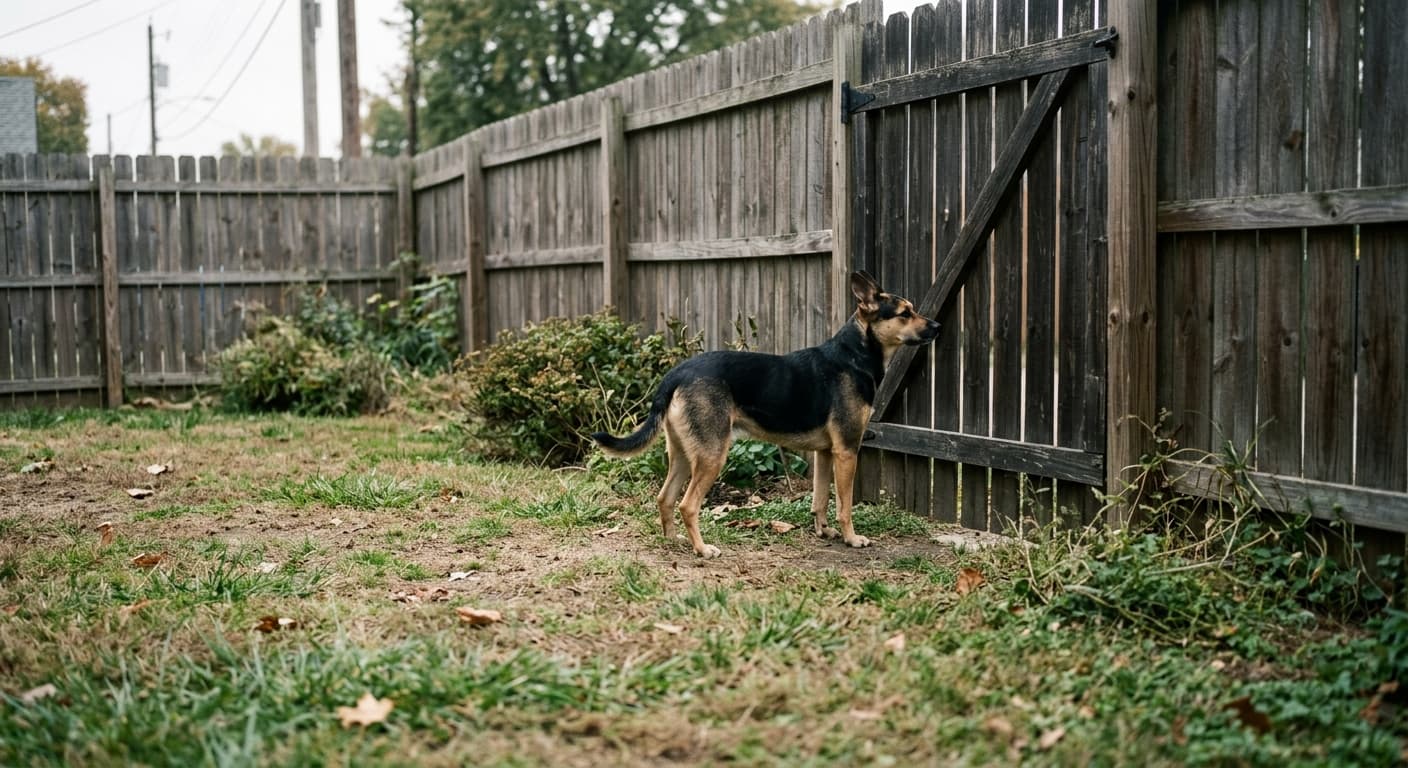
Virginia no tiene un estatuto de responsabilidad objetiva por mordedura de perro. Según la regla de la primera mordida del derecho consuetudinario, los dueños se vuelven responsables una vez que sabían o deberían haber sabido que su perro tenía tendencias peligrosas. Las víctimas también pueden presentar demandas por negligencia si un dueño no ejerció el cuidado razonable.
Calcule su reclamo: Use nuestra Calculadora de Indemnización por Mordedura de Perro en Virginia gratuita para ver un rango aproximado de indemnización según los gastos médicos, el lugar de la mordedura, la edad de la víctima y la regla de responsabilidad de Virginia.
Cómo Funciona la Responsabilidad por Mordedura de Perro en Virginia
Virginia no tiene un estatuto específico sobre mordeduras de perro que responsabilice automáticamente a los dueños cuando su perro lesiona a alguien. En cambio, el estado se basa en dos teorías legales principales: la regla de la primera mordida del derecho consuetudinario y los principios generales de negligencia.
Esta combinación significa que los casos de mordedura de perro en Virginia dependen de lo que el dueño sabía sobre el perro y de qué tan responsablemente se comportó el dueño. Comprender ambas vías hacia la responsabilidad es esencial tanto para las víctimas que buscan una indemnización como para los dueños que desean conocer su exposición legal.
La Regla de la Primera Mordida
Según la regla de la primera mordida de Virginia, un dueño de perro se vuelve objetivamente responsable por las lesiones causadas por su perro una vez que sabía o debería haber sabido que el perro tenía tendencias peligrosas. El término "primera mordida" es algo engañoso. El perro no recibe literalmente una mordida gratis. Los tribunales de Virginia han sostenido que un dueño puede estar en aviso de tendencias peligrosas incluso si el perro nunca mordió a nadie antes.
Por ejemplo, si un perro regularmente embestía a los visitantes, gruñía de manera agresiva, o intentaba escapar de un patio para perseguir personas, esos comportamientos podrían establecer que el dueño sabía que el perro representaba un riesgo. Una vez que se establece ese conocimiento, el dueño enfrenta responsabilidad objetiva por cualquier lesión resultante. Bajo la responsabilidad objetiva, el dueño es responsable sin importar las precauciones que haya tomado.
Para recibir una indemnización según la regla de la primera mordida, una víctima debe probar:
- Que el perro tenía tendencias peligrosas (comportamiento agresivo, ataques anteriores o conducta amenazante)
- Que el dueño sabía o debería haber sabido sobre esas tendencias
- Que el comportamiento peligroso del perro causó las lesiones de la víctima
Demandas por Negligencia
Incluso cuando una víctima no puede probar que el dueño sabía sobre las tendencias peligrosas, aún puede presentar una demanda por negligencia. Una demanda por negligencia requiere demostrar que el dueño del perro no ejerció el cuidado razonable al controlar o restringir al perro, y que ese incumplimiento provocó la lesión.
Ejemplos comunes de negligencia del dueño incluyen:
- Permitir que un perro deambule sin correa en un área que requiere correa
- No reparar una cerca rota que permitió que el perro escapara
- Dejar una puerta abierta o sin asegurar
- Confiar un perro a alguien incapaz de controlarlo
Negligencia Per Se
Virginia reconoce la negligencia per se en los casos de mordedura de perro. Cuando un dueño infringe una ley de correa local, una ordenanza de confinamiento o una regulación de control de animales, los tribunales tratan esa infracción como prueba automática de negligencia. El dueño no puede argumentar que de otro modo estaba siendo cuidadoso. Se presume que cualquier lesión que el perro cause mientras el dueño infringe la ley resulta de esa falta de cuidado.
Esto hace que las infracciones a las leyes de correa sean particularmente importantes en las demandas por mordedura de perro en Virginia.
La Regla de Negligencia Contributiva de Virginia
Virginia es una de las pocas jurisdicciones que sigue la negligencia contributiva pura. Esta regla tiene un impacto dramático en los casos de mordedura de perro.

Bajo la negligencia contributiva pura, si se determina que la víctima tiene aunque sea 1% de la culpa por el incidente, queda completamente impedida de recibir cualquier indemnización. No hay una reducción proporcional. Cualquier culpa, sin importar cuán pequeña, elimina la demanda por completo.
Las compañías de seguros en Virginia investigan rutinariamente a las víctimas de mordedura de perro en busca de cualquier prueba de negligencia contributiva. Los argumentos comunes incluyen:
- La víctima provocó al perro (molestándolo, golpeándolo o asustándolo)
- La víctima ignoró letreros de advertencia o avisos de "Cuidado con el Perro"
- La víctima estaba cometiendo allanamiento en propiedad privada
- La víctima metió la mano por una cerca o dentro de un vehículo para acariciar al perro
- El propio animal de la víctima provocó el ataque
Esta regla estricta hace de Virginia uno de los estados más difíciles para las víctimas de mordedura de perro. Documentar exactamente lo que sucedió y reunir el testimonio de testigos es fundamental para derrotar las defensas de negligencia contributiva.
Designaciones de Perro Peligroso Según la Ley de Virginia
La ley de Virginia crea un proceso formal para designar a los perros como "peligrosos" o "viciosos." Estas designaciones conllevan consecuencias legales importantes para los dueños.
Qué Hace que un Perro Sea "Peligroso"
Según el Va. Code § 3.2-6540, un oficial de las fuerzas del orden o de control de animales que tenga razones para creer que un perro es peligroso puede solicitar a un magistrado una citación. El tribunal solo determinará que un perro es peligroso si la evidencia muestra una de estas dos cosas:
- El perro mató a un animal de compañía (un perro o gato) o le infligió una lesión grave, incluyendo un deterioro grave de la salud o de la función corporal que requiera atención médica significativa, desfiguración grave, o cualquier lesión con un potencial razonable de causar la muerte, distinta de un esguince o torcedura
- El perro causó directamente una lesión grave a una persona, es decir, una laceración, un hueso roto o una punción sustancial de la piel por los dientes
Un solo mordisco o mordedura que resulte únicamente en un rasguño, abrasión u otra lesión menor no cumple con este estándar. Un oficial ni siquiera puede solicitar una citación por una lesión tan menor.
El tribunal no determinará que un perro es peligroso si la persona lesionada estaba cometiendo un delito o un allanamiento intencional en la propiedad del dueño en ese momento, provocó o atormentó al animal, o el perro estaba respondiendo al dolor o protegiéndose a sí mismo, a sus crías, a su perrera, a una persona, o a la propiedad de su dueño. Un perro tampoco es peligroso por matar o lesionar a otro perro o gato mientras participa legalmente en una cacería con su dueño o en un evento legal y organizado de manejo de perros.
Obligaciones del Dueño Después de una Determinación de Perro Peligroso
Según el Va. Code § 3.2-6540.01, el dueño debe cumplir los siguientes requisitos dentro de los 30 días posteriores a una determinación de perro peligroso, y después mantener al perro confinado y el registro vigente mientras conserve al perro:
| Requisito | Detalles |
|---|---|
| Esterilizar o castrar | Proporcionar documentación de que el perro ha sido esterilizado o castrado |
| Microchip | Implantar identificación electrónica registrada a nombre del dueño |
| Seguro de responsabilidad civil | Mantener al menos $100,000 en cobertura por mordidas de animales, o presentar una fianza de garantía de igual valor |
| Tarifa de registro | Pagar $150 al gobierno local y completar un certificado de registro de perro peligroso |
| Letreros de advertencia | Colocar letreros claramente visibles en todos los puntos de entrada de la casa y el patio |
| Confinamiento | Mantener al perro en el recinto cerrado con llave que se describe a continuación, a menos que esté confinado dentro de la residencia del dueño o, si está al aire libre, controlado con una correa física sostenida por un adulto responsable y con bozal bien asegurado |
| Recinto seguro | Si el perro se mantiene al aire libre fuera de la presencia inmediata del dueño, construir dentro de los 30 días un recinto seguro y cerrado con llave, de altura y diseño suficientes para impedir que el perro escape y para impedir que cualquier persona u otro animal entre o tenga contacto físico directo |
| Renovación anual | Antes del 31 de enero de cada año, mientras el perro esté vivo, actualizar y renovar el certificado de registro de perro peligroso por una tarifa de $85 según el Va. Code § 3.2-6542.1. Un oficial de control de animales debe inspeccionar al perro y el lugar donde se mantiene antes de que pueda emitirse un certificado de renovación |
| Aviso de reubicación | Notificar al control de animales al menos 10 días antes de trasladar al perro a una nueva dirección |
Las cifras de $90 y $25 que aparecen en el Va. Code § 3.2-6542(C) son un asunto distinto y no se le cobran al dueño. Son los montos que el condado o la ciudad remiten anualmente al Veterinario Estatal para financiar el registro estatal: $90 por cada perro peligroso que registró por primera vez y $25 por cada registro que renovó.
Un dueño acusado según el Va. Code § 3.2-6540.03 que sea declarado culpable de haber incumplido intencionalmente el § 3.2-6540, el § 3.2-6540.01, el § 3.2-6540.02 o el § 3.2-6540.04 es culpable de un delito menor Clase 1, sancionable con hasta 12 meses de cárcel y una multa de hasta $2,500. La intencionalidad es un elemento del delito, por lo que el incumplimiento involuntario no basta por sí solo para sustentar una condena.
Clasificación de Perro Vicioso
La ley de Virginia distingue entre perros "peligrosos" y "viciosos." Según el Va. Code § 3.2-6540.1, un perro se clasifica como vicioso si ha:
- Matado a una persona
- Infligido una lesión grave a una persona
- Continuado exhibiendo comportamiento peligroso después de una determinación previa de perro peligroso
"Lesión grave" significa una lesión con un potencial razonable de causar la muerte, o cualquier lesión distinta de un esguince o torcedura que implique desfiguración grave, deterioro grave de la salud, o deterioro grave de la función corporal y que requiera atención médica significativa.
Un perro determinado como vicioso debe ser sacrificado. No existe un resultado alternativo. El tribunal también puede ordenar que el dueño pague restitución por los daños reales a cualquier persona lesionada o al patrimonio de cualquier persona fallecida, además de todos los gastos razonables por el cuidado del perro mientras esté bajo custodia.
Indemnización Disponible para las Víctimas de Mordedura de Perro
Las víctimas de mordedura de perro en Virginia pueden reclamar tanto daños económicos como no económicos si pueden probar la responsabilidad del dueño.
Daños Económicos
- Visitas a la sala de emergencias, cirugía, estadías hospitalarias y rehabilitación
- Medicamentos recetados y dispositivos médicos
- Tratamiento médico futuro, incluida la cirugía plástica por cicatrices
- Salarios perdidos durante la recuperación
- Reducción de la capacidad de ingresos por lesiones permanentes
- Daños a la propiedad (ropa rota, objetos personales rotos)
Daños No Económicos
- Dolor físico y sufrimiento
- Angustia emocional y trauma psicológico
- Cicatrices y desfiguración permanente
- Pérdida del disfrute de la vida
- Estrés postraumático, ansiedad o miedo a los perros
Virginia no impone un límite legal a los daños en los casos de lesiones personales, incluidas las demandas por mordedura de perro. El monto recuperable depende de la gravedad de las lesiones y de las pruebas presentadas.
Plazo de Prescripción para las Demandas por Mordedura de Perro
Según el Va. Code § 8.01-243, el plazo de prescripción de Virginia para las demandas por lesiones personales es de 2 años a partir de la fecha de la lesión. Esto se aplica a todas las demandas por mordedura de perro, sin importar la teoría legal utilizada.

Puntos clave sobre el plazo para presentar la demanda:
- El plazo comienza en la fecha de la mordida o el ataque
- No cumplir con el plazo de 2 años impide la demanda de forma permanente
- Los menores de edad pueden tener el plazo suspendido hasta que alcancen la mayoría de edad
- Las demandas contra entidades gubernamentales (como un perro propiedad de un empleado del gobierno en servicio) pueden tener requisitos de notificación más cortos
- Las demandas por daños a la propiedad tienen un plazo de prescripción separado de 5 años según el Va. Code § 8.01-243(B)
Presentar la demanda lo antes posible siempre es mejor. Las pruebas desaparecen, los testigos olvidan detalles, y los registros médicos se vuelven más difíciles de conectar con el incidente a medida que pasa el tiempo.
Sanciones Penales para los Dueños de Perros
La ley de Virginia impone sanciones penales a los dueños cuyos perros causan daño, particularmente cuando el perro ya había sido designado como peligroso.
Ataque Posterior de un Perro Peligroso
Según el Va. Code § 3.2-6540.04, si un perro previamente determinado como peligroso ataca nuevamente en un incidente separado:
| Infracción | Clasificación | Sanción Máxima |
|---|---|---|
| El perro peligroso ataca o mata a otro animal de compañía | Delito menor Clase 2 | Hasta 6 meses de cárcel, multa de $1,000 |
| El perro peligroso muerde o causa lesión corporal a una persona | Delito menor Clase 1 | Hasta 12 meses de cárcel, multa de $2,500 |
El tribunal también puede prohibir que el dueño condenado posea, tenga o viva en la misma propiedad que cualquier perro.
Excepciones a la Responsabilidad Penal
Las sanciones penales según el Va. Code § 3.2-6540.04 no se aplican cuando el perro estaba:
- Respondiendo a dolor o lesión en el momento del ataque
- Protegiéndose a sí mismo, a sus crías, a su perrera, a una persona o a la propiedad de su dueño
- Actuando como perro policial en el cumplimiento de sus funciones oficiales
Responsabilidades del Dueño del Perro en Virginia
Virginia impone varias obligaciones generales a todos los dueños de perros, no solo a los que tienen perros peligrosos.
Leyes de Correa y Confinamiento
Virginia no tiene una ley de correa a nivel estatal. En cambio, los requisitos de correa varían según la localidad. La mayoría de las ciudades y condados de Virginia exigen que los perros estén con correa en áreas públicas o confinados de manera segura en la propiedad del dueño. Los dueños deben consultar el código municipal local para conocer los requisitos específicos.
Infringir una ordenanza local de correa crea responsabilidad por negligencia per se, haciendo que el dueño sea automáticamente responsable por cualquier lesión que cause el perro mientras está sin correa.
Vacunación contra la Rabia
La ley de Virginia exige que todos los perros mayores de cuatro meses de edad sean vacunados contra la rabia. Después de una mordedura de perro, el control de animales generalmente pone al perro en cuarentena durante 10 días para monitorear síntomas de rabia.
Licencias
La mayoría de las localidades de Virginia exigen que los perros tengan licencia y estén registrados ante el gobierno local.
Responsabilidad del Arrendador por Mordeduras de Perro en Virginia
Los arrendadores en Virginia pueden enfrentar responsabilidad cuando el perro de un inquilino lesiona a alguien, pero el estándar es más estrecho que para los dueños de perros.
Un arrendador puede ser considerado responsable por la mordedura del perro de un inquilino si:
- El arrendador sabía o debería haber sabido que el perro del inquilino era peligroso
- El arrendador tenía la autoridad para retirar al perro o exigir que el inquilino abordara el peligro
- El arrendador no tomó medidas razonables para proteger a otros
- La mordida ocurrió en un área común que el arrendador era responsable de mantener (pasillos compartidos, patios o áreas de estacionamiento)
Los arrendadores generalmente no son responsables por las mordidas que ocurren dentro de la unidad de alquiler privada del inquilino o su patio cercado. Los tribunales de Virginia se centran en si el arrendador tenía conocimiento real de las tendencias peligrosas del perro específico y si la mordida ocurrió en un área bajo el control del arrendador.
Legislación Específica por Raza en Virginia
Virginia tiene una ley de prevalencia estatal que prohíbe que los gobiernos locales promulguen legislación específica por raza (BSL, por sus siglas en inglés). Esto significa que ninguna ciudad o condado de Virginia puede prohibir o restringir la propiedad de perros basándose únicamente en la raza.
En cambio, Virginia utiliza un enfoque basado en el comportamiento a través de sus estatutos de perros peligrosos y viciosos. Cualquier perro de cualquier raza puede ser designado peligroso o vicioso según sus acciones individuales, no según su raza.
Ambos estatutos establecen la regla sin excepciones. El Va. Code § 3.2-6540(K) impide que un tribunal determine que un perro es peligroso únicamente por ser de una raza en particular, y el Va. Code § 3.2-6540.1(C) establece que ningún perro o cruce de perro puede ser determinado como vicioso únicamente por ser de una raza en particular, "nor is the ownership of a particular breed of canine or canine crossbreed prohibited" (ni se prohíbe la propiedad de una raza en particular de perro o cruce de perro). Ni las disposiciones sobre ordenanzas locales del Va. Code § 3.2-6543 ni las del § 3.2-6543.1 contemplan una excepción para ordenanzas específicas por raza que una localidad haya adoptado anteriormente.
Cómo Proteger Sus Derechos Después de una Mordedura de Perro
Si a usted o a un familiar lo mordió un perro en Virginia y no sabe qué puede hacer, las medidas que tome inmediatamente después del incidente pueden afectar significativamente su capacidad de recibir una indemnización.
- Busque atención médica de inmediato. Incluso las mordidas menores pueden causar infección, daño a los nervios o cicatrices. Los registros médicos también sirven como prueba.
- Informe la mordida al control de animales local. La ley de Virginia exige que el control de animales investigue las mordeduras de perro reportadas y determine si el perro califica como peligroso.
- Documente la escena. Fotografíe sus lesiones, el lugar, el perro y cualquier cerca rota o puerta abierta.
- Obtenga la información del dueño. Registre el nombre, la dirección, el número de teléfono y la información del seguro de vivienda o de inquilino del dueño.
- Identifique a los testigos. Reúna nombres e información de contacto de cualquier persona que haya visto el ataque.
- Conserve las pruebas físicas. Guarde la ropa rota o ensangrentada en una bolsa sellada.
- Evite discutir la culpa. No admita ninguna responsabilidad por el incidente. La regla de negligencia contributiva pura de Virginia significa que incluso una admisión menor podría eliminar su reclamación.
Más Leyes de Virginia
- Leyes de Grabación de Reuniones con IA de Virginia
- Leyes de Pensión Alimenticia de Virginia
- Leyes de Empleo a Voluntad de Virginia
- Leyes de Accidentes de Auto de Virginia
- Leyes de Asientos de Auto de Virginia
- Leyes de Custodia de Menores de Virginia
- Leyes de Manutención Infantil de Virginia
- Leyes de Matrimonio de Hecho de Virginia
- Leyes de Privacidad de Datos de Virginia
- Leyes sobre Deepfakes de Virginia
- Leyes de Divorcio de Virginia
- Leyes de Emancipación de Virginia
- Leyes de Eliminación de Antecedentes de Virginia
- Leyes de Choque y Fuga de Virginia
- Leyes de Propietarios e Inquilinos de Virginia
- Leyes del Limón de Virginia
Preguntas frecuentes
¿Virginia tiene una ley de responsabilidad objetiva por mordedura de perro?
No. Virginia no tiene un estatuto de responsabilidad objetiva por mordedura de perro. El estado sigue la regla de la primera mordida del derecho consuetudinario, que responsabiliza objetivamente a los dueños solo después de que sabían o deberían haber sabido que su perro tenía tendencias peligrosas. Las víctimas también pueden presentar demandas basadas en la negligencia del dueño.
¿Cuál es el plazo de prescripción para una demanda por mordedura de perro en Virginia?
Virginia le otorga 2 años a partir de la fecha de la mordida para presentar una demanda por lesiones personales según el Va. Code § 8.01-243. No cumplir con este plazo impide su reclamación de forma permanente. Los menores de edad pueden tener el plazo suspendido hasta que cumplan 18 años.
¿Puedo recibir una indemnización si tuve parte de la culpa de la mordedura de perro?
No. Virginia sigue la negligencia contributiva pura, lo que significa que si usted tuvo aunque sea el 1% de la culpa del incidente, no puede recibir ninguna indemnización en absoluto. Esto se aplica a situaciones como provocar al perro, ignorar letreros de advertencia o cometer allanamiento.
¿Qué le sucede a un perro que es declarado peligroso en Virginia?
El dueño debe esterilizar o castrar al perro, colocarle un microchip, obtener al menos $100,000 en seguro de responsabilidad civil o una fianza de garantía equivalente, pagar una tarifa de registro de $150, colocar letreros de advertencia, y mantener al perro en un recinto cerrado con llave o dentro de la residencia, o con correa y bozal bien asegurado cuando esté al aire libre. El registro debe renovarse antes del 31 de enero de cada año por una tarifa de $85, y el control de animales debe inspeccionar al perro y el lugar donde se mantiene antes de renovar. Un dueño declarado culpable de incumplir intencionalmente es culpable de un delito menor Clase 1. Si el perro es determinado como vicioso (mató o lesionó gravemente a una persona), debe ser sacrificado.
¿Se puede demandar a un arrendador por la mordedura del perro de un inquilino en Virginia?
Sí, pero solo en situaciones limitadas. El arrendador debe haber sabido que el perro era peligroso, haber tenido la capacidad de abordar la situación, y no haber actuado. La responsabilidad es más probable cuando la mordida ocurre en un área común que el arrendador controla, como un pasillo o patio compartido.
Actualizaciones
Se corrigió la sección de perro peligroso: se añadió la fecha límite de renovación anual del 31 de enero con la tarifa de $85 y la inspección requerida del control de animales, se agregaron las obligaciones de confinamiento y recinto seguro, se aclaró que el delito menor Clase 1 aplica solo al incumplimiento intencional, se corrigió la cita de registro y seguro al Va. Code § 3.2-6540.01, y se eliminó una afirmación no respaldada sobre ordenanzas locales antiguas específicas por raza.
Verificado de forma independiente contra las fuentes primarias citadas; ley aplicable revisada en busca de cambios recientes
Ley aplicable revisada en busca de cambios recientes
Revisado y aprobado por un editor
La ley detrás de este artículo
Este artículo se apoya en las disposiciones legales a continuación, conservadas en nuestro propio registro jurídico y obtenidas de la fuente oficial. Toque una sección para leer el texto vigente.
Code of Virginia, Title 3.2: Agriculture, Animal Care, and Food
§ 3.2-6540Dangerous dogs; investigation, summons, and hearingVigente
A. As used in this section, "dog" includes a hybrid canine as defined in § 3.2-6581. B. Any law-enforcement officer or animal control officer who (i) has reason to believe that an animal is a dangerous dog and (ii) is located in the jurisdiction where the animal resides or in the jurisdiction where the act was committed may apply to a magistrate for the issuance of a summons requiring the owner, if known, to appear before a general district court at a specified time. The summons shall advise the owner of the nature of the proceeding and the matters at issue. C. No law-enforcement officer or animal control officer shall apply for a summons pursuant to subsection B if, upon investigation, the officer finds (i) in the case of an injury to a companion animal that is a dog or cat, that no serious injury has occurred as a result of the attack or bite, that both animals are owned by the same person, or that the incident originated on the property of the attacking or biting dog's owner or (ii) in the case of an injury to a person, that the injury caused by the dog upon the person consists solely of a single nip or bite resulting only in a scratch, abrasion, or other minor injury.
Texto oficial (extracto) · verificado el 2026-08-28 · Lea el texto completo en nuestra biblioteca legal · Verifique en law.lis.virginia.gov
§ 3.2-6540.1Vicious dogs; penaltiesVigente
A. As used in this section: "Serious injury" means an injury having a reasonable potential to cause death or any injury other than a sprain or strain, including serious disfigurement, serious impairment of health, or serious impairment of bodily function and requiring significant medical attention. "Vicious dog" means a canine or canine crossbreed that has (i) killed a person, (ii) inflicted serious injury to a person, or (iii) continued to exhibit the behavior that resulted in a previous finding by a court or, on or before July 1, 2006, by an animal control officer as authorized by ordinance that it is a dangerous dog, provided that its owner has been given notice of that finding. B. Any law-enforcement officer or animal control officer who (i) has reason to believe that a canine or canine crossbreed is a vicious dog and (ii) is located in the jurisdiction where the vicious dog resides or in the jurisdiction where a vicious dog committed an act set forth in the definition shall apply to a magistrate serving the jurisdiction for the issuance of a summons requiring the owner or custodian, if known, to appear before a general district court at a specified time.
Texto oficial (extracto) · verificado el 2026-07-29 · Lea el texto completo en nuestra biblioteca legal · Verifique en law.lis.virginia.gov
§ 3.2-6540.01Obligations of officer and owner following dangerous dog findingVigente
A. After an animal is found to be a dangerous dog pursuant to § 3.2-6540, the local animal control officer or treasurer shall provide the owner with a uniformly designed tag that identifies the animal as a dangerous dog. The owner shall affix the tag to the animal's collar and ensure that the animal wears the collar and tag at all times. B. Within 30 days of the finding that an animal is a dangerous dog pursuant to § 3.2-6540, the owner shall: 1. Provide documentation that the animal has been neutered or spayed; 2. Provide documentation that the animal has been implanted with electronic identification registered to the owner. The registration information shall be provided to the animal control officer; 3. Present satisfactory evidence to the animal control officer of liability insurance coverage, to the value of at least $100,000, that covers animal bites. The owner may obtain and maintain a bond in surety to the value of at least $100,000 in lieu of liability insurance; 4. Pay to the local governing body a fee of $150 and under the direction of the animal control officer complete a dangerous dog registration certificate issued by the Department pursuant to § 3.2-6542.
Texto oficial (extracto) · verificado el 2026-07-29 · Lea el texto completo en nuestra biblioteca legal · Verifique en law.lis.virginia.gov
§ 3.2-6540.04Subsequent attack or bite by dangerous dog; penaltyVigente
A. Any owner of an animal found to be a dangerous dog pursuant to § 3.2-6540, when such finding arose out of a separate and distinct incident, is guilty of a: 1. Class 2 misdemeanor if such dog attacks and injures or kills a cat or dog that is a companion animal belonging to another person; or 2. Class 1 misdemeanor if such dog bites a human being or attacks a human being causing bodily injury. B. The provisions of subsection A shall not apply to any animal that at the time of the act complained of was responding to pain or injury, was protecting itself, its kennel, its offspring, a person, or its owner's property, or was a police dog engaged in the performance of its duties at the time of the attack. C. The court may determine that a person convicted under this section shall be prohibited from owning, possessing, or residing on the same property with a dog. 2021, Sp. Sess. I, c. 464.
Texto oficial (extracto) · verificado el 2026-07-29 · Lea el texto completo en nuestra biblioteca legal · Verifique en law.lis.virginia.gov
§ 3.2-6540.03Violation of law by owner of dangerous dog; penaltyVigente
A. If an owner of an animal previously found to be a dangerous dog pursuant to § 3.2-6540 is charged with a violation of § 3.2-6540, 3.2-6540.01, 3.2-6540.02, or 3.2-6540.04, the animal control officer shall confine the dangerous dog until such time as evidence shall be heard and a verdict rendered pursuant to § 3.2-6540. Unless good cause is determined by the court, such evidentiary hearing shall be held within 30 days or as soon as practicable of the issuance of the summons. The court, through its contempt powers, may compel the owner of the animal to produce the animal. B. Upon conviction, the court may (i) order the dangerous dog to be disposed of by a local governing body pursuant to § 3.2-6562 or (ii) grant the owner up to 30 days to comply with the requirements of § 3.2-6540.01, during which time the dangerous dog shall remain in the custody of the animal control officer until compliance has been verified. If the owner fails to achieve compliance within the time specified by the court, the court shall order the dangerous dog to be disposed of by a local governing body pursuant to § 3.2-6562.
Texto oficial (extracto) · verificado el 2026-07-29 · Lea el texto completo en nuestra biblioteca legal · Verifique en law.lis.virginia.gov
§ 3.2-6542Establishment of Dangerous Dog RegistryVigente
A. The Commissioner shall establish the Virginia Dangerous Dog Registry to be maintained by the Department. The State Veterinarian shall maintain information provided and posted by animal control officers or other such officials statewide on a website. All information collected for the Dangerous Dog Registry shall be available to animal control officers via the website. The website list shall be known as the Virginia Dangerous Dog Registry. B. Registration information shall include the name of the animal, a photograph, sex, age, weight, primary breed, secondary breed, color and markings, whether spayed or neutered, the acts that resulted in the dog being designated as dangerous and associated trial docket information, microchip or tattoo number, address where the animal is maintained, name of the owner, address of the owner, telephone numbers of the owner, and a statement that the owner has complied with the provisions of the dangerous dog order.
Texto oficial (extracto) · verificado el 2026-07-29 · Lea el texto completo en nuestra biblioteca legal · Verifique en law.lis.virginia.gov
§ 3.2-6542.1Renewal of dangerous dog registrationVigente
A. By January 31 of each year, until the animal is deceased, the owner of an animal found to be a dangerous dog pursuant to § 3.2-6540 shall update and renew the dangerous dog registration certificate obtained pursuant to § 3.2-6540.01 for a fee of $85 in the same manner as the initial certificate was obtained. However, if the dangerous dog adjudication occurred within 60 days of the end of the calendar year, the first renewal shall be included in the initial registration at no additional charge to the owner. B. Prior to the renewal date of a dangerous dog registration each year, a local animal control officer shall conduct an inspection of the dangerous dog and the premises on which it is kept, and no certificate of renewal shall be issued without such inspection. The animal control officer shall post registration information on the Virginia Dangerous Dog Registry established by § 3.2-6542. C.
Texto oficial (extracto) · verificado el 2026-07-29 · Lea el texto completo en nuestra biblioteca legal · Verifique en law.lis.virginia.gov
§ 3.2-6543Governing body of any locality may adopt certain ordinancesVigente
A. The governing body of any locality of the Commonwealth may adopt, and make more stringent, ordinances that parallel §§ 3.2-6521 through 3.2-6539, 3.2-6546 through 3.2-6555, 3.2-6562, 3.2-6569, 3.2-6570, 3.2-6574 through 3.2-6580, and 3.2-6585 through 3.2-6590. Any town may choose to adopt by reference any ordinance of the surrounding county adopted under this section to be applied within its town limits, in lieu of adopting an ordinance of its own. Any funds collected pursuant to the enforcement of ordinances adopted pursuant to the provisions of this section may be used for the purpose of defraying the costs of local animal control, including efforts to promote sterilization of cats and dogs. B. Any locality may, by ordinance, establish uniform schedules of civil penalties for violations of specific provisions of ordinances adopted pursuant to this section. Civil penalties may not be imposed for violations of ordinances that parallel § 3.2-6570. Designation of a particular violation for a civil penalty shall be in lieu of criminal sanctions and preclude prosecution of such violation as a criminal misdemeanor.
Texto oficial (extracto) · verificado el 2026-07-29 · Lea el texto completo en nuestra biblioteca legal · Verifique en law.lis.virginia.gov
Code of Virginia, Title 8.01: Civil Remedies and Procedure
§ 8.01-243Personal action for injury to person or property generally; extension in actions for malpractice against health care providerVigentecitada en 10 de nuestros artículos
A. Unless otherwise provided in this section or by other statute, every action for personal injuries, whatever the theory of recovery, and every action for damages resulting from fraud, shall be brought within two years after the cause of action accrues. B. Every action for injury to property, including actions by a parent or guardian of an infant against a tort-feasor for expenses of curing or attempting to cure such infant from the result of a personal injury or loss of services of such infant, shall be brought within five years after the cause of action accrues. An infant's claim for medical expenses pursuant to subsection B of § 8.01-36 accruing on or after July 1, 2013, shall be governed by the applicable statute of limitations that applies to the infant's cause of action. C. The two-year limitations period specified in subsection A shall be extended in actions for malpractice against a health care provider as follows: 1. In cases arising out of a foreign object having no therapeutic or diagnostic effect being left in a patient's body, for a period of one year from the date the object is discovered or reasonably should have been discovered; 2.
Texto oficial (extracto) · verificado el 2026-09-14 · Lea el texto completo en nuestra biblioteca legal · Verifique en law.lis.virginia.gov
Citada en 376 resoluciones judiciales de nuestra colecciónResolución más reciente que la cita en nuestra colección: 2026
En los tribunales (resumen editorial, verificado de forma independiente):Dunlap v. Cottman Transmissions Systems (2014) sostuvo que el plazo de cinco años de la Sección 8.01-243(B) rige la interferencia ilícita, no los dos años del (A). Dixon v. Messer (2003) interpretó que la prórroga del (C)(2) abarca fraude, ocultamiento y tergiversación intencional, pero no la negligencia.
Resoluciones que citan esta sección en nuestra colección:
- Herman v. McCarthy Enterprises, Inc. (Virginia Circuit Court 2002, 61 Va. Cir. 697)✓Unos propietarios demandaron al subcontratista que aplicó estuco sintético a su casa nueva. El tribunal sostuvo que reclamaban daños a la propiedad, no lesiones personales, por lo que se aplicó el plazo de cinco años de la subsección (B) y no los dos años de la (A), y rechazó la excepción perentoria.
- Ansari v. Pahlavi (Virginia Circuit Court 1991, 23 Va. Cir. 402)✓Un empresario demandó en detinue para recuperar acciones que, según él, solo había entregado como garantía. El tribunal sostuvo que la detinue se rige por el plazo de cinco años por daño a la propiedad de 8.01-243(B) y no por el plazo general de un año, y negó el juicio sumario por prescripción.
- Dixon v. Messer (Virginia Circuit Court 2003, 61 Va. Cir. 527)✓Una expaciente quirúrgica demandó a su cirujano después de vencido el plazo de dos años. El tribunal sostuvo que 8.01-243(C)(2) amplía ese plazo solo por fraude real, ocultamiento o tergiversación intencional, que la paciente debe probar con evidencia clara y convincente, y envió la disputa al jurado.
Identificado automáticamente a partir de las opiniones judiciales que citan esta sección; no es un ranking de qué caso prevalece.
Fuentes y referencias
- Va. Code § 3.2-6540 - Perros peligrosos; investigación, citación y audiencia(law.lis.virginia.gov).gov
- Va. Code § 3.2-6540.01 - Obligaciones del oficial y del dueño tras una determinación de perro peligroso(law.lis.virginia.gov).gov
- Va. Code § 3.2-6540.03 - Infracción de la ley por el dueño de un perro peligroso; sanción(law.lis.virginia.gov).gov
- Va. Code § 3.2-6540.04 - Ataque o mordida posterior de un perro peligroso; sanción(law.lis.virginia.gov).gov
- Va. Code § 3.2-6540.1 - Perros viciosos; sanciones(law.lis.virginia.gov).gov
- Va. Code § 8.01-243 - Acción personal por lesión a persona o propiedad en general(law.lis.virginia.gov).gov
- Va. Code § 3.2-6542.1 - Registro de perros peligrosos; renovación anual del registro(law.lis.virginia.gov)
Referencia pagada a abogados. RecordingLaw puede recibir compensación cuando usted usa un enlace de ayuda legal. RecordingLaw no es un bufete de abogados. Enviar una solicitud no garantiza que un abogado acepte su caso y no crea una relación abogado-cliente.