
Virginia
Ley Limón de Virginia (2026): Cómo Calificar y Obtener un Reembolso
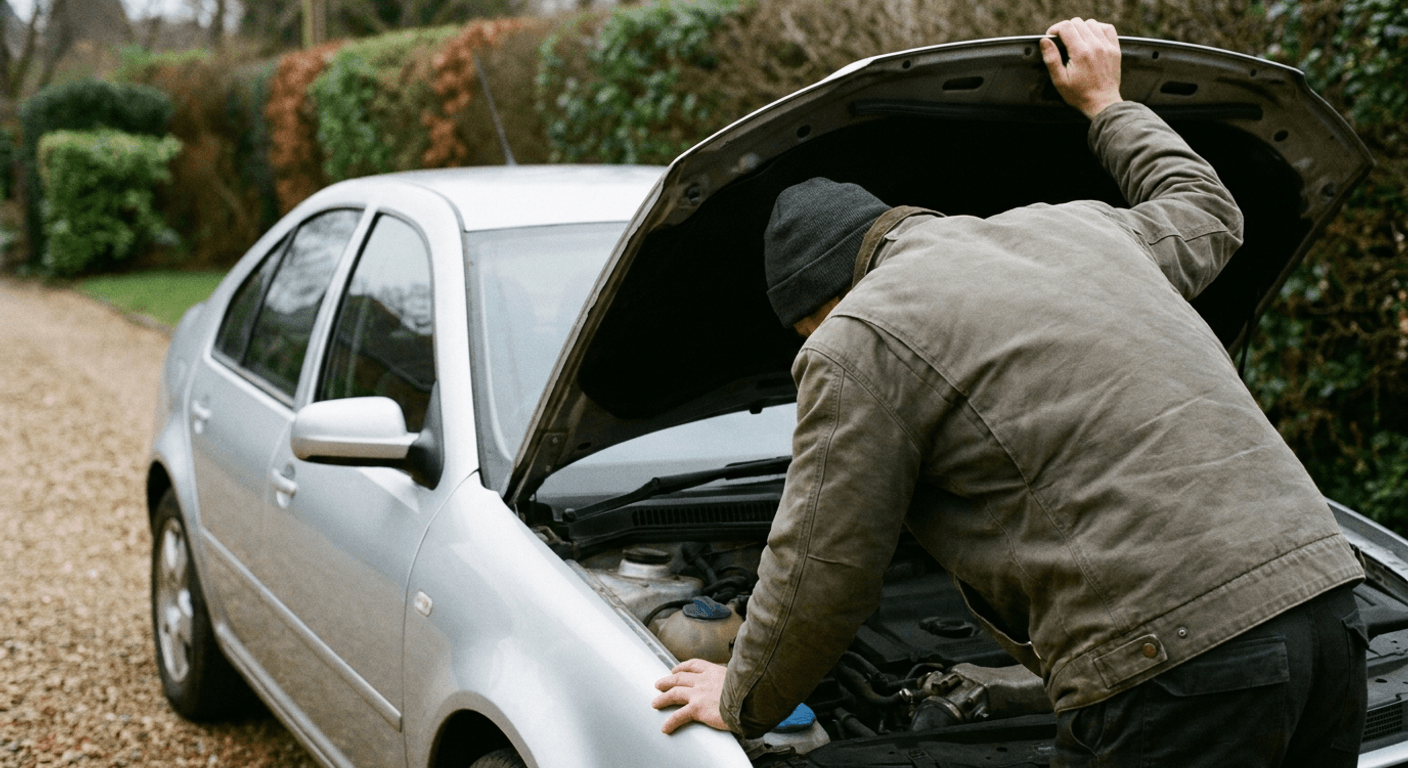
La Ley de Cumplimiento de Garantías de Vehículos Motorizados de Virginia (VA Code § 59.1-207.13) exige que los fabricantes reemplacen o reembolsen totalmente un vehículo nuevo si el mismo defecto persiste después de tres intentos de reparación, un intento por un defecto de seguridad grave, o 30 o más días acumulados fuera de servicio, todo dentro de los 18 meses posteriores a la entrega. El consumidor elige entre el reembolso y el reemplazo.
La Ley de Cumplimiento de Garantías de Vehículos Motorizados de Virginia, codificada en el VA Code § 59.1-207.9 al § 59.1-207.16:1, protege a los consumidores que compran o arriendan vehículos nuevos que resultan tener defectos graves. Si un fabricante no puede reparar un problema significativo después de un número razonable de intentos de reparación, la ley de Virginia exige que el fabricante reemplace el vehículo o emita un reembolso total.
Esta guía cubre todos los aspectos de la ley limón de Virginia, incluidos qué vehículos califican, cómo funciona la presunción, qué recursos están disponibles y cómo presentar un reclamo.
Qué Vehículos Cubre la Ley Limón de Virginia
La ley limón de Virginia se aplica a categorías específicas de vehículos motorizados comprados o arrendados principalmente para fines personales, familiares o del hogar. La ley define los vehículos cubiertos conforme al VA Code § 59.1-207.11.
Tipos de Vehículos Cubiertos
| Tipo de Vehículo | Detalles |
|---|---|
| Automóviles de pasajeros | Diseñados para llevar no más de 10 personas incluido el conductor |
| Camionetas pickup o panel | Con un peso bruto registrado de 7,500 libras o menos |
| Motocicletas | Según se definen en el VA Code § 46.2-100 |
| Autociclos | Según se definen en el VA Code § 46.2-100 (agregado por la enmienda de 2022) |
| Chasis de casas rodantes | El chasis motorizado autopropulsado de las casas rodantes (no la parte habitacional) |
| Ciclomotores | Según se definen en el VA Code § 46.2-100 |
| Vehículos de demostración | Vehículos de demostración del concesionario con garantía restante del fabricante |
| Vehículos arrendados | Vehículos con los que se emitió una garantía del fabricante |
| Vehículos eléctricos | Los vehículos eléctricos que cumplen cualquiera de las categorías anteriores están totalmente cubiertos |
Vehículos No Cubiertos
- Las porciones habitacionales de las casas rodantes (solo el chasis está cubierto)
- Vehículos comerciales usados principalmente para fines de negocio
- Camiones con un peso bruto registrado superior a 7,500 libras
- Vehículos comprados para reventa
- Vehículos sin garantía del fabricante
Quién Califica Como Consumidor
Conforme a la ley de Virginia, un "consumidor" incluye:
- El comprador original de un vehículo motorizado (no comprado para reventa) usado en gran parte para fines personales, familiares o del hogar
- El arrendatario de dicho vehículo
- Cualquier persona a quien se le transfiera el vehículo durante el periodo de garantía para los mismos fines personales
- Cualquier otra persona con derecho, conforme a los términos de la garantía, a hacer cumplir las obligaciones de garantía
La Presunción de la Ley Limón en Virginia
El núcleo de la ley limón de Virginia es la "presunción" establecida conforme al VA Code § 59.1-207.13. Cuando se cumplen ciertas condiciones durante el periodo de derechos de la ley limón de 18 meses, la ley presume que el fabricante ha tenido un número razonable de intentos de reparación y que el vehículo está significativamente perjudicado.
Condiciones Que Activan la Presunción
| Condición | Umbral | Detalles |
|---|---|---|
| Reparaciones repetidas para el mismo defecto | 3 o más intentos | La misma no conformidad debe continuar existiendo después de las reparaciones |
| Defecto de seguridad grave | 1 o más intentos | Un mal funcionamiento que amenaza la vida y que continúa después de la reparación |
| Total de días fuera de servicio | 30 o más días calendario | Total acumulado durante el periodo de derechos de la ley limón |
Todas las condiciones deben ocurrir dentro del periodo de derechos de la ley limón, que es de 18 meses desde la fecha de entrega original al consumidor.
Qué Cuenta Como una No Conformidad
Una "no conformidad" bajo la ley de Virginia es un incumplimiento de una garantía, un defecto o una condición que perjudica significativamente el uso, el valor de mercado o la seguridad del vehículo motorizado. Esto incluye los defectos que no afectan la capacidad de conducción.
Definición de Defecto de Seguridad Grave
Un "defecto de seguridad grave" es un mal funcionamiento o no conformidad que amenaza la vida y que:
- Impide la capacidad del consumidor para controlar u operar el vehículo para el uso ordinario o los propósitos previstos razonables, O
- Crea un riesgo de incendio o explosión
Solo se requiere un intento de reparación para que un defecto de seguridad grave active la presunción, lo que refleja el mayor peligro que representan estos defectos.
Qué Significa "Perjuicio Significativo"
"Perjuicio significativo" significa que la no conformidad hace que el vehículo motorizado sea:
- No apto para el uso ordinario o los propósitos previstos razonables
- No confiable para el uso ordinario o los propósitos previstos razonables
- Inseguro para el uso ordinario o los propósitos previstos razonables
Extensión del Periodo de 18 Meses
El periodo de derechos de la ley limón se extiende más allá de 18 meses si el fabricante ha sido notificado de la no conformidad pero no la ha reparado eficazmente para la fecha de vencimiento. Esto evita que los fabricantes agoten el plazo de un reclamo.
Recursos del Consumidor: Reembolso vs. Reemplazo
Cuando un vehículo califica como limón bajo la ley de Virginia, el consumidor tiene el derecho incondicional de elegir entre dos recursos. Virginia es uno de los estados que otorga esta elección completamente al consumidor, no al fabricante.
Opción 1: Vehículo de Reemplazo
El fabricante debe reemplazar el vehículo defectuoso con un vehículo motorizado comparable que sea:
- Idéntico o razonablemente equivalente al vehículo original
- Aceptable para el consumidor
- En la misma condición que el original al momento de la compra o arrendamiento
El fabricante puede aplicar una asignación razonable por el uso que el consumidor le dio al vehículo original.
Opción 2: Reembolso Total
El fabricante debe aceptar la devolución del vehículo y reembolsar el precio total del contrato, incluidos:
- Precio de compra total del vehículo
- Impuesto sobre ventas pagado en la transacción
- Tarifas de licencia y registro
- Tarifas de título
- Cargos financieros e intereses
- Cargos de transporte y entrega
- Cargos de preparación del concesionario
- Costos de contrato de servicio
- Aplicación de material antioxidante y bajos
- Opciones y accesorios instalados
- Daños incidentales según se definen en el VA Code § 8.2-715
Daños Adicionales Recuperables
Más allá del reembolso o reemplazo, los consumidores también pueden recuperar:
- Gastos de millaje incurridos al viajar hacia y desde los intentos de reparación
- Pérdida razonable de uso durante los periodos de reparación
Asignación Razonable por Uso (Descuento por Millaje)
El fabricante puede deducir una "asignación razonable por el uso que el consumidor le dio al vehículo hasta la fecha del primer aviso de no conformidad". La ley de Virginia limita esta deducción por estatuto: conforme al VA Code § 59.1-207.11, la asignación razonable por uso "no debe exceder la mitad del monto permitido por milla por el Servicio de Impuestos Internos" para uso comercial. Puntos clave:
- El descuento está limitado a la mitad de la tarifa estándar de millaje comercial del IRS (72.5 centavos por milla para 2026, por lo que el descuento máximo es de aproximadamente $0.3625 por milla; verifique la tarifa actual del IRS cada año)
- El descuento se calcula únicamente sobre las millas recorridas hasta la fecha en que usted notificó por primera vez al fabricante del defecto, no la lectura total del odómetro al momento de la devolución
- El fabricante también puede deducir por daños que superen el desgaste normal, a menos que el daño resultara de la no conformidad misma
- Documentar su millaje exacto al momento del primer aviso es importante porque el límite se aplica únicamente a esas millas
Derecho a Continuar Conduciendo
El consumidor puede continuar conduciendo el vehículo motorizado hasta recibir ya sea el vehículo de reemplazo o el reembolso. Esto evita dificultades durante el proceso de reclamo.
Cobertura para Vehículos Arrendados
La ley limón de Virginia proporciona protecciones específicas para los arrendatarios conforme al VA Code § 59.1-207.13(A1).
Disposiciones Específicas para Arrendamientos
Cuando un vehículo arrendado califica como limón:
- El contrato de arrendamiento por escrito del arrendatario se termina sin penalización
- El vehículo se devuelve al fabricante
- El arrendador transfiere el título al fabricante según sea necesario
Cargos Colaterales para Arrendamientos
Para los vehículos arrendados, los cargos colaterales reembolsables incluyen todos los cargos estándar más:
- Las reducciones del costo capitalizado hechas por el arrendatario
- Los créditos y descuentos por vehículos de intercambio
- Las tarifas pagadas a otra parte para obtener el arrendamiento
- El seguro u otros costos que el arrendador incurrió en beneficio del arrendatario
Vehículos Eléctricos y la Ley Limón de Virginia
Los vehículos eléctricos, los híbridos enchufables y otros vehículos de combustible alternativo están totalmente cubiertos bajo la ley limón de Virginia, siempre que caigan dentro de las categorías de vehículos cubiertos mencionadas anteriormente. La ley no distingue entre trenes motrices.
Los defectos comunes específicos de los vehículos eléctricos que pueden calificar como no conformidades incluyen:
- Degradación de la batería significativamente por debajo del rango declarado por el fabricante
- Fallas repetidas del sistema de carga
- Fallas del software que afectan el funcionamiento o la seguridad del vehículo
- Defectos del motor eléctrico o del inversor de potencia
- Fallas del sistema de gestión térmica
Los propietarios de vehículos eléctricos deben tener en cuenta que la garantía de batería del vehículo eléctrico (típicamente 8 años o 100,000 millas bajo el mandato federal) es independiente del periodo de derechos de la ley limón de 18 meses. Sin embargo, si un defecto de batería que califica ocurre dentro del periodo de derechos de la ley limón de 18 meses, la ley limón se aplica.
Respaldo Federal: Ley Magnuson-Moss de Garantías
La ley limón de Virginia funciona junto con la ley federal Magnuson-Moss de Garantías (15 U.S.C. 2301 y siguientes), que rige las garantías escritas de los productos de consumo, incluidos los vehículos motorizados. Si un fabricante incumple una garantía escrita y no puede subsanar el incumplimiento dentro de un número razonable de intentos, la ley permite a los consumidores demandar por daños y honorarios de abogado en un tribunal federal. La Magnuson-Moss proporciona un respaldo para los consumidores de Virginia cuando los recursos de la ley estatal no están disponibles, incluso para los vehículos usados que todavía tienen una garantía vigente del fabricante. Debido a que ambas leyes pueden aplicarse simultáneamente, un consumidor con un reclamo sólido de ley limón puede buscar recursos bajo cualquiera de los dos estatutos o ambos.
Cómo Presentar un Reclamo de Ley Limón en Virginia
Presentar un reclamo exitoso de ley limón en Virginia requiere documentación adecuada y seguir procedimientos específicos.
Paso 1: Documente Todo
Conserve registros detallados desde el primer día:
- Todas las órdenes de reparación y facturas de servicio
- Las fechas en que el vehículo fue dejado en el taller
- Los síntomas y problemas específicos experimentados
- La correspondencia con el concesionario y el fabricante
- El millaje en cada intento de reparación y en el primer aviso del defecto
- Fotos o videos del defecto
Paso 2: Reporte la No Conformidad Durante el Periodo de Garantía
Reporte la no conformidad al fabricante, sus agentes o un concesionario autorizado durante el periodo de garantía del fabricante. Las reparaciones pueden completarse después de que vence la garantía siempre que el defecto se haya reportado mientras la garantía todavía estaba vigente.
Paso 3: Notifique al Fabricante por Escrito
Antes de buscar un reembolso o reemplazo, envíe una notificación por escrito al fabricante. El fabricante está obligado a divulgar en la garantía o el manual del propietario:
- Que se requiere una notificación por escrito de la no conformidad
- El nombre y la dirección a donde el consumidor debe enviar la notificación por escrito
Envíe esta notificación por correo certificado con acuse de recibo para crear un rastro documental claro.
Paso 4: Permita una Oportunidad de Reparación Adicional
Si las condiciones de la presunción ya existen cuando usted notifica por primera vez al fabricante, el fabricante recibe 15 días calendario adicionales para corregir o reparar la no conformidad.
Paso 5: Contacte a la Oficina del Fiscal General de Virginia
La Sección de Protección al Consumidor del Fiscal General de Virginia maneja las quejas de ley limón. Contáctelos antes de presentar un reclamo formal:
- Teléfono (dentro de Virginia): 1-800-552-9963
- Teléfono (fuera de Virginia): (804) 786-2042
- Horario: 8:30 a.m. a 5:00 p.m., de lunes a viernes
- Dirección: Consumer Protection Section, Office of the Attorney General, 900 East Main Street, Richmond, VA 23219
- En línea: oag.state.va.us protección al consumidor
Paso 6: Considere la Resolución Informal de Disputas
Conforme al VA Code § 59.1-207.15, si el fabricante ofrece un procedimiento informal de resolución de disputas como BBB Auto Line, es decisión del consumidor si lo usa o no antes de ejercer sus derechos bajo la ley limón. Virginia no exige que los consumidores agoten el arbitraje del fabricante antes de buscar otros recursos, y el fabricante no puede condicionar su obligación de reembolso o reemplazo a que el consumidor use ese procedimiento primero.
Paso 7: Presente una Demanda Civil si Es Necesario
Si el asunto no se resuelve a través de otros canales, usted puede presentar una acción civil en el tribunal correspondiente de Virginia. Los consumidores que prevalezcan pueden recuperar:
- Honorarios razonables de abogado
- Tarifas de testigos expertos
- Costas judiciales
Defensas del Fabricante
Los fabricantes pueden presentar defensas afirmativas para evitar la responsabilidad bajo la ley limón de Virginia.
Defensas Comunes del Fabricante
| Defensa | Lo Que Alega el Fabricante | Cómo Contrarrestarla |
|---|---|---|
| Ausencia de perjuicio significativo | El defecto no perjudica significativamente el uso, el valor de mercado o la seguridad | Documente específicamente cómo el defecto hace que el vehículo sea inadecuado, poco confiable o inseguro |
| Abuso o negligencia del consumidor | La no conformidad resultó del mal uso del consumidor | Proporcione registros de mantenimiento completos que demuestren el cuidado adecuado |
| Modificaciones no autorizadas | El consumidor modificó o alteró el vehículo | Demuestre que el defecto existía antes de la modificación o que no está relacionado con ella |
| Fuerza mayor | Las reparaciones no pudieron realizarse debido a guerra, invasión, huelga, incendio, inundación o desastre natural | Documente que dichas condiciones no impidieron realmente las reparaciones |
Penalización por Incumplimiento del Fabricante
Conforme al VA Code § 59.1-207.15(B)-(C), si un fabricante no cumple con una decisión de resolución de disputas dentro de 40 días calendario, el tribunal puede triplicar el valor del monetario otorgado en cualquier acción civil posterior. Esta disposición de daños triples crea un fuerte incentivo para que los fabricantes cumplan con prontitud los resultados de la resolución de disputas.
Requisitos de Divulgación de Ley Limón para Vehículos Revendidos
Conforme al VA Code § 59.1-207.16:1, un vehículo devuelto al fabricante bajo la ley limón conlleva obligaciones de divulgación a lo largo de la cadena de reventa, pero esas obligaciones terminan con el primer comprador minorista en lugar de seguir al vehículo de manera permanente.
El inciso A exige que un fabricante o distribuidor que transfiera un vehículo devuelto a un concesionario de Virginia divulgue ese hecho al concesionario. El inciso B exige que el fabricante, antes de que el vehículo sea revendido o rearrendado, divulgue por escrito de manera clara y visible, en una hoja de papel separada en letra mayúscula de diez puntos, al concesionario de Virginia:
- Que el vehículo fue devuelto al fabricante, distribuidor o sucursal de fábrica
- La naturaleza del defecto que ocasionó la devolución
- La condición del vehículo al momento de la transferencia al concesionario de Virginia
El concesionario que recibe esta divulgación debe notificar su contenido a cualquier comprador o arrendatario potencial antes de la venta o el arrendamiento, y debe transferir la divulgación misma al siguiente comprador o arrendatario. El estatuto termina expresamente la obligación: la responsabilidad de un concesionario bajo esta sección cesa al momento de la venta o el arrendamiento del vehículo al primer comprador o arrendatario que no sea para reventa o arrendamiento posterior. Si usted está comprando ese vehículo de segunda mano a un vendedor particular posterior, esta sección no le debe nada, así que verifique el historial del título y los registros de servicio usted mismo.
El inciso C convierte una infracción en un delito menor de Clase 3, y esa penalización alcanza únicamente a un fabricante o distribuidor.
Protecciones para Vehículos Usados
La ley limón de Virginia cubre principalmente los vehículos motorizados nuevos. Sin embargo, existen algunas protecciones para las situaciones de vehículos usados.
Vehículos Transferidos
- Si un vehículo cubierto se transfiere durante el periodo original de garantía del fabricante, el nuevo propietario puede hacer cumplir las obligaciones de garantía
- El cesionario debe usar el vehículo para fines personales, familiares o del hogar para calificar
Protecciones Alternativas para los Compradores de Vehículos Usados
Los compradores de vehículos usados que no califican bajo la ley limón pueden tener otras opciones legales:
- Ley federal Magnuson-Moss de Garantías: Cubre los vehículos con garantías vigentes del fabricante, sin importar si se compraron nuevos o usados
- Ley de Protección al Consumidor de Virginia (VA Code § 59.1-196 y siguientes): Prohíbe las prácticas comerciales fraudulentas y engañosas en la venta de vehículos
- Reclamos de derecho consuetudinario: Acciones por incumplimiento de garantía, fraude o tergiversación
Plazo de Prescripción
Se aplican límites de tiempo estrictos a los reclamos de ley limón en Virginia conforme al VA Code § 59.1-207.16.
| Situación | Plazo |
|---|---|
| Reportar defectos al fabricante | Dentro del periodo de derechos de la ley limón de 18 meses |
| Presentar una demanda después de usar la resolución informal de disputas | 12 meses desde la acción final del fabricante |
| Plazo general de prescripción para acción civil | Dentro del periodo de derechos de la ley limón de 18 meses |
Si usted usó el procedimiento informal de resolución de disputas del fabricante dentro del periodo de derechos de la ley limón, su plazo para presentar una demanda es el más largo entre: 12 meses desde la acción final del fabricante, o el periodo original de derechos de la ley limón.
Más Leyes de Virginia
- Leyes de Grabación con IA en Reuniones de Virginia
- Leyes de Pensión Alimenticia de Virginia
- Leyes de Empleo a Voluntad de Virginia
- Leyes de Accidentes de Auto de Virginia
- Leyes de Asientos de Auto para Niños de Virginia
- Leyes de Custodia de Menores de Virginia
- Leyes de Manutención Infantil de Virginia
- Leyes de Matrimonio de Hecho de Virginia
- Leyes de Privacidad de Datos de Virginia
- Leyes de Deepfakes de Virginia
- Leyes de Divorcio de Virginia
- Leyes de Mordeduras de Perro de Virginia
- Leyes de Emancipación de Virginia
- Leyes de Eliminación de Antecedentes Penales de Virginia
- Leyes de Atropello y Fuga de Virginia
- Leyes de Propietarios e Inquilinos de Virginia
Preguntas frecuentes
¿Cuántos intentos de reparación exige Virginia antes de que un vehículo califique como limón?
La ley de Virginia presume que un vehículo es un limón si el mismo defecto ha sido objeto de tres o más intentos de reparación y continúa existiendo, o si un defecto de seguridad grave persiste después de un solo intento de reparación, o si el vehículo ha estado fuera de servicio durante 30 o más días calendario acumulados. Todas estas condiciones deben ocurrir dentro de los 18 meses posteriores a la fecha de entrega original.
¿Qué es un defecto de seguridad grave bajo la ley limón de Virginia?
Un defecto de seguridad grave es un mal funcionamiento o no conformidad que amenaza la vida y que impide la capacidad del consumidor para controlar u operar el vehículo para el uso ordinario, o que crea un riesgo de incendio o explosión. Solo se necesita un intento de reparación para que este tipo de defecto active la presunción de ley limón.
¿Puedo elegir entre un reembolso y un vehículo de reemplazo en Virginia? Qué hago si mi carro nuevo tiene fallas
Sí. Virginia le da a los consumidores el derecho incondicional de elegir un reembolso en lugar de un vehículo de reemplazo. Esto es más fuerte que en muchos otros estados donde el fabricante decide el recurso. El reembolso incluye el precio de compra total más todos los cargos colaterales y daños incidentales, menos una asignación razonable por uso (limitada por estatuto a la mitad de la tarifa de millaje comercial del IRS) calculada sobre las millas recorridas hasta la fecha del primer aviso del defecto.
¿La ley limón de Virginia cubre los vehículos eléctricos?
Sí. Los vehículos eléctricos, los híbridos enchufables y otros vehículos de combustible alternativo están totalmente cubiertos bajo la ley limón de Virginia siempre que caigan dentro de una de las categorías de vehículos cubiertos (automóviles de pasajeros, camiones de menos de 7,500 libras, motocicletas, autociclos, etc.) y se usen principalmente para fines personales. Los defectos comunes de vehículos eléctricos como la degradación de la batería, las fallas de carga y los problemas de software pueden calificar como no conformidades.
¿Tengo que usar el programa de arbitraje del fabricante antes de presentar una demanda?
La ley de Virginia le da a los consumidores la opción de usar o no un procedimiento informal de resolución de disputas del fabricante como BBB Auto Line; el fabricante no puede exigirlo antes de estar obligado a un reembolso o reemplazo. Si el programa del fabricante no resuelve la disputa, los consumidores tienen 12 meses desde la acción final para presentar una demanda civil.
Actualizaciones
Se corrigió la cita inicial a VA Code § 59.1-207.13 (la disposición que realmente crea la obligación de reemplazo o reembolso) y se reescribió la sección sobre divulgación en vehículos revendidos para reflejar que esa obligación termina en el primer comprador minorista y no es permanente.
Se corrigió la tabla de plazos, que indicaba el plazo general para una acción civil como 18 meses desde el vencimiento del periodo de derechos de la ley limón (efectivamente 36 meses); el VA Code 59.1-207.16 exige presentar la demanda dentro del propio periodo de derechos de 18 meses. También se corrigió la sección de resolución informal de disputas y la respuesta correspondiente en la FAQ, que decían incorrectamente que los fabricantes pueden exigir el arbitraje primero; la Sec. 59.1-207.15(A) deja esa decisión al consumidor.
La ley detrás de este artículo
Este artículo se apoya en las disposiciones legales a continuación, conservadas en nuestro propio registro jurídico y obtenidas de la fuente oficial. Toque una sección para leer el texto vigente.
Code of Virginia, Title 59.1: Trade and Commerce
§ 59.1-207.13Nonconformity of motor vehiclesVigente
A. If the manufacturer, its agents or authorized dealers do not conform the motor vehicle to any applicable warranty by repairing or correcting any defect or condition, including those that do not affect the driveability of the vehicle, which significantly impairs the use, market value, or safety of the motor vehicle to the consumer after a reasonable number of attempts during the lemon law rights period, the manufacturer shall: 1. Replace the motor vehicle with a comparable motor vehicle acceptable to the consumer, or 2. Accept return of the motor vehicle and refund to the consumer, lessor, and any lienholder as their interest may appear the full contract price, including all collateral charges, incidental damages, less a reasonable allowance for the consumer's use of the vehicle up to the date of the first notice of nonconformity that is given to the manufacturer, its agents or authorized dealer. Refunds or replacements shall be made to the consumer, lessor or lienholder, if any, as their interests may appear.
Texto oficial (extracto) · verificado el 2026-09-16 · Lea el texto completo en nuestra biblioteca legal · Verifique en law.lis.virginia.gov
Citada en 14 resoluciones judiciales de nuestra colecciónResolución más reciente que la cita en nuestra colección: 2026
Resoluciones que citan esta sección en nuestra colección:
- Adbul-Mumit v. Alexandria Hyundai, LLC (Court of Appeals for the Fourth Circuit 2018, 896 F.3d 278)“…hicle to any applicable warranty" may bring a civil action. Va. Code §§ 59.1-207.13 -14. The district court did not c…”
- Fred F. Wolf v. Ford Motor Company (Court of Appeals for the Fourth Circuit 1987, 829 F.2d 1277)“…including attorneys’ fees — under the Virginia “Lemon Law.” Va.Code § 59.1-207.13. In Count II, Wolf sought to recover co…”
- Burke v. Thor Motor Coach, Inc. (District Court, E.D. Virginia 2015, 113 F. Supp. 3d 863)“…le number of attempts during the lemon law rights period.’' Va.Code § 59.1-207.13. . The plaintiffs do not contend…”
Identificado automáticamente a partir de las opiniones judiciales que citan esta sección; no es un ranking de qué caso prevalece.
§ 59.1-207.11DefinitionsVigente
As used in this chapter, the following terms shall have the following meanings: "Collateral charges" means any sales-related or lease-related charges including but not limited to sales tax, license fees, registration fees, title fees, finance charges and interest, transportation charges, dealer preparation charges or any other charges for service contracts, undercoating, rust proofing or installed options, not recoverable from a third party. If a refund involves a lease, "collateral charges" means, in addition to any of the above, capitalized cost reductions, credits and allowances for any trade-in vehicles, fees to another to obtain the lease, and insurance or other costs expended by the lessor for the benefit of the lessee. "Comparable motor vehicle" means a motor vehicle that is identical or reasonably equivalent to the motor vehicle to be replaced, as the motor vehicle to be replaced existed at the time of purchase or lease with an offset from this value for a reasonable allowance for its use.
Texto oficial (extracto) · verificado el 2026-07-29 · Lea el texto completo en nuestra biblioteca legal · Verifique en law.lis.virginia.gov
Citada en 10 resoluciones judiciales de nuestra colecciónResolución más reciente que la cita en nuestra colección: 2025
Resoluciones que citan esta sección en nuestra colección:
- Hoffman v. Daimler Trucks North America, LLC (District Court, W.D. Virginia 2013, 940 F. Supp. 2d 347)“…ia’s Motor Vehicle Warranty Enforcement Act (“Lemon Law”). Va. Code Ann. § 59.1-207.11 et seq. This matter is before the…”
- Parks v. Newmar Corp. (District Court, W.D. Virginia 2005, 384 F. Supp. 2d 966)“…ufacturer of motor vehicles under the Act. See Va.Code Ann. § 59.1-207.11 (2001). The parties have completed more…”
- Burke v. Thor Motor Coach, Inc. (District Court, E.D. Virginia 2015, 113 F. Supp. 3d 863)“…tors or leased vehicles with which a warranty was issued. Va.Code § 59.1-207.11. The definitions section from Virginia’…”
Identificado automáticamente a partir de las opiniones judiciales que citan esta sección; no es un ranking de qué caso prevalece.
§ 59.1-207.15Informal dispute settlement procedureVigente
A. If a manufacturer provides an informal dispute settlement procedure, it shall be the consumer's choice whether or not to use it prior to availing himself of his rights under this chapter. B. If a dispute settlement procedure is resorted to by the consumer and the decision is for a refund or a comparable motor vehicle, the manufacturer shall have forty days from its receipt of the consumer's acceptance of the decision or from the date of a court order to comply with the terms of the decision. C. In any action brought because of the manufacturer's failure to comply with the decision, within the scope of the procedure's authority, rendered as a result of a dispute resolution proceeding or a court order, the court may triple the value of the award stipulated in the decision as provided for in this chapter, plus award other equitable relief the court deems appropriate, including additional attorney's fees.
Texto oficial (extracto) · verificado el 2026-07-29 · Lea el texto completo en nuestra biblioteca legal · Verifique en law.lis.virginia.gov
Citada en 1 resoluciones judiciales de nuestra colecciónResolución más reciente que la cita en nuestra colección: 2025
Resoluciones que citan esta sección en nuestra colección:
- Petrovitch v. Nissan North America, Inc. (District Court, E.D. Virginia 2025)“…e whose processes are established by a manufacturer. See Va. Code § 59.1-207.15(A) (“Ifa manufacturer provides an…”
Identificado automáticamente a partir de las opiniones judiciales que citan esta sección; no es un ranking de qué caso prevalece.
§ 59.1-207.16Action to be brought within certain timeVigente
Any action brought under this chapter shall be commenced within the lemon law rights period. However, any consumer whose good faith attempts to settle the dispute pursuant to the informal dispute settlement provisions of § 59.1-207.15 have not resulted in the satisfactory resolution of the matter shall have (i) 12 months from the date of the final action taken by the manufacturer in its dispute settlement procedure, if such procedure was resorted to within the lemon law rights period, or (ii) the original lemon law rights period, whichever is longer, to file an action in the proper court.
Texto oficial (extracto) · verificado el 2026-07-29 · Lea el texto completo en nuestra biblioteca legal · Verifique en law.lis.virginia.gov
Citada en 2 resoluciones judiciales de nuestra colecciónResolución más reciente que la cita en nuestra colección: 2025
Resoluciones que citan esta sección en nuestra colección:
- Reitz v. CVY of Alexandria, LLC (District Court, E.D. Virginia 2025)“…e original lemon law rights period, whichever is longer. Va. Code § 59.1-207.16. Thus, the cases interpreting the stat…”
- Meyers v. Mercedes-Benz USA, LLC (District Court, E.D. Virginia 2024)“…a Lemon Law action “within the lemon law rights period.” Va. Code § 59.1-207.16. The statute defines the “lemon law ri…”
Identificado automáticamente a partir de las opiniones judiciales que citan esta sección; no es un ranking de qué caso prevalece.
§ 59.1-207.16:1Disclosure of returned vehicles; penaltyVigente
A. If a motor vehicle that is returned to the manufacturer or distributor either under this chapter or by judgment, decree, or arbitration award in this or any other state and is then transferred by a manufacturer or distributor to a dealer, licensed under Chapter 15 (§ 46.2-1500 et seq.) of Title 46.2, in Virginia, the manufacturer or distributor shall disclose this information to the Virginia dealer. B. If the returned vehicle is then made available for resale or for another lease, the manufacturer shall, prior to sale or lease, disclose in writing in a clear and conspicuous manner, on a separate piece of paper in ten-point capital type, to the Virginia dealer that this motor vehicle was returned to the manufacturer, distributor or factory branch, the nature of the defect which resulted in the return, and the condition of the motor vehicle at the time of transfer to the Virginia dealer. It shall be the responsibility of the dealer that receives this disclosure to give notice of its contents to any prospective purchaser or lessee prior to sale or lease, and to transfer the disclosure, or a copy thereof, to the next purchaser or lessee.
Texto oficial (extracto) · verificado el 2026-07-29 · Lea el texto completo en nuestra biblioteca legal · Verifique en law.lis.virginia.gov
§ 59.1-207.14Action to enforce provisions of chapterVigente
Any consumer who suffers loss by reason of a violation of any provision of this chapter may bring a civil action to enforce such provision. Any consumer who is successful in such an action or any defendant in any frivolous action brought by a consumer shall recover reasonable attorney's fees, expert witness fees and court costs incurred by bringing such actions.
Texto oficial (extracto) · verificado el 2026-07-29 · Lea el texto completo en nuestra biblioteca legal · Verifique en law.lis.virginia.gov
Citada en 4 resoluciones judiciales de nuestra colecciónResolución más reciente que la cita en nuestra colección: 2025
Resoluciones que citan esta sección en nuestra colección:
- Burke v. Thor Motor Coach, Inc. (District Court, E.D. Virginia 2015, 113 F. Supp. 3d 863)“…he vehicle does not conform with “any applicable warranty.” Va.Code § 59.1-207.14. 1 According to Thor, the law does not…”
- Berl v. BMW of North America, LLC (District Court, W.D. Virginia 2025)“…[act] may bring a civil action to enforce such provision.” Va. Code § 59.1-207.14. However, “[f]or there to be a civil a…”
- Meyers v. Mercedes-Benz USA, LLC (District Court, E.D. Virginia 2024)“…ion” of its statutory provisions to bring a civil action. Va. Code § 59.1-207.14. The statute defines a “consumer” as:…”
Identificado automáticamente a partir de las opiniones judiciales que citan esta sección; no es un ranking de qué caso prevalece.
§ 59.1-207.9Short titleVigente
This chapter may be cited as the Virginia Motor Vehicle Warranty Enforcement Act.
Texto oficial (extracto) · verificado el 2026-07-29 · Lea el texto completo en nuestra biblioteca legal · Verifique en law.lis.virginia.gov
Citada en 9 resoluciones judiciales de nuestra colecciónResolución más reciente que la cita en nuestra colección: 2025
Resoluciones que citan esta sección en nuestra colección:
- Caitlin Ahearn v. Hyundai Motor America (Court of Appeals for the Ninth Circuit 2018, 881 F.3d 679)“…ns of the Virginia Motor Vehicle Warranty Enforcement Act, Va. Code Ann. §§ 59.1-207.9 to 207.16:1, the Virginia Consumer Pro…”
- Fred F. Wolf v. Ford Motor Company (Court of Appeals for the Fourth Circuit 1987, 829 F.2d 1277)“…Virginia Motor Vehicle Warranty Enforcement Act, Va.Code § 59.1-207.9 et seq. 2…”
- Burke v. Thor Motor Coach, Inc. (District Court, E.D. Virginia 2015, 113 F. Supp. 3d 863)“…law, the Virginia Motor Vehicle Warranty En-foreement Act, Va.Code § 59.1-207.9 et seq. (Count II). Thor filed two…”
Identificado automáticamente a partir de las opiniones judiciales que citan esta sección; no es un ranking de qué caso prevalece.
United States Code Title 15
§ 2301DefinitionsVigentecitada en 41 de nuestros artículos
For the purposes of this chapter: The term “consumer product” means any tangible personal property which is distributed in commerce and which is normally used for personal, family, or household purposes (including any such property intended to be attached to or installed in any real property without regard to whether it is so attached or installed). The term “Commission” means the Federal Trade Commission. The term “consumer” means a buyer (other than for purposes of resale) of any consumer product, any person to whom such product is transferred during the duration of an implied or written warranty (or service contract) applicable to the product, and any other person who is entitled by the terms of such warranty (or service contract) or under applicable State law to enforce against the warrantor (or service contractor) the obligations of the warranty (or service contract). The term “supplier” means any person engaged in the business of making a consumer product directly or indirectly available to consumers. The term “warrantor” means any supplier or other person who gives or offers to give a written warranty or who is or may be obligated under an implied warranty.
Texto oficial (extracto) · verificado el 2026-07-28 · Lea el texto completo en nuestra biblioteca legal · Verifique en uscode.house.gov
Citada en 1,671 resoluciones judiciales de nuestra colecciónResolución más reciente que la cita en nuestra colección: 2026
En los tribunales (resumen editorial, verificado de forma independiente):Walsh v. Ford Motor Company (1986) sostuvo que, salvo cuando la ley Magnuson-Moss fija una regla expresa, se aplica el derecho estatal de garantías escritas e implícitas, según la definición de garantía implícita de la Sección 2301(7). Birdsong v. Apple (2009) desestimó los reclamos bajo esa ley una vez que fallaron los reclamos de garantía estatales.
Resoluciones que citan esta sección en nuestra colección:
- John F. "Jack" Walsh v. Ford Motor Company (Court of Appeals for the D.C. Circuit 1986, 807 F.2d 1000)✓Dueños de vehículos Ford buscaron clases nacionales por transmisiones que pasaban de estacionamiento a reversa; al leer la Sección 2301(7) y (6), el Circuito de D.C. sostuvo que Magnuson-Moss aplica la ley estatal de garantías salvo donde la ley federal fija una regla expresa, y anuló la certificación.
- Birdsong v. Apple, Inc. (Court of Appeals for the Ninth Circuit 2009, 590 F.3d 955)✓Compradores de iPod alegaron que el reproductor generaba riesgo de pérdida auditiva; como la Sección 2301(7) vincula la garantía implícita a la ley estatal, el Noveno Circuito trató el reclamo de Magnuson-Moss como dependiente de los reclamos de garantía de California y confirmó la desestimación cuando estos fracasaron.
- Robert E. Kelly Virginia L. Kelly v. Fleetwood Enterprises, Inc. (Court of Appeals for the Ninth Circuit 2004, 377 F.3d 1034)“…gnizable under the Magnuson-Moss Warranty Act (the “Act”), 15 U.S.C. § 2301 et seq. This consumer dis…”
Identificado automáticamente a partir de las opiniones judiciales que citan esta sección; no es un ranking de qué caso prevalece.
También citada en: Ley Limón de Michigan (2026): Cómo Calificar y Obtener un Reembolso
Fuentes y referencias
- Ley de Cumplimiento de Garantías de Vehículos Motorizados de Virginia (Texto Completo)(law.lis.virginia.gov).gov
- VA Code § 59.1-207.13, No Conformidad de Vehículos Motorizados(law.lis.virginia.gov).gov
- VA Code § 59.1-207.11, Definiciones(law.lis.virginia.gov).gov
- VA Code § 59.1-207.14, Acción para Hacer Cumplir el Capítulo (Acción Civil; Honorarios de Abogado)(law.lis.virginia.gov).gov
- VA Code § 59.1-207.15, Procedimientos Informales de Resolución de Disputas(law.lis.virginia.gov).gov
- VA Code § 59.1-207.16, Plazo de Prescripción(law.lis.virginia.gov).gov
- VA Code § 59.1-207.16:1, Requisitos de Divulgación de la Ley Limón(law.lis.virginia.gov).gov
- DMV de Virginia: Ley Limón(dmv.virginia.gov).gov
- Fiscal General de Virginia: Protección al Consumidor de la Ley Limón(oag.state.va.us).gov
- Ley Federal Magnuson-Moss de Garantías(ftc.gov).gov
- Fiscal General de Virginia: Información al Consumidor sobre la Ley Limón(oag.state.va.us).gov
- Ley Magnuson-Moss de Garantías, 15 U.S.C. 2301(uscode.house.gov).gov