
Arizona
Leyes de Arizona sobre Mordeduras de Perro: Responsabilidad y Derechos de las Víctimas
Verificado de forma independiente contra fuentes primarias (última auditoría: 23 de agosto de 2026). · Revisado por el equipo editorial de RecordingLaw. · Ley verificada como vigente al 23 de agosto de 2026. · 12 fuentes primarias citadas en esta página. Cómo verificamos nuestro contenido legal

Arizona impone responsabilidad objetiva por estatuto para las mordeduras de perro bajo el A.R.S. § 11-1025, haciendo responsable al dueño cada vez que su perro muerde a alguien en un lugar público o mientras esa persona se encuentra legalmente en propiedad privada, sin importar el historial previo del perro. Las víctimas tienen un año para presentar un reclamo de responsabilidad objetiva, y la provocación bajo el A.R.S. § 11-1027 es la defensa principal.
Calcule su reclamo: Use nuestra Calculadora Gratuita de Acuerdos por Mordedura de Perro en Arizona para ver un rango aproximado de acuerdo según las facturas médicas, el lugar de la mordedura, la edad de la víctima y la regla de responsabilidad de Arizona.
Cómo Funciona la Responsabilidad por Mordedura de Perro en Arizona
Arizona es un estado de responsabilidad objetiva para las mordeduras de perro. Bajo el A.R.S. § 11-1025, un dueño de perro es responsable de los daños cuando su perro muerde a alguien, siempre que la víctima estuviera en un lugar público o legalmente en propiedad privada. El dueño es responsable sin importar si el perro ha mordido antes o ha mostrado comportamiento agresivo.
Esto significa que Arizona no sigue la regla de la primera mordida que usan otros estados. Las víctimas no necesitan probar que el dueño sabía que su perro era peligroso. Solo necesitan demostrar tres cosas:
- El demandado era dueño del perro.
- El perro mordió a la víctima.
- La víctima se encontraba en un lugar público o legalmente en propiedad privada en ese momento.
Reclamos de Responsabilidad Objetiva vs. Negligencia
Arizona ofrece dos vías separadas para los reclamos por mordedura de perro, cada una con su propio estándar legal y plazo de presentación.
La responsabilidad objetiva bajo el A.R.S. § 11-1025 aplica específicamente a las mordeduras de perro. La víctima no necesita probar que el dueño hizo algo incorrecto. La propiedad del perro y un lugar de mordedura legal son suficientes para establecer responsabilidad. Los reclamos bajo este estatuto deben presentarse dentro de un año de la mordedura según el A.R.S. § 12-541, que rige la responsabilidad creada por estatuto.
La negligencia bajo el derecho consuetudinario puede aplicarse a lesiones relacionadas con perros más allá de las mordeduras, como ser derribado por un perro grande. Estos reclamos requieren probar que el dueño no ejerció un cuidado razonable. El plazo de presentación para los reclamos de negligencia es de dos años bajo el A.R.S. § 12-542.
Responsabilidad por Perro Suelto (A.R.S. § 11-1020)
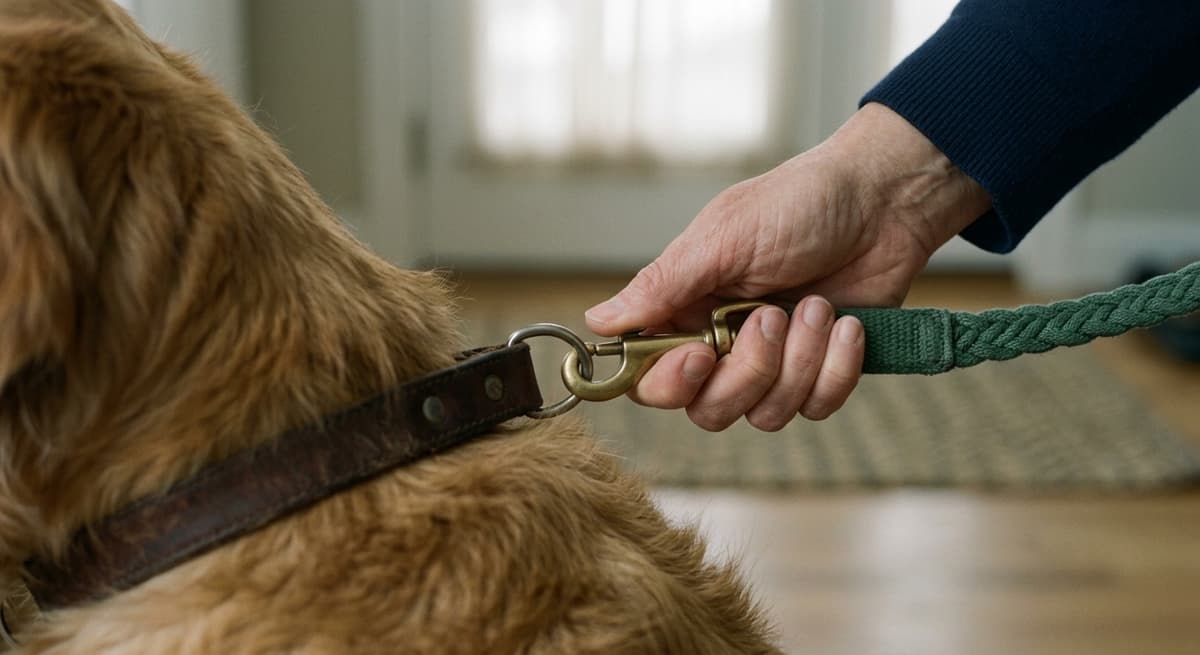
Un estatuto separado, el A.R.S. § 11-1020, hace que los dueños de perros sean totalmente responsables por cualquier lesión a una persona o daño a la propiedad causado por su perro mientras anda "suelto". Bajo el A.R.S. § 11-1001, un perro se considera "suelto" cuando no está confinado por un recinto ni sujeto físicamente por una correa.
Este estatuto cubre todo tipo de lesiones causadas por perros sueltos, no solo mordeduras.
La "Ley de Morder y Huir" de 2025 (SB1241)
Arizona aprobó la SB1241 en 2025, agregando un nuevo requisito al A.R.S. § 11-1025. A partir de septiembre de 2025, cualquier persona que sea dueña o responsable de un perro que muerda a alguien debe proporcionar su nombre e información de contacto a la víctima.
Antes de esta ley, los dueños debían reportar las mordeduras a control animal, pero no tenían la obligación de identificarse ante la persona mordida. La nueva ley cierra ese vacío, permitiendo a las víctimas confirmar rápidamente el estado de vacunación y los detalles del seguro.
No proporcionar información de contacto no conlleva ninguna sanción estatutaria. El A.R.S. § 11-1025(B) crea el deber de proporcionar información de contacto, pero no le atribuye ninguna sanción penal, multa o clasificación de delito menor, ni en el propio estatuto ni en la ley de sesión de 2025 (SB1241) que lo creó. Parte de la cobertura periodística de 2025 sobre la ley describió una sanción de delito menor Clase 2, pero eso requeriría que se aplicara el estatuto general de clasificación de delitos por defecto de Arizona, el A.R.S. § 13-602(B), y esa disposición solo atribuye un delito menor Clase 2 cuando el estatuto correspondiente declara afirmativamente que la conducta es un delito menor. El § 11-1025(B) nunca hace eso; solo crea un deber civil, por lo que la clasificación por defecto tampoco parece aplicarse aquí.
Obligaciones del Dueño de Perro
La ley de Arizona impone varias obligaciones a los dueños de perros para proteger al público.
| Requisito | Detalles |
|---|---|
| Leyes de correa | Muchos municipios de Arizona exigen que los perros usen correa en áreas públicas |
| Confinamiento | Los perros deben estar confinados de forma segura en la propiedad del dueño para evitar la responsabilidad por andar "sueltos" |
| Vacunación contra la rabia | Exigida por la ley estatal de Arizona |
| Licencia | La mayoría de las jurisdicciones exigen que los perros tengan licencia y estén registrados |
| Reporte de mordeduras | Los dueños deben proporcionar información de contacto a las víctimas de mordeduras bajo la SB1241 |
| Controles de perros agresivos | Los dueños de perros agresivos deben cumplir requisitos adicionales bajo el A.R.S. § 11-1014.01 |
Violar estos requisitos puede fortalecer el caso de una víctima y puede resultar en sanciones adicionales.
Designaciones de Perros Agresivos y Feroces
La ley de Arizona crea dos categorías de perros peligrosos, cada una con requisitos y consecuencias específicas.
Perros Agresivos (A.R.S. § 11-1014.01)
Bajo el A.R.S. § 11-1014.01, un perro se considera "agresivo" si ha mordido a una persona o animal doméstico sin provocación, o tiene un historial conocido de atacar sin provocación.
Los dueños de perros agresivos deben tomar un "cuidado razonable" para:
- Evitar que el perro escape de una residencia, área cercada, patio o estructura
- Controlar al perro para evitar que muerda o ataque a cualquier persona o animal doméstico mientras está fuera de la propiedad del dueño
Sanciones por infracciones:
| Infracción | Clasificación |
|---|---|
| No evitar el escape | Delito menor Clase 3 |
| No controlar al perro fuera de la propiedad | Delito menor Clase 1 |
Animales Feroces (A.R.S. § 11-1014)
Bajo el A.R.S. § 11-1001(16), un "animal feroz" es cualquier animal del orden carnívora que tenga una propensión a atacar o poner en peligro la seguridad humana sin provocación, o que haya sido declarado feroz después de una audiencia ante un juez de paz o magistrado municipal.
Bajo el A.R.S. § 11-1014, un juez de paz o magistrado municipal puede ordenar que un animal feroz sea sacrificado después de notificar al dueño y a la persona mordida y de celebrar una audiencia. El dueño de un animal feroz es responsable de todos los honorarios relacionados con la incautación, el refugio y la disposición del animal.
Derechos de las Víctimas y Compensación
Las víctimas de mordeduras de perro en Arizona pueden recuperar tanto daños económicos como no económicos bajo el marco de responsabilidad objetiva.

Daños Económicos
- Gastos médicos, incluyendo atención de emergencia, cirugía y rehabilitación
- Salarios perdidos y pérdida de capacidad de ingresos
- Daños a la propiedad (ropa rota, artículos rotos)
- Costos médicos futuros para tratamiento continuo
Daños No Económicos
- Dolor y sufrimiento
- Angustia emocional y trauma psicológico
- Cicatrices y desfiguración
- Pérdida del disfrute de la vida
Arizona sigue un sistema de culpa comparativa pura bajo el A.R.S. § 12-2505. Si un tribunal determina que la víctima tuvo parte de la culpa (por ejemplo, un 20% de responsabilidad), la indemnización se reduce en ese porcentaje. Sin embargo, la víctima puede recuperar daños incluso si se determina que tuvo la mayor parte de la culpa.
Defensas Legales para los Dueños de Perros
Incluso bajo la responsabilidad objetiva, la ley de Arizona ofrece defensas para los dueños de perros.
Provocación (A.R.S. § 11-1027)
El A.R.S. § 11-1027 establece la provocación como una defensa a la responsabilidad por mordedura de perro. El estándar es si una persona razonable esperaría que la conducta o las circunstancias probablemente provocaran a un perro.
Ejemplos de provocación incluyen:
- Golpear, pinchar o atormentar al perro
- Chocar contra el perro con una bicicleta o vehículo
- Molestar al perro con comida u objetos
La provocación debe ser lo suficientemente significativa como para que un perro normalmente calmado reaccione.
Intrusión (Trespassing)
Los dueños de perros generalmente enfrentan una responsabilidad reducida o nula cuando su perro muerde a alguien que estaba intruso. El estatuto de responsabilidad objetiva exige que la víctima haya estado "legalmente" en la propiedad. Sin embargo, esta defensa puede no aplicar por completo a niños pequeños que pueden no entender los límites de propiedad.
Exención para Perros Militares y Policiales
Bajo el A.R.S. § 11-1025(D), no se puede iniciar una acción por daños contra una agencia gubernamental que use a un perro en labores militares o policiales si la mordedura ocurrió mientras el perro se defendía de un acto de acoso o provocación, o mientras el perro asistía a un empleado de la agencia en la aprehensión o detención de un sospechoso, la investigación de un delito o posible delito, la ejecución de una orden judicial, o la defensa de un oficial de policía u otra persona.
Dos límites reducen el alcance de esa exención. Bajo el § 11-1025(E), no se aplica en absoluto cuando la víctima de la mordedura no era parte, participante, ni sospechosa de ser parte o participante en el acto que motivó el uso del perro. Bajo el § 11-1025(F), solo se aplica si la agencia ha adoptado una política escrita sobre el uso necesario y apropiado de un perro para ese trabajo policial o militar.
Plazo de Prescripción para Reclamos por Mordedura de Perro
El plazo de presentación depende de qué teoría legal persiga la víctima.
| Tipo de Reclamo | Estatuto | Plazo de Presentación |
|---|---|---|
| Responsabilidad objetiva (solo mordedura) | A.R.S. § 12-541 | 1 año desde la fecha de la mordedura |
| Negligencia (cualquier lesión por perro) | A.R.S. § 12-542 | 2 años desde la fecha de la lesión |
| Reclamos contra entidades gubernamentales | A.R.S. § 12-821.01 (notificación); A.R.S. § 12-821 (demanda) | 180 días para presentar un aviso de reclamo; 1 año para presentar la demanda |
Consideraciones importantes:
- Los menores de edad pueden tener plazos extendidos
- El plazo comienza en la fecha de la mordedura o lesión
- No cumplir con el plazo generalmente impide el reclamo de forma permanente
Protecciones Específicas por Raza
La ley de Arizona prohíbe explícitamente usar la raza de un perro como factor en procedimientos legales. Bajo el A.R.S. § 11-1025(C), la raza de un perro no puede considerarse en las conclusiones de hecho o de derecho de ningún tribunal, juez administrativo, funcionario de audiencias, árbitro u otro tomador de decisiones legales al determinar si un perro es agresivo, feroz o ha generado responsabilidad.
Además, el A.R.S. § 20-1510 prohíbe a las compañías de seguros de propietarios e inquilinos negarse a emitir o renovar una póliza, o cobrar una prima más alta, basándose únicamente en la raza del perro que posee el asegurado.
Esto significa que Arizona adopta un enfoque basado en el comportamiento, en lugar de uno basado en la raza, para la regulación de perros peligrosos.
Responsabilidad del Arrendador por Mordeduras de Perro
En la mayoría de los casos, el dueño del perro es la parte responsable en un reclamo por mordedura. Sin embargo, los arrendadores pueden enfrentar responsabilidad en ciertas situaciones:
- El arrendador sabía que el inquilino tenía un perro peligroso o agresivo
- El arrendador tenía la autoridad de exigir la remoción del perro
- El arrendador no actuó después de conocer una mordedura o ataque en la propiedad
Los arrendadores pueden reducir su exposición incluyendo políticas claras sobre mascotas en los contratos de arrendamiento y exigiendo a los inquilinos con perros que tengan un seguro de inquilino con cobertura de responsabilidad civil.
Sanciones Penales para los Dueños de Perros
Más allá de la responsabilidad civil, Arizona impone sanciones penales en casos graves.
Cargos por Delito Menor
- Violar los requisitos de control de perros agresivos (A.R.S. § 11-1014.01): delito menor Clase 1 o Clase 3
- No tomar el cuidado razonable de evitar que un perro que el dueño sabe que tiene un historial de morder o que ha sido declarado feroz escape de una residencia, área cercada, patio o estructura (A.R.S. § 13-1208(C)): delito menor Clase 1
- No proporcionar información de contacto después de una mordedura (SB1241): actualmente no se le atribuye ninguna sanción penal a este deber bajo el A.R.S. § 11-1025(B)
Cargos por Delito Grave
Los delitos graves relacionados con perros en Arizona provienen del A.R.S. § 13-1208, y cada uno requiere más que una lesión grave:
- Delito grave Clase 3 bajo el § 13-1208(A): una persona intencional o conscientemente hace que un perro muerda y cause una lesión física grave a un ser humano, o de otro modo cause una lesión física grave.
- Delito grave Clase 5 bajo el § 13-1208(B): el dueño sabe o tiene razones para saber que el perro tiene un historial de morder o una propensión a lesionar o poner en peligro a las personas sin provocación, o el perro ha sido declarado feroz por un tribunal, y el perro muerde, lesiona o ataca a alguien mientras anda suelto.
Una lesión grave por sí sola no convierte el caso en un delito grave. Sin el elemento intencional o consciente del inciso (A), o el conocimiento previo del dueño combinado con que el perro ande suelto bajo el inciso (B), el asunto sigue siendo civil o se acusa como delito menor. Las sanciones penales pueden incluir multas, libertad condicional y prisión, además de la responsabilidad civil por daños.
Cómo Presentar un Reclamo por Mordedura de Perro en Arizona
Si un perro lo mordió en Arizona, siga estos pasos para proteger sus derechos:
- Busque atención médica de inmediato y conserve todos los registros médicos.
- Obtenga la información del dueño. Bajo la SB1241, el dueño está legalmente obligado a proporcionarle su nombre e información de contacto.
- Reporte el incidente a control animal local y a la policía.
- Documente todo. Tome fotos de las lesiones, el lugar y el perro si es posible.
- Identifique a los testigos y recopile su información de contacto.
- Preserve la evidencia, como ropa rota y otros artículos físicos.
- Actúe rápidamente. Solo tiene un año para presentar un reclamo de responsabilidad objetiva.
Más Leyes de Arizona
- Leyes de Grabación de Reuniones con IA de Arizona
- Leyes de Pensión Alimenticia de Arizona
- Leyes de Empleo a Voluntad de Arizona
- Leyes de Accidentes Automovilísticos de Arizona
- Leyes de Asientos de Seguridad para Niños de Arizona
- Leyes de Custodia de Menores de Arizona
- Leyes de Manutención Infantil de Arizona
- Leyes de Matrimonio de Hecho de Arizona
- Leyes de Privacidad de Datos de Arizona
- Leyes sobre Deepfakes de Arizona
- Leyes de Divorcio de Arizona
- Leyes de Emancipación de Arizona
- Leyes de Eliminación de Antecedentes de Arizona
- Leyes sobre Atropello y Fuga de Arizona
- Leyes de Arrendador e Inquilino de Arizona
- Leyes Limón de Arizona
Preguntas frecuentes
¿Cuánto tiempo tengo para presentar una demanda por mordedura de perro en Arizona?
Para un reclamo de responsabilidad objetiva bajo el A.R.S. § 11-1025, tiene un año desde la fecha de la mordedura (según el A.R.S. § 12-541). Para un reclamo de negligencia, tiene dos años (según el A.R.S. § 12-542). No cumplir con estos plazos probablemente impedirá su reclamo de forma permanente.
¿Arizona sigue la regla de la primera mordida?
No. Arizona es un estado de responsabilidad objetiva. Los dueños de perros son responsables por lesiones de mordedura sin importar si el perro ha mordido antes a alguien o ha mostrado comportamiento agresivo. En Arizona no existe una 'primera mordida gratis'.
¿Cuál es la principal defensa a un reclamo por mordedura de perro en Arizona?
Bajo el A.R.S. § 11-1027, la provocación es la principal defensa estatutaria. El estándar es si una persona razonable esperaría que la conducta de la víctima provocara a un perro. No es la única defensa: la víctima también debe haber estado legalmente presente donde ocurrió la mordedura, el A.R.S. § 11-1025(D) exime a las agencias gubernamentales que usan perros policiales o militares, y la culpa comparativa bajo el A.R.S. § 12-2505 puede reducir la indemnización.
¿Pueden sacrificar a un perro por morder a alguien en Arizona?
Un juez de paz o magistrado municipal puede ordenar que se sacrifique a un animal feroz bajo el A.R.S. § 11-1014, pero solo después de notificar al dueño y a la persona mordida y de celebrar una audiencia. Una sola mordedura no conduce automáticamente al sacrificio.
¿El dueño del perro tiene que darme su información después de una mordedura?
Sí. Bajo la 'Ley de Morder y Huir' de Arizona de 2025 (SB1241), un dueño de perro o persona responsable del perro debe proporcionar su nombre e información de contacto a la víctima de la mordedura. Sin embargo, el A.R.S. § 11-1025(B) no atribuye ninguna sanción penal, multa o clasificación de delito menor a una violación de este deber.
Actualizaciones
Se corrigieron los incisos estatutarios citados para la exencion de perros policiales o militares, la regla de no discriminacion por raza y la definicion de animal feroz de Arizona, se agrego el estatuto que realmente rige los delitos graves (A.R.S. § 13-1208) con sus elementos reales, y se cito el A.R.S. § 12-821.01 para el plazo de 180 dias de aviso de reclamo contra el gobierno.
Verificado de forma independiente contra las fuentes primarias citadas; ley aplicable revisada en busca de cambios recientes
Ley aplicable revisada en busca de cambios recientes
Revisado y aprobado por un editor
La ley detrás de este artículo
Este artículo se apoya en las disposiciones legales a continuación, conservadas en nuestro propio registro jurídico y obtenidas de la fuente oficial. Toque una sección para leer el texto vigente.
Arizona Revised Statutes, Title 11 (Counties), Chapter 7 (INTERGOVERNMENTAL OPERATIONS), Article 6.1 (Handling of Animals)
§ 11-1025Liability for dog bites; owner information; military and police work; definitionsVigentecitada en 2 de nuestros artículos
A. The owner of a dog that bites a person when the person is in or on a public place or lawfully in or on a private place, including the property of the owner of the dog, is liable for damages suffered by the person bitten, regardless of the former viciousness of the dog or the owner's knowledge of its viciousness. B. A person who owns or is responsible for the care of a dog that bites a person when the person is in or on a public place or lawfully in or on a private place, including the property of the owner of the dog, shall provide the owner's contact information to the person who suffered the dog bite. C. The breed of a dog may not be considered in findings of facts or conclusions of law entered by a court, administrative law judge, hearing officer, arbitrator or other legal decision-maker regarding whether a dog is aggressive or vicious or has created liability. D. This section and section 11-1020 do not allow the bringing of an action for damages against any governmental agency using a dog in military or police work if the bite occurred while the dog was defending itself from a harassing or provoking act or assisting an employee of the agency in any of the following: 1.
Texto oficial (extracto) · verificado el 2026-08-28 · Lea el texto completo en nuestra biblioteca legal · Verifique en azleg.gov
Citada en 4 resoluciones judiciales de nuestra colecciónResolución más reciente que la cita en nuestra colección: 2026
Resoluciones que citan esta sección en nuestra colección:
- Weekly v. City of Mesa (Court of Appeals of Arizona 1994, 181 Ariz. 159)“…1 on his claim for strict liability pursuant to A.R.S. § 11-1025 (the dog bite statute) for injuries pla…”
- Spirlong v. Browne (Court of Appeals of Arizona 2014, 236 Ariz. 146)“…definition of “owner” applies to both A.R.S. § 11-1020 and A.R.S. § 11-1025. See A.R.S. § 11-1001 and A.R.S. § 11-1…”
- HEAD v. MESA (Court of Appeals of Arizona 2026)“…in a reckless disregard of his rights or was unlawful. See A.R.S. § 11-1025(D). And he did not adequately address t…”
Identificado automáticamente a partir de las opiniones judiciales que citan esta sección; no es un ranking de qué caso prevalece.
§ 11-1027Reasonable provocation as defenseVigente
Proof of provocation of the attack by the person injured shall be a defense to the action for damages. The issue of provocation shall be determined by whether a reasonable person would expect that the conduct or circumstances would be likely to provoke a dog.
Texto oficial (extracto) · verificado el 2026-08-04 · Lea el texto completo en nuestra biblioteca legal · Verifique en azleg.gov
Citada en 1 resoluciones judiciales de nuestra colecciónResolución más reciente que la cita en nuestra colección: 2023
Resoluciones que citan esta sección en nuestra colección:
- Stensrud v. Friedberg (District Court, D. Arizona 2023)“…or 3 || circumstances would be likely to provoke a dog." A.R.S. § 11-1027. 4 Here, the parties disagree…”
Identificado automáticamente a partir de las opiniones judiciales que citan esta sección; no es un ranking de qué caso prevalece.
Arizona Revised Statutes, Title 11 (Counties), Chapter 7 (INTERGOVERNMENTAL OPERATIONS), Article 6 (Animal Control)
§ 11-1020Dogs; liabilityVigente
Injury to any person or damage to any property by a dog while at large shall be the full responsibility of the dog owner or person or persons responsible for the dog when such damages were inflicted.
Texto oficial (extracto) · verificado el 2026-08-04 · Lea el texto completo en nuestra biblioteca legal · Verifique en azleg.gov
Citada en 3 resoluciones judiciales de nuestra colecciónResolución más reciente que la cita en nuestra colección: 2023
Resoluciones que citan esta sección en nuestra colección:
- Spirlong v. Browne (Court of Appeals of Arizona 2014, 236 Ariz. 146)“…2Thestatutory definition of “owner” applies to both A.R.S. § 11-1020 and A.R.S. § 11-1025. See A.R.S. § 11-1…”
- Weekly v. City of Mesa (Court of Appeals of Arizona 1994, 181 Ariz. 159)“…ct and immunity is the exception). 4 . A.R.S. § 11-1020 provides: Injury to any person…”
- Stensrud v. Friedberg (District Court, D. Arizona 2023)“…imposing strict liability for those harms. See, e.g., 26 A.R.S. § 11-1020, -1025(A), -1001. Plaintiff was bitten…”
Identificado automáticamente a partir de las opiniones judiciales que citan esta sección; no es un ranking de qué caso prevalece.
§ 11-1014Biting animals; reporting; handling and euthanasia; exceptionVigente
A. An unvaccinated dog or cat that bites any person shall be confined and quarantined in a county pound or, on request of and at the expense of the owner, at a veterinary hospital for a period of at least ten days. The quarantine period shall start on the day of the bite incident. If the day of the bite is not known, the quarantine period shall start on the first day of impoundment. A dog properly vaccinated pursuant to this article that bites any person may be confined and quarantined at the home of the owner or wherever the dog is harbored and maintained with the consent of and in a manner prescribed by the county enforcement agent. B. A dog or cat that is impounded as the result of biting any person shall not be released from the pound to its owner unless one of the following applies: 1. The dog has a current dog license pursuant to section 11-1008 at the time the dog entered the pound. 2. The dog or cat has been previously spayed or neutered before impound or has been spayed or neutered and implanted with a microchip before release from the pound. 3. There is no veterinary facility capable of performing surgical sterilization within a twenty mile radius of the pound. 4.
Texto oficial (extracto) · verificado el 2026-08-04 · Lea el texto completo en nuestra biblioteca legal · Verifique en azleg.gov
§ 11-1014.01Aggressive dogs; reasonable care requirements; violation; classification; definitionsVigente
A. A person who owns or who is responsible for the care of an aggressive dog shall take reasonable care to: 1. Prohibit the dog from escaping to the outside of a residence or an enclosed area, yard or structure. 2. Control the dog in a manner that prevents the dog from biting or attacking a person or domestic animal at all times while the dog is off the owner's or responsible person's property. B. This section does not apply to any of the following: 1. A dog that is owned by a governmental agency and that is being used in military or police work. 2. A service animal as defined in section 11-1024. 3. A dog that is involved in an otherwise lawful act of hunting, ranching, farming or other agricultural purpose. C. A violation of subsection A, paragraph 2 of this section is a class 1 misdemeanor. A violation of subsection A, paragraph 1 of this section is a class 3 misdemeanor. D. For the purposes of this section: 1. "Aggressive dog" means any dog that has bitten a person or domestic animal without provocation or that has a known history of attacking persons or domestic animals without provocation. 2.
Texto oficial (extracto) · verificado el 2026-08-04 · Lea el texto completo en nuestra biblioteca legal · Verifique en azleg.gov
§ 11-1001DefinitionsVigente
In section 13-1208 and in this article, unless the context otherwise requires: 1. "Animal" means any animal of a species that is susceptible to rabies, except man. 2. "At large" means being neither confined by an enclosure nor physically restrained by a leash. 3. "County board of health" means the duly constituted board of health of each county. 4. "County enforcement agent" means that person in each county who is responsible for enforcing this article and the rules adopted under this article. 5. "County pound" means any establishment that is authorized by the county board of supervisors to confine, maintain, safekeep and control dogs and other animals that come into the custody of the county enforcement agent in the performance of the county enforcement agent's official duties. 6. "Department" means the department of health services. 7. "Impound" means the act of taking or receiving into custody by the county enforcement agent any dog or other animal for the purpose of confinement in a county pound in accordance with this article. 8.
Texto oficial (extracto) · verificado el 2026-08-04 · Lea el texto completo en nuestra biblioteca legal · Verifique en azleg.gov
Citada en 2 resoluciones judiciales de nuestra colecciónResolución más reciente que la cita en nuestra colección: 2022
Resoluciones que citan esta sección en nuestra colección:
- Spirlong v. Browne (Court of Appeals of Arizona 2014, 236 Ariz. 146)“…l other than livestock for more than six consecutive days.” A.R.S. § 11-1001(10) (2012).2 After finding the word “ke…”
- Gillis v. Northsand (Court of Appeals of Arizona 2022)“…f Spirlong v. Browne, 236 Ariz. 146 (App. 2014) (construing A.R.S. §§ 11-1001, et seq.). This case also does not turn…”
Identificado automáticamente a partir de las opiniones judiciales que citan esta sección; no es un ranking de qué caso prevalece.
Arizona Revised Statutes, Title 12 (Courts and Civil Proceedings), Chapter 5 (LIMITATIONS OF ACTIONS), Article 3 (Personal Actions)
§ 12-541Malicious prosecution; false imprisonment; libel or slander; seduction or breach of promise of marriage; breach of employment contract; wrongful termination; liability created by statute; one year limitationVigentecitada en 4 de nuestros artículos
There shall be commenced and prosecuted within one year after the cause of action accrues, and not afterward, the following actions: 1. For malicious prosecution, or for false imprisonment, or for injuries done to the character or reputation of another by libel or slander. 2. For damages for seduction or breach of promise of marriage. 3. For breach of an oral or written employment contract including contract actions based on employee handbooks or policy manuals that do not specify a time period in which to bring an action. 4. For damages for wrongful termination. 5. Upon a liability created by statute, other than a penalty or forfeiture.
Texto oficial (extracto) · verificado el 2026-08-04 · Lea el texto completo en nuestra biblioteca legal · Verifique en azleg.gov
Citada en 204 resoluciones judiciales de nuestra colecciónResolución más reciente que la cita en nuestra colección: 2026
Resoluciones que citan esta sección en nuestra colección:
- Alaface v. National Investment Co. (Court of Appeals of Arizona 1994, 181 Ariz. 586)“…nitiated within one year after the cause of action accrues. A.R.S. § 12-541(3); Murry v. Western Am. Mortgage Co.,…”
- Stewart v. Fahey (Court of Appeals of Arizona 1971, 14 Ariz. App. 149)“…relief were barred by the one-year statute of limitations (A.R.S. § 12-541) and that the filing of a lis pendens w…”
- Skydive Arizona, Inc. v. Hogue (Court of Appeals of Arizona 2015, 238 Ariz. 357)“…e barred by the one-year statute of limitations provided in A.R.S. § 12-541(5). Hogue contended that because the La…”
Identificado automáticamente a partir de las opiniones judiciales que citan esta sección; no es un ranking de qué caso prevalece.
§ 12-542Injury to person; injury when death ensues; injury to property; conversion of property; forcible entry and forcible detainer; two year limitationVigentecitada en 11 de nuestros artículos
Except as provided in section 12-551 there shall be commenced and prosecuted within two years after the cause of action accrues, and not afterward, the following actions: 1. For injuries done to the person of another including causes of action for medical malpractice as defined in section 12-561. 2. For injuries done to the person of another when death ensues from such injuries, which action shall be considered as accruing at the death of the party injured. 3. For trespass for injury done to the estate or the property of another. 4. For taking or carrying away the goods and chattels of another. 5. For detaining the personal property of another and for converting such property to one's own use. 6. For forcible entry or forcible detainer, which action shall be considered as accruing at the commencement of the forcible entry or detainer.
Texto oficial (extracto) · verificado el 2026-08-04 · Lea el texto completo en nuestra biblioteca legal · Verifique en azleg.gov
Citada en 497 resoluciones judiciales de nuestra colecciónResolución más reciente que la cita en nuestra colección: 2026
Resoluciones que citan esta sección en nuestra colección:
- Kenyon v. Hammer (Arizona Supreme Court 1984, 142 Ariz. 69)“…es at the date of death and is barred two years thereafter. A.R.S. § 12-542(2). Plaintiff argues that Count I of th…”
- Walk v. Ring (Arizona Supreme Court 2002, 202 Ariz. 310)“…rtant, if not irrelevant. 2 The text of A.R.S. § 12-542 reads in pertinent part as follows:…”
- Florez v. Sargeant (Arizona Supreme Court 1996, 185 Ariz. 521)“…informed Gomez of the two year statute of limitations under A.R.S. § 12-542 and that it was the position of the Dio…”
Identificado automáticamente a partir de las opiniones judiciales que citan esta sección; no es un ranking de qué caso prevalece.
Arizona Revised Statutes, Title 12 (Courts and Civil Proceedings), Chapter 16 (UNIFORM CONTRIBUTION AMONG TORTFEASORS ACT), Article 1 (General Provisions)
§ 12-2505Comparative negligence; definitionVigentecitada en 8 de nuestros artículos
A. The defense of contributory negligence or of assumption of risk is in all cases a question of fact and shall at all times be left to the jury. If the jury applies either defense, the claimant's action is not barred, but the full damages shall be reduced in proportion to the relative degree of the claimant's fault which is a proximate cause of the injury or death, if any. There is no right to comparative negligence in favor of any claimant who has intentionally, wilfully or wantonly caused or contributed to the injury or wrongful death. B. In this section, "claimant's fault" includes the fault imputed or attributed to a claimant by operation of law, if any.
Texto oficial (extracto) · verificado el 2026-09-08 · Lea el texto completo en nuestra biblioteca legal · Verifique en azleg.gov
Citada en 64 resoluciones judiciales de nuestra colecciónResolución más reciente que la cita en nuestra colección: 2024
En los tribunales (resumen editorial, verificado de forma independiente):Hall v. A.N.R. Freight System, Inc. (1986) sostuvo que la sección 12-2505 es una ley constitucional que puede aplicarse a casos surgidos antes de su entrada en vigor pero presentados después. Williams v. Thude (1997) sostuvo que una instrucción que ordenaba un veredicto contra un demandante negligente en forma temeraria excedía lo que exige el inciso (A).
Resoluciones que citan esta sección en nuestra colección:
- Hall v. A.N.R. Freight System, Inc. (Arizona Supreme Court 1986, 149 Ariz. 130)✓Un demandante lesionado en febrero de 1984 demandó en septiembre, después de que entrara en vigor la ley de negligencia comparativa de Arizona; ante una pregunta certificada, el tribunal sostuvo que la sección 12-2505 es constitucional y aplicable a un reclamo surgido antes de su vigencia pero presentado después.
- Jimenez v. Sears, Roebuck and Co. (Arizona Supreme Court 1995, 183 Ariz. 399)✓Un jubilado lesionado cuando el disco de una amoladora manual se rompió ganó un veredicto de responsabilidad estricta después de que el juez rechazara instrucciones de culpa comparativa; el tribunal sostuvo que la sección 12-2505 abarca el mal uso del producto, así que negar la instrucción fue error.
- Williams v. Thude (Arizona Supreme Court 1997, 188 Ariz. 257)✓Al jurado se le dijo que si la conductora lesionada actuó de forma intencional o temeraria no tenía derecho a daños y debía perder; el tribunal sostuvo que la sección 12-2505(A) solo le niega la culpa comparativa a esa demandante y no impide toda recuperación, así que la instrucción fue errónea.
Identificado automáticamente a partir de las opiniones judiciales que citan esta sección; no es un ranking de qué caso prevalece.
Arizona Revised Statutes, Title 20 (Insurance), Chapter 6 (PARTICULAR TYPES OF INSURANCE), Article 7 (Property Insurance)
§ 20-1510Homeowner's or renter's insurance; dog breeds; prohibitions; definitionsVigente
A. The breed of a dog may not be the sole factor considered or used for any of the following purposes: 1. Underwriting or actuarial processes for determining risk, liability or actual or potential losses related to claims involving dogs under a policy of insurance. 2. Questionnaires, surveys or other means of gathering information regarding ownership or possession of a dog or the presence of a dog on premises insured or to be insured under a policy of insurance. B. For the purposes of this section: 1. "Breed" means the actual or perceived breed or mixture of breeds of a dog. 2. "Policy of insurance" means a homeowner's or renter's policy of insurance.
Texto oficial (extracto) · verificado el 2026-08-04 · Lea el texto completo en nuestra biblioteca legal · Verifique en azleg.gov
Arizona Revised Statutes, Title 12 (Courts and Civil Proceedings), Chapter 7 (SPECIAL ACTIONS AND PROCEEDINGS IN WHICH THE STATE IS A PARTY), Article 2 (Actions Against Public Entities or Public Employees)
§ 12-821General limitation; public employeeVigentecitada en 4 de nuestros artículos
All actions against any public entity or public employee shall be brought within one year after the cause of action accrues and not afterward.
Texto oficial (extracto) · verificado el 2026-08-04 · Lea el texto completo en nuestra biblioteca legal · Verifique en azleg.gov
Citada en 226 resoluciones judiciales de nuestra colecciónResolución más reciente que la cita en nuestra colección: 2026
Resoluciones que citan esta sección en nuestra colección:
- Dube v. Likins (Court of Appeals of Arizona 2007, 216 Ariz. 406)“…ded complaint, and the claim was untimely. ¶ 7 Under A.R.S. § 12-821, “[a]U actions against any public entit…”
- Grimm v. Arizona Board of Pardons & Paroles (Arizona Supreme Court 1977, 115 Ariz. 260)“…1. Does appellants’ failure to fulfill the requirements of A.R.S. § 12-821 preclude this suit? 2. Do the Arizona…”
- Deer Valley Unified School District No. 97 v. Houser (Arizona Supreme Court 2007, 214 Ariz. 293)“…10 § 12-821 (1956)). Because A.R.S. § 12-821 did not, “by its terms, define what co…”
Identificado automáticamente a partir de las opiniones judiciales que citan esta sección; no es un ranking de qué caso prevalece.
§ 12-821.01Authorization of claim against public entity, public school or public employeeVigentecitada en 4 de nuestros artículos
A. Persons who have claims against a public entity, public school or a public employee shall file claims with the person or persons authorized to accept service for the public entity, public school or public employee as set forth in the Arizona rules of civil procedure within one hundred eighty days after the cause of action accrues. The claim shall contain facts sufficient to permit the public entity, public school or public employee to understand the basis on which liability is claimed. The claim shall also contain a specific amount for which the claim can be settled and the facts supporting that amount. Any claim that is not filed within one hundred eighty days after the cause of action accrues is barred and no action may be maintained thereon. B. For the purposes of this section, a cause of action accrues when the damaged party realizes he or she has been damaged and knows or reasonably should know the cause, source, act, event, instrumentality or condition that caused or contributed to the damage. C.
Texto oficial (extracto) · verificado el 2026-08-04 · Lea el texto completo en nuestra biblioteca legal · Verifique en azleg.gov
Citada en 318 resoluciones judiciales de nuestra colecciónResolución más reciente que la cita en nuestra colección: 2026
Resoluciones que citan esta sección en nuestra colección:
- Dube v. Likins (Court of Appeals of Arizona 2007, 216 Ariz. 406)“…n wMch caused or contributed to the damage.” 1 A.R.S. § 12-821.01(B); see also Long v. City of Gle…”
- Deer Valley Unified School District No. 97 v. Houser (Arizona Supreme Court 2007, 214 Ariz. 293)“…t) received a “claim letter” sent pursuant to A.R.S. § 12-821.01 from McDonald.…”
- Falcon Ex Rel. Sandoval v. Maricopa County (Arizona Supreme Court 2006, 213 Ariz. 525)“…r medical malpractice. ¶ 4 Attempting to comply with A.R.S. § 12-821.01(A), the plaintiffs sent a notice of cla…”
Identificado automáticamente a partir de las opiniones judiciales que citan esta sección; no es un ranking de qué caso prevalece.
Arizona Revised Statutes, Title 13 (Criminal Code), Chapter 12 (ASSAULT AND RELATED OFFENSES)
§ 13-1208Assault; vicious animals; classification; exception; definitionVigente
A. A person who intentionally or knowingly causes any dog to bite and inflict serious physical injury on a human being or otherwise cause serious physical injury to a human being is guilty of a class 3 felony, unless the person would be justified in using physical force or deadly physical force in self-defense or defense of a third person pursuant to chapter 4 of this title. B. A person who owns a dog that the owner knows or has reason to know has a history of biting or a propensity to cause injury or to otherwise endanger the safety of human beings without provocation or that has been found to be a vicious animal by a court of competent jurisdiction and that bites, inflicts physical injury on or attacks a human being while at large is guilty of a class 5 felony. C.
Texto oficial (extracto) · verificado el 2026-08-04 · Lea el texto completo en nuestra biblioteca legal · Verifique en azleg.gov
Arizona Revised Statutes, Title 13 (Criminal Code), Chapter 6 (CLASSIFICATIONS OF OFFENSES AND AUTHORIZED DISPOSITIONS OF OFFENDERS)
§ 13-602Designation of offensesVigente
A. The particular classification of each felony defined in this title is expressly designated in the section or chapter defining it. Any offense defined outside this title which is declared by law to be a felony without either specification of the classification or of the penalty is a class 5 felony. B. The particular classification of each misdemeanor defined in this title is expressly designated in the section or chapter defining it. Any offense defined outside this title which is declared by law to be a misdemeanor without either specification of the classification or of the penalty is a class 2 misdemeanor. C. Every petty offense in this title is expressly designated as such. Any offense defined outside this title without either designation as a felony or misdemeanor or specification of the classification or the penalty is a petty offense. D. Any offense which is declared by law to be a felony, misdemeanor or petty offense without specification of the classification of such offense is punishable according to the penalty prescribed for such offense. E.
Texto oficial (extracto) · verificado el 2026-08-04 · Lea el texto completo en nuestra biblioteca legal · Verifique en azleg.gov
Citada en 6 resoluciones judiciales de nuestra colecciónResolución más reciente que la cita en nuestra colección: 2022
Resoluciones que citan esta sección en nuestra colección:
- State v. Moreno (Court of Appeals of Arizona 1982, 134 Ariz. 199)“…(or “felony”) and “petty offense” are mutually exclusive. A.R.S. § 13-602(C). While these statutory definitions a…”
- State of Arizona Ex Rel. Polk v. Hon. campbell/francis Frederick Kraps (Arizona Supreme Court 2016, 239 Ariz. 405)“…tion depending on the manner in which it was committed. Cf. A.R.S. § 13-602(A)–(C) (stating that the legislature de…”
- Williams v. SUPERIOR COURT, IN & FOR CTY. OF PIMA, ETC. (Arizona Supreme Court 1972, 108 Ariz. 154)“…a public nuisance." A.R.S. § 13-601. Public nuisances, by A.R.S. § 13-602, subsec. A, are punishable as a misdeme…”
Identificado automáticamente a partir de las opiniones judiciales que citan esta sección; no es un ranking de qué caso prevalece.
Fuentes y referencias
- A.R.S. § 11-1025 - Responsabilidad por mordeduras de perro; información del dueño; labores militares y policiales; definiciones(azleg.gov).gov
- A.R.S. § 11-1020 - Perros; responsabilidad(azleg.gov).gov
- A.R.S. § 11-1027 - Provocación razonable como defensa(azleg.gov).gov
- A.R.S. § 11-1014.01 - Perros agresivos; requisitos de cuidado razonable; infracción; clasificación; definiciones(azleg.gov).gov
- A.R.S. § 11-1014 - Animales que muerden; reporte; manejo y sacrificio; excepción(azleg.gov).gov
- A.R.S. § 11-1001 - Definiciones (control animal)(azleg.gov).gov
- A.R.S. § 12-541 - Plazo de prescripción de un año (responsabilidad creada por estatuto)(azleg.gov).gov
- A.R.S. § 12-542 - Plazo de prescripción de dos años (negligencia por lesiones personales)(azleg.gov).gov
- SB1241 - Mordeduras de animales; información de contacto del dueño (Ley de Morder y Huir de 2025)(azleg.gov).gov
- A.R.S. § 12-2505 - Culpa comparativa(azleg.gov).gov
- A.R.S. § 20-1510 - Seguro de propietario o inquilino; razas de perros; prohibiciones(azleg.gov).gov
- Nueva Ley de Arizona Brinda Apoyo a las Víctimas de Mordeduras de Perro y Responsabiliza a los Dueños - Condado de Maricopa(maricopa.gov).gov
- A.R.S. § 13-1208 - Asalto; animales feroces; clasificación(azleg.gov)
- A.R.S. § 12-821.01 - Autorización de reclamo contra una entidad pública, escuela pública o empleado público (aviso de reclamo de 180 días)(azleg.gov)
- A.R.S. § 12-821 - Autorización de acción contra una entidad pública o empleado público; plazo de prescripción (un año)(azleg.gov)
Referencia pagada a abogados. RecordingLaw puede recibir compensación cuando usted usa un enlace de ayuda legal. RecordingLaw no es un bufete de abogados. Enviar una solicitud no garantiza que un abogado acepte su caso y no crea una relación abogado-cliente.