
Canada
Radar Detector Laws in Canada by Province
Independently fact-checked against primary sources (last audited October 27, 2026). · 26 primary sources cited on this page. How we verify our legal content
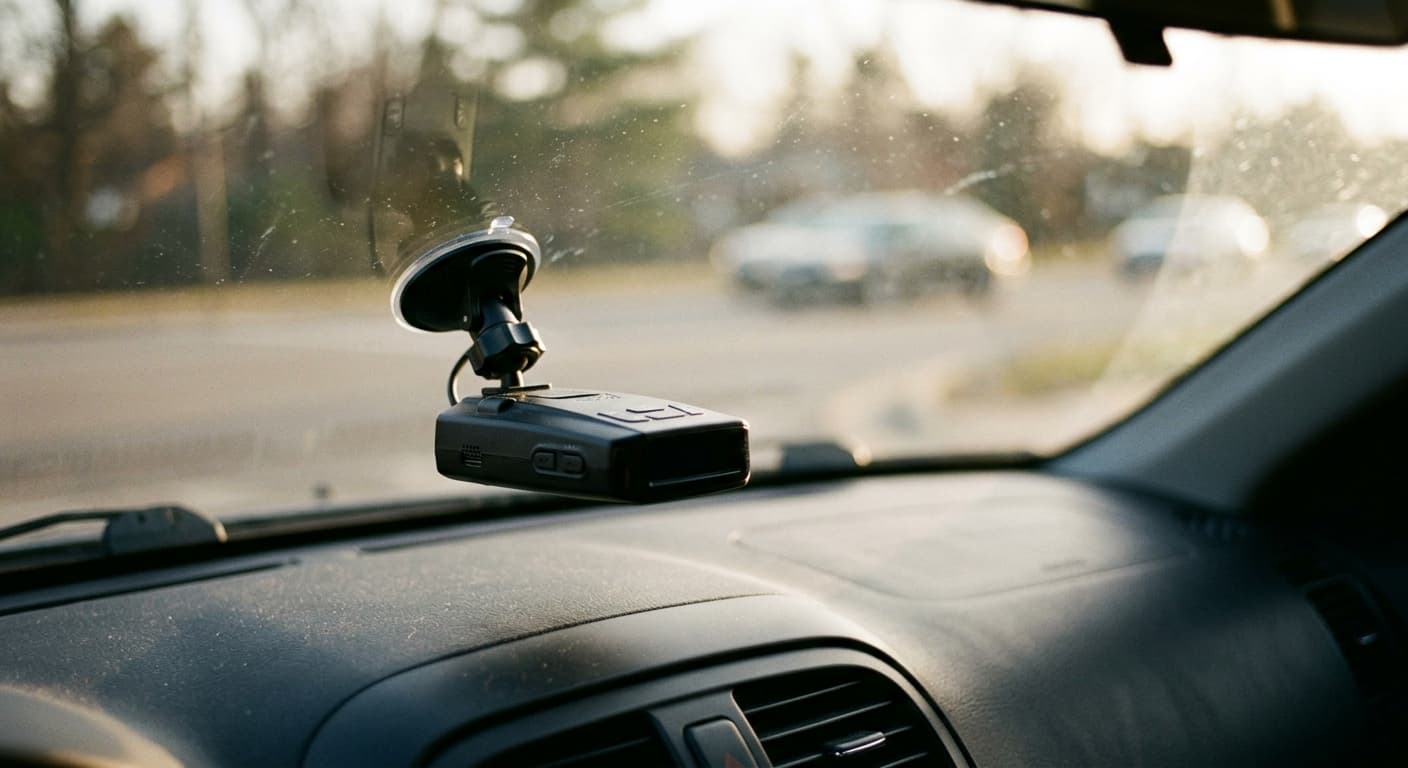
Radar detectors are banned in most of Canada. Each province and territory makes its own rule in its traffic legislation, and most of them prohibit detectors in every vehicle, often whether or not the device is switched on. Saskatchewan's Traffic Safety Act bans them in commercial vehicles only. Alberta's Traffic Safety Act and British Columbia's Motor Vehicle Act, with their main vehicle regulations, contain no radar detector prohibition, though municipal bylaws and other regulations can still apply.
This page covers the provincial and territorial statutes and regulations, as consolidated on official government sites and read on 26 October 2026, plus the federal ISED page on jammers. It does not cover municipal bylaws, fleet or employer policies, or the US state rules, which are on our radar detector laws by US state page. For other driving topics, see the Canadian driving and traffic laws hub.
Are radar detectors legal in Canada?
Not in most places. There is no single Canadian rule: the answer depends on where you are driving, because the bans sit in provincial and territorial Acts.
Ontario, Quebec, Manitoba, New Brunswick, Nova Scotia, Prince Edward Island, Newfoundland and Labrador, Yukon and Nunavut prohibit radar detectors in all vehicles under their provincial or territorial traffic legislation. Saskatchewan's Traffic Safety Act bans them in commercial vehicles only.
Alberta's Traffic Safety Act and its rules-of-the-road and vehicle equipment regulations, and British Columbia's Motor Vehicle Act, Motor Vehicle Act Regulations and Commercial Transport Regulations, contain no radar detector prohibition. That is not the same as an official statement that detectors are lawful there: municipal bylaws and other regulations can still apply. The Northwest Territories rule is not covered here: check the Motor Vehicles Act or the Department of Infrastructure.
Radar detector laws by province and territory
Fines below are the amounts written in each statute. Where a roadside ticket amount was not confirmed, the table says so.
| Jurisdiction | Rule | Provision | Penalty | Seizure |
|---|---|---|---|---|
| Ontario | Banned in all motor vehicles; retail sale banned | Highway Traffic Act s.79 | $100 to $1,000; 3 demerit points | Warrantless search and seizure; forfeited on conviction |
| Quebec | Banned: installing or placing one in a road vehicle, driving with one, sale or lease | Highway Safety Code ss.251, 252, 333, 334 | $500 to $1,000 (ss.284, 512.1); no demerit points listed | Officer may stop, inspect and confiscate at the owner's expense |
| Manitoba | Banned: driving or equipping, possession in a vehicle, owner permitting | Highway Traffic Act s.203 | General penalty up to $2,000 (s.239(1)) | Officer may seize; court may confiscate or return |
| New Brunswick | Banned: care or control of a vehicle carrying one | Motor Vehicle Act s.143.1 | Category E offence, $240 to $5,200 under the Provincial Offences Procedure Act | Warrantless search and seizure; forfeited on conviction |
| Nova Scotia | Banned: driving a vehicle with a radar warning or jamming device | Using the Road Regulations s.68 (Traffic Safety Act), from 19 October 2026 | New amount not confirmed | Not confirmed under the new Act |
| Prince Edward Island | Banned: driving with one; retail sale. Defence for a disabled device locked away | Highway Traffic Act s.135 | Not confirmed | Warrantless search and seizure; forfeited on conviction |
| Newfoundland and Labrador | Banned: care and control of a vehicle with one; sale without minister's approval | Highway Traffic Act s.176 | Set in the Act's schedule; amount not confirmed | Officer may seize; forfeited to the Crown |
| Saskatchewan | Traffic Safety Act ban applies to commercial vehicles only, operational or not | Traffic Safety Act ss.242, 243 | General penalty up to $1,000 (individual) or $2,000 (corporation), s.275 | Officer may stop, search and seize |
| Alberta | No prohibition found | Traffic Safety Act and two regulations searched | Not applicable | Not applicable |
| British Columbia | No prohibition found | Motor Vehicle Act and regulations searched | Not applicable | Not applicable |
| Yukon | Banned unless the device is disabled or inoperable | Motor Vehicles Act s.133 (moving to the new Traffic Safety Act) | General penalty up to $500 (s.247(1)); ticket amount not confirmed | Device may be seized and held until the prosecution ends |
| Nunavut | Banned: equipping a vehicle; buying, selling, possessing or manufacturing | Traffic Safety Act s.144, s.303 (consolidation current to 6 December 2019; later amendments not consolidated) | Up to $5,000, up to 6 months, or both (s.338) | Officer may seize; forfeited |
| Northwest Territories | Not verified | Check the NWT Motor Vehicles Act or the Department of Infrastructure | Not verified | Not verified |
What the bans actually cover
The provincial laws do not all use the words "radar detector". Ontario's Highway Traffic Act calls it a speed measuring warning device, and s.79(1) defines it this way:
"any device or equipment designed or intended for use in a motor vehicle to warn the driver of the presence of speed measuring equipment in the vicinity and includes any device or equipment designed or intended for use in a motor vehicle to interfere with the effective operation of speed measuring equipment."
New Brunswick and Prince Edward Island use a similar "radar warning device" definition that covers radar or other electronic speed measuring equipment. Quebec's Highway Safety Code uses "radar warning device" without defining it. Newfoundland and Labrador and Yukon speak of a device capable of detecting or interfering with radar or other speed measuring equipment.
Saskatchewan's definition is the only one covered here that names laser expressly: a device to warn of "radar or laser speed measuring equipment", including one to interfere with it. Manitoba's s.203 is narrower in wording, covering a device for detecting radar speed determination equipment.
Switched off is usually not a defence
Most bans turn on having the device in the vehicle, not on using it. Ontario's offence is driving a vehicle that "is equipped with or that carries or contains" a speed measuring warning device. The only exception in s.79 is for devices transported in sealed packages from a manufacturer to a consignee.
Quebec goes further. Section 251 of the Highway Safety Code bars installing a radar warning device or placing one "in any way" in a road vehicle, and s.333 bars driving a road vehicle containing one. Manitoba bans having possession of a detector in a motor vehicle, and Nunavut's Act, as consolidated, bans possessing one at all.
Two jurisdictions carve out disabled devices. Prince Edward Island's s.135(3) gives a defence if the device was disconnected or rendered inoperative and carried in the trunk or a locked container, other than a glove or map compartment, not readily accessible by the driver. Yukon's s.133 applies "unless the device is disabled or inoperable".
Sale and possession
Several provinces regulate the device itself, not just driving with it. Ontario bans selling, offering or advertising one for sale by retail, with a fine of up to $1,000 for a first offence and up to $5,000 for each subsequent one. Prince Edward Island bans retail sale, Quebec bans sale and lease, and Newfoundland and Labrador bans sale without the minister's approval.
Laser and radar jammers
A jammer tries to stop speed measuring equipment from getting a reading, rather than warning the driver. Most provincial bans catch jammers because their definitions include devices that interfere with speed measuring equipment.
That interfering wording appears in Ontario, New Brunswick, Prince Edward Island, Newfoundland and Labrador, Yukon and Nunavut. Nova Scotia's new rule names a "radar warning or jamming device". Quebec's s.333 also bars driving a vehicle with any object or material capable of interfering with the operation of a radar device. Manitoba's s.203 is worded around detecting radar only.
At the federal level, Innovation, Science and Economic Development Canada (ISED) says that s.4(4) of the Radiocommunication Act prohibits the installation, use, possession, manufacture, importation, distribution, lease, offer for sale or sale of jammers. ISED defines a jammer as a device that emits electromagnetic energy and can interfere with radiocommunication signals. Its page is about radio jammers such as phone, Wi-Fi and GPS jammers; it does not mention radar detectors, laser or speed enforcement.
Penalties and demerit points
Ontario and Quebec are the two provinces where both the fine and the demerit point position are confirmed here.
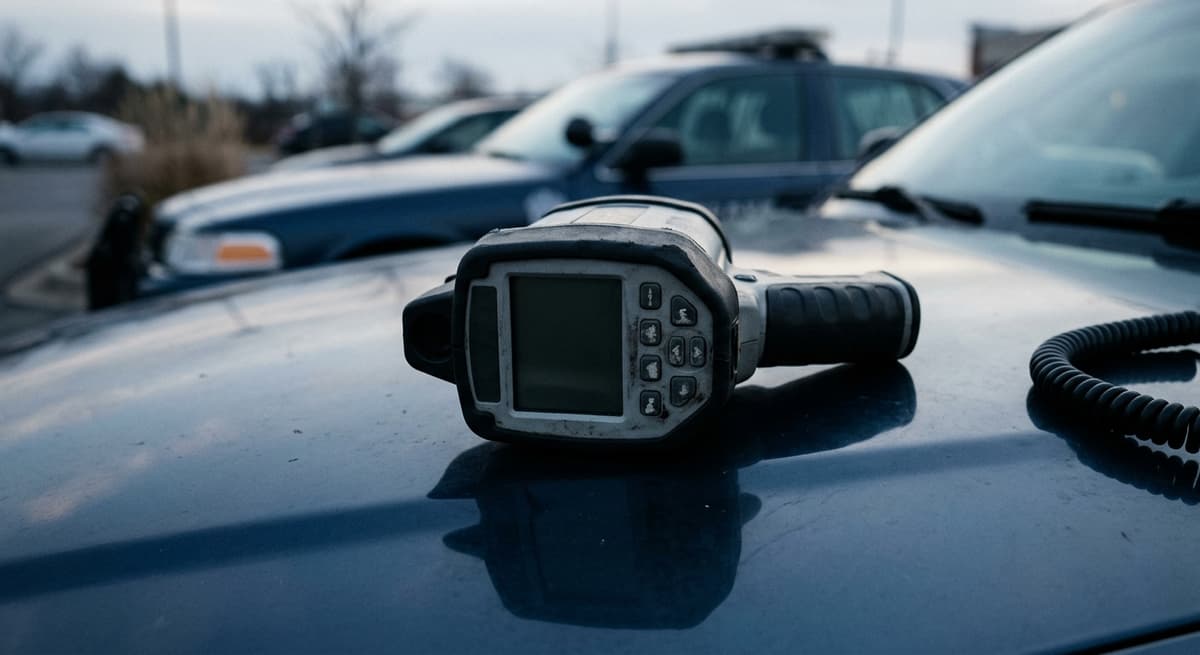
Ontario. A person who drives with a speed measuring warning device is liable on conviction to a fine of not less than $100 and not more than $1,000 (HTA s.79(5)). The offence carries 3 demerit points under O. Reg. 339/94, and Ontario's demerit point guide lists driving a vehicle equipped with a radar detector among the 3-point offences. The offence can be dealt with by ticket; the set fine is not covered here, so the statutory range in the Act is the figure to rely on. See Ontario demerit points for how points add up, and speeding tickets in Ontario for the speeding side.
Quebec. Installing or placing a radar warning device in a road vehicle (s.251) and driving a vehicle containing one (s.333) each carry a fine of $500 to $1,000 (ss.284 and 512.1). Selling or leasing one carries $500 to $1,000 for an individual and $600 to $2,000 for a legal person (s.287.1). The Regulation respecting demerit points, in its consolidated version, lists no points for these offences. More on the Quebec system is on our Quebec demerit points page.
For the other provinces and territories, the table above gives the fine written in the statute where one was confirmed. Their demerit point schedules and roadside ticket amounts are not covered here. If you received a ticket, the amount and any points will be on it, and our guide to fighting a traffic ticket in Canada explains the options.
Seizure and forfeiture
Losing the device is a common consequence. Ontario's s.79(3) lets a police officer stop, enter and search a vehicle without a warrant on reasonable grounds and seize the device, and s.79(4) forfeits it to the Crown on conviction. New Brunswick (s.143.1) and Prince Edward Island (s.135) have the same pattern.
In Quebec, a peace officer who has reasonable grounds may stop and inspect the vehicle and confiscate the device at the owner's expense, then remit it to the Société de l'assurance automobile du Québec (s.334). If a vehicle is seized in Quebec under the Code, the owner may recover personal property inside it except a radar warning device (s.209.6).
In Manitoba, the officer may seize the device and a judge or justice may order it confiscated or returned (s.203). Newfoundland and Labrador (s.176(3)) and Nunavut (s.303) forfeit a seized device. The Government of Nunavut's legislation site notes that its Traffic Safety Act consolidation is not up to date and lists amending Acts from 2020 to 2026, so check the current rule with the Government of Nunavut. In Yukon, s.133 provides for the device to be held until the prosecution ends and for its return in some first-offence cases; the English and French versions of the seizure subsection are worded differently, so this page says only that the device may be seized.
Nova Scotia's change on 19 October 2026
The Nova Scotia government says its Traffic Safety Act replaces the Motor Vehicle Act and comes into effect on 19 October 2026. The radar detector rule is now in s.68 of the Using the Road Regulations, made under the new Act and effective on and after 19 October 2026:
"Except as provided in subsection (2), a motor vehicle may not be driven on a highway if it is equipped with, carries or contains a radar warning or jamming device."
The only exception is for a vehicle transporting such a device in a sealed package from a manufacturer to a consignee. The penalty and seizure powers in the new Traffic Safety Act itself are not yet confirmed; check with the Nova Scotia government.
Under the former Motor Vehicle Act, the offence was s.182A and was ticketed as a category F offence. Under that old regime, the category F out-of-court amounts were $410.00 for a first offence, $697.50 for a second and $1,272.50 for a third or later offence. Those are the former Act's figures, not the new ones; check the ticket itself or with the Nova Scotia government for the current amount.
Yukon is moving to a new Act
Yukon's rule is in s.133 of the Motor Vehicles Act: no person shall drive on a highway a vehicle that is equipped with or that carries or contains a device capable of detecting or interfering with radar or other speed measuring equipment unless the device is disabled or inoperable. Police vehicles and authorized traffic surveys are exempt.
Yukon's new Traffic Safety Act (SY 2024, c 10) carries a successor rule in s.14(g) with the same disabled-or-inoperable exception. Parts of that Act are coming into force in stages, and whether s.14(g) is in force yet is not confirmed. Check with the Government of Yukon for the current position.
Saskatchewan, Alberta and British Columbia
Saskatchewan's s.242 bans driving a commercial vehicle on a highway if it is equipped with, contains or is carrying a radar warning device, "whether the device is operational or not". A commercial vehicle means a vehicle or class of vehicles prescribed by regulation. That regulation is not covered here, so commercial drivers should confirm with their carrier or the Saskatchewan government whether their vehicle is covered. The ban does not apply to a device transported in a compartment out of the driver's reach, or in a sealed package from a manufacturer to a consignee.
In Alberta, the Traffic Safety Act and the Use of Highway and Rules of the Road and Vehicle Equipment regulations contain no detector prohibition. In British Columbia, neither do the Motor Vehicle Act, the Motor Vehicle Act Regulations or the Commercial Transport Regulations. Other regulations and municipal bylaws in either province are not covered here and can still apply.
No federal radar detector law was located. The only federal source covered here is ISED's page on radio jammers, described above; federal motor carrier rules are not covered, so commercial drivers should confirm with their carrier.
Driving in from the United States or another province
The law of the place you are driving is what counts. A detector that is lawful in your home state or province can be an offence the moment you drive into Ontario, Quebec or another province with a ban, and in most of them having it in the car is enough.
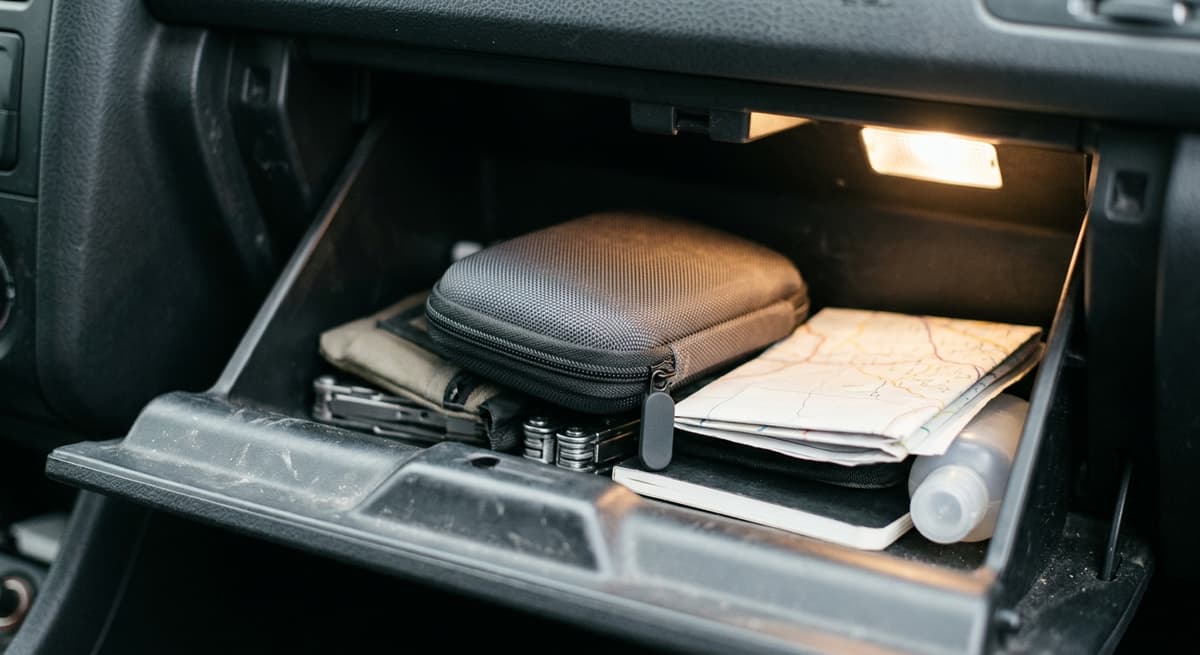
If you plan a trip through several provinces, the safe course is to leave the device at home, or take it out of the vehicle, before you enter a jurisdiction that bans it. In most of them, a detector stowed in the car still counts. None of the bans covered here exempts visitors' vehicles. For the rules on the US side of the border, see our US radar detector laws page.
Speed camera alerts, apps and dash cams
Many navigation apps and some dash cams warn drivers about reported police or camera locations. No official Canadian guidance on whether those features fall under the provincial bans was located.
What the laws target is a device that detects or interferes with speed measuring signals, or one designed or intended to warn of speed measuring equipment. Check with the provincial transportation ministry or police before relying on any app or alert feature. For the cameras themselves, see photo radar and red light cameras in Canada, and for recording the road, dash cam laws in Canada.
Frequently Asked Questions
Are radar detectors legal in Ontario?
No. Section 79 of the Highway Traffic Act says no person shall drive on a highway a motor vehicle that is equipped with or that carries or contains a speed measuring warning device. The fine on conviction is $100 to $1,000, the offence carries 3 demerit points under O. Reg. 339/94, and police may search the vehicle without a warrant and seize the device. Selling detectors by retail is also prohibited.
Is it legal to have a radar detector in my car if it is turned off?
In most of Canada, no. Ontario's offence covers a vehicle that carries or contains a device, Quebec bans having one installed or placed in a road vehicle, and Manitoba bans having one in your possession in a motor vehicle. Prince Edward Island has a defence for a device that is disconnected or inoperative and carried in the trunk or a locked container other than the glove or map compartment. Yukon's rule applies unless the device is disabled or inoperable.
Which provinces allow radar detectors?
The Alberta Traffic Safety Act and its Use of Highway and Rules of the Road and Vehicle Equipment regulations contain no radar detector prohibition, and neither do the British Columbia Motor Vehicle Act and its regulations. Saskatchewan's Traffic Safety Act bans them only in commercial vehicles. That is not an official statement that detectors are legal: municipal bylaws and other regulations are not covered here and may still apply.
Can police take my radar detector?
Yes, in every jurisdiction whose seizure rules are covered here. Ontario, New Brunswick and Prince Edward Island let police search a vehicle without a warrant and seize the device, and the device is forfeited on conviction. Quebec lets a peace officer stop and inspect the vehicle and confiscate the device at the owner's expense. In Newfoundland and Labrador and Nunavut a seized device is forfeited. Nova Scotia's seizure powers under its new Traffic Safety Act were not confirmed.
Are laser jammers legal in Canada?
In most provinces the detector ban also covers devices that interfere with speed measuring equipment. Ontario, New Brunswick, Prince Edward Island, Newfoundland and Labrador, Yukon and Nunavut use interfering wording, Nova Scotia's new rule names a radar warning or jamming device, and Saskatchewan's commercial vehicle rule names laser expressly. Manitoba's section speaks only of detecting radar. ISED's federal jammer rules are about radio jammers; its page does not mention laser or speed enforcement.
Do radar detectors cost demerit points?
In Ontario, yes: O. Reg. 339/94 lists 3 demerit points for driving a motor vehicle equipped with or carrying a speed measuring warning device. Quebec's Regulation respecting demerit points, in its consolidated version, lists no points for its radar warning device offences. The demerit schedules of the other provinces and territories are not covered here; check with the local licensing authority.
Can I drive into Canada from the United States with a radar detector?
The rule that applies is the one for the province or territory you are driving in. Entering Ontario or Quebec with a detector in the car puts you under their bans as soon as you drive there, and the same applies in the other provinces and territories that prohibit them. None of the provincial and territorial bans covered here exempts visitors' vehicles.
Are apps like Waze that warn about police or cameras illegal?
None of the provincial bans mentions these apps, and no official Canadian guidance on them was located. The provincial bans are written about devices that detect or interfere with speed measuring signals, or that are designed or intended to warn of speed measuring equipment. Check with the provincial transportation ministry or police before relying on any app, and remember that handheld phone use while driving is governed by separate distracted driving rules.
Is it legal to sell or buy a radar detector in Canada?
It depends on the province. Ontario and Prince Edward Island ban retail sale, Quebec bans selling or leasing them, Newfoundland and Labrador bans sale without the minister's approval, and Nunavut's Act, as consolidated in 2019, bans buying, selling, possessing or manufacturing them. Buying one in a province without a sale ban does not make it lawful to drive with it in a province that bans it.
Updates
Independently fact-checked against the cited primary sources
Sources and References
- Highway Traffic Act, RSO 1990, c H.8, s 79 (speed measuring warning devices)(ontario.ca).gov
- O. Reg. 339/94, Demerit Point System (item 37, HTA s 79(2), 3 points)(ontario.ca).gov
- R.R.O. 1990, Reg. 950, Proceedings Commenced by Certificate of Offence (HTA s 79(2) ticketable)(ontario.ca).gov
- Ontario Ministry of Transportation: Understanding demerit points(ontario.ca).gov
- Highway Safety Code, CQLR c C-24.2, ss 209.6, 251, 252, 284, 287.1, 333, 334, 512.1(legisquebec.gouv.qc.ca).gov
- Regulation respecting demerit points, CQLR c C-24.2, r 37(legisquebec.gouv.qc.ca).gov
- The Highway Traffic Act, CCSM c H60, ss 203, 239 (Manitoba)(web2.gov.mb.ca).gov
- Motor Vehicle Act, RSNB 1973, c M-17, s 143.1 and Schedule A (New Brunswick)(laws.gnb.ca).gov
- Provincial Offences Procedure Act, SNB 1987, c P-22.1, s 56 (category E fines)(laws.gnb.ca).gov
- Using the Road Regulations, N.S. Reg. 230/2026, s 68 (radar warning or jamming device), under the Traffic Safety Act(novascotia.ca).gov
- Government of Nova Scotia: Changes to traffic safety legislation (Traffic Safety Act scheduled to take effect 19 October 2026)(novascotia.ca).gov
- Summary Offence Tickets Regulations, Schedule 4 (former Motor Vehicle Act offences, s 182A category F)(novascotia.ca).gov
- Summary Offence Tickets Regulations, N.S. Reg. 281/2011 (category amounts)(novascotia.ca).gov
- Highway Traffic Act, RSPEI 1988, c H-5, s 135 (Prince Edward Island)(princeedwardisland.ca).gov
- Highway Traffic Act, RSNL 1990, c H-3, s 176 (Newfoundland and Labrador)(assembly.nl.ca).gov
- The Traffic Safety Act, SS 2004, c T-18.1, ss 242, 243, 275 (Saskatchewan)(publications.saskatchewan.ca).gov
- Traffic Safety Act, RSA 2000, c T-6 (Alberta)(kings-printer.alberta.ca).gov
- Use of Highway and Rules of the Road Regulation, Alta Reg 304/2002(kings-printer.alberta.ca).gov
- Vehicle Equipment Regulation, Alta Reg 122/2009(kings-printer.alberta.ca).gov
- Motor Vehicle Act, RSBC 1996, c 318 (British Columbia), table of contents(bclaws.gov.bc.ca).gov
- Motor Vehicle Act Regulations, BC Reg 26/58(bclaws.gov.bc.ca).gov
- Commercial Transport Regulations, BC Reg 30/78(bclaws.gov.bc.ca).gov
- Motor Vehicles Act, RSY 2002, c 153, ss 133, 247 (Yukon)(laws.yukon.ca).gov
- Traffic Safety Act, SY 2024, c 10, s 14(g) (Yukon)(laws.yukon.ca).gov
- Traffic Safety Act (Nunavut), consolidation current to 2019-12-06, ss 144, 303, 338(nunavutlegislation.ca).gov
- ISED: Jammers are Prohibited in Canada: That's the Law(ised-isde.canada.ca).gov