
Utah
Ley Limón de Utah (2026): Cómo Calificar y Obtener un Reembolso
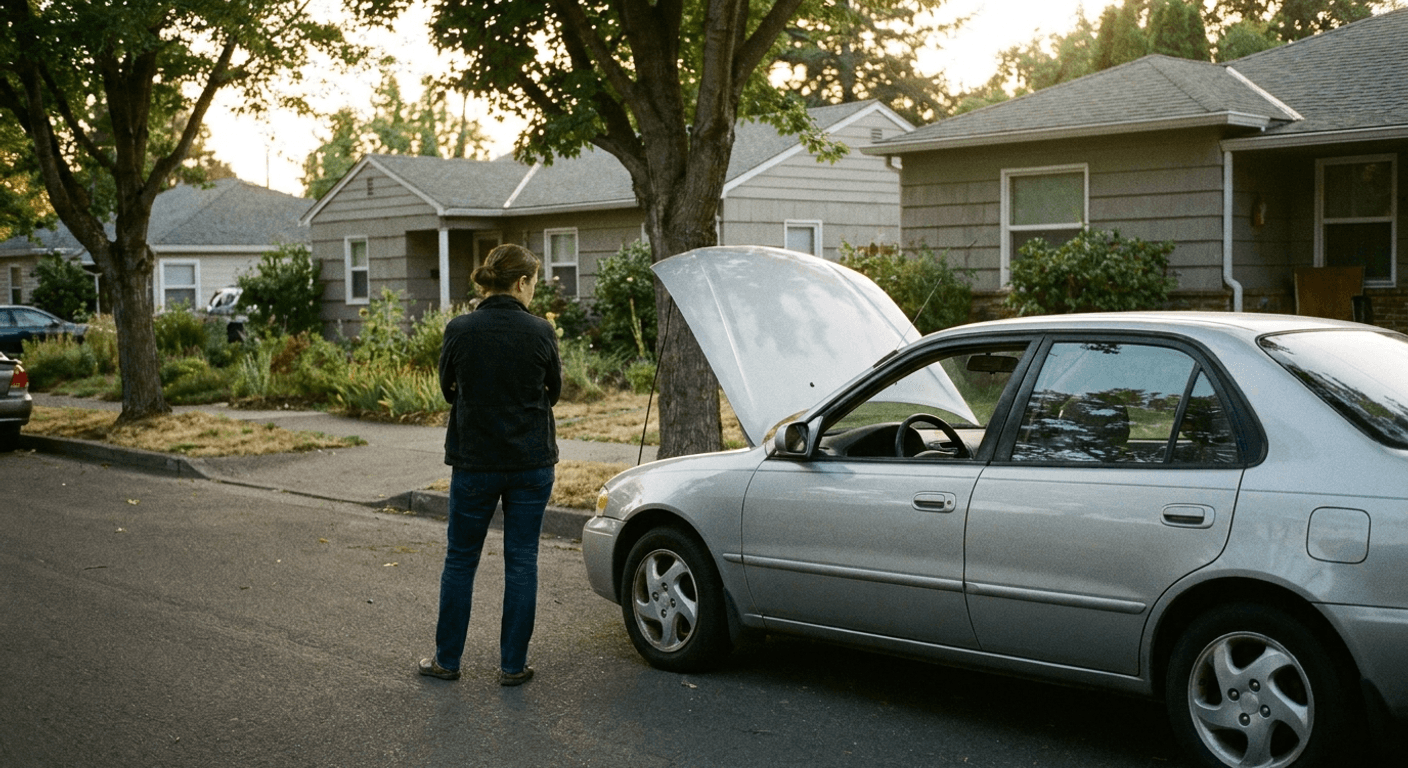
La Ley de Garantías de Vehículos Motorizados Nuevos de Utah (Utah Code § 13-20-4) le da a los compradores de vehículos nuevos el derecho a un reemplazo o reembolso total si el fabricante no puede reparar un defecto sustancial después de un número razonable de intentos de reparación. La Sección 13-20-5 establece el umbral: presume que se ha alcanzado un número razonable de intentos después de cuatro intentos de reparación para el mismo defecto o 30 días hábiles acumulados fuera de servicio. El periodo de cobertura está limitado al más corto entre el plazo de la garantía expresa o un año desde la entrega, uno de los periodos de elegibilidad más cortos del país. El fabricante, no el consumidor, elige entre el reemplazo y el reembolso.
¿Qué Es la Ley Limón de Utah?
La ley limón de Utah se llama oficialmente Ley de Garantías de Vehículos Motorizados Nuevos, y se encuentra en el Título 13, Capítulo 20 del Código de Utah. Esta ley protege a los consumidores que compran o arriendan vehículos motorizados nuevos que resultan tener defectos graves e irreparables. Si un fabricante no puede reparar un defecto sustancial después de un número razonable de intentos, el consumidor puede tener derecho a un vehículo de reemplazo o a un reembolso total.
La ley se promulgó por primera vez en 1985 y se amplió en 1990 para incluir los vehículos arrendados y las casas rodantes. La División de Protección al Consumidor de Utah administra y hace cumplir el estatuto bajo la Regla Administrativa R152-20.
Qué Vehículos Están Cubiertos
La ley limón de Utah cubre categorías específicas de vehículos motorizados nuevos. Entender la cobertura es esencial antes de presentar un reclamo.
La pregunta inicial es si el vehículo cuenta como "nuevo" en absoluto. Conforme a la Regla Administrativa R152-20-2(D) de Utah, un "vehículo motorizado nuevo" para efectos del Utah Code § 13-20-4 significa un vehículo que nunca ha sido titulado ni registrado y que ha sido conducido menos de 7,500 millas. Una unidad de demostración, de préstamo o conducida por el concesionario que haya superado las 7,500 millas queda fuera de la Ley conforme a la regla, incluso si el concesionario se la vende como nueva.
Tipos de Vehículos Cubiertos
- Automóviles de pasajeros: Sedanes, cupés, hatchbacks y vehículos similares vendidos o arrendados como nuevos en Utah
- Camiones y SUV: Camionetas pickup, SUV y furgonetas con un peso bruto de carga inferior a 14,000 libras
- Casas rodantes: Únicamente el vehículo autopropulsado y el chasis (no la parte habitacional, vivienda, oficina o porciones comerciales)
- Motocicletas: Solo aquellas diseñadas principalmente para uso en carreteras pavimentadas
- Vehículos arrendados: Los vehículos nuevos bajo contratos de arrendamiento están cubiertos de la misma manera que los vehículos comprados
- Vehículos eléctricos e híbridos: Cubiertos bajo los mismos términos que los vehículos de gasolina, siempre que cumplan con los requisitos de peso y tipo
Vehículos No Cubiertos
- Las porciones de vivienda, habitación, oficina o espacio comercial de las casas rodantes
- Tractores de carretera o tractocamiones según se definen en el Código de Utah
- Casas móviles
- Vehículos con un peso bruto de carga superior a 14,000 libras (excepto los chasis de casas rodantes y tractores agrícolas)
- Motocicletas todoterreno diseñadas principalmente para terreno sin mejoras
- Bicicletas con asistencia eléctrica, ciclomotores, patinetas con motor y ciclomotores de motor
- Vehículos comprados o arrendados con el propósito de reventa o subarrendamiento
- Vehículos que ya han sido titulados o registrados, o que han sido conducidos 7,500 millas o más
Quién Califica Como Consumidor
Conforme al Utah Code § 13-20-2, un "consumidor" es cualquier persona que celebra un acuerdo o contrato para la transferencia, arrendamiento o compra de un vehículo motorizado nuevo, que no sea con fines de reventa o subarrendamiento, durante el periodo de protección. Esta definición incluye tanto a los compradores como a los arrendatarios.
El Periodo de Elegibilidad de la Ley Limón en Utah
El periodo de elegibilidad de Utah es uno de los más cortos del país. Conforme al Utah Code § 13-20-5, el periodo de cobertura es el plazo de la garantía expresa O un año siguiente a la fecha de entrega original, lo que termine primero.
Esa frase de "lo que termine primero" es importante. La mayoría de las garantías expresas de autos nuevos duran tres años o más, pero la ley limón limita sus derechos a un año sin importar eso. Si usted reporta un defecto por primera vez en el mes 13, incluso si la garantía del fabricante todavía está vigente, ya perdió su protección de ley limón. No existe una extensión basada en millaje en el estatuto de Utah.
El efecto práctico es este: documente los defectos y comience el reloj de intentos de reparación lo antes posible. Esperar a ver si el problema "se resuelve solo" puede costarle sus derechos legales por completo.
La Presunción de la Ley Limón en Utah
Conforme al Utah Code § 13-20-5, la ley crea una presunción refutable de que se ha realizado un número razonable de intentos de reparación cuando se cumplen ciertas condiciones. Una vez que se aplica esta presunción, la carga de la prueba recae sobre el fabricante para demostrar que el vehículo no califica como limón.
Cuándo Se Aplica la Presunción
| Condición | Requisito | Periodo de Tiempo |
|---|---|---|
| Intentos de reparación (mismo defecto) | 4 o más intentos para reparar la misma no conformidad | Dentro del plazo de la garantía o 1 año desde la entrega, lo que sea anterior |
| Días fuera de servicio | 30 o más días hábiles acumulados | Dentro del plazo de la garantía o 1 año desde la entrega, lo que sea anterior |
Importante: Utah calcula el periodo fuera de servicio usando días hábiles, no días calendario. Esta distinción es importante porque 30 días hábiles equivalen aproximadamente a seis semanas calendario, lo que le da a los fabricantes más tiempo antes de alcanzar el umbral.
Qué Significa "Perjudicar Sustancialmente"
Para que se aplique la ley limón, el defecto debe perjudicar sustancialmente el uso, el valor de mercado o la seguridad del vehículo motorizado. Los problemas cosméticos menores o el desgaste normal generalmente no califican. El defecto debe ser lo suficientemente significativo como para afectar cómo conduce el vehículo, reducir su valor de reventa o crear un riesgo de seguridad.
Extensión de los Periodos de Tiempo
El plazo de la garantía, el periodo de un año y el periodo de 30 días fuera de servicio pueden extenderse si los servicios de reparación no están disponibles debido a:
- Guerra o invasión
- Huelga o conflicto laboral
- Incendio, inundación u otro desastre natural
Estas extensiones evitan que los consumidores pierdan sus derechos debido a circunstancias fuera del control de cualquiera.
Recursos del Consumidor: Reembolso vs. Reemplazo
Cuando un vehículo califica como limón conforme al Utah Code § 13-20-4, el fabricante debe proporcionar uno de dos recursos. Conforme al estatuto de Utah, el fabricante (no el consumidor) decide si ofrece un vehículo de reemplazo o un reembolso. Sea cual sea la opción que elija el fabricante, debe cumplirla dentro de un tiempo razonable.

Opción 1: Vehículo de Reemplazo
El fabricante debe reemplazar el vehículo defectuoso con un vehículo motorizado nuevo comparable. Esto significa:
- La misma marca y modelo, o un vehículo aceptable para el consumidor
- Equipado con características y opciones similares
- Todas las garantías aplicables del fabricante intactas
Si el fabricante no puede proporcionar un vehículo nuevo comparable, la Regla Administrativa R152-20-3(B) le permite sustituirlo por un vehículo de calidad comparable con el consentimiento del consumidor, y al consumidor no se le puede cobrar un gasto adicional por ese reemplazo más allá de una asignación razonable por el uso del vehículo de recompra.
Una limitación importante a tener en cuenta: ni el Utah Code § 13-20-4 ni la Regla Administrativa R152-20 exigen que el fabricante reembolse los cargos de remolque o el costo de un vehículo de alquiler o de reemplazo mientras el vehículo está en el taller. Varios otros estados sí incluyen los costos incidentales y de transporte alternativo en sus leyes limón; Utah no lo hace. Un fabricante puede ofrecer esos costos de manera voluntaria, y un contrato aparte con el concesionario o de asistencia en carretera puede cubrirlos.
Opción 2: Reembolso Total (Recompra)
El fabricante debe aceptar la devolución del vehículo y proporcionar un reembolso total que incluya:
- El precio de compra total del vehículo
- Todos los cargos colaterales, como el impuesto sobre ventas, las tarifas de licencia, las tarifas de registro y cargos gubernamentales similares
- Cargos financieros y daños incidentales cuando corresponda
Asignación Razonable por Uso
El fabricante puede deducir una asignación razonable por el uso que el consumidor le dio al vehículo. Conforme a la Regla Administrativa R152-20 de Utah, esta asignación se calcula usando una fórmula específica:
| Componente | Cálculo |
|---|---|
| Tarifa por milla | Precio de compra dividido entre 100,000 |
| Tarifa mínima | $0.10 por milla |
| Tarifa máxima | $0.21 por milla |
| Millas contadas | Solo las millas recorridas antes del primer reporte del defecto y durante los periodos en que el vehículo no estaba en el taller |
| Millas excluidas | El millaje al momento de la entrega y el millaje durante los periodos de reparación |
Por ejemplo, un vehículo comprado por $35,000 tendría una tarifa por milla de $0.35, pero como esto excede el máximo de $0.21, la tarifa se limita a $0.21 por milla. Si el consumidor condujo 3,000 millas elegibles, la deducción sería de $630.
Disposiciones de Reembolso para Vehículos Arrendados
Cuando un vehículo arrendado califica como limón, el proceso funciona de manera diferente:
- El fabricante debe reembolsar al arrendador todos los pagos realizados bajo el arrendamiento
- El reembolso incluye el valor de intercambio, el pago inicial y el depósito de seguridad
- El fabricante realiza todos los pagos al arrendador y al acreedor prendario necesarios para obtener un título limpio
- Cualquier excedente de esos pagos va al arrendatario
- Una vez que el arrendador recibe el pago, el consumidor queda liberado de todas las obligaciones futuras del arrendamiento
Requisitos de Transferencia de Título
Al recibir un reembolso o reemplazo, el consumidor, el acreedor prendario o el arrendador deben proporcionar al fabricante un título limpio y la posesión del vehículo defectuoso.
Cómo Presentar un Reclamo de Ley Limón en Utah
Utah tiene un requisito procesal único: su reclamo debe ser investigado por la División de Protección al Consumidor antes de que usted pueda presentar una demanda. Este es el proceso paso a paso.
Paso 1: Documente Todo
La documentación exhaustiva fortalece significativamente su reclamo. Conserve registros de:
- Todas las órdenes de reparación, facturas y recibos
- Las fechas en que su vehículo fue entregado y recogido del taller
- Los síntomas y quejas específicas reportadas en cada visita
- Toda la correspondencia con el concesionario y el fabricante (correos electrónicos, cartas, mensajes de texto)
- Fotos o videos que muestren el defecto
- Un registro de cómo el defecto afecta su uso diario del vehículo
Paso 2: Reporte el Defecto Durante el Periodo de Cobertura
Usted debe reportar la no conformidad al fabricante, su agente o un concesionario autorizado durante:
- El plazo de la garantía expresa, O
- Dentro de un año siguiente a la entrega original del vehículo
- Lo que ocurra primero
No reportar dentro de este periodo puede impedir su reclamo por completo.
Paso 3: Permita Intentos de Reparación
Déle al fabricante una oportunidad razonable de reparar el vehículo. Para activar la presunción de ley limón, esto generalmente significa permitir:
- Al menos 4 intentos de reparación para el mismo defecto, O
- Que el vehículo esté fuera de servicio por un total acumulado de 30 o más días hábiles
Paso 4: Use la Resolución de Disputas del Fabricante (Si Es Requerida)
Conforme al Utah Code § 13-20-7, si el fabricante tiene un procedimiento informal de resolución de disputas que cumple con las regulaciones federales de la FTC bajo el 16 CFR Parte 703, usted debe usar ese procedimiento antes de poder recibir un reembolso o reemplazo. Muchos fabricantes importantes participan en programas como BBB Auto Line para este propósito.
Si el fabricante no tiene un programa que califique, usted puede omitir este paso.
Paso 5: Presente una Queja ante la División de Protección al Consumidor
Conforme al Utah Code § 13-20-6, usted no puede presentar una demanda hasta que su reclamo haya sido investigado y evaluado por la División. Para presentar su queja:
- Envíe una queja en línea en services.dcp.utah.gov
- Llame a la División al (801) 530-6601
- Línea gratuita: 1-800-721-7233
- Adjunte toda la documentación de respaldo, incluidos los registros de reparación y la correspondencia
La División revisará su queja, investigará los hechos y proporcionará una evaluación. No envíe documentos originales, ya que los materiales presentados no serán devueltos.
Paso 6: Presente una Demanda (Si Es Necesario)
Después de que la División investigue y evalúe su reclamo, usted puede presentar una demanda civil si el asunto permanece sin resolver. Conforme al estatuto, el tribunal puede otorgar honorarios razonables de abogado a la parte que prevalezca en los casos de ley limón.
Defensas del Fabricante
Conforme al Utah Code § 13-20-4(4), existen dos defensas afirmativas legales para un reclamo de ley limón.
| Defensa | Lo Que Debe Probar el Fabricante | Cómo Contrarrestarla |
|---|---|---|
| Ausencia de perjuicio sustancial (defensa a) | El defecto no perjudica sustancialmente el uso del consumidor Y no perjudica sustancialmente el valor de mercado o la seguridad del vehículo. El fabricante debe probar ambos elementos; si falla alguno de ellos, esta defensa falla. | Documente cómo el defecto interrumpe la conducción diaria, reduce el valor de reventa o crea un riesgo de seguridad. |
| Abuso, negligencia o modificación no autorizada (defensa b) | La no conformidad resultó del abuso, la negligencia o las modificaciones o alteraciones no autorizadas del consumidor. | Mantenga registros detallados de mantenimiento que demuestren el cuidado adecuado y documente que cualquier modificación no está relacionada con el defecto. |
Respaldo Federal: Ley Magnuson-Moss de Garantías
Incluso si un vehículo queda fuera del periodo de un año de la ley limón de Utah, la ley federal aún puede aplicarse. La Ley Magnuson-Moss de Garantías (15 U.S.C. § 2301 y siguientes) es el respaldo federal de la ley limón. Permite a los consumidores demandar por incumplimiento de cualquier garantía escrita o implícita que cubra un producto de consumo, incluido un vehículo motorizado. Si la garantía expresa de un fabricante todavía está vigente y el fabricante se niega a cumplirla, la Magnuson-Moss proporciona un camino hacia un tribunal federal y permite la recuperación de honorarios de abogado. Esto es particularmente relevante para los vehículos que apenas superan el periodo de un año de Utah pero que todavía están dentro de una garantía más larga del fabricante.
Protecciones para Vehículos Usados en Utah
La Ley de Garantías de Vehículos Motorizados Nuevos de Utah cubre únicamente los vehículos motorizados nuevos. Sin embargo, los compradores de vehículos usados no carecen por completo de opciones legales.
Por Qué la Ley Limón No Cubre los Vehículos Usados
- El estatuto se aplica únicamente a los "vehículos motorizados nuevos", que la Regla Administrativa R152-20-2(D) define como vehículos que nunca han sido titulados ni registrados y que han sido conducidos menos de 7,500 millas
- Un vehículo que ya ha sido titulado o registrado queda fuera de la Ley aunque la garantía expresa del fabricante y el periodo de un año todavía estén vigentes
- Una vez que expiran tanto el plazo de la garantía como el periodo de un año, la ley limón ya no se aplica a nadie
Protecciones Legales Alternativas para los Compradores de Autos Usados
- Ley federal Magnuson-Moss de Garantías: Cubre cualquier vehículo con una garantía vigente del fabricante o un contrato de servicio que califique, independientemente de si el comprador es el comprador original
- Ley de Prácticas de Ventas al Consumidor de Utah: Prohíbe las prácticas comerciales engañosas e injustas por parte de los concesionarios
- Reclamos de derecho consuetudinario: Incumplimiento de garantía expresa o implícita, fraude y tergiversación
- Regla de Autos Usados de la FTC: Exige que los concesionarios muestren una Guía del Comprador en cada vehículo usado, divulgando los términos de la garantía o el estado "tal como está"
Mediación para Remolques de Vehículos Recreativos
Utah proporciona disposiciones especiales de mediación para los remolques de vehículos recreativos conforme al Utah Code § 13-20-8. Estas disposiciones son independientes del proceso estándar de la ley limón.
Cuándo Se Requiere la Mediación
Los propietarios de remolques de vehículos recreativos nuevos (casas rodantes de arrastre, remolques de acampar y remolques de quinta rueda) y los fabricantes deben participar en mediación cuando se cumplan todas las siguientes condiciones:
- El propietario notificó al fabricante por escrito sobre la no conformidad
- El defecto afecta la integridad estructural o funcional del techo, el piso o la pared
- El fabricante ha realizado al menos cuatro intentos de corregir el problema
- La no conformidad persiste después de esos cuatro intentos
- El propietario presentó una solicitud por escrito de mediación
- El defecto perjudica sustancialmente el uso, el valor o la seguridad del remolque
Cómo Funciona el Proceso de Mediación
- La mediación se lleva a cabo en el condado donde se compró el remolque
- El Programa de Arbitraje del Consumidor para Vehículos Recreativos realiza la mediación
- El fabricante paga todos los costos de la mediación
- Si la mediación no resuelve la disputa, el propietario conserva el derecho de buscar otros recursos legales
Plazos Clave y Límites de Tiempo
Cumplir con todos los plazos aplicables es fundamental para preservar sus derechos bajo la ley limón.
| Plazo | Detalles |
|---|---|
| Reportar el defecto | Debe reportarse durante el plazo de la garantía o dentro de 1 año desde la entrega, lo que termine primero |
| Intentos de reparación para la presunción | Deben ocurrir dentro del plazo de la garantía o 1 año desde la entrega, lo que termine primero |
| Días fuera de servicio para la presunción | Deben acumularse dentro del plazo de la garantía o 1 año desde la entrega, lo que termine primero |
| Resolución de disputas del fabricante | Debe recurrir primero al programa antes de que aplique el reembolso/reemplazo conforme al § 13-20-4 (si el fabricante tiene un programa que califique) |
| Revisión de la División de Protección al Consumidor | Debe completarse antes de presentar cualquier demanda civil |
Nota: El fabricante todavía debe cumplir con las obligaciones de reparación incluso después de que expire el plazo de la garantía o el periodo de un año, siempre que la no conformidad se haya reportado por primera vez durante el periodo de cobertura.
Consejos para Fortalecer Su Reclamo de Ley Limón en Utah
Siga estos pasos prácticos para darle a su reclamo la mejor oportunidad de éxito:
- Use siempre concesionarios autorizados para las reparaciones. Las reparaciones realizadas por mecánicos independientes pueden no contar para el umbral de cuatro intentos.
- Describa los mismos síntomas de manera consistente. Cada orden de reparación debe referirse al mismo defecto para que exista un registro claro de intentos repetidos.
- Solicite órdenes de reparación por escrito cada vez. Nunca deje el concesionario sin documentación de su visita, incluso si el técnico dice que no encontró nada.
- Lleve un registro personal. Registre cada día que su vehículo está en el taller, incluidas las fechas de entrega y recogida.
- Envíe notificaciones por escrito. Notifique al fabricante por escrito (correo certificado o correo electrónico con confirmación de entrega) sobre el defecto persistente.
- No haga modificaciones no autorizadas. Las piezas o modificaciones del mercado de accesorios pueden darle al fabricante una defensa contra su reclamo.
Más Leyes de Utah
- Leyes de Grabación con IA en Reuniones de Utah
- Leyes de Pensión Alimenticia de Utah
- Leyes de Empleo a Voluntad de Utah
- Leyes de Accidentes de Auto de Utah
- Leyes de Asientos de Auto para Niños de Utah
- Leyes de Custodia de Menores de Utah
- Leyes de Manutención Infantil de Utah
- Leyes de Matrimonio de Hecho de Utah
- Leyes de Privacidad de Datos de Utah
- Leyes de Deepfakes de Utah
- Leyes de Divorcio de Utah
- Leyes de Mordeduras de Perro de Utah
- Leyes de Emancipación de Utah
- Leyes de Eliminación de Antecedentes Penales de Utah
- Leyes de Atropello y Fuga de Utah
- Leyes de Propietarios e Inquilinos de Utah
Preguntas frecuentes
¿Cuántos intentos de reparación exige Utah antes de que un vehículo califique como limón?
Conforme al Utah Code § 13-20-5, un vehículo puede calificar como limón después de cuatro o más intentos de reparación para la misma no conformidad, o si el vehículo ha estado fuera de servicio durante 30 o más días hábiles acumulados. Estas condiciones deben ocurrir dentro del plazo de la garantía o un año desde la entrega, lo que termine primero.
¿Utah cuenta días calendario o días hábiles para el periodo fuera de servicio?
Utah utiliza días hábiles, no días calendario, para el umbral de 30 días fuera de servicio. Debido a que se excluyen los fines de semana y días feriados, 30 días hábiles se traducen en aproximadamente seis semanas calendario.
¿Quién decide si recibo un reemplazo o un reembolso bajo la ley limón de Utah?
El fabricante decide. Conforme al Utah Code § 13-20-4, el fabricante puede reemplazar el vehículo con uno nuevo comparable o aceptar la devolución y emitir un reembolso total. Los consumidores no tienen la opción de elegir entre estos dos recursos.
¿Tengo que usar el programa de resolución de disputas del fabricante antes de presentar un reclamo? Qué hago si mi carro nuevo tiene fallas
Sí. Conforme al Utah Code § 13-20-7, si el fabricante tiene un procedimiento informal de resolución de disputas que cumple con las regulaciones de la FTC (16 CFR Parte 703), la Sección 13-20-4 no aplica a ningún consumidor que no haya recurrido primero a ese procedimiento. El estándar legal es recurrir al programa, no completarlo ni agotarlo. Si el fabricante no tiene un programa que califique, este paso no es requerido.
¿Puedo presentar una demanda de ley limón sin pasar por la División de Protección al Consumidor?
No. Conforme al Utah Code § 13-20-6, un consumidor solo puede iniciar una acción civil después de que su reclamo haya sido investigado y evaluado por la División de Protección al Consumidor. Este es un requisito obligatorio antes de presentar una demanda.
¿Cómo se calcula la asignación razonable por uso en una recompra de ley limón en Utah?
Conforme a la Regla Administrativa R152-20, la tarifa por milla equivale al precio de compra dividido entre 100,000, con un mínimo de $0.10 por milla y un máximo de $0.21 por milla. La asignación se aplica únicamente a las millas recorridas antes del primer reporte del defecto y durante los periodos en que el vehículo no estaba en el taller para reparaciones.
¿La ley limón de Utah cubre los vehículos arrendados?
Sí. Utah amplió su ley limón en 1990 para cubrir los vehículos arrendados. Si un vehículo arrendado califica, el fabricante debe reembolsar al arrendador todos los pagos del arrendamiento, el valor de intercambio, el pago inicial y el depósito de seguridad. El arrendatario queda entonces liberado de todas las obligaciones futuras del arrendamiento.
¿Los vehículos eléctricos e híbridos están cubiertos bajo la ley limón de Utah?
Sí. La ley limón de Utah cubre todos los vehículos motorizados nuevos que cumplen con los requisitos legales, sin importar el tipo de tren motriz. Los vehículos eléctricos, los híbridos enchufables y los híbridos tradicionales están todos cubiertos siempre que tengan un peso bruto de carga inferior a 14,000 libras y se compren o arrienden como nuevos en Utah, lo que significa que el vehículo nunca ha sido titulado ni registrado y ha sido conducido menos de 7,500 millas.
Actualizaciones
Se corrigió la cita legal del derecho a reembolso o reemplazo, se eliminó una obligación de reembolso de remolque y transporte alternativo que la ley de Utah no establece, se añadió el límite de 7,500 millas en la definición de vehículo nuevo, y se repararon dos enlaces oficiales caídos.
Se corrigió el límite de peso de vehículos cubiertos por la ley limón, de 12,000 a las 14,000 libras reales del estatuto (Utah Code 13-20-2(4)(b)(iv)), en cuatro lugares, y se eliminó una cita conjunta a una sección no verificable.
La ley detrás de este artículo
Este artículo se apoya en las disposiciones legales a continuación, conservadas en nuestro propio registro jurídico y obtenidas de la fuente oficial. Toque una sección para leer el texto vigente.
Utah Code, Title 13: Commerce and Trade
§ 13-20-4Nonconforming motor vehicles -- Replacement -- Refund -- Criteria -- Defenses.Vigente
(1) If the manufacturer, its agent, or its authorized dealer is unable to conform the motor vehicle to any applicable express warranty by repairing or correcting any defect or condition that substantially impairs the use, market value, or safety of the motor vehicle after a reasonable number of attempts, the manufacturer shall replace the motor vehicle with a comparable new motor vehicle or accept return of the vehicle from the consumer and refund to the consumer the full purchase price including all collateral charges, less a reasonable allowance for the consumer's use of the vehicle. Refunds shall be made to the consumer, and any lienholders or lessors as their interests may appear. (2) A reasonable allowance for use is that amount directly attributable to use by the consumer prior to the consumer's first report of the nonconformity to the manufacturer, its agent, or its authorized dealer, and during any subsequent period when the vehicle is not out of service because of repair. (3) Upon receipt of any refund or replacement under Subsection (1), the consumer, lienholder, or lessor shall furnish to the manufacturer clear title to and possession of the motor vehicle.
Texto oficial (extracto) · verificado el 2026-09-16 · Lea el texto completo en nuestra biblioteca legal · Verifique en le.utah.gov
§ 13-20-5Reasonable number of attempts to conform.Vigente
(1) It is presumed that a reasonable number of attempts have been undertaken to conform a motor vehicle to the applicable express warranties, if: (a) the same nonconformity has been subject to repair four or more times by the manufacturer, its agent, or its authorized dealer within the express warranty term or during the one-year period following the date of original delivery of the motor vehicle to a consumer, whichever is earlier, but the nonconformity continues to exist; or (b) the vehicle is out of service to the consumer because of repair for a cumulative total of 30 or more business days during the warranty term or during the one-year period, whichever is earlier. (2) The term of an express warranty, the one-year period, and the 30-day period shall be extended by any period of time during which repair services are not available to the consumer because of a war, invasion, strike, fire, flood, or other natural disaster.
Texto oficial (extracto) · verificado el 2026-07-29 · Lea el texto completo en nuestra biblioteca legal · Verifique en le.utah.gov
§ 13-20-6Enforcement -- Limited liability of dealer -- No limit on other rights or remedies.Vigente
(1) The Division of Consumer Protection shall, or a consumer may, enforce the rights created under this chapter. An action may be commenced by a consumer only after the claim has been investigated and evaluated by the division. (2) This chapter may not be interpreted as imposing any liability on an authorized dealer or creating a cause of action by a consumer against a dealer under this chapter, except regarding any written express warranties made by the dealer apart from the manufacturer's own warranties. (3) This chapter does not limit the rights or remedies which are otherwise available to a consumer under any other law. (4) In an action initiated under this section by the consumer, the court may award attorneys' fees to the prevailing party.
Texto oficial (extracto) · verificado el 2026-07-29 · Lea el texto completo en nuestra biblioteca legal · Verifique en le.utah.gov
Citada en 2 resoluciones judiciales de nuestra colecciónResolución más reciente que la cita en nuestra colección: 2021
Resoluciones que citan esta sección en nuestra colección:
- Utah Physic. for Healthy Env't v. Diesel Power Gear (Court of Appeals for the Tenth Circuit 2021, 21 F.4th 1229)“…aws that exempt the sale of “as-is” vehicles, see, e.g., Utah Code Ann. § 13-20-6(2) (limiting motor-vehicle-dealer li…”
- Pincast v. General RV Center (District Court, E.D. Michigan 2019)“…w specifically says that it does not limit other remedies. Utah Code Ann. § 13-20-6. The official Consumer Complaint Form a…”
Identificado automáticamente a partir de las opiniones judiciales que citan esta sección; no es un ranking de qué caso prevalece.
§ 13-20-7Use of dispute settlement procedure.Vigente
If a manufacturer has established an informal dispute settlement procedure which complies with Title 16, Code of Federal Regulations, Part 703, then Section 13-20-4 concerning refunds or replacement does not apply to any consumer who has not first resorted to this procedure.
Texto oficial (extracto) · verificado el 2026-07-29 · Lea el texto completo en nuestra biblioteca legal · Verifique en le.utah.gov
§ 13-20-2Definitions.Vigente
As used in this chapter: (1) "Consumer" means an individual who enters into an agreement or contract for the transfer, lease, purchase of a new motor vehicle other than for purposes of resale, or sublease during the duration of the period defined under Section 13-20-5. (2) "Manufacturer" means manufacturer, importer, distributor, or anyone who is named as the warrantor on an express written warranty on a motor vehicle. (3) "Motor home" means a self-propelled vehicular unit, primarily designed as a temporary dwelling for travel, recreational, and vacation use. (4) (a) "Motor vehicle" includes: (i) a motor home, as defined in this section, but only the self-propelled vehicle and chassis sold in this state; (ii) a motor vehicle, as defined in Section 41-1a-102, sold in this state; and (iii) a motorcycle, as defined in Section 41-1a-102, sold in this state if the motorcycle is designed primarily for use and operation on paved highways.
Texto oficial (extracto) · verificado el 2026-07-29 · Lea el texto completo en nuestra biblioteca legal · Verifique en le.utah.gov
§ 13-20-8Mediation concerning nonconformity in recreational vehicle trailer.Vigente
(1) An owner who purchases a new recreational vehicle trailer and the manufacturer of the recreational vehicle trailer shall engage in mediation concerning resolution of a nonconformity in the recreational vehicle trailer, as provided in this section, if: (a) the owner notifies the manufacturer in writing of the nonconformity; (b) the nonconformity is manifest in the structural or functional integrity of the roof, subfloor, or wall of the recreational vehicle trailer; (c) following notification under Subsection (1)(a), the manufacturer makes at least four attempts to correct the nonconformity, but the nonconformity persists; (d) following at least four attempts by the manufacturer to correct the nonconformity, the owner submits to the manufacturer a written request for mediation; (e) the nonconformity substantially impairs the use, value, or safety of the recreational vehicle trailer; and (f) the nonconformity does not include a defect or condition that occurs as a result of: (i) the use of the recreational vehicle trailer for business or commercial purposes; or (ii) abuse, neglect, modification, or alteration of the recreational vehicle trailer by a person other than the…
Texto oficial (extracto) · verificado el 2026-07-29 · Lea el texto completo en nuestra biblioteca legal · Verifique en le.utah.gov
§ 13-20-1Short title.Vigente
This chapter is known as the "New Motor Vehicles Warranties Act."
Texto oficial (extracto) · verificado el 2026-07-29 · Lea el texto completo en nuestra biblioteca legal · Verifique en le.utah.gov
Citada en 1 resoluciones judiciales de nuestra colecciónResolución más reciente que la cita en nuestra colección: 2019
Resoluciones que citan esta sección en nuestra colección:
- Pincast v. General RV Center (District Court, E.D. Michigan 2019)“…aw,” the New Motor Vehicle Warranties Act (“Lemon Law”). Utah Code Ann. § 13-20-1 et seq. (West 1953). Counts II and IV a…”
Identificado automáticamente a partir de las opiniones judiciales que citan esta sección; no es un ranking de qué caso prevalece.
§ 13-20-3Nonconforming motor vehicles -- Repairs.Vigente
If a new motor vehicle does not conform to all applicable express warranties, and the consumer reports the nonconformity to the manufacturer, its agent, or its authorized dealer during the term of the express warranties or during the one-year period following the date of original delivery of the motor vehicle to a consumer, whichever is earlier, the manufacturer, its agent, or its authorized dealer shall make repairs necessary to conform the vehicle to the express warranties, whether or not these repairs are made after the expiration of the warranty term or the one-year period.
Texto oficial (extracto) · verificado el 2026-07-29 · Lea el texto completo en nuestra biblioteca legal · Verifique en le.utah.gov
Citada en 1 resoluciones judiciales de nuestra colecciónResolución más reciente que la cita en nuestra colección: 2022
Resoluciones que citan esta sección en nuestra colección:
- Martinez v. Nissan North America (District Court, D. Utah 2022)“…t, Martinez alleges that the rule that Nissan violated “was Utah Code Ann. § 13-20-3, which states: ‘if a new motor vehicle…”
Identificado automáticamente a partir de las opiniones judiciales que citan esta sección; no es un ranking de qué caso prevalece.
United States Code Title 15
§ 2301DefinitionsVigentecitada en 41 de nuestros artículos
For the purposes of this chapter: The term “consumer product” means any tangible personal property which is distributed in commerce and which is normally used for personal, family, or household purposes (including any such property intended to be attached to or installed in any real property without regard to whether it is so attached or installed). The term “Commission” means the Federal Trade Commission. The term “consumer” means a buyer (other than for purposes of resale) of any consumer product, any person to whom such product is transferred during the duration of an implied or written warranty (or service contract) applicable to the product, and any other person who is entitled by the terms of such warranty (or service contract) or under applicable State law to enforce against the warrantor (or service contractor) the obligations of the warranty (or service contract). The term “supplier” means any person engaged in the business of making a consumer product directly or indirectly available to consumers. The term “warrantor” means any supplier or other person who gives or offers to give a written warranty or who is or may be obligated under an implied warranty.
Texto oficial (extracto) · verificado el 2026-07-28 · Lea el texto completo en nuestra biblioteca legal · Verifique en uscode.house.gov
Citada en 1,671 resoluciones judiciales de nuestra colecciónResolución más reciente que la cita en nuestra colección: 2026
En los tribunales (resumen editorial, verificado de forma independiente):Walsh v. Ford Motor Company (1986) sostuvo que, salvo cuando la ley Magnuson-Moss fija una regla expresa, se aplica el derecho estatal de garantías escritas e implícitas, según la definición de garantía implícita de la Sección 2301(7). Birdsong v. Apple (2009) desestimó los reclamos bajo esa ley una vez que fallaron los reclamos de garantía estatales.
Resoluciones que citan esta sección en nuestra colección:
- John F. "Jack" Walsh v. Ford Motor Company (Court of Appeals for the D.C. Circuit 1986, 807 F.2d 1000)✓Dueños de vehículos Ford buscaron clases nacionales por transmisiones que pasaban de estacionamiento a reversa; al leer la Sección 2301(7) y (6), el Circuito de D.C. sostuvo que Magnuson-Moss aplica la ley estatal de garantías salvo donde la ley federal fija una regla expresa, y anuló la certificación.
- Birdsong v. Apple, Inc. (Court of Appeals for the Ninth Circuit 2009, 590 F.3d 955)✓Compradores de iPod alegaron que el reproductor generaba riesgo de pérdida auditiva; como la Sección 2301(7) vincula la garantía implícita a la ley estatal, el Noveno Circuito trató el reclamo de Magnuson-Moss como dependiente de los reclamos de garantía de California y confirmó la desestimación cuando estos fracasaron.
- Robert E. Kelly Virginia L. Kelly v. Fleetwood Enterprises, Inc. (Court of Appeals for the Ninth Circuit 2004, 377 F.3d 1034)“…gnizable under the Magnuson-Moss Warranty Act (the “Act”), 15 U.S.C. § 2301 et seq. This consumer dis…”
Identificado automáticamente a partir de las opiniones judiciales que citan esta sección; no es un ranking de qué caso prevalece.
También citada en: Ley Limón de Michigan (2026): Cómo Calificar y Obtener un Reembolso
Fuentes y referencias
- Ley de Garantías de Vehículos Motorizados Nuevos de Utah (Texto Completo del Capítulo)(le.utah.gov).gov
- Utah Code § 13-20-5: Presunción de Intentos Razonables de Reparación(le.utah.gov).gov
- Utah Code § 13-20-4: Requisitos de Recurso del Fabricante(le.utah.gov).gov
- Utah Code § 13-20-6: Aplicación de la División de Protección al Consumidor(le.utah.gov).gov
- Utah Code § 13-20-7: Procedimientos Informales de Resolución de Disputas(le.utah.gov).gov
- Utah Code § 13-20-8: Mediación de Remolques de Vehículos Recreativos(le.utah.gov).gov
- Utah Code § 13-20-2: Definiciones(le.utah.gov).gov
- Regla Administrativa R152-20 de Utah: Fórmula de Asignación Razonable por Uso(adminrules.utah.gov).gov
- División de Protección al Consumidor de Utah(dcp.utah.gov).gov
- Portal de Quejas en Línea de la DCP de Utah(services.dcp.utah.gov).gov
- FTC 16 CFR Parte 703: Procedimientos Informales de Resolución de Disputas(ftc.gov).gov
- Código Administrativo de Utah R152-20: Regla de la Ley de Garantías de Vehículos Motorizados Nuevos (texto oficial)(rules.utah.gov)
- 16 CFR Parte 703: Procedimientos Informales de Resolución de Disputas (eCFR)(ecfr.gov)
- Utah Code 13-20-3: Obligación de Reparación Tras un Reporte Oportuno(le.utah.gov)