
Dying Without a Will in Canada: Intestacy Rules Explained
Who inherits when you die without a will in Canada? Each province's intestate succession order, spousal preferential share, and common-law rules explained.
7 min read
448 articles · page 3 of 8
Who inherits when you die without a will in Canada? Each province's intestate succession order, spousal preferential share, and common-law rules explained.
Canada's federal e-bike definition was repealed in 2021. See each province's e-bike age and helmet rules, Ontario's $85 versus $60 helmet fines, and where the rules leave gaps.
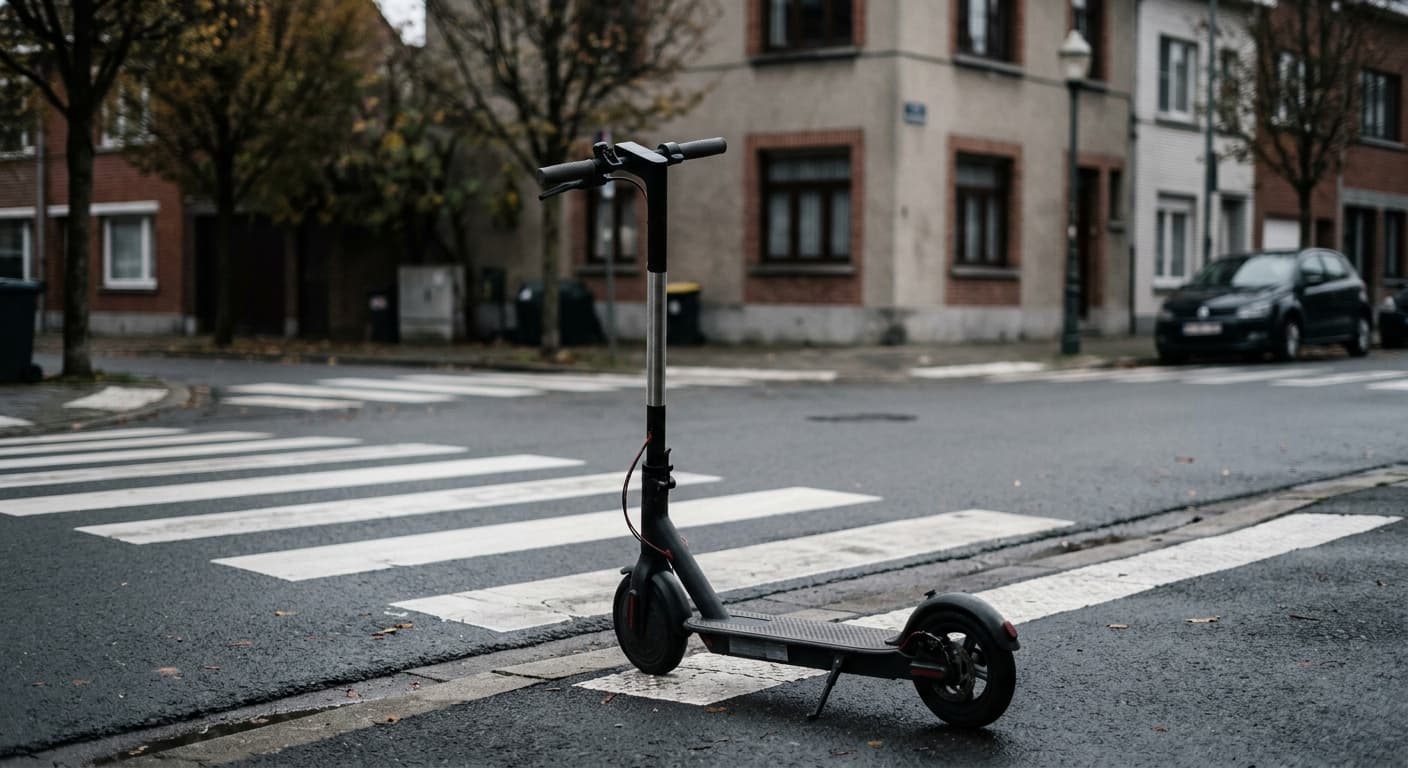
No federal e-scooter law exists in Canada. See how Ontario, BC, Quebec, Alberta, Manitoba, Saskatchewan, Nova Scotia, and PEI each regulate e-scooters, including Toronto's ongoing ban.
No Canadian territory, Yukon, NWT, or Nunavut, has an e-scooter law. Kick scooters fall outside every pedal-cycle exemption and default to the general motor vehicle definition instead.

EI and job-protected leave are not the same. Learn how federal EI benefits and provincial job-protected leave work separately in Canada.

EI sickness benefits pay 55% of insurable earnings up to $729 a week in 2026, for as long as 26 weeks on a new claim, subject to a one week waiting period and a medical certificate.

Ontario and BC have no minor emancipation decree; family law is provincial, so this was not checked nationwide. Quebec's Civil Code has a real emancipation regime.

Employment standards in Canada are set by each province and territory, not federally. See what these laws typically cover and where to find your province's rules.
Notice periods for eviction in Ontario, BC, Alberta, Quebec and other provinces, and how the tribunal eviction process works across Canada.

What an executor, called an estate trustee in Ontario and a liquidator in Quebec, must do: secure assets, pay debts and taxes, get a CRA clearance, then distribute.
Expungement destroys a Canadian record but only for a narrow list of unjust convictions. Most people searching expungement actually need a record suspension.
Work for a bank, airline, or telecom carrier? See how the Canada Labour Code, not your province's employment standards act, governs your termination notice, severance pay, and dismissal rights.

How fast your final pay must arrive after a job ends in every Canadian province, territory, and under federal law, from 48 hours in BC to no fixed deadline at all in Quebec.

How BC's Freedom of Information and Protection of Privacy Act works: the 30 day deadline, section 10 extensions, the $10 fee, and OIPC review rights.
Ontario's freedom of information rules under FIPPA and MFIPPA: the new 45 business day deadline since July 2026, the $5 fee, other charges, and how to appeal to the IPC.
Every Canadian province has graduated licensing for new drivers. See Ontario's G1/G2, BC's L/N, Alberta's Class 7/GDL, and Quebec's rules and BAC limits.
Alberta grandparents need court permission to apply for contact under FLA s.35, except in one narrow case, and always face a separate best-interests test.
BC's Family Law Act lets grandparents apply for contact without court permission, unlike Alberta, but the best-interests test in s.37 is still the sole gate.
No Canadian province or the federal Divorce Act gives grandparents an automatic right to see grandchildren. Every application is discretionary, and leave requirements vary by province.
Ontario grandparents can apply for a parenting or contact order under CLRA ss. 21 and 24 with no leave required. The 2016 anti-barrier rule no longer exists.

How Canada's Federal Child Support Tables set the base monthly amount from income, number of children, and province, updated for the October 2025 tables.

Newfoundland and Labrador's Provincial Court dockets are publicly searchable online by accused name at docket.court.nl.ca. Fees, restrictions, and how each court differs.
Nova Scotia has no online court case-file search. How dockets, decisions, and Civil Procedure Rule 85 requests work, plus official Supreme Court and Court of Appeal fees.

Prince Edward Island has no public online court records search. Learn how the in-person Register of Actions terminal in Charlottetown works, plus fees and restrictions.
Court records access across Yukon, Northwest Territories, and Nunavut: NWT and Nunavut run public online docket searches; Yukon's docket tool is login-gated.
Your options when you get a ticket: pay, plead guilty with explanation, or dispute. How Ontario's POA process, disclosure, and trial work, plus BC, AB, and QC.
A step-by-step guide to filing a small claim in Canada, from confirming your limit and deadline to serving, hearings, and collecting on a judgment.

How to search Alberta court records: the King's Bench civil and criminal eServices portals, in-person Court of Justice and Court of Appeal requests, and the $25 search / $20 certification fees.
How to search British Columbia court records through Court Services Online: the free civil/criminal search, the $6 file view, the $10 document purchase, and what CSO does not cover.
Saskatchewan has no online court-records portal. How to search Court of Appeal, King's Bench, and Provincial Court files in person, by mail, or by fax, with official fees and restrictions.

Alberta's Protection Against Family Violence Act creates an Emergency Protection Order and King's Bench protection order. Breach is an offence up to $5,000 and 90 days. Call 911 if in danger.

BC's civil protection order comes from the Family Law Act, free in Provincial Court or $80 to $280 in Supreme Court, and lasts one year by default. If you're in danger, call 911.
Alberta's legal name change process under the Vital Statistics Act: registry agent steps, fingerprinting rules, the $120 government fee, and the 75-year privacy rule.

BC's legal name change process under the Name Act: age and residency rules, the electronic fingerprint requirement, fees, processing times, and publication rules.

Manitoba's legal name change process: the statutory fingerprint and RCMP record-check rule, exact fees, and the Gazette exemption for transgender and Two-Spirit applicants.

New Brunswick's legal name change process: three age-eligibility paths, a self-obtained criminal record check instead of fingerprints, and exact fees.

Newfoundland and Labrador's legal name change process: the self-obtained criminal record check, ministerial review for listed offences, and exact fees.
Nova Scotia's legal name change process: the statutory fingerprint rule at 12+, the automatic bar for a designated-offence conviction, and the $165.70 fee.

Ontario's legal name change process: age and residency rules, required documents, publication in the Ontario Gazette, exemptions, costs, and timelines.
Prince Edward Island's legal name change process under the Change of Name Act: the 18-plus age floor, the unresolved fingerprinting question, and the $100 fee.
Quebec's DEC and court routes for a legal name change, the motif sérieux standard, married names under CCQ art. 393, fees, processing times, and the 2022 reforms.
Saskatchewan's legal name change process under the Change of Name Act, 1995: age and residency rules, fingerprint checks, and Gazette publication.
Yukon, NWT, and Nunavut name change rules compared: fees from $10 to $159, Nunavut's court-based process, and real Gazette publication differences.
How to make a valid will in Canada: formal, holograph, and Quebec will types, signing and witness rules by province, and what happens if you have none.
Manitoba's free Court Registry System covers King's Bench and Court of Appeal dockets, but the Provincial Court, over 95% of criminal cases, has no online access. Fees and restrictions.

New Brunswick's free Court Index searches civil, small claims, bankruptcy, and probate files online, but not criminal or family cases. How to request a file and official fees.

How to report an ICBC claim in BC, what Enhanced Care no-fault benefits cover, and the narrow exceptions that still let an injured person sue.
Manitoba splits impaired-driving suspensions into a flat 3-month track and a tiered 72-hour-to-60-day track, the reverse of what most drivers expect, with a full year to request a review.
Quebec's Highway Safety Code triggers a 90-day SAAQ suspension at 0.08 BAC, zero tolerance for drivers 21 or younger, and no general 0.05 warn range, unlike most other provinces.

Saskatchewan runs three roadside suspension tracks, from a 3-day warn-range suspension to an indefinite criminal-level suspension, with a 90-day appeal window to the Highway Traffic Board.

Impaired driving is a federal Criminal Code offence in every province. Learn the 80 mg limit, mandatory screening, penalties, and provincial suspensions.

Boxing Day is a paid statutory holiday only in Ontario and for federally regulated employees. See where else in Canada it is not required by law.

Easter Monday is not a paid statutory holiday under employment standards law in any Canadian jurisdiction, except Quebec, where the employer may choose it over Good Friday.
Pepper spray marketed for use on people is a prohibited weapon in Canada. Bear spray is legal when labelled and registered for animal use. Federal rules explained.
Remembrance Day is a paid statutory holiday in most of Canada but not in Ontario or Quebec; Manitoba and Nova Scotia apply their own Remembrance Day Acts.
Canada's Criminal Code has no felony or misdemeanor categories. Offences are indictable, summary conviction, or hybrid. Here is how the classification, and the US border angle, actually works.

Canada has no lemon law like the US, but Quebec now has one. Here is what Canadians have instead: CAMVAP arbitration, warranties, and Quebec's new rules.
Canada has no general statute of limitations for indictable crimes. Summary offences have a 12-month deadline, and civil lawsuit deadlines vary by province.
Jury duty in Canada is set by provincial law. See how selection works, who is disqualified, what changed in 2019, and what jurors are paid by province.
Canada has no blade-length limit on knives. What actually makes a knife illegal is its design, plus carrying it for a dangerous purpose or concealed.