
Canadian Family Law by Province: A Practical Guide
How Canadian family law works: federal divorce rules, provincial property division, common-law rights by province, spousal support, and parenting time.
9 min read
448 articles · page 2 of 8
How Canadian family law works: federal divorce rules, provincial property division, common-law rights by province, spousal support, and parenting time.

How Canada's federal and provincial laws differ across 13 provinces and territories, with citation-backed guides to recording, privacy, child support and more.
Power of sale vs judicial foreclosure, adverse possession, fences, noise, condo status certificates and BC strata rules across every Canadian province.

Canada's federal adult cannabis age is 18. See the ages set by Alberta, BC, Ontario, Manitoba and Quebec (up to 21) and where home growing is allowed.

Capital One proposed a C$35 million settlement over its 2019 Canadian data breach. Opt out by Sept 11, 2026; BC Supreme Court hearing set for Sept 22, 2026.

How car accident claims and auto insurance work in every Canadian province and territory: insurance model, right to sue, minor injury caps, limitation periods.

Canada has no lemon law, but defective vehicle buyers can use warranty claims, implied warranty law, CAMVAP arbitration, and small claims court.

Child car seat and booster laws in Yukon, NWT, and Nunavut, plus the federal rules on certification, the National Safety Mark, US-bought seats, and recalls.

Car seat and booster seat rules in Canada by province. Ontario, BC, Alberta and Quebec weight, height and age thresholds, plus the four-stage safety framework.
Careless driving is a provincial offence (fine, demerit points). Dangerous driving is a Criminal Code offence with a criminal record and prison exposure.

What Canada's Anti-Spam Law (CASL) requires before sending marketing messages: consent rules, the unsubscribe deadline, software rules, penalties, and how to report spam.
Section 494 of the Criminal Code lets a private person arrest without a warrant in narrow situations. Learn the limits and why it is risky before acting.

Alberta calls it "adult interdependent partner," not common law. How AIP status is created, property division since 2020, support, and inheritance.

In British Columbia, common-law partners get nearly the same property, pension and inheritance rights as married spouses after 2 years together. Here's how BC's law actually works.
How common-law status, spousal support, and property division rights differ by province in Canada, from Ontario and BC to Alberta and Quebec.

Manitoba uses three different tests for common-law status, one each for property, support, and inheritance, plus a registration option that grants instant rights.

New Brunswick common-law partners can qualify for spousal support under a specific dual test, but get no automatic property division or inheritance rights.
NL's Family Law Act splits "spouse" and "partner" into separate terms. Common-law partners get real support rights, but no automatic property or intestacy share.

In Nova Scotia, common-law partners get automatic spousal support, but property and inheritance rights only come from registering a domestic partnership.

In Ontario, common-law partners do not get automatic property division like married spouses. Learn what the law actually gives you, and what it does not.

In PEI, common-law partners get no automatic right to divide property, but many can inherit under the province's intestacy law just like a married spouse. Here's how the rules work.

Quebec does not use the term "common law spouse." Unmarried partners are conjoints de fait, and since 2025 a new union parentale regime changes what parents automatically get.
Saskatchewan runs two different common-law tests, one for property and one for support, and they don't line up. Here's what each one actually requires.
Yukon, the Northwest Territories, and Nunavut do not share one common-law law. Yukon gives no property rights at all; NWT gives full parity with marriage.
Learn how Canadian courts define constructive dismissal, the Potter v. New Brunswick two-branch test, common triggers, and the risks of resigning without legal advice.

Ontario-specific rules for a consumer proposal or bankruptcy: what property the Execution Act lets you keep, how long it affects your credit report, and the garnishment stay.

How a consumer proposal works under the federal Bankruptcy and Insolvency Act: the $250,000 ceiling, the 5 year term, the stay of proceedings, and what happens if you miss a payment.

A sourced side by side comparison of consumer proposals and personal bankruptcy in Canada: eligibility, cost, asset effect, discharge timing, and credit report treatment.
Canada has no lemon law. Learn the real toolkit: CAMVAP arbitration, warranties, debt-collection and wage-garnishment rules, and limitation periods by province.

Grounds to contest a will in Canada (capacity, undue influence, execution, fraud), dependants' relief deadlines by province, and how Quebec's regime differs.
How to search Ontario court records: the Toronto-only Public Portal vs. province-wide Justice Services Online, the criminal search's rolling window, fees, and family/youth restrictions.

CPP-D pays Canadian contributors who meet a severe and prolonged disability test. See how it differs from Quebec's QPP program, plus links to the full eligibility and appeal guides.

A CPP disability denial can be appealed in four steps with hard deadlines. Most guidance cites the wrong Appeal Division test; here is the one that actually applies.

CPP disability pays up to $1,741.20 a month in 2026 under the severe and prolonged test in CPP Act section 42(2)(a). Eligibility, application paths, and working while on CPP-D explained.

Canadian employers need consent for a criminal record check, and the tier must match the role. See what human rights law protects and what applicants should disclose.
Canada has three tiers of criminal record check: name-based CPIC, judicial matters, and vulnerable sector. See what each reveals and who can require one.
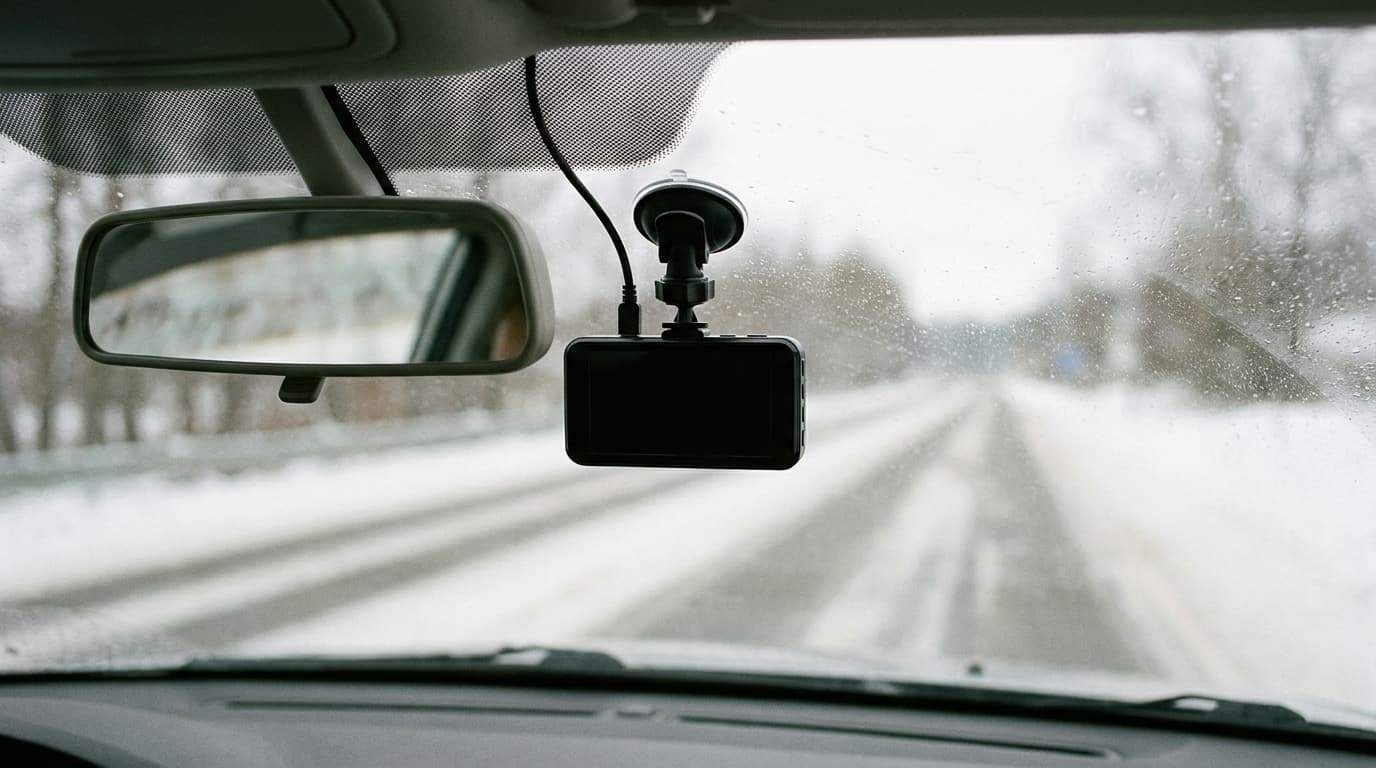
Dash cams are legal in every Canadian province. Learn windshield mounting rules, the audio-recording consent issue under the Criminal Code, and using footage as evidence.

How debt collection is regulated across Canada: written notice, calling hours, contact limits, and what collectors cannot do, by province.

Canadian defamation damages are uncapped, but the $1.6 million Hill v. Church of Scientology award is a ceiling-setting outlier. A peer-reviewed study puts the median award near $29,000.

Justification, the WIC Radio fair comment test, Grant v. Torstar responsible communication, privilege, and apology laws. The defences to a defamation claim across common law Canada.

Canada runs two defamation systems: common law everywhere except Quebec, and a fault-based civil code in Quebec. Deadlines are the urgent part, from six weeks in Ontario to one year in Quebec.

Quebec defamation runs on the Civil Code and the Quebec Charter, not the common law used in the rest of Canada: fault-based liability, no presumed damages, and a one-year prescription period.
How each Canadian province and territory penalizes distracted driving: statute section, fine, demerit points, suspension, and novice/GDL rules, sourced to primary law.
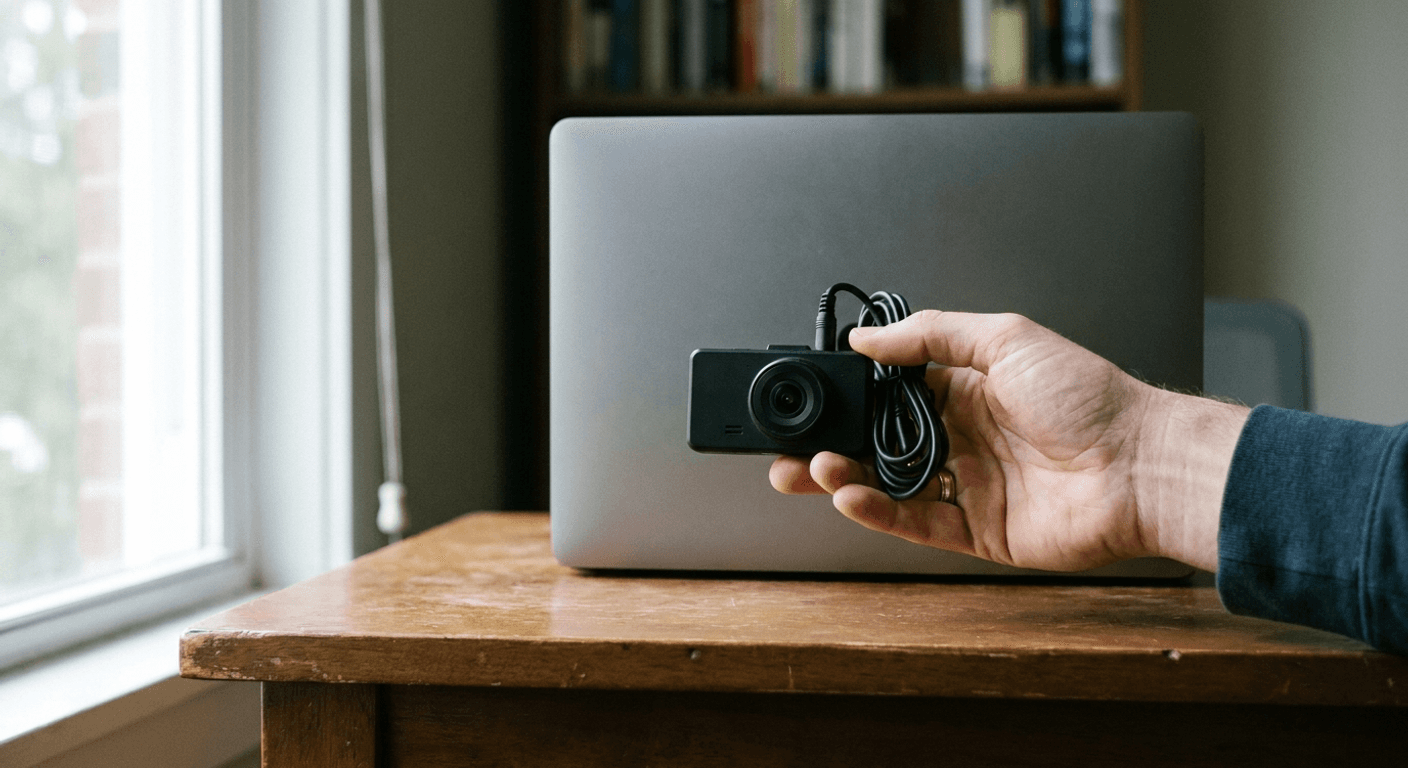
Ontario's distracted driving penalties under HTA s.78.1: the $500 set fine, the statutory range by offence count, the 6-point rule, and novice driver rules.
The federal Divorce Act does not divide property. Property division is provincial. How Ontario, BC and Quebec each split assets on divorce, compared.

An Ontario divorce certificate (Form 36B) is issued on request by the court that granted your divorce, not ServiceOntario. The $25 process, explained.
How divorce works in British Columbia: which court grants it, the desk order process, the 31-day rule, and how the Family Law Act divides property.
How divorce works in Canada: the one legal ground under the Divorce Act, residency rules, uncontested vs contested filing, and the 31-day timeline.
How divorce works in Ontario: which court to file in, simple vs joint applications, the Mandatory Information Program, filing fees, and property rules.
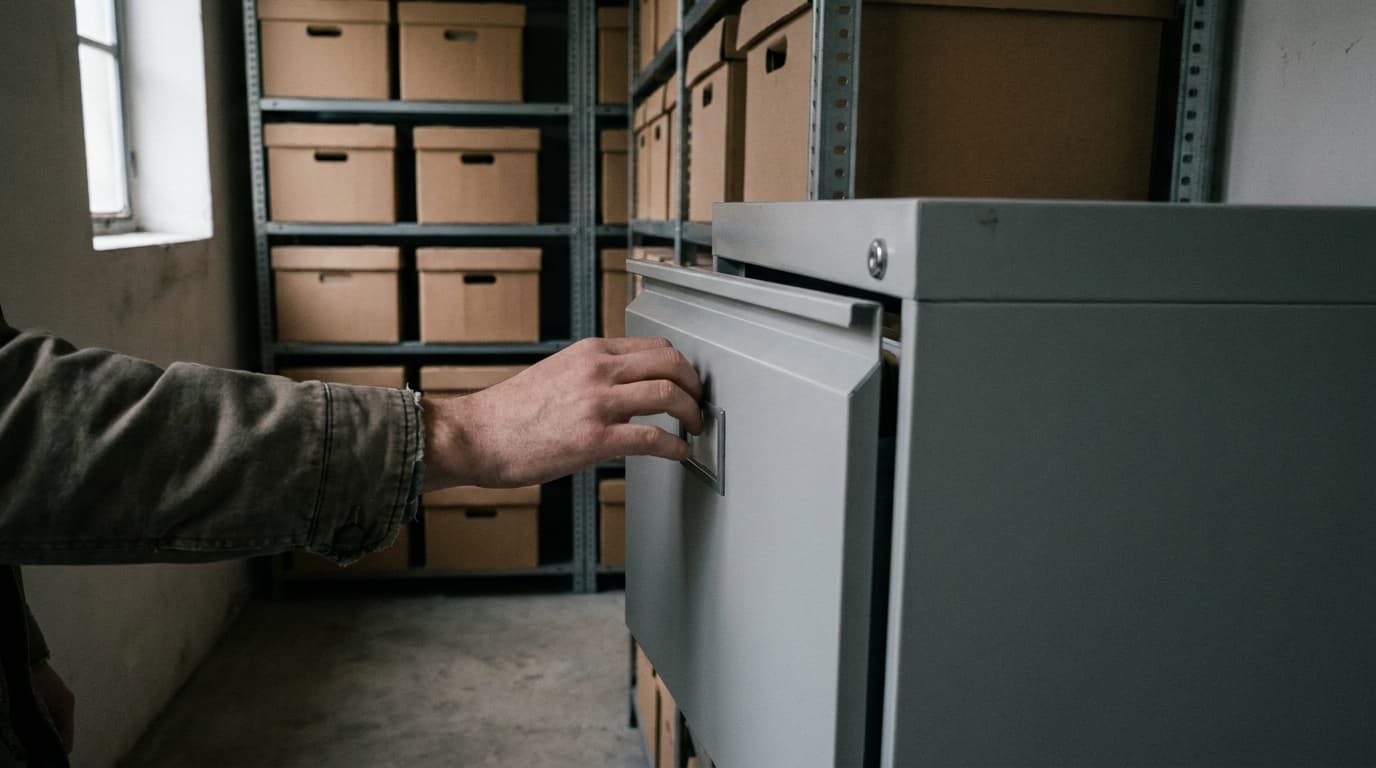
Divorce records are public in Alberta under Canada's open court principle. Learn how to search, request, or seal a divorce file, and get a certificate of divorce.

Under Canadian law, persons accused of domestic violence may face prosecution under the Canadian Criminal Code for acts of violence or abuse.
There is no separate domestic violence offence in Canada. Learn how charges, peace bonds, protection orders, and the Crown's role in prosecution work.
The real fine range for driving uninsured in Ontario under the Compulsory Automobile Insurance Act, how it differs from forgetting your insurance card, and impoundment.

Newfoundland and Labrador's impaired driving rules: roadside suspension tiers by driver class, zero tolerance for everyone under 22, mandatory interlock terms, and reinstatement fees.

Ontario suspends a driver's licence at the roadside, before any conviction: 7/14/30 days for a warn-range BAC, a flat 90 days plus impoundment for 0.08 or refusal, and more after a conviction.

Prince Edward Island's impaired driving rules: warn-range and ADP roadside suspensions, zero tolerance for drivers under 22, ignition interlock since 2006, and reinstatement fees.
How Yukon, the Northwest Territories, and Nunavut handle impaired driving: roadside suspension tiers, zero tolerance, vehicle impoundment, and which territory has no ignition interlock program at all.

Alberta's Immediate Roadside Sanctions scheme covers IRS WARN, IRS FAIL, and IRS ZERO tiers on top of the Criminal Code DUI offence, with a 7-day deadline to dispute a penalty.
British Columbia layers an Immediate Roadside Prohibition and an Administrative Driving Prohibition on top of the Criminal Code DUI offence, with a strict 7-day review deadline.

Canada's impaired driving penalties: mandatory minimum fines by BAC, jail time for repeat offences, federal driving prohibitions, and interlock rules.