
New Mexico
New Mexico Dashcam Laws: Windshield Mounting, Audio, and Evidence Rules (2026)
Independently fact-checked against primary sources (last audited August 15, 2026). · Reviewed by the RecordingLaw editorial team. · Law checked current as of August 15, 2026. · 3 primary sources cited on this page. How we verify our legal content
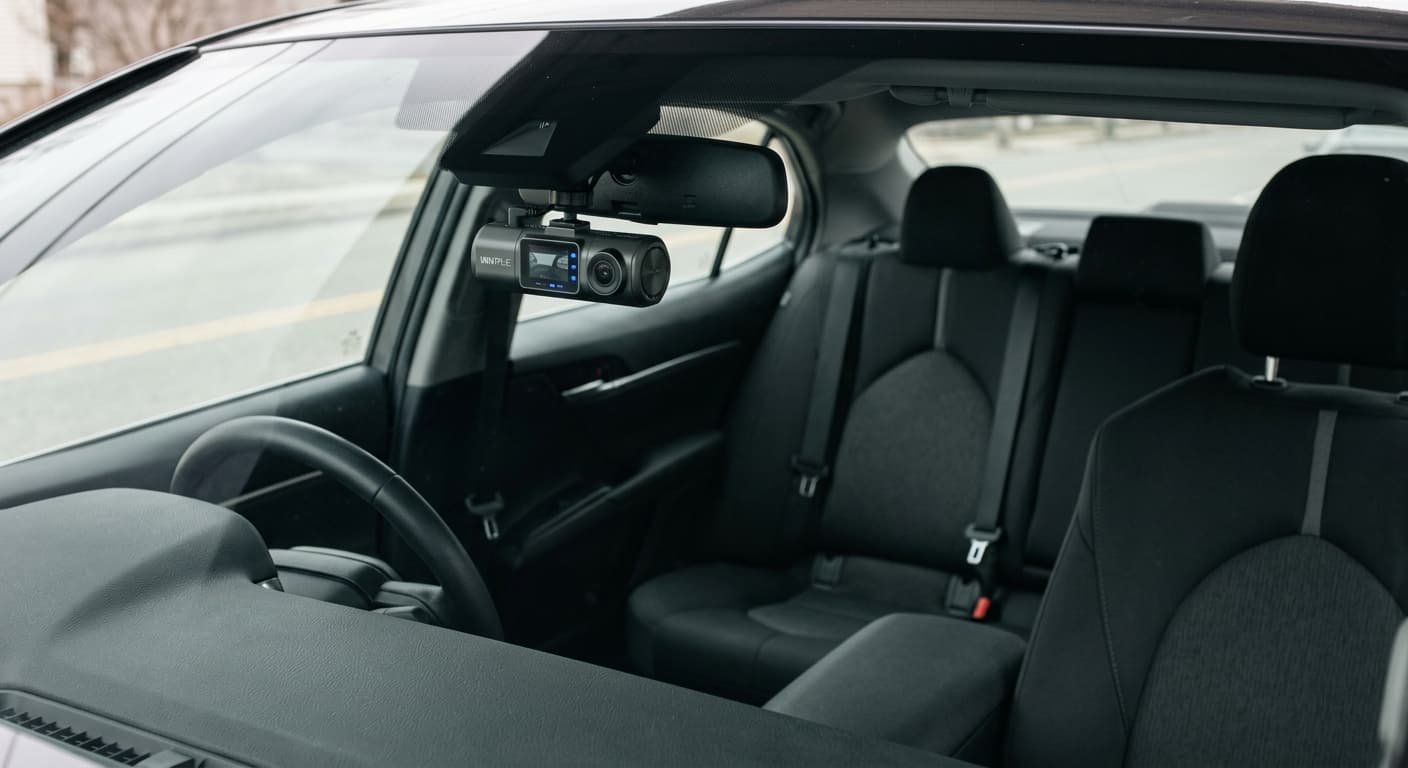
Dashcams are legal in New Mexico. In-car audio recording requires no consent because N.M. Stat. Ann. § 30-12-1 covers only telephone and wire communications, leaving in-person conversations unprotected by the wiretap statute. N.M. Stat. Ann. § 66-3-846 bars nontransparent material on the front windshield outright, subject to a separate statutory exception, so mount your camera to minimize how much of the windshield it covers.
Dashcams are legal in New Mexico and increasingly popular among drivers who want to document road conditions, traffic incidents, and interactions with law enforcement. The primary legal consideration is windshield mounting, which must comply with N.M. Stat. Ann. § 66-3-846 restricting nontransparent material on windshields. Audio recording by dashcams requires no special consent in New Mexico because in-person conversations are not covered by the wiretapping statute.
This guide covers dashcam legality, mounting requirements, audio recording rules, using footage as evidence, commercial vehicle rules, and practical tips for dashcam users in New Mexico.
Dashcam Legality in New Mexico
The Basic Rule
New Mexico allows dashcams in personal and commercial vehicles. There is no state law prohibiting the use of dashboard cameras. However, the device must be mounted in a way that does not violate windshield obstruction rules.
Windshield Mounting Requirements
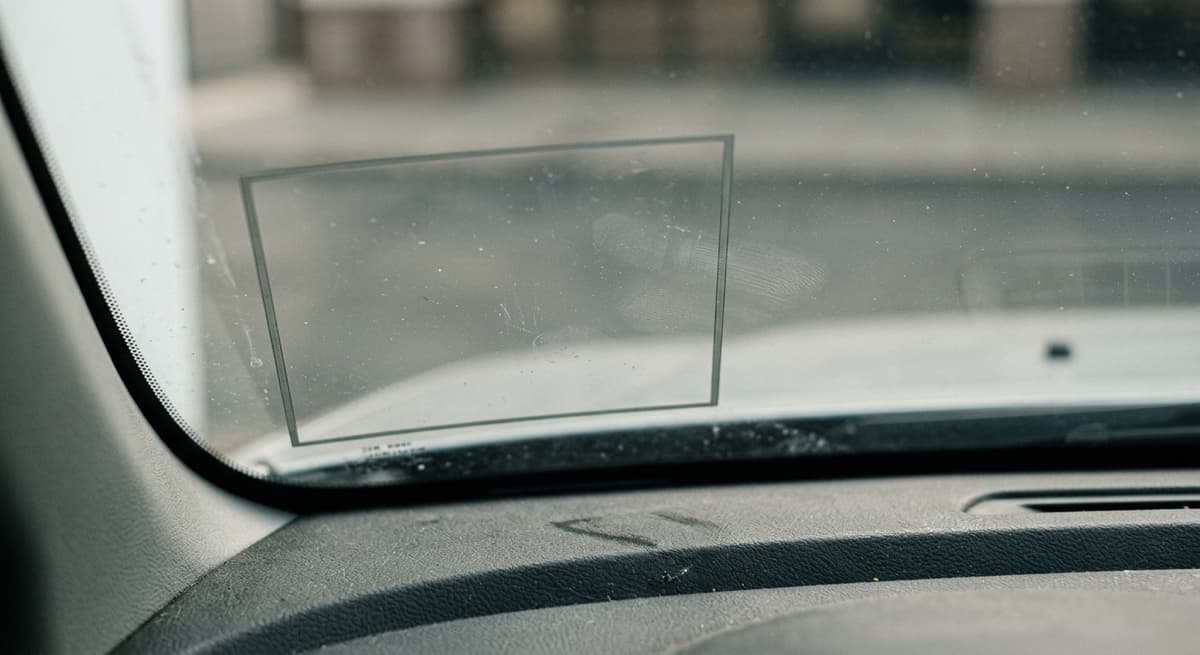
Under N.M. Stat. Ann. § 66-3-846, drivers must not place any sign, poster, or other nontransparent material on the front windshield or the windows immediately to the driver's right and left, except as separately allowed under Section 66-3-846.1 NMSA 1978. The statute does not condition this prohibition on whether the material actually blocks the driver's view, so treat any windshield mount as a compliance risk and minimize it:
- Mount the camera on the dashboard rather than the windshield when possible
- If using a windshield mount, position it behind the rearview mirror or in a corner that covers as little glass as possible
- Use the smallest mount possible to minimize the amount of windshield covered
- Make sure the camera and mount do not block any portion of your forward field of vision
Rear and Side-Mounted Cameras
New Mexico law does not restrict cameras mounted on the rear window, side windows, or exterior of the vehicle. Rear-facing dashcams, backup cameras, and multi-camera systems are all legal.
Audio Recording by Dashcams
In-Person Conversations
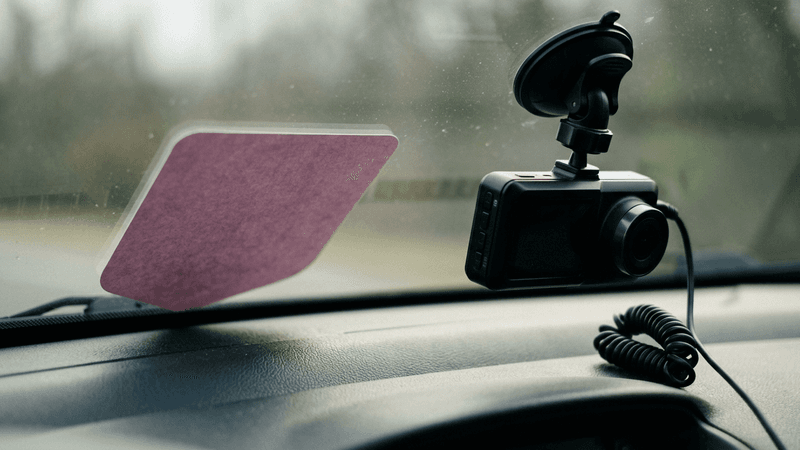
Many dashcams record audio in addition to video. Under New Mexico law, the wiretapping statute (N.M. Stat. Ann. § 30-12-1) covers only "telegraph or telephone" communications. In-person conversations captured by a dashcam's microphone are not covered by the wiretap statute.
This means:
- You do not need to inform passengers that the dashcam records audio
- Conversations between you and passengers can be recorded freely
- Audio captured during traffic stops with police officers is legal to record
- Roadside conversations captured by the dashcam are not protected by the wiretap law
Phone Calls in the Car
If your dashcam captures audio of a phone call made through your car's speaker system, the one-party consent rule applies. You satisfy the consent requirement as a participant in the call. However, if the dashcam captures a phone call between passengers that you are not part of, the wiretap statute technically does not apply because it covers only telephone communications with consent from "a sender or intended recipient." When in doubt, disable audio recording or inform passengers.
Using Dashcam Footage as Evidence
Traffic Accidents
Dashcam footage is valuable evidence in traffic accident cases. It can establish:
- Which driver had the right of way
- The speed and direction of vehicles before impact
- Traffic signal status at the time of the collision
- Weather and road conditions
- Whether either driver was distracted or impaired
- The severity of the impact
Insurance Claims
New Mexico auto insurance companies increasingly accept dashcam footage to support claims. Benefits include:
- Faster claim resolution when fault is clear on video
- Protection against fraud (staged accidents, false injury claims)
- Reduced disputes about what happened during the incident
- Potential premium discounts from some insurers for dashcam use
Contact your insurance provider to ask about dashcam-related benefits.
Criminal Cases
Dashcam footage can be used as evidence in criminal cases including:
- Hit and run identification
- DUI/DWI documentation
- Road rage incidents
- Reckless driving charges
- Crimes captured on camera (theft, assault, vandalism)
Admissibility Standards
For dashcam footage to be admissible in New Mexico courts, it must be:
- Authentic: The footage must be verified as genuine and from the dashcam in question
- Unaltered: The original file must not have been edited or manipulated
- Relevant: The footage must relate to an issue in the case
- Not unduly prejudicial: The court must determine that the footage's evidentiary value outweighs any potential for unfair prejudice
Preserving Dashcam Evidence
- Save the footage immediately after an incident. Many dashcams use loop recording that overwrites old footage.
- Remove the memory card and store it safely to prevent overwriting.
- Back up the footage to a computer, cloud storage, or external drive.
- Do not edit the file. Preserve the original with all metadata intact.
- Note the date, time, and location of the incident.
- Provide footage to your attorney and insurance company promptly.
Dashcams and Traffic Stops
Your Rights During a Traffic Stop
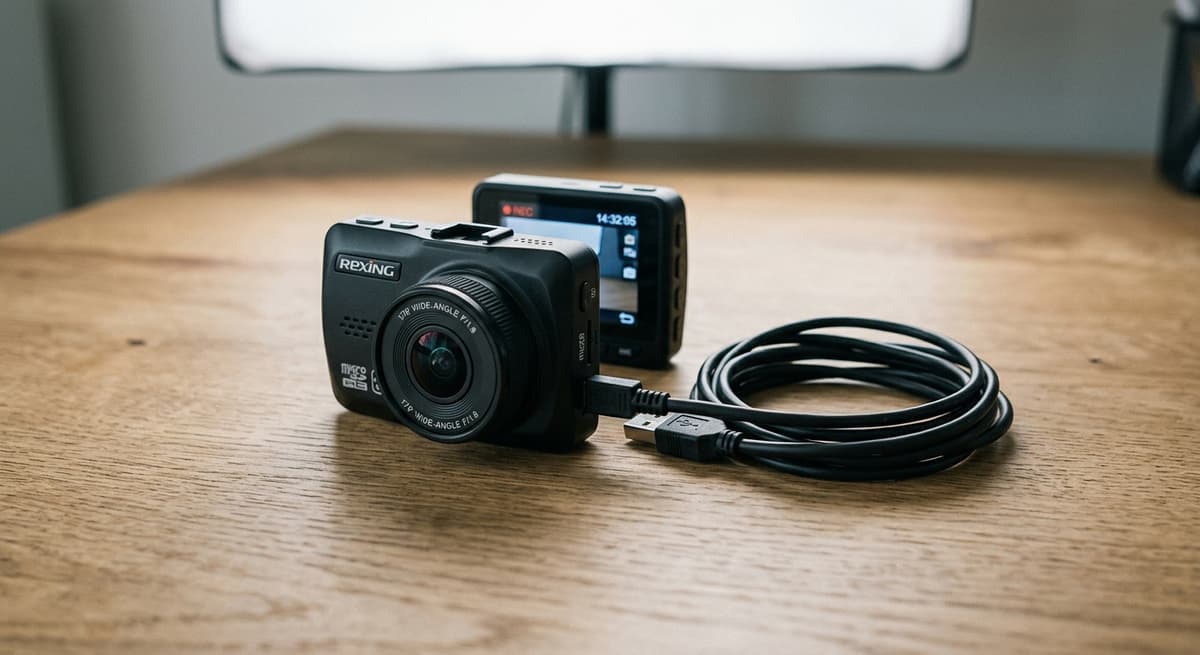
You have the right to continue recording during a traffic stop in New Mexico. The Tenth Circuit Court of Appeals recognized a First Amendment right to record police officers performing their duties in public in Irizarry v. Yehia, 38 F.4th 1282 (10th Cir. Jul. 11, 2022), with that right clearly established as of May 26, 2019. Your dashcam can keep running during the entire encounter.
- An officer cannot order you to turn off your dashcam
- An officer cannot seize your memory card without a warrant
- Audio of your conversation with the officer is legally recorded
- Dashcam footage of a traffic stop can be used in court
Informing the Officer
You are not legally required to tell an officer that your dashcam is recording. However, some drivers choose to mention it. A simple "I have a dashcam running" can be sufficient. Whether or not to disclose is a personal choice rather than a legal requirement.
Commercial Vehicle Dashcams
Trucking and Fleet Operations
Commercial vehicle operators in New Mexico should be aware of additional rules:
- The Federal Motor Carrier Safety Administration (FMCSA) permits but does not require dashcams in commercial vehicles
- Fleet operators may require dashcams as part of company policy
- Electronic logging device (ELD) rules under the FMCSA are separate from dashcam requirements
- Commercial drivers crossing state lines should be aware of varying state laws
Ride-Share and Delivery Drivers
Uber, Lyft, and delivery drivers in New Mexico can use dashcams. Important considerations:
- Audio recording of in-person conversations with passengers does not require consent under New Mexico law
- Check your ride-share or delivery platform's policies about dashcam use
- Interior-facing cameras that record passengers are legal in New Mexico
- Some platforms have specific guidelines about driver camera use
Choosing and Installing a Dashcam
Features to Consider
- Resolution: 1080p minimum; 4K provides better detail for license plates
- Night vision: Important for low-light driving conditions
- GPS logging: Records location and speed data alongside video
- Parking mode: Continues recording when the vehicle is parked and detects motion
- Loop recording: Automatically overwrites old footage when storage is full
- G-sensor: Locks footage when it detects a collision impact
- Dual cameras: Front and rear coverage for comprehensive documentation
Installation Tips
- Mount in a position that does not obstruct your view of the road
- Route wiring cleanly along the headliner and A-pillar to avoid dangling cables
- Use a hardwire kit for a clean installation rather than a cigarette lighter adapter
- Test the camera's field of view before finalizing placement
- Verify that the date and time stamp are accurate
More New Mexico Recording Laws
Audio Recording | Video Recording | Voyeurism & Hidden Cameras | Workplace Recording | Recording Police | Phone Call Recording | Security Cameras | Recording in Public | Landlord-Tenant | Dashcam Laws | Schools | Medical Recording
Back to New Mexico Recording Laws
More New Mexico Recording Topics
More New Mexico Laws
Frequently Asked Questions
Are dashcams legal in New Mexico?
Yes. Dashcams are legal in New Mexico. N.M. Stat. Ann. § 66-3-846 bars nontransparent material on the front windshield outright, subject to a separate statutory exception, so the safest approach is to mount the camera on the dashboard or in a position that minimizes how much of the windshield it covers.
Do I need to tell passengers my dashcam records audio in New Mexico?
No. New Mexico's wiretapping statute covers only telephone and wire communications. In-person conversations in your vehicle are not covered, so audio recording by your dashcam does not require consent or notification. However, informing passengers is a courtesy.
Can dashcam footage be used in court in New Mexico?
Yes. Dashcam footage is admissible as evidence in New Mexico courts for traffic accidents, insurance disputes, criminal cases, and traffic violations. The footage must be authentic, unaltered, and relevant to the case.
Can a police officer make me turn off my dashcam in New Mexico?
No. The Tenth Circuit has recognized a First Amendment right to record police in public. An officer cannot order you to turn off your dashcam during a traffic stop, and cannot seize your memory card without a warrant.
Where should I mount my dashcam in New Mexico?
Mount the camera on the dashboard rather than the windshield when possible -- N.M. Stat. Ann. 66-3-846 bars nontransparent material on the front windshield outright, regardless of whether it blocks your view, subject to a separate statutory exception. If a windshield mount is unavoidable, position it behind the rearview mirror or in a corner to minimize how much glass it covers, and make sure it does not block your forward field of vision.
Updates
Independently fact-checked against the cited primary sources; governing law re-checked for recent changes
Corrected the windshield-mounting rule: N.M. Stat. Ann. 66-3-846 bans nontransparent material on the front windshield outright (subject to a separate statutory exception), not only material that actually interferes with the driver's view.
Corrected the 'Where should I mount my dashcam' FAQ answer so it matches the rest of the page: New Mexico's windshield statute bars nontransparent material on the front windshield outright, not just mounts that happen to block the driver's view, and windshield clips are a compliance risk to minimize rather than a 'safest' option.
Governing law re-checked for recent changes
Reviewed and approved by an editor
The Law Behind This Article
This article rests on the statutory provisions below, held in our own legal record and retrieved from the official source. Tap a section to read the operative text.
New Mexico Statutes Annotated 1978, Chapter 30
§ 30-12-1Interference with communications; exceptionIn forcecited in 37 of our articles
Interference with communications consists of knowingly and without lawful authority: A. displacing, removing, injuring or destroying any radio station, television tower, antenna or cable, telegraph or telephone line, wire, cable, pole or conduit belonging to another, or the material or property appurtenant thereto; B. cutting, breaking, tapping or making any connection with any telegraph or telephone line, wire, cable or instrument belonging to or in the lawful possession or control of another, without the consent of such person owning, possessing or controlling such property; C. reading, interrupting, taking or copying any message, communication or report intended for another by telegraph or telephone without the consent of a sender or intended recipient thereof; D. preventing, obstructing or delaying the sending, transmitting, conveying or delivering in this state of any message, communication or report by or through telegraph or telephone; or E. using any apparatus to do or cause to be done any of the acts hereinbefore mentioned or to aid, agree with, comply or conspire with any person to do or permit or cause to be done any of the acts hereinbefore mentioned.
Official text (excerpt) · last checked 2026-08-28 · Read the full text in our law library · Verify at nmonesource.com
Cited in 19 court opinions in our collectionLatest citing opinion in our collection: 2025
In the courts (editorial summary, independently checked):State v. Johnson (2010) held the consent exception in 30-12-1(E)(3) applies to jail calls where the caller impliedly consents by calling with knowledge the call is recorded. State v. Templeton (2007) found a call from the booking area, recorded with no notice, violated the Act, while a call placed after a recorded notice did not.
Opinions citing this section in our collection:
- State v. Johnson (New Mexico Supreme Court 2010, 148 N.M. 50)✓A jail inmate awaiting a murder retrial made recorded calls asking others to appear at trial and influence testimony; the court held the statute was not violated because an automated message warned both sides, so its prior consent exception applied.
- State v. Ocon (New Mexico Court of Appeals 2021, 493 P.3d 448)“…63); and interference with communications, in violation of NMSA 1978, Section 30-12-1 (1979). On those charges, the jury only…”
- State v. Templeton (New Mexico Court of Appeals 2007, 142 N.M. 369)✓Two of a jailed defendant's phone calls were recorded; the court held the statute was violated as to the booking-area call, where no notice was given and guarded speech did not imply consent, but not as to a later call from a phone that announced monitoring.
Identified automatically from the court opinions citing this section — not a ranking of which case controls.
Also relied on in: New Mexico Recording Laws (2026): One-Party Consent Rules, New Mexico Smart Glasses Recording Laws (2026), New Mexico Audio Recording Laws: One-Party Consent Rules and Penalties (2026)
New Mexico Statutes Annotated 1978, Chapter 66
§ 66-3-846Windshields must be unobstructed and equipped with wipers; windows must be transparent; exception.In forcecited in 6 of our articles
A. No person shall drive any motor vehicle with any sign, poster or other nontransparent material upon or in the front windshield, the windows to the immediate right and left of the driver or the rearmost window if the latter is used for driving visibility, except as provided in Section 66-3-846.1 NMSA 1978. The rearmost window is not necessary for driving visibility where outside rearview mirrors are attached to the vehicle. B. The windshield on every motor vehicle except a motorcycle shall be equipped with a device for cleaning rain, snow or other moisture from the windshield, which device shall be so constructed as to be controlled or operated by the driver of the vehicle. C. Every windshield wiper upon a motor vehicle shall be maintained in good working order. D. A person who violates the provisions of this section is guilty of a penalty assessment misdemeanor.
Official text (excerpt) · last checked 2026-09-08 · Read the full text in our law library · Verify at nmonesource.com
Cited in 3 court opinions in our collectionLatest citing opinion in our collection: 2010
Opinions citing this section in our collection:
- State v. Munoz (New Mexico Court of Appeals 1998, 125 N.M. 765)“…shield could render a vehicle unsafe to drive. We note that NMSA 1978, Section 66-3-846(A) (1997), makes it a misdemeanor to “d…”
- State v. Granados (New Mexico Court of Appeals 2010)“…if the 18 latter is used for driving visibility. 19 NMSA 1978, Section 66-3-846(A) (1997), and that:…”
- United States v. Alvarez-Becerra (Court of Appeals for the Tenth Circuit 2002, 33 F. App'x 403)“…shield in violation of state and local traffic laws. See N.M. Stat. Ann. § 66-3-846 (Michie 1978); Albuquerque, N.M., Code…”
Identified automatically from the court opinions citing this section — not a ranking of which case controls.
Also relied on in: New Mexico Windshield Mounting Laws (2026 Guide)
Explore the law
The laws cited above reference these related sections in their own text:
- New Mexico Statutes Annotated 1978, Chapter 30 § 30-12-11 — Right of privacy; damages view in our statute record · read at the official source
- New Mexico Statutes Annotated 1978, Chapter 30 § 30-12-2 — Grounds for order of interception view in our statute record · read at the official source
- New Mexico Statutes Annotated 1978, Chapter 66 § 66-3-846.1 — Sun screening material on windshields and windows; requirements; violation; penalty. view in our statute record · read at the official source
Related law for further reading — not part of this article’s citations.
Search our full record of US law — 2.1 million sections, every state + federal →
Sources and References
- N.M. Stat. Ann. § 30-12-1(nmonesource.com).gov
- FMCSA(fmcsa.dot.gov).gov
- NM Legislature(nmlegis.gov).gov
- N.M. Stat. Ann. § 66-3-846 - Windshield Restrictions(law.justia.com)