FTC Settles "Active Listening" Ad Claims With Cox Media Group (2026)
FTC Settles "Active Listening" Ad Claims With Cox Media Group
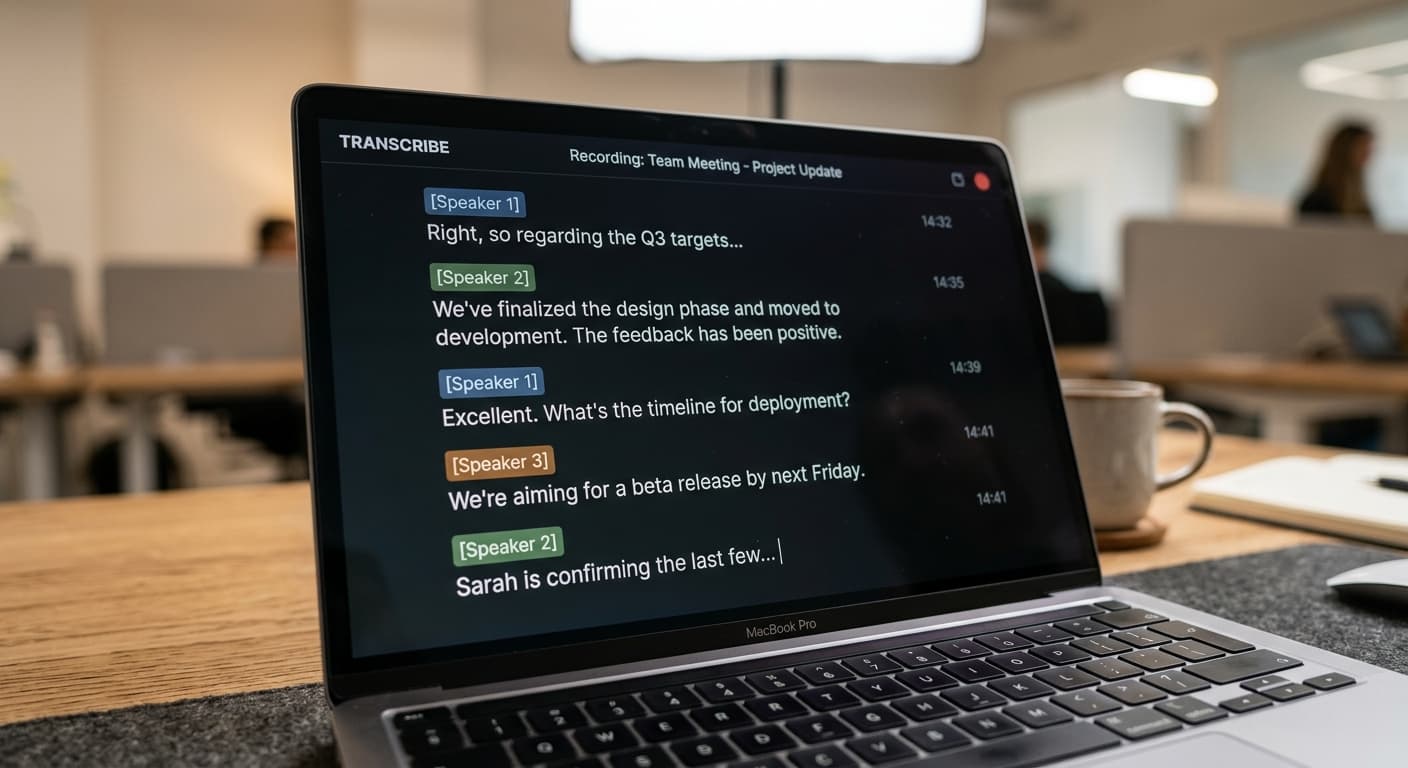
The FTC announced on May 21, 2026, that Cox Media Group and two marketing firms will pay $930,000 to settle charges they deceptively marketed an "Active Listening" service that claimed to target ads by capturing conversations from smart devices. The FTC says the product used no voice data at all.
Information last verified on June 3, 2026. This is a developing story; we update it as the record changes.
Jurisdiction scope: This article addresses a federal FTC enforcement action under Section 5 of the FTC Act. It does not state any state's wiretap or eavesdropping law. For consent-to-record rules where you live, see your state recording page.
What Happened
On May 21, 2026, the Federal Trade Commission announced proposed orders settling charges against Georgia-based CMG Media Corporation, which does business as Cox Media Group, along with New Hampshire-based MindSift LLC and Wisconsin-based 1010 Digital Works LLC. The matters are docketed as FTC File Nos. 242-3029, 242-3030, and 242-3033.
According to the FTC, the three companies marketed a service branded "Active Listening." The pitch, the FTC says, was that a special algorithm listened in on consumers' conversations overheard by smart devices, in real time, so small businesses could target ads to people in a chosen geographic area. The FTC alleges that none of that was true. The service did not listen to consumers' conversations or use voice data at all, and it did not accurately place ads in the requested locations. Instead, the FTC alleges, the companies resold, at a significant markup, email lists obtained from other data brokers.
The FTC also alleges the companies told potential customers that consumers had opted into Active Listening, when the companies did not seek or obtain such consent. Under the proposed orders, CMG will pay $880,000 and MindSift and 1010 Digital Works will each pay $25,000, for a total of $930,000 to be used for redress to affected CMG customers. The proposed consent orders carry a 30-day public comment period, after which the Commission will decide whether to make them final.
What the Law Actually Says
The FTC brought these cases under Section 5 of the FTC Act, which prohibits unfair or deceptive acts or practices in commerce. Deception under Section 5 turns on a material representation likely to mislead a reasonable consumer. The FTC's theory here is straightforward: a company that sells a product as listening to your conversations, when it does not, has made a deceptive claim, and a company that says consumers consented when they did not has made another.
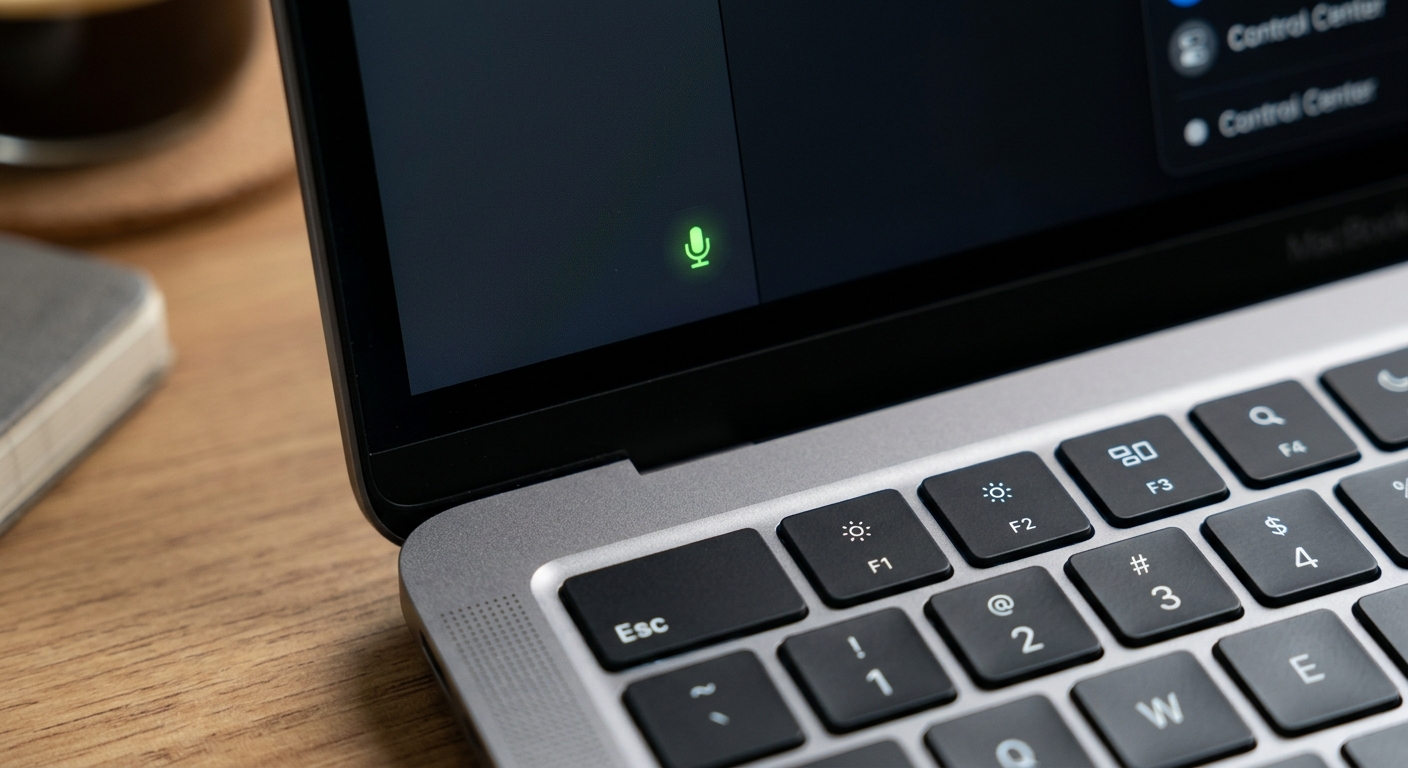
The matter also speaks to a question readers ask constantly: can apps and devices legally listen to you to sell ads? Actual ambient audio recording is governed not by the FTC Act but by federal and state wiretap law. The federal Wiretap Act, 18 U.S.C. section 2511, and its state counterparts generally bar intercepting the contents of an oral or electronic communication without the consent the statute requires, which in all-party consent states means every party. A buried line in an app's terms of service is a weak basis for that consent, a point the FTC underscored by treating click-through terms as insufficient here. For the recording framework, see the guide to the federal Wiretap Act and ECPA.

Analysis: Why This Matters
The following is analysis from the Recording Law Editorial Team.
The "is my phone listening to me to sell me ads" suspicion is one of the most durable in consumer privacy, and this case cuts at it from an unexpected angle. The FTC did not find a secret microphone harvesting your dinner conversation. It found a product that advertised that capability and, according to the complaints, delivered recycled email lists instead. The deception, in other words, was the listening claim itself.
The second notable point is the consent issue embedded in the action. By treating a click-through terms-of-service acceptance as not establishing opt-in to ambient audio targeting, the FTC reinforces a principle that runs through recording law generally: meaningful consent to capture someone's communications is not the same as a checkbox. We are not predicting how the comment period or any future enforcement will unfold, and the orders are proposed, not final. But the marker the FTC set, that selling surveillance you do not perform is still deception, and that buried terms are not consent, is the part worth remembering.
How This Affects You
If you have worried that an app is secretly recording your conversations, this case is a useful reminder that the marketing of "listening" ad tech has outrun the reality, at least for the product the FTC examined. It is not a finding that no app ever records audio; it is a finding that this service did not, despite saying so.
If you are weighing whether someone may lawfully record you, the controlling rule is your state's recording law, not the FTC Act. In all-party consent states, every participant generally must consent before a private conversation is recorded, and consent obtained by burying it in fine print stands on shaky ground. Courts have generally required consent to be knowing, which is why a genuine disclosure matters far more than a checkbox.
This is general legal information, not legal advice. It covers a federal FTC enforcement action and the recording laws it touches, verified on June 3, 2026. Laws change and this story is developing; consult a lawyer licensed in your jurisdiction about your specific situation.
Related articles
Last updated: 2026-06-03. This is a developing story; details verified as of June 3, 2026.
Sources and References
- FTC press release, FTC to Require Cox Media Group, Two Other Firms to Pay Nearly $1 Million to Settle Charges They Deceived Customers About Active Listening (May 21, 2026)(ftc.gov).gov
- In the Matter of CMG Media Corporation, FTC File No. 242-3029(ftc.gov).gov
- In the Matter of MindSift LLC, FTC File No. 242-3030(ftc.gov).gov
- In the Matter of 1010 Digital Works LLC, FTC File No. 242-3033(ftc.gov).gov
- Federal Wiretap Act, 18 U.S.C. Sec. 2511 (interception of wire, oral, or electronic communications)(law.cornell.edu)