
Australia
Window Tint Laws in Tasmania (2026): VLT Limits, Regulation 42 and Penalties
Independently fact-checked against primary sources (last audited August 18, 2026). · 5 primary sources cited on this page. How we verify our legal content
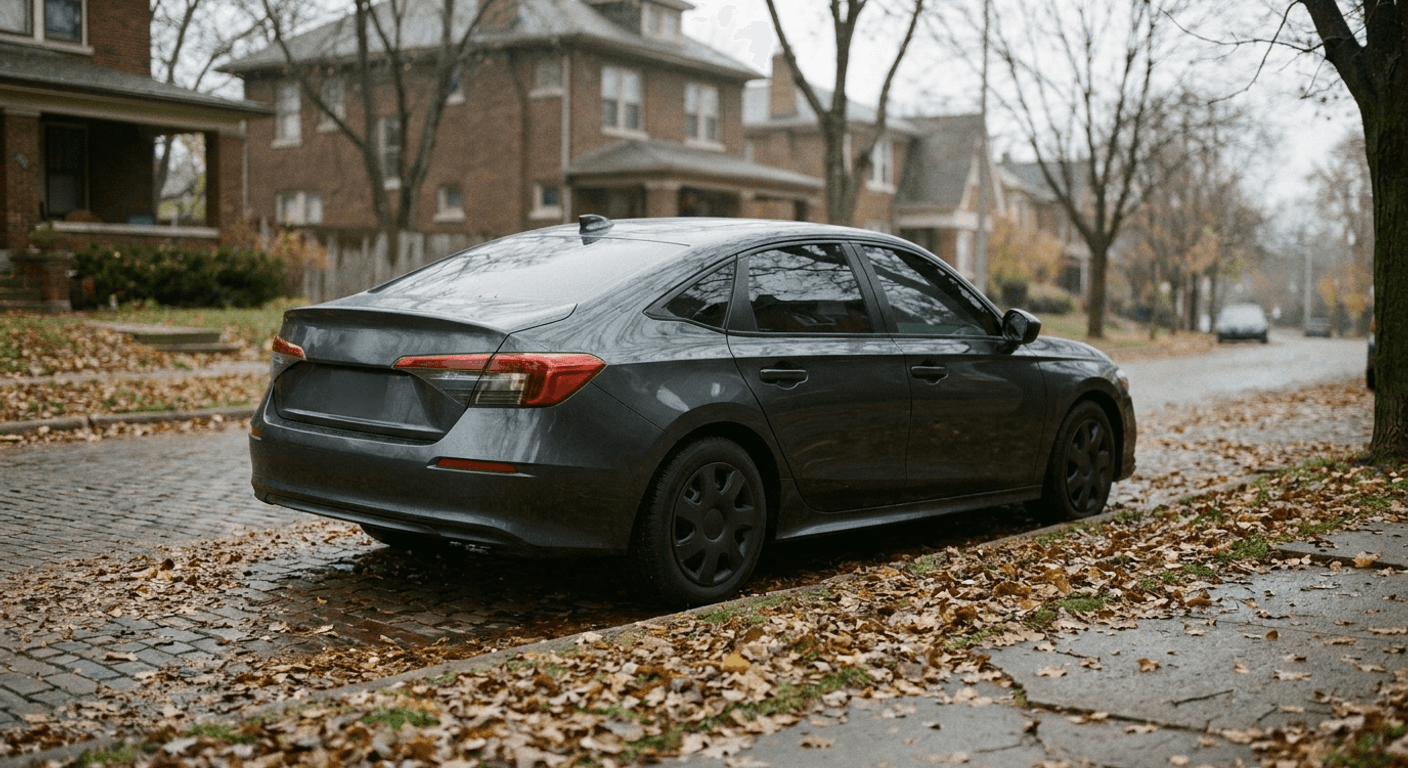
Tasmania sets its window tint limits in regulation 42 of the Vehicle and Traffic (Vehicle Standards) Regulations 2024, requiring at least 35 percent luminous transmittance on front side windows and at least 20 percent on rear glazing, backed by a real infringement fee of $159.75 rather than a court appearance for most drivers.
For the national comparison across all eight states and territories, see window tint laws in Australia. This page covers Tasmania's own machinery in depth, including a correction to that national comparison and the current infringement fee.
The governing rule: regulation 42
Tasmania's window tint standard is regulation 42 ("Window tinting") of the Vehicle and Traffic (Vehicle Standards) Regulations 2024 (Tas) (S.R. 2024, No. 15), gazetted 21 June 2024 and in force from 25 June 2024. The rule's substance is not new: it was carried over verbatim, only renumbered from regulation 47 to regulation 42, from the 2014 Regulations, where it had itself been substituted in 2018. Anyone finding a reference to "regulation 47" or the "2014 Regulations" is looking at superseded numbering for the same rule; cite the 2024 Regulations going forward.
VLT limits by glazing position
| Glazing | Minimum luminous transmittance | Condition |
|---|---|---|
| Windscreen (below the permitted band) | 70 percent | May not be coated to reduce transmittance, reg 42(1)-(2) |
| Windscreen tinted band | No minimum | Permitted in whichever is larger of the area above the wiper sweep, or the top 10 percent of the windscreen, reg 42(3) |
| Window or partition glazing generally | 70 percent | reg 42(4) |
| Front side windows (not rear glazing) | 35 percent | reg 42(5) |
| Rear glazing (rear side windows and rear window) | 20 percent | Requires an operational rear-vision mirror fitted to each side, reg 42(6) |
| Rear glazing, goods vehicles | 0 percent (no minimum) | reg 42(7), see below |
Regulation 3 defines "rear glazing" as glazing in a window or interior partition located behind the driver in the normal driving position. That means both rear side windows and the rear window sit in one bucket governed by the 20 percent figure, while the front passenger window, beside rather than behind the driver, falls under the 35 percent front rule.
Reflectance and factory tint
Regulation 42(9) caps reflectance at 10 percent for any coated glazing. Factory-fitted "privacy glass," tinted during the vehicle's manufacturing process and typically identifiable by an etched marking, is carved out of regulation 42 entirely by the Department of State Growth's own guidance. Adding aftermarket film on top of that factory glazing, though, still has to meet the ordinary luminous transmittance floor for that window's position; the factory exemption does not stack with additional film.
Goods vehicles
Regulation 42(7) allows rear glazing on a goods vehicle, meaning any vehicle designed primarily for carrying goods, such as a van, panel van, ute or truck, to be coated to 0 percent, provided it has dual external rear-vision mirrors and either at least 4 wheels, or at least 3 wheels with a gross vehicle mass over 1 tonne. Front side windows on the same vehicle remain capped at 35 percent; only the rear glazing gets the concession. This rule applies to light vehicles, capped at 4.5 tonnes gross vehicle mass. Heavier buses, coaches and other vehicles above that threshold are governed by the Heavy Vehicle National Law (Tasmania) Regulations 2014, which locally modifies the national tint standard to exempt buses, limousines, ambulances and hearses.
Grandfathering: not confirmed either way
No transitional or grandfathering clause was found in regulation 42, or its 2014-numbered predecessor, exempting tint applied before an earlier version of the rule. This should be treated as unresolved rather than a confirmed negative, since not every transitional schedule in the current Regulations was checked; a diligent read of the operative rule and its interpretation section turned up no such clause, but that falls short of ruling one out entirely.
Enforcement
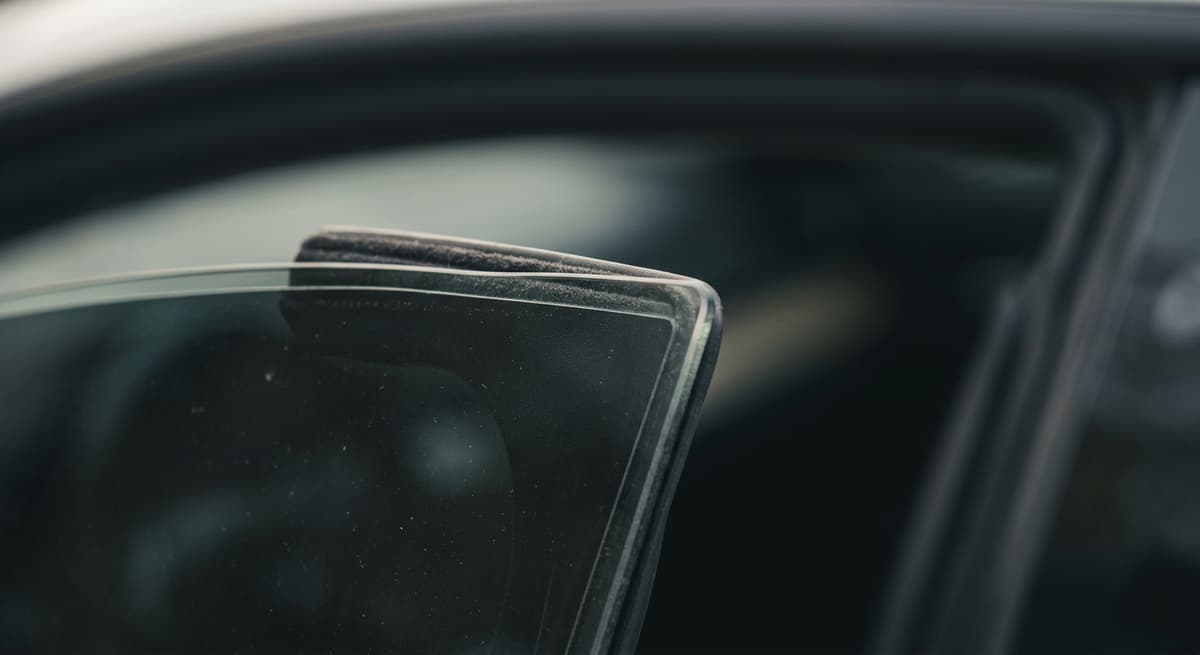
Tasmania Police and Transport Tasmania's Vehicle Standards Unit, within the Department of State Growth, enforce regulation 42. The Department's own information bulletin on window tint states that luminous transmittance is measured with a tint testing device and that a 5 percentage point adjustment is built into that measurement to account for device and technique inaccuracy, meaning the practical roadside standard carries a small built-in tolerance.
A non-compliant vehicle can be issued a defect notice under Tasmania's general vehicle-standards compliance framework: the notice goes to the registered operator, lists the problem and a deadline to fix it, may or may not allow continued driving before that deadline, and can lead to registration being suspended or cancelled if the deadline passes unmet, with further fines or prosecution possible for ignoring the notice itself. No tint-specific reinspection procedure or fee, separate from this general mechanism, was found, and whether Tasmania Police routinely carry roadside tint meters as opposed to referring a visual assessment for defect inspection was not confirmed from a police-specific source.
Penalties
Two figures matter here, and they should not be conflated:
- The realistic on-the-spot figure: an infringement notice under the Traffic (Compliance and Enforcement) Regulations 2017, Schedule 1, Item 695, for using a light motor vehicle in contravention of the window tinting requirement, set at 0.75 penalty units and 0 demerit points. At the current $213-per-unit value, that is $159.75.
- The court-only maximum: regulation 5(1) of the 2024 Vehicle Standards Regulations sets a fine not exceeding 20 penalty units for using a non-compliant vehicle, a statutory ceiling of $4,260 at $213 per unit, applicable only if the matter is prosecuted in court rather than resolved by infringement notice.
The current penalty unit value is $213, effective 1 July 2026 to 30 June 2027, set annually under the Penalty Units and Other Penalties Act 1987 and published by the Department of Justice. A commonly repeated figure of $426 is not the per-unit value; it is the Department's own worked example of what a 2-penalty-unit fine costs (2 times $213), and should never be quoted as the price of a single unit.
No demerit points apply to the window tinting infringement item.
Medical exemption: no pathway exists
Regulation 42 has no medical or driver-health exemption. Tasmania's separate general exemption power, under regulation 34 of the Vehicle and Traffic (Vehicle Operations) Regulations 2024, does let the Transport Commission grant an exemption from a vehicle standard including regulation 42, but the matters it directs the Commission to weigh are engineering ones: national mass and dimension criteria, and whether a vehicle is experimental or a prototype that could not reasonably be expected to comply. Nothing in that provision is driver-health specific, and no published policy, form or fee schedule was found directing a medical-tint applicant to use it. This finding rests on the absence of a medical carve-out in the primary regulation text and the non-medical framing of the general exemption power, not on any tint-industry claim.

Tasmanian drivers should also check the Tasmania demerit points system, or return to the Australia driving laws hub.
This article provides general legal information about window tint law in Tasmania. It is not legal advice and does not account for an individual vehicle's circumstances. Information was verified against Tasmanian legislation and Department of State Growth sources on 18 August 2026. For advice on a specific situation, contact Transport Tasmania directly or consult a legal practitioner admitted in Tasmania.
Frequently Asked Questions
What is the legal window tint limit in Tasmania?
At least 70 percent for the windscreen below the permitted tinted band, at least 35 percent for front side windows, and at least 20 percent for rear glazing (rear side windows and rear window together) if the vehicle has an operational mirror fitted to each side. Qualifying goods vehicles may go to 0 percent on rear glazing. These figures come from regulation 42 of the Vehicle and Traffic (Vehicle Standards) Regulations 2024.
How much is the fine for illegal window tint in Tasmania?
The realistic figure is an infringement notice of 0.75 penalty units, $159.75 at the current $213-per-unit value, with 0 demerit points. A court can impose up to 20 penalty units, a $4,260 ceiling, but that is the statutory maximum for a prosecuted case, not the typical on-the-spot amount.
Is $426 the penalty unit value in Tasmania?
No. The current per-unit value is $213 for the 2026-27 financial year. $426 is the Department of Justice's own worked example of a 2-penalty-unit fine, 2 times $213, and has been mistaken for the unit price itself in some search results.
Is there a medical exemption for window tint in Tasmania?
No published medical exemption process exists. Regulation 42 has no medical carve-out, and Tasmania's general vehicle-standards exemption power is written around engineering and prototype-vehicle criteria, not driver health, with no published pathway for a medical-tint applicant.
Can vans and utes have blacked-out rear windows in Tasmania?
Yes, under regulation 42(7), if the vehicle is designed primarily for carrying goods, has dual external rear-vision mirrors, and has at least 4 wheels, or at least 3 wheels with a gross vehicle mass over 1 tonne. Front side windows stay capped at 35 percent.
Does factory-tinted glass count as illegal tint in Tasmania?
No. Glazing tinted during the vehicle's manufacturing process, typically identifiable by an etched marking, is exempt from regulation 42 entirely. Adding aftermarket film on top of it, though, still has to meet the ordinary transmittance floor for that window's position.
Updates
Independently fact-checked against the cited primary sources
Sources and References
- Vehicle and Traffic (Vehicle Standards) Regulations 2024 (Tas), regulation 42, window tinting VLT limits and reflectance cap(legislation.tas.gov.au).gov
- Vehicle and Traffic (Vehicle Standards) Regulations 2024 (Tas), regulation 5(1), court-maximum offence for non-compliant vehicle standards(legislation.tas.gov.au).gov
- Traffic (Compliance and Enforcement) Regulations 2017 (Tas), Schedule 1, Item 695, window tinting infringement notice amount and demerit points(legislation.tas.gov.au).gov
- Tasmanian Department of Justice, Penalty units indexed amounts, current $213 penalty unit value, 1 July 2026 to 30 June 2027(justice.tas.gov.au).gov
- Department of State Growth, Applied Film / Window Tint Information Bulletin, measurement tolerance and factory privacy glass exemption(transport.tas.gov.au).gov