
Australia
Child Car Seat Laws in NSW: Fines, Demerits and Exemptions (2026)
Independently fact-checked against primary sources (last audited August 19, 2026). · 6 primary sources cited on this page. How we verify our legal content
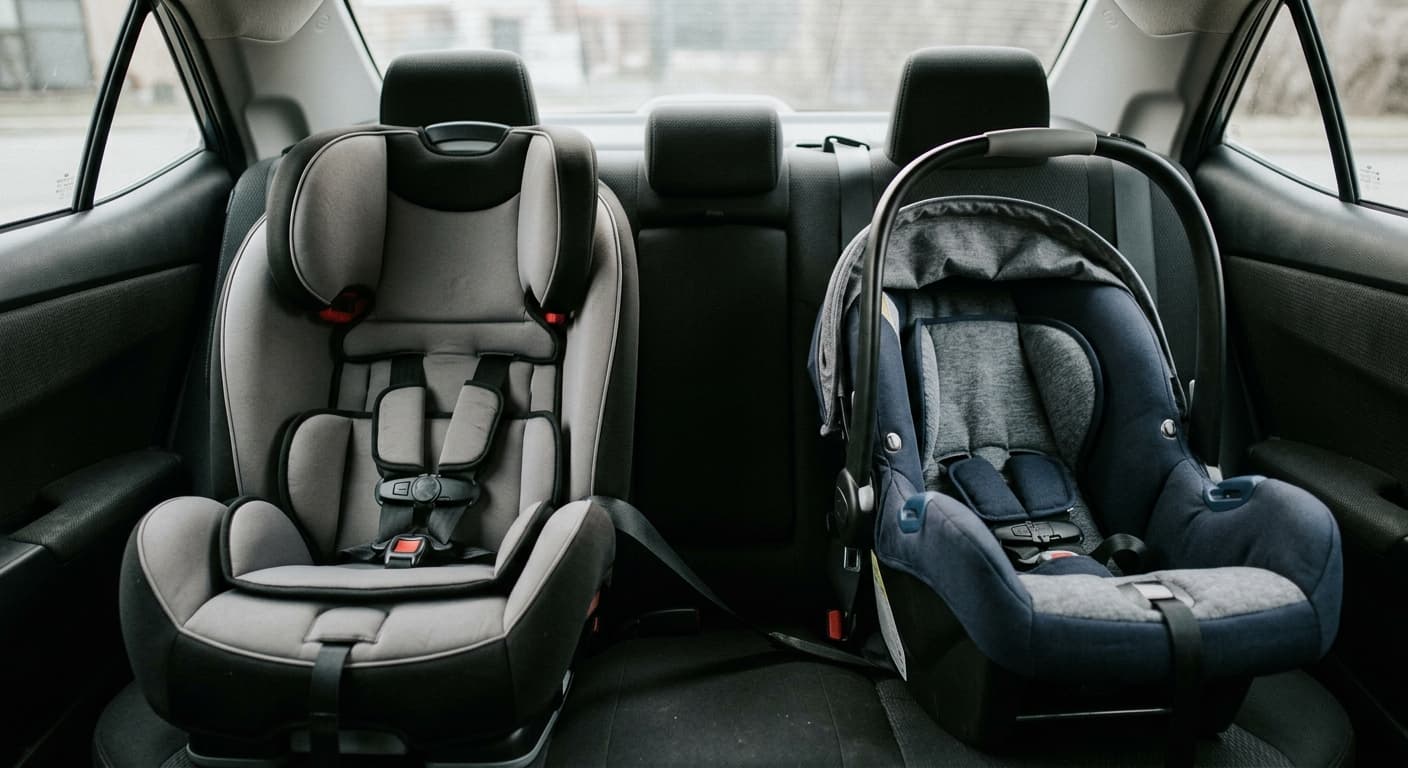
New South Wales fines drivers $434 for an unrestrained child passenger, adds 3 demerit points (6 during a double demerit period), and applies the fine to the driver rather than the child's parent or guardian.
The Rule and Its 2024 Renumbering
New South Wales sets its child restraint requirements in Road Rules 2014 (NSW) rule 266, which is still the operative provision for the substantive age-based restraint rules. On 1 July 2024, the Road Transport Amendment (Automated Seatbelt Enforcement) Rule 2024 (NSW SL 2024 No 197) repealed the old age-segmented offence codes that had sat directly under rule 266 and consolidated them, along with the separate unrestrained-adult offence, into a new enforcement provision, rule 264-1(1). That change introduced camera-based seatbelt detection and reorganised how the offence and penalty are recorded, but it did not remove rule 266 itself: the current rule 264-1(1) text expressly requires a driver to ensure a passenger complies with "rule 265 or rule 266," so rule 266 remains the source of the age and restraint-type requirements even though the enforceable offence code now sits under 264-1(1). A page or source still citing "rule 266(1)" as the offence and penalty provision is describing the pre-July-2024 structure.
Age and Restraint Requirements
NSW Government guidance for parents sets out the following age bands, consistent with the national model rule that every Australian state and territory has adopted into its own law:
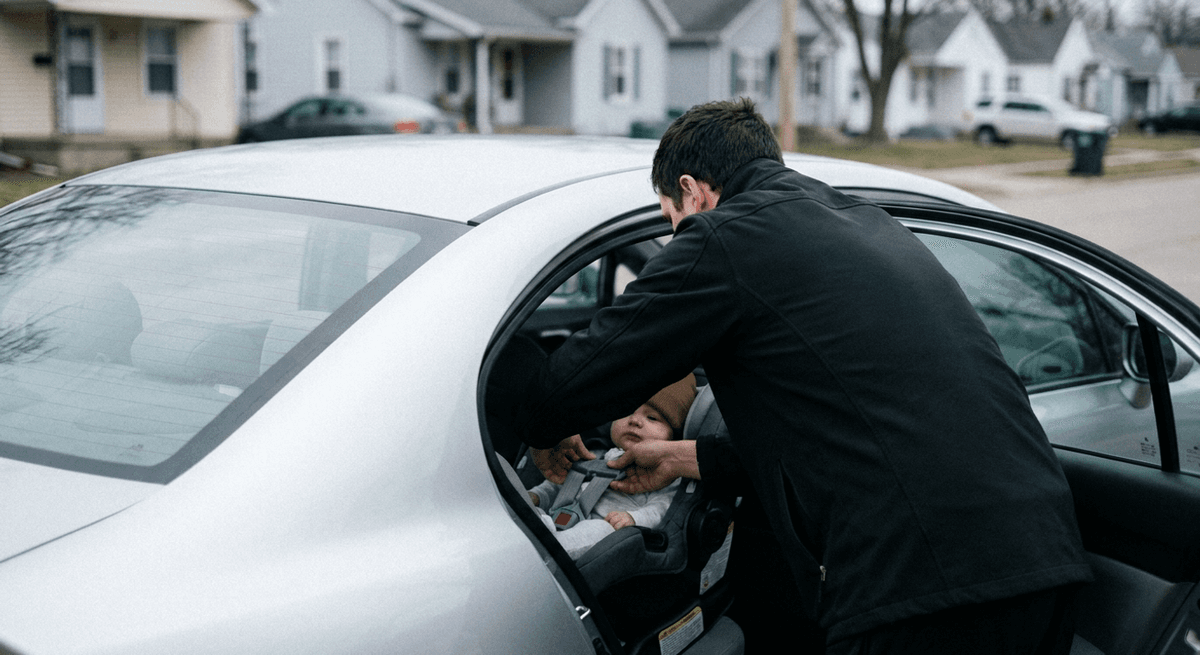
- Children under 6 months: a rear-facing approved child restraint.
- Children aged 6 months to under 4 years: a rear-facing or forward-facing restraint with an inbuilt harness.
- Children aged 4 to under 7 years: a forward-facing harnessed restraint, or an approved booster seat with a properly adjusted and fastened seatbelt.
- Children aged 7 and over who are still too small for an adult seatbelt to fit correctly (roughly under 145cm) should continue using a booster seat or an anchored child safety harness, even though the legal minimum age for leaving a booster behind is 7.
All restraints must be approved under AS/NZS 1754, the child restraint standard mandated nationally by the Australian Competition and Consumer Commission for restraints sold in Australia; look for the AS compliance sticker on the restraint itself. Children under 4 must not sit in the front row of a vehicle with two or more rows, and children aged 4 to under 7 must not sit in the front row unless every seat in the row or rows behind is already occupied by another child under 7.
The Fine and Demerit Points
The current on-the-spot infringement notice fine for driving with an unrestrained child passenger is $434, effective from 1 July 2026 for the 2026-27 financial year. This is a flat statutory dollar amount set under section 134 of the Road Transport (General) Regulation 2021, not a figure computed by multiplying a penalty-unit value, and it has followed NSW's usual annual 1 July indexation cycle: $410 for 2024-25, $423 for 2025-26, and $434 from 2026-27 onward, according to the Judicial Commission of NSW's Lawcodes database, the reference NSW courts and Revenue NSW use for offence and penalty bookkeeping.
The offence carries 3 demerit points, rising to 6 demerit points if the offence date falls within a NSW double demerit period, such as a long weekend. If a matter proceeds to a Local Court hearing rather than being dealt with by infringement notice, the maximum court-imposed penalty is 20 penalty units, a separate and considerably higher ceiling than the everyday $434 notice; the dollar value of that court maximum was not independently confirmed in this research pass.
The fine and demerit points attach to the driver of the vehicle at the time, not to the child's parent or guardian, under the same rule 264-1(1) compliance duty described above.
Double Demerit Periods
Child restraint and seatbelt offences fall within NSW's double demerit scheme. The Lawcodes penalty schedule itself carries the doubled points as part of the same offence entry, keyed to whether the offence date falls in a long weekend, rather than as a separate discretionary uplift applied afterward. The specific weekends that count as double demerit periods change from year to year and were not re-confirmed against a current calendar in this research pass, so drivers should check the current double demerit dates through NSW Government or Transport for NSW rather than assume a fixed annual pattern.
Taxi, Rideshare and Hire Vehicle Rules
NSW's official guidance for parents sets a taxi exemption: children up to 6 months old still need a rear-facing restraint, children aged 6 to 12 months need a rear-facing or forward-facing restraint with a harness, and children over 12 months old may travel with a properly adjusted and fastened seatbelt instead of an age-specific restraint. All taxis are required to have a child restraint anchorage point fitted, and the front-seat rules described above still apply.
That official consumer guidance covers taxis specifically and does not mention rideshare or hire vehicles. A safety standard covering child restraints does exist for hire vehicles, set out in clause 6(1) of the Point to Point Transport (Taxis and Hire Vehicles) Regulation 2017, which is tied to a further requirement in clause 10(1)(f) and carries a maximum penalty on conviction of 50 penalty units for an individual or 250 penalty units for a corporation. What that clause actually requires of a rideshare driver, such as whether it requires carrying a restraint or only complying with one if present, could not be confirmed from the text available, so this article does not assume the taxi exemption above extends to rideshare on the same terms. No 2024-2026 amendment specifically touching the child restraint content of that Regulation was found.
Fitting a Child Seat
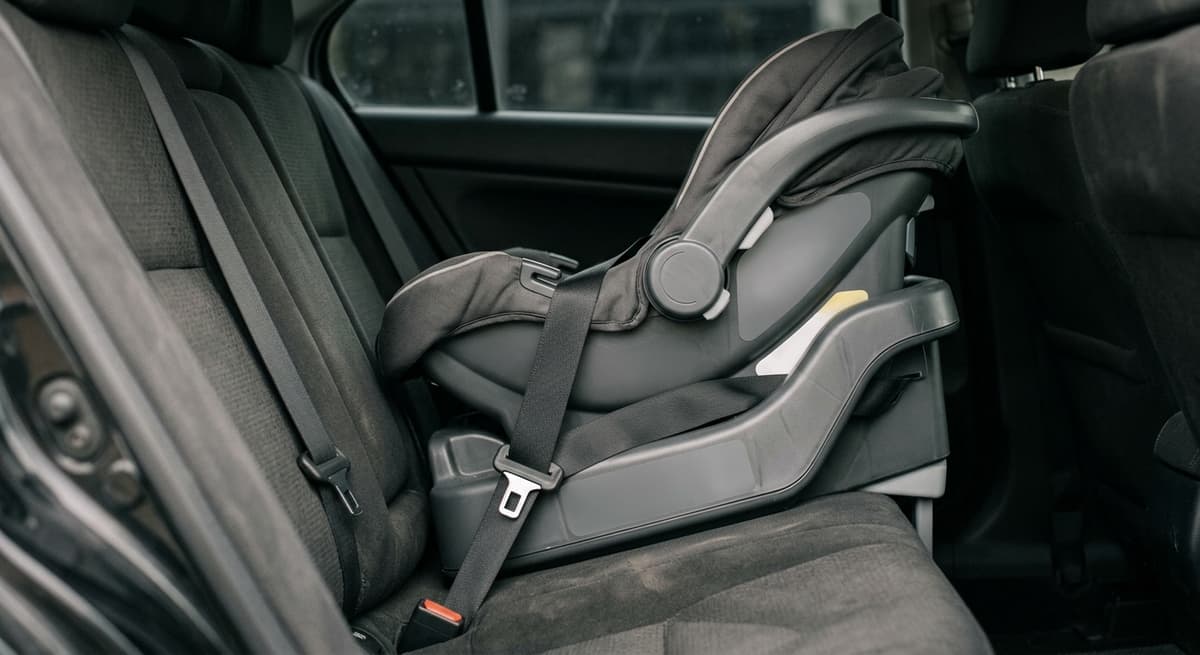
Service NSW maintains an official directory of authorised child restraint fitting stations across the state, where a qualified fitter can check or install a restraint correctly.
For the national age bands and a fine and demerit comparison across every state and territory, see child car seat laws in Australia. For NSW's full demerit point schedule, see New South Wales demerit points, or return to the Australia driving laws hub.
Frequently Asked Questions
What is the fine for not using a child car seat in NSW?
The current on-the-spot infringement notice fine is $434, effective from 1 July 2026. This flat dollar figure is set under the Road Transport (General) Regulation 2021 and is re-indexed every 1 July; it rose from $423 in the 2025-26 year and $410 in the 2024-25 year. A matter that proceeds to a Local Court instead of an infringement notice can attract a maximum penalty of 20 penalty units, which is a separate and higher court ceiling, not the everyday fine.
How many demerit points does an unrestrained child cost in NSW?
The offence carries 3 demerit points on an ordinary day. That doubles to 6 points if the offence date falls within a NSW double demerit period, such as a long weekend, under the same penalty schedule that sets the fine.
What age does a child need a car seat in NSW?
Children under 6 months must travel in a rear-facing approved child restraint. Children aged 6 months to under 4 years need a rear-facing or forward-facing restraint with an inbuilt harness. Children aged 4 to under 7 years need a forward-facing harnessed restraint or an approved booster seat. Children aged 7 and over who are too small for an adult seatbelt to fit properly should continue using a booster seat or an anchored harness.
Do taxis and rideshare cars need a child car seat in NSW?
In a taxi, children up to 6 months old still need a rear-facing restraint and children aged 6 to 12 months need a rear-facing or forward-facing restraint with a harness, but children over 12 months old may travel with just a properly adjusted and fastened seatbelt instead of an age-specific restraint. All taxis must have a child restraint anchorage point fitted. NSW's official guidance for parents does not separately address rideshare or hire vehicles. A safety standard covering child restraints does apply to hire vehicles under the Point to Point Transport (Taxis and Hire Vehicles) Regulation 2017, but exactly what it requires of a rideshare driver was not confirmed from the sources available, so travellers should not assume the taxi rule applies identically.
Who gets the fine if a child isn't properly restrained in NSW, the driver or the parent?
The driver. NSW's rule puts the compliance duty on the person driving the vehicle at the time, regardless of whether that person is the child's parent or guardian.
Where can I get my child's car seat checked or fitted in NSW?
Service NSW maintains a list of authorised child restraint fitting stations across the state, searchable through its official fitting station finder tool.
Updates
Independently fact-checked against the cited primary sources
Sources and References
- Judicial Commission of NSW, Lawcodes law part 102356 (rule 264-1(1) offence and penalty history, current $434 fine effective 1 July 2026, 3/6 demerit points)(lawcodes.judcom.nsw.gov.au).gov
- Judicial Commission of NSW, Lawcodes amending instrument bol_code 4877 (Road Transport Amendment (Automated Seatbelt Enforcement) Rule 2024, NSW SL 2024 No 197, effective 1 July 2024)(lawcodes.judcom.nsw.gov.au).gov
- NSW Government, Child car seats (age bands, taxi exemption, penalties)(nsw.gov.au).gov
- Judicial Commission of NSW, Lawcodes law part 91547 (Point to Point Transport (Taxis and Hire Vehicles) Regulation 2017, clause 6(1)/10(1)(f) child restraint safety standard for hire vehicles)(lawcodes.judcom.nsw.gov.au).gov
- Service NSW, Find an authorised child restraint fitting station(service.nsw.gov.au).gov
- Australian Competition and Consumer Commission, Child restraints for use in motor vehicles mandatory standard (AS/NZS 1754)(productsafety.gov.au).gov