
Australia
Adverse Possession in New South Wales: Possessory Title Under Part 6A
Independently fact-checked against primary sources (last audited August 18, 2026). · 6 primary sources cited on this page. How we verify our legal content
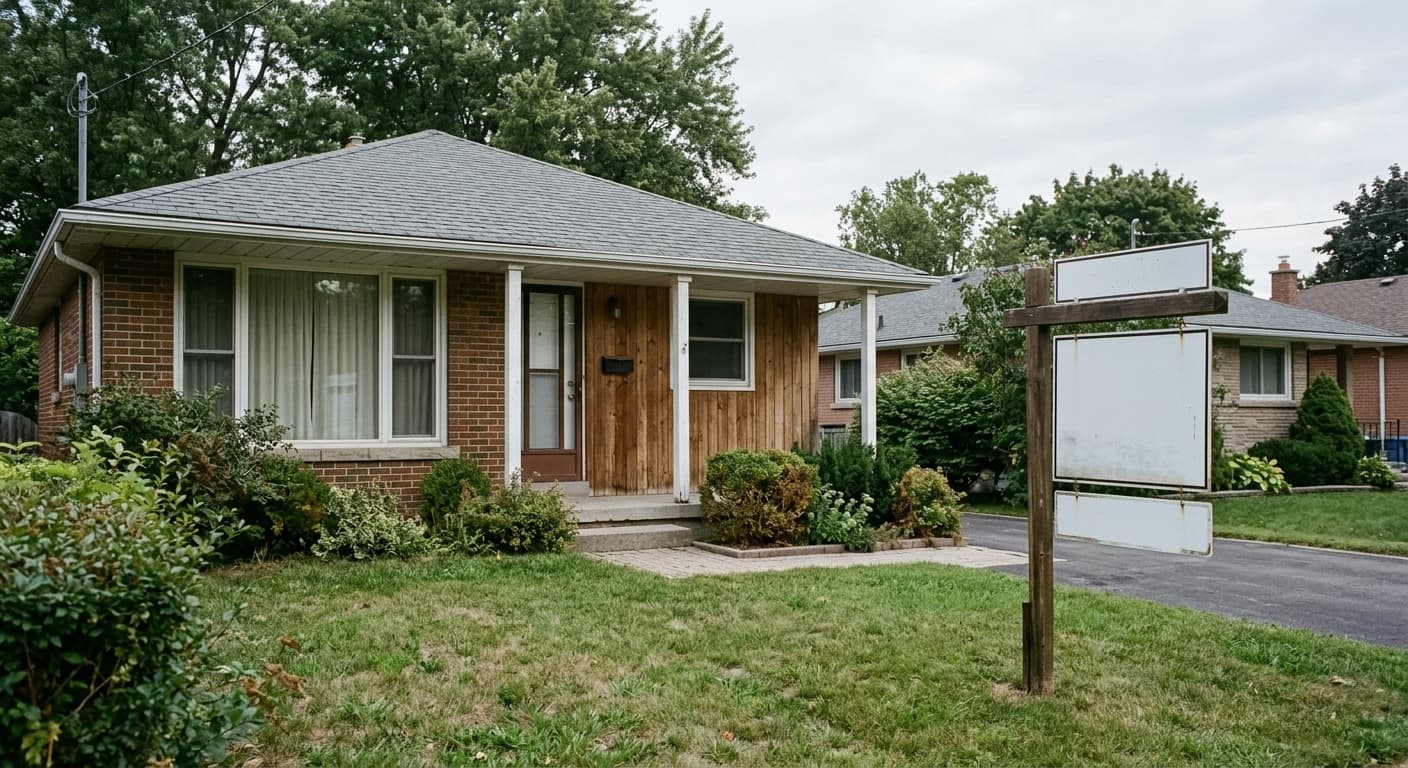
In New South Wales, a person who has occupied land as if they owned it for at least 12 years can apply to NSW Land Registry Services for a possessory title under Part 6A of the Real Property Act 1900, but the standard electronic application only covers a whole parcel, and several categories of land can never be claimed at all.
Information last verified on 18 August 2026 against NSW Land Registry Services' Registrar General's Guidelines, the NSW Judicial Commission's Civil Trials Bench Book, and NSW Land Registry Services' official fee schedules. This page presents general legal information, not legal advice.
This page covers New South Wales' specific machinery: the limitation period, the possessory title application under Part 6A of the Real Property Act 1900, what land cannot be claimed, and how a registered owner can respond. For how adverse possession compares across all of Australia's states, see this site's Australia wide adverse possession comparison; for limitation periods generally, see the Australian statute of limitations guide.
The 12-year period, and the Crown's 30 years
The NSW Judicial Commission's Civil Trials Bench Book states, in its limitation periods table for actions to recover land, that the ordinary period is 12 years, citing section 27(2) of the Limitation Act 1969. That is the period that runs against a private registered owner, from the date the right to recover the land first accrued.
Where the Crown itself is the party trying to recover the land, its own period is longer, at 30 years under section 27(1). A mixed rule in section 27(4) covers what happens when a right of action passes from the Crown to a private party: the action must be brought before the Crown's own limitation period expires, or within 12 years of the right passing to the non-Crown party, whichever comes first.
Possessory title under Part 6A: the application itself
Running out the limitation period does not, by itself, register a new owner. Part 6A of the Real Property Act 1900 sets out the mechanism: an application to NSW Land Registry Services under section 45D, to be registered as proprietor of Torrens title land based on possession. The standard electronic dealing is Form 04YA, supported by a Statutory Declaration and Schedule on Form SD-04YA.

Two NSW Land Registry Services guidance pages, both published by the Registrar General's office, describe this in near identical wording: the application must be in respect of a whole parcel, meaning the whole or residue of the land in a folio of the Register, or the whole or residue of a lot or portion in a current plan.
Whole parcel is the default, not the only option
That whole-parcel language describes the standard electronic pathway. It is not the whole story. NSW Land Registry Services guidance adds a note that an application affecting part of the land, or a manual title where no computer folio has been created, must instead be lodged as a Dealing with Exception, a paper Real Property Act dealing lodged through an Electronic Lodgment Network Operator under Lodgment Rule 10.
In practical terms, a claim over only part of a parcel is not refused outright in New South Wales. It is routed to a different, paper based lodgment channel instead of the standard electronic form. Whether the whole-parcel language itself comes from the wording of section 45D, or is a NSW Land Registry Services processing convention, has not been independently confirmed. A reader with a part-parcel or manual-title claim should raise the Dealing with Exception pathway directly with a conveyancer or NSW Land Registry Services rather than assume it is unavailable.
Land that section 45D(3) puts out of reach
Section 45D(3) of the Real Property Act 1900 blocks an application over more than Crown land. The same subsection also bars an application over land held by a statutory authority, a local council, a joint organisation under section 400O of the Local Government Act 1993, or the owner of a transacted electricity distribution or transmission system under the Electricity Network Assets (Authorised Transactions) Act 2015.
New South Wales also bars adverse possession against Crown land more broadly under a separate Act. Section 13.1 of the Crown Land Management Act 2016 bars a claim against Crown land that has been set out as a road, dedicated or reserved for a public purpose, any other Crown land under section 13.1(1)(c), or land held in trust for a public purpose under section 13.1(2). This sits alongside, and is broader than, the section 45D(3) exclusions above, which apply only to a possessory title application specifically.
Evidence, forms and the fee
NSW Land Registry Services guidance sets out a specific evidentiary package: a statutory declaration by the applicant; a statutory declaration by at least two disinterested witnesses corroborating the applicant's account; a letter from the local council about rates paid for the claimed land during the possession period; and a survey certificate describing the affected land, along with a plan identifying the land and its improvements.

The declaration itself needs to cover the identity of the lot claimed, the full history of possession including when and how it began, the manner and extent of use and any enclosure or boundary marking, details of improvements and who built them, and an explicit statement that the applicant is not aware of any adverse claim, litigation, restrictive covenant, easement, or acknowledgment of the true owner's title. NSW Land Registry Services warns it will query, meaning raise a requisition on, a declaration that reads as though it was copied from a guide rather than written to the applicant's own facts.
The lodgment fee, effective 1 July 2026, is $166.60 excluding GST, or $182.73 including GST. That is the standard regulated dealing fee under the Real Property Regulation 2019, and it rose from $160.19 excluding GST the previous financial year, so it should be treated as indexed annually rather than fixed. The fee covers registration only. Stamp duty is separately assessed by Revenue NSW, and NSW Land Registry Services does not publish a standard processing time for a possessory title application.
How a registered owner can contest an application
NSW Land Registry Services describes the defensive mechanism largely through caveats rather than a general advertised objection period. A caveat already on the Register does not automatically stop a possessory application from being registered, but NSW Land Registry Services says it will always consider the interest claimed in a caveat under section 74H(1) of the Real Property Act when deciding whether to grant the application, and a caveat lodged before the application is granted, with the relevant box marked under section 74H(1)(a)(ii), can block registration outright. A priority notice interacts with the process separately, under section 74W.
Every statutory declaration and piece of evidence lodged in support of a possessory application is treated as publicly accessible and disclosed to anyone who asks, including any objections filed, so an affected registered owner can obtain and respond to what has actually been submitted. Whether NSW Land Registry Services gives a registered proprietor direct notice of a pending application, separate from the caveat and public record mechanism, is not stated on the guidance pages this page draws on. Where a dispute is contested outright rather than resolved at the registry, it would ordinarily proceed as litigation in the NSW Supreme Court.
A search this page relied on found no legislative change to Part 6A, section 45D, or the possessory title mechanism generally. The Registrar General's own July 2025 news item describes the Conveyancing and Real Property Act Amendment Bill's changes as put option and cooling off disclosure, and what can be released under section 88B instruments; it does not mention Part 6A or possessory title.

This page is general legal information about adverse possession law in New South Wales, verified 18 August 2026. It is not legal advice, and it does not cover every situation, including a fence built slightly over the true boundary line, which is usually a survey and dividing fences question rather than an adverse possession claim. For advice about specific circumstances, consult a legal practitioner admitted in New South Wales.
Frequently Asked Questions
How many years of possession does New South Wales require before someone can apply for a possessory title?
12 years against a private registered owner, under section 27(2) of the Limitation Act 1969. Where the Crown is the party being sued to recover the land, its own period is 30 years under section 27(1).
Can someone apply for a possessory title over only part of a property in New South Wales?
The standard electronic pathway, Form 04YA, only covers a whole parcel. NSW Land Registry Services guidance documents a separate paper pathway, called a Dealing with Exception under Lodgment Rule 10, for applications affecting part of a parcel or a manual title that predates computer folios.
Can adverse possession be claimed against Crown land, council land or a utility in New South Wales?
No. Section 45D(3) of the Real Property Act 1900 blocks a possessory title application over Crown land, land held by a statutory authority, a local council, a joint organisation, or the owner of a transacted electricity distribution or transmission system. NSW also bars Crown land more broadly under section 13.1 of the Crown Land Management Act 2016, which covers land set out as a road, dedicated or reserved for a public purpose, any other Crown land, and land held in trust for a public purpose.
How much does a possessory title application cost in New South Wales?
The lodgment fee is $166.60 excluding GST, or $182.73 including GST, effective 1 July 2026, and it rises each financial year. That fee covers registration only. It does not include stamp duty or the cost of a survey.
How can a registered owner stop a possessory title application in New South Wales?
The main documented lever is a caveat lodged before the application is granted. Because every statutory declaration and piece of evidence filed in support of an application is treated as publicly accessible on request, an affected owner can also review what has been lodged and respond.
Does New South Wales publish how long a possessory title application takes?
No. Neither of NSW Land Registry Services' possessory title guidance pages states a standard processing time.
Updates
Independently fact-checked against the cited primary sources
Sources and References
- NSW Judicial Commission, Civil Trials Bench Book, Limitations chapter, actions to recover land: 12-year period under Limitation Act 1969 s 27(2), Crown 30-year period under s 27(1)(judcom.nsw.gov.au).gov
- NSW Land Registry Services, Registrar General's Guidelines, Possessory Application: Real Property Act 1900 s 45D, whole-parcel requirement, s 45D(3) exclusion list(rg-guidelines.nswlrs.com.au).gov
- NSW Land Registry Services, Registrar General's Guidelines, Application for a Possessory Title: evidence requirements, Dealing with Exception note, caveat and priority notice mechanics(rg-guidelines.nswlrs.com.au).gov
- NSW Land Registry Services, Registrar General's Guidelines, Dealing with Exception: paper lodgment pathway under Lodgment Rule 10(rg-guidelines.nswlrs.com.au).gov
- NSW Land Registry Services, 2026/27 Fees Update: possessory title application fee effective 1 July 2026(nswlrs.com.au).gov
- NSW Registrar General, news item, Conveyancing and Real Property Act Amendment Bill: confirms no change to Part 6A possessory title(registrargeneral.nsw.gov.au).gov