
Australia
Adverse Possession in the Northern Territory: Why It Doesn't Apply
Independently fact-checked against primary sources (last audited August 18, 2026). · 5 primary sources cited on this page. How we verify our legal content
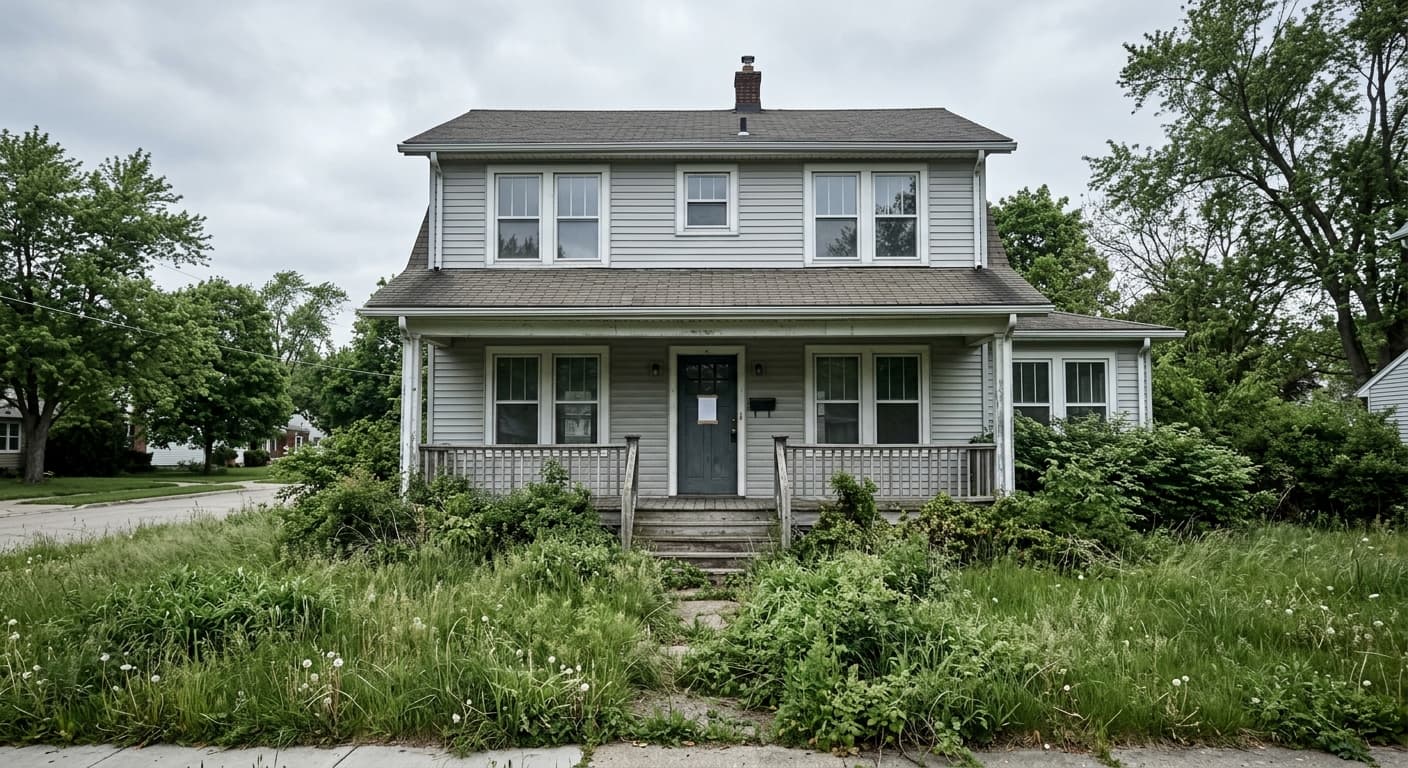
No. Adverse possession does not exist in the Northern Territory. Section 198 of the Land Title Act 2000 (NT) states that no length of possession, however long, ever creates title to registered land or bars the registered owner's right to recover it.
Why Adverse Possession Doesn't Apply in the Northern Territory
The operative provision is short and categorical:
Section 198, No title by adverse possession (1) A person does not acquire any right or title to land under this Act by any length of adverse possession. (2) The right of a registered owner of land to recover possession of the land is not barred by any length of adverse possession.
That is the current, in-force text of the Land Title Act 2000 (NT). It applies to registered land generally, so there is no version of "occupy long enough and it becomes yours" that works in the Territory. A search of the section and of the Act's transitional provisions found no savings clause, boundary exception or old-title carve-out that would revive a claim. An attempt to cross-check the section against a second, independently hosted copy of the legislation was blocked by that host's own bot protection; that is recorded as inconclusive, not as a second confirmation, but it does not change the reading of the government's own current consolidation, which is unambiguous on its face. For how the doctrine works in the six Australian states that do run some version of it, see adverse possession in Australia.
The Limitation Act Has No Land-Recovery Clock to Run
In the six Australian states that do run an adverse-possession regime, a limitation statute bars the registered owner from suing to recover land after a set number of years, and that bar is what lets a long-term possessor eventually apply to be registered as owner. The Limitation Act 1981 (NT) has no equivalent provision. Its table of contents has no "recovery of land" heading at all; the only land-adjacent time limits it sets cover actions on a registered deed or mortgage (12 years, aimed at debt enforcement, not occupation) and a general three-year catch-all for contract and tort claims under section 12, neither of which creates a land-recovery cause of action. That absence is not a research gap. It is the direct consequence of section 198: because no length of possession can ever ripen into title, there is nothing for a limitation clock to count down against.

No Application Process Exists
There is no Land Titles Office form, statutory declaration requirement, survey step, notice-to-owner procedure or objection window for a possessory-title claim in the Northern Territory, because the underlying right does not exist to apply for. This was checked directly against the Territory's own live services list and its full forms and fees schedule; neither includes a possessory-title or adverse-possession item anywhere, which is exactly what section 198 would predict and is itself a documented negative corroborating the statute.
Crown Land and Aboriginal Land
The Limitation Act 1981 (NT) separately protects Crown land from adverse possession for any period, a standard Crown-protection clause found in most Australian limitation statutes. This is now largely redundant for Crown land already on the Torrens register, since section 198 already bars a claim against any registered owner, Crown or private; it would only carry independent weight for Crown land not yet brought onto the register, and whether any such land carries residual exposure was not confirmed one way or the other. Whether the same bar reaches Aboriginal freehold land held under the Aboriginal Land Rights (Northern Territory) Act 1976 (Cth) was also not confirmed against a primary source specific to that question. It is very likely inapplicable there given the land's federally inalienable status, but treat that point as unresolved rather than settled.

What Applies Instead
If a structure, fence or driveway crosses a boundary line, that is an encroachment question under the Encroachment of Buildings Act 1982 (NT), a narrower and different remedy that lets a court adjust the boundary or order compensation, not an ownership claim built on occupation. For an ordinary boundary or fencing disagreement, see Northern Territory dividing fences. For how other time limits work across the Territory and the rest of Australia, see statute of limitations in Australia.
If Your Land Is in Another Australian State or Territory
Six of Australia's eight states and territories, New South Wales, Victoria, Queensland, Western Australia, South Australia and Tasmania, do run some version of an adverse-possession limitation period against registered land, each with its own timing, Crown exclusions and application process. The Australian Capital Territory is in the same position as the Northern Territory: no regime at all, for different statutory reasons. See adverse possession in Australia for how the Territory's position compares and for links to every state's own page, or go directly to adverse possession in the ACT.

Frequently Asked Questions
Can I claim Northern Territory land by adverse possession?
No. Section 198 of the Land Title Act 2000 (NT) bars it outright, regardless of how many years someone has occupied the land or how the occupation began.
Does the Northern Territory have a limitation period for recovering land?
No. The Limitation Act 1981 (NT) has no recovery-of-land provision, because there is no possession-based claim for a limitation period to run against once section 198 forecloses it.
What if my neighbour's fence or building encroaches on my land?
That is a separate question, handled under the Encroachment of Buildings Act 1982 (NT), not adverse possession. See the Northern Territory dividing fences page for boundary and fencing disputes generally.
Does the ACT have the same rule?
Yes. The Australian Capital Territory also bars adverse possession against registered land, under its own Limitation Act and Land Titles Act. See adverse possession in the ACT for detail.
Updates
Independently fact-checked against the cited primary sources
The Law Behind This Article
This article rests on the statutory provisions below, held in our own legal record and retrieved from the official source. Tap a section to read the operative text.
Land Title Act 2000 (NT)
s 198No title by adverse possessionIn force
(1) A person does not acquire any right or title to land under this Act by any length of adverse possession. (2) The right of a registered owner of land to recover possession of the land is not barred by any length of adverse possession.
Official text (excerpt) · last checked 2026-09-28 · Read the full text in our law library · Verify at legislation.nt.gov.au
Search our full record of US law — 2.1 million sections, every state + federal →
Sources and References
- Land Title Act 2000 (NT), s198 (No title by adverse possession), current consolidation in force 1 August 2025(legislation.nt.gov.au).gov
- Limitation Act 1981 (NT), current consolidation in force 11 August 2025(legislation.nt.gov.au).gov
- Encroachment of Buildings Act 1982 (NT), ss3-6, as in force 1 May 2016(legislation.nt.gov.au).gov
- NT Land Titles Office, forms and fees schedule(nt.gov.au).gov
- NT Land Titles Office, services list(nt.gov.au).gov