
Australia
Window Tint Laws in Western Australia (2026): VLT Limits, Regulation 260 and Penalties
Independently fact-checked against primary sources (last audited August 18, 2026). · 4 primary sources cited on this page. How we verify our legal content

Western Australia sets its window tint standards in regulation 260 of the Road Traffic (Vehicles) Regulations 2014, which requires at least 35 percent luminous transmittance on front side windows, at least 20 percent on rear-of-driver glazing with a mirror fitted to each side, and allows qualifying goods vehicles to go to 0 percent on that same rear glazing.
For the national comparison across all eight states and territories, see window tint laws in Australia. This page covers WA's own machinery in depth, including the 2019 regulation change and the current medical exemption process.
The governing rule: regulation 260
Western Australia's window tint standard sits in regulation 260 ("Motor vehicle window tinting") of the Road Traffic (Vehicles) Regulations 2014 (WA), in the consolidated version current as at 1 July 2026. The regulation in its present form was inserted by a Gazette amendment on 29 March 2019, so it postdates the Regulations' original 2014/2015 commencement.
Two older sources still circulate and should not be relied on for the current figures: the repealed Road Traffic (Vehicle Standards) Rules 2002, and a Vehicle Safety and Standards Bulletin (IB-119D) that predates the current regulation's numbering. That bulletin is not simply a dead artifact, though. As checked directly against the version currently hosted on the Department of Transport and Major Infrastructure's own site, it correctly cites the 2014 Regulations as its authority and carries a document-control stamp from October 2025 under the department's current "DTMI" branding, meaning it has been kept alive and republished, not abandoned. Its shortcoming is that it is an oversimplified consumer explainer: it omits the windscreen figure entirely, though it does state the 10 percent reflectance cap, and it describes the goods-vehicle exception more narrowly than regulation 260(8) actually allows. Regulation 260 is the correct authority for every numeric standard on this page; the bulletin remains useful for its reflectance figure and its medical-exemption contact details, addressed below.
VLT limits by glazing position
| Glazing | Minimum luminous transmittance | Condition |
|---|---|---|
| Windscreen (below the permitted tinted band) | 70 percent | May not be coated to reduce transmittance |
| Windscreen tinted band | No minimum | Permitted in whichever is larger of: the area above the highest point swept by a wiper, or the top 10 percent of the windscreen |
| Front side windows (other than rear glazing) | 35 percent | reg 260(6) |
| Rear-of-driver glazing | 20 percent | Requires a rear-vision mirror fitted to each side, reg 260(7) |
| Rear-of-driver glazing, qualifying goods vehicles | 0 percent (no minimum) | reg 260(8), see below |
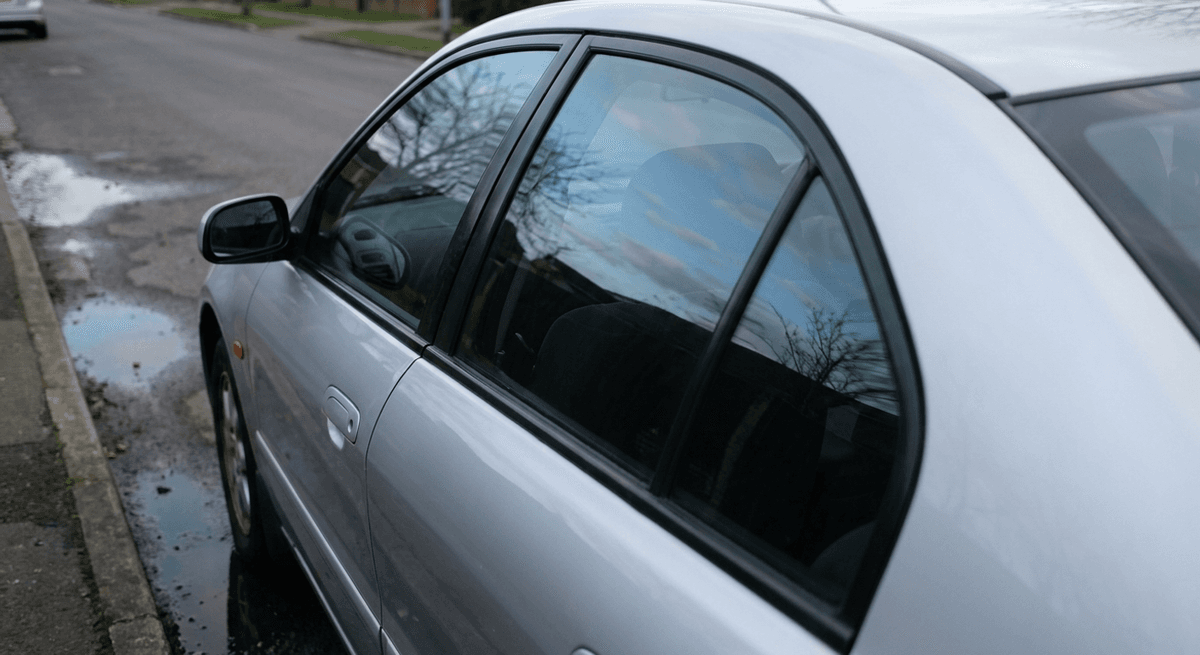
Regulation 260(1) defines "rear glazing" as glazing located behind the driver in the normal driving position. That is the actual legal test; "behind the B-pillar" is the Department's practical shorthand for the same idea, not a separate rule.
Windscreen and reflectance
The 70 percent windscreen floor and the permitted tinted band both come from regulation 260(2) to (4). Regulation 260(10) then caps reflectance at 10 percent for any glazing, windscreen, window or partition, that has been coated to reduce its luminous transmittance. The cap is written as applying to coated glazing specifically, which is immaterial in practice since uncoated factory glass is a manufacturing standard question, not a regulation 260 compliance question, but it is worth stating precisely if you are quoting the subsection directly.
Goods vehicle exception
Regulation 260(8) allows rear-of-driver glazing on a goods vehicle down to 0 percent, meaning no minimum at all, if all three of the following apply: a rear-vision mirror is fitted to each side, the vehicle is designed primarily for the carriage of goods, and the vehicle has at least 4 wheels, or at least 3 wheels with a gross vehicle mass over 1 tonne. This is a genuine three-part statutory test, not a "vans only" rule of thumb, and it covers any goods vehicle that meets the wheel and mass threshold, not only a manufacturer's factory-fitted blank-panel option.
Regulation 260(9) also confirms that where tint has been coated under subregulations (6), (7) or (8), the luminous-transmittance figures in the applicable Australian Design Rule for vehicle windows do not apply. Original, uncoated factory glazing is still governed by the relevant Design Rule, not by regulation 260's 35, 20 and 0 percent figures.
Grandfathering: tested, and it is a genuine no
Regulation 260 contains no transitional clause for vehicles tinted or registered before the 2019 amendment, or before the Regulations' original commencement. That absence is meaningful rather than assumed: the neighbouring regulation covering approved glazing materials does carry an express carve-out for vehicles built or fitted before June 1953, so the drafters plainly know how to write a grandfathering clause when they intend one, and chose not to for tint. WA's tint standard applies the same way regardless of the vehicle's age or when the film was applied.
Enforcement: licensing consequence and defect notices
Regulation 260 has no penalty clause of its own. Non-compliant tint is enforced through two separate mechanisms.
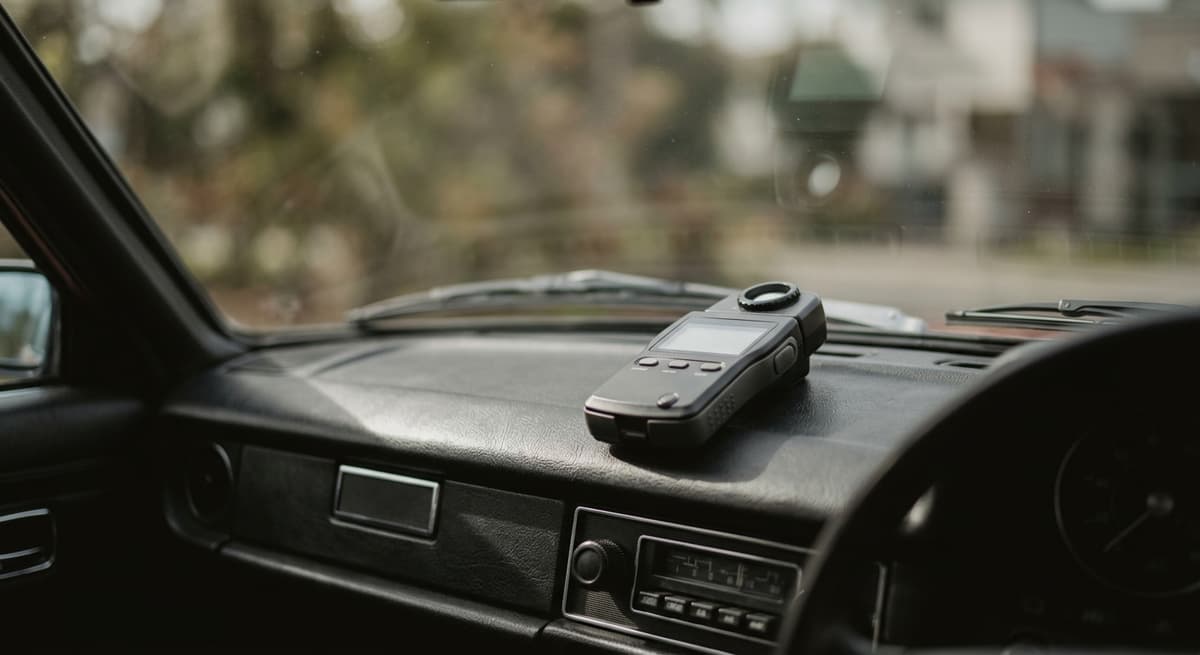
Licensing consequence. Under regulation 17, Part 10 of the Regulations, which includes regulation 260, sets the "standards and requirements" a vehicle must meet for licensing purposes. Non-compliant tint means the vehicle does not meet that standard, and under the Road Traffic (Vehicles) Act 2012, the Department's chief executive may refuse to grant a vehicle licence, or cancel or suspend an existing one, until the tint is fixed.
Defect notice. Sections 70 to 76 of the Road Traffic (Vehicles) Act 2012 give a police officer who reasonably believes a vehicle has a defect the power to issue a written defect notice. Non-compliant tint qualifies, because regulation 260 sits within the safety and roadworthiness standards a defect notice is built to enforce. The notice can direct that the vehicle not be driven at all, not be driven except at specified times, or not be driven except by a specified route, for example to a repairer, and it is served on the driver in person and by affixing a sticker to the vehicle. It lapses once an examiner or authorised officer confirms the defect has been fixed.
Penalties
Two penalties attach to the defect notice process itself, not to the tint violation directly:
- Damaging or destroying a defect notice, or removing its sticker without a repair-related exception, is an offence under section 73(2): a fine of 40 penalty units, worth $2,000 at the current $50-per-unit value set by the Road Traffic (Administration) Act 2008.
- Driving, or causing or permitting a vehicle to be driven, in defiance of an in-force defect notice is an offence under section 75(1) and (3): a fine of 50 penalty units, worth $2,500.
Both of those are the statutory maximums as written; neither section carries a "modified penalty" (on-the-spot infringement) line in the primary text, so whether WA Police can issue a smaller on-the-spot fine specifically for a tint-related defect breach, as opposed to prosecuting it, was not confirmed in this research and should not be assumed either way. No dedicated roadside tint-meter procedure or reinspection fee was located either; treat any such figure circulating elsewhere as unconfirmed.
Driving in defiance of an in-force defect notice under section 75(1) also carries 3 demerit points, under regulation 66 of the Road Traffic (Authorisation to Drive) Regulations 2014, in addition to the 50-penalty-unit fine. Demerit points for the underlying tint defect itself, as opposed to a defect-notice breach, were not confirmed one way or the other.
Medical exemption
IB-119D describes two separate provisions that should not be merged into one rule. First, a case-by-case medical exemption is available through the Department of Transport and Major Infrastructure, Vehicle Safety and Standards, on documentary evidence from a medical specialist; the bulletin's Medical Exemptions paragraph does not itself state a B-pillar restriction. Applications currently go to 34 Gillam Drive, Kelmscott WA 6111, enquiries 13 11 56; an older address that still circulates on third-party tint sites is out of date. Second, and separately, a non-medical privacy-glass accommodation lets a vehicle's existing factory privacy glass, below 20 percent VLT, be matched with aftermarket film, but only behind the B-pillar and without requiring medical evidence. No standard form number is published for the medical exemption; applications are made by letter with supporting documentation, and whether the exemption needs periodic renewal is not stated.
WA drivers should also check the WA demerit points system, or return to the Australia driving laws hub.
This article provides general legal information about window tint law in Western Australia. It is not legal advice and does not account for an individual vehicle's circumstances. Information was verified against WA legislation and Department of Transport and Major Infrastructure sources on 18 August 2026. For advice on a specific situation, contact the Department of Transport and Major Infrastructure directly or consult a legal practitioner admitted in Western Australia.
Frequently Asked Questions
What is the legal window tint limit in WA?
At least 70 percent for the windscreen (with a permitted tinted band above the wiper sweep or in the top 10 percent, whichever is larger), at least 35 percent for front side windows, and at least 20 percent for rear-of-driver glazing if the vehicle has a mirror fitted to each side. Qualifying goods vehicles may go to 0 percent on rear-of-driver glazing. These figures come from regulation 260 of the Road Traffic (Vehicles) Regulations 2014.
Is the WA window tint bulletin (IB-119D) still current?
The bulletin has been kept alive and republished under the Department of Transport and Major Infrastructure's current branding, and it correctly cites the current 2014 Regulations. It omits the windscreen figure and understates the goods-vehicle exception, though it does correctly state the 10 percent reflectance cap, so regulation 260 itself, not the bulletin, is the correct authority for the windscreen number.
Will I get an on-the-spot fine for illegal tint in WA?
Not confirmed. Regulation 260 has no penalty clause; non-compliant tint is handled through a defect notice and, if unresolved, through licence refusal, cancellation or suspension. Fines of 40 or 50 penalty units attach to breaching the defect notice process itself (damaging the notice or driving against it), not to the tint directly; the 50-penalty-unit defect-notice-defiance offence also carries 3 demerit points. It is unclear whether a smaller on-the-spot infringement exists for the underlying tint defect itself.
Is there a medical exemption for window tint in WA?
Yes, and it is separate from WA's non-medical privacy-glass accommodation. The Department of Transport and Major Infrastructure grants case-by-case medical exemptions on documentary evidence from a medical specialist. A separate, non-medical accommodation lets factory privacy glass be matched with aftermarket film, but only behind the B-pillar.
Does old tint get grandfathered in WA?
No. Regulation 260 has no transitional clause for tint applied before the current rule took its 2019 form, unlike a neighbouring regulation that does carve out older vehicles for a different glazing standard. WA's tint rule applies the same way regardless of the vehicle's age.
Can goods vehicles have fully blacked-out rear windows in WA?
Only if all three conditions in regulation 260(8) are met: a mirror fitted to each side, the vehicle designed primarily to carry goods, and at least 4 wheels, or at least 3 wheels with a gross vehicle mass over 1 tonne. Front side windows and the windscreen are not relaxed for goods vehicles.
Updates
Independently fact-checked against the cited primary sources
The Law Behind This Article
This article rests on the statutory provisions below, held in our own legal record and retrieved from the official source. Tap a section to read the operative text.
Road Traffic (Administration) Act 2008 (WA)
s 7AbbreviationsIn forcecited in 4 of our articles
In provisions of a road law dealing with penalties for offences — (a)these abbreviations are used — Disq for minimum period of disqualification; Max for maximum fine; Min for minimum fine; PU for penalty unit or penalty units; and (b)a reference to a number of PU is a reference to an amount (in dollars) that is that number multiplied by 50.
Official text (excerpt) · last checked 2026-09-28 · Read the full text in our law library · Verify at legislation.wa.gov.au
Also relied on in: Western Australia Child Car Seat Laws: Fines, Demerit Points and Exemptions, Driving an Unregistered Car in WA: Penalties and the 15 Day Rule, Unregistered Vehicle Penalties Across Australia: State by State Comparison
Search our full record of US law — 2.1 million sections, every state + federal →
Sources and References
- Road Traffic (Vehicles) Regulations 2014 (WA), regulation 260, window tinting VLT limits, reflectance cap and goods-vehicle exception (consolidated version current as at 1 July 2026)(legislation.wa.gov.au).gov
- Road Traffic (Vehicles) Act 2012 (WA), sections 70-76, defect notice regime and section 73(2)/75(1)(3) penalties(legislation.wa.gov.au).gov
- Road Traffic (Administration) Act 2008 (WA), section 7(a)-(b), penalty unit value fixed at $50(legislation.wa.gov.au).gov
- Department of Transport and Major Infrastructure, Vehicle Safety and Standards Information Bulletin IB-119D, Window Tinting, medical exemption process and contact details(transport.wa.gov.au).gov