
United Kingdom
Shared Ownership Rules UK: Leases, Repairs and Staircasing Explained
Independently fact-checked against primary sources (last audited September 28, 2026). · 10 primary sources cited on this page. How we verify our legal content
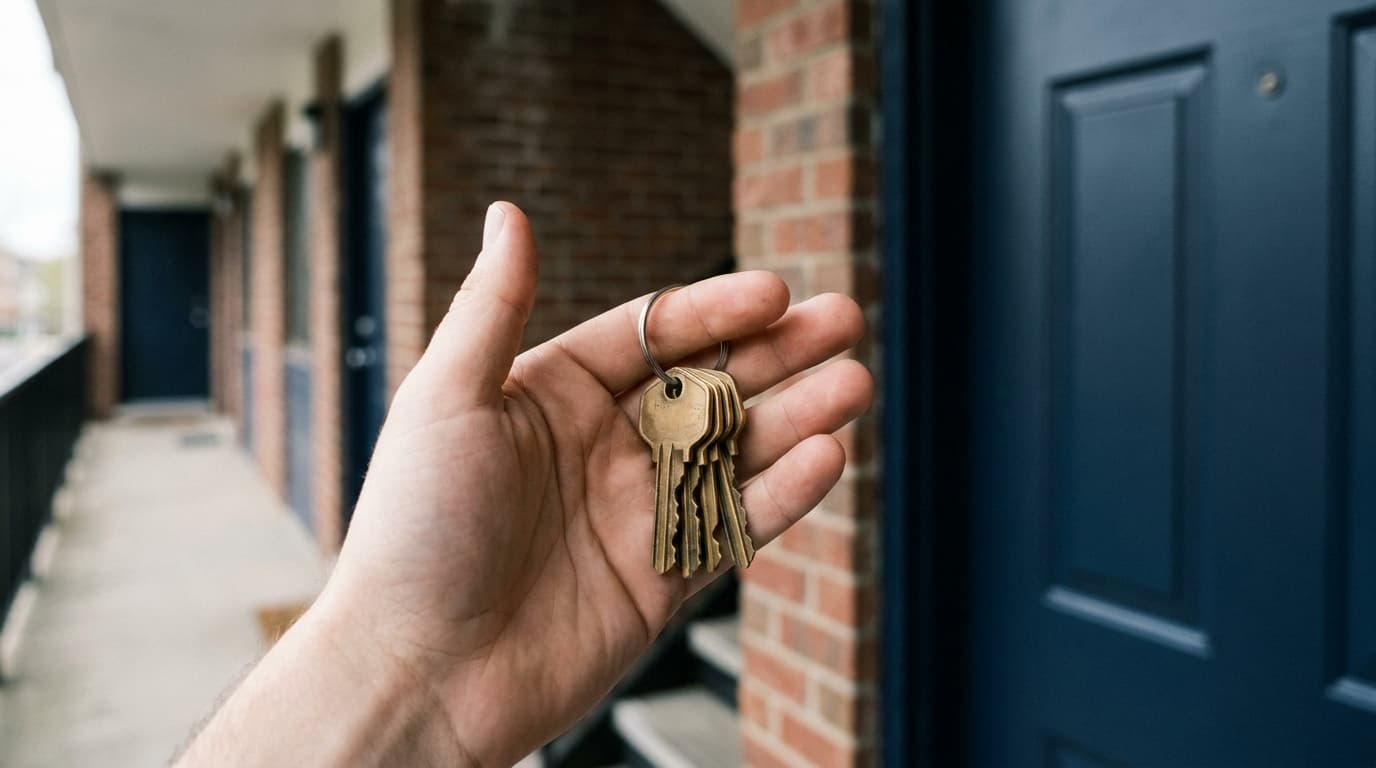
Shared ownership lets you buy a share of a home, usually between 25 percent and 75 percent (10 percent on some newer homes), and pay rent to a landlord on the part you do not own, but you remain legally a leaseholder of the whole property, with repair obligations that on most leases do not shrink to match the share you actually own.
Shared ownership is a lease, not a part share of the freehold
All shared ownership homes, houses and flats, are leasehold properties (gov.uk: Shared ownership scheme). A buyer purchases a percentage share of the property's value and pays rent to the landlord on the unsold share, on top of ground rent and service charges where they apply (same source). Legally, this makes a shared owner a leaseholder of the whole home who also pays rent on part of it, which is why a shared ownership dispute usually sits closer to leasehold law than to ordinary landlord and tenant law.
The repair trap: 100 percent liability regardless of your share
gov.uk states plainly that a shared owner must pay for repairs and maintenance no matter what share they own, unless a cost is covered by a building warranty or by the landlord during an initial repair period (gov.uk: Shared ownership, repairs and home improvements). Buying a 25 percent share does not mean paying 25 percent of the repair bill. A shared owner on a lease without an initial repair period, which includes older leases and homes from funding programmes before 2021 even if finished later, carries full repair liability (or, in a block of flats, their share of the building's structural and external repairs through the landlord) regardless of the percentage they actually own. This is the single most commonly raised complaint about shared ownership.
The 2021 model lease: a partial fix
From 1 April 2021, Homes England's new Shared Ownership model changed several of these terms for homes funded through its 2021 to 2026 programme; homes from earlier programmes, even if finished after that date, keep the older terms, so check the home's key information document (gov.uk: Capital Funding Guide, shared ownership):
- The minimum initial share a buyer can purchase dropped from 25 percent to 10 percent.
- Staircasing, buying further shares to reduce the rent paid on the remainder, now has a 5 percent minimum (down from 10 percent), plus an option to buy a 1 percent share each year for the first 15 years; shares of 2, 3 or 4 percent cannot be bought (gov.uk: buying more shares).
- A new 10 year period applies during which the landlord, not the shared owner, meets the cost of essential structural and exterior repairs. During that period you can also usually claim up to £500 a year towards repairing water, gas, electrical and heating fittings, and the period applies only while you own less than a 100 percent share (gov.uk: repairs).
- The nomination period, the time the landlord has to find a buyer before you can sell your share on the open market, was cut from 8 weeks to 4 weeks (gov.uk: selling your home).
The 10 year landlord funded repair period is a genuine improvement on the older model, but it is time limited. Once it ends, full repair liability passes to the owner in the same way it always has on an older lease.
London: funded under the GLA's own guide
Homes England's guidance covers shared ownership in England outside London. In London, the Greater London Authority funds shared ownership under its own Capital Funding Guide, which applies the same core terms (10 percent minimum initial share, 1 percent annual staircasing for 15 years, a 10 year initial repair period and a 4 week nomination period) to homes funded through its 2021 to 2026 programme (GLA Capital Funding Guide, section 4). London homes from earlier programmes keep their older terms.

Scotland, Wales and Northern Ireland: separate schemes
Scotland has its own shared ownership scheme, in which a housing association keeps part of the home and charges you a fee to live in it, and separate shared equity schemes such as New Supply Shared Equity, in which you own the home outright and the Scottish Government holds an equity stake (mygov.scot: shared ownership; mygov.scot: New Supply Shared Equity scheme). Wales runs its own Shared Ownership - Wales scheme, with an initial share of 25 to 75 percent (gov.wales: Shared Ownership - Wales). In Northern Ireland, Co-Ownership, a registered housing association, runs its own scheme: you buy between 50 and 90 percent of the home, rent the rest from Co-Ownership, and can buy further shares in 5 percent steps (nidirect: Co-Ownership). Do not assume any of these schemes carries the same staircasing rules, repair liability or lease terms described above for England.
How this overlaps with leasehold law
Because a shared ownership home is a lease, many of the disputes that come up, service charges, ground rent, what counts as a qualifying repair, sit inside the same general leasehold rules that apply to any long lease. See leasehold reform, service charges and ground rent for the wider leasehold rules that sit alongside the shared ownership specific terms on this page.

For the wider set of property topics, see the UK property law hub.
Frequently Asked Questions
Is shared ownership the same as owning a share of the freehold?
No. Every shared ownership home is a leasehold property. The buyer owns a lease and a percentage share of the property's value, and pays rent to the landlord on the unsold share, not a fractional share of the freehold itself.
Do you pay less for repairs if you own a smaller share?
Usually not. On most shared ownership leases you are liable for the full cost of repairs and maintenance regardless of the percentage you own. Only homes sold under the 2021 model get a 10 year period in which the landlord covers essential structural and exterior repairs. Check the home's key information document to see whether it has one.
What changed in the 2021 shared ownership model?
The minimum initial share dropped from 25 percent to 10 percent, owners can buy a 1 percent share each year for the first 15 years and the usual staircasing minimum fell to 5 percent, a 10 year landlord funded repair period was introduced, and the nomination period shortened from 8 weeks to 4 weeks.
Does the 2021 shared ownership model apply in London?
Broadly yes, for newer homes. The Greater London Authority applies the same core terms to shared ownership homes funded through its 2021 to 2026 programme; homes from earlier programmes keep their older lease terms.
Is Scotland's shared equity scheme the same as shared ownership in England?
No. Scotland runs its own shared ownership and shared equity schemes, and Northern Ireland's Co-Ownership scheme has its own share sizes and rules; none follows the England model described on this page.
Updates
Independently fact-checked against the cited primary sources
Sources and References
- gov.uk: Shared ownership scheme(gov.uk).gov
- gov.uk: Shared ownership, repairs and home improvements(gov.uk).gov
- gov.uk: Capital Funding Guide, shared ownership(gov.uk).gov
- mygov.scot: New Supply Shared Equity scheme(mygov.scot).gov
- gov.uk: Shared ownership, buying more shares (staircasing)(gov.uk).gov
- gov.uk: Shared ownership, selling your home(gov.uk).gov
- GLA Capital Funding Guide, section 4: Shared Ownership(london.gov.uk).gov
- mygov.scot: Shared ownership(mygov.scot).gov
- gov.wales: Shared Ownership - Wales(gov.wales).gov
- nidirect: Co-Ownership(nidirect.gov.uk).gov