
Georgia
Georgia Self-Driving Car Laws: Driverless Rules (2026)
Independently fact-checked against primary sources (last audited September 30, 2026). · 3 primary sources cited on this page. How we verify our legal content
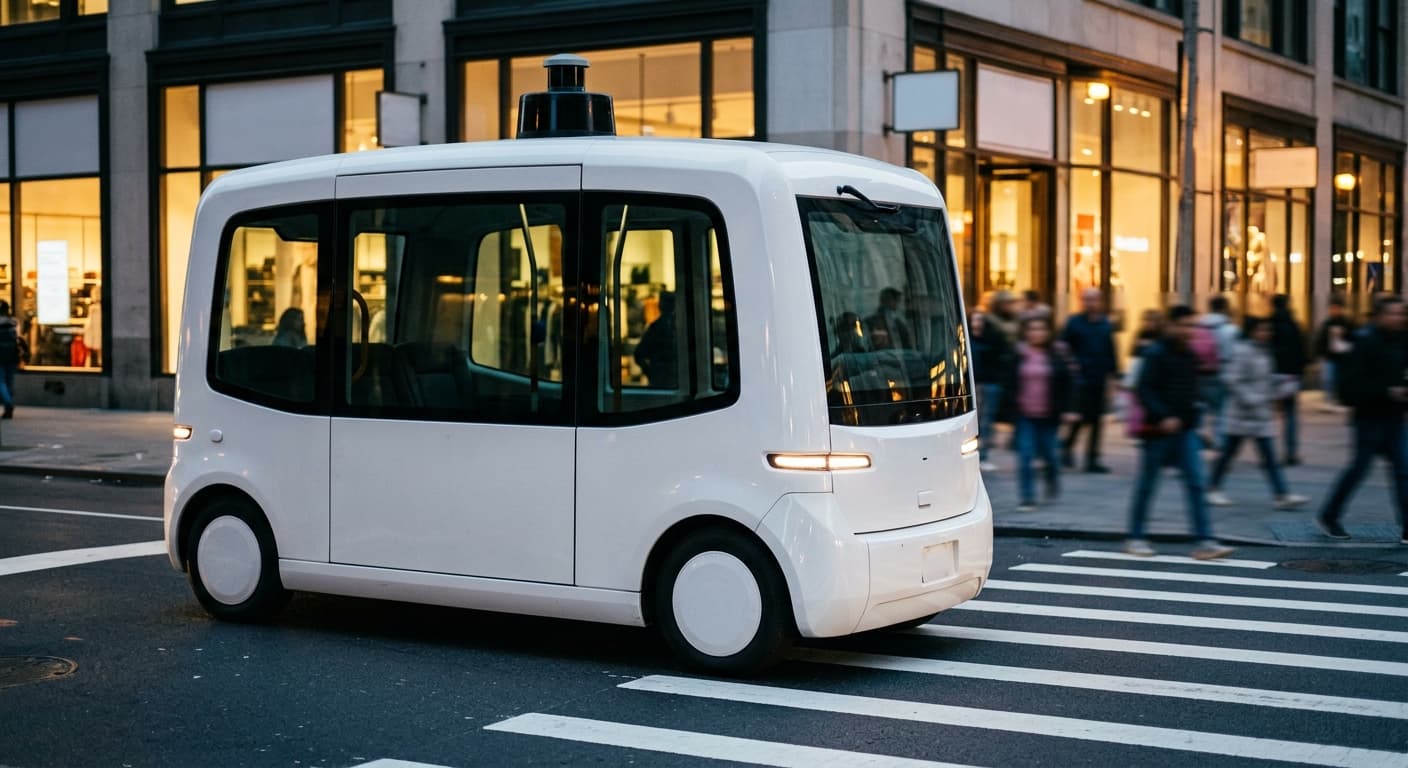
Yes, if the vehicle meets the conditions in O.C.G.A. 40-8-11. Georgia lets a "fully autonomous vehicle" drive on public roads with nobody inside, as long as it can obey the traffic laws, meets federal safety standards, can stop itself safely if its system fails, carries the required insurance and is properly registered. Georgia has no state permit or application for driverless operation.
Are self-driving cars legal in Georgia?
Yes, within the limits of O.C.G.A. 40-8-11. The General Assembly passed the law in 2017 as Senate Bill 219, and it took effect July 1, 2017. The central sentence reads: "A person may operate a fully autonomous vehicle with the automated driving system engaged without a human driver being present in the vehicle, provided that such vehicle" meets five conditions.
That permission is conditional. A vehicle that fails any of the conditions gets no benefit from the section. The law has been amended once since 2017: House Bill 717 (2018) added subsection (d), which keeps Georgia's consumer protection laws in force for these vehicles.
Section 40-8-11(c) also says that fully autonomous vehicles, automated driving systems "and any commercial use or operation of fully autonomous vehicles" are governed by 40-8-11, the definitions in 40-1-1, the license exemptions in 40-5-21, the rules of the road in Chapter 6 and the equipment chapter, Chapter 8, "notwithstanding any other provision of law to the contrary." Together, those sections set the state's rules for driverless cars and robotaxis.
What counts as a "fully autonomous vehicle" in Georgia
The Code defines a fully autonomous vehicle in O.C.G.A. 40-1-1(17.2) as a motor vehicle with an automated driving system that can "perform all aspects of the dynamic driving task without a human driver" within its operating area, and that "will not at any time request that a driver assume any portion of the dynamic driving task" while operating within that area.
The key definitions, all in 40-1-1:
- Automated driving system (5.1): the hardware and software "collectively capable of performing the entire dynamic driving task on a sustained basis," even if it works only in a limited area.
- Dynamic driving task (15.2): the real-time work of driving: steering, accelerating and braking, watching the road, responding to objects and events, planning maneuvers and signaling. It excludes trip planning, such as choosing a destination.
- Operational design domain (37.1): where and when the system is designed to work, including "geographic limitations, roadway types, speed range, and environmental conditions such as weather and limited visibility."
- Minimal risk condition (27.1): a low-risk mode in which a driverless vehicle "achieves a reasonably safe state, such as bringing the vehicle to a complete stop," after its system fails.
That definition matches what engineers call Level 4 and Level 5 automation. A car with a driver-assist feature that needs a person to supervise it or take over, such as Tesla's Full Self-Driving (Supervised), adaptive cruise control or lane centering, is not a fully autonomous vehicle under Georgia law. The person behind the wheel of that car is the driver, with every duty a driver has. The levels of driving automation guide explains the difference.
Requirements to run a driverless car in Georgia
Under O.C.G.A. 40-8-11(a), a fully autonomous vehicle may operate with no human driver aboard only if it:
- Can follow the rules of the road. Unless an exemption has been granted under federal or state law, the vehicle must be "capable of being operated in compliance with" Chapter 6 (rules of the road) and Chapter 8 (equipment) of Title 40.
- Met federal safety standards when built. The manufacturer must have certified it, at the time of manufacture, as complying with applicable federal motor vehicle safety standards, again unless an exemption was granted.
- Can handle a crash. It must have "the capability to meet the requirements of Code Section 40-6-279," the special crash-reporting rule for driverless vehicles described below.
- Can fail safely. If the system fails and can no longer perform the whole driving task in its operating area, the vehicle must be able to "achieve a minimal risk condition."
- Is insured at the level the section sets (next section).
- Is registered. It must be registered under O.C.G.A. 40-2-20 "and identified on such registration as a fully autonomous vehicle or lawfully registered outside of this state."
The statute groups the capability and safety-standard items in one paragraph, so it counts five conditions; the list above separates them for clarity.
Does Georgia require a permit for self-driving cars?
No. Nothing in 40-8-11 creates an application, a testing permit, a deployment permit or an approval by any state agency. The only paperwork the statute ties to driverless operation is the registration and the insurance. Section 40-8-11 also has no separate testing rule. A vehicle with a licensed human driver at the wheel is governed by the ordinary rules for drivers.
Insurance requirements for self-driving cars in Georgia
Section 40-8-11(a)(4) sets the insurance floor. Since January 1, 2020, a fully autonomous vehicle operating without a driver must be covered by motor vehicle liability coverage equal, at a minimum, to either:
- indemnity and liability insurance "equivalent to the limits specified in Code Section 40-1-166"; or
- self-insurance under O.C.G.A. 33-34-5.1 at no less than those same limits.
Section 40-1-166 is the insurance rule for limousine carriers. It sets these minimums:
| Vehicle capacity | Bodily injury, one person | Bodily injury, all persons in one accident | Property damage, one accident |
|---|---|---|---|
| 12 passengers or fewer | $100,000 | $300,000 | $50,000 |
| More than 12 passengers | $100,000 | $500,000 | $50,000 |
Section 40-8-11 does not say which capacity tier applies to a driverless vehicle. A robotaxi or passenger car seats 12 or fewer, so the first row is the natural fit. From 2017 through December 31, 2019, the law required 250 percent of those limits during a phase-in period that has now ended.
These are minimums. A robotaxi company may carry far more coverage, and a person hurt in a crash is not limited to the policy minimum when the company itself is at fault. See self-driving car insurance for how other states compare.
Does a self-driving car need a human driver in Georgia?
Not if it qualifies as a fully autonomous vehicle and meets the 40-8-11 conditions. The section allows operation "without a human driver being present in the vehicle."
Georgia's driver's license law matches. O.C.G.A. 40-5-21(a)(13) exempts from licensing "a fully autonomous vehicle with the automated driving system engaged or the operator of a fully autonomous vehicle with the automated driving system engaged." A rider who summons a driverless car, or a company that dispatches one, does not need a Georgia driver's license for that trip.
Who is the "operator" of a driverless car in Georgia?
Georgia took a different approach from states that treat the automated driving system itself as the driver or operator. Georgia's definition in O.C.G.A. 40-1-1(38) keeps the focus on people:
"Operator" means any person who drives or is in actual physical control of a motor vehicle or who causes a fully autonomous vehicle to move or travel with the automated driving system engaged.
The system is not named as the operator. Instead, the definition reaches "any person" who causes the vehicle to move with the system engaged. The definition does not say whether that means the company that runs the fleet, the owner who sends the car out, or a passenger who taps a button to start a ride. That question matters most for traffic tickets and DUI, below.
The definition is a traffic-code definition. It does not decide who pays for injuries in a crash, which is a question for Georgia's ordinary negligence and product liability law. See who is liable in a self-driving car accident.
Can a driverless car get a traffic ticket in Georgia?
Georgia's traffic laws apply to driverless vehicles, but Georgia's autonomous vehicle provisions do not say who gets the ticket. Section 40-8-11 requires a fully autonomous vehicle to be capable of obeying Chapter 6, the rules of the road, and says Chapter 6 governs these vehicles. It does not create a way to cite a vehicle with nobody in it, and it does not name the owner, the fleet company or a rider as the person who receives a citation.
The "operator" definition points toward the person who "causes" the vehicle to move, but many Chapter 6 offenses are written for the "driver," which 40-1-1(14) defines as a person "who drives or is in actual physical control of a vehicle." Some states have written specific rules for citing driverless cars. Georgia's Code has no such rule. See can a self-driving car get a ticket for how other states handle it.
Can you get a DUI in a self-driving car in Georgia?
Georgia's DUI statute, O.C.G.A. 40-6-391(a), says a person "shall not drive or be in actual physical control of any moving vehicle" while impaired. It does not use the word "operator," and it says nothing about fully autonomous vehicles.
Two situations are very different:
- In a car with driver assistance (Level 2, including Tesla Autopilot and Full Self-Driving (Supervised)), the person in the driver's seat is driving or in actual physical control. Georgia's DUI law applies to that person as it would in any car.
- In a true driverless robotaxi, a passenger in the back seat has no steering wheel to control and is not driving. Neither the DUI statute nor 40-8-11 says how DUI law applies to a rider in a fully autonomous vehicle, and the broad "operator" definition leaves room for argument in edge cases, such as a person alone in a privately owned driverless vehicle.
The safe rule is simple: if the car can ask you to take over, you are the driver. See DUI in a self-driving car and Georgia DUI laws.
What happens when a driverless car crashes in Georgia?
Georgia's accident duties normally fall on the driver: stop at the scene, give a name, address and registration number, show a license on request, give reasonable help to anyone hurt, and call police when a crash causes injury, death or apparent property damage of $500 or more (O.C.G.A. 40-6-270 and 40-6-273).
A vehicle with no one inside cannot do most of that, so O.C.G.A. 40-6-279 supplies a substitute. When a crash involves a fully autonomous vehicle with its system engaged, the duties in subsection (a) of 40-6-270, 40-6-271, 40-6-272, 40-6-273 and 40-6-273.1 are "deemed satisfied if such fully autonomous vehicle remains on the scene of such accident as required by law and such fully autonomous vehicle or operator promptly contacts a local law enforcement agency and communicates the information required by this chapter."
Two points follow from that text:
- The driverless car must stay at the scene. Leaving is not covered by the substitute rule.
- Police must be contacted promptly, either by the vehicle itself or by its operator.
The rule does not change who is responsible for the crash. It only tells a driverless vehicle how to meet the reporting duties.
Seat belts and car seats in a driverless car
With no driver aboard, someone has to be responsible for restraints. Section 40-8-11(b) puts that on the riders: "It shall be the responsibility of the occupants of a fully autonomous vehicle to comply with" Georgia's seat belt and child passenger restraint laws. A parent riding in a robotaxi with a young child is responsible for the child's car seat.
Can Atlanta or other cities regulate self-driving cars?
Georgia's law leaves cities little room. The last sentence of O.C.G.A. 40-8-11(c) says: "No rules or regulations relative to the operation of fully autonomous vehicles or automated driving systems shall be adopted which limit the authority to operate such vehicles or systems conferred by this Code section."
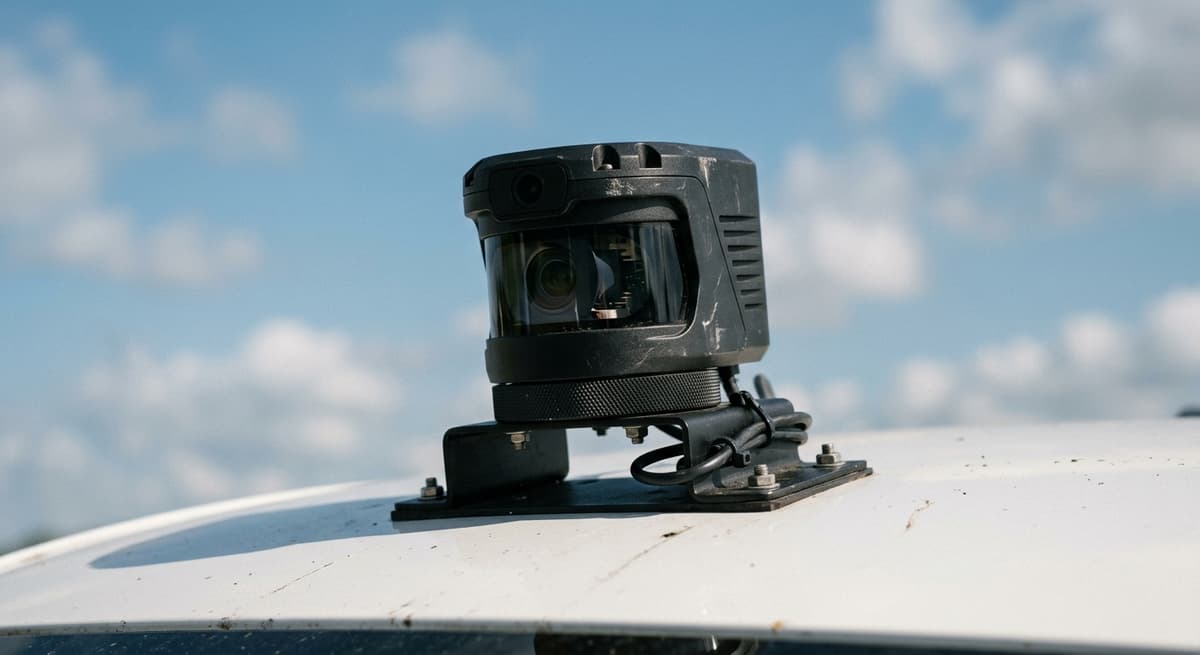
The sentence does not name who is barred from adopting such rules, and it does not mention cities, counties or ordinances by name. Read on its terms, it covers any rule or regulation that limits the authority to operate that 40-8-11 grants. Combined with subsection (c)'s statement that these vehicles are governed by state law "notwithstanding any other provision of law to the contrary," it leaves little space for a city ban or a local permit for driverless cars.
Cities still enforce ordinary traffic and parking rules that apply to every vehicle, because 40-8-11 requires driverless cars to follow Chapter 6. Airports are a separate case: Georgia's ride-share law lets county and municipal airports regulate ride share network services doing business there (O.C.G.A. 40-1-191), but that section does not mention autonomous vehicles.
Robotaxi rules in Georgia and Waymo in Atlanta
Georgia has no separate permit for driverless ride-hail service. Section 40-8-11(c) says "any commercial use or operation of fully autonomous vehicles" is governed by 40-8-11 and the related sections listed above. Georgia's ride-share law is built around human drivers: O.C.G.A. 40-1-190(3) defines a "ride share driver" as "an individual who uses his or her personal passenger car" to carry passengers arranged through a ride share network service.
As of September 2026, Waymo's website says it serves riders on the Uber app in Atlanta, "from South Atlanta, to Downtown, to Buckhead." Riders request an UberX, Uber Comfort or Uber Comfort Electric trip and may be matched with a driverless Waymo vehicle. Service areas change, so check the Waymo and Uber apps for current coverage.
For what happens when a robotaxi is involved in a crash, see Waymo and robotaxi accidents. For what the cameras and microphones in these vehicles capture, see do robotaxis record you.
Recent and pending changes in Georgia
- 2018: House Bill 717 added 40-8-11(d), which says nothing in the section limits Georgia's consumer protection laws, naming the Fair Business Practices Act of 1975, the Georgia Motor Vehicle Franchise Practices Act and the Georgia Lemon Law. A buyer of a defective vehicle with automated features keeps those protections. See lemon laws in the United States.
- 2021: Senate Bill 165 amended O.C.G.A. 40-8-1(b) so that, unless federal law requires otherwise, a fully autonomous vehicle designed to be operated only by its automated driving system for all trips is not subject to the Chapter 8, Article 1 equipment provisions that relate to or support operation by a human driver and are not relevant to an automated driving system.
- 2026: House Resolution 1371 would have created a House Study Committee on Code Revisions for Autonomous Vehicles. The House Technology and Infrastructure Innovation Committee reported it favorably by substitute on March 19, 2026. Its record shows no later action and no vote, so the resolution did not create a study committee.
Federal rules on vehicle safety standards and crash reporting also apply in Georgia. See federal self-driving car laws.
What to do after a crash with a self-driving car in Georgia
- Get to safety and call 911 if anyone is hurt. Georgia requires police notice for crashes with injury, death or apparent property damage of $500 or more.
- Stay at the scene until police arrive. The driverless vehicle must stay too.
- Record the vehicle's details: the company name on the car, any vehicle number on the body or roof, the license plate, and the time and exact location. If you were a passenger, screenshot the trip in the app.
- Take photos and video of the vehicles, the road, signals and any injuries, and collect witness names and phone numbers.
- Get the police report number. The report will name the company or owner, which is who your claim is usually against.
- Ask that recordings be preserved. Driverless vehicles rely on cameras and other sensors. Send the company a written request to keep any video and data from the crash.
- See a doctor even if you feel fine, and keep your records.
- Watch the deadlines. Georgia generally gives two years to file a personal injury lawsuit (O.C.G.A. 9-3-33). Georgia also bars recovery for anyone 50 percent or more responsible for their own injury or damages (O.C.G.A. 51-12-33(g)). See the Georgia statute of limitations guide and Georgia car accident laws.
Georgia's self-driving statute does not create any special rule for injury claims. A person hurt by a driverless car brings an ordinary negligence claim, a product liability claim, or both, usually against the company that owns, operates or built the vehicle.
Frequently Asked Questions
Are driverless cars legal in Georgia?
Yes, if they meet O.C.G.A. 40-8-11. A fully autonomous vehicle may operate with no human driver aboard if it can obey Georgia traffic law, met federal safety standards when built, can meet the crash-reporting rule in 40-6-279, can reach a safe stop if its system fails, carries the required insurance, and is registered and identified as a fully autonomous vehicle (or lawfully registered in another state).
Do you need a permit to operate a self-driving car in Georgia?
No. Georgia's law creates no testing or deployment permit and no agency approval. The statute requires registration identifying the vehicle as fully autonomous (or lawful out-of-state registration) and minimum liability insurance.
How much insurance does a driverless car need in Georgia?
Coverage at least equal to the limits in O.C.G.A. 40-1-166, the limousine carrier insurance rule, or self-insurance at those limits. Section 40-8-11 does not say which capacity tier applies. For a vehicle seating 12 or fewer passengers, those limits are $100,000 per person and $300,000 per accident for bodily injury, plus $50,000 for property damage.
Do I need a driver's license to ride in a Waymo in Atlanta?
No. O.C.G.A. 40-5-21(a)(13) exempts a fully autonomous vehicle with its automated driving system engaged, and the operator of that vehicle, from Georgia's driver's license requirement.
Who gets a ticket if a driverless car breaks a traffic law in Georgia?
Georgia's autonomous vehicle provisions do not say. Driverless cars must be able to obey Georgia's rules of the road, and Georgia defines an operator to include anyone who causes a fully autonomous vehicle to move, but those provisions do not name who receives a citation when nobody is driving.
Can Atlanta ban robotaxis?
Georgia law leaves little room for that. O.C.G.A. 40-8-11(c) says no rules or regulations may be adopted that limit the authority to operate fully autonomous vehicles granted by that section, and it says state law governs these vehicles notwithstanding any other law to the contrary.
Can I get a DUI in a self-driving car in Georgia?
In a car with driver assistance, such as Tesla Full Self-Driving (Supervised), yes: the person in the driver's seat is driving or in actual physical control under O.C.G.A. 40-6-391. For a passenger in a true driverless robotaxi, neither the DUI statute nor Georgia's autonomous vehicle law addresses the question.
How long do I have to sue after a crash with a self-driving car in Georgia?
Georgia generally allows two years from the injury to file a personal injury lawsuit (O.C.G.A. 9-3-33). Other claims can carry different deadlines, so check the rules for your situation early.
Updates
Independently fact-checked against the cited primary sources
Sources and References
- Georgia SB 219 (2017), as passed: enacted O.C.G.A. 40-8-11, 40-6-279, 40-5-21(a)(13) and the autonomous vehicle definitions in 40-1-1(www.legis.ga.gov).gov
- O.C.G.A. 40-8-11 (2025 Code): operation of fully autonomous vehicles without a human driver, insurance, registration, limits on rules, consumer laws(law.justia.com)
- O.C.G.A. 40-1-1 (2025 Code): definitions of automated driving system, fully autonomous vehicle, minimal risk condition, operational design domain, driver and operator(law.justia.com)
- O.C.G.A. 40-1-166: limousine carrier insurance minimums incorporated by 40-8-11(a)(4)(law.justia.com)
- O.C.G.A. 40-5-21(a)(13): driver's license exemption for fully autonomous vehicles and their operators(law.justia.com)
- O.C.G.A. 40-6-279: crash duties satisfied for fully autonomous vehicles(law.justia.com)
- O.C.G.A. 40-6-270: driver's duties to stop, give information and render aid after a crash(law.justia.com)
- O.C.G.A. 40-6-273: duty to report crashes with injury, death or $500 or more in apparent property damage(law.justia.com)
- O.C.G.A. 40-6-391(a): Georgia DUI statute(law.justia.com)
- O.C.G.A. 40-1-190: ride share definitions(law.justia.com)
- O.C.G.A. 40-1-191: ride share preemption and airport regulation(law.justia.com)
- O.C.G.A. 9-3-33: two-year limitation period for personal injury(law.justia.com)
- O.C.G.A. 51-12-33(g): no recovery for a plaintiff 50 percent or more responsible(law.justia.com)
- Georgia General Assembly, HR 1371 (2025-2026 session): House Study Committee on Code Revisions for Autonomous Vehicles, status history(www.legis.ga.gov).gov
- Waymo, Waymo on Uber: Atlanta service area (company statement)(waymo.com)
- Georgia SB 165 (2021), amending O.C.G.A. 40-8-1(b): equipment rules for fully autonomous vehicles(legis.ga.gov).gov