Do Robotaxis Record You? Waymo and Zoox Cameras (2026)
Independently fact-checked against primary sources (last audited September 29, 2026). · 3 primary sources cited on this page. How we verify our legal content
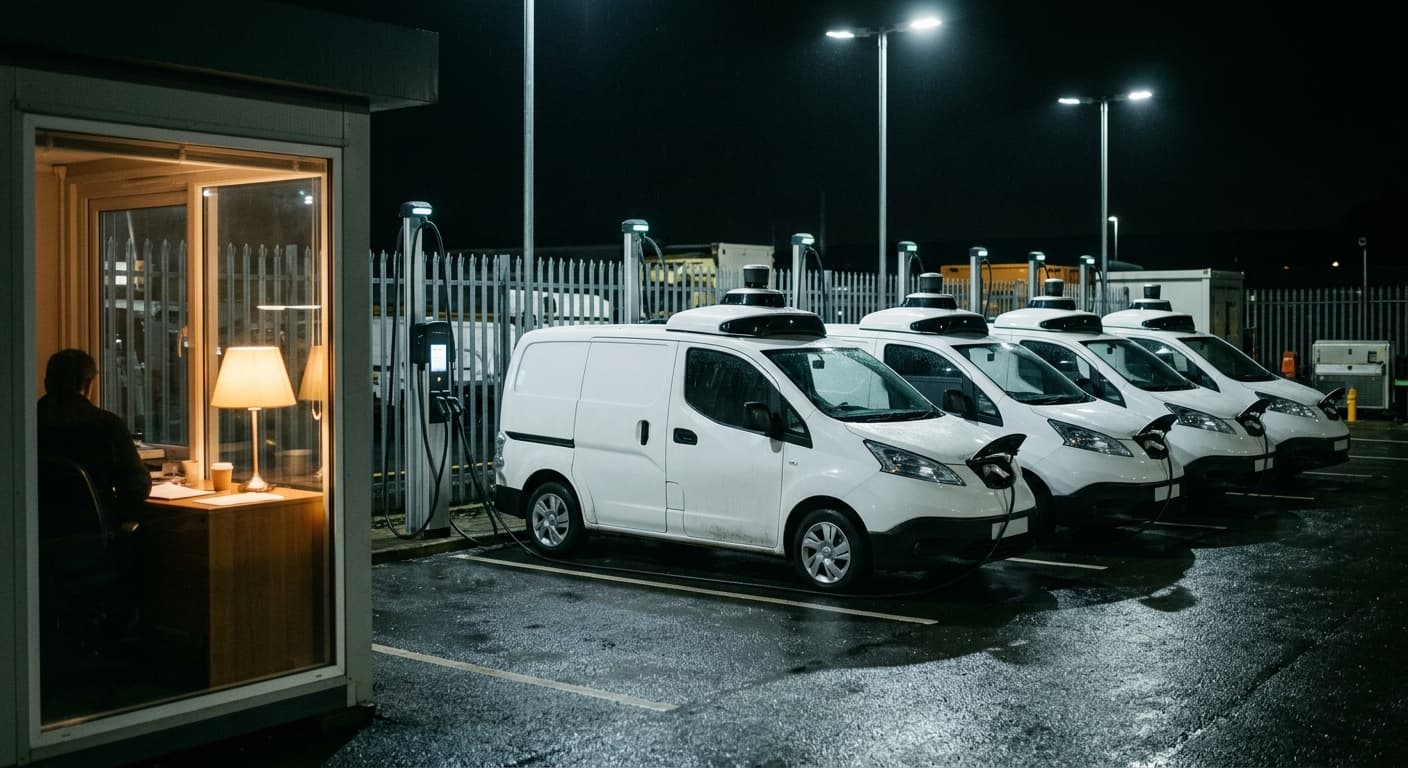
Yes. Robotaxi companies say their vehicles carry exterior cameras and sensors, and Waymo's privacy policy says it records video inside the vehicle during trips. Waymo's privacy policy says it records audio only during active calls with Rider Support or when the rider turns the in-car microphones on. Zoox's rider FAQ, which its privacy notice points to, says its interior cameras record the entirety of your ride, while its interior microphones record only conversations with Zoox Support. This page reports what each company says in its own documents, as of September 2026, because these policies change often.
What does Waymo record inside the car?
Waymo's Services Privacy Policy, last updated September 23, 2026, says: "We record video inside the vehicle during trips." Waymo's help center says that, among other things, it may use the cameras to check cleanliness, find lost items, help in an emergency, check that in-car rules are followed, improve its products and services, and promote safety and security.
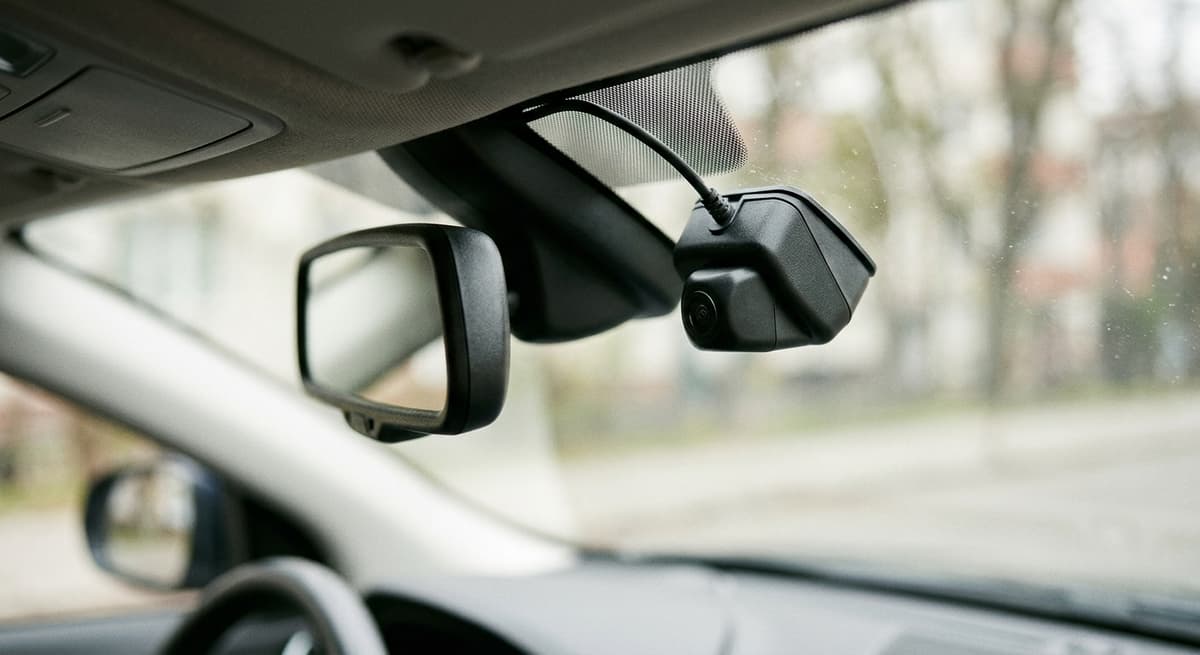
The help center also says its Support team "may review video under certain circumstances, including after an issue is brought to our attention." It adds: "Occasionally, in more urgent circumstances, Support may access live video during a trip." That is the company's description of its own practice, not an independent finding.
Does Waymo record audio?
Waymo says audio is limited. The privacy policy says: "We only record audio during active voice calls with Rider Support or when you actively choose to enable microphones inside the car." The help center repeats that the in-car microphones "are only on during voice calls with Rider Support or when you actively choose to enable microphones inside the car."
So by Waymo's account, on a standard account a private conversation between two riders is not recorded by default. If you call Rider Support, that call is recorded. Waymo's Terms of Service for its teen accounts, available in limited regions, say: "Where allowed by applicable law, Waymo may record audio and/or video on your Teen's trips."
What do the outside cameras and microphones do?
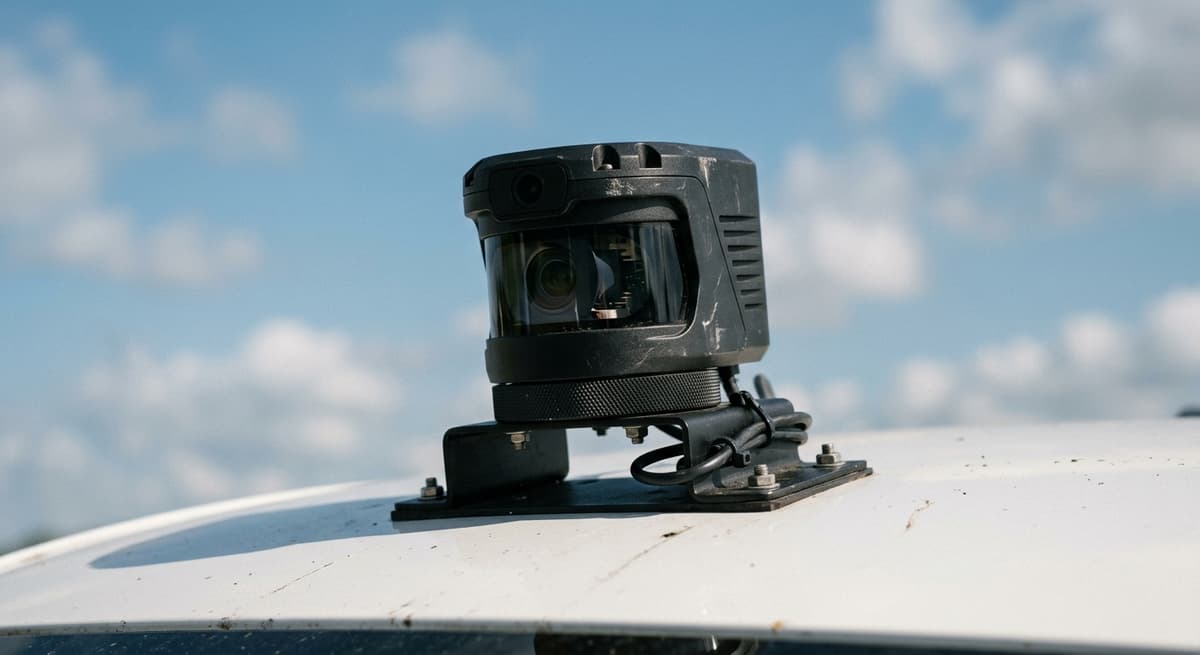
The same policy says: "We also use external cameras to detect important things in the world around the vehicle to help operate our services. We also use external microphones to detect police and emergency vehicle sirens." Exterior sensing is how the car drives, so it captures the street around it, including people who never rode in it. The policy also says: "We have implemented technical and procedural safeguards designed to limit the collection of any human voice data from these microphones."
What does Zoox say it records?
Zoox's Privacy Notice, last updated August 3, 2026, lists "audiovisual and sensor data, such as videos, images, and voice recordings as described in our responses to frequently asked questions" among the information it collects. Zoox's rider FAQ says: "The cameras record the entirety of your ride." On audio, it says: "To comply with regulations, Zoox records conversations with Zoox Support. Zoox may also use interior microphones to monitor for acoustic signatures indicating a comfort or safety issue within the vehicle. Zoox does not save recordings related to this monitoring. Other than conversations with Zoox Support, the interior microphones do not record your ride." The notice also describes using information for "reviewing audio and video recordings in response to emergency, safety, or Zoox Support incidents and reports."
On retention, Zoox's California disclosure says it keeps personal information "for as long as it is required in order to fulfill the relevant purposes described in the Privacy Notice, as permitted or as may be required by law, or as otherwise communicated to you." That is a purpose test, not a set number of days.
How long is robotaxi video kept?
Waymo's policy says it keeps account information such as name, email and trip history while the account is active. It also lists reasons it may keep other information, including resolving disputes, conducting investigations and improving its products. The policy does not give a number of days for cabin video.
Because neither company publishes a number, the practical routes are the access and deletion process described below, or asking the company directly.
Can police get robotaxi footage?
Waymo's help center says Waymo "may share certain data with law enforcement as needed to comply with legal requirements, enforce agreements, and protect the safety of you and others." Its privacy policy says it discloses information "in response to legal process or enforceable government requests, including to law enforcement."
Zoox's notice includes a similar category: complying with applicable law, legal process or a governmental request. Its example is producing audio recordings or rider feedback "in response to a regulator request." The notice says this "includes sharing personal data with police and other government authorities where we believe it to be necessary to comply with law, regulation or other legal process or obligation." It adds: "We may also voluntarily disclose personal data to government authorities in certain circumstances where we believe that harm is imminent, or to protect Zoox's rights and interests."
Those statements describe what the companies say they do, and they are not limited to court-ordered requests. They do not tell you which kind of legal process a court would require for a given kind of footage. That depends on the state and the facts, and it is a question for a lawyer. If footage exists of an incident you were part of, it can also matter to your own claim. See who is liable in a self-driving car accident and Waymo robotaxi accidents.
Does recording law apply to a robotaxi?
Recording laws, often called wiretap or eavesdropping statutes, generally address recording a conversation. California's version, Penal Code 632, reaches a person who, "intentionally and without the consent of all parties to a confidential communication, uses an electronic amplifying or recording device to eavesdrop upon or record the confidential communication."
The statute defines a confidential communication as one "carried on in circumstances as may reasonably indicate that any party to the communication desires it to be confined to the parties thereto." The definition excludes a communication made "in any other circumstance in which the parties to the communication may reasonably expect that the communication may be overheard or recorded." California's civil remedy in Penal Code 637.2 includes "Five thousand dollars ($5,000) per violation."
Two points follow from the text. First, these laws are built around conversations, so a video-only recording raises a different question than an audio recording. Second, whether a rider who accepted a company's terms and privacy policy has consented, or could reasonably expect to be recorded, depends on the state statute and the facts. How courts apply these statutes to a robotaxi cabin is an open question, so treat any state's answer as unsettled.
Waymo's Terms of Service (Last Updated September 22, 2026) say: "You are responsible for ensuring your guests receive notice of Waymo's Privacy Policy and agree to be bound by these Terms." In plain terms, the terms put the job of giving guests notice of the privacy policy on the rider who books the trip. Whether that notice amounts to consent under a recording statute is a separate legal question. For the underlying rules, see the recording law hub.
Can I record my own ride with my phone?
Your phone is a separate question from the car's cameras. If you record a conversation with another person, the consent rules of the state you are in apply, and some states require every party's consent. The recording law hub explains one-party and all-party consent and links each state's rules.
Separately, Waymo's Terms of Service prohibit using "instruments or equipment to record, measure, collect information about, or conduct surveillance of any feature, equipment, component, or area of our Services not generally observed by a rider with their unaided eye." That clause appears aimed at collecting information about the vehicle and its systems, and its text does not mention filming your own ride. Breaking a company's terms is a different matter from breaking a recording statute, and it can affect your account.
What privacy rights do riders have?
Waymo's help center says: "All riders have the ability to delete personal information associated with their Waymo account or download a copy of it." Its privacy policy adds that residents of states with consumer privacy laws, such as California's CCPA, Texas's TDPSA and Virginia's VCDPA, have rights of access, correction, deletion and opt-out, "subject to certain limits and exceptions." Zoox's notice also includes California privacy rights sections.
On biometrics, Waymo's help center says: "we do not use facial recognition or other biometric identification technologies to identify individuals." Illinois's Biometric Information Privacy Act defines a biometric identifier as "a retina or iris scan, fingerprint, voiceprint, or scan of hand or face geometry" and says biometric identifiers do not include photographs. Whether ordinary cabin video is covered by that law is an open question.
Waymo's Terms of Service also carry an arbitration clause with an opt-out window. If you are considering a dispute with the company, read that section of the terms first.
What about a Tesla with a cabin camera?
Privately owned cars with driver-assist features are a different setup. Many carry a cabin camera aimed at the driver, in a car you own and drive. What a manufacturer does with that footage depends on its own privacy policy and the settings in your car. For a Tesla, check Tesla's own privacy notice and your car's data-sharing settings; if you ride in Tesla's ride-hailing service, its notice for that service governs.
Practical steps for riders
- Read the current privacy policy of the service you use. Waymo updated its Services Privacy Policy and Terms of Service in September 2026, so a summary from last month may be out of date.
- Do not assume a robotaxi cabin is private. Waymo says it records video inside the car, and Zoox says its interior cameras record the entirety of the ride.
- Assume Rider Support calls are recorded, because Waymo says they are, and Zoox says it records conversations with Zoox Support.
- To see or delete your data, use the request process the company describes. Waymo says all riders can delete account information or download a copy, and state privacy laws may add further rights.
- Before recording other people yourself, check your state's consent rule at the recording law hub.
Privacy is one part of robotaxi law. See the self-driving car laws hub for the rest. This page is general information, not legal advice.
Frequently Asked Questions
Does Waymo record you?
Waymo's Services Privacy Policy, last updated September 23, 2026, says it records video inside the vehicle during trips. It says it records audio only during active voice calls with Rider Support or when the rider chooses to enable the in-car microphones.
Do Waymos have cameras inside?
Yes, according to Waymo's own privacy policy, which says it records video inside the vehicle during trips. Waymo's help center says interior cameras are used for purposes such as cleanliness checks, lost items, emergency assistance and rule compliance.
Do self-driving cars record audio?
It depends on the company. Waymo's privacy policy says in-car audio is recorded only during Rider Support calls or when the rider enables microphones, though its teen-account terms allow audio recording on teen trips where the law permits. Waymo also says external microphones detect sirens with safeguards designed to limit human voice data. Zoox says its interior microphones record only conversations with Zoox Support, and that it may listen for sounds signaling a safety issue without saving those recordings.
Can police get Waymo footage?
Waymo's policy says it may disclose information in response to legal process or enforceable government requests, including to law enforcement. Zoox's notice says it may also voluntarily disclose personal data to government authorities where it believes harm is imminent. What process a court requires for particular footage depends on the state and the facts.
Can a Waymo employee watch me live?
Waymo's help center says its Support team may review video under certain circumstances, and that in more urgent circumstances Support may access live video during a trip.
How long does Waymo keep ride video?
The policy does not state a number of days. It says Waymo may keep information for reasons such as resolving disputes, conducting investigations and improving its products.
Can I ask Waymo to delete my data?
Yes. Waymo's help center says all riders can delete personal information associated with their Waymo account or download a copy. Residents of states with consumer privacy laws, such as California, Texas and Virginia, have additional rights under those laws, subject to limits and exceptions.
Is it legal to record inside a Waymo with my own phone?
Recording a conversation is governed by the consent rules of the state you are in, and some states require all parties to consent. See the recording law hub. Separately, Waymo's terms restrict recording features of its service that a rider could not see with the unaided eye, which appears aimed at the vehicle and its systems.
Updates
Independently fact-checked against the cited primary sources
Sources and References
- Waymo Services Privacy Policy (Last Updated September 23, 2026): interior video, audio, external sensors, retention, legal process, state privacy rights(support.google.com)
- Waymo Help: cameras, microphones and data processing (Support review, live video, facial recognition, law enforcement sharing)(support.google.com)
- Waymo Terms of Service (Last Updated September 22, 2026): guest notice and rider recording clause(support.google.com)
- Zoox Privacy Notice (Last Updated August 3, 2026): review, legal process and voluntary disclosure, retention(zoox.com)
- California Penal Code 632: eavesdropping on or recording confidential communications(leginfo.legislature.ca.gov).gov
- California Penal Code 637.2: civil remedy(leginfo.legislature.ca.gov).gov
- Illinois Biometric Information Privacy Act, 740 ILCS 14/10 (definition of biometric identifier)(ilga.gov).gov
- Zoox Support FAQ: interior cameras and microphones(zoox.com)