
United Kingdom
Council Tax Bands: England, Wales and Scotland Explained
Independently fact-checked against primary sources (last audited October 25, 2026). · 22 primary sources cited on this page. How we verify our legal content
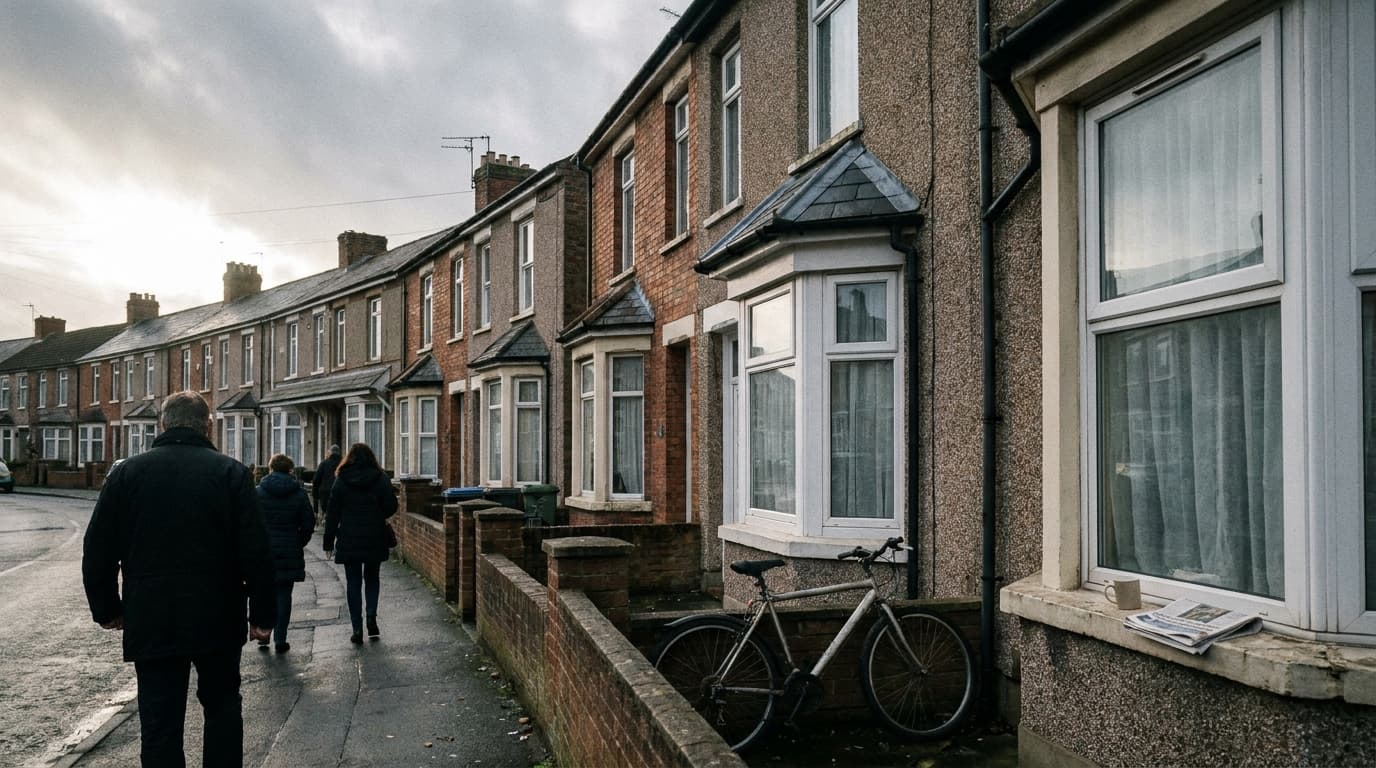
Council tax bands are the valuation bands (A to H in England and Scotland, A to I in Wales) that decide what share of your council's charge your home pays, based on what it was worth on 1 April 1991 in England and Scotland or 1 April 2003 in Wales. Your council sets the Band D amount each year, and every other band pays a fixed fraction of it. Northern Ireland has no council tax and uses domestic rates instead.
This page covers the bands themselves, how to check and challenge yours, and what happens if you fall behind. For who has to pay, see council tax liability. For discounts, see single person discount and council tax reduction. More topics sit on the everyday law hub.
How council tax bands work
Every home in England, Wales and Scotland is placed in a band according to an assumed value on a fixed date, not its value today. In England and Wales the Valuation Office (VO) sets the band. It was the Valuation Office Agency until 1 April 2026, when its functions moved into HMRC. In Scotland it is the local assessor.
Your council does not set your band. It sets the charge for Band D, and the law fixes how much more or less every other band pays. That is why two homes in the same band in different council areas can have very different bills, while two homes in different bands in the same area always keep the same ratio.
| Nation | Bands | Valuation date | Set by |
|---|---|---|---|
| England | A to H (8) | 1 April 1991 | Valuation Office |
| Wales | A to I (9) | 1 April 2003 | Valuation Office |
| Scotland | A to H (8) | 1 April 1991 | Local assessor |
| Northern Ireland | No bands (domestic rates) | 1 January 2005 capital value | Land and Property Services |
Council tax bands in England
Section 5 of the Local Government Finance Act 1992 sets the English bands and the proportions between them: 6, 7, 8, 9, 11, 13, 15 and 18, where 9 is Band D. Gov.uk confirms that English bands are based on what a home was worth on 1 April 1991.
| Band | Value on 1 April 1991 | Share of Band D |
|---|---|---|
| A | Up to £40,000 | 6/9 (about 67%) |
| B | Over £40,000, up to £52,000 | 7/9 (about 78%) |
| C | Over £52,000, up to £68,000 | 8/9 (about 89%) |
| D | Over £68,000, up to £88,000 | 9/9 (100%) |
| E | Over £88,000, up to £120,000 | 11/9 (about 122%) |
| F | Over £120,000, up to £160,000 | 13/9 (about 144%) |
| G | Over £160,000, up to £320,000 | 15/9 (about 167%) |
| H | Over £320,000 | 18/9 (200%) |
So if your council's Band D charge is £1,800, Band A pays £1,200 and Band H pays £3,600. (These are illustrative figures; check your own council's Band D charge.)
Council tax bands in Wales
Wales was revalued using values at 1 April 2003, with the new bands taking effect on 1 April 2005, and has nine bands. Section 5(1A) of the 1992 Act gives the proportions 6, 7, 8, 9, 11, 13, 15, 18 and 21, so the top band, Band I, pays 21/9 of Band D (about 233%).
| Band | Value on 1 April 2003 | Share of Band D |
|---|---|---|
| A | Up to £44,000 | 6/9 |
| B | Over £44,000, up to £65,000 | 7/9 |
| C | Over £65,000, up to £91,000 | 8/9 |
| D | Over £91,000, up to £123,000 | 9/9 |
| E | Over £123,000, up to £162,000 | 11/9 |
| F | Over £162,000, up to £223,000 | 13/9 |
| G | Over £223,000, up to £324,000 | 15/9 |
| H | Over £324,000, up to £424,000 | 18/9 |
| I | Over £424,000 | 21/9 |
The Welsh revaluation: what the law says now
The Local Government Finance (Wales) Act 2024 inserted a rule into section 22B of the 1992 Act: a new Welsh valuation list must be compiled on 1 April in each revaluation year, and the revaluation years are 2028 and every fifth year after that. The Welsh Ministers can change those years by order.
On 20 October 2026 the Welsh Government announced that it will propose a later date for the planned revaluation, citing the budget position, and said legislation to defer it to the next Senedd term would be brought forward the following month. Bands therefore stay on 2003 values for now.
As of 25 October 2026 that deferral is announced, not enacted: the statute still says 2028, and no replacement date has been set in law.
Council tax bands in Scotland
Scotland uses its own value ranges under section 74 of the 1992 Act, and section 86 requires the valuation to be carried out by reference to 1 April 1991. Since 1 April 2017 (the Council Tax (Substitution of Proportion) (Scotland) Order 2016), Bands E to H pay more relative to Band D than the matching English bands.
| Band | Value on 1 April 1991 | Share of Band D |
|---|---|---|
| A | Up to £27,000 | 240/360 (6/9) |
| B | Over £27,000, up to £35,000 | 280/360 (7/9) |
| C | Over £35,000, up to £45,000 | 320/360 (8/9) |
| D | Over £45,000, up to £58,000 | 360/360 |
| E | Over £58,000, up to £80,000 | 473/360 (about 131%) |
| F | Over £80,000, up to £106,000 | 585/360 (about 163%) |
| G | Over £106,000, up to £212,000 | 705/360 (about 196%) |
| H | Over £212,000 | 882/360 (245%) |
Northern Ireland: domestic rates, not bands
Northern Ireland never adopted council tax. Homes pay domestic rates based on a capital value, which Land and Property Services (LPS) sets on 1 January 2005 prices, according to nidirect.
There is no band to challenge. Instead you can ask LPS for a review of the valuation online, by post or by email, and nidirect says you must keep paying your rates while the review runs. Who pays and how rates work is covered on the council tax liability page.
How to check your council tax band
For England and Wales, the gov.uk council tax band service lets you look up a home by address or postcode. For homes in Scotland, gov.uk points you to the Scottish Assessors website. Your band also appears on your council tax bill.
Checking neighbours' bands is free and is the starting point for any challenge. Look for homes of the same type, size, age and style on your street or estate, because those are the comparisons the VO uses.
Challenging your band in England and Wales
Gov.uk sets out two different routes, and which one applies to you matters, because only one of them leads to an appeal.
Route 1: a proposal (legal right to challenge)
You have a legal right to challenge, called making a proposal, if you think your band is wrong and either you have been paying council tax on the property for less than 6 months, or the VO changed the band in the last 6 months.
You can also make a proposal when something has changed: the property has been split or merged, part of it is now used as a business, or the local area has physically changed (gov.uk's examples include a new supermarket or main road). A proposal can also ask to remove a home from the list, for example if it has been demolished, is derelict, or is undergoing a major renovation affecting all or most of it. Gov.uk says a home cannot be removed just because it is in poor repair.
Route 2: a band review (no legal right)
If you have been paying for more than 6 months and nothing has changed recently, you can still ask the VO to review the band. Gov.uk asks for the addresses of up to 5 similar properties in a lower band than yours.
Sale prices only count as evidence if the sale happened between 1 April 1989 and 31 March 1993 for England, or between 1 April 2001 and 31 March 2005 for Wales. Gov.uk says the VO will not treat average price data from websites such as Rightmove or Zoopla as strong evidence.
Timings and appeals
| Step | England and Wales (per gov.uk) |
|---|---|
| VO confirms it has your challenge | Usually within a few days, up to 28 days |
| Decision on a proposal | Up to 4 months |
| Decision on a band review | Up to 12 months |
| Appeal (proposals only) | 3 months from the decision in England, 4 months in Wales |
| Tribunal | Valuation Tribunal England or Valuation Tribunal Wales |
Gov.uk says it is free to appeal to the tribunal but you pay your own costs, and the deadline can be extended in some circumstances. You can only appeal if you had the legal right to make a proposal. You must keep paying your council tax while the challenge is considered.
Challenging your band in Scotland
In Scotland you make a proposal to the assessor at your local Valuation Joint Board or council. Under regulation 5 of the Council Tax (Alteration of Lists and Appeals) (Scotland) Regulations 1993, the main window is 6 months from first becoming the council taxpayer for the home.
Other windows exist. A proposal can be made within 6 months of the band being altered or of a relevant appeal decision, and once a band has been altered, a later proposal can also rest on a material reduction in the home's value since the alteration. If you are outside the new-taxpayer window, ask the assessor which ground, if any, applies to you before relying on one.
If the assessor thinks the proposal is not well-founded, regulation 15 requires them to serve a notice, normally within 6 months of receiving the proposal. You can then appeal to the First-tier Tribunal for Scotland (its Local Taxation Chamber took over from the old Valuation Appeal Committees on 1 April 2023).
The appeal deadline is easy to miss: it is six weeks beginning with the date by which the assessor was required to serve that notice, whether or not the notice was actually served. In the usual case that works out at roughly six months plus six weeks from the day the assessor received your proposal, so diarise it when you lodge the proposal.
Can your council tax band go up?
Yes. A Valuation Office blog post from March 2026 says one reason a band may go up is someone challenging their band, so a challenge is not risk-free. It also says your band can rise if a neighbour's home with similar characteristics has its band increased.
Improvements you make do not usually change the band straight away. The VO says it attaches an improvement indicator and reviews the band after a sale or a general revaluation. If the VO does increase a band, the change takes effect only when it notifies your council, so it is not backdated before that point.
Gov.uk lists other changes that can move a band, including demolishing part of a home, creating an annexe or self-contained units, splitting a house into flats, converting flats into one home, starting or stopping working from home, and significant changes to the local area. In Scotland, the Scottish Government has said a band can also be altered after a material increase in a property's value, with the change taking effect when the property is next sold.
Challenging the band versus appealing the bill
A band challenge goes to the VO or the Scottish assessor. A complaint about the bill itself goes to your council first. Gov.uk says you cannot appeal just because you think your bill is too expensive.
In England, tell your council if you think your home should not be charged, the bill is going to the wrong person, the amount is wrong, or a discount or exemption is missing. The council has 2 months to reply. You can then appeal to the Valuation Tribunal within 2 months of the council's decision, or within 4 months of first writing if it has not replied.
Those 2 and 4 month limits are for bill appeals and are separate from the band appeal deadlines above. If the council agrees the bill is wrong, you still pay the amounts on the original bill until the new one arrives.
Discounts that work alongside your band
Your band fixes the starting charge, and discounts are applied on top. In England, the Disabled Band Reduction Scheme can bill a home at the next band down (Band D pays the Band C rate) where extra space or a room is needed for a disabled resident, and a Band A home gets a 17% discount instead, according to gov.uk.
Other reductions are covered on their own pages:
- Living alone or with only disregarded adults: single person discount.
- Low income or benefits: council tax reduction.
- Who is liable, including students and owners of empty homes: council tax liability.
If you fall behind: council tax arrears
Contact your council as soon as you know you will miss a payment. Gov.uk says you can choose to spread payments over 12 months instead of the usual 10. The enforcement steps differ by nation.
England. Gov.uk says a missed payment brings a reminder giving 7 days to pay; if you do not pay, you can be asked for the whole year's council tax. There are at most 2 reminders a year, and a third missed payment brings a final notice. The council can then ask the magistrates for a liability order (you can attend and give your reasons), after which it can take money from wages or certain benefits, or send enforcement agents. Under regulation 47 of the 1992 Administration and Enforcement Regulations, a court in England can commit someone to prison for up to 3 months for wilful refusal or culpable neglect to pay.
Wales. A council cannot apply for a liability order until 21 days after a final notice goes unpaid (regulation 34(1A)). The Welsh Government ended the threat of imprisonment for council tax non-payment in 2019.
Scotland. Councils usually use a summary warrant, which mygov.scot says involves no court hearing and adds a charge equal to 10% of the debt. You are then sent a charge for payment giving 14 days to pay, during which you can ask the court for a time to pay direction. After that, sheriff officers can arrest bank accounts or wages or take belongings.
Across England and Wales, regulation 34(3) stops a council applying for a liability order more than 6 years after the sum fell due. If council tax is one of several debts, free debt advice can set out the options, which are compared on our debt solutions page. See also breathing space and your rights with bailiffs.
Frequently Asked Questions
What are the council tax bands in England?
There are 8 bands. Band A is for homes worth up to £40,000 on 1 April 1991, then B (up to £52,000), C (up to £68,000), D (up to £88,000), E (up to £120,000), F (up to £160,000), G (up to £320,000) and H (over £320,000). Section 5 of the Local Government Finance Act 1992 sets these values.
Why is my band based on 1991 prices?
Bands in England and Scotland are set by what the home would have sold for on 1 April 1991, not what it is worth today. In Wales the date is 1 April 2003. That is why sale prices from today, or house price websites, do not prove a band is wrong.
How much more does each band pay?
In England, each band pays a fixed fraction of the Band D charge set by your council: A pays 6/9, B 7/9, C 8/9, E 11/9, F 13/9, G 15/9 and H 18/9. Wales uses the same fractions and adds Band I at 21/9. Scotland uses the same fractions for A to D, but E to H pay 473/360, 585/360, 705/360 and 882/360 of Band D.
Is the Welsh council tax revaluation cancelled?
No. On 20 October 2026 the Welsh Government announced that it will propose a later date and bring forward legislation to defer the revaluation to the next Senedd term. Until that legislation passes, the law still names 2028 as the revaluation year. No new date had been fixed in law when this page was written.
How do I check my council tax band?
For England and Wales, look up the address or postcode with the Valuation Office service on gov.uk. For Scotland, search the Scottish Assessors website. In Northern Ireland there are no bands; Land and Property Services holds the capital value of each home.
How long do I have to appeal a council tax band decision?
In England and Wales the appeal right only exists if you made a proposal (the legal right to challenge). You then have 3 months from the decision in England, or 4 months in Wales, to appeal to the Valuation Tribunal. In Scotland, an appeal to the First-tier Tribunal for Scotland must be made within six weeks beginning with the date by which the assessor had to serve their notice, whether or not it was actually served.
Can challenging my band make it go up?
Yes. The Valuation Office says one reason a band may go up is someone challenging their band, and a neighbour with a similar home having their band raised can also affect yours. An increase takes effect only from when the VO notifies your council. In Scotland, a material increase in value can also lead to a band rise, taking effect when the property is next sold.
Can I appeal because my council tax is too expensive?
No. Gov.uk says you cannot appeal just because you think the bill is too expensive. You can challenge the band if you have evidence it is wrong, or ask the council to correct the bill if, for example, it is sent to the wrong person or a discount or exemption is missing.
What happens if I miss a council tax payment in England?
The council sends a reminder giving you 7 days to pay. If you do not, gov.uk says you will have to pay the whole year instead. The council can then apply to the magistrates for a liability order, which allows wage deductions, benefit deductions or enforcement agents. Gov.uk advises contacting your council as soon as you can.
Updates
Independently fact-checked against the cited primary sources
Sources and References
- Local Government Finance Act 1992, s.5 (England and Wales bands and proportions)(legislation.gov.uk).gov
- Local Government Finance Act 1992, s.74 (Scottish bands and proportions)(legislation.gov.uk).gov
- Local Government Finance Act 1992, s.86 (Scottish valuation by reference to 1 April 1991)(legislation.gov.uk).gov
- Local Government Finance (Wales) Act 2024, s.20 (Welsh revaluation years)(legislation.gov.uk).gov
- Welsh Government: council tax revaluation paused in difficult budget context (20 October 2026)(gov.wales).gov
- GOV.UK: Check your Council Tax band(gov.uk).gov
- GOV.UK: Challenge your Council Tax band(gov.uk).gov
- GOV.UK: Council Tax, working out your bill and changes that may affect your band(gov.uk).gov
- GOV.UK: Council Tax discounts for disabled people(gov.uk).gov
- HMRC Valuation Office blog: Why your property's Council Tax band could increase (3 March 2026)(valuationoffice.blog.gov.uk).gov
- Council Tax (Alteration of Lists and Appeals) (Scotland) Regulations 1993, reg 5 (proposals)(legislation.gov.uk).gov
- Council Tax (Alteration of Lists and Appeals) (Scotland) Regulations 1993, reg 15 (appeals to the First-tier Tribunal)(legislation.gov.uk).gov
- Scottish Government FOI response on council tax band alterations(gov.scot).gov
- Scottish Government: council tax rates compared with other UK nations(gov.scot).gov
- GOV.UK: Council Tax appeals(gov.uk).gov
- GOV.UK: Council Tax arrears(gov.uk).gov
- Council Tax (Administration and Enforcement) Regulations 1992, reg 34 (liability orders)(legislation.gov.uk).gov
- Council Tax (Administration and Enforcement) Regulations 1992, reg 47 (commitment to prison, England)(legislation.gov.uk).gov
- Welsh Government written statement: fairer council tax enforcement practices(gov.wales).gov
- mygov.scot: Summary warrants(mygov.scot).gov
- nidirect: Valuation of domestic properties for rates(nidirect.gov.uk).gov
- HMRC and Valuation Office Agency: VOA integration with HMRC (1 April 2026)(gov.uk).gov