
United Kingdom
Telling DVLA About a Medical Condition: The Law and the Fine
Independently fact-checked against primary sources (last audited September 28, 2026). · 5 primary sources cited on this page. How we verify our legal content
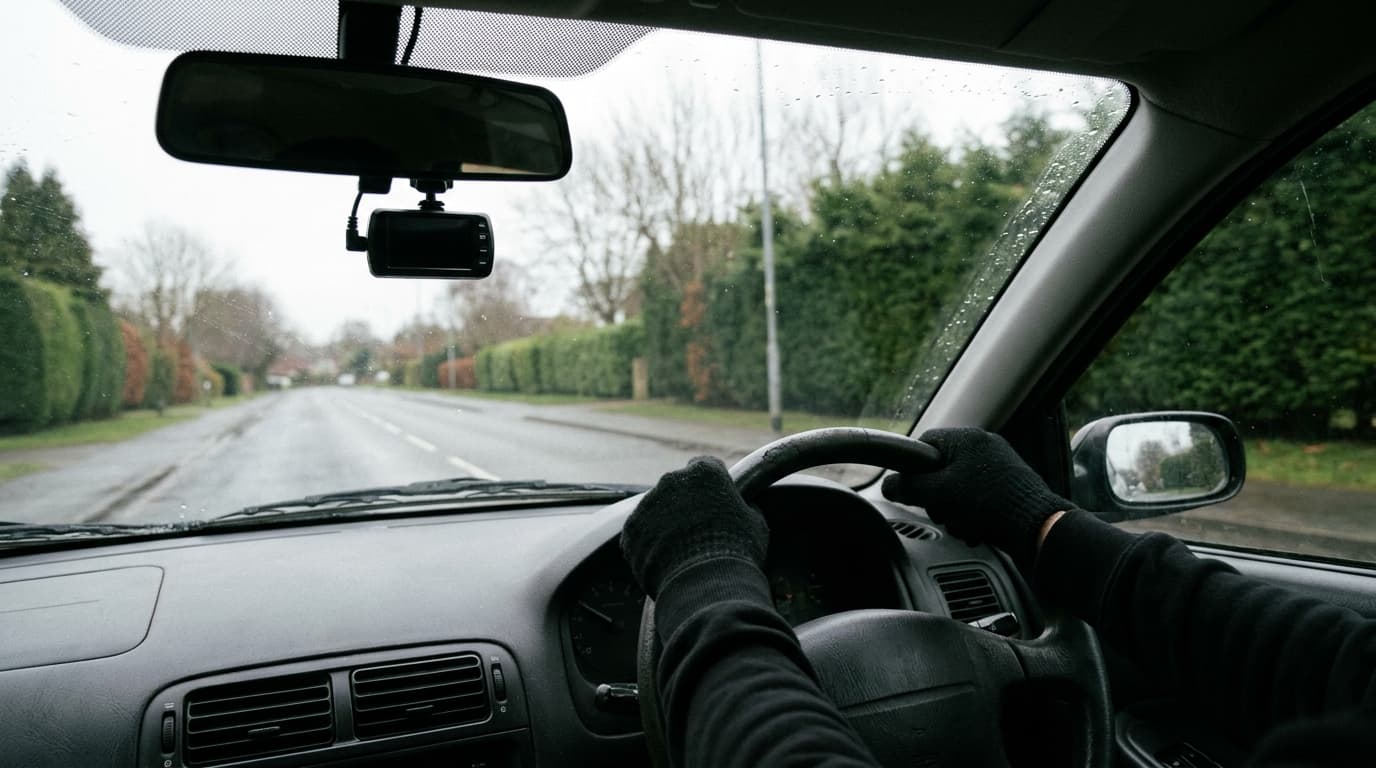
Drivers in Great Britain have a legal duty under section 94 of the Road Traffic Act 1988 to tell DVLA about a medical condition that could affect their ability to drive safely, and failing to do so is an offence carrying a fine of up to £1,000.
This article covers the duty to notify DVLA of a medical condition under section 94 of the Road Traffic Act 1988, which applies in England, Wales and Scotland, and the DVA's parallel duty in Northern Ireland. It does not give medical advice on whether any particular condition affects fitness to drive; that determination sits with DVLA, DVA and your doctor.
The duty to notify DVLA
Section 94(1) of the Road Traffic Act 1988 requires a licence holder who becomes aware that they have a relevant or prospective disability not previously disclosed, or that a disability already declared has become worse, to notify the Secretary of State, in practice DVLA, without delay. Section 94(2) creates an exception: you do not have to notify a new disability, one you have not suffered from before, that you have reasonable grounds to expect will last no more than three months.
Section 94(3) makes it an offence to fail to notify DVLA without a reasonable excuse. Section 94(3A) creates a separate offence for continuing to drive on a licence once a required notification remains outstanding, so a driver can commit two distinct offences from the same underlying failure.
The penalty
GOV.UK's guidance states you could be fined up to £1,000 if you do not tell DVLA about a condition that might affect your ability to drive safely, and that you could also be prosecuted if you have an accident. Section 94 itself creates the offences but does not set out a penalty figure in the section; the penalty is set by Schedule 2 to the Road Traffic Offenders Act 1988, which makes both offences punishable by a fine of up to level 3 (£1,000). Driving while a notification is outstanding (section 94(3A)) also carries 3 to 6 penalty points and possible disqualification (legislation.gov.uk: RTOA 1988 Sch 2).

Northern Ireland: the DVA and a separate false declaration offence
Section 94 does not extend to Northern Ireland; the DVA administers the equivalent notification duty there under its own legislation. Nidirect's guidance sets out the same £1,000 ceiling for simply failing to notify DVA. It also publicises a separate, more serious offence: driving after knowingly making a false declaration about your health to DVA, which on conviction carries a fine of up to £2,500.

Great Britain has the same distinction. Driving on a licence granted on an application containing a health declaration you knew to be false is a separate offence under section 92(10) of the Road Traffic Act 1988, with a maximum fine of level 4 (£2,500), 3 to 6 penalty points and possible disqualification (legislation.gov.uk: RTA 1988 s.92).
Which conditions you need to tell DVLA about
GOV.UK maintains its own detailed, condition by condition list covering conditions from epilepsy and diabetes to eyesight and mental health conditions, and how each one is assessed. That list is not reproduced here; check GOV.UK's medical conditions and driving pages directly for the condition that applies to you, since the assessment criteria differ significantly by condition.

Related reading: the section hub for UK driving laws.
Frequently Asked Questions
Do I have to tell DVLA about every medical condition?
No. The duty applies to a relevant or prospective disability that could affect your ability to drive, and it does not apply to a new condition you reasonably expect to last no more than three months.
What happens if I do not tell DVLA about a condition?
GOV.UK states you could be fined up to £1,000, and you could also be prosecuted if you have an accident while the notification remains outstanding. If you keep driving while the notification is outstanding, that is a separate offence that also carries 3 to 6 penalty points and possible disqualification.
Is lying to DVLA treated differently from simply not telling them?
Yes. In Great Britain, driving on a licence obtained with a health declaration you knew was false is a separate offence under section 92(10) of the Road Traffic Act 1988, with a fine of up to £2,500, 3 to 6 penalty points and possible disqualification. Northern Ireland has a similar false declaration offence, also carrying a fine of up to £2,500.
Is the process different in Northern Ireland?
Yes. The DVA, not DVLA, administers the equivalent duty in Northern Ireland under its own legislation, though the £1,000 ceiling for a simple failure to notify is the same.
Where can I check whether my condition needs to be reported?
GOV.UK publishes a condition by condition list of medical conditions and how they are assessed for driving; check the specific condition there rather than relying on a general rule.
Updates
Independently fact-checked against the cited primary sources
The Law Behind This Article
This article rests on the statutory provisions below, held in our own legal record and retrieved from the official source. Tap a section to read the operative text.
Road Traffic Act 1988
s. 92Requirements as to physical fitness of drivers.In force
(1) An application for the grant of a licence must include a declaration by the applicant, in such form as the Secretary of State may require, stating whether he is suffering or has at any time (or, if a period is prescribed for the purposes of this subsection, has during that period) suffered from any relevant disability or any prospective disability. (2) In this Part of this Act— “ disability ” includes disease and the persistent misuse of drugs or alcohol, whether or not such misuse amounts to dependency , “ relevant disability ” in relation to any person means— any prescribed disability, and any other disability likely to cause the driving of a vehicle by him in pursuance of a licence to be a source of danger to the public, and “ prospective disability ” in relation to any person means any other disability which— at the time of the application for the grant of a licence or, as the case may be, the material time for the purposes of the provision in which the expression is used, is not of such a kind that it is a relevant disability, but by virtue of the intermittent or progressive nature of the disability or otherwise, may become a relevant disability in course of time.
Official text (excerpt) · last checked 2026-08-14 · Read the full text in our law library · Verify at legislation.gov.uk
s. 94Provision of information, etc. relating to disabilities.In force
(1) If at any time during the period for which his licence remains in force, a licence holder becomes aware— (a) that he is suffering from a relevant or prospective disability which he has not previously disclosed to the Secretary of State, or (b) that a relevant or prospective disability from which he has at any time suffered (and which has been previously so disclosed) has become more acute since the licence was granted, the licence holder must forthwith notify the Secretary of State in writing of the nature and extent of his disability. (2) The licence holder is not required to notify the Secretary of State under subsection (1) above if— (a) the disability is one from which he has not previously suffered, and (b) he has reasonable grounds for believing that the duration of the disability will not extend beyond the period of three months beginning with the date on which he first becomes aware that he suffers from it. (3) A person who fails without reasonable excuse to notify the Secretary of State as required by subsection (1) above is guilty of an offence.
Official text (excerpt) · last checked 2026-08-14 · Read the full text in our law library · Verify at legislation.gov.uk
Search our record of UK legislation — retrieved from legislation.gov.uk →
Sources and References
- Road Traffic Act 1988, section 94 (provision of information relating to disabilities)(legislation.gov.uk).gov
- GOV.UK: Medical conditions, disabilities and driving(gov.uk).gov
- nidirect: How to tell DVA about your medical condition(nidirect.gov.uk).gov
- Road Traffic Act 1988, section 92 (requirements as to physical fitness of drivers)(legislation.gov.uk).gov
- Road Traffic Offenders Act 1988, Schedule 2 Part I (prosecution and punishment)(legislation.gov.uk).gov