
United Kingdom
Child Car Seat Laws in the UK: Age, Height and Booster Seat Rules
Independently fact-checked against primary sources (last audited September 28, 2026). · 7 primary sources cited on this page. How we verify our legal content

In Great Britain, children must normally use a child car seat until they turn 12 years old or reach 135cm in height, whichever happens first, and it is the driver, not necessarily the parent, who is legally responsible for making sure this happens.
The basic rule: 12 years old or 135cm tall
Children travelling in a car, van or goods vehicle in Great Britain must normally use the correct child car seat until they turn 12 years old or reach 135cm in height, whichever happens first. Once a child passes that threshold, they must wear an adult seat belt instead, in the same way as any other passenger. The rule applies to every seating position in the vehicle, not only the front, and the seat used must be appropriate for the child's height or weight and correctly fitted.
Height-based and weight-based seats
Two separate approval systems are legal in the UK.
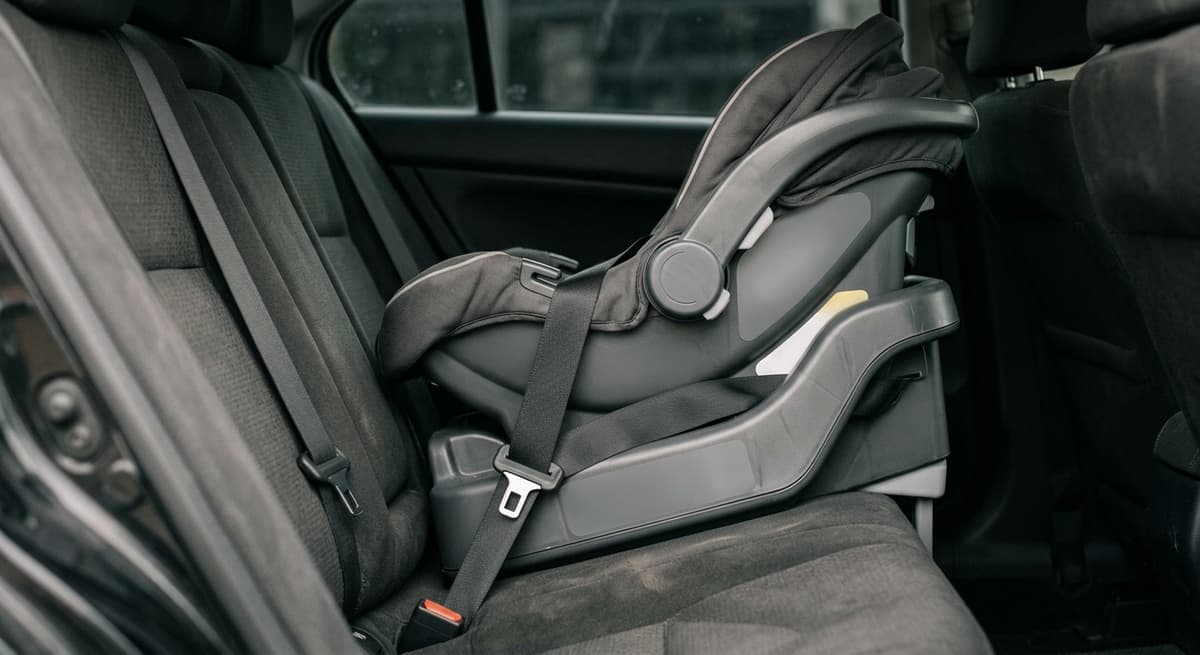
Height-based seats, approved to regulation R129 (sometimes marketed as i-Size), group children by height and must be rear-facing until the child is at least 15 months old.
Weight-based seats, approved to the older regulation ECE R44, run through a series of groups, from group 0 for babies up to around 10kg through to group 3 for children up to around 36kg. Manufacturers can now only produce new booster cushions in the group 3 category, but that change does not make an existing group 2 booster cushion illegal. A family with a group 2 seat already fitted does not need to replace it.
Either approval system is acceptable, provided the seat carries the correct label and is suitable for the child using it.
Fitting rules and airbags
A child seat generally has to be fitted using the vehicle's diagonal-strap seat belt, unless the seat is specifically designed for a lap-belt-only fitting or uses ISOFIX anchor points. Two rules apply regardless of seat type:
- A rear-facing baby seat must never be fitted in a front passenger seat protected by an active airbag; the airbag must be deactivated first, or the seat must go in the back.
- A child car seat must never be fitted on a side-facing vehicle seat.
When a child can travel without a car seat
A limited set of exceptions lets a child travel without a car seat:
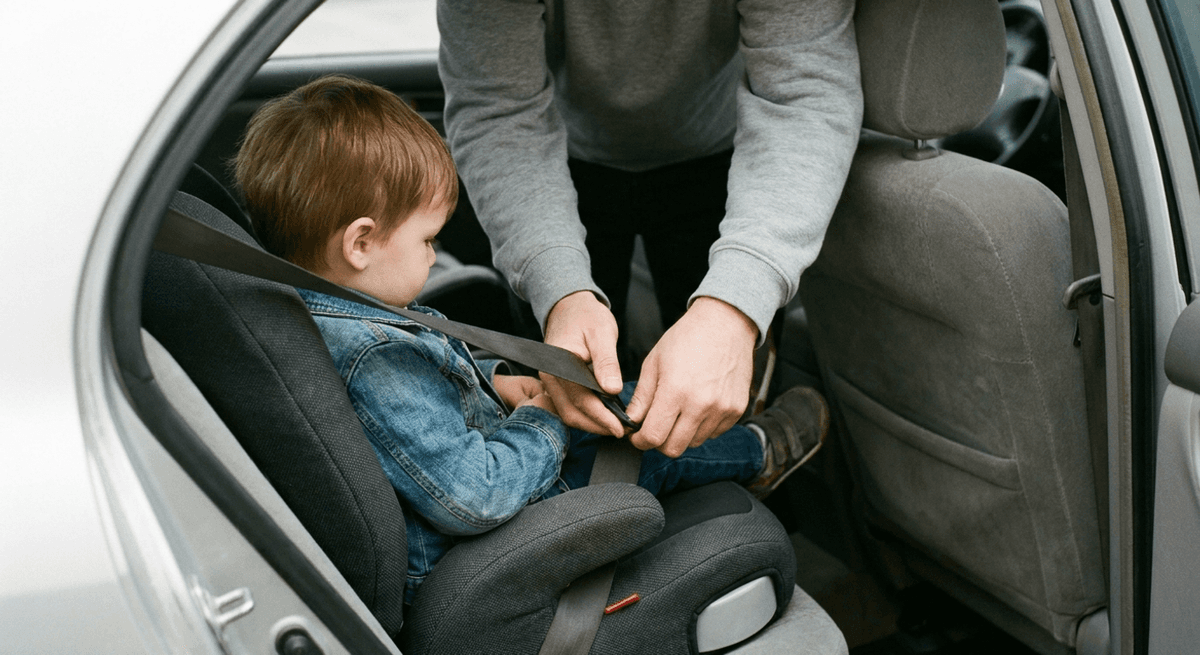
- A child aged 3 or over may travel in a back seat without a child car seat or seat belt if the vehicle does not have one fitted.
- A child aged 3 or over may travel without a child car seat, but wearing an adult seat belt, in the back of a licensed taxi or minicab that does not provide one, on an unexpected, necessary journey over a short distance, or where there is no room for a third child car seat in the back; minibuses and coaches have their own rules, and vans follow the same rules as cars.
- Children under 3 must in most cases be in the correct child car seat: in a licensed taxi or minicab that does not provide one they may travel on a rear seat without a seat belt, and if there is no room for a third child car seat in the back they must travel in the front in the correct child car seat.
Medical exemptions
A child with a disability or medical condition can use a disabled person's seat belt or a child restraint designed for their needs, and a doctor can issue an exemption certificate if the child is unable to use a restraint or seat belt at all.
Penalties: Great Britain and Northern Ireland
The underlying age and height rules are essentially the same across Great Britain and Northern Ireland, but the two enforcement regimes differ.
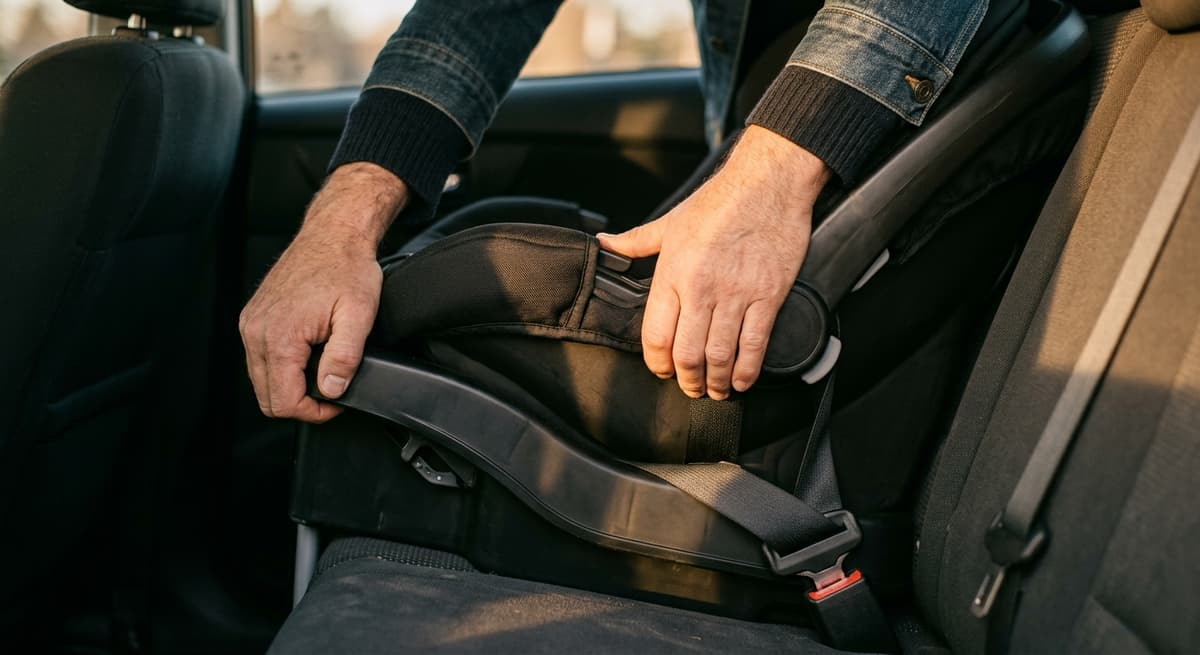
In Great Britain, failing to use the correct child car seat for a child under 14 can bring a fine of up to £500. The offence can be dealt with by a £100 fixed penalty; if it goes to court the maximum is £500, and no penalty points are attached to this offence.
Northern Ireland's fixed penalty is lower but carries points: a £60 fixed penalty and 3 penalty points for not using the right child restraint, rising to a court fine of up to £500 if the case is contested rather than settled by fixed penalty.
In both nations, the legal duty rests on the driver, not on parenthood. A grandparent, childminder or friend who is driving is just as responsible for making sure the child is correctly restrained as a parent would be.
For other UK motoring rules, see the UK driving laws hub.
Frequently Asked Questions
Until what age does a child need a car seat in the UK?
A child normally needs a child car seat until they turn 12 years old or reach 135cm in height, whichever happens first. After that point they must wear an adult seat belt.
Is my old group 2 booster seat still legal?
Yes. Manufacturers can now only make new booster cushions as group 3, but that change does not make an existing group 2 booster cushion illegal to keep using.
Can a rear-facing baby seat go in the front of the car?
Only if the front passenger airbag is deactivated first. A rear-facing seat must never be used in a front seat protected by an active airbag, and no child car seat may be fitted on a side-facing vehicle seat.
When can a child travel without a car seat?
Mainly a child aged 3 or over in the back of a vehicle with no seat belt fitted, or, wearing an adult seat belt, in a taxi or minicab without a child seat, on an unexpected, necessary journey over a short distance, or where there is no room for a third child seat. Children under 3 must use a child seat in most cases, the main exception being a rear seat of a licensed taxi or minicab.
What is the fine for not using a child car seat correctly in Great Britain?
A £100 fixed penalty, or a fine of up to £500 if the case goes to court, with no penalty points attached to the offence.
Does Northern Ireland have different penalties for child car seats?
Yes. Northern Ireland uses a £60 fixed penalty and 3 penalty points for not using the right child restraint, rising to a court fine of up to £500 if the case is contested. The age and height rules themselves are the same as in Great Britain.
Updates
Independently fact-checked against the cited primary sources
Sources and References
- gov.uk, Child car seats: the law(gov.uk).gov
- gov.uk, When a child can travel without a car seat(gov.uk).gov
- gov.uk, Seat belts: the law(gov.uk).gov
- Road Traffic Offenders Act 1988, Schedule 2 (prosecution and punishment of offences)(legislation.gov.uk).gov
- nidirect, Child car seats, restraints and seat belts(nidirect.gov.uk).gov
- The Fixed Penalty Order 2000, Schedule 1 (fixed penalty for sections 15(2) and 15(4) of the Road Traffic Act 1988)(legislation.gov.uk).gov
- Road Traffic Offenders Act 1988, Schedule 3 (fixed penalty offences)(legislation.gov.uk).gov