
New York
New York Landlord-Tenant Recording Laws: Rights for Renters and Property Owners
Independently fact-checked against primary sources (last audited August 15, 2026). · Reviewed by the RecordingLaw editorial team. · Law checked current as of August 15, 2026. · 8 primary sources cited on this page. How we verify our legal content
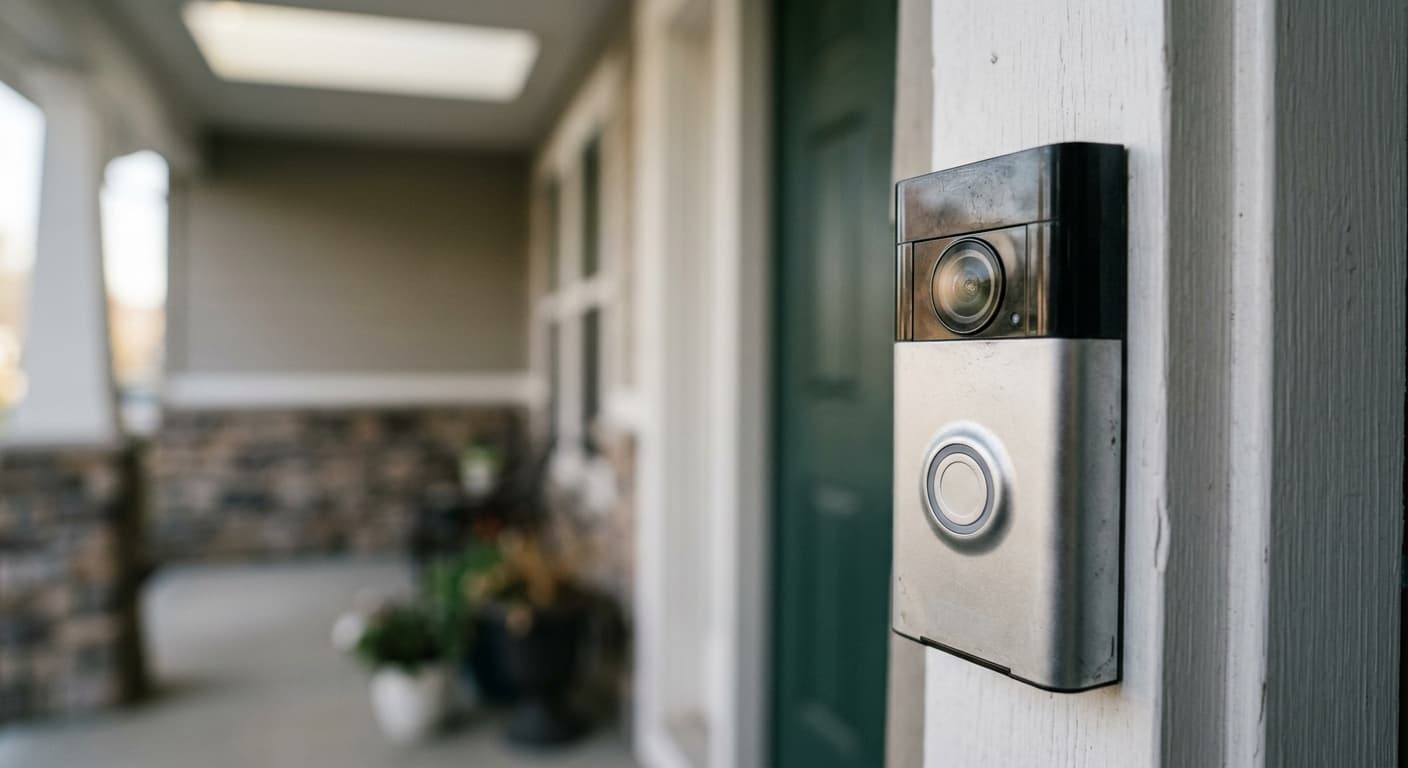
New York tenants can legally record conversations with their landlord without notice or consent from the other party. New York's one-party consent rule, created by Penal Law 250.05 (with terms defined in Penal Law 250.00), permits any participant to a conversation to record it. Landlords may install cameras in common building areas but face felony charges for placing cameras inside a tenant's unit.
New York's one-party consent law gives both tenants and landlords the right to record conversations they participate in. Under Penal Law Section 250.05 (which draws on the definitions in Penal Law Section 250.00), either party can record phone calls, in-person discussions, and interactions without informing the other. This is particularly valuable for tenants who need to document landlord misconduct and for landlords who need to preserve evidence of tenant communications.
This guide covers when tenants and landlords can record, security camera rules for rental properties, how recordings support housing court cases, and the specific protections New York law provides for renters.
Tenant Recording Rights
Recording Conversations With Your Landlord
As a one-party consent state, New York allows you to record any conversation you participate in. As a tenant, you can:
- Record in-person conversations with your landlord during inspections, maintenance visits, or disputes
- Record phone calls with your landlord, property manager, or management company
- Record interactions with the super, building staff, or the landlord's agents
- Record maintenance workers or contractors who enter your apartment
- Document verbal agreements about repairs, lease terms, or rent adjustments
You do not need to tell your landlord that you are recording. Your participation in the conversation satisfies the consent requirement.
Why Tenants Should Consider Recording
Recordings can serve as critical evidence in several common landlord-tenant situations:
Harassment documentation. The Housing Stability and Tenant Protection Act of 2019 defines harassment of a rent-regulated tenant as intentionally engaging in conduct that interferes with the comfort, repose, peace, or quiet of a tenant. Recordings can prove that harassment occurred.
Illegal entry. New York landlords must provide reasonable notice before entering a tenant's apartment (except in emergencies). Recording an unannounced or unauthorized entry provides evidence that the landlord violated this requirement.
Repair and maintenance disputes. When a landlord verbally promises to make repairs but fails to follow through, a recording of the promise creates a documented record that can be presented in Housing Court.
Lease term disputes. Verbal discussions about lease modifications, rent increases, or move-out terms are frequently disputed. A recording preserves the exact words used by both parties.
Retaliation claims. If a landlord retaliates against you for filing a complaint or exercising your rights, recordings of threatening or retaliatory statements are powerful evidence.
Recording Building Conditions
Beyond conversations, tenants can and should document physical conditions through video and photo recording:
- Film water leaks, mold, pest infestations, and other habitability issues
- Record broken locks, damaged doors, non-functioning intercoms, or security failures
- Document the condition of common areas (hallways, stairwells, laundry rooms)
- Video record the condition of your apartment at move-in and move-out
These recordings can support warranty of habitability claims, security deposit disputes, and HP (Housing Part) actions in New York City Housing Court.
Landlord Recording Rights
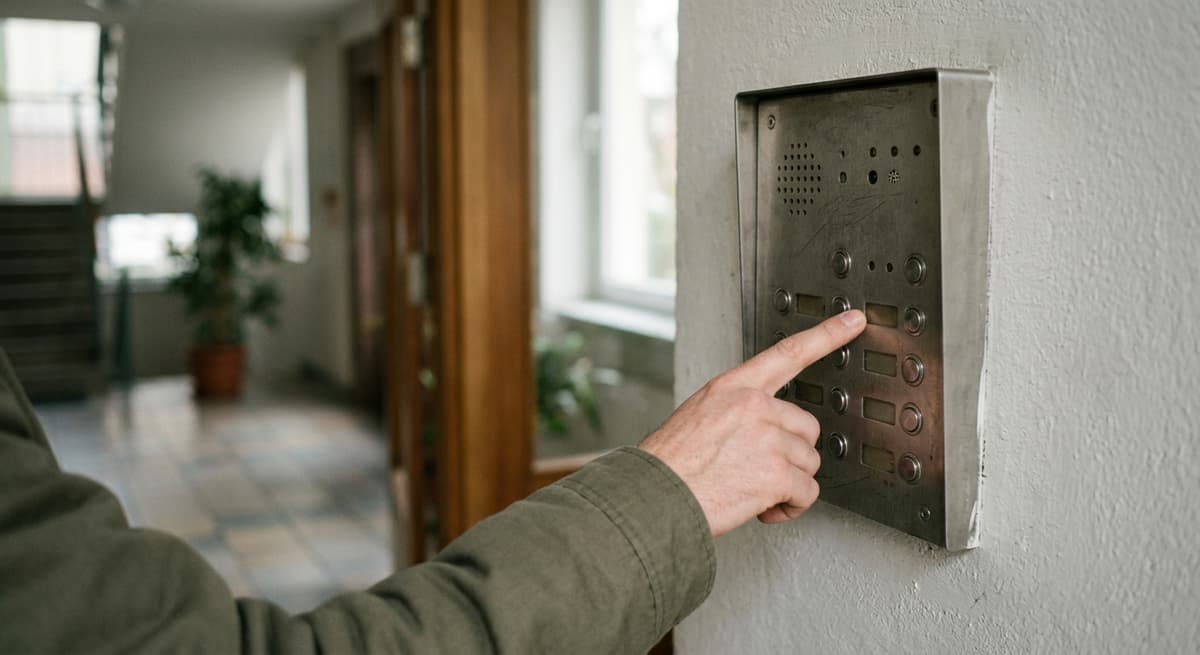
What Landlords Can Record
Landlords have their own recording rights under one-party consent:
- Record conversations they participate in with tenants about lease terms, violations, or disputes
- Record phone calls with tenants
- Document the condition of apartments during inspections (with proper notice and entry)
- Install security cameras in common building areas
Security Cameras in Common Areas
Landlords can install security cameras in common building areas to protect the property and its residents:
- Building entrances and lobbies where cameras deter crime and document building access
- Hallways and stairwells for safety monitoring
- Parking garages and lots for vehicle security
- Laundry rooms and other shared utility spaces
- Exterior areas including sidewalks adjacent to the building, courtyards, and rear entrances
- Mail rooms and package areas to prevent theft
Where Landlord Cameras Are Prohibited
Landlords cannot place cameras:
- Inside tenant apartments or units. A tenant's home is their private space, and cameras inside are unlawful surveillance under Penal Law 250.45, a Class E felony.
- In bathrooms, changing areas, or laundry room changing spaces. Any area where tenants have a reasonable expectation of privacy for disrobing is off limits.
- Aimed directly at a specific tenant's windows, doors, or private balcony in a manner designed to target that individual rather than monitor common areas.
- Inside guest rooms in buildings that function as hotels or short-term rentals.
A landlord caught with a hidden camera inside a tenant's apartment faces felony charges and significant civil liability.
Housing Stability and Tenant Protection Act of 2019
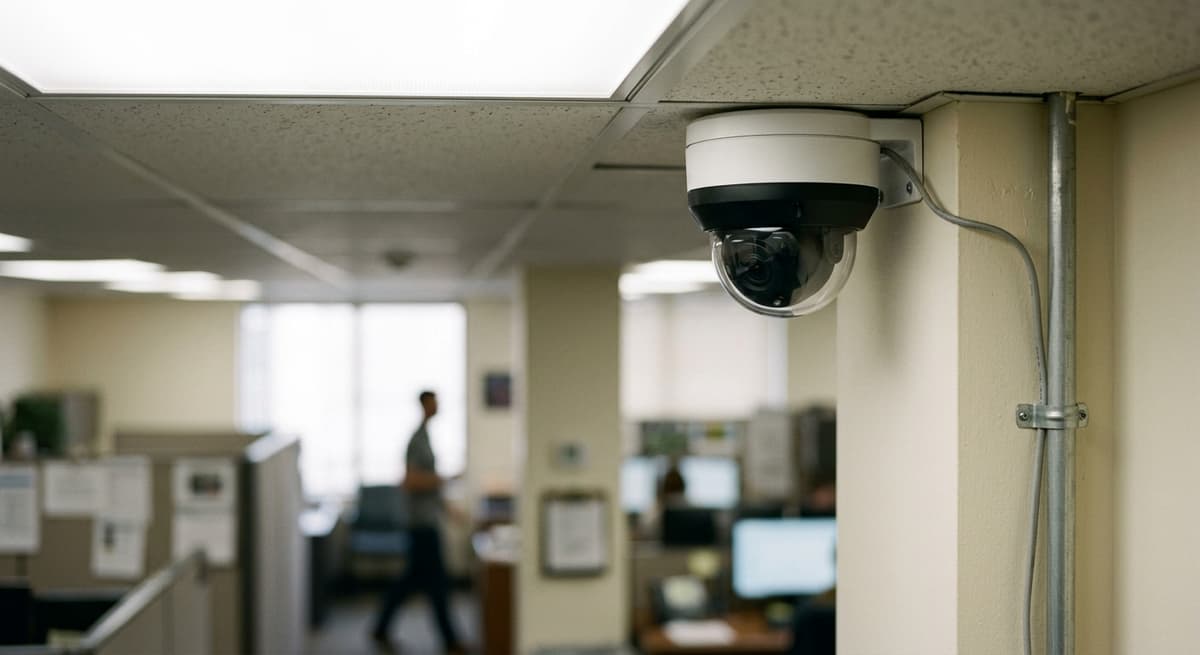
Strengthened Harassment Protections
The Housing Stability and Tenant Protection Act of 2019 (HSTPA) significantly strengthened protections for New York tenants, particularly those in rent-regulated apartments. Tenant harassment under Real Property Law 235-d is a civil matter, not a criminal one: a landlord violates it by intentionally engaging in a course of conduct that interferes with the comfort, repose, peace, or quiet of a tenant, including interrupting or discontinuing essential services, with intent to cause the tenant to vacate or surrender rights.
A Housing Court finding of harassment can result in a civil penalty of $1,000 to $10,000, rising to a minimum of $2,000 if the same landlord was found to have harassed the tenant within the preceding five years, according to the New York Attorney General's guidance. Courts can also order injunctive relief requiring the landlord to stop the conduct. There is no jail time or misdemeanor/felony classification under this civil provision.
How Recordings Support Harassment Claims
Recordings can document harassment in ways that written complaints alone cannot:
- Audio recordings capture the exact words, tone, and threats used by a landlord
- Video recordings show physical intimidation, unauthorized entries, or deliberate damage to the tenant's living space
- Time-stamped recordings establish a pattern of repeated harassment over time
- Recordings are harder to dispute than the tenant's written recollection of events
Filing a Harassment Case
Tenants experiencing harassment can:
- File a harassment case in New York City Housing Court (for NYC tenants)
- Report harassment to the New York State Attorney General's Office, which has dedicated resources for tenant harassment
- File complaints with the NYS Division of Housing and Community Renewal (for rent-regulated tenants)
- Use recordings as evidence in any of these proceedings
Audio Recording by Building Security Cameras
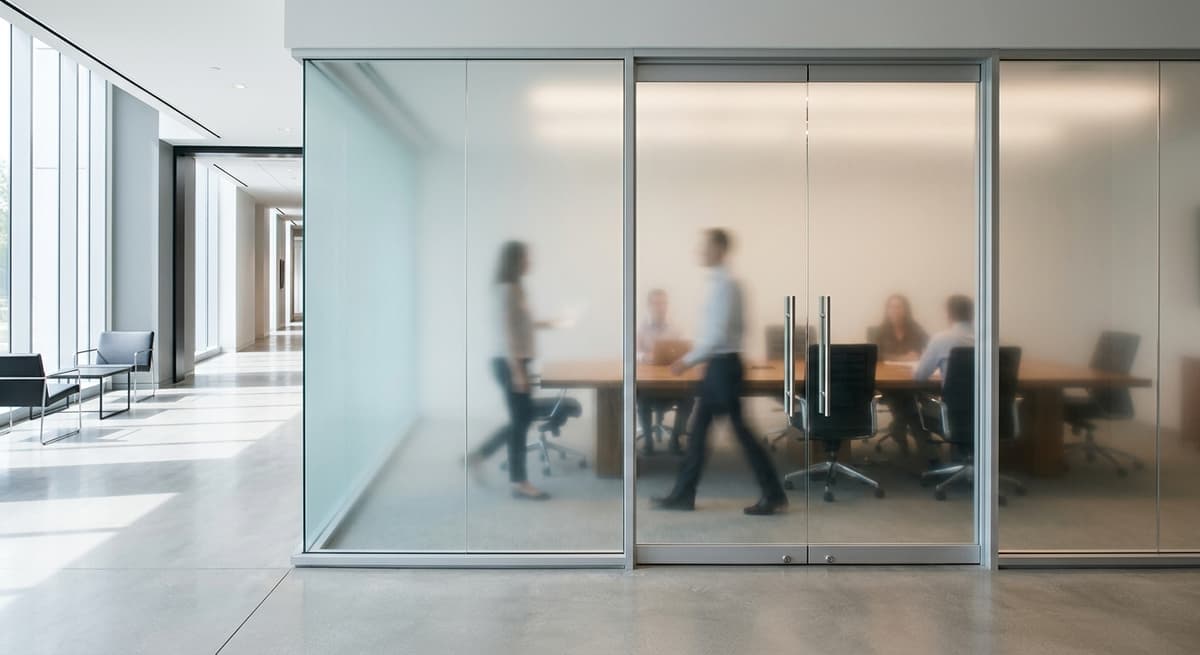
The Eavesdropping Risk
Many modern security cameras include microphones. When building security cameras record audio in common areas, the eavesdropping provisions of Penal Law 250.00 come into play.
If a building security camera records conversations between tenants in a hallway, and neither the landlord nor any employee is participating in those conversations, the audio component may constitute mechanical overhearing. The statute requires consent from at least one party to a conversation for the recording to be legal.
Best Practices for Landlords
To avoid eavesdropping liability:
- Disable audio recording on building security cameras in common areas
- If audio recording is enabled, post clear signage stating "This area is under audio and video surveillance"
- Limit audio-capable cameras to areas where building staff regularly interact with visitors (front desk, reception)
- Consult with an attorney about whether specific audio recording practices comply with the statute
Tenant Privacy Rights
Right to Quiet Enjoyment
New York tenants have a right to quiet enjoyment of their rental unit. This includes freedom from:
- Landlord surveillance inside the apartment
- Excessive monitoring that creates an atmosphere of intimidation
- Cameras aimed at the tenant's private spaces
A landlord who installs cameras targeting a specific tenant's unit may violate the implied warranty of quiet enjoyment, giving the tenant grounds for a rent reduction or lease termination.
Illegal Entry and Recording
New York law requires landlords to provide reasonable notice before entering a tenant's apartment for non-emergency purposes. While the state does not specify a particular number of hours of notice (unlike some states that require 24 or 48 hours), the notice must be "reasonable" under the circumstances.
If a landlord enters without proper notice, a tenant's recording of the entry can support:
- A claim for breach of quiet enjoyment
- A harassment complaint
- A request for an order of protection in extreme cases
- An HP proceeding in Housing Court
Rent-Stabilized and Rent-Controlled Tenant Protections
Tenants in rent-regulated apartments have enhanced protections. The HSTPA made it harder for landlords to deregulate apartments and imposed stricter penalties for harassment intended to drive tenants out. Recordings are especially valuable for rent-regulated tenants because:
- Buyout negotiations and pressure tactics can be documented
- Threats to "find a reason" to evict can be captured
- Repeated unnecessary inspections or disruptions can be recorded as evidence of a harassment pattern
Using Recordings in Housing Court
Admissibility
Recordings made legally under one-party consent are generally admissible in New York Housing Court. By contrast, CPLR 4506 bars a recording obtained through unlawful eavesdropping, such as mechanical overhearing of a conversation you were not a party to, from being used as evidence in most proceedings, so staying within the one-party consent rule matters for admissibility as well as legality. To use a recording effectively:
- Authenticate the recording by testifying about when, where, and how you made it
- Identify speakers clearly
- Present the full recording, not just selected portions (courts view edited recordings with skepticism)
- Provide a transcript if possible, especially for audio recordings, to help the judge follow the content
Types of Housing Court Proceedings Where Recordings Help
| Proceeding Type | How Recordings Help |
|---|---|
| HP Action (Housing Part) | Document habitability violations landlord denies |
| Harassment Case | Capture threatening statements, illegal entries |
| Nonpayment Defense | Prove landlord agreed to repairs in exchange for rent |
| Holdover Defense | Record evidence of retaliatory eviction attempts |
| Security Deposit Dispute | Document apartment condition at move-in and move-out |
Doorbell Cameras and Smart Locks
Tenant-Installed Doorbell Cameras
Tenants may wish to install doorbell cameras (Ring, Nest) at their apartment door. Issues to consider:
- The lease may restrict physical alterations to the door or hallway
- In a multi-unit building, a hallway-facing camera records a common area, which is generally permissible
- Landlords may object to cameras that record other tenants entering and exiting their units
- Battery-powered, non-permanent doorbell cameras are less likely to trigger lease violation concerns
Landlord-Installed Smart Locks and Entry Systems
Some modern apartment buildings use smart locks or electronic entry systems that log tenant movements. While these systems serve legitimate security purposes, tenants should be aware that entry logs can track when they come and go. This data collection does not fall directly under the recording statutes but may raise broader privacy concerns.
More New York Recording Laws
Audio Recording | Video Recording | Voyeurism and Hidden Cameras | Workplace Recording | Recording Police | Phone Call Recording | Security Cameras | Recording in Public | Landlord-Tenant Recording | Dashcam Laws | School Recording | Medical Recording
Back to New York Recording Laws
More New York Recording Topics
More New York Laws
Frequently Asked Questions
Can I record my landlord in New York?
Yes. New York is a one-party consent state, so you can record any conversation you participate in with your landlord without telling them. This includes in-person meetings, phone calls, and interactions with the landlord's agents or building staff. These recordings can be used as evidence in Housing Court, harassment complaints, and other legal proceedings.
Can my landlord put cameras inside my apartment in New York?
No. A camera inside your apartment violates Penal Law 250.45 (unlawful surveillance), which is a Class E felony punishable by up to 4 years in prison. Your apartment is a private space where you have a reasonable expectation of privacy. If you discover a camera inside your unit, contact law enforcement immediately.
Can my landlord install security cameras in the hallway of my building?
Yes. Landlords can install security cameras in common areas like hallways, lobbies, stairwells, and parking areas. These are not private spaces, and security cameras serve a legitimate purpose. However, if the cameras record audio, there are additional legal considerations under the eavesdropping statute.
Can I use a recording of my landlord as evidence in Housing Court?
Yes. Recordings made legally under one-party consent are generally admissible in New York Housing Court. You should be prepared to authenticate the recording by explaining when and how you made it, identify the speakers, and present the full recording rather than just excerpts.
Can I install a Ring doorbell camera at my apartment door in New York?
Generally yes, but check your lease for restrictions on physical alterations. A battery-powered doorbell camera that does not require drilling or permanent installation is less likely to cause lease issues. In a multi-unit building, your camera will record common hallway space, which is generally permissible. Your landlord may still object, so reviewing the lease terms is advisable.
Updates
Corrected a fabricated claim that landlord tenant-harassment under the Housing Stability and Tenant Protection Act carries criminal misdemeanor/felony charges and jail time; the actual rule (Real Property Law 235-d) is civil, with penalties of $1,000-$10,000. Also fixed the one-party consent statute citation to point to the offense section (Penal Law 250.05) rather than the definitions section (250.00) alone, and added the previously-uncited eavesdropping-evidence exclusionary rule (CPLR 4506) to the Housing Court admissibility discussion.
Independently fact-checked against the cited primary sources; governing law re-checked for recent changes
Governing law re-checked for recent changes
Reviewed and approved by an editor
The Law Behind This Article
This article rests on the statutory provisions below, held in our own legal record and retrieved from the official source. Tap a section to read the operative text.
New York Penal Law
§ 250.05EavesdroppingIn forcecited in 14 of our articles
Eavesdropping. A person is guilty of eavesdropping when he unlawfully engages in wiretapping, mechanical overhearing of a conversation, or intercepting or accessing of an electronic communication. Eavesdropping is a class E felony.
Official text (excerpt) · last checked 2026-08-31 · Read the full text in our law library · Verify at legislation.nysenate.gov
Cited in 39 court opinions in our collectionLatest citing opinion in our collection: 2025
In the courts (editorial summary, independently checked):New York courts recognize a vicarious consent exception to the eavesdropping offense. The Appellate Term adopted it in People v. Clark (2008). The Court of Appeals then held in People v. Badalamenti (2016) that consent covers a parent with a good faith, objectively reasonable belief that recording serves the child's best interests.
Opinions citing this section in our collection:
- The People v. Anthony Badalamenti (New York Court of Appeals 2016, 27 N.Y.3d 423)✓A father's call to the mother's phone connected with no one speaking, and he recorded her boyfriend threatening to beat his five year old son; the court held that consent under Penal Law 250.05 includes a parent's vicarious consent, so the recording was admissible.
- People v. Badalamenti (Appellate Division of the Supreme Court of the State of New York 2015, 124 A.D.3d 672)✓Reviewing the same recording of a boyfriend threatening the father's young son, the Appellate Division adopted a vicarious consent exemption to Penal Law 250.05 where a parent has a good faith, objectively reasonable basis to believe recording serves the child's welfare.
- People v. Clark (Appellate Terms of the Supreme Court of New York 2008, 19 Misc. 3d 6)✓A mother slipped an audio recorder into the backpack of her nonverbal autistic eight year old before he boarded the school bus, capturing his bus matron; the Appellate Term held she could vicariously consent for him, so the recording did not violate Penal Law 250.05.
Identified automatically from the court opinions citing this section — not a ranking of which case controls.
Also relied on in: New York Audio Recording Laws: One-Party Consent Rules and Penalties, New York Smart Glasses Recording Laws 2026, New York AI Meeting Recording Laws (2026)
§ 250.00Eavesdropping; definitions of termsIn forcecited in 19 of our articles
Eavesdropping; definitions of terms. The following definitions are applicable to this article: 1. "Wiretapping" means the intentional overhearing or recording of a telephonic or telegraphic communication by a person other than a sender or receiver thereof, without the consent of either the sender or receiver, by means of any instrument, device or equipment. The normal operation of a telephone or telegraph corporation and the normal use of the services and facilities furnished by such corporation pursuant to its tariffs or necessary to protect the rights or property of said corporation shall not be deemed "wiretapping." 2. "Mechanical overhearing of a conversation" means the intentional overhearing or recording of a conversation or discussion, without the consent of at least one party thereto, by a person not present thereat, by means of any instrument, device or equipment. 3.
Official text (excerpt) · last checked 2026-07-29 · Read the full text in our law library · Verify at legislation.nysenate.gov
Cited in 56 court opinions in our collectionLatest citing opinion in our collection: 2023
Opinions citing this section in our collection:
- People v. Fata (New York County Courts 1988, 139 Misc. 2d 979)“…Fata had a justifiable expectation of privacy; and (c) that Penal Law § 250.00 et seq. prohibit the mechanical overh…”
- The People v. Anthony Badalamenti (New York Court of Appeals 2016, 27 N.Y.3d 423)“…t of “mechanical overhearing of a conversation” pursuant to Penal Law § 250.00 (2), includes vicarious consent, on beh…”
- Gurevich v. Gurevich (New York Supreme Court 2009, 24 Misc. 3d 808)“…11 ing” as they relate to Penal Law § 250.05 are defined in Penal Law § 250.00 (6) as: “the intentional acquiring, r…”
Identified automatically from the court opinions citing this section — not a ranking of which case controls.
Also relied on in: New York Dashcam Laws: Legality, Mounting Rules, and Evidence Use, New York Medical Recording Laws: Patient Rights and Healthcare Privacy, New York Phone Call Recording Laws: Consent Rules for Landline, Cell, and VoIP
§ 250.45Unlawful surveillance in the second degreeIn forcecited in 18 of our articles
Unlawful surveillance in the second degree. A person is guilty of unlawful surveillance in the second degree when: 1. For his or her own, or another person's amusement, entertainment, or profit, or for the purpose of degrading or abusing a person, he or she intentionally uses or installs, or permits the utilization or installation of an imaging device to surreptitiously view, broadcast or record a person dressing or undressing or the sexual or other intimate parts of such person at a place and time when such person has a reasonable expectation of privacy, without such person's knowledge or consent; or 2. For his or her own, or another person's sexual arousal or sexual gratification, he or she intentionally uses or installs, or permits the utilization or installation of an imaging device to surreptitiously view, broadcast or record a person dressing or undressing or the sexual or other intimate parts of such person at a place and time when such person has a reasonable expectation of privacy, without such person's knowledge or consent; or 3.
Official text (excerpt) · last checked 2026-08-31 · Read the full text in our law library · Verify at legislation.nysenate.gov
Cited in 51 court opinions in our collectionLatest citing opinion in our collection: 2025
In the courts (editorial summary, independently checked):People v. Piznarski (2013) held Penal Law 250.45 reaches a participant who secretly records consensual sex, that the victim kept a reasonable expectation of privacy, and that the one-party consent rule for eavesdropping does not apply. People v. Evans (2006) applied section 250.45(3) to a camera hidden in a bedroom.
Opinions citing this section in our collection:
- People v. Evans (Appellate Division of the Supreme Court of the State of New York 2006, 27 A.D.3d 905)✓A man placed a video camera in his girlfriend's 12-year-old daughter's bedroom and recorded her undressing, then pleaded guilty under Section 250.45(3); the court affirmed, holding the plea needed no express admission of no legitimate purpose given the statutory presumption.
- People v. Lema (Appellate Division of the Supreme Court of the State of New York 2017, 152 A.D.3d 440)✓A man used a phone camera to record under women's skirts on a subway train, but dark lighting produced no image of intimate parts; the court affirmed, holding Section 250.45(4) is satisfied when a device is used for the purpose of making such a recording.
- People v. Piznarski (Appellate Division of the Supreme Court of the State of New York 2013, 113 A.D.3d 166)✓A student secretly recorded sex with two women using a camera left in view on his bedroom desk; the court affirmed under Section 250.45, holding the statute reaches a participant who records a consensual encounter and that a visible camera can still be used surreptitiously.
Identified automatically from the court opinions citing this section — not a ranking of which case controls.
Also relied on in: New York Laws on Recording in Public: Rights, Limits, and Privacy Rules, New York School Recording Laws: Student, Parent, and Teacher Rights, New York Workplace Recording Laws: Employee Rights and Employer Rules
New York Civil Practice Law and Rules
§ 4506Eavesdropping evidence; admissibility; motion to suppress in certain casesIn forcecited in 8 of our articles
Eavesdropping evidence; admissibility; motion to suppress in certain cases. 1. The contents of any overheard or recorded communication, conversation or discussion, or evidence derived therefrom, which has been obtained by conduct constituting the crime of eavesdropping, as defined by section 250.05 of the penal law, may not be received in evidence in any trial, hearing or proceeding before any court or grand jury, or before any legislative committee, department, officer, agency, regulatory body, or other authority of the state, or a political subdivision thereof; provided, however, that such communication, conversation, discussion or evidence, shall be admissible in any civil or criminal trial, hearing or proceeding against a person who has, or is alleged to have, committed such crime of eavesdropping. 2.
Official text (excerpt) · last checked 2026-07-29 · Read the full text in our law library · Verify at legislation.nysenate.gov
Also relied on in: New York Ring Doorbell Laws: What You Need to Know in 2026, New York Recording Laws (2026): One-Party Consent Rules, Recordings as Evidence: US Court Rules by State
Search our full record of US law — 2.1 million sections, every state + federal →
Sources and References
- N.Y. Penal Law 250.00 - Eavesdropping Definitions(nysenate.gov).gov
- N.Y. Penal Law 250.45 - Unlawful Surveillance(nysenate.gov).gov
- Housing Stability and Tenant Protection Act 2019(nysenate.gov).gov
- AG - Tenant Harassment NYC(ag.ny.gov).gov
- DHCR - Rent Laws Overview(hcr.ny.gov).gov
- CPLR 4506 - Eavesdropping Evidence(law.justia.com)
- Housing Stability and Tenant Protection Act of 2019 - Issues Page(nysenate.gov).gov
- N.Y. Penal Law 250.05 - Eavesdropping(nysenate.gov).gov
- N.Y. Real Property Law 235-d - Harassment(nysenate.gov).gov