
Kansas
Kansas Phone Call Recording Laws
Independently fact-checked against primary sources (last audited August 15, 2026). · Reviewed by the RecordingLaw editorial team. · Law checked current as of August 15, 2026. · 3 primary sources cited on this page. How we verify our legal content
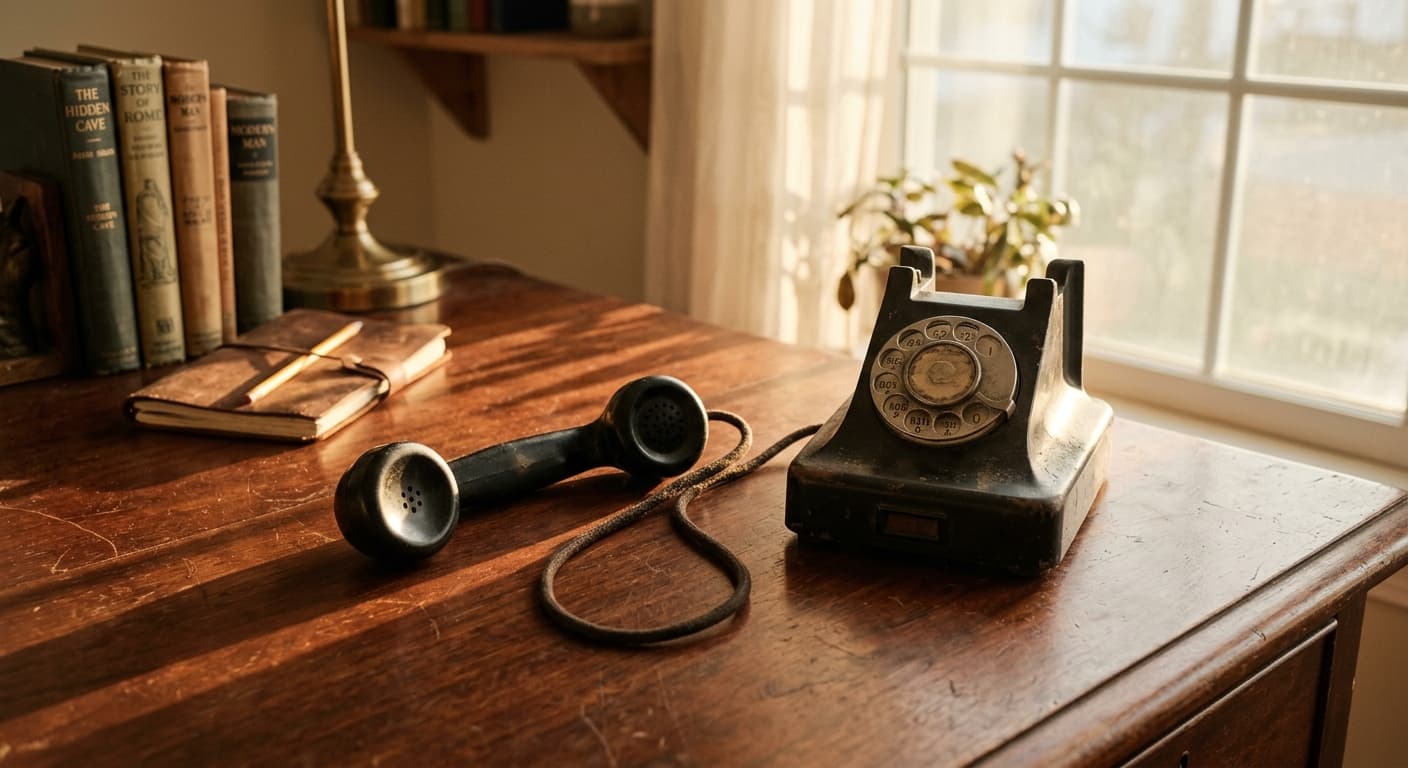
Kansas is a one-party consent state for phone call recording under K.S.A. 21-6101, meaning any participant in a call may record it without notifying the other party. This covers landline, cell, and VoIP calls. Recording a call you are not part of remains illegal and carries criminal penalties.
Kansas permits recording phone calls under a one-party consent framework established by K.S.A. 21-6101. As a participant in a phone call, you can legally record the conversation without informing or obtaining consent from the other party. This applies to all forms of telephone and electronic voice communication, including traditional landline calls, cell phone calls, and internet-based voice and video calls.
This guide covers the specific rules for recording phone calls in Kansas, cross-state calling considerations, business call recording practices, penalties for illegal call interception, and how phone recordings are used as evidence.
Kansas Phone Call Recording Law
The Statutory Framework
K.S.A. 21-6101(a)(1) makes it a crime to knowingly and without lawful authority intercept any telephone, telegraph, or wireless communication without the consent of the sender or receiver. The key phrase is "without the consent of the sender or receiver." By requiring consent from only one party (either the sender or the receiver), Kansas establishes itself as a one-party consent state.
Subsection (a)(5) separately prohibits installing or using any device to intercept telephone or wireless communications without the consent of the person in control of the communication facilities. This provision targets third-party wiretapping rather than participant recording.
What One-Party Consent Means for Phone Calls
When you make or receive a phone call in Kansas, you can record that call without telling the other person. Your participation in the call satisfies the consent requirement. This means:
- You can press the record button on your phone at any point during the call
- You do not need to announce "this call is being recorded"
- You do not need to obtain verbal or written permission from the other party
- The recording is legal regardless of what the other party says on the call
- You can use any recording method: a phone app, an external recorder, or a call recording service
Types of Calls Covered
Kansas one-party consent applies to all forms of voice communication:
Landline calls. Traditional home and office phone calls made over copper wire or fiber optic networks.
Cell phone calls. All mobile phone calls made on cellular networks.
VoIP calls. Internet-based voice calls through services like Zoom, Microsoft Teams, Google Meet, Skype, WhatsApp, and FaceTime.
Video calls with audio. When a video call includes voice communication, the audio component falls under one-party consent rules.
Conference calls. You can record a conference call you participate in. Your consent covers the entire call, even if multiple other parties are on the line.
Cross-State Phone Call Recording
Calls to Neighboring States
Kansas is bordered by four states, all of which also follow one-party consent:
| State | Consent Requirement | Key Statute |
|---|---|---|
| Colorado | One-party consent | C.R.S. 18-9-303 |
| Missouri | One-party consent | Mo. Rev. Stat. 542.402 |
| Nebraska | One-party consent | Neb. Rev. Stat. 86-702 |
| Oklahoma | One-party consent | 13 Okla. Stat. 176.4 |
Because all four neighboring states follow one-party consent, cross-border phone calls between Kansas and its neighbors are straightforward. You can record calls with people in Colorado, Missouri, Nebraska, and Oklahoma without additional consent requirements.
Calls to Two-Party Consent States
When you are in Kansas calling someone in a two-party consent state, the situation becomes more complicated. Two-party consent states require all parties to agree to the recording. These states include:
- California
- Connecticut (criminal law is one-party, but a separate civil statute exposes phone-call recorders to liability without all-party consent)
- Florida
- Illinois
- Maryland
- Massachusetts
- Montana
- New Hampshire
- Pennsylvania
- Washington
Courts have not established a uniform rule for which state's law applies to cross-state calls. Some courts apply the law of the state where the recording occurs (Kansas), while others apply the law of the state where the other party is located. The safest approach is to comply with the stricter state's law.
Best Practices for Cross-State Calls
To protect yourself when recording calls with people who may be in two-party consent states:
- Ask where the other person is located at the start of the call
- If they are in a two-party consent state, inform them the call may be recorded
- Get verbal acknowledgment on the recording: "Do you consent to this call being recorded?"
- If they decline, either stop recording or end the call
- When in doubt, provide notice and obtain consent
Federal Law
The federal Wiretap Act (18 U.S.C. 2511) also follows one-party consent. Phone call recordings that comply with Kansas law also comply with federal law. Federal penalties for illegal wiretapping are significantly harsher, however, with up to 5 years in federal prison and fines up to $250,000.
Business Phone Call Recording in Kansas

Employer Recording of Business Calls
Kansas businesses can record phone calls for legitimate business purposes, including:
- Quality assurance and training
- Compliance monitoring in regulated industries
- Customer service documentation
- Legal protection and dispute resolution
- Order verification and confirmation
Because Kansas is a one-party consent state, a business only needs one participant (typically the employee) to consent to the recording. However, best practices and potential multi-state compliance obligations lead many businesses to provide notice.
Common Notice Methods
Kansas businesses typically provide notice of call recording through one of the following methods:
Pre-recorded announcement. The most common method is a brief automated message at the start of the call: "This call may be monitored or recorded for quality assurance purposes."
Verbal notice by the representative. The employee answering the call states that the call may be recorded and asks if the caller wishes to proceed.
Written notice. Terms of service, customer agreements, or website disclosures may state that phone interactions are recorded.
Beep tone. A periodic audible tone during the call signals that recording is in progress. However, this method is less common and less effective at providing clear notice.
Industry-Specific Requirements
Certain industries face additional phone call recording requirements beyond Kansas state law:
Financial services. Banks, broker-dealers, and financial advisors may be required to record calls under FINRA Rule 3110 and SEC regulations. The Dodd-Frank Act also includes call recording provisions for swap dealers.
Healthcare. Phone calls that involve protected health information (PHI) must be handled in compliance with HIPAA. Recorded calls containing PHI must be stored securely and access must be restricted.
Debt collection. The Fair Debt Collection Practices Act (15 U.S.C. 1692) and Kansas debt collection regulations govern how collectors interact with consumers on the phone.
Insurance. Insurance companies recording claims-related calls must comply with Kansas Insurance Department regulations.
Recording Apps and Technology
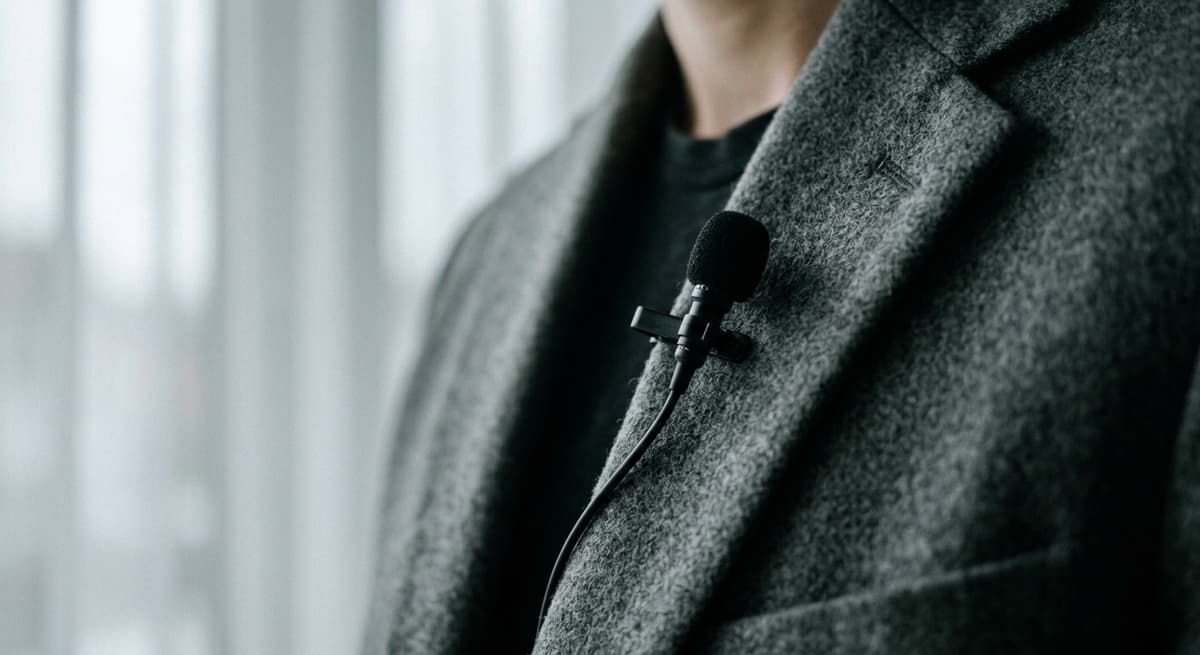
Popular Phone Call Recording Methods
Kansas residents use various methods to record phone calls:
Smartphone apps. Apps like Rev Call Recorder, TapeACall, and Cube ACR allow automatic or manual call recording on both Android and iOS devices. Some apps save recordings locally, while others upload to cloud servers.
Built-in phone features. Some Android manufacturers include native call recording features. Google's Phone app offers call recording in supported regions.
External recording devices. Hardware devices that connect to a phone's headphone jack or Bluetooth can record calls to a separate device.
VoIP platform features. Zoom, Microsoft Teams, Google Meet, and other platforms have built-in recording features. Note that many platforms notify all participants when recording begins.
AI transcription services. Services like Otter.ai and Fireflies can join calls to record and transcribe automatically.
Legal Considerations for Recording Technology
While the technology you use does not change the legality of the recording under Kansas law, there are practical considerations:
- Cloud storage. Recordings stored on third-party servers may be subject to the service provider's terms of service and privacy policy.
- Platform notifications. Some VoIP platforms automatically notify participants when recording starts. This notification provides notice even in a one-party consent state.
- Data security. Recordings containing sensitive information should be stored securely and encrypted when possible.
- Retention. Consider how long you need to keep recordings and have a plan for deletion when they are no longer needed.
Criminal Penalties for Illegal Phone Call Recording
Kansas State Penalties
Illegally intercepting phone calls without consent violates K.S.A. 21-6101(a)(1) and is classified as a Class A nonperson misdemeanor:
- Up to 1 year in the county jail
- A fine of up to $2,500
- Probation or community service as alternatives to incarceration
Divulging the contents of an illegally intercepted phone call under subsection (a)(2) carries the same penalties.
Federal Penalties
Illegal wiretapping under 18 U.S.C. 2511 is a federal felony:
- Up to 5 years in federal prison
- Fines up to $250,000
- Forfeiture of any device used to commit the violation
Civil Remedies for Victims
Victims of illegal phone call recording can pursue civil damages under K.S.A. 22-2518:
- Actual damages with a statutory minimum of $100 per day or $1,000, whichever is greater
- Punitive damages at the court's discretion
- Attorney fees and litigation costs
Under the federal Wiretap Act (18 U.S.C. 2520), victims can also pursue:
- Statutory damages of $100 per day for each day of violation or $10,000, whichever is greater
- Actual damages, including lost profits
- Punitive damages in appropriate cases
- Attorney fees and litigation costs
Phone Call Recordings as Evidence
Admissibility in Kansas Courts
Phone call recordings made legally under one-party consent are generally admissible as evidence in Kansas courts. To admit a phone recording, the offering party must establish:
- Authentication. Proof that the recording is genuine, unaltered, and accurately represents the conversation that took place.
- Voice identification. The voices on the recording must be identified through testimony or other evidence.
- Relevance. The recording must relate to a matter at issue in the case.
Common Uses of Phone Recordings as Evidence
Phone recordings are commonly used in Kansas legal proceedings for:
- Contract disputes. Verbal agreements, promises, and negotiations captured on phone recordings.
- Family law. Custody disputes, divorce proceedings, and protective order hearings where threatening or harassing phone calls are documented.
- Employment law. Wrongful termination, harassment, and wage disputes where phone conversations provide evidence.
- Criminal cases. Threats, admissions, and other statements captured during phone conversations.
- Insurance claims. Conversations with adjusters, agents, or opposing parties regarding claims.
Recordings from Two-Party Consent States
If a phone recording was made in a two-party consent state without all-party consent, its admissibility in a Kansas court may be challenged. Kansas courts may exclude recordings that were illegal under the law of the state where they were made, even if they would have been legal under Kansas law.
Common Phone Call Recording Scenarios
Can I Record Calls With My Attorney?
Yes. As a participant, you can record calls with your lawyer under one-party consent. Attorney-client privilege protects the contents regardless of the recording. However, your attorney may object to being recorded as a matter of professional ethics.
Can I Record Debt Collector Calls?
Yes. You can record calls from debt collectors. This can be valuable for documenting FDCPA violations such as harassment, false statements, or threats of illegal action.
Can I Record Government Agency Calls?
Yes. You can record phone calls with government agencies, including the IRS, Social Security Administration, Kansas Department of Revenue, and other state and federal offices. Many government agencies also record their calls and provide notice at the start.
Can I Record My Insurance Company?
Yes. Recording calls with insurance adjusters, agents, and customer service representatives is legal under Kansas one-party consent. These recordings can be important evidence in disputed claims.
Can I Record Telemarketing and Robocalls?
Yes. You can record telemarketing calls, robocalls, and spam calls. These recordings can serve as evidence when filing complaints with the FTC or the Kansas Attorney General's Consumer Protection Division.
More Kansas Recording Laws
Audio Recording | Video Recording | Voyeurism Laws | Workplace Recording | Recording Police | Phone Call Recording | Security Cameras | Recording in Public | Landlord-Tenant Recording | Dashcam Laws | School Recording | Medical Recording
More Kansas Recording Topics
More Kansas Laws
Frequently Asked Questions
Can I record a phone call in Kansas without telling the other person?
Yes. Kansas is a one-party consent state under K.S.A. 21-6101. As a participant in the phone call, your knowledge of the recording satisfies the consent requirement. You do not need to inform the other person or get their permission before recording.
Is it legal to record Zoom and Teams calls in Kansas?
Yes. VoIP calls through platforms like Zoom, Microsoft Teams, Google Meet, and Skype are treated the same as phone calls under Kansas law. As a participant, you can record any VoIP call you are part of. Note that many platforms have built-in recording features that may notify other participants.
What happens if I record a call with someone in California from Kansas?
California is a two-party consent state. When you call someone in California from Kansas, the stricter law may apply. While Kansas law allows one-party consent recording, California law requires all-party consent. The safest approach is to inform the California party and get their consent before recording.
Can a Kansas business record customer phone calls?
Yes. Kansas businesses can record customer calls for quality assurance, training, compliance, and legal protection. Under one-party consent, the business employee on the call provides the required consent. However, many businesses still provide notice as a best practice, especially when dealing with callers from two-party consent states.
What are the penalties for illegally recording a phone call in Kansas?
Illegally intercepting phone communications is a Class A nonperson misdemeanor under K.S.A. 21-6101, carrying up to 1 year in jail and a $2,500 fine. Victims can also pursue civil damages under K.S.A. 22-2518 with a minimum of $1,000 in statutory damages. Under the federal Wiretap Act, violations carry up to 5 years in prison.
Updates
Independently fact-checked against the cited primary sources; governing law re-checked for recent changes
Governing law re-checked for recent changes
Confirmed K.S.A. 21-6101 phone-call framework, cross-state consent analysis, and civil remedy under K.S.A. 22-2518. Added UpdatesLog.
Reviewed and approved by an editor
The Law Behind This Article
This article rests on the statutory provisions below, held in our own legal record and retrieved from the official source. Tap a section to read the operative text.
Kansas Statutes Annotated, Chapter 21: CRIMES AND PUNISHMENTS
§ 21-6101Breach of privacy.In forcecited in 26 of our articles
(a) Breach of privacy is knowingly and without lawful authority: (1) Intercepting, without the consent of the sender or receiver, a message by telephone, telegraph, letter or other means of private communication; (2) divulging, without the consent of the sender or receiver, the existence or contents of such message if such person knows that the message was illegally intercepted, or if such person illegally learned of the message in the course of employment with an agency in transmitting such message; (3) entering with intent to listen surreptitiously to private conversations in a private place or to observe the personal conduct of any other person or persons entitled to privacy therein; (4) installing or using outside or inside a private place any device for hearing, recording, amplifying or broadcasting sounds originating in such place, which sounds would not ordinarily be audible or comprehensible without the use of such device, without the consent of the person or persons entitled to privacy therein; (5) installing or using any device or equipment for the interception of any telephone, telegraph or other wire or wireless communication without the consent of the person in…
Official text (excerpt) · last checked 2026-08-31 · Read the full text in our law library · Verify at ksrevisor.gov
Cited in 8 court opinions in our collectionLatest citing opinion in our collection: 2026
In the courts (editorial summary, independently checked):Recent Kansas decisions construe the image-dissemination subsection, K.S.A. 21-6101(a)(8), not the interception subsections. State v. Ivy (2025) held a reasonable expectation of privacy under that subsection has a subjective and an objective component. State v. Jamil (2026), unpublished, found disseminating needs no jury definition.
Opinions citing this section in our collection:
- State v. Ivy (Court of Appeals of Kansas 2025)✓Ivy posted on Snapchat a sexual video his ex-girlfriend had recorded and texted him during their relationship; the court applied a subjective and objective two-part test and held a jury could find she kept a reasonable expectation of privacy, affirming the conviction.
- In re Belcher (Supreme Court of Kansas 2024, 552 P.3d 1213)“…deotape, photograph, film or image obtained in violation of K.S.A. 21-6101(a)(6) or (a)(8), and amendments…”
- State v. Jamil (Court of Appeals of Kansas 2026)✓Jamil secretly filmed a woman undressed and unconscious at his home, then sent the videos to her boyfriend; the court held that sharing with a single recipient can be disseminating under K.S.A. 21-6101(a)(8) and that intent to harass could be inferred from his conduct.
Identified automatically from the court opinions citing this section — not a ranking of which case controls.
Also relied on in: Kansas Audio Recording Laws, Kansas Dashcam Laws: Mounting Rules, Audio Recording, and Evidence (2026), Kansas Security Camera Laws
Kansas Statutes Annotated, Chapter 22: CRIMINAL PROCEDURE
§ 22-2518Same; civil action for damages; defense available in civil and criminal actions.In forcecited in 11 of our articles
(1) Any person whose wire, oral or electronic communication is intercepted, disclosed or used in violation of this act shall have a civil cause of action against any person who intercepts, discloses or uses, or procures any other person to intercept, disclose or use, such communications, and shall be entitled to recover from any such person: (a) Actual damages, but not less than liquidated damages computed at the rate of $100 a day for each day of violation or $1,000, whichever is greater; (b) punitive damages; and (c) reasonable attorneys' fees and other litigation costs reasonably incurred. (2) A good faith reliance by any person on a court order authorizing the interception of any wire, oral or electronic communication shall constitute a complete defense in any civil or criminal action brought against such person based upon such interception.
Official text (excerpt) · last checked 2026-07-29 · Read the full text in our law library · Verify at ksrevisor.gov
Cited in 6 court opinions in our collectionLatest citing opinion in our collection: 2024
Opinions citing this section in our collection:
- State v. Gibson (Supreme Court of Kansas 1994, 255 Kan. 474)“…f unlawfully intercepted *481 wire or oral communications. K.S.A. 22-2518 establishes a civil cause of action for…”
- Fields v. Atchison, Topeka, & Santa Fe Railway Co. (District Court, D. Kansas 1997, 985 F. Supp. 1308)“…18 U.S.C. § 2510 et seq., and the Kansas Wiretap Act, K.S.A. 22-2518, and invaded their privacy by intercept…”
- Banks v. Opat (District Court, D. Kansas 2021)“…ete defense against any civil action. 18 U.S.C. § 2520(d); K.S.A. § 22-2518(2). “To be in good faith, the officers’…”
Identified automatically from the court opinions citing this section — not a ranking of which case controls.
Also relied on in: Kansas Landlord-Tenant Recording Laws, Kansas Video Recording Laws, Kansas Voyeurism Laws
United States Code Title 15
§ 1692Congressional findings and declaration of purposeIn forcecited in 3 of our articles
There is abundant evidence of the use of abusive, deceptive, and unfair debt collection practices by many debt collectors. Abusive debt collection practices contribute to the number of personal bankruptcies, to marital instability, to the loss of jobs, and to invasions of individual privacy. Existing laws and procedures for redressing these injuries are inadequate to protect consumers. Means other than misrepresentation or other abusive debt collection practices are available for the effective collection of debts. Abusive debt collection practices are carried on to a substantial extent in interstate commerce and through means and instrumentalities of such commerce. Even where abusive debt collection practices are purely intrastate in character, they nevertheless directly affect interstate commerce. It is the purpose of this subchapter to eliminate abusive debt collection practices by debt collectors, to insure that those debt collectors who refrain from using abusive debt collection practices are not competitively disadvantaged, and to promote consistent State action to protect consumers against debt collection abuses.
Official text (excerpt) · last checked 2026-07-28 · Read the full text in our law library · Verify at uscode.house.gov
Cited in 6,921 court opinions in our collectionLatest citing opinion in our collection: 2026
Opinions citing this section in our collection:
- Marx v. General Revenue Corp. (Supreme Court of the United States 2013, 568 U.S. 371)“…sive, deceptive, and unfair debt collection practices. See 15 U. S. C. § 1692 . The FDCPA’s private-enforcement provi…”
- Jerman v. Carlisle, McNellie, Rini, Kramer & Ulrich, L.P.A. (Supreme Court of the United States 2010, 559 U.S. 573)“…il 21, 2010 The Fair Debt Collection Practices Act (FDCPA), 15 U. S. C. §1692 et seq., imposes civil liability on “…”
- William C. Lewis v. Acb Business Services, Inc., (96-3093/3498), American Express Travel Related Services Company, Inc. James P. Connors, (96-3498) (Court of Appeals for the Sixth Circuit 1998, 135 F.3d 389)“…anguage of the Fair Debt Collection Practices Act (FDCPA), 15 U.S.C. § 1692 -1692o, requires us to reverse the judg…”
Identified automatically from the court opinions citing this section — not a ranking of which case controls.
Also relied on in: Idaho Phone Call Recording Laws: Consent Rules for Landline, Cell, and VoIP (2026), Delaware Phone Call Recording Laws: Consent Rules, Interstate Calls, and Penalties (2026)
United States Code Title 18
§ 2511Interception and disclosure of wire, oral, or electronic communications prohibitedIn forcecited in 422 of our articles
Except as otherwise specifically provided in this chapter any person who— intentionally intercepts, endeavors to intercept, or procures any other person to intercept or endeavor to intercept, any wire, oral, or electronic communication; intentionally uses, endeavors to use, or procures any other person to use or endeavor to use any electronic, mechanical, or other device to intercept any oral communication when— such device is affixed to, or otherwise transmits a signal through, a wire, cable, or other like connection used in wire communication; or such device transmits communications by radio, or interferes with the transmission of such communication; or such person knows, or has reason to know, that such device or any component thereof has been sent through the mail or transported in interstate or foreign commerce; or such use or endeavor to use (A) takes place on the premises of any business or other commercial establishment the operations of which affect interstate or foreign commerce; or (B) obtains or is for the purpose of obtaining information relating to the operations of any business or other commercial establishment the operations of which affect interstate or foreign…
Official text (excerpt) · last checked 2026-09-17 · Read the full text in our law library · Verify at uscode.house.gov
Cited in 2,045 court opinions in our collectionLatest citing opinion in our collection: 2026
In the courts (editorial summary, independently checked):Griggs-Ryan v. Smith (1990) applied the Section 2511(2)(d) prior-consent exception, treating a tenant repeatedly told that all incoming calls were taped as having impliedly consented. United States v. United States District Court (1972) read the then-current Section 2511(3) as conferring no presidential surveillance power.
Opinions citing this section in our collection:
- Mitchell v. Forsyth (Supreme Court of the United States 1985, 472 U.S. 511)✓The Attorney General authorized a warrantless 1970 national security wiretap that caught the plaintiff's calls; the Court held the since-repealed Section 2511(3) disclaimer left the tap lawful under Title III, and that Mitchell had qualified immunity.
- United States v. United States District Court for the Eastern District of Michigan (Supreme Court of the United States 1972, 407 U.S. 297)✓The Attorney General approved warrantless wiretaps on members of a domestic group accused of bombing a CIA office; the Court read Section 2511(3) as a congressional disclaimer conferring no surveillance power, then held the Fourth Amendment required prior judicial approval.
- Forsyth v. Barr (Court of Appeals for the Fifth Circuit 1994, 19 F.3d 1527)✓Dallas police used, in an internal affairs probe of an officer, calls private parties allegedly intercepted illegally; assuming that was unlawful, the Fifth Circuit held Section 2517(1) and (2) allowed the disclosure and use, defeating the Section 2511(1)(c) and (d) claims.
Identified automatically from the court opinions citing this section — not a ranking of which case controls.
Also relied on in: Connecticut Recording Laws (2026): Hybrid Consent Rules Explained, Oregon Recording Laws (2026): Hybrid One-Party and All-Party Rules, US Recording Laws by State (2026): All 50 States Explained
§ 2520Recovery of civil damages authorizedIn forcecited in 115 of our articles
Except as provided in section 2511(2)(a)(ii), any person whose wire, oral, or electronic communication is intercepted, disclosed, or intentionally used in violation of this chapter may in a civil action recover from the person or entity, other than the United States, which engaged in that violation such relief as may be appropriate. In an action under this section, appropriate relief includes— such preliminary and other equitable or declaratory relief as may be appropriate; damages under subsection (c) and punitive damages in appropriate cases; and a reasonable attorney’s fee and other litigation costs reasonably incurred.
Official text (excerpt) · last checked 2026-07-28 · Read the full text in our law library · Verify at uscode.house.gov
Cited in 860 court opinions in our collectionLatest citing opinion in our collection: 2026
In the courts (editorial summary, independently checked):Walker v. Darby (1990) held a 2520 plaintiff need not prove the contents of intercepted conversations, only interception and a justified expectation against it. Bartnicki v. Vopper (2001) barred 2520 damages against defendants who took no part in the interception, obtained the tape lawfully, and disclosed a matter of public concern.
Opinions citing this section in our collection:
- Jessie Walker v. Thomas E. Darby, Hugh L. Robinson, Jr., and Kenneth Day (Court of Appeals for the Eleventh Circuit 1990, 911 F.2d 1573)✓A postal letter carrier said three supervisors wired an intercom near his workstation to listen in. Reversing summary judgment, the Eleventh Circuit held a section 2520 plaintiff can show interception without proving the contents of specific conversations.
- Gelbard v. United States (Supreme Court of the United States 1972, 408 U.S. 41)“…disclosure, or use is entitled to recover civil damages, 18 U. S. C. § 2520 . Title III also bars the use as eviden…”
- DirecTV, Inc. v. Hoa Huynh (Court of Appeals for the Ninth Circuit 2007, 503 F.3d 847)“…7 U.S.C. § 605 (e)(4), or alternatively, for violations of 18 U.S.C. § 2520 (a), or alternatively, for violations o…”
Identified automatically from the court opinions citing this section — not a ranking of which case controls.
Also relied on in: Alabama Audio Recording Laws: Consent Rules and Penalties, Alabama Phone Call Recording Laws: What You Need to Know, Alaska Phone Call Recording Laws: Rules for Landline, Cell, and VoIP (2026)
Search our full record of US law — 2.1 million sections, every state + federal →
Sources and References
- K.S.A. 21-6101 - Breach of Privacy (Kansas Revisor of Statutes)(ksrevisor.org).gov
- K.S.A. 22-2518 - Civil Action for Damages (Kansas Revisor of Statutes)(ksrevisor.gov).gov
- 18 U.S.C. 2511 - Federal Wiretap Act(law.cornell.edu)
- 18 U.S.C. 2520 - Federal Civil Remedies for Wiretap Violations(law.cornell.edu)
- 15 U.S.C. 1692 - Fair Debt Collection Practices Act(law.cornell.edu)
- Kansas Attorney General - Consumer Protection Division(ag.ks.gov).gov