Kansas AI Meeting Recording Laws (2026)
Kansas Consent Framework for Recording
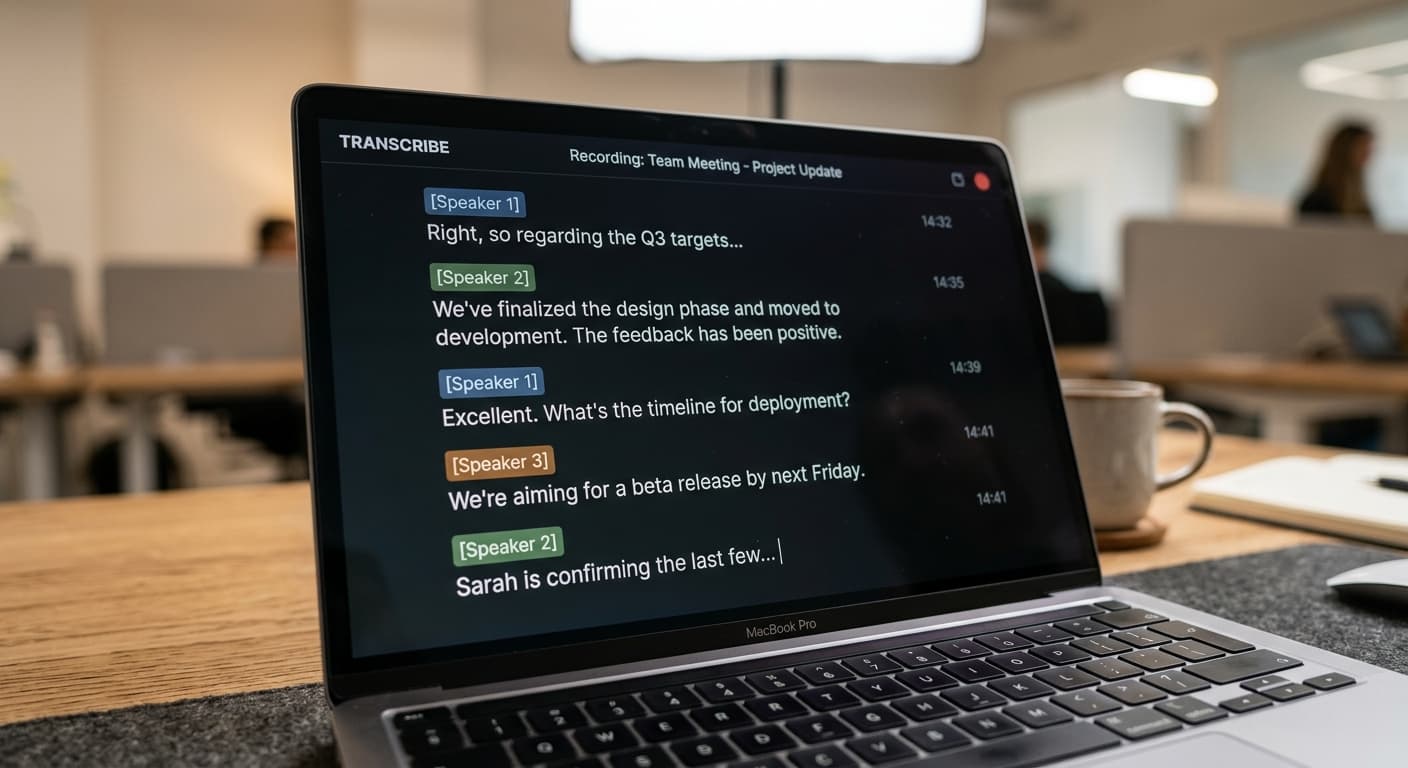
Kansas operates under a one-party consent standard for recording conversations. Under Kan. Stat. Ann. Section 21-6101, it is unlawful to knowingly intercept, record, or amplify private communications without the consent of the person or persons entitled to privacy. The Kansas Supreme Court has interpreted this statute to require only one party's consent for a recording to be lawful.
The landmark ruling in State v. Roudybush, 686 P.2d 100 (Kan. 1984), established that once one party to a conversation provides consent, the other participants lose their standing to challenge the recording. This means a meeting participant in Kansas can legally record a discussion, including through AI-powered tools, without informing or obtaining permission from other attendees.
Kansas structures its privacy protections under the broader "breach of privacy" framework rather than a standalone wiretapping statute. Section 21-6101 addresses eight categories of prohibited conduct, ranging from intercepting telephone communications to installing hidden recording devices in private places.
What the Statute Prohibits
KSA 21-6101(a) defines breach of privacy as "knowingly and without lawful authority" engaging in specific acts. The provisions most relevant to AI meeting recording include:
- Subsection (a)(1): Intercepting any message by telephone, telegraph, or letter without consent
- Subsection (a)(2): Divulging the contents of illegally intercepted messages
- Subsection (a)(4): Using any device to secretly listen to, record, or amplify a private conversation in a private place without consent
The statute also defines "private place" under subsection (f) as a location where a person has a reasonable expectation of being safe from uninvited intrusion or surveillance. A home office or closed conference room would typically qualify; a public coffee shop would not.
How One-Party Consent Works in Practice
Under the Roudybush interpretation, a Kansas meeting participant who activates an AI recording tool satisfies the consent requirement. The participant is the "consenting party," and the AI tool operates as an extension of that person's recording capability. No announcement, disclosure, or additional permissions are legally required under state law.
This rule applies equally to in-person conversations, phone calls, and virtual meetings conducted through platforms like Zoom, Microsoft Teams, or Google Meet.
How Kansas Law Applies to AI Meeting Recorders
AI-powered meeting assistants present novel questions under Kansas's breach of privacy statute. As of April 2026, no Kansas court has ruled on whether AI notetakers raise unique legal concerns beyond traditional recording devices. The existing statutory framework, however, provides a workable analytical structure.
AI Tools as Recording Devices
Under KSA 21-6101(a)(4), the prohibition applies to using "any device" to secretly record a private conversation. AI meeting tools clearly fall within this definition. The key question is not whether the tool qualifies as a device, but whether a consenting party authorized its use.
When a Kansas employee activates Otter.ai, Fireflies.ai, or a similar tool before or during a meeting, that employee's participation in the conversation and authorization of the recording satisfies the one-party consent standard. The AI tool does not independently need to be a "party" to the conversation.

Autonomous AI Recording Challenges
The legal analysis becomes more uncertain when AI tools operate without active human involvement. Otter.ai's OtterPilot feature, for example, can be configured to join scheduled meetings automatically and begin recording before the account holder takes any action during the meeting.
The Brewer v. Otter.ai class action, filed in August 2025 in the Northern District of California, alleges that this autonomous operation violates federal and state wiretapping laws. While the case was brought under California and federal law, the underlying concern applies equally in Kansas: if the AI tool records a conversation in which the account holder is not actively participating, the one-party consent exception may not apply.
Data Use Beyond Transcription
The Ambriz v. Google ruling from February 2025 introduced another dimension of potential liability. A California federal court found that Google's technical "capability" to use recorded customer call data for AI model training was sufficient to state a wiretapping claim, regardless of whether Google actually exploited that data.
For Kansas users, this means that even if the initial recording is lawful under one-party consent, an AI vendor's secondary use of meeting data for machine learning purposes could create separate legal exposure. Kansas businesses should examine their vendors' terms of service and data processing agreements carefully.
Popular AI Meeting Tools and Kansas Compliance
The following assessment of major AI meeting platforms reflects their general features as of early 2026. Platform capabilities and compliance settings change frequently, so users should verify current configurations directly.
Zoom AI Companion
Zoom's AI Companion notifies all meeting participants through a visible banner when recording or AI features are active. In Kansas, where one-party consent governs, this notification exceeds the legal minimum. The host controls whether AI features are enabled, and the host's participation satisfies the consent requirement.
Otter.ai
Otter.ai provides an option to enforce pre-meeting recording notifications, though this setting is not enabled by default. In Kansas, the account holder's consent as a meeting participant provides the legal basis for recording. However, the OtterPilot autonomous join feature warrants caution, particularly for meetings the account holder may not personally attend.
Microsoft Teams
Microsoft Teams displays a recording notification to all participants and requires the initiator to be a meeting participant. The Copilot AI assistant integrates directly with the meeting participant's account, maintaining a clear link between the consenting party and the recording tool.
Google Meet
Google Meet shows a transcription indicator to all participants and ties recording capabilities to the meeting organizer's Google Workspace account. Administrator-level controls determine whether transcription features are available across the organization.
Third-Party Notetakers
Tools like Fireflies.ai and Fathom typically join meetings as visible bot participants. Their presence in the participant list provides informal notice, though Kansas law does not require it. The account holder who invited the bot serves as the consenting party under one-party consent.
Penalties for Unlawful Recording in Kansas
Kansas imposes both criminal penalties and civil liability for breach of privacy violations.
Criminal Penalties
The penalty structure under KSA 21-6101 varies by the type of violation:
| Violation Type | Classification | Potential Sentence |
|---|---|---|
| Intercepting communications (a)(1)-(a)(5) | Class A nonperson misdemeanor | Up to 1 year jail, up to $2,500 fine |
| Non-consensual intimate imagery (a)(6) or (a)(8) | Severity level 8 person felony | 7 to 23 months prison |
| Second offense within 5 years (a)(6) or (a)(8) | Severity level 5 person felony | Enhanced sentence |
| Disseminating intimate images (a)(7) | Severity level 5 person felony | Enhanced sentence |
For most AI meeting recording scenarios, the relevant penalty category is the class A nonperson misdemeanor under subsections (a)(1) through (a)(5). The felony-level penalties primarily target non-consensual intimate imagery, including AI-generated deepfakes.
Civil Remedies
Under Kan. Stat. Ann. Section 22-2518, victims of unlawful interception may pursue civil damages including:
- Actual damages suffered as a result of the violation
- Statutory damages of $100 per day or $1,000, whichever is greater
- Punitive damages in appropriate cases
- Attorney fees and litigation costs
Federal Law
The federal Wiretap Act (18 U.S.C. Section 2511) applies alongside Kansas state law. Since both follow a one-party consent standard, federal law does not impose additional consent requirements on Kansas residents. However, plaintiffs can bring claims under both statutes, and the federal law provides independent civil remedies.
Employer and Workplace Considerations
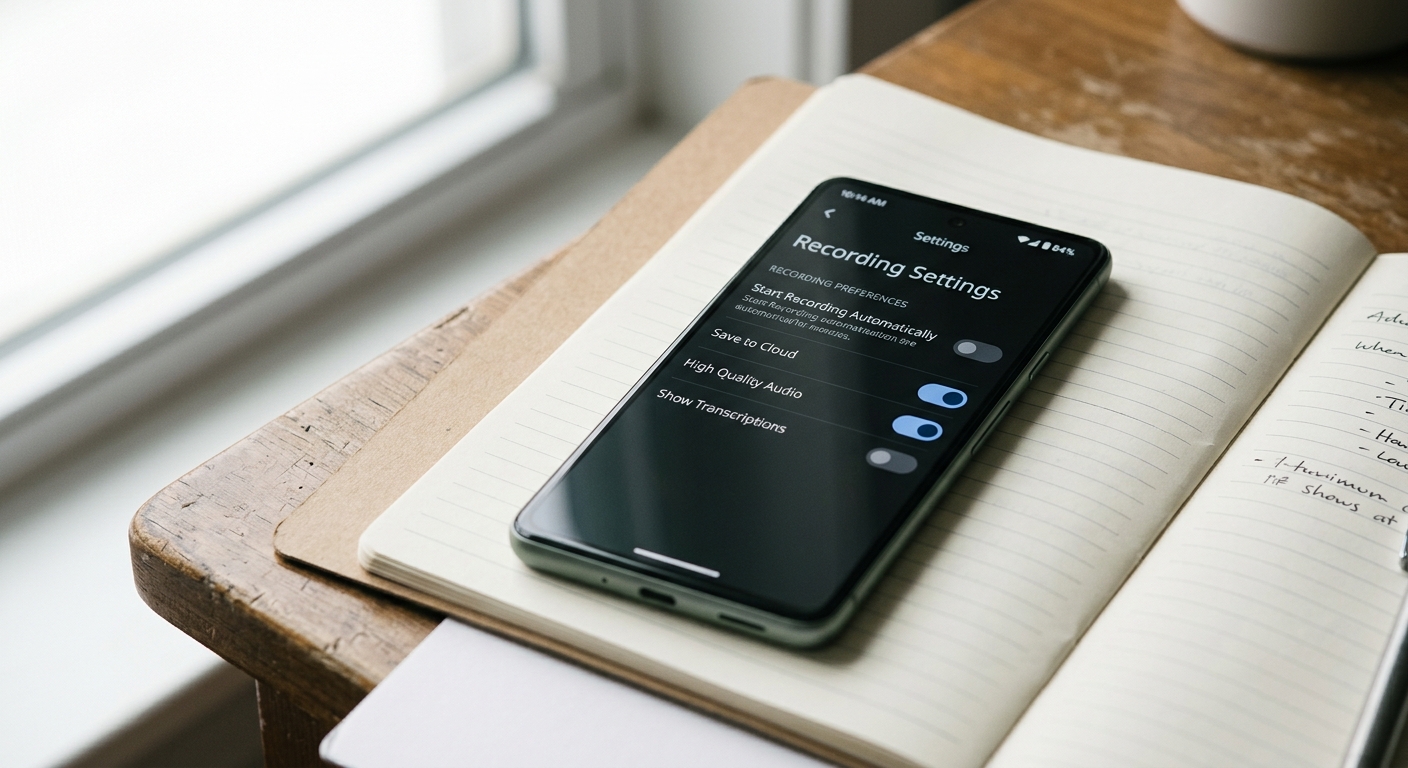
Kansas employers deploying AI meeting tools face practical and legal considerations beyond basic consent compliance.
Developing an AI Recording Policy
Employment law practitioners recommend that Kansas employers establish written policies addressing:
- Which AI recording and transcription tools are approved for workplace use
- Whether employees must inform meeting participants about AI recording
- Data storage, access controls, and retention schedules for meeting transcriptions
- Restrictions on recording sensitive conversations (performance reviews, HR investigations, legal consultations)
While Kansas's one-party consent law does not require these policies, they reduce the risk of disputes and demonstrate good-faith compliance efforts.
Recording Without Employee Knowledge
A Kansas employer can legally record workplace meetings through AI tools without informing employees, provided the employer or a representative is a party to the conversation. Recording conversations in which the employer has no participant (such as private employee break room discussions) would not satisfy the one-party consent standard and could constitute breach of privacy under KSA 21-6101.
Multi-State Compliance
Kansas businesses with remote employees or clients in other states must account for varying consent requirements. When a meeting includes participants from two-party consent states such as California, Connecticut, Florida, or Maryland, the most restrictive standard typically governs. The Reporters Committee for Freedom of the Press recommends applying the strictest applicable state law to avoid potential violations.
AI Vendor Data Practices
Kansas employers should scrutinize how AI vendors process and store meeting data. The Brewer v. Otter.ai litigation highlights the risk that vendors may use recorded conversations to train AI models. Contracts with AI transcription providers should include specific provisions governing data use, retention, and deletion.
Kansas's Broader AI Regulatory Direction
Kansas has taken initial steps toward AI regulation, though none directly address meeting recording. In April 2025, the legislature passed HB 2313, prohibiting the use of "artificial intelligence platforms of concern" on state-issued devices and networks. The law targets security risks from foreign AI platforms rather than domestic meeting tools.
The 2025 legislative session also saw Kansas update KSA 21-6101 to address AI-generated deepfake intimate images, adding subsection (a)(8) to specifically criminalize the creation and distribution of synthetic intimate imagery. This amendment demonstrates the legislature's willingness to adapt existing privacy statutes to address AI-specific threats.
As of April 2026, no pending Kansas legislation specifically targets AI meeting recording or transcription. However, the state's proactive approach to AI deepfake regulation suggests that broader AI privacy measures could emerge in future sessions.
This article provides general legal information about Kansas recording and AI meeting laws as of April 2026. Laws and their application to technology evolve rapidly, and court interpretations of existing statutes may change. Consult an attorney for advice specific to your situation.

More Kansas Laws
- Kansas Recording Laws
- [Kansas Data Privacy Laws](/us-laws/data-privacy-laws/kansas-data-privacy-laws/biometric-privacy)
- Kansas Recording Laws
- Kansas Recording Laws
- Kansas Recording Laws
- Kansas Data Privacy Laws
- Kansas Recording Laws
- Kansas Recording Laws
Sources and References
- Kan. Stat. Ann. Section 21-6101 - Breach of Privacy(ksrevisor.gov).gov
- Kansas HB 2313 - AI Platforms of Concern on State Devices(kslegislature.gov).gov
- 18 U.S.C. Section 2511 - Federal Wiretap Act(law.cornell.edu)
- Kansas Reporters Recording Guide (RCFP)(rcfp.org)
- Brewer v. Otter.ai Class Action (NPR)(npr.org)
- AI Transcription Technologies: Employer Considerations (Littler)(littler.com)
- Kansas AI Deepfake Policy (Ballotpedia)(ballotpedia.org)
- Ambriz v. Google AI Wiretapping Ruling(courthousenews.com)