Shoulder Injury Settlement: Rotator Cuff & More
What is a shoulder injury settlement worth? Illustrative ranges from dislocations to rotator cuff surgery, value drivers, and how fault and caps apply.
6 min read
Loading...
501 articles · page 7 of 9
What is a shoulder injury settlement worth? Illustrative ranges from dislocations to rotator cuff surgery, value drivers, and how fault and caps apply.

Compare slip-and-fall premises liability laws across all 50 states and DC: negligence rules, open-and-obvious doctrine, ice and snow duty, and filing deadlines.

Lawsuits allege social media platforms harm youth mental health via addictive design. Learn about MDL 3047, the June 2026 bellwether settlement, and who may qualify, as of July 2026.

Compare SSDI and SSI disability rules across all 50 states and DC: state SSI supplements, Medicaid enrollment models (1634, 209(b), SSI-criteria), and approval odds by stage.
What is a soft tissue injury settlement worth? Why sprains and strains sit at the low end, illustrative ranges, and how documentation protects value.

South Carolina's Drone Regulation and Public Safety Act, signed May 2026 and effective January 1, 2027, sets a 1,500-foot prison buffer with new felonies.

South Carolina employee monitoring laws explained: why there is no social media password law, one-party consent recording, and GPS tracking under the stalking law.
South Carolina motorcycle accident law: the 3-year deadline to sue, the 51% fault bar, the under-21 helmet law, the helmet defense rule, and lane splitting.

South Dakota bans drone spying, landing on private land without consent, and flying over prisons under SDCL 50-15. See warrant, hunting, and felony rules.

South Dakota employee monitoring law explained: the lack of a GPS tracking or social media password statute, one-party consent recording, and hidden camera penalties.

South Dakota motorcycle accident law: the 3-year deadline to sue, the unique slight/gross comparative fault rule, the under-18 helmet law, and lane splitting.

Special Monthly Compensation (SMC) pays veterans more than standard VA disability. 2026 SMC-K rate, higher SMC levels, and how SMC stacks with your rating.
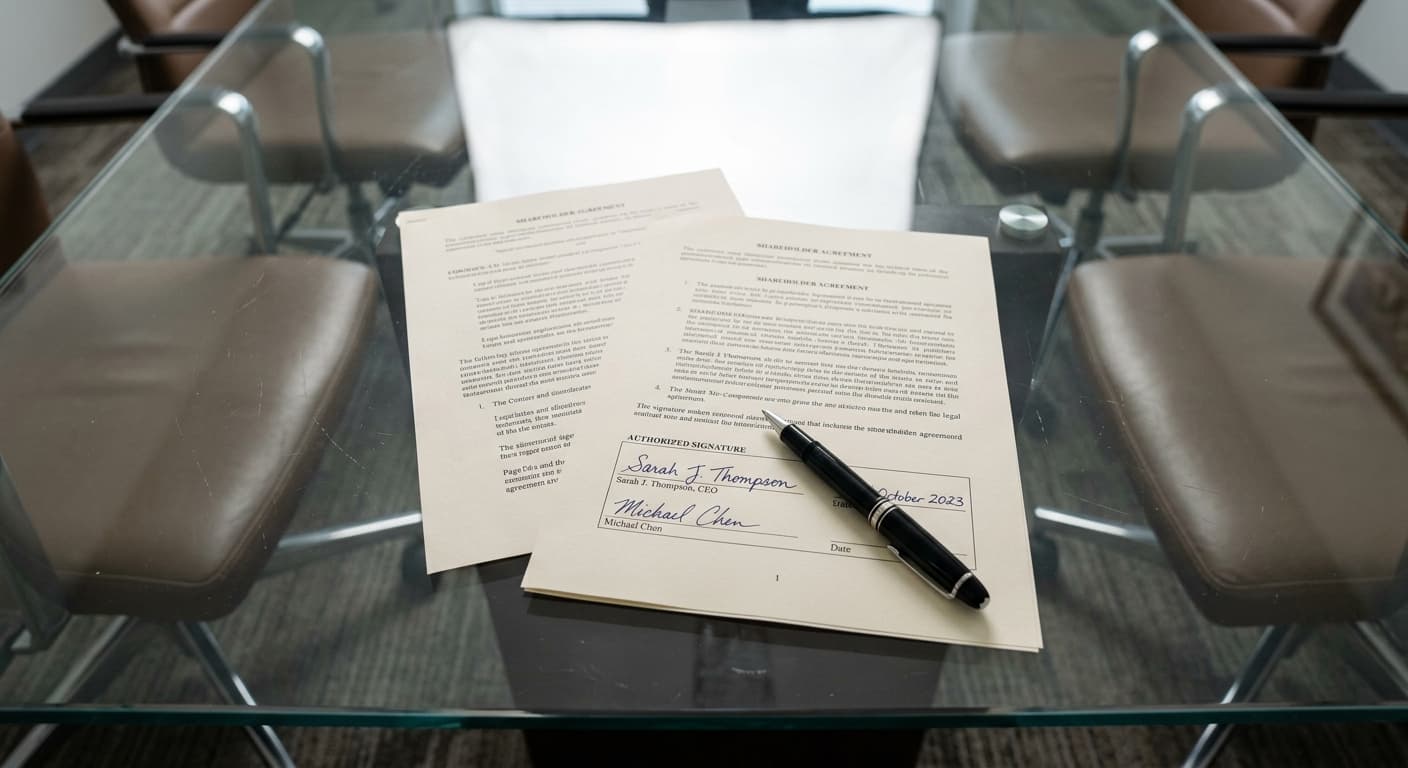
Spoliation of evidence is the destruction or failure to preserve relevant evidence. Learn the elements, FRCP 37(e) two-tier sanctions, and how courts decide.

Squatters rights and adverse possession: the five legal elements, statutory periods for all 50 states, 2024 anti-squatting laws, and how to remove a squatter.

The Stored Communications Act, 18 U.S.C. 2701 to 2713, governs unauthorized access to stored email and cloud data. See its exceptions, warrant tiers, and civil remedies.

Guide to FERPA student data privacy: education records rights, parental consent rules, directory information opt-outs, ed-tech vendor obligations, and state student privacy laws.
People who used Suboxone sublingual film allege severe tooth decay. Learn about the federal Suboxone MDL 3092 and the FDA dental warning, as of June 2026.

Talcum powder lawsuits link talc to ovarian cancer and mesothelioma. Learn the science and the J&J MDL 2738 status as of June 2026.

TCPA statutory damages run $500 to $1,500 per violation. See how courts count violations, recent real settlements, and the FCC's consent-rule status.

What the Telephone Consumer Protection Act (47 U.S.C. 227) covers: consent rules, the Do Not Call Registry, the recording-disclosure nuance, and damages.

TDIU pays VA disability compensation at the 100% rate to veterans who cannot hold gainful work, below a 100% schedular rating. 2026 thresholds, forms, rates.
Three teenagers sued Elon Musk's xAI after Grok generated sexually explicit deepfake images. Here are the lawsuits, new federal laws, and global investigations.

Tenn. Code Ann. Section 39-13-609 requires police to get a warrant before using a drone to gather evidence. See the exceptions and evidence-deletion rule.

Tennessee employee monitoring laws explained: the social media password ban under the Employee Online Privacy Act, one-party consent recording, and GPS tracking rules.
Tennessee motorcycle accident law: the short 1-year deadline to sue, the 49 percent comparative-fault bar, a universal helmet law, and no lane splitting.
Tennessee wrongful death claims: the short 1-year deadline (extendable to 2), who can sue under T.C.A. 20-5-106/107, the pass-through model, damages, and caps.

Texas Chapter 423 makes it a crime to capture surveillance images by drone, and the Fifth Circuit upheld the law in National Press Photographers Association v. McCraw.

Texas employee monitoring law explained: the lack of a notice or social media password statute, one-party consent recording, and the biometric consent law known as CUBI.

Texas motorcycle accident law: the 2-year deadline to sue, the 51 percent fault bar, the partial helmet law for riders 21 and up, and no lane splitting.
Texas wrongful death claims: the 2-year deadline, who can sue under CPRC 71.004, the separate survival action, damages, the exemplary damages cap, and fault.
BP's Deepwater Horizon bill topped $65 billion and Purdue Pharma's opioid deal hit $8.3 billion. See who paid the largest fines in recent history, and how to sue.

How trade secret law works across all 50 states and DC: the UTSA, the federal DTSA, remedies, and limitations periods, with a guide for every state.
A state-by-state guide to truck accident claims: the deadline to sue, the fault rule, no-fault status, FMCSA rules, and which parties beyond the driver can be liable.
Alabama truck accident law: 2-year deadline, strict contributory negligence, no no-fault, plus the FMCSA rules and $750,000 federal insurance behind liability.
Alaska truck accident law: 2-year deadline, pure comparative negligence, no no-fault, plus the FMCSA rules and $750,000 federal insurance behind liability.
Arizona truck accident law: 2-year deadline, pure comparative negligence, no no-fault, no damage caps, plus FMCSA rules and $750,000 federal insurance.
Arkansas gives 3 years to file a truck-accident injury or wrongful-death claim. The state uses a modified comparative-fault 50% bar, plus federal FMCSA rules.
California gives 2 years to file a truck-accident injury or wrongful-death claim. The state uses pure comparative fault, plus federal FMCSA rules.

Colorado allows 3 years to file a truck-accident injury claim, 2 for wrongful death. It uses a modified comparative-fault 50% bar, plus federal FMCSA rules.

Connecticut allows 2 years to sue after a truck accident and uses a 51% modified comparative negligence rule. Learn the deadlines, liability, and FMCSA rules.
Delaware allows 2 years to sue after a truck accident and uses a 51% modified comparative negligence rule. Learn the deadlines, the role of PIP, and liability.
Florida now allows 2 years to sue after a truck accident and uses a 51% modified comparative rule. Learn the no-fault PIP threshold, liability, and FMCSA rules.
Georgia truck accident law: the 2-year deadline to sue, the 50% comparative negligence bar, who can be liable, FMCSA rules, and the $750,000 federal minimum.
Hawaii truck accident law: the 2-year deadline, the 51% negligence bar, the no-fault/PIP threshold to sue, FMCSA rules, and the $750,000 federal minimum.
Idaho truck accident law: the 2-year deadline to sue, the 50% negligence bar, Idaho's noneconomic damages cap, FMCSA rules, and the $750,000 federal minimum.
Illinois truck accident law: the 2-year deadline to sue, the comparative negligence bar, who can be liable, FMCSA rules, and the $750,000 insurance minimum.
Indiana truck accident law: the 2-year deadline to sue, the comparative fault bar, who can be liable, FMCSA rules, and the $750,000 insurance minimum.
Iowa truck accident law: the 2-year deadline to sue, the comparative fault bar, who can be liable, FMCSA rules, and the $750,000 insurance minimum.
Kansas truck accident law: the 2-year deadline, modified comparative (50%) fault, no-fault PIP and the tort threshold, plus FMCSA rules and who is liable.
Kentucky truck accident law: the filing deadline, pure comparative fault, the choice no-fault (PIP) tort threshold, plus federal FMCSA rules and who is liable.

Louisiana truck accident law: the 2-year injury deadline, the 2026 shift to 51 percent modified comparative fault, and the $750,000 federal insurance minimum for trucks.
Maine truck accident guide: a 6-year injury deadline (14 MRS 752), Maine's modified comparative negligence rule, at-fault insurance, and FMCSA trucking rules.
Maryland truck accident guide: a 3-year filing deadline (CJP 5-101), the state's strict contributory negligence rule, at-fault insurance, and FMCSA rules.
Massachusetts truck accident guide: a 3-year deadline (MGL c.260 s.2A), the no-fault tort threshold to sue, the 51% comparative fault rule, and FMCSA rules.
Michigan gives truck-crash victims 3 years to sue. Learn the no-fault threshold, comparative-fault rule, FMCSA rules, and who can be held liable.
Minnesota gives injury victims 6 years to sue after a truck crash. Learn the no-fault tort threshold, 51% fault bar, FMCSA rules, and who can be held liable.
Mississippi gives truck-crash victims 3 years to sue and uses pure comparative fault. Learn the at-fault rule, FMCSA rules, and who can be liable.
Missouri gives truck-crash victims 5 years to sue and uses pure comparative fault. Learn the at-fault rule, FMCSA regulations, and who can be liable.
Montana gives truck-crash victims 3 years to sue and uses modified comparative fault (51% bar). Learn the at-fault rule, FMCSA rules, and who can be liable.
Nebraska gives truck-crash victims 4 years to sue and uses a strict 50% comparative-fault bar. Learn the at-fault rule, FMCSA rules, and who can be liable.