Mietkaution: The § 551 BGB Cap, How It Must Be Held, and Getting It Back
How the German security deposit works under § 551 BGB: the three month cap, paying in instalments, the separate account rule, what can be deducted, and getting it back.
97 articles · page 2 of 2

How the German security deposit works under § 551 BGB: the three month cap, paying in instalments, the separate account rule, what can be deducted, and getting it back.

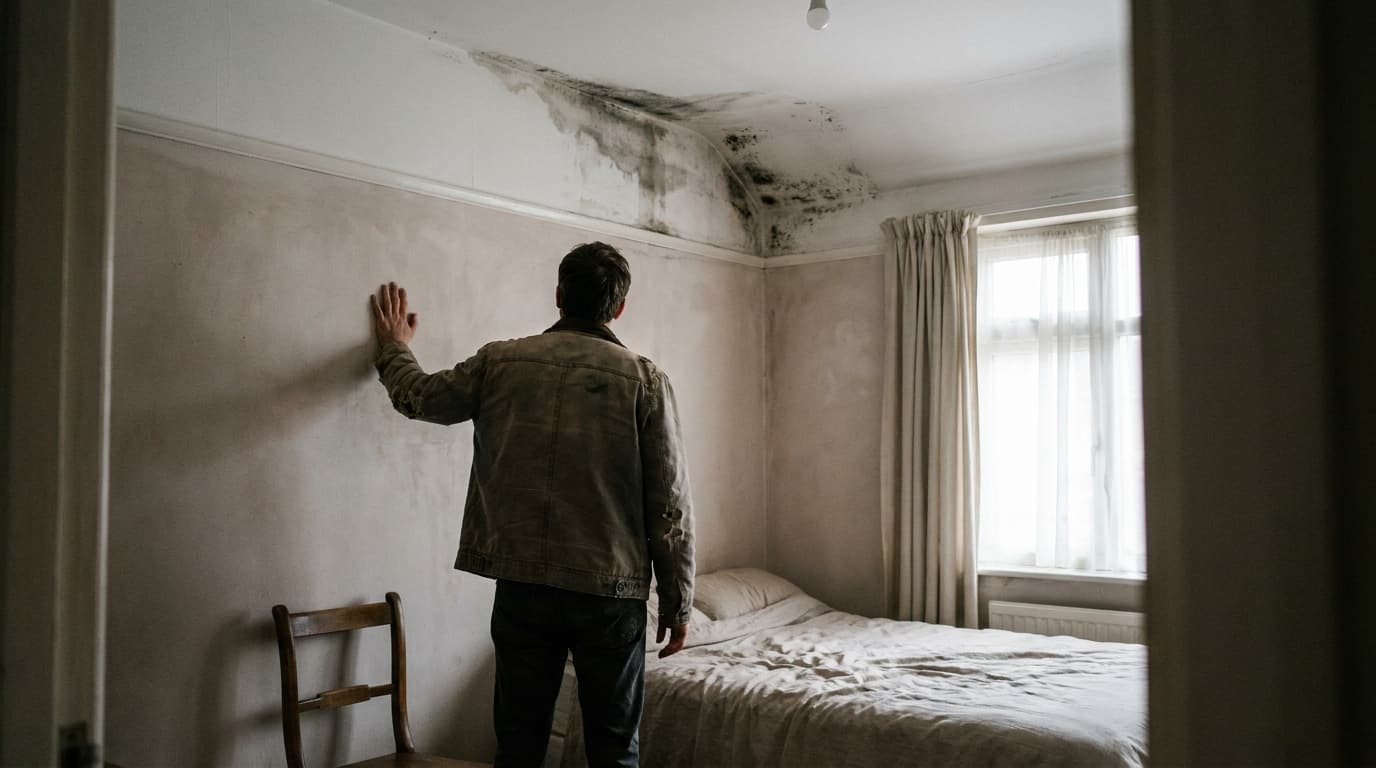
How Mietminderung works under § 536 BGB: why it applies automatically by law rather than by permission, why the percentage tables online are case law and not a tariff, and the arrears risk of getting the amount wrong.

The Minijob ceiling is 603 euro a month for 2026, calculated from the minimum wage. How the formula works, the two Minijob types, pension insurance and exemption, and the Midijob range above it.

Germany's minimum wage is 13.90 euro an hour from 1 January 2026, rising to 14.60 euro in 2027. Who is excluded, how the Minijob limit is calculated from it, and how it is enforced.

German neighbour law explained: the BGB core in §§ 903, 906, 907, 910 and 1004, why boundary distances for plants are Land law and not federal law, quiet hours, noise claims and the Schlichtung requirement.

Quiet hours in Germany explained: why 22:00 to 06:00 Nachtruhe is a local rule and not a federal one, what 32. BImSchV § 7 really bans, Mittagsruhe, and what happens when a neighbour complains.

How the German service charge statement works under § 556 BGB and the BetrKV: the twelve month deadline, which costs are allocable, the allocation keys, and how to check a statement line by line.

How § 32 StGB defines Notwehr, what gegenwärtiger rechtswidriger Angriff, Erforderlichkeit and Gebotenheit mean, the Notwehrexzess rule in § 33 StGB, Nothilfe, and how § 34 StGB differs.

German law caps overtime hours under the ArbZG but does not automatically require it to be paid. What the contract, a Betriebsvereinbarung or Tarifvertrag says decides whether Überstunden get paid, banked as time off, or absorbed by salary.

When is photographing or filming a person in Germany a criminal offence? § 201a StGB, the separate upskirting offence in § 184k StGB, and the Recht am eigenen Bild in §§ 22 and 23 KunstUrhG explained.

How Germany's national driving points system works: the 8 point scale under § 4 StVG, Ermahnung and Verwarnung warnings, license withdrawal, Tilgung deletion periods, and how to check your score at the KBA.

How German personal insolvency works: the mandatory out of court settlement attempt, the three year Abtretungsfrist under § 287 InsO, when discharge can be refused, and which debts survive it.

Recording a telephone call in Germany without the agreement of everyone on the line is a criminal offence under § 201 StGB. The Android and iPhone position, voicemail, and business call recording.

The Auskunftsrecht under Art. 15 DSGVO in Germany: what a company must disclose, the one month deadline and when it can be extended, the real limits, and which authority handles a complaint.

Schönheitsreparaturen clauses in German leases: why an unrenovated handover, a rigid schedule, or a Quotenabgeltungsklausel can be void under two BGH rulings, and what tenants owe instead.

How to get a free SCHUFA Datenkopie under Art. 15 DSGVO, correct a genuinely wrong entry, and what the 2025 BGH ruling and the six month insolvency rule actually mean for deletion.

German debt law explained: why a creditor needs a court title before taking anything, the Mahnverfahren, wage garnishment limits, SCHUFA deletion, and the three year path out of debt.

There is no general legal right to severance in Germany. How the § 1a KSchG 0.5 month per year convention, Sozialplan formulas, and the 2025 tax change actually work, with worked examples.

How German sick leave actually works: the six weeks of full pay under § 3 EFZG, the eAU and telephone certification rules, Krankengeld after that, and dismissal protection.

How Sorgerecht actually works in Germany: joint custody for married parents under § 1626 BGB, the mother-default for unmarried parents under § 1626a BGB, how courts decide custody disputes, and the pending KiMoG reform that is not yet law.

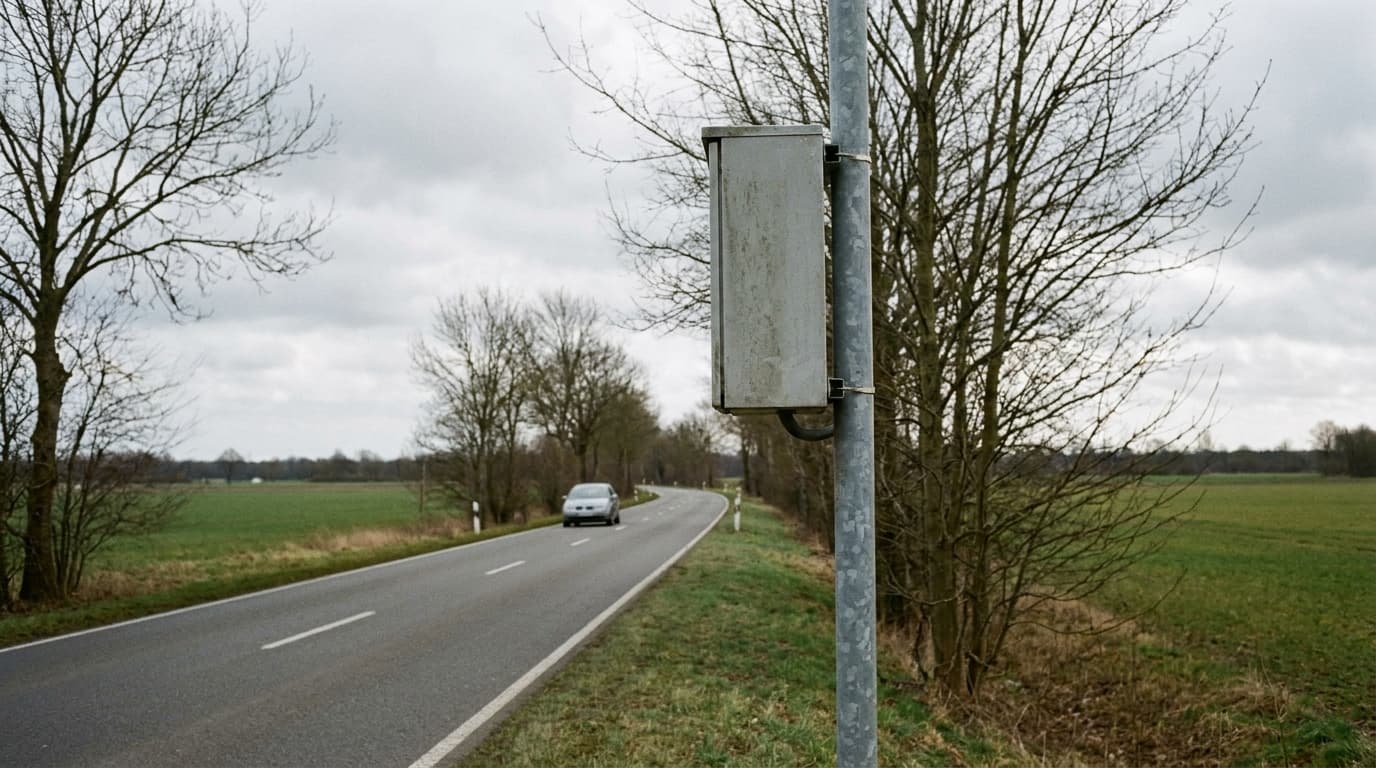
How German speed camera enforcement actually works: the Toleranzabzug is case law, not statute, the Anhörungsbogen, the two week Einspruch deadline under § 67 OWiG, and the Fahrtenbuchauflage risk of staying silent.

How spousal maintenance actually works in Germany: Trennungsunterhalt under § 1361 BGB during separation, nachehelicher Unterhalt after divorce, the 45 percent quota, the Selbstbehalt, and how the § 1609 ranking decides who gets paid first.

How the German Arbeitszeugnis actually works: the § 109 GewO rules, the grading phrases German labor courts recognize, who must prove what if a grade is disputed, and how to fix a damaging reference.

How Germany's Mietpreisbremse rent cap works under § 556d BGB, the Vormiete and new-build exceptions, the 2029 extension, and how a tenant reclaims rent paid above the cap.

How Germany's MPU, the medizinisch-psychologische Untersuchung often called the Idiotentest, works: alcohol and drug triggers, the Abstinenznachweis, cost, outcomes and its link to a court ordered Sperrfrist.

How the German Pflichtteil works: who is entitled under § 2303 BGB, why it is a money claim rather than a share of the estate, the § 2314 BGB information claim, and when it can be reduced, stripped, or waived.

How a German eviction lawsuit, the Räumungsklage, actually proceeds from termination to enforcement: why self-help eviction is unlawful, the Räumungsfrist, the Berliner Räumung, and hardship protection under § 765a ZPO.

Üble Nachrede under § 186 StGB: why a claim that is not demonstrably true is punishable, how that differs from § 187 and § 185 StGB, the penalties, and the three month deadline.

What § 142 StGB requires after an accident in Germany: the duty to wait or report, why a note is not enough, and the licence and insurance risks that follow.

How German child support law actually works: who owes Unterhalt under §§ 1601 ff. BGB, the Selbstbehalt that protects a paying parent's own income, the Mindestunterhalt schedule, and how an unpaid claim is enforced through the Jugendamt.

Subletting a German rental under § 540 and § 553 BGB: when a tenant can demand consent, the grounds a landlord can refuse on, and why there is no separate surcharge entitlement.

German consumer law explained: the two year Gewährleistung under § 438 BGB, the 14 day Widerrufsrecht under § 355 BGB, and what a filesharing Abmahnung really is.

What Verleumdung means under § 187 StGB: the knowledge of falsity element, the 2 year base and 5 year aggravated penalty tiers, and how it differs from § 186 and § 185 StGB.

What the Waffenschein and the kleiner Waffenschein each cover under German weapons law, the Bedürfnis requirement in § 8 WaffG, and the conditions in § 4 WaffG that separate the two permits.

How the German 14 day Widerrufsrecht works under §§ 355, 356 and 357 BGB: when the clock starts, how to withdraw, who pays return postage, Wertersatz, and why in-store purchases have no withdrawal right.

When may a German employer film staff? What § 26 BDSG still does after EuGH C-34/21, why § 87 Abs. 1 Nr. 6 BetrVG is often the real obstacle, and where monitoring stops.

How to make a legally valid will in Germany: the handwritten Testament under § 2247 BGB, the notarial alternative, the Berliner Testament and its binding-effect trap, revocation, and why a will cannot remove the Pflichtteil.