
Australia
South Australia Child Car Seat Laws: Fines, Demerit Points and Exemptions (2026)
Independently fact-checked against primary sources (last audited August 19, 2026). · 6 primary sources cited on this page. How we verify our legal content
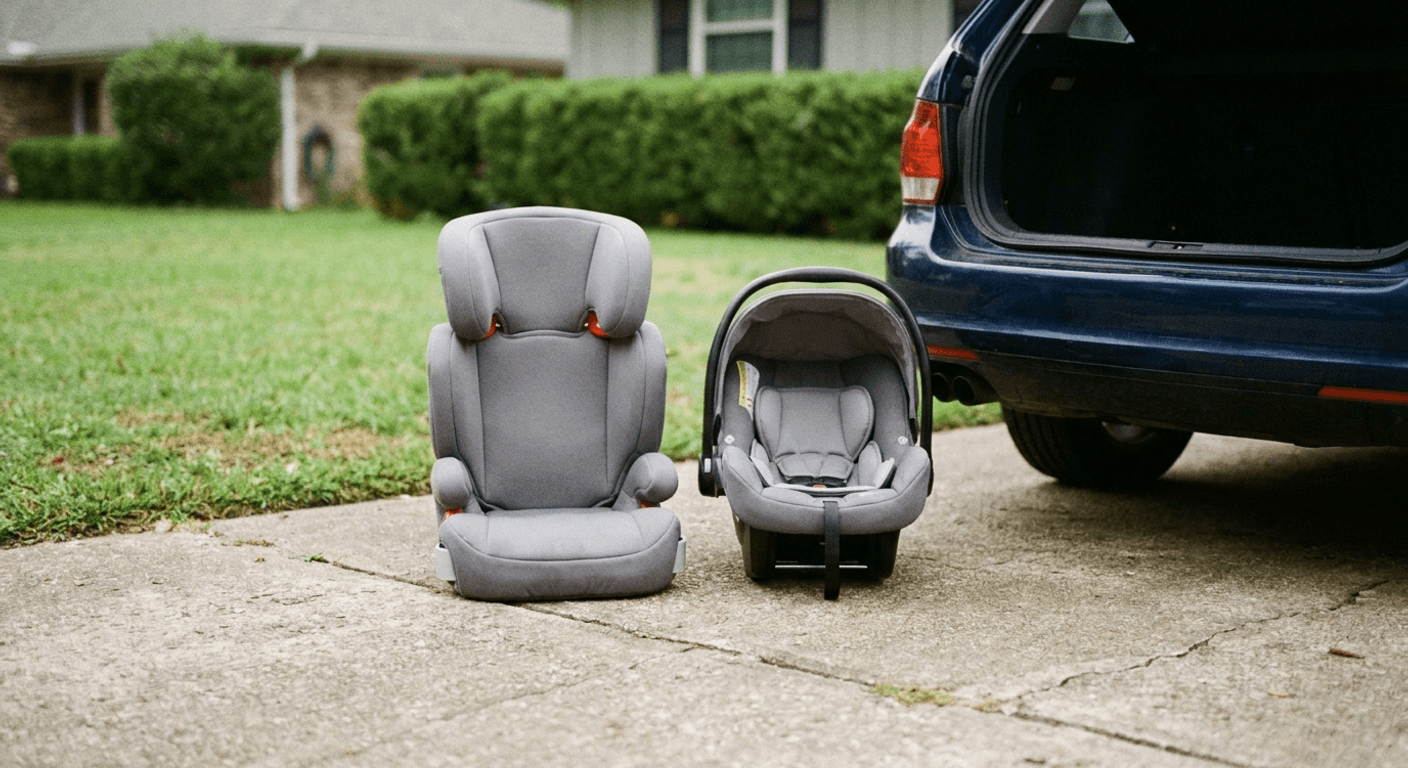
South Australia fines a driver $463 for not properly restraining one child under 16 in an approved car seat, rising to $547 if more than one child is unrestrained, under rule 266 of the Australian Road Rules as applied in South Australia through the Road Traffic Act 1961.
These figures are current as of the regulations' own August 2026 consolidated versions. South Australia, like the Northern Territory, applies the national Australian Road Rules directly rather than restating rule 266 in its own renumbered instrument; most other states and territories have enacted their own numbered or bespoke road-rules provisions. It applies the Rules by gazette notice, then layers local variations, exemptions and its expiation-fee schedule on top through a separate ancillary regulation. That structure matters for how the rule is cited and enforced, and is explained below.
How South Australia Applies the Child Restraint Rule
Unlike most other states covered in this cluster, South Australia has not enacted its own numbered Road Rules regulation. Instead, the operative rulebook is the Australian Road Rules itself, the same national model rules referenced on this site's child car seat laws in Australia page, gazetted for South Australia and applied under the Road Traffic Act 1961 (SA).
South Australia's own Road Traffic (Road Rules, Ancillary and Miscellaneous Provisions) Regulations 2014 layers local definitions, exemptions and cross-references on top of that national text. Regulation 35 of that instrument states that, for the purposes of rule 266, a booster seat, child restraint or child safety harness is approved if it is approved under the Road Traffic (Miscellaneous) Regulations 2014, which in turn requires compliance with AS/NZS 1754 and the prescribed certification mark.
Because South Australia applies rule 266 directly rather than rewording it into its own instrument, the age bands, restraint types and front-seat placement rules match the national model described on the anchor page: rear-facing restraint under 6 months, rear-facing or forward-facing with an inbuilt harness from 6 months to under 4 years, a forward-facing harness or booster seat from 4 to under 7 years, and an approved restraint or adult seatbelt from 7 to under 16 years. See that page for the full age-band table and the medical-exemption mechanics, which South Australia has not varied.
The Fine for an Unrestrained Child in South Australia
South Australia sets its child-restraint penalty as a flat expiation fee rather than a penalty-unit multiplier. Under rule 266(1) of the Australian Road Rules, applied via Schedule 4 of the Road Traffic (Miscellaneous) Regulations 2014:
- $463 for a failure involving one passenger under 16
- $547 for a failure involving more than one passenger under 16
These figures are current as of the regulation's own 2 July 2026 version stamp. The duty falls on the driver of the vehicle, who must ensure each passenger under 16 is restrained in accordance with the rule, not specifically on a parent who may be a passenger rather than the driver. No separate court-imposed maximum penalty for this offence was located in the instruments checked for this article; if one exists, it would sit in the Road Traffic Act 1961 itself.
Demerit Points
The same offence carries demerit points under Schedule 4 of the Motor Vehicles Regulations 2025, current as of its 1 August 2026 version stamp:
- 3 demerit points for one affected passenger
- 5 demerit points for more than one affected passenger
A separate line in the same schedule applies a flat 3 points to a narrower category of licence holder referenced under the Motor Vehicles Act 1959, which was not chased further for this article.
No Double Demerit Scheme
South Australia's current demerit-points regulation was searched in full for a double-demerit or long-weekend doubling mechanism of the kind New South Wales, Western Australia and the Australian Capital Territory run. None was found. This is a documented negative from the primary demerit instrument itself, not an inference from an absence of information on a website.
Taxi and Rideshare Exemptions
Regulation 66 of South Australia's Ancillary and Miscellaneous Provisions Regulations declares that, for the purposes of the Australian Road Rules, a vehicle is a taxi if it is licensed, or exempt from needing to be licensed, under Part 6 of the Passenger Transport Act 1994. That Part is titled "Taxis" specifically, and is separate from Part 4, the accreditation part that rideshare and booked-hire operators fall under.
Because the taxi declaration is scoped to Part 6 licensing, a rideshare vehicle such as an Uber, Didi or Ola car does not appear to qualify as a taxi for rule 266 purposes in South Australia. That means a rideshare driver in South Australia does not appear to get whatever restraint accommodation rule 266 gives a licensed taxi driver, and an ordinary private-motorist standard would apply instead. This is a structural inference drawn from the Passenger Transport Act's own Part 6 and Part 4 split, not a stated government FAQ answer, and it was not confirmed against the Passenger Transport Regulations 2009, which further define both terms and were not opened during this research.
Who Is Responsible
The duty to ensure a child under 16 is properly restrained sits with the driver of the vehicle. This applies whether or not the driver is the child's parent or guardian, and it applies to any driver, including a grandparent, family friend, rideshare driver or employer operating a work vehicle with a child passenger.
Getting a Car Seat Fitted or Checked in South Australia
South Australia's road-safety agency maintains guidance on car seats and fitting, but the page could not be reached for this article because of a bot-detection block that returned a CAPTCHA challenge rather than page content. Readers should check the South Australian government's current road-safety pages directly, or ask a retailer or fitting service to confirm AS/NZS 1754 compliance before relying on any fitting-station details not independently verified here.
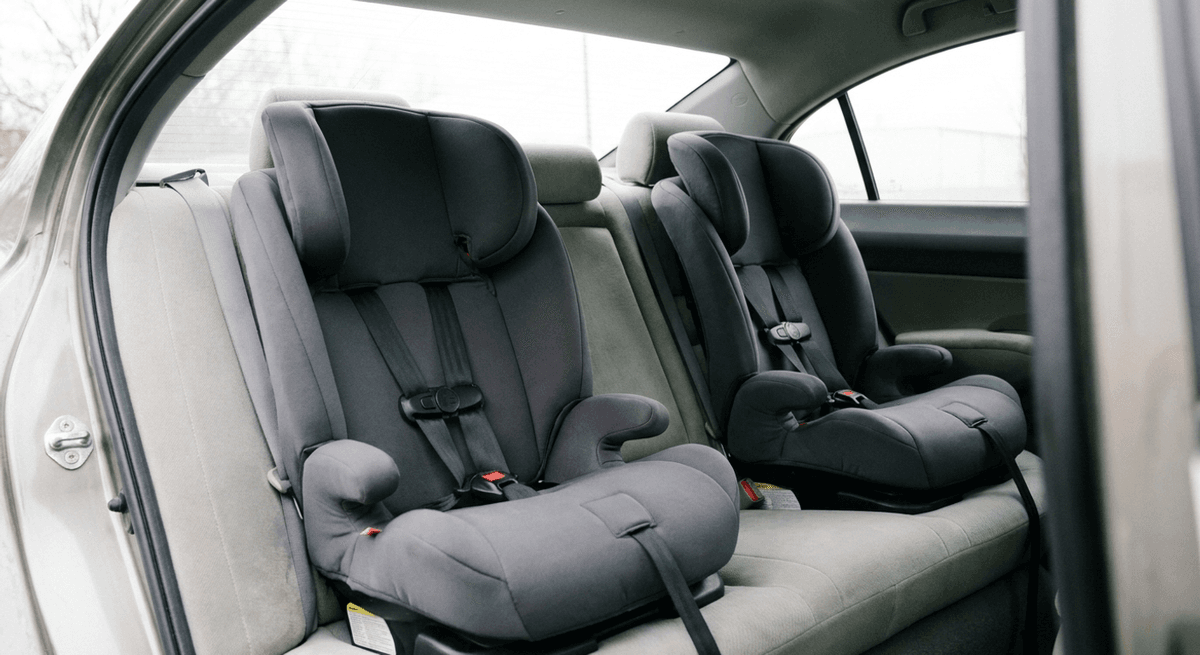
For the national age-band rules, AS/NZS 1754 restraint standard and a fine and demerit comparison across every state and territory, see child car seat laws in Australia. For South Australia's full demerit-points schedule, see South Australia demerit points, or return to the Australia driving laws hub.
Frequently Asked Questions
What is the fine for not restraining a child properly in South Australia?
South Australia's expiation fee is $463 for a failure involving one passenger under 16, or $547 if more than one passenger under 16 is unrestrained, current as of the regulation's 2 July 2026 version. The offence also carries 3 or 5 demerit points.
Does South Australia have double demerit periods for this offence?
No. A full-text search of South Australia's current demerit-points regulation found no double-demerit or holiday-period doubling mechanism for this or any other offence.
Are rideshare drivers like Uber exempt from South Australia's child restraint rule?
Rideshare vehicles do not appear to qualify as taxis under South Australia's law, because the taxi declaration is limited to Part 6 licensing under the Passenger Transport Act 1994, while rideshare operates under a separate Part 4 accreditation category. This is a structural inference, not a stated government ruling.
Who is legally responsible if a child is not restrained properly?
The driver of the vehicle. The rule places the duty on whoever is driving, not specifically on a parent, so it applies equally to a grandparent, rideshare driver or any other adult driving the child.
How does South Australia's child restraint law differ from other states?
South Australia applies the national Australian Road Rules directly by gazette instead of enacting its own renumbered road rules regulation, and layers its local exemptions, definitions and expiation-fee schedule on top through a separate ancillary regulation. The age bands and restraint types themselves match the national model.
Updates
Independently fact-checked against the cited primary sources
Sources and References
- Road Traffic (Road Rules, Ancillary and Miscellaneous Provisions) Regulations 2014, reg 35 (child restraint approval) and reg 66 (taxi declaration), South Australian Legislation(legislation.sa.gov.au).gov
- Road Traffic (Miscellaneous) Regulations 2014, Schedule 4 (expiation fees for rule 266) and reg 50 (restraint approval standard), South Australian Legislation(legislation.sa.gov.au).gov
- Motor Vehicles Regulations 2025, Schedule 4 (demerit points), South Australian Legislation(legislation.sa.gov.au).gov
- Passenger Transport Act 1994 (SA), Part 6 taxi licensing and Part 4 accreditation, South Australian Legislation(legislation.sa.gov.au).gov
- Australian Road Rules, current as at 9 June 2023, rule 266 (child restraints), Parliamentary Counsel's Committee(pcc.gov.au).gov
- Child restraints for use in motor vehicles mandatory standard (AS/NZS 1754), Australian Competition and Consumer Commission(productsafety.gov.au).gov