
Rhode Island
Rhode Island Open Container Law (2026): Statute and Penalty
Independently fact-checked against primary sources (last audited September 17, 2026). · 2 primary sources cited on this page. How we verify our legal content

Rhode Island bars a person from operating a motor vehicle on a public highway with any unsealed alcoholic beverage container inside the passenger section, under R.I. Gen. Laws Section 31-22-21.1. As of September 2026, that rule was confirmed against the state's own official code site. Unlike most states, Rhode Island's statute is written around the vehicle's operator rather than around every occupant individually.
Jurisdiction scope: This article addresses Rhode Island's state open container law, covering the operator-framed prohibition on unsealed containers in the passenger section, under R.I. Gen. Laws Section 31-22-21.1. It does not address DUI charges or municipal ordinances. For the full state-by-state comparison, see our open container laws guide. For Rhode Island's separate DUI penalties, see Rhode Island DUI laws, and for window tint rules, see Rhode Island window tint laws.
What Rhode Island's Open Container Law Prohibits
R.I. Gen. Laws Section 31-22-21.1 states that "no person shall operate a motor vehicle upon the public highways with any unsealed alcoholic beverage container within the passenger section of the vehicle." That wording ties the violation to the act of operating the vehicle: if an unsealed container is anywhere in the passenger section, the person driving is the one who violates the statute, regardless of who put the container there or who owns it.

An Operator-Framed Law, Not Clearly an Independent Passenger Offense
This is a real structural difference from most states in this dataset. Many peer states write their open container laws to reach "any occupant" or "any person" in the vehicle, creating an independent offense for a passenger who possesses their own open container even if the driver is not drinking. Rhode Island's statute is not written that way. Its text attaches liability to the operator based on what is present in the passenger section, and it does not clearly state that a passenger who possesses or drinks from their own unsealed container, on their own, commits a separate violation independent of the driver's conduct.

This is a genuine open interpretive question in the statute's own language: the statute attaches liability to the operator and does not expressly create an independent passenger offense. Whether Rhode Island case law or Attorney General guidance addresses a passenger's own conduct is outside the scope of this page. Readers should not treat this page as saying that Rhode Island bans passengers from having open containers in the same unqualified way as, for example, a state with a plain "any occupant" rule.
Rhode Island does have a real, current, statewide open container statute, with its own penalty schedule and Traffic Tribunal jurisdiction. It is not limited to municipal ordinances.
Exemptions
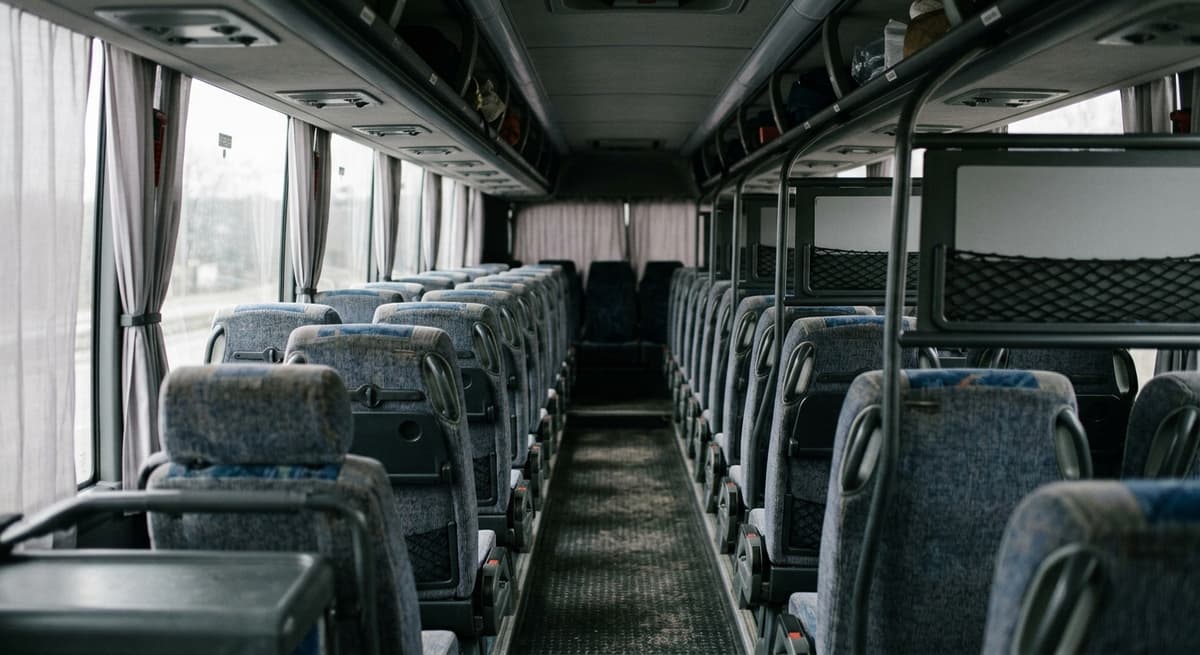
Section 31-22-21.1 exempts one situation, and it is narrower than most states' for-hire exemptions: the operator of a rented limousine or bus is exempt, but only if neither the operator nor any passenger under age 21 possesses an unsealed container. A standard for-hire exemption in most other states does not carry that rental condition or that under-21 condition.
Penalty
A violation is heard in Rhode Island's Traffic Tribunal. A first violation may draw a fine of up to $200, a license suspension of up to 6 months, or both. A subsequent violation may draw a fine of up to $500, a license suspension of up to 1 year, or both.
Federal Compliance
Federal law, 23 U.S.C. Section 154, conditions a share of a state's highway funding on having an open container law that bans both possession and consumption, covers the whole passenger area, reaches every occupant, and is primarily enforced. States that fall short have 2.5 percent of certain federal highway apportionments reserved and redirected to highway safety programs, under FHWA's annual apportionment notice. Rhode Island is not on FHWA's list of non-conforming states for fiscal year 2026 (FHWA Notice N4510.905, dated October 1, 2025).
Disclaimer: This article provides general legal information about open container laws in the United States as of September 2026. It is not legal advice. Open container statutes, exemptions, and penalties change; verify the current text of your state's law before relying on it, and consult a lawyer licensed in your state for advice about a specific situation.
Statutes cited reflect their in-force version as of 2026-09-16. Last updated: 2026-09-16.
Frequently Asked Questions
Can a passenger drink alcohol in a car in Rhode Island as long as the driver doesn't?
It is unclear from the statute's own text. R.I. Gen. Laws Section 31-22-21.1 is written around the person operating the vehicle, and it does not clearly create a separate offense for a passenger who possesses or drinks from their own unsealed container independent of the driver's conduct.
Does Rhode Island have a statewide open container law, or only local ordinances?
Rhode Island has a real, current, statewide statute, R.I. Gen. Laws Section 31-22-21.1, with its own penalty schedule and Traffic Tribunal jurisdiction. It is not limited to municipal ordinances.
What is the penalty for an open container violation in Rhode Island?
A first violation may draw a fine of up to $200, a license suspension of up to 6 months, or both. A subsequent violation may draw a fine of up to $500, a suspension of up to 1 year, or both.
Are limousine and bus passengers exempt from Rhode Island's open container law?
The operator of a rented limousine or bus is exempt, but only if neither the operator nor any passenger under 21 possesses an unsealed container.
Updates
Independently fact-checked against the cited primary sources
Sources and References
- R.I. Gen. Laws Section 31-22-21.1 - Alcoholic beverage containers in motor vehicles(webserver.rilegislature.gov).gov
- 23 U.S.C. Section 154(a) - Open container requirements(law.cornell.edu)
- FHWA Notice N4510.905 - FY2026 Apportionment of Federal-Aid Highway Program Funds (open container non-conforming states list)(highways.dot.gov).gov