
North Carolina
North Carolina Video Recording Laws: Public, Private, and Voyeurism Rules
Independently fact-checked against primary sources (last audited November 1, 2026). · Reviewed by the RecordingLaw editorial team. · Law checked current as of November 1, 2026. · 10 primary sources cited on this page. How we verify our legal content
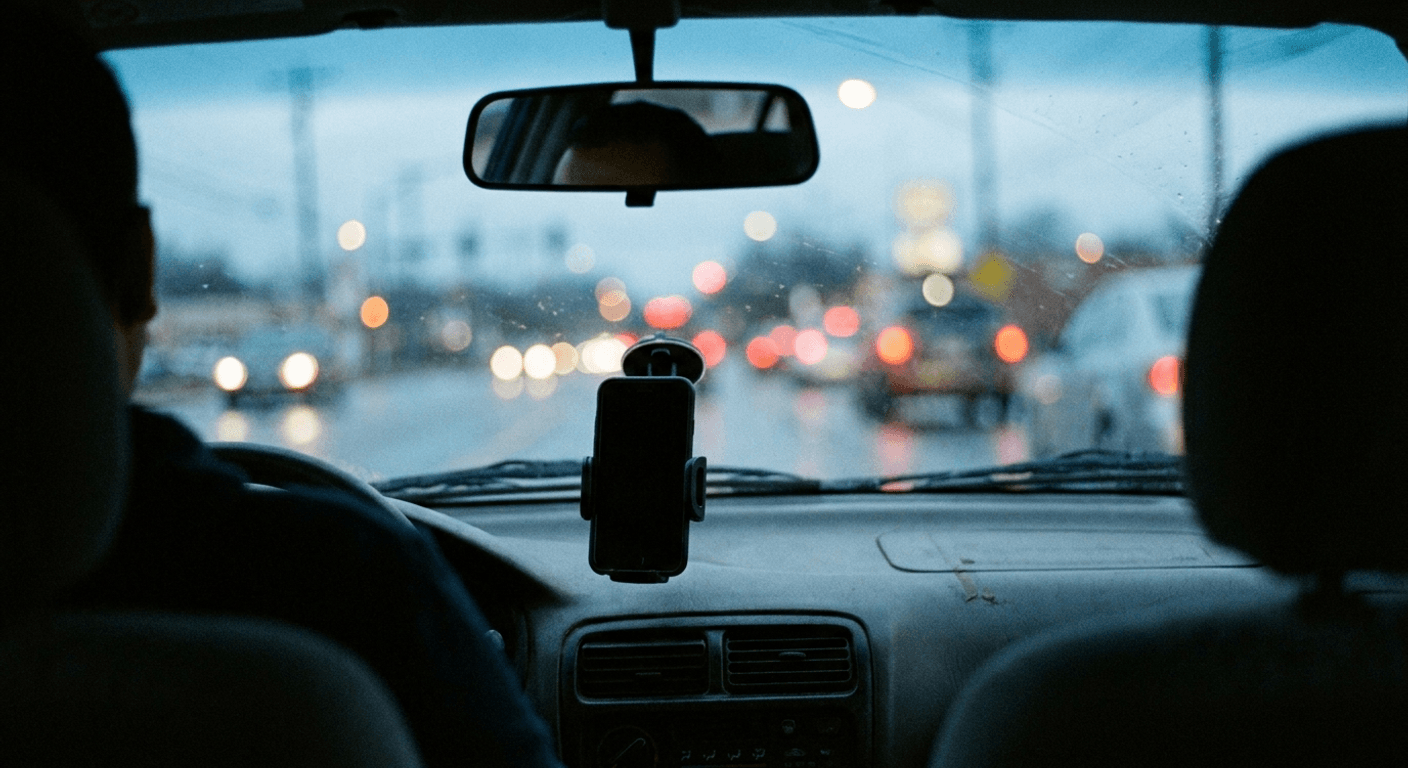
In North Carolina, video recording in public spaces is permitted where no reasonable expectation of privacy exists. When audio is captured, one-party consent applies under N.C. Gen. Stat. 15A-287. Secret video peeping in private spaces is a criminal offense under N.C. Gen. Stat. 14-202.
North Carolina takes a practical approach to video recording. The state has no blanket statute that prohibits video-only recording in public spaces. However, once audio enters the picture, North Carolina's one-party consent wiretapping law applies to the audio portion of any video recording. Separate statutes address voyeurism, hidden cameras, and the distribution of intimate images, creating a framework that balances the right to record with personal privacy protections.
This guide explains everything you need to know about video recording in North Carolina, covering public recording rights, private property rules, voyeurism laws, deepfake legislation, and how the audio component of video intersects with the state's wiretapping statute.
Video Recording in Public Spaces
Your Right to Record in Public
North Carolina places no general restriction on video recording in public spaces. You can freely use a camera, smartphone, or any other recording device to capture video in:

- Public streets, sidewalks, and parks
- Public transportation stations and vehicles
- Public areas of government buildings (courtrooms and secure areas can restrict recording)
- Public events, rallies, protests, and demonstrations
- Retail stores and shopping centers (subject to the owner's rules)
- Restaurants and other businesses open to the public
This broad right to record in public stems from the principle that people in public spaces have a reduced expectation of privacy. When you walk down a public street or attend a public event, you can reasonably expect that others may see and record your actions.
The Audio Component: One-Party Consent Rules
While video-only recording faces few restrictions in public, capturing audio alongside video triggers North Carolina's wiretapping statute. Under N.C. Gen. Stat. 15A-287, recording oral communications requires the consent of at least one party to the conversation.
In practice, this means:
- If you are recording video of a conversation you are participating in, the audio is legal under one-party consent
- If you are recording video of other people's private conversation from a distance, capturing their audio without consent from a participant could violate the wiretapping statute
- If you are recording video in a noisy public environment where no private conversations are distinguishable, the audio component is generally not an issue because there is no reasonable expectation of privacy
When recording video in public, many people keep the audio on without issue because ambient noise and the public setting typically negate any reasonable expectation of privacy. However, pointing a camera with a directional microphone at a private conversation between strangers could cross the legal line.
Video Recording on Private Property

Property Owner Rules
Private property owners in North Carolina set the rules for video recording on their premises. A business, homeowner, or organization can:
- Prohibit all video recording on their property
- Require permission before recording
- Restrict recording to certain areas
- Ask you to stop recording or leave the property
If a property owner asks you to stop recording and you refuse, the owner can tell you to leave, and if you stay after being told to leave, you can be charged with second degree trespassing under N.C. Gen. Stat. 14-159.13. The property owner's right to control recording on their property is separate from the state's wiretapping statute.
Residential Video Recording
Homeowners can install video cameras on their own property to monitor their home, yard, driveway, and other areas they own or control. There is no state law prohibiting residential security cameras in North Carolina, as long as the cameras:
- Do not look into rooms where others expect privacy (for example, a camera aimed into a neighbor's bedroom or bathroom window can violate the secret peeping statute, N.C. Gen. Stat. 14-202)
- Comply with any applicable HOA or community association rules
- Do not capture audio of conversations where the homeowner is not a participant (one-party consent still applies to audio)
Landlords who install cameras on rental properties face additional restrictions, which are covered in the landlord-tenant recording section.
North Carolina Voyeurism and Hidden Camera Laws
N.C. Gen. Stat. 14-202: Secret Peeping
North Carolina's primary voyeurism statute, N.C. Gen. Stat. 14-202, establishes a tiered system of offenses related to secret peeping and the use of cameras for voyeuristic purposes:
| Offense | Classification |
|---|---|
| Secretly peeping into a room occupied by another person | Class 1 Misdemeanor |
| Secretly peeping under or through the clothing of another person using a mirror or device, to view their body or undergarments without consent | Class 1 Misdemeanor |
| Secretly peeping into a room while possessing a camera or phone, with intent to take an image | Class A1 Misdemeanor |
| Using a device to photograph someone while secretly peeping into a room, for sexual arousal or gratification | Class I Felony |
| Knowingly creating a photographic image of another person's private area without consent, under circumstances of a reasonable expectation of privacy | Class I Felony |
| Secretly installing or using a camera in a room for a sexual purpose, intending to capture someone's image without consent | Class I Felony |
Repeat offenses move up a level: a second Class 1 misdemeanor conviction is punished as a Class A1 misdemeanor, a second Class A1 conviction as a Class I felony, and a second felony one class higher. For the felony offenses, and for a second misdemeanor conviction, the judge must consider whether the person should register as a sex offender.
The statute defines "room" broadly to include bedrooms, bathrooms, restrooms, showers, and dressing rooms. "Photographic image" covers any photograph, video, digital image, or live transmission.
Key Elements of the Voyeurism Offense
The elements depend on which part of N.C. Gen. Stat. 14-202 is charged:
- Basic secret peeping (subsection (a)): the defendant secretly peeped into a room occupied by another person
- Peeping with a camera (subsection (c)): the defendant secretly peeped into a room while holding a device that can take images, intending to take one (a Class A1 misdemeanor, not a felony)
- Photographing while peeping (subsection (d)) and hidden cameras (subsection (f)): the defendant used a camera while secretly peeping, or secretly installed or used a camera in a room, for the purpose of sexual arousal or gratification (Class I felonies)
- Private-area images (subsection (e1)): since December 1, 2025, the defendant, intending to capture an image of a person's naked or undergarment-clad private areas without consent, knowingly did so where the person reasonably expected privacy, in a public or private place (a Class I felony)
Secrecy matters for the peeping offenses: if the person knew they were being watched, subsections (a), (c), (d), and (f) may not apply. It is not an element of the (e1) felony, which turns on lack of consent and a reasonable expectation of privacy, or of possessing or sharing illegally obtained images. Harassment or stalking statutes can also apply.
Possessing and Distributing Voyeuristic Images
North Carolina law also addresses the possession and distribution of images obtained through voyeurism:
- Possession: Knowingly possessing an image the person knows, or has reason to believe, was obtained in violation of 14-202 is a Class I felony
- Distribution: Sharing images the person knows, or should have known, were obtained in violation of 14-202, without the consent of the person shown, is a Class H felony
These provisions target both the person who captured the images and anyone who later shares them, creating liability at every stage of the distribution chain.
Nonconsensual Intimate Images ("Revenge Porn")
N.C. Gen. Stat. 14-190.5A
North Carolina enacted N.C. Gen. Stat. 14-190.5A to address the distribution of private intimate images without consent. Under this statute, it is a Class H felony for an adult to knowingly disclose an intimate image when (a first offense by someone under 18 is a Class 1 misdemeanor):
- The person depicted did not consent to the disclosure
- The person disclosing the image knew or should have known the depicted person expected the images to remain private
- The disclosure was made with intent to coerce, harass, intimidate, demean, humiliate, or cause financial loss to the depicted person
Victims can also sue for actual damages of at least $1,000 per day of the violation or $10,000, whichever is higher, plus punitive damages and attorney's fees. The suit must be filed within one year after the victim first discovers the disclosure, and never more than seven years after the most recent disclosure.
Deepfake and AI-Generated Intimate Images (2024)
In 2024, Session Law 2024-37 (H.B. 591), effective December 1, 2024, expanded N.C. Gen. Stat. 14-190.5A so that a realistic image created or altered by technology, including artificial intelligence, counts as a covered image when a reasonable person would believe it shows an identifiable individual. As a result:
- Knowingly sharing a deepfake intimate image of an identifiable person without their affirmative consent, with intent to coerce, harass, intimidate, demean, humiliate, or cause financial loss, is covered by the same Class H felony for an adult offender
- The victim can bring the same civil suit, subject to the same one-year-from-discovery deadline
The statute targets disclosure. Creating an adult deepfake without sharing it is not itself a crime under 14-190.5A. The same act separately made it a felony to produce, distribute, or possess obscene material depicting a minor engaged in sexual activity, whether or not the minor actually exists (N.C. Gen. Stat. 14-190.17C).
Video Recording in Specific Locations
Bathrooms, Locker Rooms, and Changing Areas
A camera in a bathroom, shower, locker room, changing room, or guest bedroom is very likely to be a crime in North Carolina. Under N.C. Gen. Stat. 14-202, knowingly capturing an image of someone's naked or undergarment-clad private areas without consent where they expect privacy is a Class I felony, secretly installing a camera in such a room for a sexual purpose is also a Class I felony, possessing such images is a Class I felony, and sharing them is a Class H felony.
These rules apply to everyone, whether you are a homeowner with a camera in a guest bathroom, an employer with a camera in workplace restrooms, or a stranger in a public restroom. Prosecutors must prove the intent each offense requires, but the safe rule is simple: keep cameras out of these spaces entirely.
Hotels and Airbnb Properties
Guests in hotels and vacation rental properties have a reasonable expectation of privacy in their rented rooms. Property owners and hosts should never place hidden cameras in guest bedrooms, bathrooms, or other private spaces. A hidden camera there that captures guests undressed, or that was installed for a sexual purpose, is a felony under N.C. Gen. Stat. 14-202, and guests can sue for actual and punitive damages and attorney's fees.
Cameras in common areas of a hotel (lobbies, hallways, parking garages) are generally permissible when posted signage notifies guests of the surveillance.
Places of Worship
Places of worship set their own policies on video recording. Many churches and religious organizations allow recording of services and events, while others restrict it. The property owner's rules govern. If you keep recording, you can be asked to leave, and staying after being told to leave can be charged as second degree trespassing under N.C. Gen. Stat. 14-159.13.
Courts and Government Buildings
North Carolina courts may restrict video recording inside courtrooms. Individual judges have discretion to allow or prohibit recording during proceedings. Government buildings that are open to the public generally permit recording in public areas, but secure areas (law enforcement offices, DMV counters) may have specific restrictions.
Video Recording and Consent Forms
If you are recording someone's likeness for commercial or business purposes, you should obtain proper consent. A photo or video consent form documents the person's agreement to be recorded and specifies how the recording can be used. Consent forms are particularly important for:
- Commercial photography and videography
- Marketing and advertising materials
- Documentary filmmaking
- Social media content creation involving identifiable individuals
- Event photography at private venues
While North Carolina does not have a specific "right of publicity" statute, common law principles protect individuals from unauthorized commercial use of their likeness.
Using Video Recordings as Evidence
Admissibility in Court
Video recordings are generally admissible as evidence in North Carolina courts if they meet standard evidentiary requirements:
- Authentication: The recording must be shown to be an accurate representation of what it purports to depict
- Relevance: The video must be relevant to the issues in the case
- Not unfairly prejudicial: The court can exclude it if its value as evidence is substantially outweighed by the risk of unfair prejudice
- Legally obtained: Video obtained through illegal means (voyeurism, trespass) may be excluded
Best Practices for Evidentiary Video
If you are recording video that may later be used as evidence:
- Keep the original file unedited and intact
- Record the date, time, and location immediately
- Store the original securely with backup copies
- Do not post the video on social media before legal proceedings
- Consult with an attorney about proper handling and presentation
Penalties Summary
| Offense | Statute | Classification |
|---|---|---|
| Illegal wiretapping (audio in video) | N.C. Gen. Stat. 15A-287 | Class H Felony |
| Secret peeping | N.C. Gen. Stat. 14-202(a) | Class 1 Misdemeanor |
| Secret peeping into a room with a camera, intending to take an image | N.C. Gen. Stat. 14-202(c) | Class A1 Misdemeanor |
| Secret peeping with camera for sexual purpose | N.C. Gen. Stat. 14-202(d) | Class I Felony |
| Capturing a private-area image without consent where privacy is expected | N.C. Gen. Stat. 14-202(e1) | Class I Felony |
| Secretly installing a camera in a room for a sexual purpose | N.C. Gen. Stat. 14-202(f) | Class I Felony |
| Possessing voyeuristic images | N.C. Gen. Stat. 14-202(g) | Class I Felony |
| Distributing voyeuristic images | N.C. Gen. Stat. 14-202(h) | Class H Felony |
| Distributing nonconsensual intimate images | N.C. Gen. Stat. 14-190.5A | Class H Felony (adult offender; a first offense under 18 is a Class 1 Misdemeanor) |
North Carolina Recording Laws by Topic
Phone Call Recording | Audio Recording | Video Recording | Workplace Recording | Recording Police | Security Cameras | Recording in Public | Landlord-Tenant | Dashcam Laws | Schools | Medical Recording | Voyeurism & Hidden Cameras
Back to North Carolina Recording Laws
More North Carolina Recording Topics
More North Carolina Laws
- North Carolina AI Meeting Recording Laws
- North Carolina Dashcam Laws
- North Carolina Data Privacy Laws
- North Carolina Deepfake Laws
- North Carolina Employee Monitoring Laws
- North Carolina GPS Tracking Laws
- North Carolina Police Bodycam Laws
- North Carolina Smart Glasses Recording Laws
Frequently Asked Questions
Is it legal to record video in public in North Carolina?
Yes. North Carolina has no general prohibition on video recording in public spaces. You can record on public streets, sidewalks, parks, and at public events. However, the audio component of your video must comply with the one-party consent wiretapping law (N.C. Gen. Stat. 15A-287), meaning you should not deliberately capture other people's private conversations.
Can I install security cameras on my home in North Carolina?
Yes. Homeowners can install video cameras on their property to monitor their home, yard, and driveway. Cameras should not be pointed into areas where neighbors have a reasonable expectation of privacy (such as directly into bedroom windows). If cameras capture audio, the one-party consent rule applies. Also check any HOA rules that may regulate camera placement.
What is the penalty for voyeurism in North Carolina?
Penalties range from a Class 1 misdemeanor for basic secret peeping to Class I felonies for using a device to photograph someone for sexual gratification while secretly peeping, secretly installing a camera in a room for a sexual purpose, or knowingly capturing an image of a person's private areas without consent where they expect privacy. Possessing images obtained in violation of the statute is a Class I felony, and sharing them is a Class H felony. Repeat convictions are punished one level higher. These offenses are prosecuted under N.C. Gen. Stat. 14-202.
Is it illegal to share intimate photos of someone without their consent in North Carolina?
Yes. Under N.C. Gen. Stat. 14-190.5A, knowingly disclosing private intimate images without the depicted person's consent is a Class H felony for an adult offender when done with intent to coerce, harass, intimidate, demean, humiliate, or cause financial loss to the depicted person. North Carolina also enacted deepfake legislation in 2024 (Session Law 2024-37, effective December 1, 2024) that extends these protections to AI-generated intimate content.
Can I record video inside a business in North Carolina?
It depends on the business owner's rules. Private businesses can prohibit video recording on their premises. A no-recording sign or a request to stop recording sets the business's rules but is not a crime by itself; if you are told to leave and you stay, you can be charged with second degree trespass under N.C. Gen. Stat. 14-159.13. In businesses open to the public that allow recording, you can generally record video in common areas, subject to the business's rules.
Updates
Clarified that ignoring a no-recording sign is not itself a crime; staying after being told to leave is second degree trespass under G.S. 14-159.13.
We corrected the deepfake section to explain that G.S. 14-190.5A punishes sharing realistic AI-generated intimate images, not creating them; corrected the elements of the secret peeping statute (G.S. 14-202), including that camera possession while peeping is a misdemeanor and that the private-area felony added December 1, 2025 has no secrecy element; added the hidden-camera felony, repeat-offense rules and the 14-190.5A civil deadline; and clarified that refusing to stop recording is trespass only if you stay after being told to leave, and that courtrooms restrict cameras. Corrected the places-of-worship trespass statement (trespass requires staying after being told to leave), restored the intent-to-take-an-image element and other missing elements in the 14-202 penalty tables, fixed the Rule 403 prejudice standard, and listed every intent covered by 14-190.5A.
Independently fact-checked against the cited primary sources; governing law re-checked for recent changes
Corrected the enactment year of North Carolina's AI-generated and deepfake intimate-image law from 2025 to 2024 (Session Law 2024-37, effective December 1, 2024).
Independently fact-checked against the cited primary sources; governing law re-checked for recent changes
Corrected two dead/wrong N.C. Gen. Stat. 14-202 subsection citations in the Penalties Summary table (possession is (g), not the repealed (e); dissemination is (h), not (f)), and fixed a fabricated offense row in the Secret Peeping table that conflated the clothing-peeping misdemeanor with a nonexistent device-plus-clothing felony -- the actual felony (14-202(e1)) covers any nonconsensual image of a private area, not clothing specifically.
Governing law re-checked for recent changes
Fixed ncleg.net URLs to ncleg.gov (11 occurrences).
Reviewed and approved by an editor
The Law Behind This Article
This article rests on the statutory provisions below, held in our own legal record and retrieved from the official source. Tap a section to read the operative text.
North Carolina General Statutes, Chapter 14: Criminal Law.
§ 14-202Secretly peeping into room occupied by another personIn forcecited in 13 of our articles
(a) Any person who shall peep secretly into any room occupied by another person shall be guilty of a Class 1 misdemeanor. (a1) Unless covered by another provision of law providing greater punishment, any person who secretly or surreptitiously peeps underneath or through the clothing being worn by another person, through the use of a mirror or other device, for the purpose of viewing the body of, or the undergarments worn by, that other person without their consent shall be guilty of a Class 1 misdemeanor. (b) The following definitions apply in this section: (1) Photographic image. - Any photograph or photographic reproduction, still or moving, or any videotape, motion picture, or live television transmission, or any digital image of any individual. (2) Private area of an individual. - The naked or undergarment clad genitals, pubic area, buttocks, or female breast of that individual. (3) Room. - Includes, but is not limited to, a bedroom, a rest room, a bathroom, a shower, a dressing room, a dressing stall, a cubicle, or other similar area designed to provide privacy. (4) Under circumstances in which that individual has a reasonable expectation of privacy.
Official text (excerpt) · last checked 2026-07-29 · Read the full text in our law library · Verify at ncleg.gov
Cited in 17 court opinions in our collectionLatest citing opinion in our collection: 2026
In the courts (editorial summary, independently checked):In Matter of Banks (1978) the North Carolina Supreme Court upheld G.S. 14-202 against vagueness and overbreadth challenges, reading secret peeping to require spying intended to invade the occupant's privacy. State v. Pell (2011) applied its sex offender registration provision and reversed an order unsupported by evidence.
Opinions citing this section in our collection:
- Matter of Banks (Supreme Court of North Carolina 1978, 295 N.C. 236)✓A trial judge held the secret peeping statute unconstitutional. The court reversed, construing the statute to reach only spying done with the wrongful purpose of invading the occupant's privacy, and held it was neither impermissibly vague nor overbroad on that reading.
- State v. Breathette (Court of Appeals of North Carolina 2010, 202 N.C. App. 697)“…any child of either sex under the age of 16 years. N.C. Gen. Stat. § 14-202 .l(a)(l)-(2). The statute is unambiguou…”
- State v. Pell (Court of Appeals of North Carolina 2011, 211 N.C. App. 376)✓A man pleaded guilty to eight counts of felony secret peeping and was ordered onto the sex-offender registry. The court held the danger-to-the-community standard in this section is not vague, but reversed the registration order because the risk evidence did not support it.
Identified automatically from the court opinions citing this section — not a ranking of which case controls.
Also relied on in: North Carolina Smart Glasses Recording Laws 2026, North Carolina Recording Laws (2026): One-Party Consent Rules, North Carolina Audio Recording Laws: One-Party Consent Rules
§ 14-190.5ADisclosure of private images; civil actionIn forcecited in 6 of our articles
(a) Definitions. - The following definitions apply in this section: (1) Disclose. - Transfer, publish, distribute, or reproduce. (2) Image. - A photograph, film, videotape, recording, live transmission, digital or computer-generated visual depiction, including a realistic visual depiction created, adapted, or modified by technological means, including algorithms or artificial intelligence, such that a reasonable person would believe the image depicts an identifiable individual, or any other reproduction that is created, adapted, or modified by electronic, mechanical, or other means. (3) Intimate parts. - Any of the following naked human parts: (i) male or female genitals, (ii) male or female pubic area, (iii) male or female anus, or (iv) the nipple of a female over the age of 12. (4), (5) Repealed by Session Laws 2017-93, s. 1, effective December 1, 2017, and applicable to offenses committed on or after that date. (6) Sexual conduct. - Includes any of the following: a. Vaginal, anal, or oral intercourse, whether actual or simulated, normal or perverted. b. Masturbation, excretory functions, or lewd exhibition of uncovered genitals. c.
Official text (excerpt) · last checked 2026-07-29 · Read the full text in our law library · Verify at ncleg.gov
Also relied on in: North Carolina Voyeurism and Hidden Camera Laws: Offenses and Penalties, North Carolina AI Laws: Enacted and What's Next (2027), North Carolina Deepfake Laws: AI Images, Voice Cloning & Penalties (2026)
North Carolina General Statutes, Chapter 15A: Criminal Procedure Act.
§ 15A-287Interception and disclosure of wire, oral, or electronic communications prohibitedIn forcecited in 18 of our articles
(a) Except as otherwise specifically provided in this Article, a person is guilty of a Class H felony if, without the consent of at least one party to the communication, the person: (1) Willfully intercepts, endeavors to intercept, or procures any other person to intercept or endeavor to intercept, any wire, oral, or electronic communication. (2) Willfully uses, endeavors to use, or procures any other person to use or endeavor to use any electronic, mechanical, or other device to intercept any oral communication when: a. The device is affixed to, or otherwise transmits a signal through, a wire, cable, or other like connection used in wire communications; or b. The device transmits communications by radio, or interferes with the transmission of such communications.
Official text (excerpt) · last checked 2026-07-29 · Read the full text in our law library · Verify at ncleg.gov
Cited in 12 court opinions in our collectionLatest citing opinion in our collection: 2026
In the courts (editorial summary, independently checked):North Carolina courts apply Section 15A-287 to private recording. Kroh v. Kroh (2002) held it reaches one spouse's nonconsensual audio recording of the other in the family home, not video without sound, and adopted vicarious consent by a custodial parent. State v. McGriff (2002) held interception is not willful absent a bad purpose.
Opinions citing this section in our collection:
- State v. McGriff (Court of Appeals of North Carolina 2002, 151 N.C. App. 631)✓A neighbor's cordless phone picked up a call in which a girl said McGriff had tried to force oral sex on her, and she listened about an hour; the court held listening out of concern for a minor was not willful interception under Section 15A-287(a)(1), so the evidence came in.
- Wright v. TOWN OF ZEBULON (Court of Appeals of North Carolina 2010, 202 N.C. App. 540)✓A police chief hid a transmitter under a sergeant's patrol car seat to test whether he tipped off drug dealers; the court affirmed summary judgment on his Section 15A-287(a)(1) claim, finding the public safety purpose meant the interception was not willful.
- Kroh v. Kroh (Court of Appeals of North Carolina 2002, 152 N.C. App. 347)“…rs to intercept, . . . any . . . oral . . . communication.” G.S. § 15A-287(a)(l). An “oral communication” includes…”
Identified automatically from the court opinions citing this section — not a ranking of which case controls.
Also relied on in: North Carolina Dashcam Laws: Mounting, Recording, and Evidence Rules, North Carolina Landlord-Tenant Recording Laws: Cameras and Consent, North Carolina Medical Recording Laws: Patient Rights and Provider Rules
§ 15A-296Recovery of civil damages authorizedIn forcecited in 9 of our articles
(a) Any person whose wire, oral, or electronic communication is intercepted, disclosed, or used in violation of this Article, has a civil cause of action against any person who intercepts, discloses, uses, or procures any other person to intercept, disclose, or use such communications, and is entitled to recover from any other person: (1) Actual damages, but not less than liquidated damages, computed at the rate of one hundred dollars ($100.00) a day for each day of violation or one thousand dollars ($1,000), whichever is higher; (2) Punitive damages; and (3) A reasonable attorneys' fee and other litigation costs reasonably incurred. (b) Good faith reliance on a court order or on a representation made by the Attorney General or a district attorney is a complete defense to any civil or criminal action brought under this Article.
Official text (excerpt) · last checked 2026-07-29 · Read the full text in our law library · Verify at ncleg.gov
Cited in 4 court opinions in our collectionLatest citing opinion in our collection: 2026
Opinions citing this section in our collection:
- Kroh v. Kroh (Court of Appeals of North Carolina 2002, 152 N.C. App. 347)“…nce Act and awarded $1,000.00 in compensatory damages under G.S. § 15A-296. Following a bench trial on the remaini…”
- Riddick v. Gates Cnty. (Court of Appeals of North Carolina 2026)“…in the Board of Elections.” Plaintiff sues pursuant to N.C.G.S. § 15A-296, which creates a civil cause of action…”
- Wright v. TOWN OF ZEBULON (Court of Appeals of North Carolina 2010, 202 N.C. App. 540)“…damages, attorney’s fees, and associated litigation costs. N.C. Gen. Stat. § 15A-296(a) (2009); Kroh v. Kroh,…”
Identified automatically from the court opinions citing this section — not a ranking of which case controls.
Also relied on in: North Carolina Phone Call Recording Laws: What You Need to Know, North Carolina Workplace Recording Laws: Employee and Employer Rights, North Carolina AI Meeting Recording Laws (2026)
Explore the law
This article also draws on these acts and chapters (opening at their first section): North Carolina General Statutes, Chapter 15A: Criminal Procedure Act. § 15A-101 (Definitions)
Related law for further reading — not part of this article’s citations.
Sources and References
- N.C. Gen. Stat. Chapter 15A, Article 16 - Electronic Surveillance(ncleg.gov).gov
- N.C. Gen. Stat. 15A-287 - Interception and Disclosure Prohibited(ncleg.net).gov
- N.C. Gen. Stat. 14-202 - Secretly Peeping into Room(ncleg.net).gov
- N.C. Gen. Stat. 14-190.5A - Disclosure of Private Images(ncleg.net).gov
- N.C. Gen. Stat. 15A-296 - Civil Remedies for Illegal Interception(ncleg.net).gov
- NC Courts Structured Sentencing Punishment Grids(nccourts.gov).gov
- N.C. Gen. Stat. 15A-287 - Interception and Disclosure Prohibited(ncleg.gov).gov
- N.C. Gen. Stat. 14-202 - Secretly Peeping into Room(ncleg.gov).gov
- N.C. Gen. Stat. 14-190.5A - Disclosure of Private Images(ncleg.gov).gov
- N.C. Gen. Stat. 15A-296 - Civil Remedies for Illegal Interception(ncleg.gov).gov