
Hawaii
Hawaii Dog Bite Laws: Liability and Victim Rights
Independently fact-checked against primary sources (last audited August 23, 2026). · Reviewed by the RecordingLaw editorial team. · Law checked current as of August 23, 2026. · 8 primary sources cited on this page. How we verify our legal content
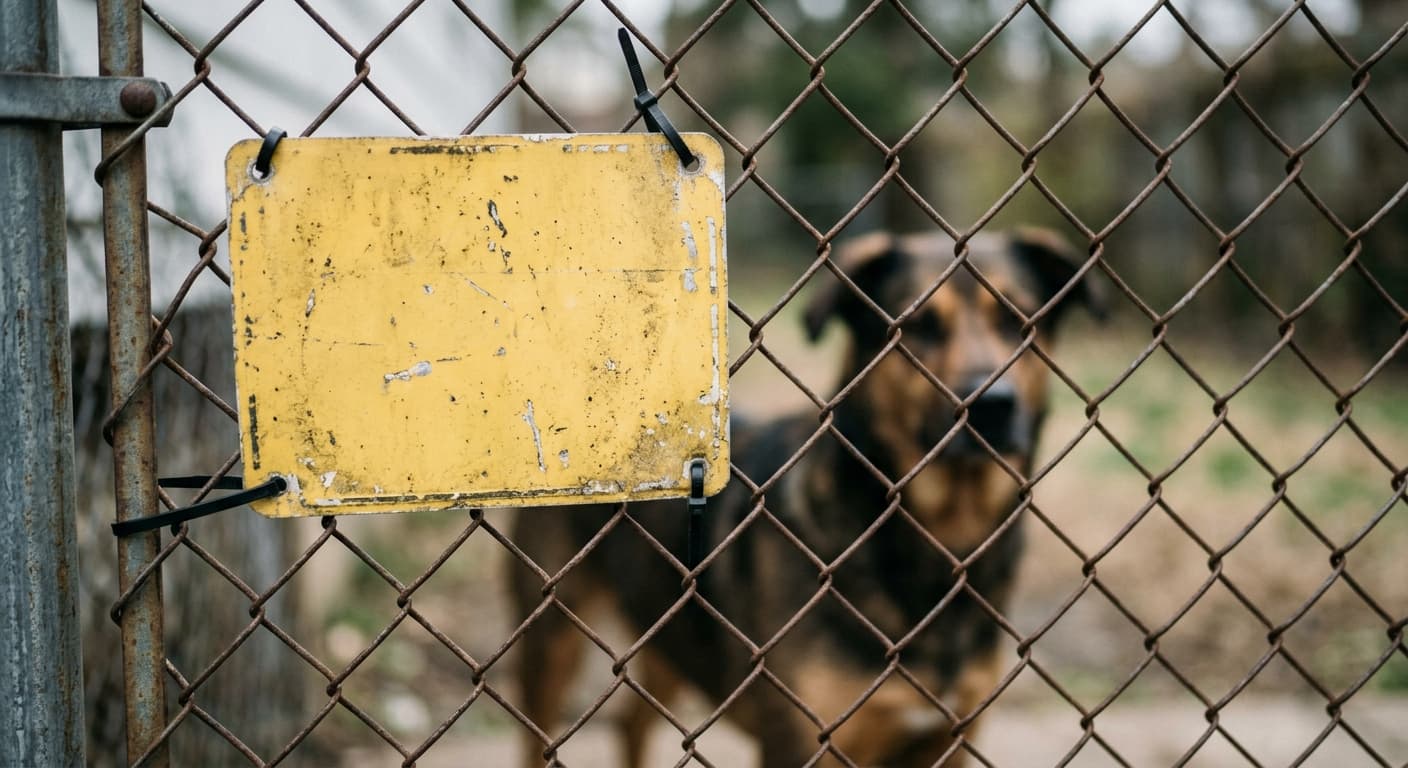
Under HRS 663-9, Hawaii holds dog owners liable for bite injuries without requiring proof that the owner knew the dog was dangerous. The Hawaii Court of Appeals confirmed in Hubbell v. Iseke (1986) that the statute removes the scienter requirement from negligence claims while stopping short of true strict liability.
Estimate your claim: Use our free Hawaii Dog Bite Settlement Calculator to see a rough settlement range based on the medical bills, the bite location, the victim's age, and Hawaii's liability rule.
Understanding Hawaii Dog Bite Laws
Hawaii's dog bite laws create a framework that holds dog owners accountable when their animals injure someone. The primary statute governing animal owner liability is HRS 663-9, which eliminates the need for a victim to prove the owner knew the dog was dangerous.
In 2024, Hawaii significantly strengthened its dangerous dog laws through Act 224 (HB 2058), now codified as Part III of chapter 711 at HRS 711-1140 to 711-1148, which created new criminal penalties for owners who fail to control dangerous dogs. These changes took effect in two phases during 2024 and 2025.
This guide covers everything you need to know about Hawaii's dog bite liability rules, owner responsibilities, victim rights, criminal penalties, and how to file a claim.
How Liability Works Under HRS 663-9
Many sources describe Hawaii as a "strict liability" state for dog bites, but that label is misleading. The Hawaii Court of Appeals clarified the law in Hubbell v. Iseke, 6 Haw. App. 485, 727 P.2d 1131 (1986). The case note published with the official text of HRS 663-9 states the holding directly: "Subsection (b) does not impose strict liability on dog owners."

The court held that HRS 663-9 does not create true strict liability for dog bite injuries. Instead, it removes the scienter requirement from negligence claims. This means a victim does not need to prove the owner knew the dog was vicious or dangerous, but the victim still needs to show the owner acted unreasonably.
What the Statute Actually Says
HRS 663-9 contains two subsections with different liability standards:
| Subsection | Applies To | Liability Standard |
|---|---|---|
| 663-9(a) | Any animal owner or harborer | Liable for damages regardless of lack of knowledge about vicious propensities |
| 663-9(b) | Owners of animals known to be dangerous, wild, or vicious by species or nature | Absolutely liable for damages |
Under subsection (a), a dog bite victim can pursue a negligence claim without proving the owner had prior knowledge of the dog's dangerous tendencies. Under subsection (b), owners of animals known to be inherently dangerous face absolute liability.
What Victims Must Prove
To recover damages in a Hawaii dog bite case, the victim generally needs to establish:
- The defendant owned or harbored the dog
- The dog caused the victim's injuries
- The owner's conduct was unreasonable under the circumstances
- The victim was lawfully present where the bite occurred
The victim does not need to show that the owner knew the dog had bitten someone before or that the dog had a history of aggression.
Statutory Exceptions Under HRS 663-9.1
HRS 663-9.1 provides specific exceptions where a dog owner is not liable for civil damages.
Trespasser Exception
An owner or harborer is not liable if the injured person entered or remained on the premises unlawfully. A person "enters or remains unlawfully" when they are not licensed, invited, or otherwise privileged to be on the property.
Posting warnings that are "reasonably adequate" to alert others about an animal on the premises can help establish that a visitor was not privileged to enter.
For unimproved and apparently unused land that is not fenced or enclosed, a person is considered to have a license to enter unless notice against trespass has been personally communicated or posted in a conspicuous manner.
Provocation Exception
An owner is not liable when the dog caused damage "as a proximate result of being teased, tormented, or otherwise abused" without the negligence, direction, or involvement of the owner or harborer.
The provocation must be sufficient to cause a normally calm dog to react. Minor or accidental contact with a dog typically does not qualify as provocation.
Justified Use Exception
No liability attaches when the use of an animal to cause damage was justified under HRS Chapter 703, Hawaii's general provisions on justification.
Dog Owner Responsibilities in Hawaii
Hawaii law imposes several duties on dog owners to protect the public.

Duty After a Bite (HRS 142-75)
Under HRS 142-75, the owner of any dog that has bitten a human being must take "such reasonable steps as are necessary to prevent the recurrence of such incident." This creates an ongoing legal duty once a bite has occurred.
County-Level Regulations
HRS 142-75 also authorizes each county to enact and enforce ordinances regulating dog owners whose dogs have bitten, injured, or maimed a person. Hawaii's four counties each have their own animal control ordinances:
- Honolulu (City and County): Chapter 12 of the Revised Ordinances of Honolulu governs dangerous dog complaints, enforced by the Honolulu Police Department
- Hawaii County (Big Island): Chapter 4 of the Hawaii County Code includes Division 3 on Dangerous Dogs
- Maui County: Title 6 of the Maui County Code addresses animal regulations
- Kauai County: Local ordinances regulate dangerous dogs and animal control
General Owner Obligations
- License and microchip: Under HRS 143-2, it is unlawful to own or harbor a dog unless the dog is licensed and has been implanted with a microchip, although counties may modify or dispense with the licensing requirement by ordinance and the chapter does not apply to dogs under three months old. HRS 143-2.2 requires the owner to register the microchip number and the owner's contact information with a microchip registration company, and to update that information within 30 days of any change
- Leash laws: Most Hawaii counties require dogs to be leashed in public areas
- Confinement: Dogs must be securely confined on the owner's property
- Rabies vaccination: Not a state law requirement for dogs already living in Hawaii. Chapter 143 of the Hawaii Revised Statutes contains no vaccination section. Hawaii is rabies-free, and the state's rabies vaccination and FAVN blood test rules are import and quarantine requirements administered by the Hawaii Department of Agriculture Animal Quarantine Branch for dogs and cats being brought into the state
- Warning signs: An owner whose dog has been declared dangerous must post the signs provided by the animal control authority under HRS 711-1142
Violating these requirements can strengthen a victim's negligence claim and may result in additional penalties.
Act 224: Hawaii's 2024 Dangerous Dog Law
In 2024, Governor Josh Green signed Act 224 (HB 2058) into law, significantly expanding criminal penalties for dangerous dog owners. The act is codified at HRS 711-1140 to 711-1148, and several of its sections were amended by Act 21, Session Laws 2025, in technical nonsubstantive changes.
Definition of Dangerous Dog
Under HRS 711-1140, a "dangerous dog" is any dog that, without provocation, causes a bite injury to a person or another animal. The same section provides that "a dog's breed shall not be considered in determining whether it is dangerous."
A "bite injury" means any contact between an animal's mouth and teeth and the skin of a bite victim that causes visible trauma, such as a puncture wound, laceration, or other piercing of the skin. HRS 711-1140 also defines "provocation" narrowly, covering situations such as a dog defending its owner, a person bitten while committing an offense on the owner's property, teasing or abuse of the dog, and a dog protecting itself or its offspring.
Criminal Penalty Tiers
HRS 711-1144 creates a tiered system of criminal penalties for negligent failure to control a dangerous dog:
| Offense Level | Trigger | Maximum Penalty |
|---|---|---|
| Misdemeanor | Bite injury from an owner's noncompliance with dangerous-dog requirements, or negligent failure to prevent bodily injury to a person or serious injury, maiming, or death of another animal | Fine of $1,000 to $2,000; up to 6 months in jail (or up to 1 year of probation); sentence may not be suspended |
| Class C Felony | Negligent failure to prevent substantial bodily injury, serious bodily injury, or death to a person | Fine of $1,000 to $10,000; 1 to 5 years in prison (1-year mandatory minimum); mandatory euthanasia of the dog; sentence may not be suspended |
A misdemeanor sentence also carries restitution to anyone who suffered bodily injury or property damage, including counseling and rehabilitative costs, plus all boarding and retention expenses if the dog is impounded.
Before Act 224, the maximum penalty for negligent dog control in Hawaii was a petty misdemeanor.
Dangerous Dog Owner Requirements
Provisions that took effect on July 1, 2025 establish:
- A legal process for declaring dogs "dangerous"
- Requirements for owners of designated dangerous dogs
- Parameters for rescinding a dangerous dog designation
- Authority for an officer to enter the premises and seize a dangerous dog, after obtaining a search warrant or by another method authorized by law, when there is probable cause of an imminent threat or of a violation of the owner requirements
Impoundment Rules
Under HRS 711-1145, an officer with probable cause to believe a dangerous dog poses an imminent threat, or that HRS 711-1142 or 711-1144 has been violated, may enter the premises and seize and impound the dog after obtaining a search warrant or in any other manner authorized by law. If the owner cannot be found and notified, an impoundment notice must be posted conspicuously on the premises and sent by certified mail within 72 hours.
The statute contains two different five-day rules, and they are easy to confuse:
- If the owner cannot be located within five days after the dog is impounded, ownership of the dog is deemed relinquished under HRS 711-1145(3)
- If the owner has been notified that the dog is eligible for release and does not claim it within five days, the dog is deemed abandoned and ownership is deemed relinquished under HRS 711-1145(7)
An owner who is located may decline to surrender the dog by paying the animal control authority an amount sufficient to cover at least 30 days of impoundment, care, and provision costs, counting the day the dog was taken into custody. Further payments are due at least five days before each covered period expires, and missing one means ownership is deemed relinquished.
The animal control authority may euthanize an impounded dangerous dog if it determines the dog is too dangerous for its staff to care for safely, and a licensed veterinarian may find grounds to euthanize a dog that is experiencing extreme pain or is injured or disabled past recovery.
Comparative Negligence in Hawaii
Hawaii follows a modified comparative negligence system under HRS 663-31. This rule directly affects dog bite claims.
If the victim was partially at fault for the incident, their damages award is reduced by their percentage of fault. However, if the victim's share of fault reaches 51% or more, they are barred from recovering any damages.
How Comparative Negligence Applies to Dog Bites
Examples of victim behavior that might reduce a damage award:
- Ignoring posted warning signs about a dog on the property
- Reaching through a fence to pet an unfamiliar dog
- Approaching a dog that was showing signs of agitation
- Failing to follow the owner's instructions about interacting with the dog
A jury determines the percentage of fault assigned to each party and adjusts the damages accordingly.
Victim Rights and Compensation
Dog bite victims in Hawaii may recover several categories of damages.

Economic Damages
- Medical expenses, including emergency care, surgery, and rehabilitation
- Future medical costs for ongoing treatment
- Lost wages and loss of earning capacity
- Property damage
Non-Economic Damages
- Pain and suffering
- Emotional distress and psychological trauma
- Scarring and disfigurement
- Loss of enjoyment of life
The $375,000 Pain and Suffering Cap
Economic damages in Hawaii are not capped. Non-economic damages are partly capped. HRS 663-8.7 provides that "damages recoverable for pain and suffering as defined in section 663-8.5 shall be limited to a maximum award of $375,000," except in the tort actions listed in HRS 663-10.9(2).
That exception list covers intentional torts, torts relating to environmental pollution, toxic and asbestos-related torts, torts relating to aircraft accidents, strict and products liability torts, and torts relating to motor vehicle accidents. An ordinary dog bite claim under HRS 663-9 is not on the list, so the $375,000 limit applies.
The cap is narrower than it first appears. HRS 663-8.5 treats pain and suffering as only one type of non-economic damage and defines it as "the actual physical pain and suffering that is the proximate result of a physical injury sustained by a person." The same section separately lists mental anguish, disfigurement, loss of enjoyment of life, loss of consortium, and other nonpecuniary losses as non-economic damages, and the $375,000 figure in HRS 663-8.7 is written against the narrower pain and suffering definition. In a serious injury case, get a free consultation from a Hawaii dog bite lawyer to work out early how the cap applies to your damages (attorney advertising).
Statute of Limitations
Under HRS 657-7, a dog bite victim must file a lawsuit within 2 years from the date of the injury. Missing this deadline almost always results in the court dismissing the case.
Key Details About the Filing Deadline
- The clock starts on the date of the bite
- The first day (date of injury) is excluded from the count, so filing on the second anniversary is timely
- Claims against government entities may have shorter notice requirements
Tolling for Minors and Persons with Disabilities
HRS 657-13 pauses (tolls) the statute of limitations for persons under a legal disability, including minors. A child injured by a dog bite may bring a claim after they turn 18, within the time limits specified by law.
Persons who are mentally incapacitated at the time of the injury also receive tolling protections under this statute.
Breed and Hawaii Dog Bite Law
Hawaii has no state statute that bans a breed, and no state statute that preempts county breed regulation. State law addresses breed in one narrow place. HRS 711-1140, the definitions section for Hawaii's dangerous dog law, provides that "a dog's breed shall not be considered in determining whether it is dangerous."
That rule governs the state dangerous dog declaration process described above. It is not a general bar on county ordinances. On county authority, Hawaii law runs the other way: HRS 142-75(c) and HRS 142-74(b) each provide that a county "may enact and enforce ordinances regulating persons who own, harbor, or keep" a dog that has bitten, injured, or maimed a person or destroyed another person's animal, and that such an ordinance "shall not be held invalid on the ground that it covers any subject or matter embraced within any statute or rule of the State," so long as it does not affect the owner's civil liability and is consistent with the statute.
Breed rules in Hawaii are therefore a county question rather than a settled statewide one. Check the current animal control ordinance for your county, or call your county animal control authority, instead of assuming a statewide rule applies to your dog.
Landlord Liability for Dog Bites
Landlords in Hawaii may face liability for injuries caused by a tenant's dog under certain circumstances. Because HRS 663-9 applies to both owners and "harborers" of animals, a landlord who allows a tenant to keep a known dangerous dog could potentially be considered a harborer.
A landlord may be liable when:
- The landlord knew or should have known the tenant's dog was dangerous
- The landlord had the ability to require removal of the dog
- The landlord failed to take reasonable action to protect others on the premises
Landlords should include clear pet policies in lease agreements and consider requiring tenants with dogs to carry renter's insurance with adequate liability coverage.
How to File a Dog Bite Claim in Hawaii
If you have been bitten by a dog in Hawaii, these steps can help protect your legal rights:
- Get medical treatment immediately. Keep all records of treatment, prescriptions, and follow-up care.
- Report the incident. File a report with your county's animal control agency and local police.
- Document the scene and injuries. Take photos of bite wounds, the location, and the dog if it is safe to do so.
- Collect the owner's information. Get the dog owner's name, address, phone number, and homeowner's or renter's insurance details.
- Identify witnesses. Record the names and contact information of anyone who saw the attack.
- Preserve physical evidence. Keep torn or bloodied clothing in a sealed bag.
- Track your expenses. Maintain a record of all medical bills, lost wages, and other costs.
- Consult a personal injury attorney. An attorney can evaluate your case and handle negotiations with the dog owner's insurance company.
Remember that the 2-year statute of limitations under HRS 657-7 begins on the date of the bite. Acting promptly gives you the strongest position.
Dangerous Dog Designation Process
The declaration process is set out in HRS 711-1141. An officer may find and declare a dog to be a dangerous dog if the officer has probable cause to believe the dog falls within the HRS 711-1140 definition, which turns on a bite injury to a person or another animal without provocation. The declaration must be based on one of three things:
- The written complaint of a person who is willing to testify that the dog acted in a manner that brings it within the definition
- Actions of the dog witnessed by an officer
- Other substantial evidence admissible in court
The declaration must be in writing and served on the owner, either personally or by certified mail to the owner's last known address. An owner who receives a declaration may initiate a contested case with the declaring officer's department or agency within 30 days after the service date.
Requirements for Owners of Dangerous Dogs
Once a dog is declared dangerous, HRS 711-1142 requires the owner to:
- Give the animal control authority the owner's name, address, and telephone number, plus the location where the dog is kept if that is a different address
- Promptly notify the animal control authority of any change in ownership or location, any further attack on a person or animal, any claim or legal action arising from an attack, and the dog's death
- Have a microchip implanted, register the microchip information under HRS 143-2.2, and give the microchip number to the animal control authority
- Keep the dog under the control of a person at least 18 years old when it is indoors at the owner's premises
- Confine the dog to a locked, escape-proof kennel when it is outdoors on the owner's premises and unattended
- When the dog is outdoors on the premises and attended, keep it on a fixed and secure leash no longer than four feet, under the control of a person at least 18, and within a fenced or walled area it cannot escape
- When the dog is outdoors away from the premises, keep it on a fixed and secure leash no longer than four feet, under the control of a person at least 18, and muzzled with a properly fitted basket muzzle
- Post the sign or signs provided by the animal control authority informing the public of the dog's presence and dangerousness
- Neuter or spay the dog at the owner's expense unless doing so is medically contraindicated
Keeping a dangerous dog in a way that violates HRS 711-1142 is itself the offense of negligent failure to control a dangerous dog, and the dog is subject to seizure and impoundment if the owner cannot immediately secure it.
Liability insurance is not on that list of conditions. A minimum insurance figure appears at a later stage instead: under HRS 711-1144(3), an owner who has negligently failed to control a dangerous dog must, unless the dog has been or is ordered to be euthanized, obtain liability insurance or post bond of "no less than $50,000," or a higher amount if the court finds a higher amount appropriate to cover medical or veterinary costs from potential future actions of the dog.
More Hawaii Laws
Frequently Asked Questions
Is Hawaii a strict liability state for dog bites?
Not exactly. While HRS 663-9 removes the requirement to prove the owner knew the dog was dangerous, the Hawaii Court of Appeals ruled in Hubbell v. Iseke, 6 Haw. App. 485, 727 P.2d 1131 (1986), that the statute does not establish true strict liability. The case note published with the official text of HRS 663-9 puts it directly: subsection (b) does not impose strict liability on dog owners. Victims must still show the owner acted negligently, but they do not need to prove the owner had prior knowledge of the dog's vicious tendencies.
How long do I have to file a dog bite lawsuit in Hawaii?
You have 2 years from the date of the bite to file a personal injury lawsuit under HRS 657-7. For minors, HRS 657-13 tolls (pauses) this deadline until the child turns 18. Claims against government entities may have shorter notice requirements.
Is there a cap on dog bite damages in Hawaii?
Economic damages such as medical bills and lost wages are not capped. Pain and suffering is capped. HRS 663-8.7 limits damages recoverable for pain and suffering, as defined in HRS 663-8.5, to a maximum award of $375,000, except in the tort actions listed in HRS 663-10.9(2). That exception list covers intentional torts, environmental pollution, toxic and asbestos torts, aircraft accidents, strict and products liability torts, and motor vehicle torts, and an ordinary dog bite claim under HRS 663-9 is not among them. HRS 663-8.5 defines pain and suffering narrowly as the actual physical pain and suffering proximately resulting from a physical injury, and it lists mental anguish, disfigurement, and loss of enjoyment of life as separate categories of non-economic damage.
What criminal penalties can a dog owner face in Hawaii?
Under Act 224, signed into law in 2024 and codified at HRS 711-1144, negligent failure to control a dangerous dog is a misdemeanor punishable by a $1,000 to $2,000 fine and up to 6 months in jail if the dog causes bodily injury to a person or kills another animal. If the dog causes substantial injury, serious bodily injury, or death to a person, the offense becomes a Class C felony punishable by a $1,000 to $10,000 fine and 1 to 5 years in prison (a mandatory 1-year minimum), with mandatory euthanasia of the dog. Neither sentence may be suspended.
Can I recover damages if I was partially at fault for a dog bite in Hawaii?
Yes, as long as your share of fault is less than 51%. Hawaii uses a modified comparative negligence system under HRS 663-31. Your damages award will be reduced by your percentage of fault. If you are found 51% or more at fault, you cannot recover any damages.
Does Hawaii ban any dog breeds?
No state statute in Hawaii bans a breed, and no state statute preempts county breed regulation either. State law addresses breed in one narrow place: HRS 711-1140 provides that a dog's breed shall not be considered in determining whether it is a dangerous dog under Hawaii's dangerous dog law. County ordinances are a separate question, and HRS 142-74(b) and HRS 142-75(c) expressly authorize counties to enact and enforce ordinances regulating owners of dogs that have bitten, injured, or maimed. Check your county's current animal control ordinance for any breed-specific requirement.
Updates
Corrected this page against the Hawaii Revised Statutes: added the $375,000 pain and suffering cap under HRS 663-8.7 (the page previously said Hawaii had no damages cap), removed an incorrect breed-preemption claim attributed to HRS 46-15.6, corrected the rabies vaccination rule to an import and quarantine requirement, and replaced the Act 224 summary with its codified text at HRS 711-1140 to 711-1148, including the $50,000 insurance minimum and the impoundment five-day rules.
Independently fact-checked against the cited primary sources; governing law re-checked for recent changes
Corrected Act 224 (2024) criminal penalty figures: the misdemeanor tier caps at 6 months in jail (not 1 year) plus a $1,000-$2,000 fine, and the Class C felony tier carries a mandatory 1-year minimum, a $1,000-$10,000 fine, and mandatory euthanasia of the dog, none of which the article previously stated. Neither sentence may be suspended.
Governing law re-checked for recent changes
Reviewed and approved by an editor
The Law Behind This Article
This article rests on the statutory provisions below, held in our own legal record and retrieved from the official source. Tap a section to read the operative text.
Hawaii Revised Statutes, Chapter 663: TORT ACTIONS
§ 663-9Liability of animal ownersIn force
(a) The owner or harborer of an animal, if the animal proximately causes either personal or property damage to any person, shall be liable in damages to the person injured regardless of the animal owner's or harborer's lack of scienter of the vicious or dangerous propensities of the animal. (b) The owner or harborer of an animal which is known by its species or nature to be dangerous, wild, or vicious, if the animal proximately causes either personal or property damage to any person, shall be absolutely liable for such damage. [L 1980, c 218, §2]
Official text (excerpt) · last checked 2026-08-28 · Read the full text in our law library · Verify at capitol.hawaii.gov
Cited in 3 court opinions in our collectionLatest citing opinion in our collection: 2023
Opinions citing this section in our collection:
- Hubbell v. Iseke (Hawaii Intermediate Court of Appeals 1986, 6 Haw. App. 485)“…e was repealed by the legislature,” Plaintiffs contend that HRS § 663-9 imposes strict liability on dog owners…”
- Franks v. Holloway. (Hawaii Intermediate Court of Appeals 2023, 153 Haw. 419)“…trict Liability Argument The Franks argue that HRS § 663-9, Hawaii's dog bite statute, imposes st…”
- Waikiki v. Ho'omaka Village (Hawaii Intermediate Court of Appeals 2021, 150 Haw. 41)“…r property damage to any person. For context, we start with HRS § 663-9 (1993), which states: Liabili…”
Identified automatically from the court opinions citing this section — not a ranking of which case controls.
§ 663-9.1Exception of animal owners to civil liabilityIn force
(a) As used in this section: "Enter or remain unlawfully" means to be in or upon premises when the person is not licensed, invited, or otherwise privileged to be upon the premises. A person is not licensed or privileged to enter or remain in or upon premises if a warning or warnings have been posted that are reasonably adequate to warn other persons that an animal is present on the premises. A person who, regardless of the person's intent, enters or remains in or upon premises that are at the time open to the public does so with license and privilege unless the person defies a lawful order not to enter or remain, personally communicated to the person by the owner of the premises or some other authorized person. A license or privilege to enter or remain in a building that is only partly open to the public is not a license or privilege to enter or remain in that part of the building that is not open to the public.
Official text (excerpt) · last checked 2026-07-30 · Read the full text in our law library · Verify at capitol.hawaii.gov
Cited in 2 court opinions in our collectionLatest citing opinion in our collection: 2023
Opinions citing this section in our collection:
- Franks v. Holloway. (Hawaii Intermediate Court of Appeals 2023, 153 Haw. 419)“…ng primary assumption of risk would require a "rewrite" of HRS § 663-9.1 (2016) and should be rejected.…”
- Waikiki v. Ho'omaka Village (Hawaii Intermediate Court of Appeals 2021, 150 Haw. 41)“…UBLICATION IN WEST'S HAWAI#I REPORTS AND PACIFIC REPORTER HRS § 663-9.1, which provides in pertinent part:…”
Identified automatically from the court opinions citing this section — not a ranking of which case controls.
§ 663-31Contributory negligence no bar; comparative negligence; findings of fact and special verdictsIn forcecited in 8 of our articles
(a) Contributory negligence shall not bar recovery in any action by any person or the person's legal representative to recover damages for negligence resulting in death or in injury to person or property, if such negligence was not greater than the negligence of the person or in the case of more than one person, the aggregate negligence of such persons against whom recovery is sought, but any damages allowed shall be diminished in proportion to the amount of negligence attributable to the person for whose injury, damage or death recovery is made. (b) In any action to which subsection (a) of this section applies, the court, in a nonjury trial, shall make findings of fact or, in a jury trial, the jury shall return a special verdict which shall state: (1) The amount of the damages which would have been recoverable if there had been no contributory negligence; and (2) The degree of negligence of each party, expressed as a percentage.
Official text (excerpt) · last checked 2026-09-08 · Read the full text in our law library · Verify at capitol.hawaii.gov
Cited in 48 court opinions in our collectionLatest citing opinion in our collection: 2025
Opinions citing this section in our collection:
- Kealoha v. County of Hawaii (Hawaii Supreme Court 1993, 74 Haw. 308)“…ages. Judgment was entered in favor of Kealoha, pursuant to HRS § 663-31, in the amount of $21,250. Having preva…”
- Dorrance v. Lee (Hawaii Supreme Court 1999, 90 Haw. 143)“…d Dorrance’s negligence to be larger than Lee’s negligence, HRS § 663-31 (governing contributory negligence),…”
- Mist v. Westin Hotels, Inc. (Hawaii Supreme Court 1987, 69 Haw. 192)“…See 21 A.L.R.3d 469 (1968). Under HRS § 663-31, contributory negligence is no longer a…”
Identified automatically from the court opinions citing this section — not a ranking of which case controls.
Also relied on in: Hawaii Hit and Run Laws: Penalties and What to Do, Hawaii Car Accident Laws: No-Fault, PIP, and Your Claim, Medical Malpractice Laws in Hawaii (2026): Deadlines & Caps
§ 663-10.9Abolition of joint and several liability; exceptionsIn forcecited in 5 of our articles
Joint and several liability for joint tortfeasors as defined in section 663-11 is abolished except in the following circumstances: (1) For the recovery of economic damages against joint tortfeasors in actions involving injury or death to persons; (2) For the recovery of economic and noneconomic damages against joint tortfeasors in actions involving: (A) Intentional torts; (B) Torts relating to environmental pollution; (C) Toxic and asbestos-related torts; (D) Torts relating to aircraft accidents; (E) Strict and products liability torts; or (F) Torts relating to motor vehicle accidents except as provided in paragraph (4); (3) For the recovery of noneconomic damages in actions, other than those enumerated in paragraph (2), involving injury or death to persons against those tortfeasors whose individual degree of negligence is found to be twenty-five per cent or more under section 663-31.
Official text (excerpt) · last checked 2026-07-30 · Read the full text in our law library · Verify at capitol.hawaii.gov
Cited in 27 court opinions in our collectionLatest citing opinion in our collection: 2021
Opinions citing this section in our collection:
- Troyer v. Adams (Hawaii Supreme Court 2003, 102 Haw. 399)“…11 is abolished except in certain circumstances defined in HRS § 663-10.9 (Supp.2002). With respect to the presen…”
- Mr. & Mrs. Doe Parents No. 1 v. State, Department of Education (Hawaii Supreme Court 2002, 100 Haw. 34)“…asmuch as Norton and the DOE are not “joint tortfeasors[,]” HRS § 663-10.9 (Supp.2001), which generally repealed j…”
- Kaho'ohanohano ex rel. Morales-Kaho'ohanohano v. Department of Human Services (Hawaii Supreme Court 2008, 117 Haw. 262)“…in this case but before judgment was issued), which amended HRS § 663-10.9 (2006) to eliminate joint and several l…”
Identified automatically from the court opinions citing this section — not a ranking of which case controls.
Also relied on in: Truck Accident Laws in Hawaii (2026): Deadlines & Liability
§ 663-8.5Noneconomic damages; definedIn forcecited in 3 of our articles
(a) Noneconomic damages which are recoverable in tort actions include damages for pain and suffering, mental anguish, disfigurement, loss of enjoyment of life, loss of consortium, and all other nonpecuniary losses or claims. (b) Pain and suffering is one type of noneconomic damage and means the actual physical pain and suffering that is the proximate result of a physical injury sustained by a person. [L Sp 1986, c 2, §19]
Official text (excerpt) · last checked 2026-07-30 · Read the full text in our law library · Verify at capitol.hawaii.gov
Cited in 9 court opinions in our collectionLatest citing opinion in our collection: 2024
Opinions citing this section in our collection:
- Castro v. Melchor. (Hawaii Supreme Court 2018, 142 Haw. 1)“…nic damages are “indisputably” recoverable in Hawai#i, as “HRS § 663-8.5(a) (Supp. 1992)7 provides that nonecon…”
- Ozaki v. Association of Apartment Owners of Discovery Bay (Hawaii Intermediate Court of Appeals 1998, 87 Haw. 273)“…489, 889 P.2d 66 (1994), the supreme court, in construing HRS § 663-8.5, stated “that, indisputably, hedonic da…”
- Montalvo v. Lapez (Hawaii Supreme Court 1994, 77 Haw. 282)“…first that, indisputably, hedonic damages are recoverable. HRS § 663-8.5(a) (Supp.1992) provides that "[n]onecon…”
Identified automatically from the court opinions citing this section — not a ranking of which case controls.
§ 663-8.7Limitation on pain and sufferingIn forcecited in 7 of our articles
Damages recoverable for pain and suffering as defined in section 663-8.5 shall be limited to a maximum award of $375,000; provided that this limitation shall not apply to tort actions enumerated in section 663-10.9(2). [L Sp 1986, c 2, §20; am L 1989, c 300, §2; am L 1991, c 62, §1; am L 1993, c 238, §1; am L 1995, c 130, §1]
Official text (excerpt) · last checked 2026-07-30 · Read the full text in our law library · Verify at capitol.hawaii.gov
Cited in 3 court opinions in our collectionLatest citing opinion in our collection: 2011
Opinions citing this section in our collection:
- Ray v. KAPIOLANI MEDICAL SPECIALISTS (Hawaii Supreme Court 2011, 125 Haw. 253)“…g damages from $2 million to $375,000 “in accordance with” HRS § 663-8.7 (1993). The court denied KM…”
- Castaneda Ex Rel. Estate of Castaneda v. United States (Court of Appeals for the Ninth Circuit 2008, 546 F.3d 682)“…million, Ind.Code § 34 — 18—14—3(a); see also Haw.Rev.Stat. § 663-8.7 ($375,000); Fla. Stat. § 766.118 (2) (…”
- Castaneda v. Henneford (Court of Appeals for the Ninth Circuit 2008)“…(b), to $1.25 million, Ind. Code § 34-18-14- 3(a); see also Haw. Rev. Stat. § 663-8.7 ($375,000); Fla. Stat. § 766.118(2) ($5…”
Identified automatically from the court opinions citing this section — not a ranking of which case controls.
Also relied on in: Hawaii Punitive Damages Laws: Guieb Standard, Caps and Rules, Hawaii Wrongful Death Laws (2026): Deadlines & Who Can Sue
Hawaii Revised Statutes, Chapter 142: ANIMALS, BRANDS, AND FENCES
§ 142-75Human bitten by dog; duty of dog owners; action against ownerIn force
(a) The owner of any dog that has bitten a human being shall have the duty to take such reasonable steps as are necessary to prevent the recurrence of such incident. (b) Whenever a dog has bitten a human being under circumstances for which none of the exceptions specified in section 663-9.1 apply, any person may bring an action against the owner of the dog in the district court of the judicial circuit in which the owner resides, to determine whether conditions of the treatment or confinement of the dog or other circumstances existing at the time of the bite or bites have been changed so as to remove the danger to other persons presented by the animal. The court, after hearing, may make any order it deems appropriate to prevent the recurrence of such an incident, including but not limited to the removal of the animal from the area or its destruction by its owner. In making its decision, the court may consider: (1) The vicious or dangerous propensities of the animal; (2) The ability of the owner to adequately confine or remove the animal; and (3) The necessity of any destruction of an animal in light of the health, safety, and welfare of the community.
Official text (excerpt) · last checked 2026-07-30 · Read the full text in our law library · Verify at capitol.hawaii.gov
Cited in 3 court opinions in our collectionLatest citing opinion in our collection: 2011
Opinions citing this section in our collection:
- State v. Mita (Hawaii Supreme Court 2010, 124 Haw. 385)“…supra note 3]; or (c) Notwithstanding the provisions of HRS Section 142-75 or any other applicable law, bites or s…”
- State v. Walker (Hawaii Intermediate Court of Appeals 2011, 128 Haw. 132)“…of this article; or (c) Notwithstanding the provisions of HRS Section 142-75 or any other applicable law, bites or s…”
Identified automatically from the court opinions citing this section — not a ranking of which case controls.
§ 142-74Liability of dog owner; penaltyIn force
(a) If any dog, while on private property without the consent of the owner of that property, injures or destroys any sheep, cattle, goat, hog, fowl, or other property belonging to any person other than the owner of the dog, the owner of the dog shall be liable in damages to the person injured for the value of the property so injured or destroyed. The owner of the dog shall confine or destroy the dog, and if the owner of the dog neglects or refuses to do so, the owner of the dog, in the event of any further damage being done to the person or property of any person by the dog, in addition to paying the person injured for the damage, shall be guilty of a misdemeanor and pay the costs of the trial, and it shall be lawful for any other person to destroy the dog. (b) Each county may enact and enforce ordinances regulating persons who own, harbor, or keep any dog that has injured, maimed, or destroyed an animal belonging to another person.
Official text (excerpt) · last checked 2026-07-30 · Read the full text in our law library · Verify at capitol.hawaii.gov
Hawaii Revised Statutes, Chapter 711: OFFENSES AGAINST PUBLIC ORDER
§ 711-1144Negligent failure to control a dangerous dog; penaltiesIn force
(1) The owner of a dangerous dog commits the offense of negligent failure to control a dangerous dog if: (a) A bite injury occurs due to the failure of the owner of a dangerous dog to comply with the requirements of this part; or (b) The owner of a dangerous dog negligently fails to take reasonable measures to prevent the dangerous dog from causing a bite injury, without provocation, to a person or another animal and the attack results in: (i) The serious injury to any animal or maiming or death of another animal; (ii) Bodily injury to a person other than the owner; or (iii) Substantial bodily injury to, serious bodily injury to, or the death of, a person other than the owner.
Official text (excerpt) · last checked 2026-07-30 · Read the full text in our law library · Verify at capitol.hawaii.gov
§ 711-1142Legal requirements of ownerIn force
(1) The owner of a dog declared to be a dangerous dog shall: (a) Provide the owner's name, address, and telephone number to the animal control authority; (b) Provide the location where the dangerous dog is currently kept, if the location is not the owner's address, to the animal control authority; (c) Promptly notify the animal control authority of: (i) Any changes in the ownership of the dangerous dog or the location of the dangerous dog, along with the names, addresses, and telephone numbers of the new owners or the new address where the dangerous dog is located; (ii) Any further instances of an attack by the dangerous dog upon a person or an animal; (iii) Any current or future claims made or legal actions brought as a result of an attack by the dangerous dog upon a person or an animal; or (iv) The death of the dangerous dog; (d) Have a microchip implanted in the dangerous dog, register the owner's microchip information pursuant to section 143-2.2, and provide the microchip identification number of the dangerous dog to the animal control authority; (e) Ensure that the dangerous dog is under the control of a person who is at least eighteen years of age, when the…
Official text (excerpt) · last checked 2026-07-30 · Read the full text in our law library · Verify at capitol.hawaii.gov
§ 711-1140DefinitionsIn force
As used in this part, unless the context clearly indicates or requires a different meaning: "Animal control authority" means a county agency that enforces animal control laws. "Bite injury" means any contact between an animal's mouth and teeth and the skin of a bite victim that causes visible trauma, such as a puncture wound, laceration, or other piercing of the skin. "Bodily injury" has the same meaning as defined in section 707-700. "Dangerous dog" means any dog that, without provocation, causes a bite injury to a person or another animal. A dog's breed shall not be considered in determining whether it is dangerous. "Escape-proof kennel" means a kennel: (1) That allows a dog to stand normally and without restriction, is at least two and one-half times the length of the dog, and protects the dog from the elements; (2) Having fencing or wall materials that have no openings or gaps that exceed two inches; and (3) Having no gates, or gates that are lockable and designed to prevent the entry of children or the escape of the dog. "Microchip" has the same meaning as defined in section 143-1. "Negligently" has the same meaning as set forth in section 702-206(4).
Official text (excerpt) · last checked 2026-07-30 · Read the full text in our law library · Verify at capitol.hawaii.gov
§ 711-1141Designation as dangerous dog; basisIn force
(1) An officer may find and declare a dog to be a dangerous dog if the officer has probable cause to believe that the dog falls within the definition of "dangerous dog". The declaration shall be based upon: (a) The written complaint of a person who is willing to testify that the dog has acted in a manner that causes it to fall within the definition of "dangerous dog"; (b) Actions of the dog witnessed by an officer; or (c) Other substantial evidence admissible in court. (2) The declaration in subsection (1) shall be in writing and shall be served by the officer upon the owner of the dangerous dog, if known, using one of the following methods: (a) Certified mail to the owner's last known address; or (b) Personally. (3) The owner of a dog declared to be a dangerous dog may initiate a contested case with the declarant officer's department or agency within thirty days following the service date of the declaration. [L 2024, c 224, pt of §2; am L 2025, c 21, §17]
Official text (excerpt) · last checked 2026-07-30 · Read the full text in our law library · Verify at capitol.hawaii.gov
§ 711-1145Impoundment of a dangerous dogIn force
(1) If there is probable cause to believe that the dangerous dog poses an imminent threat to a person or another animal, or if there is probable cause to believe that there is a violation of section 711-1142 or 711-1144, a law enforcement officer, after obtaining a search warrant, or in any other manner authorized by law, may enter the premises where the dangerous dog is located to seize and impound the dog. If, after reasonable effort, the owner or person having custody of the dangerous dog cannot be found and notified of the impoundment, an impoundment notice shall be conspicuously posted on the premises and, within seventy-two hours after posting, the notice shall be sent by certified mail to the address, if any, from which the dangerous dog was removed. A law enforcement officer shall not be liable for any damage resulting from an entry under this subsection, unless the damage was caused by acts beyond the scope of the officer's authority or the officer's negligence, gross negligence, or intentional misconduct.
Official text (excerpt) · last checked 2026-07-30 · Read the full text in our law library · Verify at capitol.hawaii.gov
Hawaii Revised Statutes, Chapter 657: LIMITATION OF ACTIONS
§ 657-7Damage to persons or propertyIn forcecited in 6 of our articles
Actions for the recovery of compensation for damage or injury to persons or property shall be instituted within two years after the cause of action accrued, and not after, except as provided in section 657-13. [L 1907, c 113, §1; am L 1913, c 19, §1; RL 1925, §2645; RL 1935, §3916; RL 1945, §10427; RL 1955, §241-7; am L 1957, c 138, §1; HRS §657-7; am L 1972, c 105, §1(e)]
Official text (excerpt) · last checked 2026-07-30 · Read the full text in our law library · Verify at capitol.hawaii.gov
Cited in 161 court opinions in our collectionLatest citing opinion in our collection: 2026
Opinions citing this section in our collection:
- Pele Defense Fund v. Paty (Hawaii Supreme Court 1992, 73 Haw. 578)“…hold that the two-year statute of limitations set forth in HRS § 657-7 governs § 1983 actions, 11…”
- Au v. Au (Hawaii Supreme Court 1981, 63 Haw. 263)“…was never briefed or discussed previously. They argue that HRS § 657-7 encompasses and applies to the kinds of…”
- Larsen v. Pacesetter Systems, Inc. (Hawaii Supreme Court 1992, 74 Haw. 1)“…ns is the two year period for personal injury actions under HRS § 657-7 (1985), and argues that plaintiff has f…”
Identified automatically from the court opinions citing this section — not a ranking of which case controls.
Also relied on in: Motorcycle Accident Laws in Hawaii (2026): Deadlines & Helmets, Hawaii Slip and Fall Laws: Proving Premises Liability, Hawaii Statute of Limitations: Filing Deadlines by Case Type
§ 657-13Infancy, insanity, imprisonmentIn forcecited in 2 of our articles
If any person entitled to bring any action specified in this part (excepting actions against the sheriff, chief of police, or other officers) is, at the time the cause of action accrued, either: (1) Within the age of eighteen years; (2) Insane; or (3) Imprisoned on a criminal charge, or in execution under the sentence of a criminal court for a term less than the person's natural life; such person shall be at liberty to bring such actions within the respective times limited in this part, after the disability is removed or at any time while the disability exists. [CC 1859, §1039; RL 1925, §2648; RL 1935, §3919; RL 1945, §10430; RL 1955, §241-12; am L 1963, c 13, §1 and c 85, §3; HRS §657-13; am L 1972, c 2, §37(1); gen ch 1985; am L 1989, c 211, §10; am L 1990, c 281, §11]
Official text (excerpt) · last checked 2026-07-30 · Read the full text in our law library · Verify at capitol.hawaii.gov
Cited in 40 court opinions in our collectionLatest citing opinion in our collection: 2026
Opinions citing this section in our collection:
- Kahale v. City and County of Honolulu (Hawaii Supreme Court 2004, 104 Haw. 341)“…governing their claims was not tolled by the provisions of HRS § 657-13(1) (1993). [2] In response, the City a…”
- Hun v. Center Properties (Hawaii Supreme Court 1981, 63 Haw. 273)“…held that Ill. Ann. Stat., chapter 83, of similar design to HRS § 657-13, thereby tolling the limitations period…”
- Salavea v. City and County of Honolulu (Hawaii Supreme Court 1973, 55 Haw. 216)“…ing a notice of claim by virtue of the tolling provision in HRS § 657-13 (Supp. 1972), [4] even assuming that n…”
Identified automatically from the court opinions citing this section — not a ranking of which case controls.
Hawaii Revised Statutes, Chapter 143: ANIMALS: LICENSES AND REGULATIONS
§ 143-2License or microchip requiredIn force
It shall be unlawful for any person to own or harbor a: (1) Dog unless the dog is licensed and has been implanted with a microchip identification as provided by this chapter; provided that the counties may, by ordinance, dispense with or modify the licensing requirements of this chapter; provided further that this chapter shall not apply to dogs under the age of three months or dogs brought into the State exclusively for the purpose of entering them in a dog show or exhibition and not allowed to run at large; or (2) Cat unless the cat has been implanted with a microchip identification as provided by this chapter; provided that this chapter shall not apply to cats under the age of three months or cats brought into the State exclusively for the purpose of entering them in a cat show or exhibition and not allowed to run at large. [L 1941, c 268, §2; RL 1945, §7152; RL 1955, §156-2; HRS §143-2; am L 1973, c 146, §1; am L Sp 2021, c 5, §4]
Official text (excerpt) · last checked 2026-07-30 · Read the full text in our law library · Verify at capitol.hawaii.gov
Cited in 1 court opinions in our collectionLatest citing opinion in our collection: 2020
Opinions citing this section in our collection:
- State v. Koike (Hawaii Intermediate Court of Appeals 2020, 148 Haw. 23)“…(a) (2005); two counts of "Unlicensed Dog," in violation of HRS § 143-2 (2011); and one count of cruelty to ani…”
Identified automatically from the court opinions citing this section — not a ranking of which case controls.
§ 143-2.2Microchip identificationIn force
(a) An owner shall have a microchip implanted in the owner's dog or cat, and the owner shall register the microchip number and the owner's contact information with a microchip registration company. (b) When the contact information of the owner of a dog or cat changes, the owner shall provide the new contact information to the applicable microchip registration company no later than thirty days after the change in contact information occurs. (c) When the owner of a dog or cat transfers ownership to another owner: (1) The former owner shall inform the new owner of the microchip registration company with which the dog's or cat's microchip is registered; and (2) The new owner shall provide the microchip registration company with the new owner's contact information no later than thirty days after the transfer of ownership occurs. (d) Each animal control contractor or nonprofit animal rescue organization shall implant a microchip in all stray dogs and cats in its custody that do not have a microchip.
Official text (excerpt) · last checked 2026-07-30 · Read the full text in our law library · Verify at capitol.hawaii.gov
Sources and References
- HRS 663-9: Liability of Animal Owners(capitol.hawaii.gov).gov
- HRS 663-9.1: Exception of Animal Owners to Civil Liability(law.justia.com)
- HRS 142-75: Human Bitten by Dog; Duty of Dog Owners(capitol.hawaii.gov).gov
- Act 224 (HB 2058): Relating to Dangerous Dogs (2024)(data.capitol.hawaii.gov).gov
- HRS 657-7: Damage to Persons or Property (Statute of Limitations)(capitol.hawaii.gov).gov
- HRS 663-31: Comparative Negligence(capitol.hawaii.gov).gov
- HRS 657-13: Tolling for Minors and Persons with Disabilities(capitol.hawaii.gov).gov
- Honolulu Police Department: Animal Nuisance and Dangerous Dog Complaints(honolulupd.org).gov
- Hawaii County Code Chapter 4: Animals(hawaiicounty.gov).gov
- Maui County Code Title 6: Animals(library.municode.com)
- HRS 711-1140: Dangerous Dogs; Definitions (Act 224 codified)(capitol.hawaii.gov)
- HRS 711-1141: Designation as Dangerous Dog; Basis(capitol.hawaii.gov)
- HRS 711-1142: Legal Requirements of Owner of a Dangerous Dog(capitol.hawaii.gov)
- HRS 711-1144: Negligent Failure to Control a Dangerous Dog; Penalties(capitol.hawaii.gov)
- HRS 711-1145: Impoundment of a Dangerous Dog(capitol.hawaii.gov)
- HRS 663-8.7: Limitation on Pain and Suffering ($375,000)(capitol.hawaii.gov)
- HRS 663-8.5: Noneconomic Damages; Defined(capitol.hawaii.gov)
- HRS 663-10.9: Abolition of Joint and Several Liability; Exceptions(capitol.hawaii.gov)
- HRS 143-2: License or Microchip Required(capitol.hawaii.gov)
- HRS 143-2.2: Microchip Identification(capitol.hawaii.gov)
- HRS 142-74: Liability of Dog Owner; County Ordinance Authority(capitol.hawaii.gov)
- Hawaii Department of Agriculture: Animal Quarantine and Rabies Import Requirements(hdoa.hawaii.gov)
Paid attorney referral. RecordingLaw may receive compensation when you use an attorney-help link. RecordingLaw is not a law firm. Submitting a request does not guarantee that an attorney will accept your case and does not create an attorney-client relationship.