
Police Wanding Powers in Australia: NSW's Designated Areas and Queensland's Jack's Law (2026)
NSW and Queensland both allow police to use a hand-held scanner without a warrant. The two schemes work differently. Verified July 2026.
7 min read
412 articles · page 5 of 7
NSW and Queensland both allow police to use a hand-held scanner without a warrant. The two schemes work differently. Verified July 2026.

Compare FY2026-27 probate filing fees for every Australian state and territory, from flat fees in Queensland and Western Australia to tiered scales elsewhere.

Tasmania probate guide: Supreme Court process, FY2026-27 fees, the 3-month family provision deadline, and intestacy rules.

Every Australian jurisdiction keeps its own list of prohibited weapons, separate from firearms licence categories. Learn how classification works, verified July 2026.

How to search a Torrens land title in Australia: who runs each state and territory register, what a title search shows, owner-name search rules, fees, and the current status of certificates of title.

How to search a NSW land title through NSW Land Registry Services: what a search returns, current fees under the Real Property Regulation 2019, certificate of title abolition and how caveats work.

How to search a Queensland land title through Titles Queensland's OTIS portal: fees, caveats under sections 121-131, why paper certificates of title ended in 2019, and what a search does not show.

How to search a South Australian land title through SAILIS: the Real Property Act 1886, the $204.00 caveat fee, electronic certificates of title since 2016, and section 191 caveats.

How to search a Tasmanian land title through theLIST: the Land Titles Act 1980, current fees, section 138 caveats, and the certificate of title requirement ending from 1 September 2026.

How ACT property records work: ACTLIS title search $24.00, certificates of title still exist but are no longer required to deal, caveat lodgement $360.00 under Land Titles Act 1925 ss104-108.

How NT property records work: NTLIS title search $42, electronic certificates of title still conclusive evidence, caveat lodgement $298, and caveat sections 137-147 of the Land Title Act 2000.

How to search a Victorian land title through LANDATA: what a folio search shows, current 2026-27 fees, the 3 August 2024 paper-certificate phase-out and how caveats work under the Transfer of Land Act.

How to search a Western Australia land title through Landgate: fees, caveats under sections 137-142, the restricted owner-name search, and why duplicate certificates of title ended in 2023.

How property settlement works under Australia's Family Law Act after the 10 June 2025 changes to family violence and companion animal rules.
The Fair Work Act right to be absent on a public holiday, base-rate pay under section 116, why penalty rates come from your award, and how the national and state holiday lists fit together.

How the Public Interest Disclosure Act 2013 (Cth) protects federal public officials who report wrongdoing: the internal-first rule, the reprisal offence penalty and the NACC Act overlap.

How public liability claims work across Australia: who you sue, occupiers' liability by state, obvious-risk defences, council roads protection, and current damages thresholds and caps.

How a public liability claim works in NSW under the Civil Liability Act 2002: the occupier's duty, obvious risk defences, council roads protection, the current $804,000 damages cap and time limits.

How public liability claims work in Queensland under the Civil Liability Act 2003 and PIPA: the negligence test, obvious risk defences, council protections and ISV damages.

Public liability claims in South Australia: the codified occupiers' duty, why there is no recreational-activity defence, the road authority protection, intoxication rules and the 3 year time limit.

How public liability claims work in Tasmania: the Civil Liability Act 2002, no duty to warn, the dangerous recreational activity defence, the indexed damages threshold and time limits.

How a public liability claim works in the ACT under the Civil Law (Wrongs) Act 2002: the codified occupiers' duty, roads protection, the section 51 notice deadline and why there is no damages cap.

How public liability claims work in the NT, where common law governs negligence and PILDA sets only damages caps and intoxication rules, not a general civil liability scheme.

How public liability claims work in Victoria: the Wrongs Act 1958's codified occupiers duty, the separate roads regime, the significant injury threshold, damages cap and time limits.

Public liability claims in Western Australia: the Occupiers' Liability Act 1985 duty, the Civil Liability Act 2002 defences, current Amount A/C damages figures and the 3 year time limit.

The Northern Territory has no standalone whistleblower Act. Protections for NT public sector disclosures sit in Part 6 of the ICAC Act 2017, with reprisal penalties up to $77,600.

How to get a Queensland birth, death or marriage certificate: current fees, who can apply, proof of identity, registration deadlines and historical records.

How body corporates work in Queensland under the BCCM Act, why most disputes go to the Commissioner's office rather than QCAT, and the general by-law test.

Queensland child car seat law explained: the $1,295 fine (7.5 penalty units), 4 demerit points, the repeat-offence double demerit rule, and taxi/rideshare exemptions.

Queensland demerit points explained: TMR's 12-point open licence rule, 4-point novice limit, Good Driving Behaviour period and FY2026-27 fines.
Queensland drink driving penalties under TORUM s79: penalty units at $172.70, automatic suspension under s79B, disqualification periods and the interlock program.

How probate works in Queensland under the Succession Act 1981: applying at the Supreme Court, the $847.60 flat fee, and the 9-month family provision deadline.

Queensland's Public Interest Disclosure Act 2010 protects public sector whistleblowers, with reprisal carrying up to $28,840.90. Covers who can disclose and Ombudsman oversight.

Queensland's child exploitation material offences apply under 16, cover a teenager's own image, and carry no statutory peer or self-image defence. Sections, penalties and what is unconfirmed.
Queensland has abolished no-grounds eviction for landlords. QLD tenant rights guide covering eviction grounds, bond rules, rent increases and QCAT.

How Queensland workers compensation works under WorkCover Queensland: the real claim deadline, weekly payments, the 20 percent DPI threshold and employer return-to-work duties.

The Federal Court of Australia dismissed Charlotte MacInnes's defamation suit against Rebel Wilson, finding no serious harm under the Defamation Act 2005 (NSW). MacInnes has appealed.

No Australian state makes filming police a standalone offence. Learn the real legal risks, from obstruct-police laws to courtroom recording and the audio rules.

The Fair Work Act redundancy pay scale from 4 to 16 weeks, why it drops to 12 weeks at 10 years, the small business exemption, and how it differs from notice and unfair dismissal.
Tasmania's RWVP costs $137.20, but is free for volunteer registrations from 1 January 2026 to 31 December 2027 under a temporary fee-relief measure. See what happens when that measure ends.

How relocation with a child is decided in Australia: no presumption, the section 60CC test, recovery orders, overseas offences, the AFP Family Law Watchlist and passports.
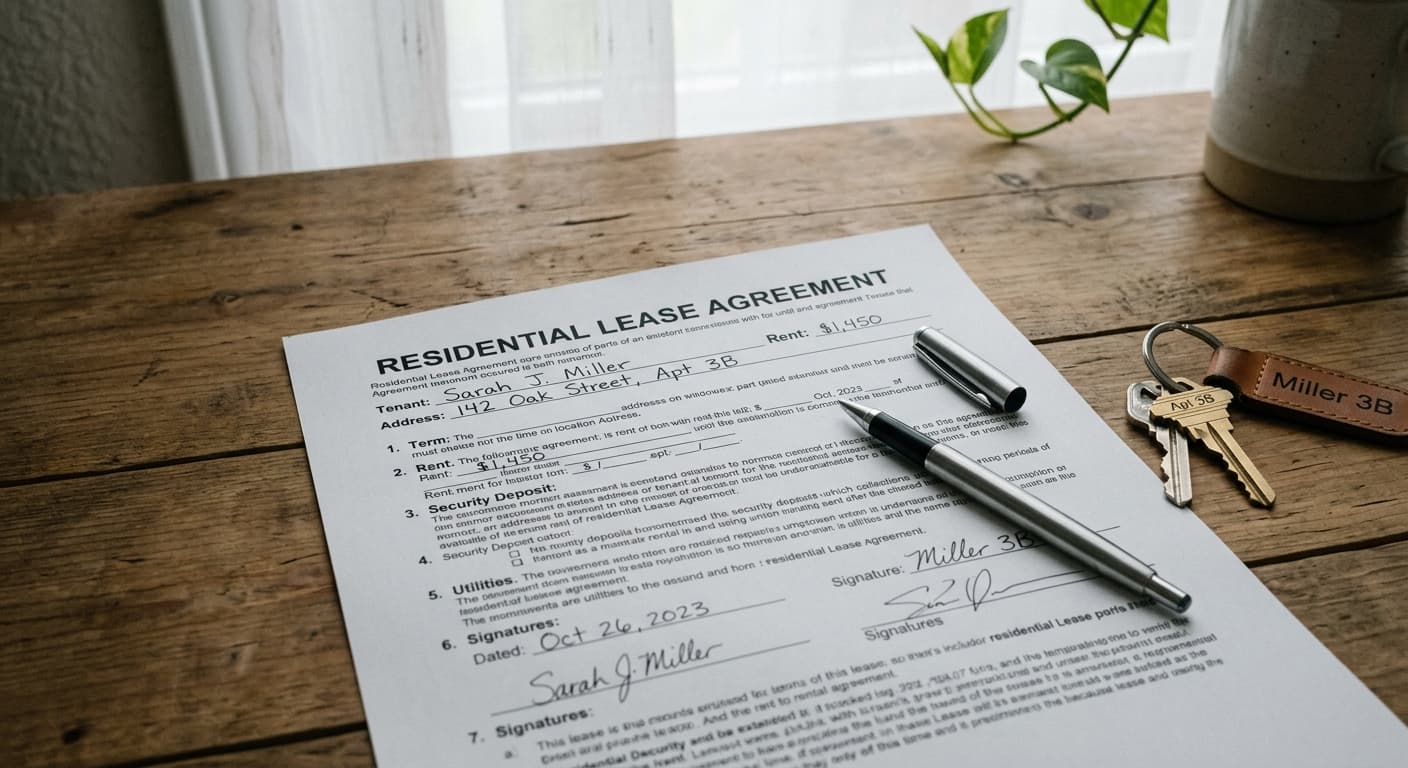
How often rent can rise, notice periods and rent-bidding bans compared across all eight Australian states and territories, including QLD and NT outliers.
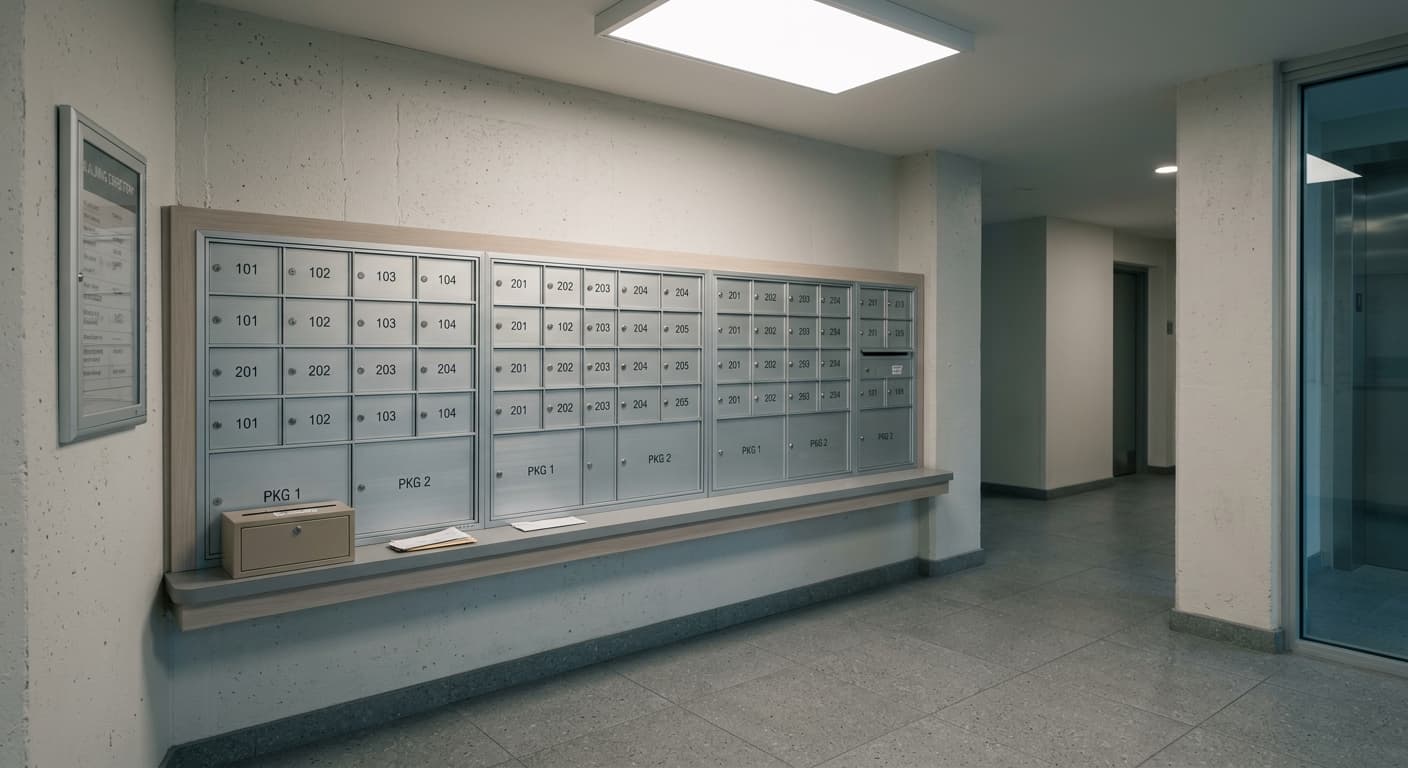
How much bond a landlord can charge, which scheme holds it, and lodgement deadlines, compared across all eight Australian states and territories.
Which court or tribunal decides a strata, owners corporation or body corporate dispute in each Australian state, and why the internal process almost always comes first.

How Western Australia's FVRO, VRO and MRO restraining orders work under the Restraining Orders Act 1997, including breach penalties, firearms rules and interstate recognition.

How Queensland's RTI Act works post-IPOLA: the $59.60 fee, free personal-information requests, 25-business-day deadline, and internal review then OIC then QCAT.

How Tasmania's Right to Information Act 2009 works: the push-model disclosure duty, the $49.00 application fee for 2026-27, the 20-working-day deadline, and Ombudsman-only external review.
Self-defence law compared across all 8 Australian states and territories: each state's test, excessive force, retreat, defending your home, and family violence rules.

New South Wales self-defence law explained: the two-limb test under section 418 of the Crimes Act 1900, the section 420 property limit, section 421 excessive force, and the prosecution's onus.

Queensland splits self-defence into two tests under section 271, plus separate rules for provoked assault, dwelling defence and family violence. Here is what each requires.

South Australia's self-defence test under section 15 of the Criminal Law Consolidation Act 1935, plus the property, home invasion, family violence and intoxication provisions in sections 15A to 15C.

Tasmania's self-defence test under section 46 of the Criminal Code Act 1924, the uncapped dwelling defence in section 40, and why excessive self-defence could not be confirmed in current law.

How self-defence works under section 42 of the Criminal Code 2002 (ACT): the belief-plus-reasonable-response test, the property exclusion, and what is not covered.

The Northern Territory runs two self-defence tests: section 29 for most offences, section 43BD for murder, manslaughter, sexual and property offences. Here is how each works.
Victoria's self-defence test is set out in sections 322G to 322T of the Crimes Act 1958. Victoria abolished excessive self-defence in 2014, so self-defence to a murder charge is all or nothing.

Western Australia's section 248 self-defence test has applied since 2008, alongside a separate home invasion provision, section 244, that can authorise lethal force. Here is what each requires.
Sexting laws vary by state in Australia: age thresholds run 16 to 18, and only NSW, Victoria and Tasmania give a young person any statutory defence. The Commonwealth and state-by-state position.

New South Wales sexting law explained: the under-18 child abuse material threshold, section 91H penalties, the section 91HA self-image defence, the section 91HB peer exception, and the forwarding gap.
South Australia's child exploitation material offences apply below 17, the state's outlier threshold, with no statutory defence for a teenager sexting a peer and court-discretion registration.
Tasmania's child exploitation material offences apply below 18; the section 130E(2) peer defence covers only production, possession and access, never distribution, and needs a close-in-age qualifying act.