Australia Laws
481 articles · page 7 of 9
S

Sham Contracting in Australia: Section 357 and the New Reasonableness Defence
Sham contracting under section 357 of the Fair Work Act: the ban on misrepresenting employment as contracting, the multi-factor employee test, and the reasonableness defence that replaced recklessness.

Small Claims Tribunals for Consumer Disputes in Australia by State
Where to take an unresolved consumer dispute in each Australian state and territory: QCAT, NTCAT, NCAT, the WA Magistrates Court and VCAT, FY2026-27.

South Australia Birth, Death and Marriage Certificates: Fees, Eligibility and How to Apply
South Australia's standard birth, death and marriage certificates cost $72, gazetted 14 May 2026 and effective 1 July 2026. Eligibility, ID rules and how to register a birth or death.

South Australia Child Car Seat Laws: Fines, Demerit Points and Exemptions (2026)
South Australia's child car seat fine is $463 for one child or $547 for more, with 3 or 5 demerit points. Rules, exemptions and rideshare treatment explained.

South Australia Demerit Points: Thresholds, Fees and Options (2026)
South Australia demerit points: 12 for a full licence, 4 for provisional/learner, FY2026-27 expiation fees, and the good behaviour option explained.

South Australia Drink Driving Penalties: Categories, Expiation and Interlock
SA drink driving penalties under the Road Traffic Act 1961: category 1/2/3 fines, the mandatory expiation pathway, immediate suspension and the alcohol interlock scheme.
South Australia Firearms Licence: Categories, Genuine Reason and Fees (2026)
South Australia firearms licence categories, the self defence exclusion, the 28 day permit to acquire wait, minors' licences, storage penalties and current SAPOL fees.

South Australia Probate: Apply, Fees, and Contesting a Will
How probate works in South Australia: Supreme Court filing, FY2026-27 fees, the 6-month family provision deadline, and intestacy rules.

South Australia Strata and Community Titles: The Magistrates Court
How strata corporations and community corporations work in South Australia, why disputes go to the Magistrates Court rather than SACAT, and the pet by-law rule.
South Australia Tenant Rights: Eviction, Bonds and Rent Rules
South Australia abolished no-grounds eviction in July 2024. SA tenant rights guide covering eviction grounds, bond rules, rent increases and SACAT.

Spam Act Australia: Email, SMS and Text Marketing Rules Explained
The Spam Act 2003 covers email, SMS and MMS marketing, not phone calls. See the consent, sender ID and unsubscribe rules, penalties, and how to report spam to ACMA.

Speeding Fines in Australia by State: FY2026-27 Bands Compared
Speeding fine bands for NSW, VIC, QLD, WA, SA, NT and the ACT for FY2026-27, with demerit points and top-band penalties. Verified July 2026.

Spent Convictions in Australia: The Commonwealth Rule and How States Differ
Australia has no single spent-convictions rule. The Commonwealth 30-month limit applies mainly to Commonwealth offences; NSW, Tas, the ACT and NT use a 6-month bar.

Spent Convictions in New South Wales: The Criminal Records Act 1991
New South Wales spends most convictions automatically after 10 years (adults) or 3 years (children). See the exclusions, the disclosure offence, and where it still counts.

Spent Convictions in Queensland: The Criminal Law (Rehabilitation of Offenders) Act 1986
Queensland's Criminal Law (Rehabilitation of Offenders) Act 1986 sets a 10 year adult and 5 year rehabilitation period, capped by a 30 month sentence ceiling.
Spent Convictions in South Australia: Automatic Spending and the Sex-Offence Exception
South Australia spends most convictions automatically after 10 or 5 years. See how sex offences, disclosure penalties, and exclusions actually work under the 2009 Act.

Spent Convictions in the ACT: Waiting Periods, Extinguishment and the 6-Month Bar
ACT convictions become spent automatically after 5 or 10 years, but a sentence over 6 months can never be spent, stricter than the Commonwealth's 30-month rule.
Spent Convictions in the Northern Territory: Waiting Periods and Permanent Bars
NT convictions become spent automatically after 5 or 10 years, but a sentence over 6 months, or a sexual offence, can never be spent. How the NT's rules work.

Spent Convictions in Victoria: The Spent Convictions Act 2021
Victoria spends most convictions automatically after 10 years (adults) or 5 years (young offenders). See the serious-conviction court pathway, the offence, and the exclusions.
Spent Convictions in Western Australia: How the Two-Tier System Works
Western Australia has no automatic spent-conviction path. See how the District Court and Police Commissioner tiers work, waiting periods, and the juvenile exception.

Spousal Maintenance in Australia: The Law and Time Limits
When a former spouse or de facto partner can claim spousal maintenance in Australia, the section 75(2) factors, and the deadline to apply.

Statute of Limitations in Australia: Time Limits by State
Australia's civil time limits to sue, state by state: contract, personal injury, defamation, and child abuse claims, verified against each Limitation Act.

Statute-Barred Debt in Australia: What It Actually Means
A statute-barred debt in Australia means a creditor can no longer sue over it in court. It does not cancel the debt, stop collection contact, or clear a credit report.

Strata, Owners Corporation and Body Corporate By-Laws in Australia
How by-laws (or rules) are made and limited in strata schemes, owners corporations and body corporates across Australia, and the tests each state applies to them.

Strata, Owners Corporation and Body Corporate Law in Australia
Strata title goes by a different name in every Australian state and territory. Compare the term, the Act and the real dispute forum used in NSW, VIC, QLD, WA, SA and beyond.

Strata, Owners Corporation and Body Corporate Levies in Australia
How strata, owners corporation and body corporate levies are raised and recovered across Australia, including the New South Wales 2025 payment-plan changes.
T

Tasmania Birth, Death and Marriage Certificates: Fees, Eligibility and How to Apply
Tasmania charges one flat $60.76 Standard Certificate fee for birth, death and marriage certificates, current as at 18 August 2026. Eligibility, ID rules and how to register a birth or death.

Tasmania Child Car Seat Laws: Fines, Demerit Points and Exemptions (2026)
Tasmania's child car seat fine is $350 with 3 demerit points, per Transport Tasmania's guide. Taxi exemption, rideshare silence and penalty details explained.

Tasmania Demerit Points: Thresholds and Suspensions Explained (2026)
Tasmania demerit points: 12 in 3 years for any licence, plus a 4-in-12-months test for learner and provisional drivers, suspension periods and good behaviour.

Tasmania Drink Driving Penalties: Fines, Infringements and Disqualification
Tasmania drink driving penalties under the Road Safety (Alcohol and Drugs) Act 1970: the section 17 penalty table, on-the-spot infringements, immediate disqualification and MAIP.
Tasmania Gun Licence: Firearms Categories, Genuine Reasons and Fees (2026)
Tasmania firearms licence categories, the self defence exclusion, permit to acquire waiting periods, minors permits, interstate recognition and current fees.
Tasmania Legal Aid: The Means Test, Charges and How to Apply
How Tasmania Legal Aid works: the Simplified and National means tests, equitable charges over property, applying online, contributions and review rights.
Tasmania Tenant Rights: Eviction, Bonds and Rent Rules
Tasmania requires every landlord notice to cite a ground under section 42. TAS tenant rights guide covering eviction, bonds, rent and the Commissioner.

Telemarketing Rules in Australia: Calling Hours, ID and Fax Rules
Australia's Telemarketing and Research Calls Standard sets calling hours, caller ID rules and termination rights for every call, registered or not. See the hours, fax rules and how to complain.

The Family Court Process in Australia: How It Works
How a family law application proceeds through Australia’s Federal Circuit and Family Court, including pre-action requirements and evidence in child-related proceedings.

The Right to Disconnect in Australia: What Section 333M Actually Allows
Australia's right to disconnect under section 333M of the Fair Work Act: what it covers, when a refusal is unreasonable, and how Fair Work Commission stop orders work.

The Serious Harm Threshold in Australian Defamation Law
Serious harm is now an element of the tort of defamation in most of Australia. Learn what it requires, who decides it, and why Western Australia has no such rule.
The Working with Children Check Across Australia: Eight Schemes Explained
Every Australian state and territory runs its own working with children scheme under a different name and a different Act. See how they compare, and why none is portable.

Tree and Overhanging Branch Disputes in Australia by State
Which Australian states have a tree-dispute law, how overhanging branches and high hedges are handled, and what the law says about returning cut branches.

Tree Disputes in New South Wales: Damage Risk and High Hedges
How New South Wales handles tree disputes: the Land and Environment Court, Part 2 damage/injury applications, and the separate Part 2A high-hedges regime.

Tree Disputes in Queensland: Abatement, Notices and QCAT
How Queensland handles tree disputes under Chapter 3 of the Neighbourhood Disputes Act 2011: the abatement right, branch-removal notices, and QCAT.
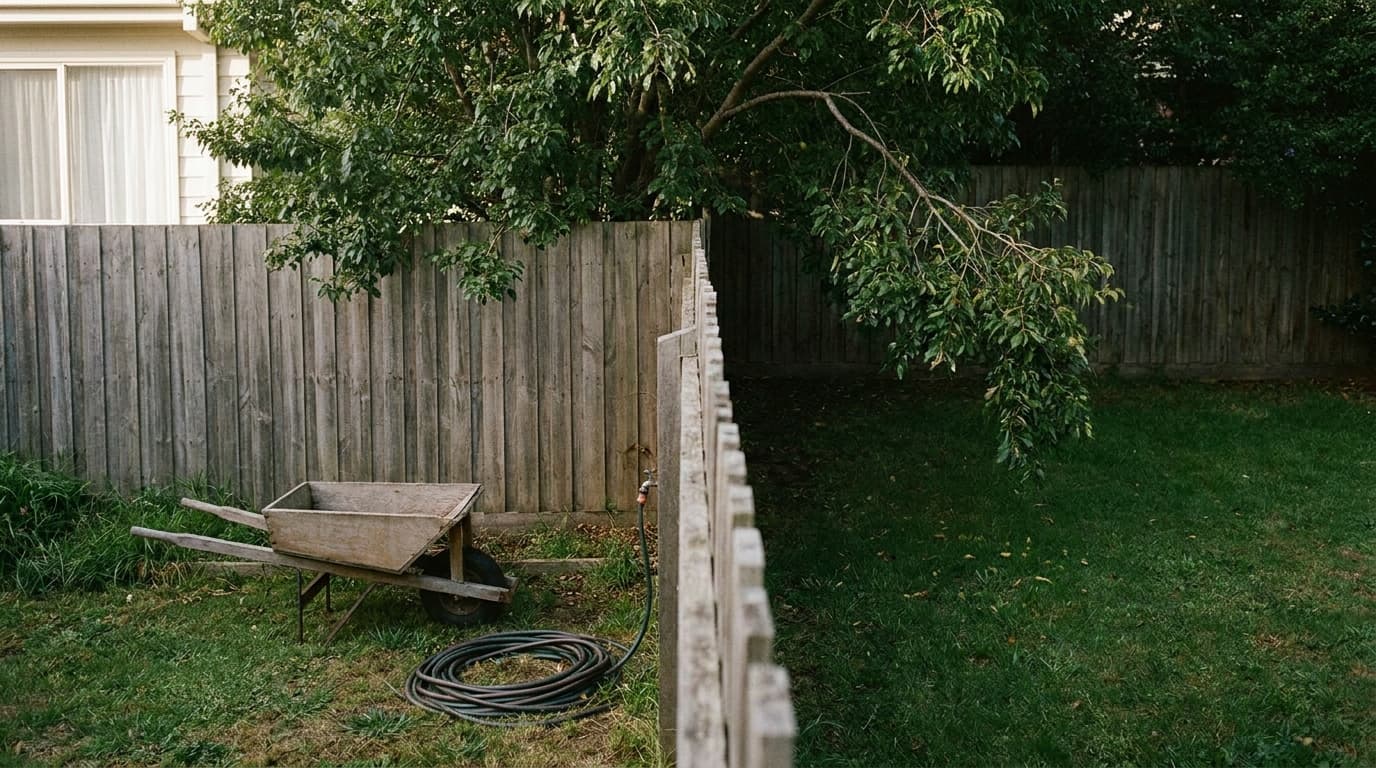
Tree Disputes in Tasmania: A Dedicated Statute Few Expect
Tasmania's Neighbourhood Disputes About Plants Act 2017: when land is affected, the abatement right, branch-removal notices and applications to TASCAT.
U

Unclaimed Money in Australia: Search Every Register for Free
Australia has no single unclaimed money search. ASIC, the ATO and every state run separate free registers. Compare thresholds, deadlines and fees by state.

Unclaimed Money in South Australia: How to Search the SA Register
Search South Australia's unclaimed money register, run by the Department of Treasury and Finance, not RevenueSA, under the Unclaimed Money Act 2021. Free, with a 25 year claim deadline.

Unclaimed Money in Tasmania: How to Search the TAS Register
Search Tasmania's unclaimed money register, run by Treasury and Finance Tasmania under the Unclaimed Money Act 2015. Free to search, including Betfair, TOTE and Tattslotto listings.

Unclaimed Money in the Northern Territory: No Single Act, But a Real Register
The Northern Territory has no single comprehensive unclaimed-money Act, but the Companies (Unclaimed Assets and Moneys) Act 1963 runs a real, searchable Treasurer-administered register.

Unclaimed Money in Western Australia: How to Search the WA Register
Search Western Australia's unclaimed money register, run by the Department of Treasury and Finance under the Unclaimed Money Act 1990. Free to search, free to claim, no deadline.

Unclaimed Money NSW: Search, Claim and the 6-Year Deadline
Revenue NSW holds dividends, unpresented cheques and deceased estate money after 2 years. Search and claim for free, and learn about the 6-year claim deadline under the Unclaimed Money Act 1995.

Unclaimed Money Queensland: Public Trustee Act 1978 Guide
Queensland Public Trustee and the Treasurer's Unclaimed Monies Fund hold unclaimed money under the Public Trustee Act 1978, not the older 1965 Act. Search and claim for free.

Unclaimed Money Victoria: The 12-Month Rule and Free Search
The State Revenue Office holds Victoria's unclaimed money, including old gaming winnings, after just 12 months. Search and claim for free under the Unclaimed Money Act 2008.

Unfair Contract Terms in Australia: The Law Since November 2023
Unfair contract terms law under the ACL: the section 24 test, standard form contracts, the small business threshold and penalties since 9 Nov 2023.

Unfair Dismissal in Australia: Eligibility, Deadline and Compensation (FY2026-27)
Unfair dismissal under the Fair Work Act: 6/12-month eligibility, the $190,100 earnings bar, 21-day deadline, and the $95,050 FY2026-27 compensation cap, explained with citations.
Unpaid Fines in Australia: Who Handles Fines in Each State and Territory
Fines are handled by a different agency in every Australian state and territory. Compare Revenue NSW, Fines Victoria, QRO/SPER, FER, Fines SA, MPES, the NT Fines Recovery Unit and Access Canberra.

Unpaid Fines in NSW: Revenue NSW Reviews, Payment Plans, WDOs and Enforcement
How Revenue NSW handles unpaid fines in New South Wales: penalty notices, payment plans, Work and Development Orders, hardship options and the Fines Act 1996 enforcement ladder.

Unpaid Fines in Queensland: QRO, SPER, Payment Plans and Enforcement
How Queensland handles unpaid fines: QRO before the due date, SPER after, payment plans, Work and Development Orders, licence suspension and imprisonment in default.

Unpaid Fines in South Australia: Fines SA, Expiation Notices and Enforcement Review
How Fines SA and the Chief Recovery Officer handle unpaid expiation notices, court fines and state debt in South Australia, plus payment arrangements, hardship and enforcement review.

Unpaid Fines in Tasmania: MPES, Enforcement Orders and the Monetary Penalty Community Service Order
How Tasmania enforces unpaid fines through MPES: deemed convictions, the deadline to act, enforcement orders, the MPCSO community service option, sanctions and imprisonment under Part 8.
Unpaid Fines in the Northern Territory: The Fines Recovery Unit and Enforcement
How the Northern Territory handles unpaid fines: the Fines Recovery Unit, the 28 day courtesy letter, annulment, community work orders and imprisonment.

Unpaid Fines in Victoria: Fines Victoria, Notices of Final Demand and the Work and Development Permit
How Victoria enforces unpaid fines: Fines Victoria, the 21 day payment window, Notices of Final Demand, enforcement warrants, review grounds and the Work and Development Permit.
Unpaid Fines in Western Australia: Fines Enforcement Registry, Payment Plans, WDP and Enforcement
How Western Australia's Fines Enforcement Registry handles unpaid infringements and court fines, plus payment plans, the court fine Work and Development Permit and what happens if you do not pay.