
Australia
Sexting Laws in the Northern Territory: Age, Offences and the Sex Offender Register
Independently fact-checked against primary sources (last audited August 19, 2026). · 5 primary sources cited on this page. How we verify our legal content
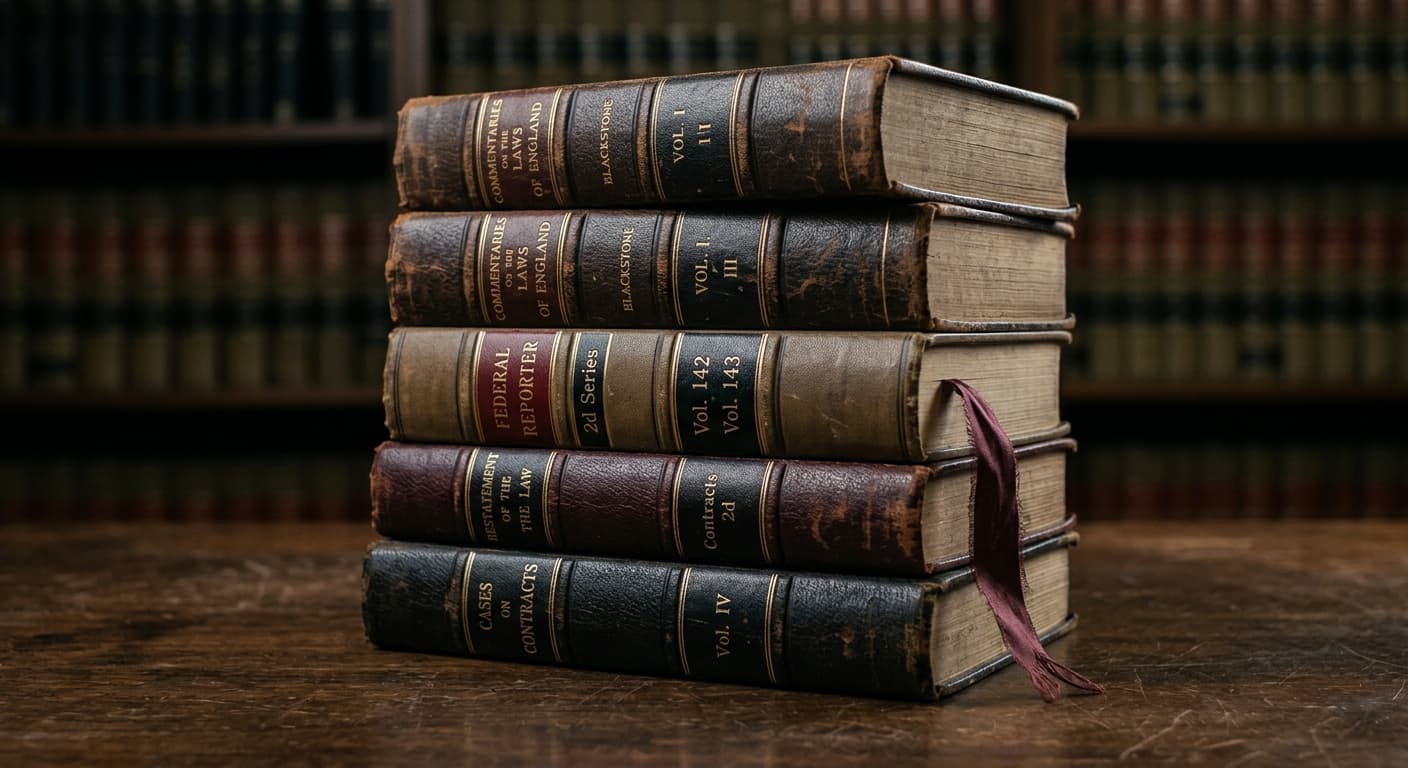
In the Northern Territory, the Criminal Code Act 1983 makes it a serious offence to produce, possess, distribute or use a child in the making of child abuse material of anyone under 18, there is no statutory defence for a teenager who creates, keeps or forwards their own image or a peer's, and a young person who is convicted is not automatically placed on the sex offender register.
The Age Threshold and the Core Offences
Child abuse material offences in the Northern Territory sit in Part V, Division 2 of the Criminal Code Act 1983, sections 125A to 125F. Section 125A defines "child abuse material" but does not set an age of its own; it relies on the Code's general definitions in section 1, where an "adult" is a person of or over the age of 18 years and a "child" is a person who is not an adult. Chaining those two definitions puts the child abuse material age threshold at under 18.
A separate limb of the same section 125A, used only for the distinct offence of publishing an indecent article at section 125C, sets a 16-year threshold for one category of image. That 16-year limb does not apply to the core production, possession and distribution offences below; it is a narrower, adjacent rule that a reader should not extend to the rest of the Division.
The core offences, with their maximum penalties for an individual, are:
- Section 125B, production, possession, distribution, sale, or offering or advertising for sale or distribution, of child abuse material: up to 10 years imprisonment.
- Section 125C, publishing an indecent article (which reaches child content only through the 16-year sub-limb noted above): up to 2 years imprisonment.
- Section 125D, using or procuring a child, or someone who appears to be a child, for the production of child abuse material or for a pornographic or abusive performance: up to 14 years imprisonment.
Each section also carries a corporate penalty in penalty units, and section 125E extends liability to a corporate officer where a body corporate commits one of these offences.
Sending, Receiving or Forwarding an Image as a Teenager
The Criminal Code Act 1983 (NT) provides no peer, close-in-age, or self-image defence to any of these offences. The only defences written into section 125B and section 125D cover a law-enforcement or court officer acting in an official capacity, a person exercising a classification-related function, and possession for legitimate medical or health research; section 125C adds a defence for material published for a Commonwealth classification application. None of these turn on the age of the person who sent, received or forwarded the image.
That means a teenager who creates an image of themselves, keeps a peer's image on their phone, or forwards one to someone else can be charged under the same elements as an adult offender. The Territory draws the line at conduct and content, not at the offender's own age.
Registration and What a Court Can Order
The Child Protection (Offender Reporting and Registration) Act 2004 (NT) places section 125D in Schedule 1 (Class 1) and section 125B in Schedule 2 (Class 2); section 125C sits in Schedule 2 only where the material falls within the under-16 sub-limb.
Section 11(1)(a) of that Act sets a default rule: a person sentenced for a Class 1 or Class 2 offence they committed as a child, meaning under 18 at the time of the offence, is not a reportable offender. That is an automatic statutory exclusion, not something a young person has to apply for.
The exclusion is not absolute. Section 13(2) to (3) lets a court order that a young person comply with reporting obligations anyway, but only if the court is satisfied the person poses a risk to the lives or sexual safety of one or more children, and only at the time of sentencing. In plain terms, a young person convicted of an NT child abuse material offence is presumptively excluded from the register, and a court retains discretion to order registration where it finds an ongoing risk.
Adult Sharing: Lawful With Consent, a Different Offence Without It
Sexting between consenting adults is lawful. Sharing an intimate image of an adult without their consent is a different part of the Code entirely, Part VI Division 7A, which includes section 208AB (distributing) and section 208AC (threatening to distribute) an intimate image. For the full picture of non-consensual intimate image and deepfake law across Australia, including how each state and territory's offence is framed, see deepfake and intimate image laws in Australia.

No published NT Police or NT Legal Aid Commission guidance specific to youth sexting was located for this page; that gap is noted rather than filled with an assumption about how any individual case would be handled.
If NT Police Contact You or Your Teenager
What happens during a police interview, the right to silence, and the right to a lawyer are covered separately at Miranda rights in Australia. For the comparison across all eight Australian jurisdictions, age thresholds, penalties, and which states have a young-person defence, see sexting laws in Australia. For everyday legal topics generally, see the Australia everyday law hub.

Frequently Asked Questions
What is the age threshold for child abuse material offences in the Northern Territory?
Under 18. Section 125A of the Criminal Code Act 1983 (NT) relies on the Code's general definitions in section 1, where an adult is 18 or over and a child is a person who is not an adult. A separate 16-year threshold applies only to one sub-limb of the indecent article offence at section 125C, a different and narrower rule that should not be read as the general child abuse material threshold.
Is there a legal defence for a teenager who sends a photo of themselves in the Northern Territory?
No. A full-text search of the Criminal Code Act 1983 (NT) found no peer, similar-age or self-image defence anywhere in the child abuse material provisions. The only defences available cover law enforcement, classification-related functions and legitimate medical or health research, none of which turn on the offender's own age.
Will a teenager convicted of a sexting-related offence in the NT go on the sex offender register?
Not automatically. The Child Protection (Offender Reporting and Registration) Act 2004 (NT) excludes a person sentenced for the relevant offence committed while under 18 from the reportable offender register by default, but a court can still order registration if it finds the person poses a risk to the sexual safety of one or more children.
What is the penalty for possessing child abuse material in the Northern Territory?
Up to 10 years imprisonment for an individual under section 125B of the Criminal Code Act 1983 (NT), which covers production, possession, distribution and sale. Using a child for production of the material, or for a pornographic or abusive performance, carries a higher maximum of 14 years under section 125D.
Is sharing an intimate image of an adult without consent covered by these same offences?
No. That is a separate part of the Criminal Code, Part VI Division 7A, covering distribution and threats to distribute an intimate image of a person 18 or over. See the Australia-wide deepfake and intimate image page for that offence in full.
Updates
Independently fact-checked against the cited primary sources
The Law Behind This Article
This article rests on the statutory provisions below, held in our own legal record and retrieved from the official source. Tap a section to read the operative text.
Criminal Code Act 1983 (NT)
s 1Short titleIn forcecited in 2 of our articles
This Act may be cited as the Criminal Code Act 1983.
Official text (excerpt) · last checked 2026-09-28 · Read the full text in our law library · Verify at legislation.nt.gov.au
Also relied on in: Sexting Laws in Australia: The Age Thresholds, Offences and Defences State by State
s 125AInterpretationIn force
(1) In this Division: animal sexual abuse or animal crush material means material: (a) that depicts, describes or represents: (i) a person sexually involved with an animal; or (ii) an animal being crushed, burned, drowned, suffocated, impaled or otherwise killed or subjected to serious injury or torture; and (b) that a reasonable adult would regard in all the circumstances as being intended or apparently intended to: (i) excite or gratify a sexual interest; or (ii) excite or gratify a sadistic or other perverted interest in violence or cruelty. article includes any thing: (a) that contains or embodies matter to be read or looked at; (b) that is to be looked at; (c) that is a record; or (d) that can be used, either alone or as one of a set, for the production or manufacture of any thing referred to in paragraphs (a), (b) or (c), but does not include: (e) a film that is classified (other than as RC) under the Commonwealth Act; (f) a publication that is classified Unrestricted, Category 1 restricted or Category 2 restricted under the Commonwealth Act; (g) a computer game that is classified (other than as RC) under the Commonwealth Act; or (h) a film, publication or computer game that
Official text (excerpt) · last checked 2026-09-28 · Read the full text in our law library · Verify at legislation.nt.gov.au
s 125BProduction, possession etc. of child abuse materialIn forcecited in 2 of our articles
(1) A person commits an offence if: (a) the person intentionally produces, sells, distributes or possesses, or offers or advertises for sale or distribution, material; and (b) the material is child abuse material and the person is reckless in relation to that circumstance. Maximum penalty: (a) for an individual - imprisonment for 10 years; or (b) for a body corporate - 10 000 penalty units. (2) It is a defence to a prosecution for an offence against subsection (1) if the defendant: (a) is a member or officer of a law enforcement agency or a court who has child abuse material in the member's or officer's possession in the exercise of a power or performance of a function conferred or imposed on the member or officer by or under an Act or law; or (b) has child abuse material in the defendant's possession in the exercise of a power, or performance of a function, relating to the classification of the material that is conferred or imposed on the defendant by or under an Act or law; or (c) has child abuse material in the defendant's possession for legitimate medical or health research purposes.
Official text (excerpt) · last checked 2026-09-28 · Read the full text in our law library · Verify at legislation.nt.gov.au
s 125CPublishing indecent articlesIn force
(1) A person commits an offence if: (a) the person intentionally publishes an article; and (b) the article is indecent and the person is reckless in relation to that circumstance. Maximum penalty: (a) for an individual - imprisonment for 2 years; or (b) for a body corporate - 175 penalty units. (2) It is a defence to a prosecution for an offence against subsection (1) if the defendant: (a) published the indecent article for the purposes of an application for classification under the Commonwealth Act; or (b) is a member or officer of a law enforcement agency and published the indecent article in the exercise of a power conferred, or performance of a function imposed, on the member or officer by or under an Act or law. (3) For this section, an article may be indecent even if part of it is not indecent.
Official text (excerpt) · last checked 2026-09-28 · Read the full text in our law library · Verify at legislation.nt.gov.au
s 125DUsing child for production of child abuse material or pornographic or abusive performanceIn force
A person commits an offence if: (a) the person intentionally uses, offers or procures another person for the production of material or for a performance; and (b) the other person is a child, or a person who appears to be a child, and the person is reckless in relation to that circumstance; and (c) the material is child abuse material, or the performance is a pornographic or abusive performance, and the person is reckless in relation to that circumstance. Maximum penalty: (a) for an individual - imprisonment for 14 years; or (b) for a body corporate - 15 000 penalty units.
Official text (excerpt) · last checked 2026-09-28 · Read the full text in our law library · Verify at legislation.nt.gov.au
Search our full record of US law — 2.1 million sections, every state + federal →
Sources and References
- Criminal Code Act 1983 (NT) s1 and s125A, the 'adult' (18 or over) and 'child' (not an adult) definitions that set the child abuse material age threshold(legislation.nt.gov.au).gov
- Criminal Code Act 1983 (NT) s125B, production, possession, distribution or sale of child abuse material, maximum 10 years imprisonment(legislation.nt.gov.au).gov
- Criminal Code Act 1983 (NT) s125D, using a child for production of child abuse material or a pornographic or abusive performance, maximum 14 years imprisonment(legislation.nt.gov.au).gov
- Criminal Code Act 1983 (NT) s125C, publishing an indecent article, and the under-16 sub-limb of the indecent article definition in s125A(legislation.nt.gov.au).gov
- Child Protection (Offender Reporting and Registration) Act 2004 (NT) ss11, 13, the default exclusion from the reportable offender register for an offence committed as a child, and the court's discretion to order registration on a risk finding(legislation.nt.gov.au).gov