Are Cameras Allowed in Airbnb? Hidden Camera Laws
Independently fact-checked against primary sources (last audited November 7, 2026). · Law checked current as of November 7, 2026. · 14 primary sources cited on this page. How we verify our legal content
No, cameras are not allowed inside an Airbnb outside a narrow exception for some licensed homes in Japan: since April 30, 2024, Airbnb's policy bars hosts from any security camera or recording device that monitors indoor spaces, and allows only disclosed exterior cameras, but that is a company rule, not a law. The law that actually governs a host's camera is state criminal privacy law: every state and D.C. has a criminal law against secretly recording people who are undressed, or their intimate areas, where they expect privacy (the elements, such as intent, vary by state), and a camera that records guests' conversations brings in federal and state wiretap law.
Only two states we found have a statute written for short-term rental hosts. Louisiana bars a short-term rental owner from using a concealed or disguised camera except in common areas behind a prescribed sign (La. R.S. 21:61), and Oregon lets a guest sue a lodging provider, or a lodging intermediary such as a booking platform that sells the stay, that records the guest, or intentionally lets someone else record the guest, in a bedroom, bathroom or other private space in lodging under its ownership or control, without consent (ORS 30.831(1)(e)).
Jurisdiction scope: This page covers U.S. state criminal privacy and wiretap statutes, the federal Wiretap Act, and the two state statutes we found aimed at short-term rental cameras, as of November 6, 2026. Booking-platform rules are summarized as company policy. Local short-term rental ordinances and your rental agreement can add rules. For each state's camera laws, start at the surveillance camera laws by state hub.
Are Cameras Allowed in Airbnb? The Platform Rule (Company Policy, Not Law)
Airbnb's rule is a contract rule between Airbnb, its hosts and its guests. Breaking it can cost a host a listing; it is not itself a crime. It matters because it is stricter than the law in most states, and because it is what a guest can report to the platform.
The current policy, on Airbnb's help page Restrictions on security cameras and other devices in homes, says "These rules took effect on April 30, 2024." Airbnb announced the change on March 11, 2024, saying it was "banning the use of indoor security cameras in listings globally" and that "the revised policy takes effect on April 30" (Airbnb newsroom).
What the policy says:
- No indoor cameras or recording devices. "Hosts are not allowed to have security cameras and recording devices that monitor any part of a home's interior," and that applies "even if they're turned off or disconnected." The ban covers "the common areas and shared spaces of private room listings (ex: a living room)."
- No hidden cameras. "Hidden security cameras are strictly prohibited."
- What counts. "Security cameras and recording devices are any device that records or transmits video, images, or audio."
- Exterior cameras, disclosed. "Hosts are allowed to have exterior security cameras and recording devices," and must disclose their location in the listing's description. They may not cover exterior areas "where users have a greater expectation of privacy, such as the inside of an enclosed outdoor shower or in a sauna."
- Noise monitors. Noise decibel monitors "assess sound levels and their duration but do not record audio." A host may use them indoors if their presence is disclosed and they are not in bedrooms, bathrooms or sleeping areas.
- One exception, in Japan. For certain homes in Japan with a Hotel Business License, applicable law may require a camera that monitors "the home's interior entryway only"; it must be disclosed, may not monitor anything beyond the entryway, and may not record audio.
On enforcement, Airbnb's March 2024 announcement said that after the effective date "reported violations of this policy brought to our attention will be investigated," with consequences that can include removing a listing or a host's account. Other booking platforms publish their own device policies; check the listing and the platform's rules before you book.
The Law That Governs a Host's Camera
No federal or state law simply says "no cameras in vacation rentals." Outside Louisiana and Oregon, a host's camera is judged by the same statutes that govern any camera in a dwelling: state voyeurism and private-place laws for video, and wiretap laws for audio.
The federal Video Voyeurism Prevention Act does not fill the gap. It applies only "in the special maritime and territorial jurisdiction of the United States," such as many military bases, and only to images of a "private area" (18 U.S.C. 1801). It does not reach an ordinary rental home.
Video: hidden cameras in bedrooms and bathrooms
Every state and D.C. has a criminal law against secretly recording people who are undressed, or their intimate areas, where they expect privacy. A hidden camera that captures a guest in the shower or getting dressed falls under one of these statutes everywhere, subject to that statute's elements, which can include a specific intent or, in some states, a sexual purpose.
Whether a hidden camera that records a clothed guest is a crime depends on the state. In 22 jurisdictions, not counting store dressing-room and restroom rules in Florida, Massachusetts and Rhode Island, secretly recording a clothed person in at least some private settings, such as a bedroom, bathroom or the person's own home, is a crime without any nudity or sexual-purpose element.
In the rest, a hidden camera that captures no nudity and is not used for a sexual purpose may fall outside the voyeurism statute, though other laws and civil claims can still apply. Virginia, for example, makes it a Class 1 misdemeanor for an owner, without just cause, to secretly peep or spy, in person or with an electronic device, into a dwelling he leases or rents to another, through a window, door or other aperture, under circumstances that would violate the occupant's reasonable expectation of privacy (Va. Code 18.2-130, 18.2-130.1). Each statute's elements matter: the recording generally must be secret or without consent, AND in a private place, AND, in many states, made with a particular intent.
Several statutes reach a host's hidden camera in a guest bedroom or bathroom without any nudity:
| State | Statute | What it covers | Penalty |
|---|---|---|---|
| New York | Penal Law 250.45(3)(a) | "For no legitimate purpose," intentionally using or installing an imaging device to surreptitiously view or record a person in a bedroom, bathroom, shower or similar room, "or any room assigned to guests or patrons in a motel, hotel or inn, without such person's knowledge or consent" | Class E felony; class D felony after a prior unlawful surveillance conviction within 10 years (250.50); a conviction generally requires sex offender registration unless the court finds registration unduly harsh and inappropriate |
| Texas | Penal Code 21.15 | Recording, without consent and with intent to invade privacy, a person in a place where a reasonable person would believe they could disrobe in privacy, including a bathroom and bedroom (offenses on or after Sept. 1, 2025) | State jail felony (180 days to 2 years, fine up to $10,000); H.B. 1465 also made a conviction or deferred adjudication for an offense on or after Sept. 1, 2025 a reportable conviction requiring sex offender registration |
| Illinois | 720 ILCS 5/26-4 | Knowingly making a video record of another person without that person's consent in a restroom, locker room, changing room or "hotel bedroom," among other listed places | Class 4 felony; Class 3 if the victim is under 18 or the offender must register as a sex offender; knowingly disseminating such a recording is a Class 3 felony (Class 2 in those cases) |
| Michigan | MCL 750.539d | Installing or using a device in "any private place, without the consent of the person or persons entitled to privacy in that place" | Felony, up to 2 years and/or $2,000; up to 5 years and/or $5,000 after a prior conviction under the section, and distributing a recording obtained in violation of it is also a felony punishable by up to 5 years and/or $5,000 |
| New Hampshire | RSA 644:9 | Installing a device in a private place without the consent of the person entitled to privacy there | Class A misdemeanor; class B felony on a repeat offense or where the offender knows or should know a child under 18 is the person entitled to privacy, and class A felony for a repeat offense involving a child |
| North Dakota | N.D.C.C. 12.1-31-14(2) | With intent to intrude upon or interfere with an occupant's privacy, surreptitiously installing or using a device to observe, photograph or record from "a sleeping room in a hotel, or other place where a reasonable individual would have an expectation of privacy" | Class B misdemeanor (up to 30 days, fine up to $1,500) |
Two details matter for hosts who rent out their own homes. Michigan's statute exempts "security monitoring in a residence if conducted by or at the direction of the owner or principal occupant of that residence unless conducted for a lewd or lascivious purpose" (MCL 750.539d(2)); whether a host who rents out a home can rely on that exception against paying guests is not answered by the text, and we found no court decision deciding it. And New York's 250.45(3) presumes no legitimate purpose for a device placed in the listed rooms, so a "security" explanation does not end the question there.
For each state's full elements, exceptions and penalties, use the state pages, for example New York, Texas, Illinois, Michigan, New Hampshire and North Dakota.
Audio: why a camera microphone is the bigger legal risk
Recording sound brings in wiretap law, which applies in every state whether or not anyone is undressed. The federal Wiretap Act makes it a crime to intentionally intercept "any wire, oral, or electronic communication" (18 U.S.C. 2511(1)(a)).
Federal law is a one-party consent law: a private person may record "where such person is a party to the communication or where one of the parties to the communication has given prior consent," unless the recording is made "for the purpose of committing any criminal or tortious act" (2511(2)(d)). A host who is not in the room is not a party to the guests' conversation. A camera or smart device that records guests talking to each other, with no guest consenting, falls outside that exception, and a person whose conversation is unlawfully intercepted can sue under 18 U.S.C. 2520.
States add their own rules. Thirteen states (California, Connecticut, Delaware, Florida, Illinois, Maryland, Massachusetts, Montana, Nevada, New Hampshire, Oregon, Pennsylvania and Washington) require every party's consent to record at least one major type of conversation. Connecticut and Nevada apply that rule only to phone calls, Oregon only to in-person conversations, and Delaware has two conflicting statutes; Michigan's statute reads as all-party, but its courts let a participant record, so it counts as one-party.
In Oregon, for example, a device generally may not obtain an in-person conversation unless all participants are specifically informed (ORS 165.540(1)(c)). See the U.S. recording laws guide for each state's rule.
Some states also make the placement of a listening device its own crime. Alabama makes it a Class C felony to install a device "in a private place with knowledge it is to be used for eavesdropping and without permission of the owner and any lessee or tenant or guest for hire of the private place" (Ala. Code 13A-11-33), so a host's own permission as owner does not cover a listening device in a paying guest's room. See the Alabama surveillance camera laws page.
Louisiana: The Short-Term Rental Camera and Sign Law (La. R.S. 21:61)
Louisiana's statute, enacted by Acts 2018, No. 633, is the only one we found that tells short-term rental owners where a camera may go and what sign to post (La. R.S. 21:61).
La. R.S. 21:61(B): "(1) Except as provided in Paragraph (2) of this Subsection, an owner or lessor of a short-term rental structure shall not install or use a camera on the premises of a short-term rental structure. (2) The owner or lessor of a short-term rental structure may install or use a camera only in the common areas of the structure if he first conspicuously posts a sign on the premises of the short-term rental structure with the following statement: 'NOTICE ELECTRONIC SURVEILLANCE EQUIPMENT HAS BEEN INSTALLED ON THESE PREMISES AND ALL ACTIVITIES IN COMMON AREAS ARE SUBJECT TO BEING RECORDED BY VIDEO.'"
The definitions decide how far the rule reaches:
- "Camera" means "a camcorder, motion picture camera, photographic camera of any type, or other equipment that is concealed or disguised to secretly or surreptitiously videotape, film, photograph, record, or view a person by electronic means" (21:61(A)(1)). The ban and the sign rule therefore target concealed or disguised devices. The section does not address an openly visible camera, and we found no court decision applying it to one, so it should not be read as a ban on every visible camera.
- "Common area" means "all areas of the short-term rental structure, excluding any bedrooms or bathrooms" (21:61(A)(2)). Bedrooms and bathrooms are never permitted locations for a covered camera, sign or no sign.
- "Short-term rental structure" means "a building which may have previously been used as a one- or two-family dwelling but is rented from the owner of the structure by an unknown number of persons for a period of time not to exceed twenty-nine days" (21:61(A)(3)).
The statute also limits what a host does with footage: an owner or lessor "shall not use any audio, video, or photographic footage obtained pursuant to this Chapter for any commercial or exploitative purpose nor shall he make the footage available to members of the public" (21:61(C)).
It is enforced by the guest, not by a criminal penalty. A guest "who is documented on any audio, video, or photographic footage obtained in violation of this Chapter" has a civil cause of action against the owner or lessor who obtained, used or made the footage available, and may recover actual damages, "A reasonable attorney fee and other litigation cost reasonably incurred," and punitive damages (21:61(D)). Separately, a hidden camera that captures a guest undressed can also be prosecuted under Louisiana's video voyeurism statute (R.S. 14:283) when that statute's elements are met; see the Louisiana surveillance camera laws page.
Oregon: A Guest's Lawsuit Against a Lodging Provider (ORS 30.831(1)(e))
Oregon's 2025 law (Senate Bill 470, Oregon Laws 2025, chapter 289) added a civil claim aimed at lodging providers, including private homes rented for short stays, and at the intermediaries that sell those stays (ORS 30.831). A guest has a claim if the defendant "is a transient lodging provider or transient lodging intermediary and without the consent of the plaintiff captures, makes, stores, transfers, transmits or broadcasts, or intentionally permits another person to capture, make, store, transfer, transmit or broadcast, a visual image or recording or audio of the plaintiff while the plaintiff occupies a private space within transient lodging that is under the defendant's ownership or control."
- Private space means a bedroom or other area ordinarily used for sleeping; a bathroom or other area for private bodily functions or needs; or other areas that are not common areas of the lodging or not otherwise open to free or uninvited access by the provider, other occupants or visitors (30.831(6)(f)).
- Transient lodging includes a hotel, motel or inn, and "A house, cabin, condominium, apartment unit or other dwelling unit, or a portion of" one, used for temporary human occupancy (30.831(6)(h)). A transient lodging provider is a person that provides transient lodging in return for compensation (30.831(6)(j)). A transient lodging intermediary is a person other than the provider that facilitates the retail sale of transient lodging and charges for occupancy, collects the payment for it, or receives a fee or commission and requires the provider to use a specified third party to collect the payment (30.831(6)(i), adopting ORS 320.300(12)), which can describe a booking platform.
- Audio means "speech or other sound that a person makes intentionally and for an expressive purpose" (30.831(6)(a)).
- Remedies: a prevailing plaintiff receives compensatory damages and reasonable attorney fees, and the action must be commenced "not later than two years after the conduct that gives rise to a claim for relief occurred" (30.831(2), (3)). The remedy is in addition to any other claim (30.831(4)).
This claim needs no nudity and no sexual purpose. It turns on consent and on whether the guest was in a private space. See the Oregon surveillance camera laws page for Oregon's criminal statutes.
Other States: No Short-Term Rental Camera Statute Found
As of November 6, 2026, our state-by-state research, which reviewed each state's landlord-tenant act, sign rules and camera-related criminal statutes, found no statute aimed at short-term rental host cameras in the other 48 states or D.C.
A web search for enacted 2025 and 2026 rental-camera legislation found none either. This is a negative as found, not a guarantee, and it does not cover city or county short-term rental ordinances. In every other state, a host's camera is governed by the general voyeurism, private-place and wiretap statutes described above.
Hotels vs. Private Vacation Rentals
A few statutes name hotels specifically. New York's unlawful-surveillance statute covers "any room assigned to guests or patrons in a motel, hotel or inn," Illinois's video statute lists a "hotel bedroom," and North Dakota's covers "a sleeping room in a hotel." New York also has a hotel-specific rule, General Business Law 395-b, that bars an owner or manager from knowingly permitting a viewing device to be installed or maintained to surreptitiously observe guest rooms, restrooms and similar rooms, but it expressly excludes a "private dwelling," so it is not a vacation rental law.
For a guest in a private home, the hotel wording usually matters less than it looks. Each of those statutes also reaches bedrooms, bathrooms or other places where a person expects privacy, and Oregon's claim expressly covers both hotels and houses, cabins, condominiums and apartments used for short stays.
What to Do If You Find a Hidden Camera in an Airbnb or Vacation Rental
Your safety comes first. If you feel unsafe, leave the space and call 911. Otherwise, these steps help preserve evidence and keep your options open:
- Leave it in place. Consider not unplugging or removing the device, so police can see it as it was installed.
- Document it. Photograph or video the device, what it points at, and anything connecting it to power or Wi-Fi. Note the date, time and room, and keep your booking confirmation and messages with the host.
- Report it to police. Use the non-emergency line when no one is in danger. Whether a crime occurred depends on your state's statute, and the police and prosecutor decide whether to charge.
- Report it to the platform. On Airbnb, an undisclosed or indoor camera breaks the device policy, and Airbnb says reported violations will be investigated. Ask the platform about moving to other lodging or cancelling; any refund depends on the platform's own policies.
- Consider a civil claim. In Louisiana (21:61(D)) and Oregon (30.831), the short-term rental statutes give guests a lawsuit. If audio was recorded, the federal Wiretap Act allows a civil suit (18 U.S.C. 2520). Most states also recognize a civil claim for intrusion upon seclusion, which requires an intrusion that would be highly offensive to a reasonable person; New York and Virginia do not recognize it as a common-law tort. A lawyer can tell you which claims fit your facts and deadlines.
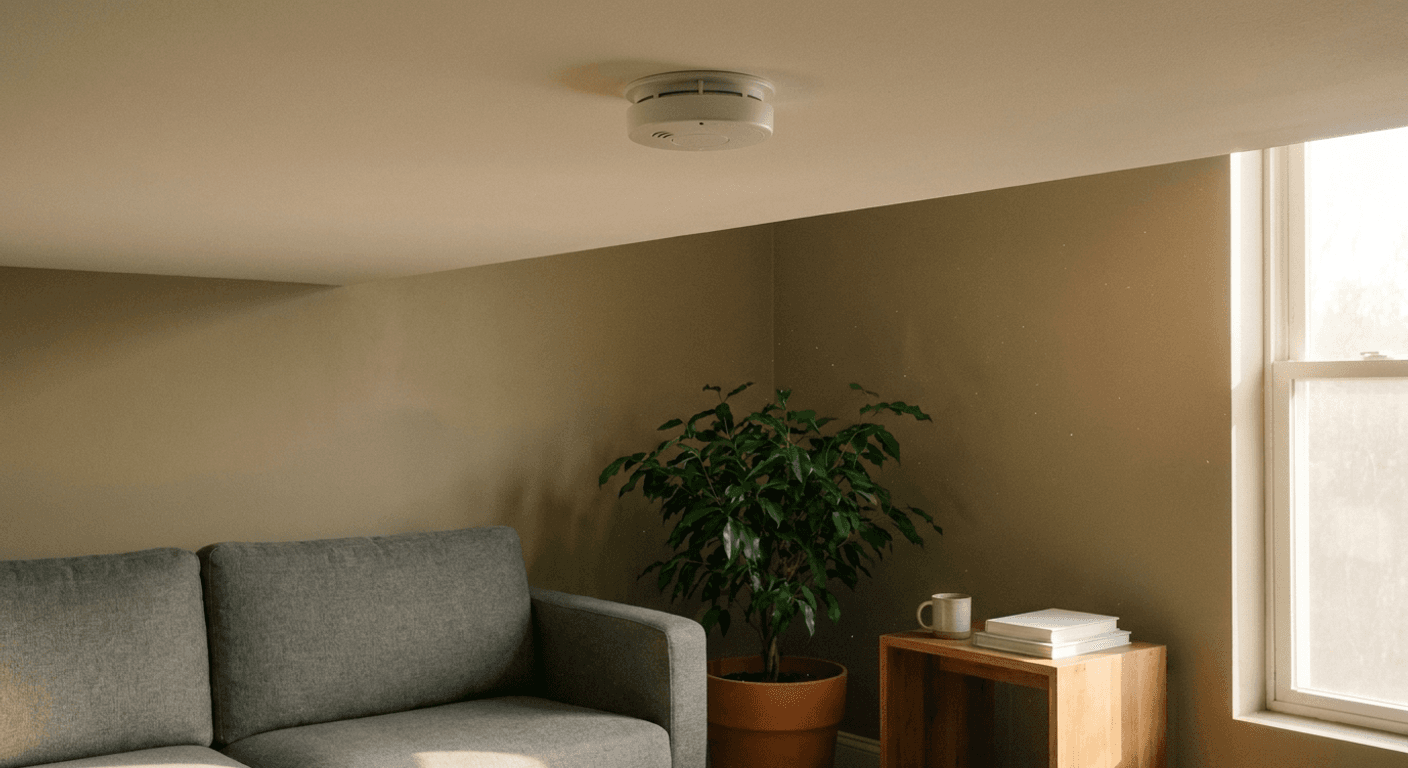
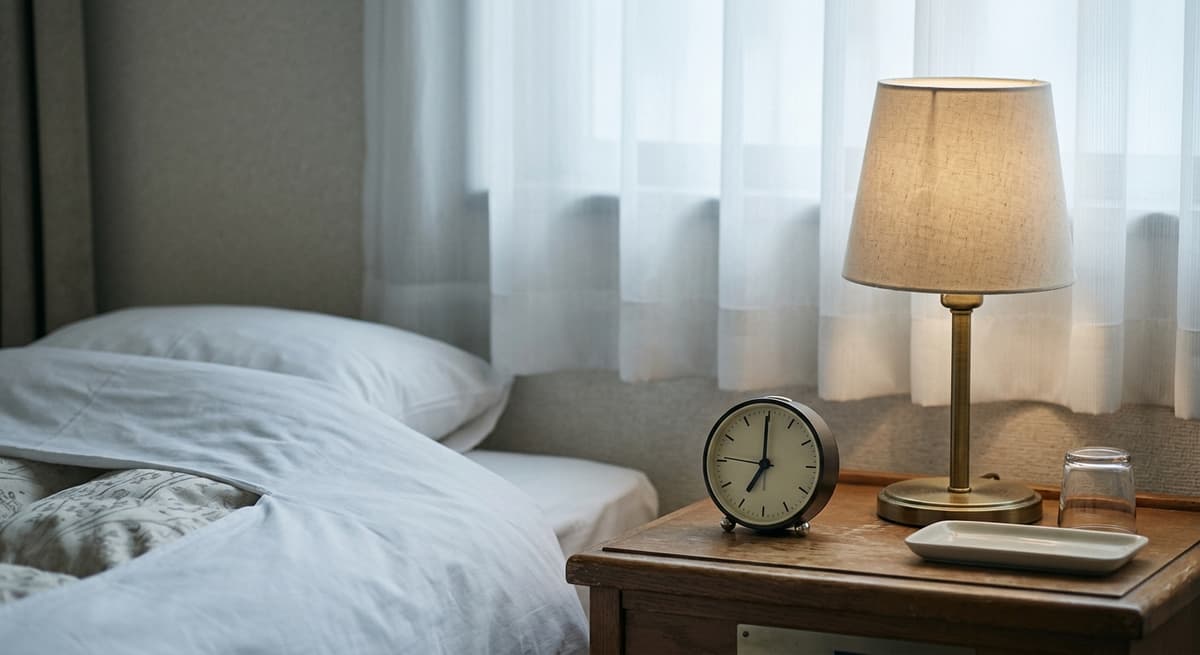
If you are unsure whether there is a camera, common places to look are devices facing a bed, shower or toilet, such as smoke detectors, clocks, chargers and decor, along with any unfamiliar device on the rental's Wi-Fi network. Finding nothing does not prove there is nothing, and the steps above apply as soon as you find something.
For Hosts: Cameras You Can Lawfully Use
A host can protect a property without recording guests in private. The safer approach, which also matches Airbnb's policy, looks like this:
- Keep cameras outside and disclosed. Entrances, driveways and parking areas are the usual places. Airbnb requires the location of each exterior camera to be disclosed in the listing, and bars cameras over areas such as an enclosed outdoor shower or a sauna.
- Never place a camera where guests sleep, bathe or undress. That is where the criminal statutes apply, and in Louisiana and Oregon it is also where the short-term rental statutes give guests a claim.
- Turn off the microphone. Audio of guests' conversations is the clearest legal risk in every state. A doorbell camera that records voices at the door raises the same question; see Ring doorbell laws.
- In Louisiana, follow 21:61 exactly. A concealed or disguised camera may be used only in common areas, never bedrooms or bathrooms, and only after the prescribed sign is conspicuously posted. Airbnb's policy separately bars any indoor camera on its platform. For sign rules elsewhere, see security camera sign laws by state.
- Use footage only for security. Louisiana bars commercial or exploitative use or public release of footage, and sharing recordings of guests can raise separate legal issues in any state.
For longer-term rentals, where the guest is a tenant, see landlord security camera laws.
Where to Get Help
If you found a camera, local police and the prosecutor's victim-witness unit can explain the criminal process. For a civil claim, your state or local bar association's lawyer referral service can connect you with a lawyer who handles privacy cases, and legal aid organizations help people who qualify by income. Your state's surveillance camera law page lists the statutes that apply where the rental is.
This page is general legal information about federal wiretap law, Louisiana R.S. 21:61, Oregon ORS 30.831 and selected statutes of Alabama, Illinois, Michigan, New Hampshire, New York, North Dakota, Texas and Virginia, together with Airbnb's published device policy, current as of November 6, 2026. It is not legal advice. Consult a lawyer licensed in the state where the rental is located about a specific camera or recording.
Frequently Asked Questions
Are cameras allowed in an Airbnb?
Not indoors. Since April 30, 2024, Airbnb's policy bars hosts from security cameras and recording devices that monitor any part of a home's interior, even if they are turned off, and prohibits hidden cameras. Exterior cameras are allowed if the listing discloses them. This is a company rule; state criminal and wiretap laws are what can make a camera illegal.
Is it illegal for an Airbnb host to have a hidden camera?
It can be. Every state and D.C. has a criminal law against secretly recording people who are undressed, or their intimate areas, where they expect privacy, though the elements, such as intent, vary by state. Several states, including New York, Texas, Illinois, Michigan and New Hampshire, also reach a hidden camera in a bedroom or bathroom without nudity, subject to each statute's elements. Recording guests' conversations can violate wiretap laws.
Can an Airbnb host record audio?
Recording guests' conversations the host is not part of, without any participant's consent, can violate the federal Wiretap Act, which applies in every state, and state eavesdropping laws. Airbnb's policy also treats audio recording devices as recording devices, and allows indoor noise decibel monitors only if they do not record audio, are disclosed, and are not in bedrooms, bathrooms or sleeping areas.
Can Airbnb hosts have outdoor cameras?
Under Airbnb's policy, yes, if the listing discloses each exterior camera's location, and never over areas where guests expect more privacy, such as an enclosed outdoor shower or a sauna. Turning off the microphone avoids wiretap problems with guests' conversations.
Which states have laws about cameras in short-term rentals?
We found two. Louisiana bars a short-term rental owner or lessor from using a concealed or disguised camera except in common areas, never bedrooms or bathrooms, and only after posting a prescribed sign (La. R.S. 21:61). Oregon lets a guest sue a lodging provider, or a lodging intermediary such as a booking platform that sells the stay, that records the guest, or intentionally lets someone else record the guest, in a private space in lodging under its ownership or control, without consent (ORS 30.831(1)(e)). Elsewhere, general voyeurism and wiretap laws apply.
Does Louisiana ban all cameras in short-term rentals?
No. Louisiana's statute defines a camera as equipment that is concealed or disguised to secretly record or view a person, so its ban and sign rule target hidden or disguised devices. Those may be used only in common areas, which exclude bedrooms and bathrooms, after the required sign is posted. The statute does not address openly visible cameras.
What should I do if I find a hidden camera in my Airbnb?
If you feel unsafe, leave and call 911. Otherwise, consider leaving the device in place, photographing it and what it points at, keeping your booking records, reporting it to local police, and reporting it to Airbnb, which says reported violations will be investigated.
Can I sue an Airbnb host for a hidden camera?
Possibly. Louisiana and Oregon give guests a statutory lawsuit, the federal Wiretap Act allows a civil suit when audio was unlawfully recorded (18 U.S.C. 2520), and most states recognize an intrusion upon seclusion claim, which requires a highly offensive intrusion. A lawyer licensed in the state can assess your facts and deadlines.
Are the rules different for hotels?
Some statutes name hotels, such as New York's unlawful-surveillance law (motel, hotel or inn guest rooms), Illinois's (hotel bedroom) and North Dakota's (hotel sleeping room). Those statutes also reach bedrooms, bathrooms or other private places generally, and Oregon's claim covers both hotels and private homes rented for short stays.
Updates
Independently fact-checked against the cited primary sources; governing law re-checked for recent changes
Sources and References
- Airbnb Help Center, Restrictions on security cameras and other devices in homes (platform policy, effective April 30, 2024)(www.airbnb.com)
- Airbnb newsroom announcement banning indoor security cameras (March 11, 2024)(news.airbnb.com)
- 18 U.S.C. 1801, Video voyeurism(www.govinfo.gov).gov
- N.Y. Penal Law 250.45, Unlawful surveillance in the second degree(www.nysenate.gov).gov
- Texas H.B. 1465 (89th Leg.), amending Penal Code 21.15, Invasive visual recording(capitol.texas.gov).gov
- 720 ILCS 5/26-4, Unauthorized video recording and live video transmission(www.ilga.gov).gov
- Mich. Comp. Laws 750.539d, Device in a private place; owner or principal occupant exception(www.legislature.mi.gov).gov
- N.H. RSA 644:9, Violation of privacy(gc.nh.gov).gov
- N.D.C.C. chapter 12.1-31, including 12.1-31-14 (surreptitious intrusion)(ndlegis.gov).gov
- 18 U.S.C. 2511, Interception of wire, oral, or electronic communications(www.govinfo.gov).gov
- 18 U.S.C. 2520, Civil action for unlawful interception(www.govinfo.gov).gov
- ORS 165.540, Obtaining contents of communications(www.oregonlegislature.gov).gov
- Ala. Code 13A-11-33, Installing an eavesdropping device(alison.legislature.state.al.us).gov
- La. R.S. 21:61, Notice required for use of camera in short-term rental structures(www.legis.la.gov).gov
- ORS 30.831, Action for invasion of personal privacy (transient lodging, 2025 c.289)(www.oregonlegislature.gov).gov
- N.Y. General Business Law 395-b, Viewing devices in hotel rooms, restrooms and fitting rooms(www.nysenate.gov).gov