Reckless Driving Laws by State: Penalties, Points and Speed (2026)
Independently fact-checked against primary sources (last audited October 25, 2026). · 61 primary sources cited on this page. How we verify our legal content
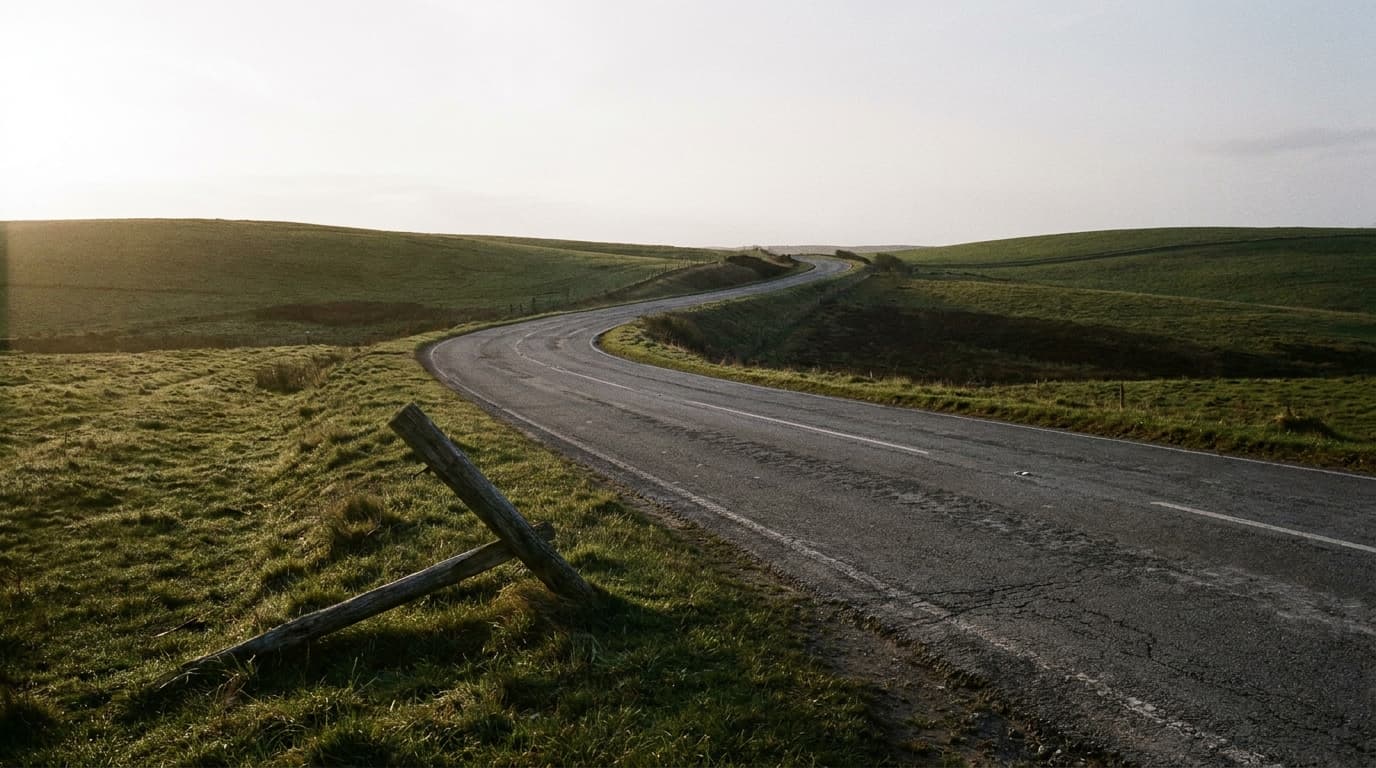
Reckless driving is a state offense, so the answer to "what happens after a reckless driving ticket" depends on where it was written: each state and the District of Columbia defines the offense in its own traffic code and sets its own penalty, points and license rules. In 40 jurisdictions a first offense is a misdemeanor or a comparable crime and in eight more it is a lower-grade crime or an ungraded offense carrying jail, but in New Hampshire, Kentucky and Wisconsin a first offense is not a crime at all, and first-offense penalties run from a $5 to $100 fine in Mississippi to up to two years in jail in Massachusetts.
The federal government has no general reckless driving crime for ordinary drivers. Federal law enters through commercial driver's license (CDL) rules that count a state reckless driving conviction as a serious traffic violation, through federal enclaves and national parks that adopt state traffic law, and through a national register of serious driving convictions.
Information last verified on 2026-10-25. This article has not been reviewed by a licensed lawyer.
Jurisdiction scope: This hub compares state reckless driving, careless and negligent driving, racing and street-takeover laws and the related license consequences in all 50 states and the District of Columbia, plus the federal commercial-driver and federal-land layer. It does not cover DUI penalties (see DUI laws by state), vehicular homicide (see manslaughter laws by state), leaving the scene of a crash (see hit-and-run laws in the United States), traffic cameras (see traffic camera tickets) or civil claims after a crash (see car accident laws). Each state page linked in the table below covers that state's statutes in full.
What reckless driving means
Most states copy the same formula: reckless driving is driving a vehicle in willful or wanton disregard for the safety of persons or property. Statutes worded that way, or nearly that way, include those of Alabama, Arkansas, California, Colorado, Delaware, Florida, Illinois, Iowa, Kansas, Maryland, Michigan, Mississippi, Montana, Nevada, New Jersey, New Mexico, Ohio, South Carolina, Tennessee, Texas, Utah, Washington, West Virginia and Wyoming. The words describe a mental state: the driver knows of a danger and goes ahead anyway, which is more than a moment of carelessness.
A second large group adds a broader clause. Alabama, Idaho, New Mexico, North Carolina, North Dakota and South Dakota also reach driving without due caution at a speed or in a manner that endangers or is likely to endanger people or property. Alaska and Minnesota use the Model Penal Code language instead: Alaska's AS 28.35.400 covers driving that creates a substantial and unjustifiable risk of harm to a person or property, and Minnesota Statutes 169.13 requires that the driver be aware of and consciously disregard a substantial and unjustifiable risk.
Several jurisdictions use a different name or a different standard, and that changes what a charge is called on a record:
- Maine charges "driving to endanger" (29-A M.R.S. 2413): driving with criminal negligence, in any place, in a manner that endangers another person or another's property.
- Vermont has no offense named reckless driving. 23 V.S.A. 1091 makes negligent operation (ordinary negligence) and grossly negligent operation (a gross deviation from reasonable care) on a public highway crimes.
- Missouri has no statute named reckless driving. RSMo 304.012 requires every driver to drive in a careful and prudent manner and to exercise the highest degree of care, and a violation is a class B misdemeanor, or a class A misdemeanor if an accident is involved.
- Massachusetts punishes operating a motor vehicle recklessly, or negligently so that the lives or safety of the public might be endangered, under M.G.L. c. 90, s. 24(2)(a), the offense often called operating to endanger.
- Wisconsin's reckless driving law (Wis. Stat. 346.62) is negligence-based: it bars endangering a person or property by negligent operation of a vehicle.
- New Hampshire treats reckless driving under RSA 265:79 as a violation, not a crime, unless it also involves prohibited mobile-device use, when it may be charged as a class B misdemeanor (RSA 651:2, II-h).
- Kentucky's traffic chapter has no section titled reckless driving. KRS 189.290(4) prohibits operating a vehicle in a reckless or negligent manner that endangers persons or property, and a conviction is a violation rather than a misdemeanor.
- Louisiana calls the offense reckless operation of a vehicle (La. R.S. 14:99) and Ohio calls it operation in willful or wanton disregard of the safety of persons or property (R.C. 4511.20).
- Nebraska grades three offenses: careless driving, reckless driving (indifferent or wanton disregard) and willful reckless driving.
- Indiana lists four specific acts done recklessly, such as weaving in and out of traffic, and New York's VTL 1212 covers driving that unreasonably interferes with the free and proper use of a public highway or parking lot or unreasonably endangers its users.
- Virginia treats reckless driving as a family of offenses: general reckless driving, speed-based reckless driving and listed acts such as passing a stopped school bus or passing on a hill or curve with an obstructed view.
Where the law applies also varies. Many statutes reach beyond public roads: Alabama, Arkansas, Colorado, Delaware, Kansas, Mississippi, Rhode Island and Utah apply reckless driving on highways and elsewhere throughout the state, and California, Michigan, Minnesota, New York, Nevada, Oregon and West Virginia name parking lots, parking facilities, premises open to the public or similar places. Vermont's negligent operation offense is limited to public highways.
Is reckless driving a misdemeanor or a felony?
The grade of a first offense falls into four groups across the 51 jurisdictions in the table:

- Not a crime (3): New Hampshire (a violation with a $500 to $1,000 fine and no jail), Kentucky (a violation with a $20 to $100 fine, or $500 if someone is physically injured) and Wisconsin (a $50 to $400 civil forfeiture on a first violation; a second or later violation is a misdemeanor).
- The lowest criminal grade (5): Hawaii (petty misdemeanor), Iowa (simple misdemeanor), New Mexico (treated by its courts as a petty misdemeanor), Ohio (minor misdemeanor, a fine of up to $150 and no jail) and Pennsylvania (summary offense with a $200 fine).
- A jailable offense the statute does not grade (3): Connecticut, the District of Columbia and New Jersey set a fine and jail range without a class label.
- A misdemeanor or comparable crime (40): the remaining states, from Mississippi's $5 to $100 fine on a first conviction to the Class 1 and Class A misdemeanors of Virginia, South Dakota, Illinois and Oregon, each carrying up to about a year in jail. Maine's driving to endanger is a Class E crime with a $575 minimum fine.
Within that last group the range is wide. Texas caps a first offense at a $200 fine and 30 days, while Washington makes reckless driving a gross misdemeanor with up to 364 days and a $5,000 fine, and Oregon a Class A misdemeanor with up to 364 days and a $6,250 fine.
Repeat offenses usually raise the range. Typical patterns in the state pages: Alabama, Kansas, New Mexico and West Virginia move from 5 to 90 days on a first conviction to 10 days to six months on a second; Arizona makes reckless driving a class 1 misdemeanor with at least 20 days in jail when there is a listed prior within 24 months; Nebraska moves from a Class III to a Class II and then a Class I misdemeanor. Rhode Island goes furthest: a second or later reckless driving conviction is a felony with no look-back period, punishable by one to five years, a fine up to $5,000, or both under the felony default in R.I. Gen. Laws 31-27-14.
Felony forms usually depend on injury or death. Examples from the state pages:
- California can punish reckless driving that causes listed serious injuries (Veh. Code 23105) as a felony or a misdemeanor.
- Florida makes reckless driving that causes serious bodily injury a third-degree felony, with up to 5 years (Fla. Stat. 316.192(3)).
- Illinois makes it a Class 4 or Class 3 felony when someone suffers great bodily harm, or a child or school crossing guard is hurt (aggravated reckless driving).
- Michigan makes reckless driving causing serious impairment of a body function a felony of up to 5 years, and causing death up to 15 years (MCL 257.626(3)-(4)).
- Nevada makes reckless driving that causes death or substantial bodily harm a category B felony (NRS 484B.653(9)).
- Idaho's aggravated driving while reckless (18-8006A), Iowa's 707.6A(4) and Wisconsin's 346.62(4) cover serious injuries as felonies.
- Vermont's grossly negligent operation is a felony on a repeat or when another person is seriously injured or killed, with up to 15 years in the injury-or-death tier.
- Virginia makes reckless driving a Class 6 felony in one narrow case: the driver had no valid license because of a suspension or revocation for a moving violation, and the reckless driving was the sole and proximate cause of a death.
Other states keep the reckless driving section misdemeanor-only and handle injuries elsewhere. Texas's Section 545.401 has no injury or felony tier; West Virginia's 17C-5-3 raises the range for serious bodily injury but has no felony form; North Carolina, for offenses on or after December 1, 2025, makes reckless driving a Class 1 misdemeanor if it causes serious injury and a Class A1 misdemeanor if it causes serious bodily injury. Deaths are usually charged under vehicular homicide or manslaughter statutes, which the manslaughter laws by state pages cover. For how each state grades misdemeanors and felonies, see felony and misdemeanor classes by state.
How fast is reckless driving?
Most states set no speed at which driving becomes reckless by itself; speed is one factor in whether the driving showed the required disregard for safety. The exceptions fall into three groups in the table.
Speed is written into the reckless driving law (7):
- Connecticut: over 85 mph, up to 100 mph, falls under General Statutes 14-222(a); since October 1, 2025, over 100 mph is a separate offense under 14-222(b).
- Delaware: 90 mph or more on a public roadway (21 Del. C. 4175(b), added in 2023).
- District of Columbia: 20 mph or more over the limit (D.C. Code 50-2201.04(b)); 30 mph or more over is aggravated reckless driving.
- Idaho: since July 1, 2026, more than 20 mph over the posted limit in an active school zone with children present and visible, or an active construction zone with workers present and visible.
- Maryland: at least 30 mph above the posted limit, since October 1, 2025 (Transp. 21-901.1).
- Utah: 105 mph or more on a highway (Utah Code 41-6a-528).
- Virginia: 20 mph or more over the applicable limit, or over 85 mph regardless of the limit (Code 46.2-862).
Speed is evidence of reckless driving (3): Nebraska treats driving more than double the maximum lawful limit as prima facie evidence of reckless driving (since September 3, 2025); Tennessee treats driving over 15 mph past a school at the listed times, where no local limit is set, as prima facie reckless driving (55-8-152(d)); and Washington treats driving over the maximum lawful speed as prima facie evidence of reckless operation (RCW 46.61.465).
A separate criminal offense for high speeds, outside the reckless driving statute (12; in some other states, such as South Dakota and Ohio, ordinary speeding is itself a misdemeanor):
- Arizona: excessive speed under A.R.S. 28-701.02, which includes driving more than 20 mph over the posted limit, is a class 3 misdemeanor.
- Arkansas: more than 15 mph over the posted limit is a Class C misdemeanor.
- Colorado: 25 mph or more over the reasonable and prudent speed or the 75 mph maximum is a class 2 misdemeanor traffic offense.
- Florida: dangerous excessive speeding (316.1922), since July 1, 2025, covers 50 mph or more over the limit, or 100 mph or more in a manner that threatens safety.
- Hawaii: excessive speeding (HRS 291C-105) covers 30 mph or more over the limit or 80 mph or more, with a mandatory license suspension.
- Illinois: criminal speeding (11-601.5) makes 26 to 34 mph over a Class B misdemeanor and 35 mph or more over a Class A misdemeanor.
- Maine: 30 mph or more over the maximum speed is a Class E crime.
- Missouri: 20 mph or more over the posted limit is a class B misdemeanor.
- Nevada: 30 mph or more over the posted limit is a misdemeanor.
- North Carolina: more than 15 mph over the limit, or over 80 mph, is a Class 3 misdemeanor.
- South Carolina: more than 25 mph over the limit is a misdemeanor.
- Vermont: excessive speed (23 V.S.A. 1097), driving 60 mph or more and at least 30 mph over the limit, is a crime carrying 8 points.
A few other states attach a non-criminal consequence to very high speeds. New Hampshire, since January 1, 2026, makes driving 100 mph or more a separate violation with a minimum $750 fine and a 90-day revocation; Oregon makes 100 mph or more a specific fine violation with a mandatory 30 to 90 day suspension; California makes driving over 100 mph on a highway an infraction; Minnesota revokes a license for six months for driving over 100 mph; and Georgia adds a $200 super speeder fee to a conviction at 85 mph or more (75 mph or more on a two-lane road). Oklahoma's reckless driving section has no mph figure but reaches driving that breaks the basic speed rule in 11-801, and Minnesota makes racing reckless driving whether or not the driver exceeded the limit.
How many points is reckless driving?
Point values are set by each state's licensing law or agency rule, and the scales differ, so a number only means something against that state's suspension threshold.
- No license points (11): Hawaii, Kansas, Minnesota, Oregon, Texas and Wyoming have no point system in the statutes their pages cover, and Iowa, Louisiana, Mississippi, Rhode Island and Washington assign reckless driving no points. In these states the license consequence comes from mandatory suspension, repeat-conviction or habitual-offender rules instead.
- A point system that does not list reckless driving (4): Connecticut, Idaho, Maine and Pennsylvania. Each instead suspends the license directly for a reckless driving (or driving to endanger) conviction.
- Two points (1): California, where 4 points in 12 months, 6 in 24 or 8 in 36 make a driver presumptively a negligent operator.
- Four points (6): Florida, Georgia, Kentucky, North Carolina, Ohio and Oklahoma.
- Five points (4): Montana (on its habitual traffic offender schedule only), Nebraska, New Jersey and New York.
- Six points (13): Alabama, Delaware, the District of Columbia, Indiana, Maryland, Michigan, New Hampshire, New Mexico, South Carolina, Tennessee, Virginia, West Virginia and Wisconsin.
- Eight points (6): Arizona, Arkansas, Colorado, Nevada, North Dakota and South Dakota.
- Ten points (2): Alaska, and Vermont for negligent operation.
- Larger scales (2): Illinois assigns 55 points and Utah 80, on scales where suspension starts at much higher totals.
- Other (2): Massachusetts uses insurance surcharge points (5 for reckless driving under the Safe Driver Insurance Plan), and Missouri's point statute does not list its highest-degree-of-care section by number.
Some states add points for the circumstances: Indiana assigns 8 or 10 points when the court record shows property damage or bodily injury, and the District of Columbia and North Dakota assign 12 points for the aggravated forms.
Will reckless driving suspend my license?
License action is often a larger consequence than the fine. The state pages fall into three patterns.
Mandatory suspension or revocation on a single conviction (14): Alaska (court revocation of at least 30 days on a first conviction), Connecticut (30 to 90 days), Idaho (30 days), Kansas (revocation, though the court may restrict driving instead), Kentucky (six months on a first enumerated conviction), Maine (30 to 180 days), Massachusetts (the registrar shall revoke unless the court recommends otherwise), Michigan (90 days for a misdemeanor conviction), New Hampshire (60-day revocation), Oregon (90 days), Pennsylvania (six months), Vermont (30 days after a first negligent operation conviction), Washington (at least 30 days) and Wyoming (90 days).
Mandatory action only after repeat convictions: many states revoke after a set number of reckless driving convictions in a short window. Alabama, Arkansas, California, Delaware, Florida, Illinois, Louisiana, Mississippi, Montana, Nevada, New Mexico and Rhode Island act on three convictions or charges within 12 months; North Carolina, Tennessee and Utah on two within 12 months; Colorado on three within two years; West Virginia on three within 24 months. Arizona imposes a one-year suspension when there is a listed prior within 24 months, South Carolina a three-month suspension for a second offense within five years, and South Dakota a 30-day court revocation for a second conviction within one year.
Discretionary or point-based: in Virginia the court may suspend for 10 days to six months, or 60 days to six months for the forms in Code 46.2-853 to 46.2-864; in Ohio the court may impose a suspension of six months to three years; in Indiana the court may recommend up to one year when there was damage or injury; in Wisconsin the court may suspend for up to one year; in Alabama the court may bar driving for up to six months; in New Mexico the director may suspend for up to 90 days. In states such as New Jersey, Missouri and North Dakota, the main route to a suspension is the point total; Oklahoma suspends at 10 points, and its code book also marks one reckless driving entry (RK9) for revocation.
Some rules aim at young or new drivers. Georgia suspends the license of a driver under 21 by operation of law after a reckless driving conviction; Maryland suspends a provisional license holder under 18 for six months; New York suspends a probationary license for 60 days; and Connecticut sets a six-month suspension for a driver under 18.
Habitual-offender laws stack reckless driving with other serious convictions. Examples include Indiana (three judgments in 10 years, a 10-year suspension), Massachusetts (three convictions in five years, a four-year revocation), Oregon (three within five years, a five-year revocation), Pennsylvania (three within five years, a five-year revocation) and South Carolina (three within three years).
Reckless versus careless driving
Many states have a lower offense for driving that falls short of the reckless standard. The name varies (careless, negligent, inattentive, imprudent), and so does the grade:
- Non-criminal: Alaska's negligent driving is an infraction that is a lesser included offense of reckless driving; Florida's careless driving is a noncriminal moving violation; Michigan's careless driving is a civil infraction; Nebraska's careless driving is a traffic infraction; North Dakota's is a noncriminal violation; Oregon's is a Class B traffic violation (Class A if it contributes to an accident); Utah's has been an infraction since May 6, 2026; Washington's negligent driving in the second degree is an infraction with a $250 penalty; and Wisconsin's inattentive driving is a forfeiture.
- Misdemeanor or crime: Colorado (class 2 misdemeanor traffic offense, class 1 with injury or death), Idaho's inattentive driving, Minnesota, Montana, South Dakota (Class 2 misdemeanor) and Wyoming treat careless driving as a crime. Hawaii's inattention to driving requires a collision, injury or damage.
- Fine-only or general penalty: Arkansas (up to $100), Louisiana (the general traffic penalty), Maryland's negligent driving (up to $750, no jail), Mississippi ($5 to $50), New Hampshire's negligent driving ($250 to $500), New Jersey (the general motor vehicle penalty), New Mexico (the general Motor Vehicle Code penalty) and Pennsylvania (a summary offense, with higher fines and suspensions when it causes serious bodily injury or death).
Other codes have no offense by that name. The state pages for Alabama, Arizona, California, Connecticut, the District of Columbia, Illinois, Indiana, Kansas, Maine, New York, Ohio, Rhode Island, South Carolina, Texas, Virginia and West Virginia describe codes with no general careless driving offense; the nearest rules are usually a basic speed rule, failure to control or improper driving. Vermont's negligent operation is itself the lower tier, and Massachusetts puts negligent operation in the same section and penalty range as reckless operation.
What is a wet reckless?
"Wet reckless" is an informal name for a reckless driving conviction connected to alcohol or drugs, usually in a case that began as a DUI charge. Only some state statutes address it, and they do different things:

- California: Vehicle Code 23103.5 requires the prosecution, when a reckless driving plea replaces a DUI charge, to state on the record whether alcohol or drugs were involved; if so, the conviction counts as a prior under the DUI sentencing sections.
- Delaware: a reckless driving conviction on a charge reduced from DUI requires a DUI course or program, is noted as alcohol- or drug-related on the driving record (21 Del. C. 4175(c)) and counts as a prior DUI offense (4177B(e)).
- Washington: a reckless driving conviction on a charge originally filed as DUI counts as a prior offense for later DUI sentencing (RCW 46.61.5055(14)(a)(xii)).
- Tennessee: a reckless driving conviction where the charged offense was DUI counts as a prior for the implied-consent and restricted-license rules (55-10-407(c), 55-10-409(b)).
- Illinois: has no separate wet reckless offense, but a reckless driving plea under a plea agreement carries DUI-related consequences, including no court supervision on a later DUI charge (730 ILCS 5/5-6-1(d)(3)).
- New Hampshire: a guilty plea to reckless or negligent driving in a case originally charged as DWI requires a qualified online victim impact panel unless the court finds exceptional circumstances.
- Virginia: has no separate alcohol-related reckless offense, but Code 18.2-271.1(G) covers a reckless driving conviction where the person was initially charged with DUI, and 19.2-294.1 requires dismissal of one charge when DUI and reckless driving charges from the same act end in a conviction on the other.
- Utah: its wet reckless statute, 41-6a-512, reaches only DUI charges for offenses committed before July 1, 2008; for later offenses the reduced plea named in the code is impaired driving (41-6a-502.5).
- Florida: Section 316.192(5) requires a DUI program course and evaluation when the court has reasonable cause to believe alcohol or drugs contributed to a reckless driving violation, but no Florida rule counts it as a prior DUI.
- Michigan: has no wet reckless statute, but the felony forms of reckless driving count as prior convictions for drunk driving purposes.
- Vermont: has no reckless driving offense; an ignition interlock rule (23 V.S.A. 1213(a)(1)(E)) refers to a DUI charge that ended in a guilty plea to a reduced charge of negligent operation.
A separate group of states limits how a DUI charge can be resolved. Arkansas (5-65-107(a)) and Mississippi (63-11-39) bar reducing a DUI charge; New Mexico (66-8-102.1), Kentucky (189A.120(1)) and Florida (316.656(2)) restrict pleas to a lesser offense in listed cases; Oregon (ORS 813.170) bars a plea to another offense in exchange for dismissal of a DUII charge, except for diversion; New York's VTL 1192(10) limits plea dispositions unless the district attorney consents and the court states the basis on the record; and Colorado (42-4-1301(4)) allows a plea to a non-alcohol traffic offense only on the prosecutor's good-faith representation that a prima facie case could not be established. Oklahoma works the other way: DUI committed while also driving recklessly is aggravated DUI, a Class B3 felony.
Most other state pages describe a DUI chapter that contains no provision on an alcohol-related reckless plea. Each state's DUI rules are on the DUI laws by state pages.
Is street racing a crime? Racing, exhibitions and street takeovers
Racing laws range from fine-only offenses to felonies, and the 2021 to 2026 period brought a wave of laws aimed at street takeovers, sideshows, burnouts and drifting. Examples from the state pages:
- Felony tiers for repeats or gatherings: Arizona makes a second racing conviction within 24 months a class 6 felony; Connecticut makes racing or a street takeover a class D felony for a subsequent offense within 10 years; Arkansas, as amended in 2021, makes racing that blocks traffic or is part of a gathering of 10 or more a Class D felony; Florida makes racing a felony for a repeat within the statutory windows or for taking part in a coordinated takeover of 10 or more vehicles; Illinois makes a second racing, sideshow or traffic-blocking conviction a Class 4 felony; Rhode Island makes a second street racing violation within five years a felony.
- New takeover offenses: Ohio added stunt driving and street takeovers to its racing statute (H.B. 56, October 24, 2024); Missouri, since August 28, 2025, makes stunt driving in a street takeover a class B misdemeanor, rising to a class E felony on a third offense; North Carolina makes operating a vehicle in a street takeover a Class A1 misdemeanor and a second within 24 months a Class H felony; South Carolina, since May 15, 2026, makes a street takeover a misdemeanor for participants and organizers and a felony when someone is injured or killed, with the vehicles seized; South Dakota's 2025 law makes coordinating or profiting from a race, stunt-driving exhibition or takeover a Class 6 felony.
- Sideshows and burnouts: Alabama's 13A-11-300 makes sideshows, burnouts and donuts a Class C misdemeanor on a first violation, rising to a felony with serious physical injury or death; Oregon's reckless driving statute has covered breaking traction or spinning the rear tires in front of two or more watching people since September 24, 2023; Delaware treats speed exhibitions and burnouts as a separate offense; Pennsylvania fines drifting and makes organizing racing or drifting a third-degree felony when serious bodily injury or death results; Virginia treats exhibition driving near a group of two or more people as reckless driving with a 20-day impound or immobilization.
- Racing as reckless driving: Minnesota and Washington treat racing as reckless driving itself, and Nevada counts a speed contest as reckless driving with a mandatory court-ordered suspension.
- Steep license consequences: Florida (one-year revocation on a first conviction), North Carolina (three-year revocation for a prearranged speed competition), New York (revocation on any racing conviction), Texas (one-year automatic suspension) and Tennessee (drag racing a Class E felony for acts on or after July 1, 2024, with a one-year revocation).
- Racing as a minor offense: in a few states racing remains a low-level offense. Alaska bars street racing by regulation, an infraction with a fine of up to $300; North Dakota treats drag racing as a noncriminal violation with a $100 fee; Wisconsin's racing is a forfeiture; Wyoming's speed contest carries $10 to $100 and up to 10 days. Vermont's Title 23 chapter 13 has no street racing or takeover section.
California's sideshow rules are changing: from January 1, 2027, AB 1588 sets higher penalties for an exhibition of speed that is part of a sideshow, and a court power to suspend a license for one begins January 1, 2029.
Federal law: commercial drivers, federal land and the National Driver Register
Federal. There is no federal reckless driving offense for the general driving public. The federal provisions below each defer to state law for the definition.
Commercial driver's licenses. Under 49 C.F.R. 383.51(c), Table 2, "Driving recklessly, as defined by State or local law or regulation, including but, not limited to, offenses of driving a motor vehicle in willful or wanton disregard for the safety of persons or property" is a serious traffic violation, as is speeding 15 mph or more above the posted limit. A CDL or commercial learner's permit holder is disqualified from driving a commercial motor vehicle for 60 days after a second serious traffic violation conviction in a separate incident within three years, and for 120 days after a third. The table has no first-conviction column, so a single serious traffic violation carries no federal disqualification.
The rule reaches driving in a personal car, with a condition. Section 383.51(a)(3) applies the sanctions whether the holder "drives a CMV or non-CMV," but for convictions in a non-commercial vehicle the Table 2 disqualification applies only "if the conviction results in the revocation, cancellation, or suspension of the CLP or CDL holder's license or non-CMV driving privileges." Separately, Table 1 item (8) disqualifies a driver for one year for causing a fatality through the negligent operation of a commercial motor vehicle.
No masking. For CDL purposes a "conviction" includes a guilty or nolo contendere plea accepted by the court, the payment of a fine or court cost and an unvacated forfeiture of bail, "regardless of whether or not the penalty is rebated, suspended, or probated" (49 C.F.R. 383.5). Under 49 C.F.R. 384.226, a state "must not mask, defer imposition of judgment, or allow an individual to enter into a diversion program that would prevent a CLP or CDL holder's conviction" for a traffic violation in any type of vehicle from appearing on the driver's record. That duty binds the state.
Federal enclaves and military installations. The Assimilative Crimes Act, 18 U.S.C. 13(a), makes an act committed on federal land within the special maritime and territorial jurisdiction (defined in 18 U.S.C. 7(3)) that "would be punishable if committed or omitted within the jurisdiction of the State" a federal "like offense" with "a like punishment," using state law "in force at the time of such act or omission." Under 32 C.F.R. 634.25, installation commanders set a traffic code that conforms where possible to the state code, and state traffic offenses that are criminal apply on installations with concurrent or exclusive federal jurisdiction; where federal jurisdiction is only proprietary, state traffic laws cannot be enforced in federal court under that section.
National parks. Under 36 C.F.R. 4.2, traffic and vehicle use in a park area are governed by state law, which is "adopted and made a part of the regulations," and violating it is prohibited. The park regulation on unsafe operation, 36 C.F.R. 4.22, states that its offenses "are less serious than reckless driving" and that reckless driving "is defined by State law." It prohibits, among other things, driving without due care, squealing or skidding tires unnecessarily and failing to maintain control. A person convicted of violating these park regulations is subject to the penalties in 18 U.S.C. 1865(a): up to six months, a fine under Title 18, or both (36 C.F.R. 1.3). Default park speed limits are 15 mph in campgrounds, parking areas and similar places, 25 mph on road sections under repair and 45 mph on other park roads unless the superintendent designates another limit (36 C.F.R. 4.21).
The National Driver Register. Under 49 U.S.C. 30304(a)(3)(B), the chief driver licensing official of each participating state reports anyone convicted of "a traffic violation arising in connection with a fatal traffic accident, reckless driving, or racing on the highways" to the Secretary of Transportation, generally within 31 days after the state motor vehicle department receives the information. That duty also runs to the state, not the driver.
Out-of-state tickets. The Driver License Compact is state law, not federal law. In the Virginia text (Va. Code 46.2-483), a party state reports each conviction of an out-of-state licensee to the home state. The home state gives the conduct the same effect as an in-state conviction for four listed categories (vehicular manslaughter or negligent homicide, DUI, a felony using a motor vehicle, and failing to stop and render aid after an injury or fatal crash); reckless driving is not one of them, so for other convictions the home state applies its own law.
Reckless driving laws by state: comparison table
Each cell is a short summary of that state's page, which carries the full rule, conditions and citations. Penalties are statutory ranges ("up to" means a maximum). The first-offense column gives the base range; many states, including California, Maine, Minnesota, Montana, Nevada, Vermont and West Virginia, set higher ranges when someone is injured, and the state pages carry those tiers. "None" in the speed column means the state page describes no speed at which driving becomes reckless by itself; separate speeding offenses may still apply.
| State | Main statute | First-offense penalty | Speed-based rule | Points | License action |
|---|---|---|---|---|---|
| Alabama | Ala. Code 32-5A-190 | Misdemeanor: 5 to 90 days, $25 to $500, or both | None in the reckless section | 6 | Court may bar driving up to 6 months; revocation after 3 convictions for offenses within 12 months |
| Alaska | AS 28.35.400 | Misdemeanor: up to 1 year, up to $1,000, or both | None | 10 | Mandatory court revocation, at least 30 days on a first conviction |
| Arizona | A.R.S. 28-693 | Class 2 misdemeanor: up to 4 months, up to $750 | None in 28-693; excessive speed (28-701.02), which includes over 20 mph above the limit, is a class 3 misdemeanor | 8 (MVD schedule) | Judge may suspend up to 90 days; 1-year suspension with a listed prior within 24 months |
| Arkansas | Ark. Code 27-50-308 | Class B misdemeanor label; 5 to 90 days, $25 to $500, or both (no injury) | None; more than 15 mph over is a separate Class C misdemeanor | 8 (DFA) | Revocation after 3 convictions for charges within 12 months |
| California | Veh. Code 23103 | Misdemeanor: 5 to 90 days, $145 to $1,000, or both | None; over 100 mph on a highway is a separate infraction | 2 | Mandatory revocation for bodily injury or 3 convictions in 12 months; DMV may suspend after a second |
| Colorado | C.R.S. 42-4-1401 | Class 2 misdemeanor traffic offense: at least 10 days or $150, up to 90 days or $300 | None; 25 mph or more over is a separate class 2 misdemeanor traffic offense | 8 | Revocation of at least 1 year after 3 convictions for acts within 2 years |
| Connecticut | C.G.S. 14-222 | No class label: $100 to $300, up to 30 days, or both | Over 85 mph, up to 100 mph, is covered by 14-222(a); over 100 mph is a separate offense under 14-222(b) | Not listed in the DMV point schedule | Mandatory suspension: 30 to 90 days for a first violation |
| Delaware | 21 Del. C. 4175 | Misdemeanor: $100 to $300, 10 to 30 days, or both | 90 mph or more is reckless driving (4175(b)) | 6 | Revocation after 3 charges ending in conviction or bail forfeiture within 12 months |
| District of Columbia | D.C. Code 50-2201.04 | No class label: up to 90 days, up to $500, or both | 20 mph or more over the limit; 30 mph or more over is aggravated | 6 (aggravated: 12) | Point-based: 10 points, 90-day suspension; 12 points, revocation; aggravated reckless driving: DMV suspends license and registration (50-1301.37(a)(6), since Mar. 4, 2026) |
| Florida | Fla. Stat. 316.192 | Crime, no degree named: up to 90 days, $25 to $500, or both (no damage or injury) | None in 316.192; dangerous excessive speeding (316.1922) is a separate offense | 4 | Revocation after 3 convictions for charges within 12 months |
| Georgia | O.C.G.A. 40-6-390 | Misdemeanor: up to $1,000, up to 12 months, or both | None; $200 super speeder fee at 85 mph or more (75 on a two-lane road) | 4 | Under 21: suspended by operation of law; otherwise 15 points in 24 months |
| Hawaii | HRS 291-2 | Petty misdemeanor: up to $1,000, up to 30 days, or both | None in 291-2; excessive speeding (291C-105, 30+ over or 80+ mph) is a separate crime | No point system | Court may suspend or revoke; if not, suspension until proof of financial responsibility (HRS 287-20) |
| Idaho | Idaho Code 49-1401 | Misdemeanor: up to 6 months, up to $1,000, or both | More than 20 mph over in an active school or construction zone with children or workers present (since July 1, 2026) | Not on the ITD point list | Mandatory 30-day suspension |
| Illinois | 625 ILCS 5/11-503 | Class A misdemeanor: less than 1 year, up to $2,500 | None in 11-503; criminal speeding (11-601.5) starts at 26 mph over | 55 | Revocation after 3 convictions for offenses within 12 months or 1 felony reckless conviction |
| Indiana | IC 9-21-8-52 | Class C misdemeanor: up to 60 days, up to $500 (no damage or injury) | None | 6 (8 or 10 with damage or injury) | Discretionary: court may recommend up to 1 year with damage or injury |
| Iowa | Iowa Code 321.277 | Simple misdemeanor: $105 to $855; up to 30 days | None | No points for reckless driving | Revocation of 5 to 30 days on convictions on two reckless driving charges |
| Kansas | K.S.A. 8-1566 | Misdemeanor: 5 to 90 days, $25 to $500, or both | None | No point system | Mandatory revocation (court may restrict driving instead) |
| Kentucky | KRS 189.290(4) | Violation, not a misdemeanor: $20 to $100 fine ($500 with physical injury) | None | 4 | Mandatory revocation: 6 months on a first enumerated conviction |
| Louisiana | La. R.S. 14:99 (reckless operation) | Misdemeanor: up to $200, up to 90 days, or both | None | No points | 24-month suspension after 3 charges within 12 months ending in conviction or bail forfeiture |
| Maine | 29-A M.R.S. 2413 (driving to endanger) | Class E crime: up to 6 months and $1,000; $575 minimum fine | None in 2413; 30 mph or more over is a separate Class E crime | No row in the point rule | Mandatory 30 to 180 day suspension |
| Maryland | Transp. 21-901.1 | Misdemeanor: up to 60 days, up to $1,000, or both | At least 30 mph over the posted limit (since Oct. 1, 2025) | 6 | Point-based (8 points suspension, 12 revocation within 2 years); 6 months for provisional holders under 18 |
| Massachusetts | M.G.L. c. 90, s. 24(2)(a) | Misdemeanor: $20 to $200, 2 weeks to 2 years, or both | None | 5 insurance surcharge points | Registrar shall revoke unless the court recommends otherwise; at least 60 days on a first offense |
| Michigan | MCL 257.626 | Misdemeanor: up to 93 days, up to $500, or both | None | 6 | Mandatory 90-day suspension |
| Minnesota | Minn. Stat. 169.13 | Misdemeanor: up to 90 days, up to $1,000, or both | None (racing is reckless driving); over 100 mph brings a 6-month revocation | No point system | Revocation after 3 charges of imprisonable chapter 169 violations within 12 months |
| Mississippi | Miss. Code 63-3-1201 | Misdemeanor: $5 to $100 fine | None | No points | 1-year revocation after 3 convictions for charges within 12 months |
| Missouri | RSMo 304.012 (highest degree of care) | Class B misdemeanor: up to 6 months, up to $1,000 (class A if an accident is involved) | None in 304.012; 20 mph or more over is a separate class B misdemeanor (304.010) | Not listed by number in RSMo 302.302 | Point-based: suspension at 8 points in 18 months |
| Montana | MCA 61-8-301 | Misdemeanor: up to 90 days, $100 to $500, or both | None | 5 (habitual offender schedule only) | No mandatory suspension for one conviction; 1-year suspension after 3 offenses within 12 months |
| Nebraska | Neb. Rev. Stat. 60-6,213 | Class III misdemeanor: up to 3 months, up to $500, or both | More than double the limit is prima facie evidence (since Sept. 3, 2025) | 5 (willful reckless: 6) | Revocation on a second conviction; willful reckless (60-6,214) requires revocation on a first |
| Nevada | NRS 484B.653 | Misdemeanor: $250 to $1,000, with or without up to 6 months | None in 484B.653; 30 mph or more over is a separate misdemeanor | 8 | 1-year revocation after 3 charges within 12 months |
| New Hampshire | RSA 265:79 | Violation, not a crime: $500 to $1,000, no jail | None; 100 mph or more is a separate violation (since Jan. 1, 2026) | 6 | Mandatory 60-day revocation |
| New Jersey | N.J.S.A. 39:4-96 | No class label: up to 60 days, $50 to $200, or both | None | 5 | Point-based: 12 to 15 points in 2 years brings a 30-day suspension, except for good cause |
| New Mexico | NMSA 66-8-113 | Petty misdemeanor (per the courts): 5 to 90 days, $25 to $100, or both | None | 6 | Director may suspend up to 90 days; revocation after 3 in 12 months |
| New York | VTL 1212 | Misdemeanor (no class letter): up to 30 days, $100 to $300, or both | None | 5 | Revocation after 3 misdemeanor or speeding violations within 18 months; 60 days on a probationary license |
| North Carolina | G.S. 20-140 | Class 2 misdemeanor: fine up to $1,000 | None in 20-140; more than 15 mph over or over 80 mph is a separate Class 3 misdemeanor | 4 | 1-year revocation after 2 reckless convictions within 12 months |
| North Dakota | N.D.C.C. 39-08-03 | Class B misdemeanor: up to 30 days, up to $1,500, or both | None | 8 (aggravated: 12) | Point-based: 12 points brings a suspension of at least 7 days |
| Ohio | R.C. 4511.20 (reckless operation) | Minor misdemeanor: up to $150, no jail | None | 4 | Discretionary court suspension of 6 months to 3 years; 12 points in 2 years brings 6 months |
| Oklahoma | 47 O.S. 11-901 | Misdemeanor: 5 to 90 days, $100 to $500, or both | No mph figure; covers driving that breaks the basic speed rule (11-801) | 4 | Not on the 6-205(A) mandatory list, but the code book marks one reckless entry (RK9) for revocation; discretionary suspension (6-206(B)); 10 points brings an automatic suspension |
| Oregon | ORS 811.140 | Class A misdemeanor: up to 364 days, up to $6,250 | None; 100 mph or more is a specific fine violation with a 30 to 90 day suspension | No points schedule | Mandatory 90-day suspension on a first offense |
| Pennsylvania | 75 Pa.C.S. 3736 | Summary offense: $200 fine | None in 3736 | Not in the Section 1535 point schedule | Mandatory 6-month suspension |
| Rhode Island | R.I. Gen. Laws 31-27-4 | Misdemeanor; default range up to $500, up to 1 year, or both (31-27-13(c)) | None in 31-27-4 | No points | 3-year revocation after 3 charges within 12 months; DMV may suspend up to 1 year |
| South Carolina | S.C. Code 56-5-2920 | Misdemeanor: $25 to $200 or up to 30 days | None; more than 25 mph over is a separate misdemeanor | 6 | Mandatory 3-month suspension on a second offense within 5 years |
| South Dakota | SDCL 32-24-1 | Class 1 misdemeanor: up to 1 year, up to $2,000, or both | None | 8 | Court must revoke 30 days on a second conviction within 1 year |
| Tennessee | Tenn. Code Ann. 55-10-205 | Class B misdemeanor: up to 6 months, up to $500, or both | School zones: over 15 mph past a school at listed times is prima facie reckless (55-8-152(d)) | 6 | Revocation after 2 convictions for offenses within 12 months |
| Texas | Transp. Code 545.401 | Misdemeanor: up to $200, up to 30 days, or both | None | No points schedule | Not on the automatic-suspension list |
| Utah | Utah Code 41-6a-528 | Class B misdemeanor: up to 6 months, up to $1,000 | 105 mph or more on a highway | 80 | Revocation after 2 reckless or impaired convictions within 12 months |
| Vermont | 23 V.S.A. 1091 (negligent operation) | Negligent operation: up to 1 year, up to $1,000, or both | None in 1091; excessive speed (1097) is a separate crime | 10 (negligent operation) | Suspension under 23 V.S.A. 2506, 30 days on a first conviction |
| Virginia | Va. Code 46.2-852, 46.2-868 | Class 1 misdemeanor: up to 12 months, up to $2,500, or both | 20 mph or more over, or over 85 mph (46.2-862) | 6 | Discretionary: court may suspend 10 days to 6 months |
| Washington | RCW 46.61.500 | Gross misdemeanor: up to 364 days, up to $5,000 | Over the maximum lawful speed is prima facie evidence (46.61.465) | No points | Mandatory suspension of at least 30 days |
| West Virginia | W. Va. Code 17C-5-3 | Misdemeanor: 5 to 90 days, $25 to $500, or both | None | 6 | Revocation after 3 convictions within 24 months |
| Wisconsin | Wis. Stat. 346.62 | Civil forfeiture: $50 to $400 (a repeat is a misdemeanor) | None | 6 | Discretionary: court may suspend up to 1 year; 12 points in 12 months |
| Wyoming | W.S. 31-5-229 | Misdemeanor: up to $750, up to 6 months, or both | None | No point system | Mandatory 90-day suspension |
Related pages
- DUI laws by state
- Manslaughter and vehicular homicide laws by state
- Felony and misdemeanor classes by state
- Lane splitting laws by state
- Traffic camera tickets
- Car accident laws
- Hit-and-run laws in the United States
- Expungement laws by state
- California Vehicle Code 23103: reckless driving explained
- Road rage laws: is endangering other people on a highway a punishable offense?
This article is general legal information about state and federal law, not legal advice. Penalties, point values and license rules change, and the state pages linked above carry each state's full rules and citations. For a specific situation, contact a lawyer licensed in the state where the ticket was issued, or that state's motor vehicle agency for license questions.
Last updated: 2026-10-25.
Frequently Asked Questions
What is reckless driving?
In most states it is driving in willful or wanton disregard for the safety of persons or property: knowing of a danger and driving anyway. Some states use other names or standards, such as Maine's driving to endanger, Vermont's negligent and grossly negligent operation and Wisconsin's negligence-based offense.
Is reckless driving a misdemeanor or a felony?
A first offense is a misdemeanor or comparable crime in 40 of the 51 jurisdictions, a lower-grade crime in five more (Hawaii, Iowa, New Mexico, Ohio and Pennsylvania) and an ungraded offense carrying jail in Connecticut, D.C. and New Jersey, but not a crime in New Hampshire, Kentucky or Wisconsin (first offense). Felony forms usually require injury or death; Rhode Island makes a second or later conviction a felony.
How fast is reckless driving?
Most states set no speed at which driving is reckless by itself. Exceptions include Virginia (20 mph or more over, or over 85 mph), the District of Columbia (20 mph or more over), Maryland (30 mph or more over), Delaware (90 mph or more), Utah (105 mph or more on a highway) and Connecticut (over 85 mph).
How many points is reckless driving?
It depends on the state: 2 in California, 4 in Florida, 6 in states such as Virginia and Michigan, 8 in states such as Arizona and Colorado, 55 in Illinois and 80 in Utah. Eleven jurisdictions, including Texas, Washington and Kansas, give reckless driving no license points.
Will reckless driving suspend my license?
In 14 states a single conviction brings a mandatory suspension or revocation, for example 6 months in Pennsylvania and 90 days in Michigan, Oregon and Wyoming. Elsewhere the license action usually follows repeat convictions, points or a court's discretion.
What is the difference between reckless and careless driving?
Careless, negligent or inattentive driving is a lower offense for driving that endangers others without the willful or wanton disregard reckless driving requires. In many states it is a non-criminal infraction or a fine-only offense, and some states, such as Texas and Illinois, have no offense by that name.
What is a wet reckless?
It is an informal name for a reckless driving conviction tied to alcohol or drugs, usually in a case that began as a DUI. California, Delaware and Washington count such a conviction as a prior DUI offense on their own terms; many states have no statute on it, and some bar reducing a DUI charge at all.
Is street racing a crime?
Racing laws range from a noncriminal violation in North Dakota to felony tiers for repeats or organized takeovers in states such as Arizona, Connecticut, Florida, Illinois and North Carolina, and many states added street-takeover offenses between 2021 and 2026.
Does reckless driving affect a commercial driver's license?
Yes. Under 49 C.F.R. 383.51, a second reckless driving or other serious traffic violation conviction within 3 years disqualifies a CDL holder from commercial driving for 60 days and a third for 120 days. A conviction in a personal vehicle counts only if it resulted in a license suspension, revocation or cancellation.
Does federal law apply to reckless driving on federal land?
Federal enclaves, military installations with federal jurisdiction and national parks apply state traffic law: the Assimilative Crimes Act (18 U.S.C. 13) adopts state offenses, and 36 C.F.R. 4.2 adopts state traffic law in park areas, where reckless driving is defined by state law.
Updates
Independently fact-checked against the cited primary sources
State-by-state comparison
Each state guide below is paired with the governing statute our editors adjudicated for it, held in our own legal record and verified against the official source.
Each statute shown is the same adjudicated anchor its state guide renders, independently verified against primary sources. A dash means not yet adjudicated in our record — never that no law exists.
The Law Behind This Article
This article rests on the statutory provisions below, held in our own legal record and retrieved from the official source. Tap a section to read the operative text.
Code of Federal Regulations Title 49
§ 384.218Second serious traffic violation.In force
The State must disqualify from operating a CMV for a period of not less than 60 days each person who, in a three-year period, is convicted, as defined in § 383.5 of this subchapter, in any State(s) or jurisdiction(s), of two serious traffic violations as specified in Table 2 to § 383.51.
Official text (excerpt) · last checked 2026-07-28 · Read the full text in our law library · Verify at ecfr.gov
§ 384.219Third serious traffic violation.In force
The State must disqualify from operating a CMV for a period of not less than 120 days each person who, in a three-year period, is convicted, as defined in § 383.5 of this subchapter, in any State(s) or jurisdiction(s), of three serious traffic violations as specified in Table 2 to § 383.51. This disqualification period must be in addition to any other previous period of disqualification.
Official text (excerpt) · last checked 2026-07-28 · Read the full text in our law library · Verify at ecfr.gov
§ 384.224Noncommercial motor vehicle violations.In force
The State must have and enforce laws and/or regulations applicable to drivers of non-CMVs, as defined in § 383.5 of this subchapter, which meet the minimum requirements of Tables 1 and 2 to § 383.51 of this subchapter.
Official text (excerpt) · last checked 2026-07-28 · Read the full text in our law library · Verify at ecfr.gov
Search our full record of US law — 2.1 million sections, every state + federal →
Sources and References
- Ala. Code 32-5A-190 (reckless driving)(alison.legislature.state.al.us).gov
- AS 28.35.400, Reckless driving(www.akleg.gov).gov
- A.R.S. 28-693, Reckless driving; classification; license; aiding and abetting(www.azleg.gov).gov
- Ark. Code 27-50-308, Reckless driving (Arkansas Code official access point)(www.arkleg.state.ar.us).gov
- Cal. Veh. Code 23103, Reckless Driving(leginfo.legislature.ca.gov).gov
- C.R.S. 42-4-1401, Reckless driving - penalty(olls.info).gov
- Conn. Gen. Stat. 14-222, Reckless driving (2026 Supplement)(www.cga.ct.gov).gov
- 21 Del. C. 4175, Reckless driving(delcode.delaware.gov).gov
- D.C. Code 50-2201.04, Speeding and reckless driving(code.dccouncil.gov).gov
- Fla. Stat. 316.192, Reckless driving(www.leg.state.fl.us).gov
- O.C.G.A. 40-6-390, Reckless driving (Official Code of Georgia Annotated)(www.lexisnexis.com)
- HRS 291-2, Reckless driving of vehicle or riding of animals; penalty(www.capitol.hawaii.gov).gov
- Idaho Code 49-1401, reckless driving and inattentive driving(legislature.idaho.gov).gov
- 625 ILCS 5/11-503, Reckless driving; aggravated reckless driving(www.ilga.gov).gov
- IC 9-21-8-52, Reckless driving; IC 9-21-8-50, -55, -56 and -35(iga.in.gov).gov
- Iowa Code 321.277, Reckless driving (Chapter 321, Motor Vehicles and Law of the Road)(legis.iowa.gov).gov
- K.S.A. 8-1566, Reckless driving; penalties(ksrevisor.gov).gov
- KRS 189.290 (operation of vehicle in careful manner; reckless or negligent operation)(apps.legislature.ky.gov).gov
- La. R.S. 14:99, Reckless operation of a vehicle(www.legis.la.gov).gov
- 29-A M.R.S. 2413, Driving to endanger(legislature.maine.gov).gov
- Md. Code, Transp. 21-901.1, Reckless and negligent driving(mgaleg.maryland.gov).gov
- M.G.L. c. 90, s. 24, Driving while under the influence; reckless and negligent operation; penalties(malegislature.gov).gov
- MCL 257.626, Reckless driving(www.legislature.mi.gov).gov
- Minn. Stat. 169.13, Reckless or careless driving(revisor.mn.gov).gov
- Miss. Code 63-3-1201, Reckless driving (Mississippi Code, free public access)(www.lexisnexis.com)
- RSMo 304.012, Motorists to exercise highest degree of care(revisor.mo.gov).gov
- MCA 61-8-301, Reckless driving(mca.legmt.gov).gov
- Neb. Rev. Stat. 60-6,213, reckless driving; double the speed limit as prima facie evidence(nebraskalegislature.gov).gov
- NRS 484B.653, Reckless driving; unauthorized speed contests and trick driving displays(www.leg.state.nv.us).gov
- RSA 265:79, Reckless Driving; Minimum Penalty(gc.nh.gov).gov
- N.J.S.A. 39:4-96, Reckless driving(lis.njleg.state.nj.us).gov
- NMSA 66-8-113, Reckless driving(www.nmonesource.com).gov
- N.Y. Veh. & Traf. Law 1212, Reckless driving(www.nysenate.gov).gov
- N.C. Gen. Stat. 20-140, Reckless driving(www.ncleg.gov).gov
- N.D.C.C. 39-08-03, Reckless driving and aggravated reckless driving (Chapter 39-08)(ndlegis.gov).gov
- R.C. 4511.20, Operation in willful or wanton disregard of the safety of persons or property(codes.ohio.gov).gov
- 47 O.S. 11-901, Reckless driving(www.oscn.net).gov
- ORS 811.140, Reckless driving; penalty(www.oregonlegislature.gov).gov
- 75 Pa.C.S. 3736, Reckless driving(www.palegis.us).gov
- R.I. Gen. Laws 31-27-4, Reckless driving and other offenses against public safety(webserver.rilegislature.gov).gov
- S.C. Code 56-5-2920, Reckless driving; penalties; suspension for second offense(www.scstatehouse.gov).gov
- SDCL 32-24-1, Reckless driving(sdlegislature.gov).gov
- Tenn. Code Ann. 55-10-205 (reckless driving), Tennessee Code official portal(www.lexisnexis.com)
- Tex. Transp. Code 545.401, Reckless Driving; Offense(statutes.capitol.texas.gov).gov
- Utah Code 41-6a-528, Reckless driving; penalty(le.utah.gov).gov
- 23 V.S.A. 1091, Negligent operation; grossly negligent operation(legislature.vermont.gov).gov
- Va. Code 46.2-868, Reckless driving; penalties(law.lis.virginia.gov).gov
- RCW 46.61.500, Reckless driving, penalty(app.leg.wa.gov).gov
- W. Va. Code 17C-5-3, reckless driving and penalties(code.wvlegislature.gov).gov
- Wis. Stat. 346.61 to 346.95, Rules of the Road (Chapter 346): applicability, reckless driving, penalties, surcharge, inattentive driving, racing, speed and fleeing(docs.legis.wisconsin.gov).gov
- W.S. 31-5-229, Reckless driving (Wyoming Statutes Title 31)(wyoleg.gov).gov
- 49 C.F.R. 383.51, Disqualification of drivers (Table 2, serious traffic violations)(www.ecfr.gov).gov
- 49 C.F.R. 383.5, Definitions (conviction)(www.ecfr.gov).gov
- 49 C.F.R. 384.226, Prohibition on masking convictions(www.ecfr.gov).gov
- 18 U.S.C. 13, Laws of States adopted for areas within Federal jurisdiction(www.govinfo.gov).gov
- 18 U.S.C. 7, Special maritime and territorial jurisdiction of the United States defined(www.govinfo.gov).gov
- 32 C.F.R. 634.25, Installation traffic codes(www.ecfr.gov).gov
- 36 C.F.R. 4.2, State law applicable (National Park Service)(www.ecfr.gov).gov
- 36 C.F.R. 4.22, Unsafe operation (National Park Service)(www.ecfr.gov).gov
- 36 C.F.R. 1.3, Penalties (National Park Service)(www.ecfr.gov).gov
- 18 U.S.C. 1865, Penalties for violating National Park System regulations(www.govinfo.gov).gov
- 36 C.F.R. 4.21, Speed limits (National Park Service)(www.ecfr.gov).gov
- 49 U.S.C. 30304, National Driver Register: State participation(www.govinfo.gov).gov
- Va. Code 46.2-483, Driver License Compact(law.lis.virginia.gov).gov
Paid attorney referral. RecordingLaw may receive compensation when you use an attorney-help link. RecordingLaw is not a law firm. Submitting a request does not guarantee that an attorney will accept your case and does not create an attorney-client relationship.