
New York
New York Open Container Law (2026): VTL Section 1227
Independently fact-checked against primary sources (last audited September 17, 2026). · 3 primary sources cited on this page. How we verify our legal content
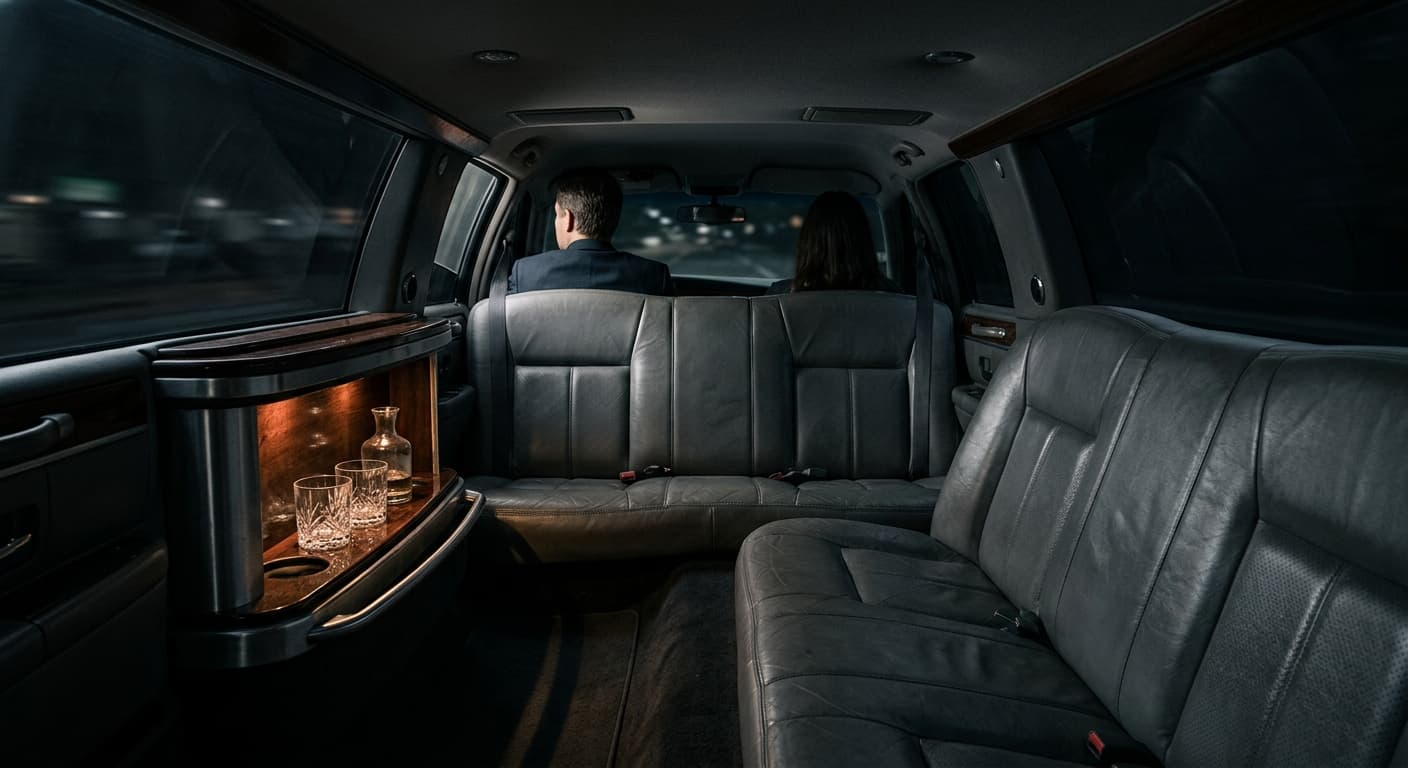
New York bans drinking alcohol, consuming cannabis, and possessing an open container of an alcoholic beverage in a motor vehicle, for the operator and every passenger, under N.Y. Vehicle and Traffic Law Section 1227. As of September 2026, the statute's text is confirmed through the recordinglaw statute corpus rather than a live open of the state's own legislative site, which could not be reached this session.
Jurisdiction scope: This article covers New York's state open container law, VTL Section 1227, and its possession and consumption rules for drivers and passengers. It does not cover New York DUI/DWI law. For that, see New York DUI laws.
What New York's Open Container Law Prohibits
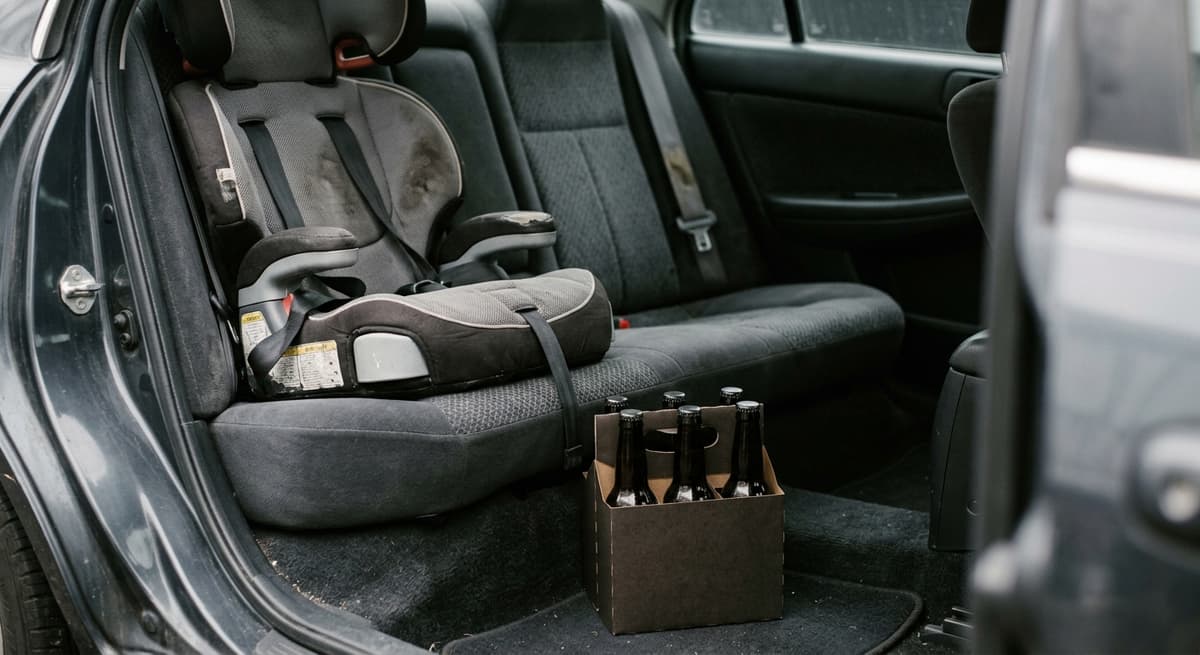
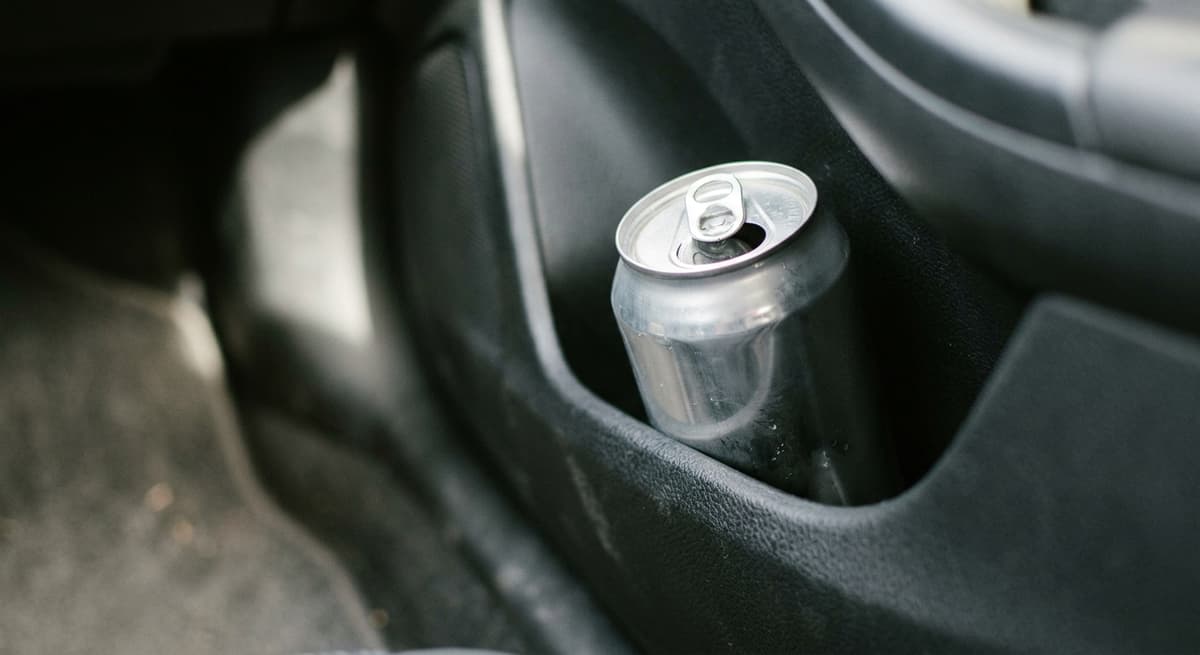
VTL Section 1227 prohibits three things in a motor vehicle located on the public highways or the right-of-way of a public highway: drinking an alcoholic beverage, consuming cannabis, and possessing an open container of an alcoholic beverage. All three prohibitions reach "any operator or passenger," so the rule covers the driver and every occupant equally.
Unlike many states, New York's statute does not build its rule around a defined "passenger area." Other states carve out the trunk or a locked glove compartment by defining a specific occupied zone the ban reaches; New York's text instead applies more generally to the vehicle and its occupants while on a public highway, with the exemptions below doing the work of narrowing it.
Exemptions
Two exemptions apply:
- For-hire passenger vehicles. A passenger, but not the operator, is exempt while riding in a "passenger vehicle," defined as a vehicle designed to carry ten or more passengers and used to carry passengers for profit or hire, operated under a Department of Transportation (or USDOT) certificate or permit. This is New York's version of the limousine/bus/charter exemption common across the country. For cannabis, the exemption is narrower: it covers only consumption by means other than burning (for example, an edible), not smoking.
- Resealed restaurant wine. A bottle of wine that a restaurant has resealed for a customer to take home, under ABC Law Section 81(4), is exempt if it's kept in the trunk, or, in a vehicle without a trunk, behind the last upright seat or in an area not normally occupied by the driver or passengers.
Penalty
A violation of Section 1227 is a traffic infraction, with a single classification covering either the operator or a passenger. The statute itself doesn't set the fine amount; that's governed by the VTL's general traffic-infraction schedule in Section 1800(b)(1), which applies to a traffic infraction with no other penalty provided: up to $150 or 15 days in jail, or both, for a first conviction; up to $300 or 45 days for a second conviction within 18 months; and up to $450 or 90 days for a third or subsequent conviction, but only where all of the convictions counted toward that third conviction occurred within a period of eighteen months.
A Note on Sourcing for This Page
New York's official legislative site, legislation.nysenate.gov, is a client-rendered application that returned only an empty shell rather than the statute text this session, and could not be opened live even through a browser. The statute language summarized above comes from the recordinglaw statute corpus, which draws on the New York Senate's own Open Legislation API rather than a live render of the page. If you need to confirm the current byte-for-byte text of Section 1227 for a specific legal matter, check directly with the New York State Senate's legislation site or a licensed New York attorney.
Federal Compliance
Federal law, 23 U.S.C. Section 154, conditions a share of a state's highway funding on an open container law that bans both possession and consumption, covers the whole passenger area, reaches every occupant, and is primarily enforced (23 CFR 1270.4). A state that falls short has 2.5 percent of certain federal highway apportionments reserved each October 1 and redirected to highway safety programs. New York is not on FHWA's current FY2026 list of non-conforming states (Notice N4510.905, dated October 1, 2025).
Disclaimer: This article provides general information about open container law in New York as of September 2026. It is not legal advice and does not create an attorney-client relationship. This page's statute text rests on the recordinglaw statute corpus rather than a live official source; verify the current statutory language before relying on a specific claim, and consult a lawyer licensed in New York for advice about a specific situation.
Related reading: open container laws by state, New York DUI laws, and New York window tint laws.
Statutes cited reflect their in-force version as of 2026-09-16. Last updated: 2026-09-16.
Frequently Asked Questions
Can a passenger legally drink alcohol in a car in New York?
No. VTL Section 1227 bans drinking an alcoholic beverage, consuming cannabis, and possessing an open container of an alcoholic beverage for any operator or passenger in a vehicle on a public highway or its right-of-way.
Can restaurant leftover wine be transported in a car in New York?
Yes, if it was resealed by the restaurant under Alcoholic Beverage Control Law Section 81(4) and is kept in the trunk, or, in a vehicle without a trunk, behind the last upright seat or in an area not normally occupied.
Are limo or charter bus passengers exempt from New York's open container law?
A passenger, but not the operator, is exempt while riding in a vehicle built to carry ten or more passengers for profit or hire under a Department of Transportation certificate or permit. For cannabis, that exemption covers only consumption by means other than burning.
What is the fine for an open container violation in New York?
A violation is a traffic infraction. VTL Section 1800(b)(1) sets the fine at up to $150 or 15 days in jail, or both, for a first conviction, rising to up to $300 or 45 days for a second conviction within 18 months and up to $450 or 90 days for a third or subsequent conviction, but only when all of the convictions being counted occurred within a period of eighteen months.
Updates
Independently fact-checked against the cited primary sources
Sources and References
- N.Y. Vehicle & Traffic Law Section 1227 (text from the recordinglaw statute corpus; official site could not be opened)(legislation.nysenate.gov).gov
- N.Y. Vehicle & Traffic Law Section 1800 - Traffic infraction penalty schedule (text from the recordinglaw statute corpus; official site could not be opened)(legislation.nysenate.gov).gov
- 23 U.S.C. Section 154 - Open container requirements(law.cornell.edu)
- FHWA Notice N4510.905 - FY2026 Apportionment of Federal-Aid Highway Program Funds (open container non-conforming states list)(highways.dot.gov).gov