
Georgia
Georgia Open Container Law (2026): O.C.G.A. § 40-6-253
Independently fact-checked against primary sources (last audited September 17, 2026). · 2 primary sources cited on this page. How we verify our legal content
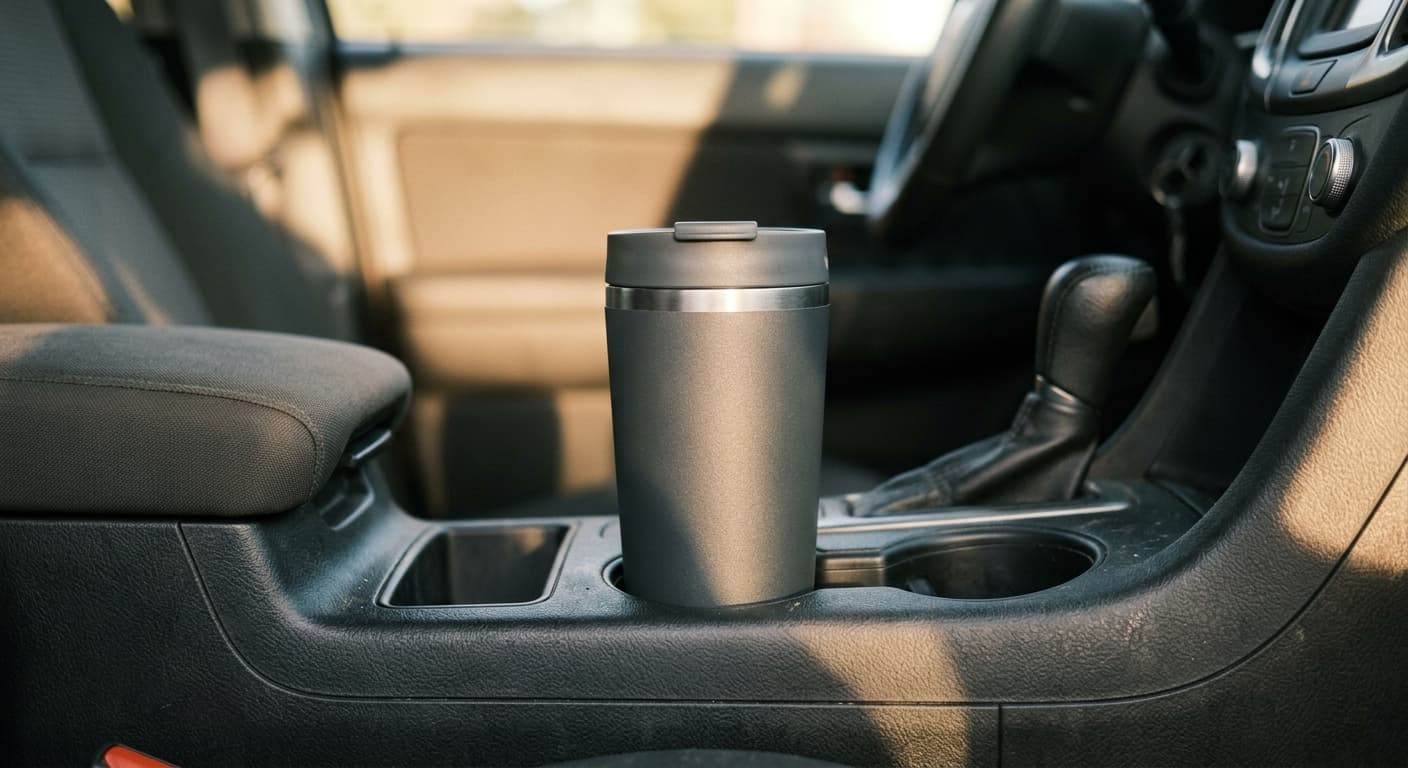
Georgia bans possessing an open alcoholic-beverage container and drinking one in a vehicle's passenger area, when the vehicle is on the roadway or shoulder of any public highway, for the driver and every passenger, under O.C.G.A. § 40-6-253. As of September 2026, Georgia's law goes a step further than many states: a driver who is alone in the car is legally deemed to be in possession of any open container sitting anywhere in the passenger area, even if it isn't in the driver's hands.
Information last verified on 2026-09-16. This article has not yet been reviewed by a licensed lawyer.
Jurisdiction scope: This page covers open container law in the state of Georgia under O.C.G.A. § 40-6-253, current as of September 2026. It does not cover Georgia's separate DUI statutes.
What Georgia's Open Container Law Prohibits
O.C.G.A. § 40-6-253(b)(1) bans two things in a vehicle's passenger area: "A person shall not: (A) Consume any alcoholic beverage; or (B) Possess any open alcoholic beverage container in the passenger area of any motor vehicle which is on the roadway or shoulder of any public highway." Both apply to the driver and to every passenger, and both are limited to a vehicle that is on the roadway or shoulder of a public highway. Georgia's official code is not published on a free state-run website (the General Assembly's own legislation search at legis.ga.gov does not resolve to this section, though it remains Georgia's official access point); this page's statute text was read on law.justia.com's 2025 Code of Georgia, which recordinglaw.com is permitted to cite, and it matches the official text word for word through its last amendment, Ga. L. 2013, p. 617, § 2 (HB 99).

Georgia's Passenger Area Definition, and the Driver-Alone Rule
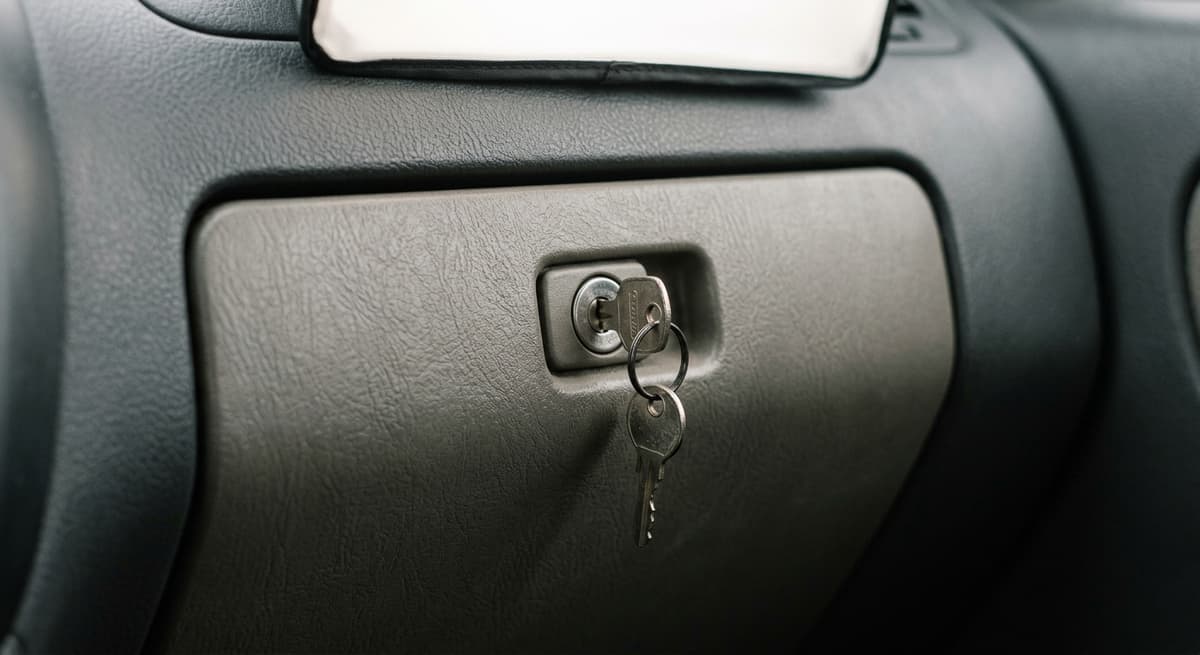
Georgia defines "passenger area" as the area of the vehicle designed to seat the driver and passengers while it's being operated, plus any area that's readily accessible to them while seated. It explicitly excludes a locked glove compartment. In a passenger car not equipped with a trunk, it also excludes the area behind the rearmost upright seat, or any area not normally occupied by the driver or passengers.

Georgia's statute states first that "[o]nly a person who consumes an alcoholic beverage or possesses an open alcoholic beverage container in violation of this Code section shall be charged with such offense" - so when more than one person is in the car, only whoever actually did the consuming or possessing is charged. The rule with real teeth is the proviso that follows: a driver who is alone in the vehicle is deemed by statute to be in possession of any open container located anywhere in the passenger area, regardless of whose it is or where exactly it's sitting. A solo driver can't avoid a possession charge by pointing to an open container on the passenger seat or in a cupholder out of reach; if it's in the passenger area and the driver is the only person in the car, Georgia law treats it as the driver's.
Exemptions to Georgia's Open Container Law
Georgia's exemptions fall into two categories. The first isn't really an exemption at all, it's a definition: a container that has been sealed or resealed under Georgia's home-brewed malt beverage statute (Code § 3-5-4) or its restaurant wine-carry-out statute (Code § 3-6-4) is not legally "open" under § 40-6-253, so it falls outside the law entirely rather than being excused from it. (Georgia's separate to-go mixed-drink statute, Code § 3-3-11, is not cross-referenced by § 40-6-253.)
The second category covers specific passengers, not the driver:
- A passenger, but not the driver, riding in a vehicle designed, maintained, or used primarily to transport people for compensation (a for-hire vehicle).
- A passenger, but not the driver, in the living quarters of a motor home or house trailer.
No local-ordinance option was found in the statute; Georgia sets a single statewide rule with a preemptive fine ceiling rather than delegating to cities or counties.
Penalty for an Open Container Violation in Georgia
The maximum fine under O.C.G.A. § 40-6-253(c) is $200. The statute's text does not separately classify the offense as a misdemeanor or an infraction, unlike some Georgia traffic statutes that spell out a classification explicitly.
How Georgia's Law Fits the Federal Open Container Rule
Federal law, 23 U.S.C. § 154, requires a state's open container law to ban both possession and consumption, cover the driver and every passenger, apply to the vehicle's passenger area on a public highway or its right-of-way, and be primarily enforced (23 CFR 1270.4), or the state risks having 2.5 percent of two federal highway-funding apportionments reserved each October 1 and redirected to highway-safety spending. Georgia is not on FHWA's current FY2026 list of 12 non-conforming states (Notice N4510.905, dated October 1, 2025), meaning O.C.G.A. § 40-6-253 is being treated as meeting that federal standard.
Disclaimer: This article provides general information about open container law in Georgia as of September 2026. It is not legal advice and does not create an attorney-client relationship. Verify current statutory language before relying on a specific claim, and consult a lawyer licensed in Georgia for advice about a specific situation.
Related Articles
Statutes cited reflect their in-force version as of 2026-09-16. Last updated: 2026-09-16.
Frequently Asked Questions
Can a Georgia driver be charged with an open container violation over a passenger's drink?
No, not if a passenger is also in the car: Georgia law charges only the person who actually consumed or possessed the open container. It's different if the driver is alone in the vehicle, Georgia law then deems a solo driver to be in possession of any open container located anywhere in the passenger area, regardless of exactly where it's sitting.
Is a locked glove compartment a safe place for an open container in Georgia?
Yes. Georgia's passenger-area definition explicitly excludes a locked glove compartment, so an open container stored there is outside the statute's reach.
Are limo or taxi passengers exempt from Georgia's open container law?
A passenger, not the driver, riding in a vehicle used primarily to transport people for compensation is exempt. The exemption does not extend to the driver of that vehicle.
What is the fine for an open container violation in Georgia?
The maximum fine is $200 under O.C.G.A. section 40-6-253(c). The statute does not separately classify the violation as a misdemeanor or infraction.
Updates
Independently fact-checked against the cited primary sources
Sources and References
- O.C.G.A. § 40-6-253 (text read on law.justia.com's 2025 Code of Georgia, which matches the recordinglaw statute corpus word for word; Georgia's official code is Lexis-gated and the state's own legislation search does not resolve to this section)(law.justia.com)
- FHWA Notice N4510.905, FY2026 Apportionment of Federal-Aid Highway Program Funds (open container non-conforming states list)(highways.dot.gov).gov
- 23 U.S.C. § 154 (federal open container requirements)(law.cornell.edu)
- Georgia General Assembly legislation search (official access point; does not resolve directly to O.C.G.A. § 40-6-253)(legis.ga.gov).gov