
Washington
Washington Nursing Home Camera Laws (2026): WAC Monitoring Rights
Independently fact-checked against primary sources (last audited August 14, 2026). · 7 primary sources cited on this page. How we verify our legal content
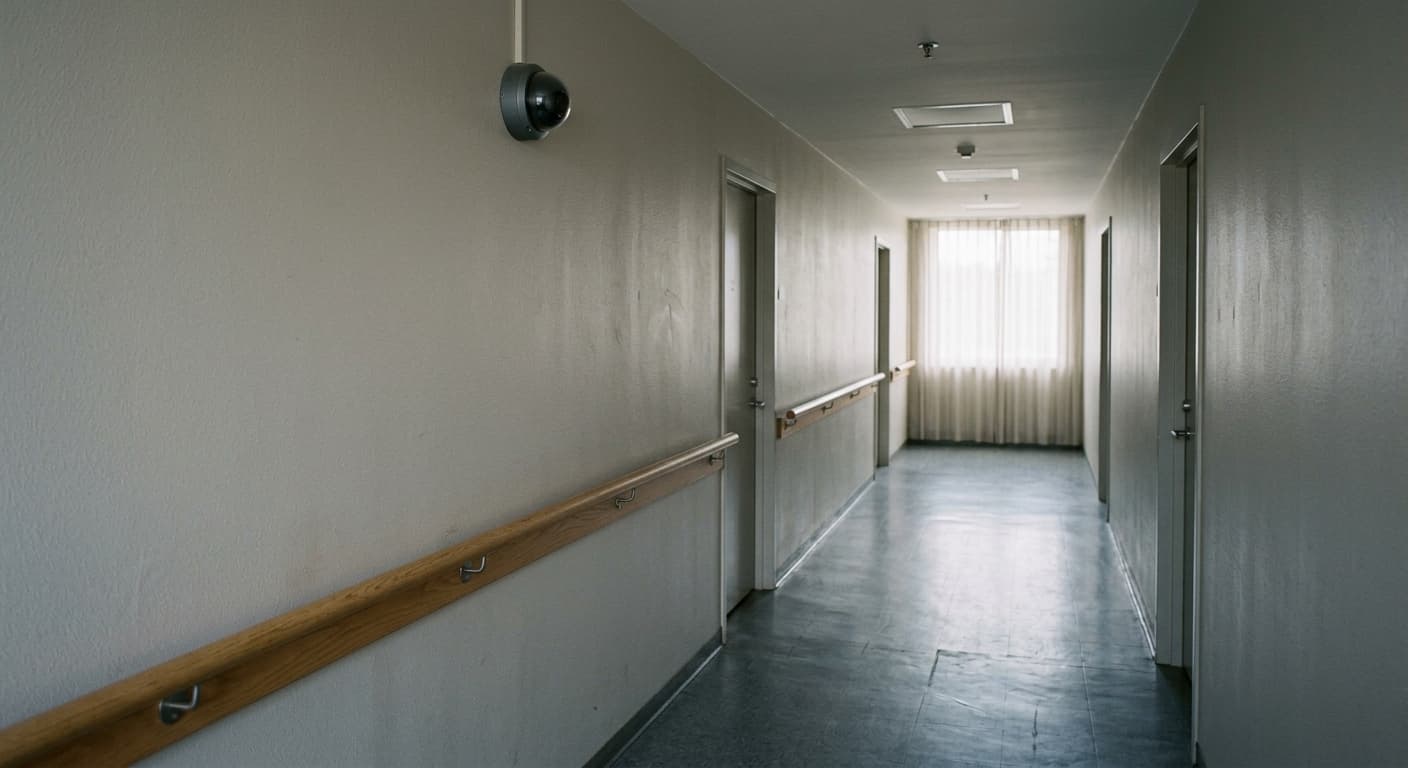
Washington gives nursing home, assisted living, and adult family home residents a regulatory right to request an in-room camera, set out in three parallel Washington Administrative Code chapters rather than a single statute. WAC 388-97-0400 covers nursing homes, WAC 388-78A-2690 covers assisted living, and WAC 388-76-10725 covers adult family homes. The three chapters share a core structure but differ on points that decide real cases.
Information last verified on 2026-08-14. This article has not yet been reviewed by a licensed lawyer.
This page covers Washington's regulatory right to in-room electronic monitoring across nursing homes, assisted living facilities, and adult family homes, the consent and roommate-consent mechanics, the audio-recording overlay under state wiretap law, and where the regulations leave real gaps. It does not cover general home-security cameras; see Washington Recording Laws for the state's all-party consent framework outside a care facility.
What Washington's Regulations Actually Grant
Washington does not have a single "granny cam" statute. Instead, the Department of Social and Health Services has built a version of the same basic right into three parallel WAC chapters, one per facility type it licenses: nursing homes, assisted living facilities, and adult family homes. The three chapters share most of their operative language, and all three tie back to Washington's all-party consent wiretap statute, RCW 9.73, for the legality of any audio component. They are not interchangeable, though, and the differences matter.
For nursing homes, WAC 388-97-0400 sets the consent gate: the facility cannot use audio or video monitoring in a resident's room unless the resident has requested it and the monitoring is limited to the requesting resident's own sleeping room. Before any monitoring occurs, the home must also ensure that the monitoring does not violate chapter 9.73 RCW and that the resident has identified a threat to their health, safety, or personal property. The resident and the home must agree on a specific monitoring duration, document it in writing, and reevaluate it in writing, signed and dated by the resident, at least every quarter.
Assisted living facilities and adult family homes run on a similar but looser gate. Under WAC 388-78A-2690 and WAC 388-76-10725, monitoring equipment may not be installed unless the resident or the resident's representative has requested and consented to it, and both chapters carry the same roommate-consent, written-duration, and quarterly-reevaluation requirements as the nursing home rule. Neither one, however, requires the resident to identify a threat to health, safety, or personal property first. That precondition appears only in WAC 388-97-0400(2)(b), the nursing home rule. Both chapters also let a resident limit consent to specific times or situations, a particular camera direction, or particular device types rather than an all-or-nothing authorization.
Roommate Consent and Withdrawal
Every one of the three chapters makes roommate consent mandatory, not optional, whenever the resident requesting monitoring shares a room. The regulatory language across all three settings is essentially the same: the resident's roommate has to provide written consent to electronic monitoring before it can begin. Monitoring has to stop immediately if the roommate objects or later withdraws consent.
All three chapters also require monitoring to stop if the resident who requested it becomes unable to give consent, but they are not worded the same way. The nursing home rule, WAC 388-97-0400(4)(c), states it flatly. The assisted living and adult family home rules, WAC 388-78A-2690(8)(c) and WAC 388-76-10725(8)(c), add the qualifier "unless consent has been provided by a resident's representative as described in this section," so monitoring can continue in those two settings where a representative has consented in the way the rule allows.
Who may consent in the first place is often the deciding question for a family whose resident no longer has capacity, and the answer is the same in all three settings. For video-only monitoring, the term "resident" expressly includes the resident's surrogate decision maker in a nursing home (WAC 388-97-0400(5)) and the resident's representative in an assisted living facility or adult family home (WAC 388-78A-2690(9) and WAC 388-76-10725(9)). For monitoring that includes audio, consent authority narrows everywhere: only the resident personally, or a court-appointed guardian or attorney-in-fact acting under a court order specifically authorizing that consent, and the facility must keep a copy of the court order in the resident's record. This split exists because audio recording carries a heavier privacy and legal exposure than silent video, which is also why Washington's regulations treat facility-installed audio so much more restrictively below.
Facility-Permitted Monitoring Outside a Resident's Room
Separate from resident-requested in-room monitoring, each WAC chapter also addresses monitoring the facility itself installs in non-resident areas. The default rule is a flat prohibition: a facility must not use audio monitoring equipment at all, and must not use video equipment that includes an audio component, outside of a short list of carved-out areas.
Those carve-outs are narrow and specific. Nursing homes and assisted living facilities may run audio-free video at entrances and exit doorways (but not pointed at areas where residents gather), in staff-only areas such as medication or food preparation rooms, in outdoor delivery areas residents don't commonly use, and in designated smoking areas, conditioned on staff actively watching the live feed and posting visible camera notices. Assisted living facilities may also record a group activity with audio if the resident requesting it agrees, a sign is posted at the entrance to the activity area, and the facility gives written notice to all residents that their likeness will not be used in promotional material without separate written consent.
Adult family homes follow the same audio-free structure, with the outdoor carve-out framed around driveway and walkway theft prevention rather than delivery areas. Across every facility type, the regulations state plainly that installing cameras does not reduce the facility's underlying obligation to provide appropriate in-person staffing and monitoring.
Audio Recording: Washington's All-Party Consent Overlay
A camera is one legal question in Washington; a microphone is a separate one. Washington is an all-party consent state under RCW 9.73.030: it is unlawful to record a private communication without the consent of every participant, and a person recording with consent generally has to announce the recording in a reasonably effective manner, with that announcement itself captured on the recording. Washington does recognize limited one-party exceptions, for example emergency calls and certain threat or harassment situations, but those exceptions do not reach an ordinary in-room monitoring device.
This is exactly why the WAC chapters build an audio-consent structure on top of the video-consent structure rather than treating them as the same request. A camera that only records silent video sidesteps RCW 9.73 entirely. A camera that also records sound of staff members talking to each other, or a roommate speaking with a visitor, needs the consent of everyone in that conversation, not just the resident who requested the device. For the general recording-consent framework outside a care facility, see Washington Recording Laws.
Where the Regulations Leave Gaps
None of the three consent sections (nursing home, assisted living, or adult family home) address who pays for the camera, its installation, or its ongoing cost. Facilities and families have to work that out on their own; the WAC text is silent.
The nursing home chapter also does not contain the explicit non-retaliation language that the assisted living and adult family home chapters do. Assisted living's WAC 388-78A-2690 and adult family homes' WAC 388-76-10725 both state plainly that a facility cannot refuse to admit an individual, or discharge a resident, because of a request to conduct authorized electronic monitoring. The nursing home chapters as currently written do not repeat that specific language, so a nursing home resident weighing a monitoring request should raise retaliation concerns directly with the facility or the ombudsman program below rather than assume an identical protection exists in the nursing home rule.
Using Camera Footage as Evidence of Abuse or Neglect
Footage from a lawfully installed camera, whether it shows an incident directly or documents a pattern of neglect over time, can support a complaint to the Long-Term Care Ombudsman Program, a licensing complaint to the Department of Social and Health Services, or a civil claim. Footage alone rarely resolves a claim on its own; it is typically reviewed together with the resident's care plan, staffing records, and medical documentation.
Harmed by a product or exposure? Speak with an attorney about your options
If you or a loved one may have been harmed, you can speak with an attorney about your legal options at no cost. Whether you have a claim depends on the specific facts. This is attorney advertising, not a guarantee that you qualify or of any particular outcome.
Getting Help: The Long-Term Care Ombudsman
Washington's Long-Term Care Ombudsman Program, operated by the Multi-Service Center under contract with the state Department of Commerce, investigates complaints of abuse, neglect, and rights violations in nursing homes, assisted living facilities, and adult family homes. The program can also help a resident or family navigate a facility that resists a lawful monitoring request. Reach the program at 1-800-562-6028 or through waombudsman.org.
Related Resources
- Nursing Home Camera Laws by State covers the 18 states with an enacted electronic-monitoring statute and how Washington's regulatory approach compares.
- Washington Recording Laws covers the state's all-party consent framework for any recorded conversation outside a care facility.
- Nursing Home Abuse & Neglect covers how an abuse or neglect claim works once evidence, including camera footage, is in hand.
- Surveillance Camera Laws by State covers the general legal framework for security and hidden cameras outside a nursing home setting.
Last updated: 2026-08-14. Regulations cited reflect their in-force version as of this date.
Frequently Asked Questions
Does Washington law let me put a camera in a nursing home room?
Yes. WAC 388-97-0400 allows in-room monitoring only at the resident's request, and before it begins the nursing home must ensure the resident has identified a safety, health, or property threat, with a written agreement on duration and quarterly reevaluation.
Does Washington's camera rule cover assisted living and adult family homes too?
Yes. Assisted living facilities are covered by WAC 388-78A-2690 and adult family homes by WAC 388-76-10725. Both use a similar consent structure to the nursing home rule, but neither requires the resident to identify a threat to health, safety, or personal property first. That precondition is unique to the nursing home chapter.
Does my roommate have to agree to the camera?
Yes, in every facility type. The roommate's written consent is required before monitoring can begin, and monitoring must stop immediately if the roommate objects or withdraws consent.
Can a family member consent for a resident who no longer has capacity?
For video-only monitoring, yes, in all three facility types: the term resident expressly includes the resident's surrogate decision maker in a nursing home and the resident's representative in an assisted living facility or adult family home. In assisted living and adult family homes, that representative consent also lets monitoring continue after the resident can no longer consent personally; the nursing home rule requires monitoring to stop at that point.
Can I record audio as well as video?
It depends on whether the device captures sound. All three chapters let a resident's representative or surrogate decision maker consent to video-only monitoring. Audio monitoring is narrower in every setting: it requires the resident's own consent, or a court-appointed guardian or attorney-in-fact acting under a court order specifically authorizing that consent, and the facility must keep a copy of the order in the resident's record. Washington's all-party consent wiretap law, RCW 9.73.030, also applies to any conversation the device captures.
Who pays for the camera in Washington?
The WAC chapters do not address cost. Families should raise equipment and installation costs directly with the facility before installing a device.
Can a Washington nursing home retaliate against me for requesting a camera?
Assisted living and adult family home regulations expressly bar refusing admission or discharging a resident over a monitoring request. The nursing home chapter does not contain that same explicit language, so raise any retaliation concern with the facility or the Long-Term Care Ombudsman directly.
Can a Washington facility install its own cameras in hallways or common areas?
Yes, but only in narrow carved-out areas such as entrance doorways, staff-only areas, and designated smoking areas, and never with an audio component outside those specific, conditioned exceptions.
Updates
Corrected how we described Washington's nursing home monitoring rule: WAC 388-97-0400 lists conditions a home must ensure before resident-requested monitoring begins, rather than creating a duty to accommodate the request.
Corrected how the three Washington monitoring rules differ: representative and surrogate-decision-maker consent to video-only monitoring applies in nursing homes and adult family homes as well as assisted living, the threat-to-health-safety-or-property precondition applies only to nursing homes, and assisted living and adult family home monitoring may continue on a representative's consent after a resident loses capacity.
Independently fact-checked against the cited primary sources
The Law Behind This Article
This article rests on the statutory provisions below, held in our own legal record and retrieved from the official source. Tap a section to read the operative text.
Revised Code of Washington
§ 9.73.030Intercepting, recording, or divulging private communication—Consent required—Exceptions.In forcecited in 46 of our articles
(1) Except as otherwise provided in this chapter, it shall be unlawful for any individual, partnership, corporation, association, or the state of Washington, its agencies, and political subdivisions to intercept, or record any: (a) Private communication transmitted by telephone, telegraph, radio, or other device between two or more individuals between points within or without the state by any device electronic or otherwise designed to record and/or transmit said communication regardless how such device is powered or actuated, without first obtaining the consent of all the participants in the communication; (b) Private conversation, by any device electronic or otherwise designed to record or transmit such conversation regardless how the device is powered or actuated without first obtaining the consent of all the persons engaged in the conversation.
Official text (excerpt) · last checked 2026-09-24 · Read the full text in our law library · Verify at app.leg.wa.gov
Cited in 221 court opinions in our collectionLatest citing opinion in our collection: 2026
In the courts (editorial summary, independently checked):Washington courts have policed what counts as a private communication under Sec. 9.73.030: State v. Gunwall (1986) concluded a pen register intercept comes within a private communication transmitted by telephone, while State v. Riley (1993) held a line trap that reveals only the calling number does not record one.
Opinions citing this section in our collection:
- State v. Salinas (Washington Supreme Court 1992, 119 Wash. 2d 192)“…alties for divulging a telegram or opening a sealed letter. RCW 9.73.030-.070, making it unlawful to intercept,…”
- State v. Gunwall (Washington Supreme Court 1986, 106 Wash. 2d 54)✓Everett police pulled a suspected cocaine dealer's toll records and put a pen register on her line without valid legal process; the court held a pen register intercept is a private communication transmitted by telephone, installable only under the eavesdropping statutes.
- State v. Brown (Washington Supreme Court 1997, 132 Wash. 2d 529)✓Palm Springs officers secretly recorded a Washington murder suspect's statements after his arrest; the court treated RCW 9.73.090, not 9.73.030, as the provision reaching recordings of arrested persons, and held the Privacy Act did not require suppressing that recording.
Identified automatically from the court opinions citing this section — not a ranking of which case controls.
Also relied on in: US Recording Laws by State (2026): All 50 States Explained, Washington Recording Laws (2026): All-Party Consent Rules, Federal Wiretap Act and ECPA: The Complete Guide (2026)
Search our full record of US law — 2.1 million sections, every state + federal →
Sources and References
- WAC 388-97-0400, Electronic monitoring (nursing homes)(app.leg.wa.gov).gov
- WAC 388-97-0380, Facility-permitted electronic monitoring (nursing homes)(app.leg.wa.gov).gov
- WAC 388-78A-2690, Electronic monitoring (assisted living facilities)(app.leg.wa.gov).gov
- WAC 388-78A-2680, Facility-permitted electronic monitoring (assisted living facilities)(app.leg.wa.gov).gov
- WAC 388-76-10725, Electronic monitoring (adult family homes)(app.leg.wa.gov).gov
- WAC 388-76-10720, Facility-permitted electronic monitoring (adult family homes)(app.leg.wa.gov).gov
- RCW 9.73.030, Interception, recording, or divulging of private communication(app.leg.wa.gov).gov
- Washington State Long-Term Care Ombudsman Program(waombudsman.org)