Arkansas Workplace Recording Laws: Employee and Employer Rights (2026)

Workplace recording in Arkansas sits at the intersection of state wiretapping law, employer rights, employee privacy, and federal labor protections. Because Arkansas is a one-party consent state under Ark. Code 5-60-120, the legal framework for recording in the workplace differs significantly from states that require all parties to consent.
This guide covers what employees can record, what employers can monitor, the role of company policies, and how federal law interacts with Arkansas state law in the workplace context.
Can Employees Record at Work in Arkansas?
Audio Recording by Employees
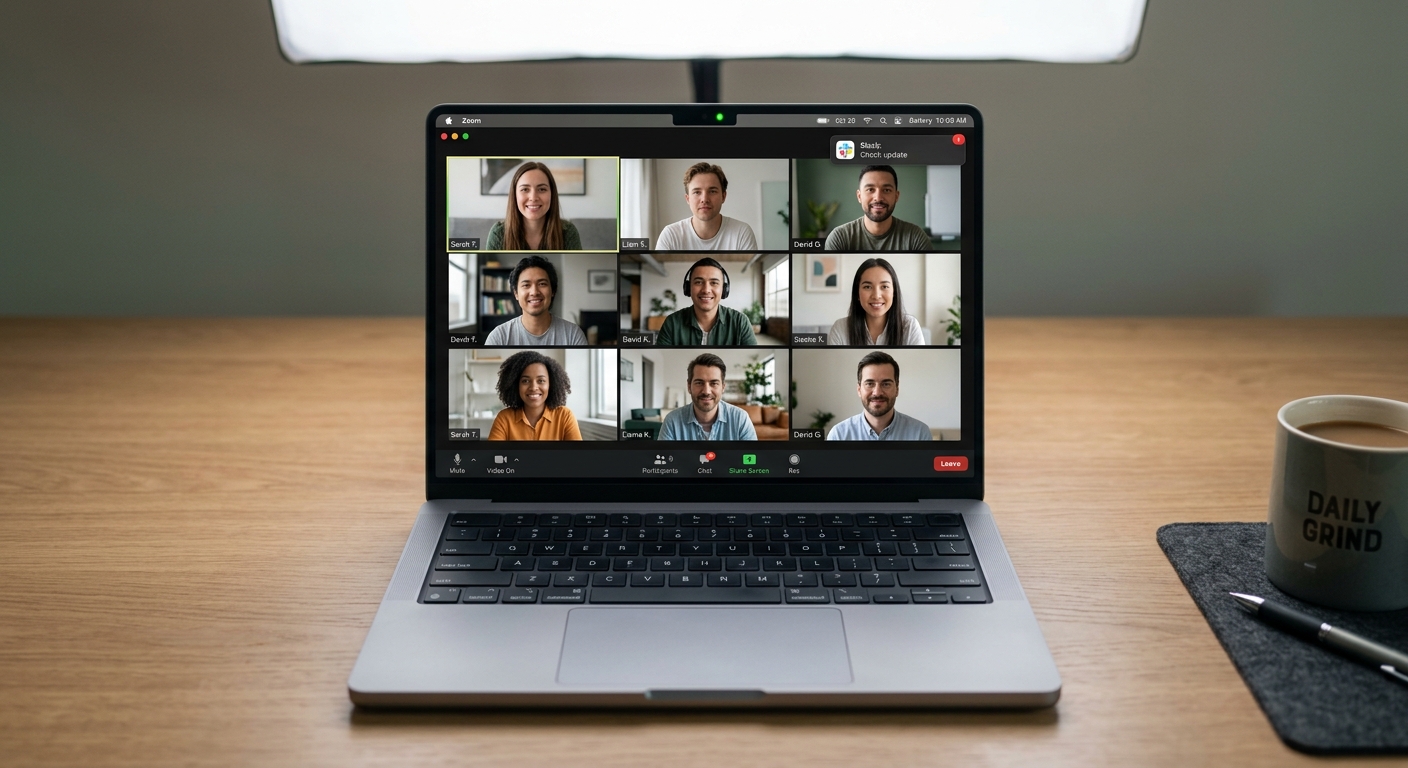
Yes. Under Ark. Code 5-60-120, any employee who is a participant in a workplace conversation can legally record it without informing the other parties. This includes:
- Conversations with supervisors and managers
- Performance reviews and disciplinary meetings
- Discussions with HR representatives
- Conversations with coworkers
- Phone calls made or received at work
- Video conference meetings you attend
The law requires only that one party to the conversation consent to the recording. As the person choosing to record, you satisfy that requirement.
Common Reasons Employees Record at Work
Employees in Arkansas record workplace interactions for a variety of legitimate purposes:
- Documenting harassment or discrimination. Recordings can provide direct evidence of hostile work environment claims, sexual harassment, racial discrimination, or other prohibited conduct.
- Preserving verbal instructions. When a supervisor gives complex verbal instructions, a recording ensures accuracy.
- Protecting against retaliation. If you report safety concerns or legal violations, recordings can document retaliatory responses.
- Recording disciplinary meetings. Having a record of what was actually said during a write-up or termination meeting can be valuable if you later dispute the action.
- Documenting wage and hour issues. Recording conversations about pay, hours, or overtime can support claims under the Fair Labor Standards Act (FLSA).
Video Recording by Employees
Video recording at work is more nuanced than audio. While Arkansas has no general law prohibiting video in workplaces, certain locations are off-limits. Employees cannot record video in areas where coworkers have a reasonable expectation of privacy, including:
- Restrooms and bathrooms
- Changing rooms and locker rooms
- Private nursing rooms
In common areas such as meeting rooms, break rooms, open office spaces, and hallways, video recording is generally permissible.
Can Employers Record Employees in Arkansas?
Employer Audio Recording
Employers can record workplace conversations under the same one-party consent framework. If a manager participates in a conversation with an employee, the manager can record it. An employer can also record phone calls handled by its employees if the employer or its authorized agent is a party to the call or has the consent of one party.
However, employers cannot secretly record conversations they are not part of. Planting hidden microphones in a break room to capture employee-to-employee conversations without any party's consent violates Ark. Code 5-60-120.
Employer Video Surveillance
Employers in Arkansas can install video surveillance cameras in common work areas for security and operational purposes. Cameras are commonly placed in:
- Retail floor areas
- Warehouses and shipping areas
- Parking lots and building exteriors
- Lobbies, hallways, and reception areas
- Cash registers and point-of-sale stations
Where Employers Cannot Place Cameras
Video surveillance is strictly prohibited in areas where employees have a reasonable expectation of privacy. Under Ark. Code 5-16-101, placing cameras in the following locations can result in felony charges:
- Bathrooms and restrooms
- Locker rooms and changing areas
- Private nursing or lactation rooms
- Shower facilities
An employer who places a camera in any of these locations faces Class D felony charges (up to 6 years in prison for a first or second offense) regardless of the stated purpose.
Computer and Electronic Monitoring
Arkansas employers can monitor company-owned computers, email systems, and phone lines. The Electronic Communications Privacy Act (ECPA) provides a "business extension exception" that allows employers to monitor communications on equipment they provide for business purposes. Employers who clearly communicate that company systems are monitored have broad latitude in this area.
The Role of Company Recording Policies
At-Will Employment and Policy Enforcement
Arkansas is an at-will employment state. This means employers can terminate employees for any reason that is not specifically prohibited by law, including violation of a company recording policy. Even though recording a conversation is legal under Arkansas state law, an employer can still discipline or fire an employee who violates an internal policy against recording.
This creates a distinction between what is legal and what is permitted by your employer. Understanding this distinction is critical for employees considering whether to record at work.
Common Employer Policies on Recording
Many Arkansas employers include recording provisions in their employee handbooks. Common policy approaches include:
- Total ban: No recording of any kind on company premises without management approval.
- Restricted recording: Recording allowed in certain areas or for certain purposes but prohibited in others.
- Consent-based policy: Recording permitted only when all parties to the conversation are notified and agree.
- No policy: Some employers do not address recording at all, in which case state law governs.
Should You Review Your Employer's Policy?
Before recording at work, check your employee handbook or ask HR whether the company has a recording policy. Understanding the policy allows you to weigh the legal protection of one-party consent against the practical risk of disciplinary action.
NLRA Protections for Employee Recording
Section 7 Rights
The National Labor Relations Act (NLRA) Section 7 protects employees' right to engage in "concerted activity" for mutual aid or protection. The National Labor Relations Board (NLRB) has addressed employer recording bans in several significant decisions.
When Recording Policies Violate the NLRA
An employer's blanket ban on all workplace recording can violate the NLRA if it would reasonably chill employees' exercise of their Section 7 rights. The NLRB has found that overly broad recording policies can interfere with protected concerted activity, which includes:
- Documenting unsafe working conditions to share with coworkers or regulators
- Recording evidence of wage theft or labor law violations
- Gathering evidence of unfair labor practices
- Recording union organizing discussions
Limits on NLRA Protection
NLRA protections do not cover all employee recording. The Act protects recording that is part of concerted activity, meaning action taken by or on behalf of a group of employees. A purely personal grievance that does not relate to the terms and conditions of employment for other workers may fall outside Section 7 protection.
Additionally, NLRA protections do not apply to supervisors, managers, agricultural workers, domestic workers, independent contractors, or government employees. These individuals must rely on state law protections alone.
Wearable Recording Devices in the Workplace
AI Voice Recorders
Devices like Plaud and similar AI-powered voice recorders have become popular tools for capturing workplace conversations. In Arkansas, using a clip-on voice recorder to capture meetings and discussions you participate in is legal under one-party consent. The small, discreet nature of these devices means other parties may not realize they are being recorded.
Smart Glasses
Smart glasses like Meta Ray-Bans present additional considerations because they capture video as well as audio. In public areas and common workspaces where there is no reasonable expectation of privacy, recording video through smart glasses is generally legal. However, wearing smart glasses into bathrooms, locker rooms, or other private areas could violate Ark. Code 5-16-101 even if no recording is occurring, because the presence of a camera-equipped device in a private space may raise concerns.
Employer Policies on Wearable Devices
Employers drafting policies on wearable recording devices must balance their business interests against NLRA protections. A policy that bans all wearable devices without exception may be found overly broad if it chills protected concerted activity. The better approach for employers is to craft narrow policies that address specific legitimate business concerns, such as protecting trade secrets or client confidentiality, without creating a blanket prohibition on recording.
Specific Workplace Recording Scenarios
Recording a Meeting with Your Boss
You can legally record any meeting with your supervisor, including performance reviews, disciplinary discussions, and casual conversations. This is one of the most common uses of one-party consent in the workplace. The recording can later serve as evidence if you need to dispute what was said.
Recording Harassment
Employees experiencing harassment at work can record the harassing conduct as it happens. This type of recording is particularly valuable because harassment cases often come down to credibility. A recording eliminates the "he said, she said" problem and provides direct evidence of the harassing behavior.
If the harassment relates to a protected characteristic under Title VII of the Civil Rights Act (race, color, religion, sex, or national origin), the recording may also support a complaint to the Equal Employment Opportunity Commission (EEOC).
Recording a Termination Meeting
You can record your own termination meeting in Arkansas. Many employment attorneys recommend doing so because the employer's statements during termination can be relevant to claims of wrongful termination, discrimination, or retaliation. Keep in mind that once you are terminated, your employer may ask you to return any company property, but a recording on your personal device is your property.
Recording Safety Violations
If you observe workplace safety violations that endanger you or your coworkers, recording the conditions can provide evidence for complaints to the Occupational Safety and Health Administration (OSHA). OSHA whistleblower protections may shield you from retaliation for reporting safety concerns, even if your employer has a no-recording policy.
Recording Wage Discussions
Under the NLRA, discussing wages with coworkers is protected concerted activity. If your employer attempts to prohibit discussions about pay or retaliates against you for sharing wage information, recordings of these interactions can serve as evidence of NLRA violations.
Using Workplace Recordings as Evidence
In Employment Lawsuits
Recordings made legally under one-party consent are generally admissible in Arkansas courts. In employment lawsuits, recordings can support claims of:
- Wrongful termination
- Workplace harassment and hostile work environment
- Discrimination based on protected characteristics
- Retaliation for protected activity
- Breach of employment contract
- Wage and hour violations
In EEOC and Administrative Proceedings
The EEOC and Arkansas state agencies accept lawfully obtained recordings as evidence in discrimination and harassment complaints. A recording that captures discriminatory remarks, retaliatory threats, or admissions of unlawful conduct can significantly strengthen an administrative claim.
In Workers' Compensation Claims
If you are injured at work and your employer disputes the circumstances of the injury, recordings of conversations about workplace conditions, safety protocols, or the incident itself may be relevant to your workers' compensation claim.
Employer Best Practices
Developing a Clear Recording Policy
Employers in Arkansas should develop a written recording policy that:
- Clearly states whether workplace recording is permitted, restricted, or prohibited
- Defines the scope (audio, video, or both)
- Identifies specific areas where recording is never permitted (privacy areas)
- Explains the consequences for policy violations
- Avoids language so broad that it could violate the NLRA
- Is communicated to all employees during onboarding and policy updates
Training Managers
Managers should be trained on the company's recording policy and on the assumption that any conversation could be recorded. In a one-party consent state, the safest approach for management is to communicate as though every interaction is on the record.
Documenting Employee Interactions
Rather than relying on surveillance, employers should document important employee interactions through written records, email confirmations, and witnessed meetings. This creates a parallel record that does not depend on recording technology.
More Arkansas Laws
- Arkansas Recording Laws
- Arkansas Recording Laws
- Arkansas Recording Laws
- Arkansas Dog Bite Laws
- Arkansas Child Support Laws
- Arkansas Statute of Limitations
- Arkansas Recording Laws
- Arkansas Recording Laws
Explore More Arkansas Recording Law Topics
Audio Recording | Video Recording | Voyeurism Laws | Workplace Recording | Recording Police | Phone Call Recording | Security Cameras | Recording in Public | Landlord-Tenant | Dashcam Laws | School Recording | Medical Recording
Sources and References
- Ark. Code 5-60-120 - Interception and Recording(law.justia.com)
- Ark. Code 5-16-101 - Crime of Video Voyeurism(law.justia.com)
- National Labor Relations Board - Employee Rights(nlrb.gov).gov
- OSHA - Occupational Safety and Health Administration(osha.gov).gov
- EEOC - Equal Employment Opportunity Commission(eeoc.gov).gov
- U.S. Department of Labor - Fair Labor Standards Act(dol.gov).gov
- 18 U.S.C. Chapter 119 - Electronic Communications Privacy Act(law.cornell.edu)