
Belgium
Camera Surveillance in Belgium: The Camera Law, Declaration Duty and What You May Film
Belgium regulates a security camera the same way it regulates most things that can capture another person's image or behavior without their say: through a specific statute layered on top of general privacy law. The Camerawet, known in French as the loi caméras, of 21 March 2007, amended in 2018, sets out who must declare a camera before switching it on, what has to be visibly signposted, and where a camera may point. The GDPR and Belgium's data protection authority fill in the rest.
None of this is really optional for a homeowner who installs a doorbell camera or a shopkeeper who wants to deter theft. A camera that is never declared, that has no pictogram, or that quietly points at a neighbor's garden or the public street is not a minor paperwork lapse. It is the kind of thing the Gegevensbeschermingsautoriteit, the Autorité de protection des données (the GBA/APD), has actually fined people for.
Information last verified on 21 July 2026. This page provides general legal information and does not constitute legal advice in an individual case.
The Camera Law: what it covers and who must declare
The Camerawet, called the loi caméras in French, dates from 21 March 2007 and was substantially amended in 2018. It applies to a camera used to observe a place, whether that place is genuinely public, an enclosed space open to the public such as a shop or a train platform, or an enclosed space not open to the public such as a private garden, and whether the camera is fixed or mobile.
Before switching on a camera that falls within the law, the person responsible has to file a declaration through the aangiftecamera.be/declarationcamera.be system, an electronic counter run by the federal police that replaced an older paper process. The law carves out one narrow exception: a private individual who installs a camera purely inside their own home, for strictly personal and domestic purposes, does not have to declare it. Almost everything else, including a doorbell camera that captures anything beyond the inside of the home, falls under the ordinary rule.
The pictogram duty and the ban on covert cameras
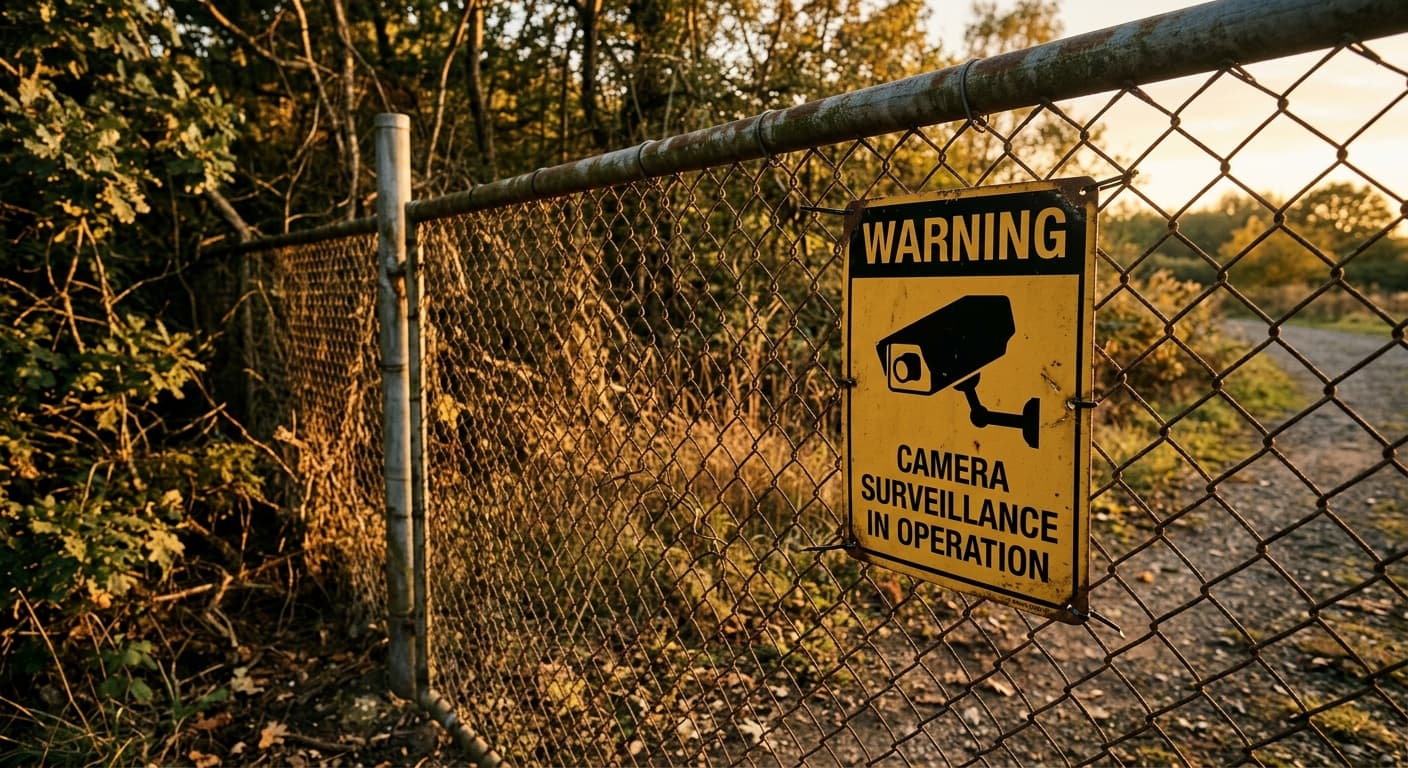
Wherever a camera operates within the scope of the Camera Law, the operator must display a pictogram, in the form the law prescribes, signaling that camera surveillance is in place. The pictogram is not a courtesy. It is what puts a person entering the monitored area on notice, and Belgian guidance treats entering a pictogrammed area as itself a form of acceptance of being filmed.
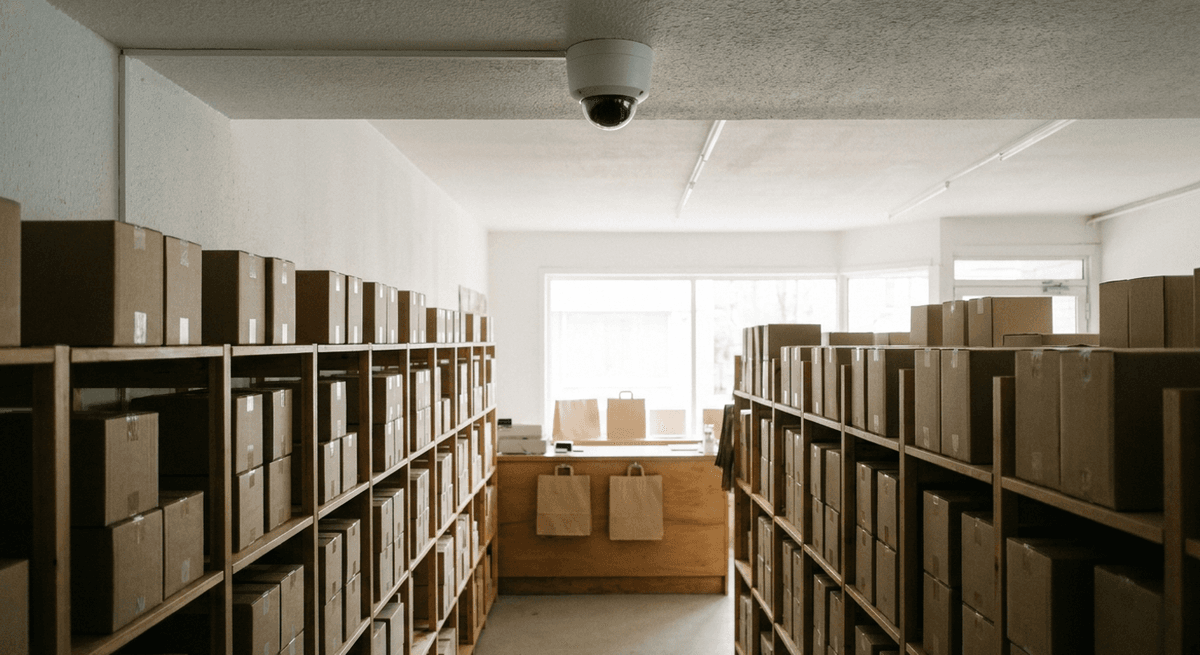
A hidden or covert camera, one operated without that visible notice, is prohibited outright. There is no version of the Camera Law that permits secretly filming someone in a place the law covers, whatever the operator's reason for wanting to do so.
What a private camera may and may not capture
A homeowner or a business can point a camera at their own property. What they cannot do is capture the public road, or a neighbor's property, in anything more than an unavoidable minimum. Belgian guidance on the Camera Law is specific about this: a camera aimed at an open place or an enclosed place accessible to the public has to be installed so that it limits the images taken of that place to the strict minimum needed for its purpose, and the same minimization logic applies to a neighbor's land that a camera cannot help but partially capture.
Where a camera genuinely cannot avoid including a slice of the street or a neighbor's garden, a technical fix, such as automatically masking or pixelating that part of the image, is the kind of measure that keeps an otherwise legitimate camera on the right side of the rule. Simply pointing a camera so it sweeps across a neighbor's yard or films passers by on the pavement is not.
A fixed camera actually placed to monitor a public, open place, a street corner rather than a private driveway, sits under a stricter regime again. Installing one generally requires the positive opinion of the local council, given after consulting the local police leadership, and is not something a private individual or a business can simply decide to do on its own account.
The Gegevensbeschermingsautoriteit/Autorité de protection des données has fined camera operators who ignored these limits, including a case involving a couple fined for a camera that filmed the public road along with private property beyond what the rule allows.
The regulators: the Camera Law, the GBA/APD and the GDPR
Two different regulatory layers sit on top of a Belgian camera. The Camera Law itself is enforced through the declaration system and the federal police, and non compliance with its specific requirements, such as failing to declare or failing to post a pictogram, is a matter for that system.
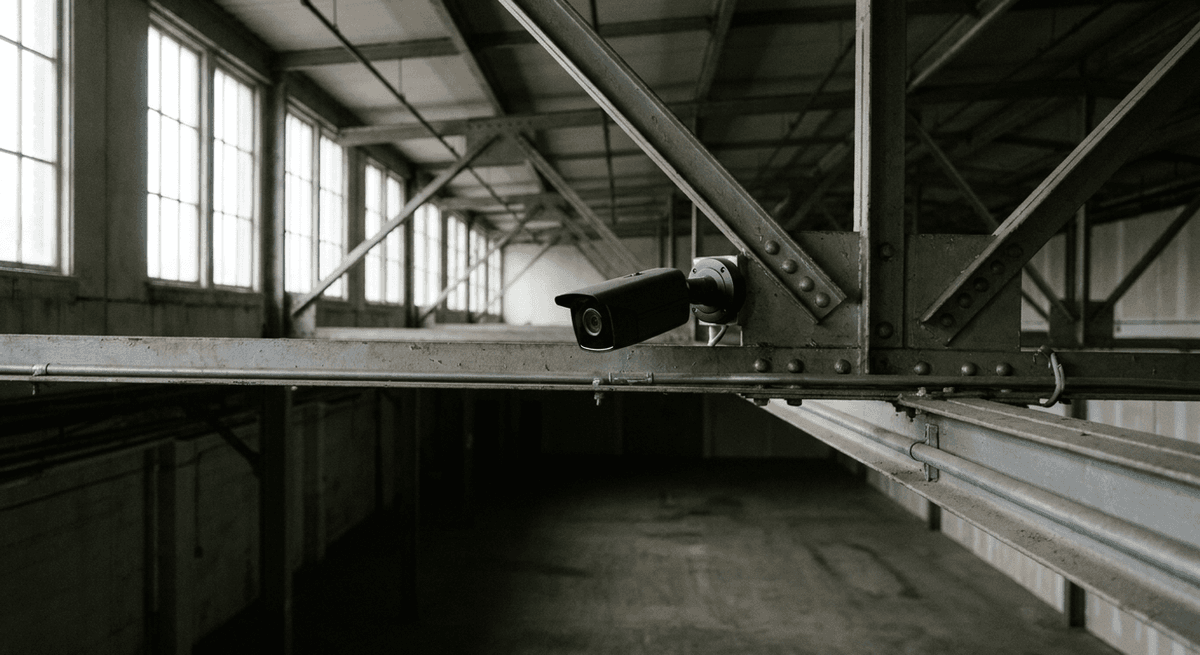
Camera footage is also personal data the moment it can identify someone, which brings the GDPR into play. Belgium's data protection authority, the Gegevensbeschermingsautoriteit in Dutch and the Autorité de protection des données in French, commonly called the GBA or the APD, was created by the law of 3 December 2017 and took over from the older Privacycommissie on 25 May 2018, the same day the GDPR itself became directly applicable across the European Union. Belgium's own law of 30 July 2018 fills in the details the GDPR leaves to national law.
The Camera Law is what is sometimes called lex specialis, the specific rule that governs cameras in particular. Where the Camera Law is silent, general data protection law under the GDPR fills the gap, and the GBA/APD is the authority that enforces both.
Cameras in the workplace
An employer who installs its own camera system faces an additional layer again, set out in collective labor agreement CCT 68, known as CAO nr. 68 in Dutch, adopted by the Conseil national du Travail/Nationale Arbeidsraad on 16 June 1998.
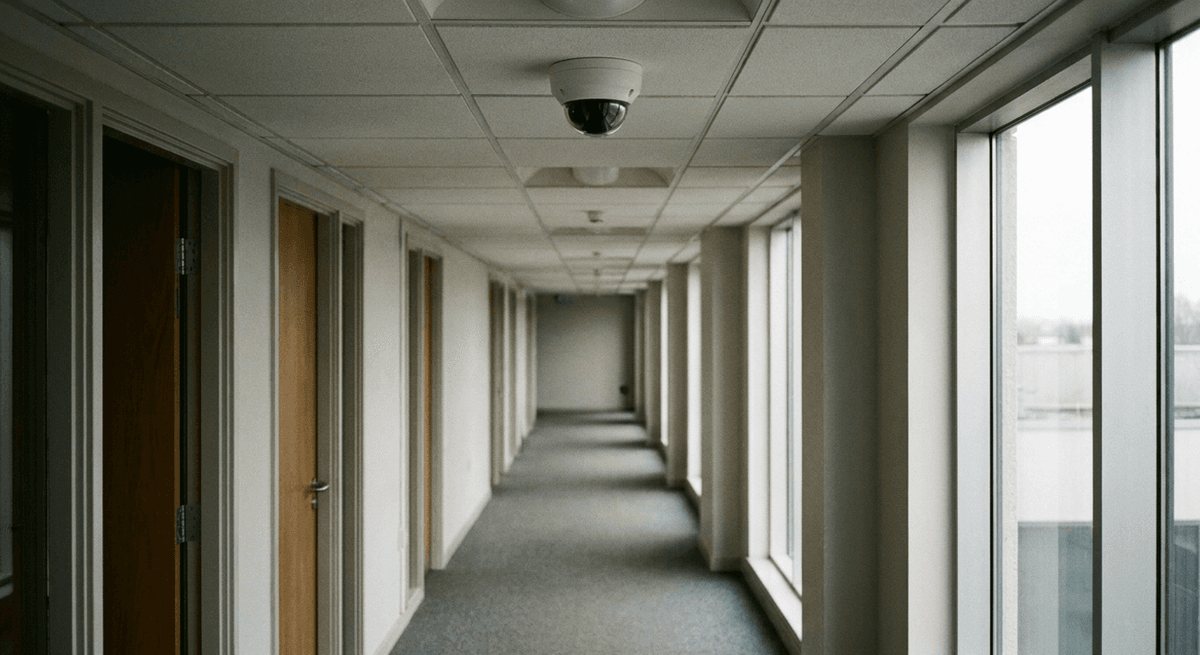
CCT 68 permits workplace camera surveillance only for specific, defined purposes: the safety and health of workers, the protection of the company's property, monitoring the production process, and temporary monitoring of an employee's own work. It is not a general license to watch staff for any reason an employer finds convenient.
Before installing a system, the employer has a prior duty to inform workers, covering the purpose of the surveillance, whether footage is retained at all, how many cameras are involved and where they are located, and the periods during which they operate. This regime applies specifically where the employer itself installs the camera system; it sits alongside, not instead of, the ordinary Camera Law and GDPR obligations described above. Recording a conversation, rather than filming a place, follows a different set of rules under Belgian criminal law, covered separately under Belgium Laws.
This page describes Belgium's general camera surveillance rules and does not amount to legal advice for an individual situation. Whether a specific camera, its placement, or its footage complies with the Camera Law and the GDPR depends on the exact facts. Check the current text on ejustice.just.fgov.be or besafe.be, or consult a lawyer, before acting on anything here.
Frequently Asked Questions
Do I have to declare a security camera at my home in Belgium?
In almost every case, yes, through the aangiftecamera.be/declarationcamera.be system, unless the camera is installed strictly inside your own home for personal and domestic use only. A camera that also captures anything outside the home typically falls under the ordinary declaration duty.
Can I install a camera that films the street in front of my house?
You can generally film your own property, but not the public road itself. A camera has to be set up to minimize how much of the street, and any neighboring property, it actually captures, and a camera fixed on a genuinely public place usually needs municipal authorization rather than being something you can install unilaterally.
Is a hidden security camera legal in Belgium?
No. The Camera Law requires a visible pictogram wherever a camera operates, and using a covert or hidden camera is prohibited outright.
Can my employer install cameras to watch me at work?
Only for specific purposes set out in CCT 68/CAO nr. 68: workplace safety and health, protecting company property, monitoring the production process, or temporarily monitoring an employee's own work. The employer also has to inform workers in advance about the purpose, retention period, and number and location of cameras.
What happens if I film my neighbor's garden by mistake?
The Camera Law requires minimizing capture of a neighbor's property, and Belgian guidance points to technical solutions such as masking or pixelating the part of the image that spills onto their land. The Gegevensbeschermingsautoriteit/Autorité de protection des données has fined camera operators for filming beyond their own property.
Who enforces Belgium's camera rules?
Two layers apply together. The declaration and pictogram requirements sit under the Camera Law itself, policed through the federal declaration system, while the Gegevensbeschermingsautoriteit/Autorité de protection des données enforces the GDPR and the Camera Law's data protection dimension, including issuing fines.
Does Belgium's Camera Law replace the GDPR for cameras?
No. The Camera Law is the specific rule for cameras, but the GDPR still applies to camera footage as personal data, and fills in whatever the Camera Law does not address.
Sources and References
- Loi du 21 mars 2007 réglant l'installation et l'utilisation de caméras de surveillance (loi caméras), texte coordonné(ejustice.just.fgov.be).gov
- BeSafe, Caméra de surveillance, introduction(besafe.be).gov
- BeSafe, Système de déclaration(besafe.be).gov
- BeSafe, Pictogramme(besafe.be).gov
- BeSafe, Caméras de surveillance fixes et fixes temporaires(besafe.be).gov
- Autorité de protection des données, Les caméras de surveillance(autoriteprotectiondonnees.be).gov
- Autorité de protection des données, L'APD impose une amende pour traitement illégitime d'images de caméras de surveillance(autoriteprotectiondonnees.be).gov
- Conseil national du Travail, Convention collective de travail n° 68 du 16 juin 1998 relative à la protection de la vie privée des travailleurs à l'égard de la surveillance par caméras sur le lieu de travail(cnt-nar.be).gov
- Autorité de protection des données, loi cadre du 3 décembre 2017 portant création de l'Autorité de protection des données(gegevensbeschermingsautoriteit.be).gov